









The BlaakLane.com affiliate standards are the written rules every operator and chauffeur in the network signs. They cover licensing and insurance, a vehicle age limit of 4 model years (7 for Rolls-Royce, Maybach and Bentley), presentation and dress, conduct, meet-and-greet signage, waiting, communication, passenger no-shows, confidentiality, performance reviews and the grounds for removal from the network.
Why does BlaakLane.com have a written affiliate standard?
A passenger who books a chauffeur in a city they have never visited cannot check the licence, the insurance or the brakes from the back seat. They are trusting the name on the booking. The written standard is how that trust is kept across 500 cities and many different operators. It turns "a good chauffeur" into specific, checkable rules, so a coordinator in Toronto, an affiliate in Madrid and a passenger arriving at Changi all have the same picture of what should happen. Every affiliate agrees to it in the affiliate agreement, and it applies to every chauffeur who drives a BlaakLane.com trip.
Licensing
- The operating company or owner-operator holds every licence its jurisdiction requires to carry passengers for hire: operator licence, vehicle licence or livery registration, and any airport or port permits needed for the work accepted.
- Every chauffeur holds a valid driving licence of the right class and the chauffeur or for-hire permit their city issues. In New York City, for example, that is a licence from the Taxi and Limousine Commission; in London it is a private hire driver licence from Transport for London.
- Licences are checked against the issuing authority's public register wherever one exists, and expiry dates are tracked. Offers stop automatically when a licence on file expires.
- Unlicensed drivers, borrowed permits or substitute chauffeurs who are not registered with us are never used, even for a short trip.
Insurance
- Commercial passenger insurance covering hire-and-reward or livery use is required for every vehicle, naming the company or owner-operator as the insured.
- The liability limit meets or exceeds the minimum set by the licensing authority for the vehicle's size and use.
- The certificate lists each vehicle by plate or VIN, or is accompanied by the insurer's schedule.
- Renewals are sent before the old certificate expires; a lapse pauses all offers until cover is proven.
- Any accident or incident on a BlaakLane.com trip is reported to dispatch immediately and to the insurer as the policy requires.
Vehicle age and condition
The age rule is the same in every city.
| Vehicle | Maximum age | Notes |
|---|---|---|
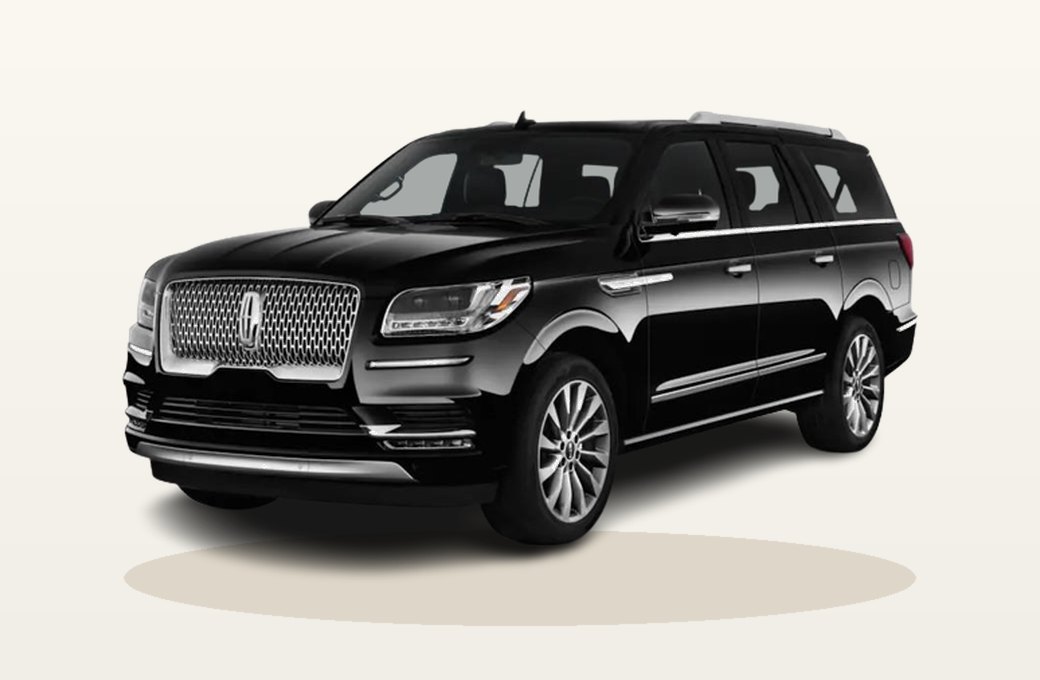
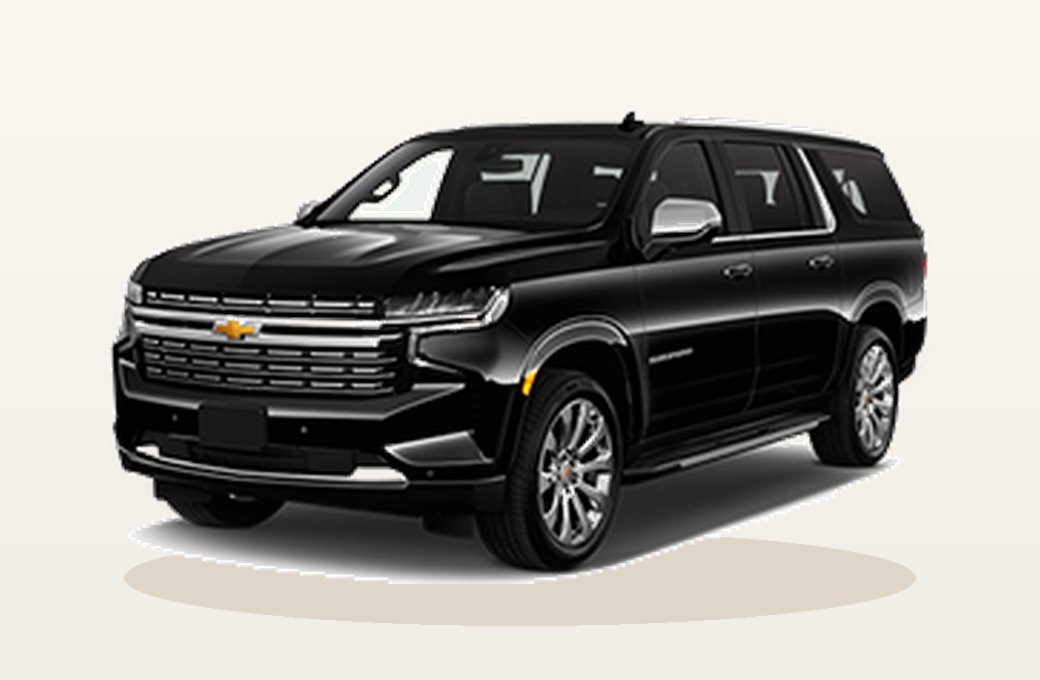
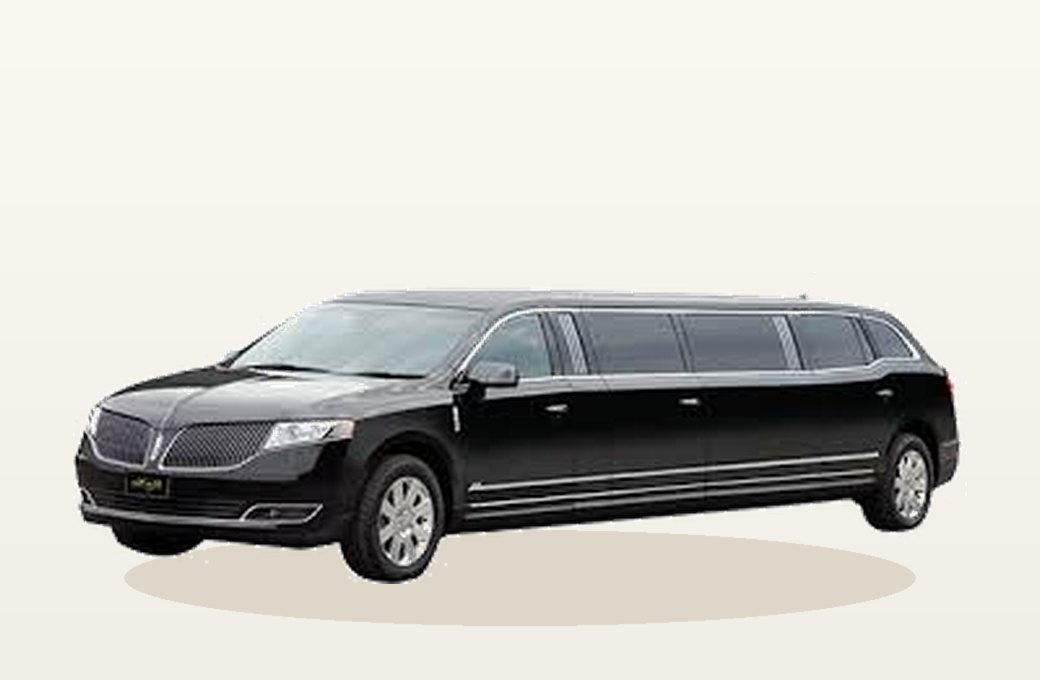
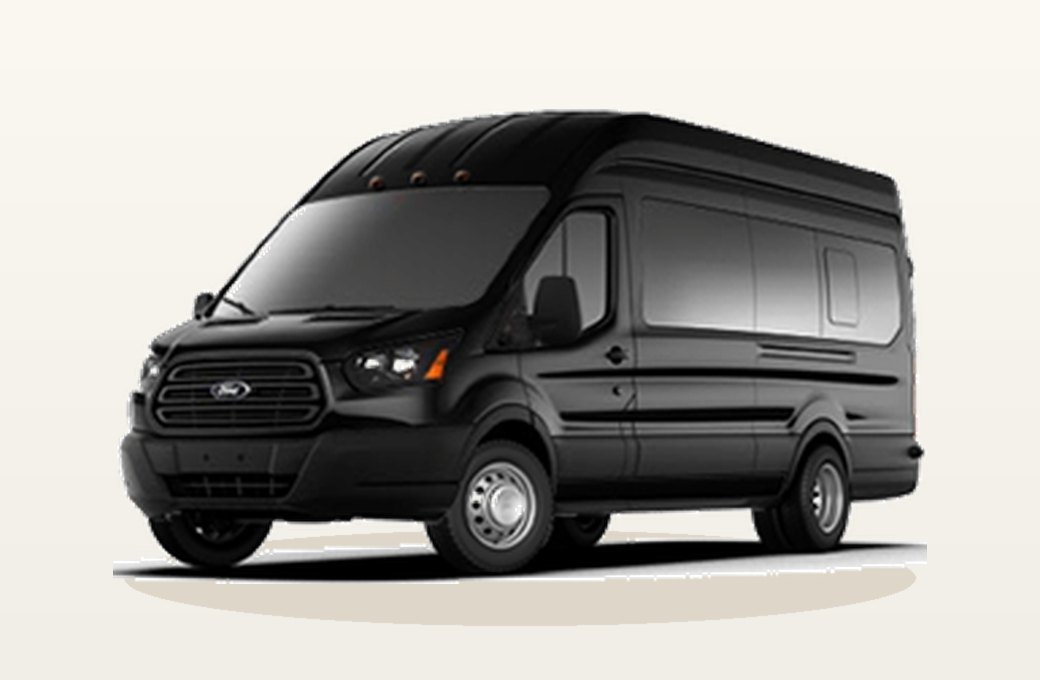
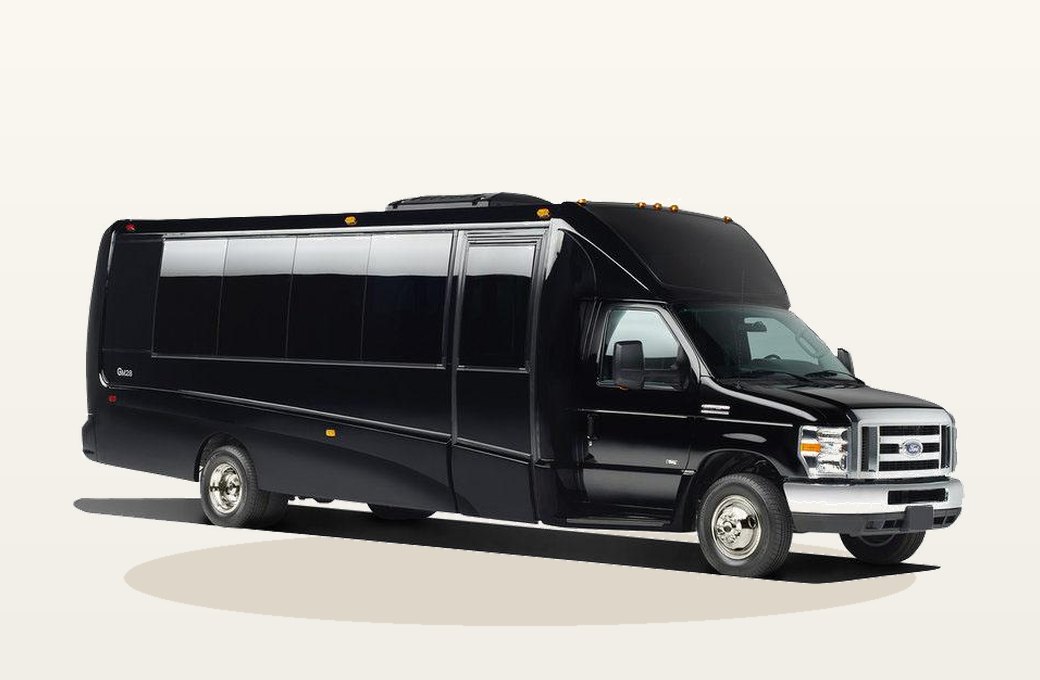
| All classes except the three marques below | 4 model years | Sedans, SUVs, vans, Sprinters, stretch limousines, armoured vehicles and coaches |
| Rolls-Royce | 7 model years | Condition must match the marque |
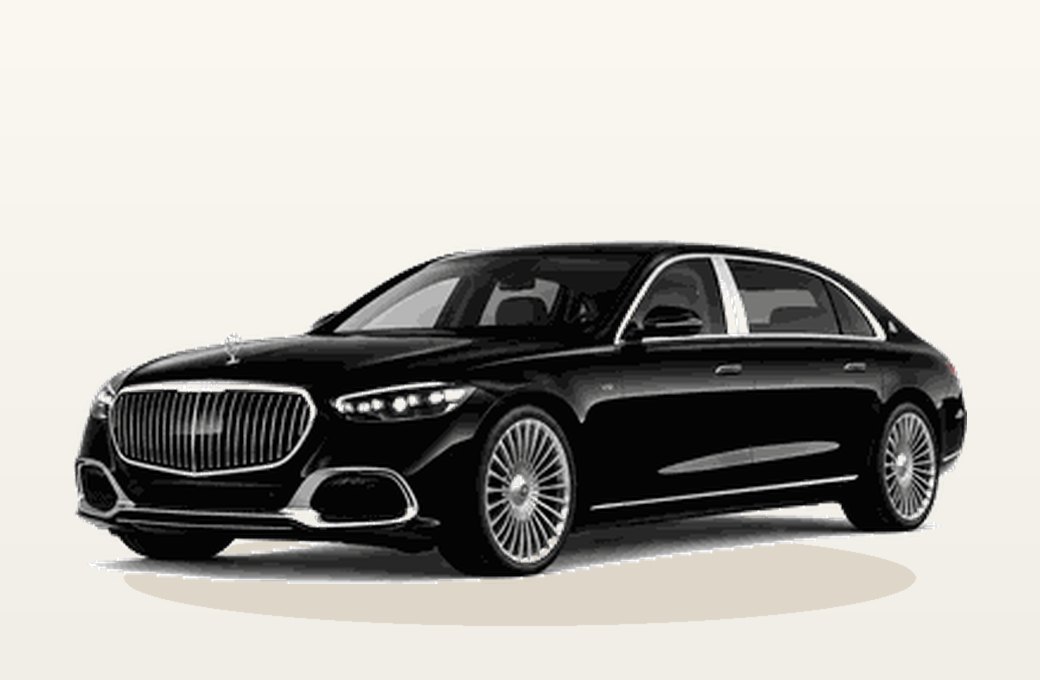
| Maybach | 7 model years | Mercedes-Maybach S-Class and GLS |
| Bentley | 7 model years | Flying Spur, Bentayga and equivalent |
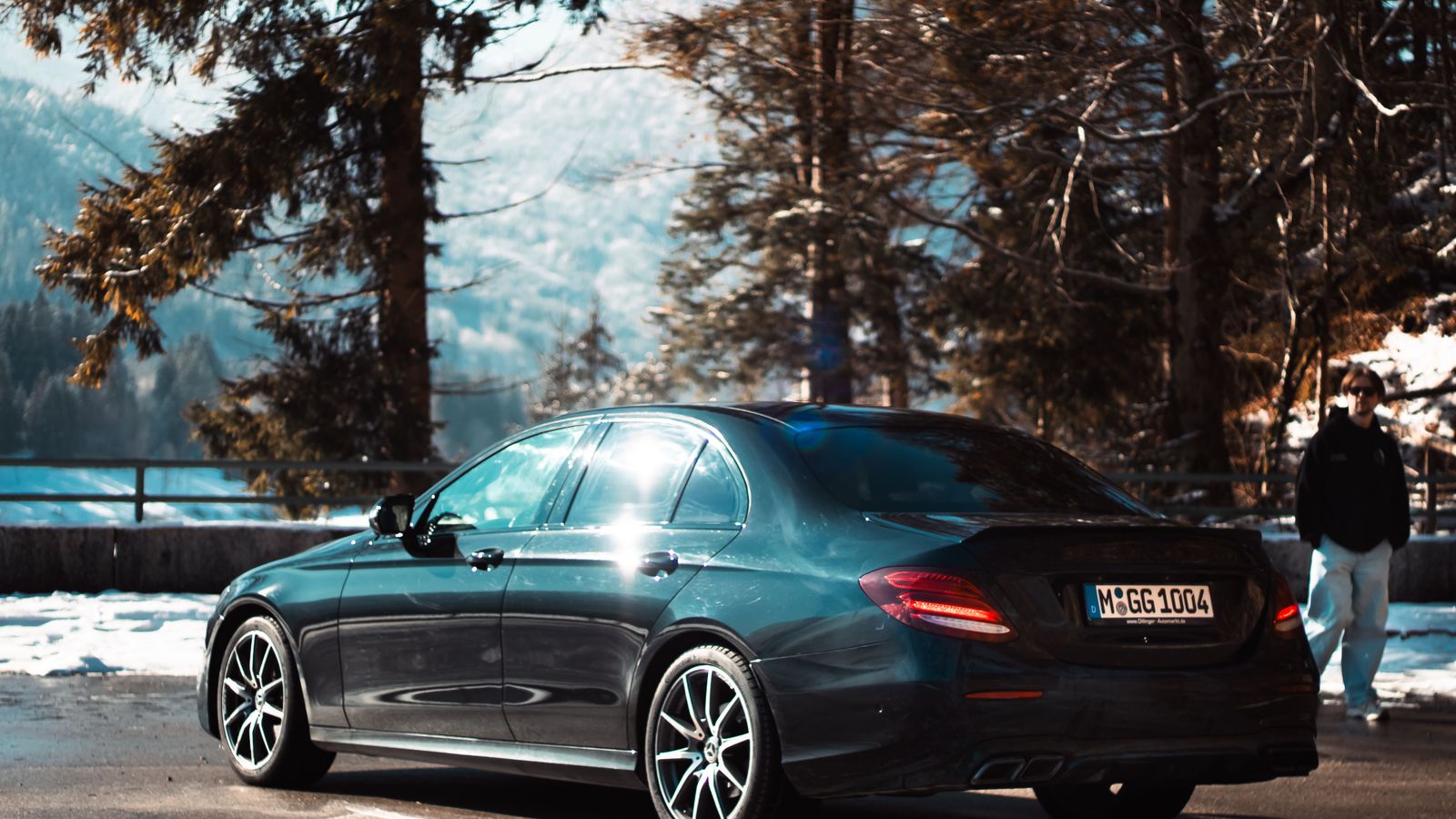
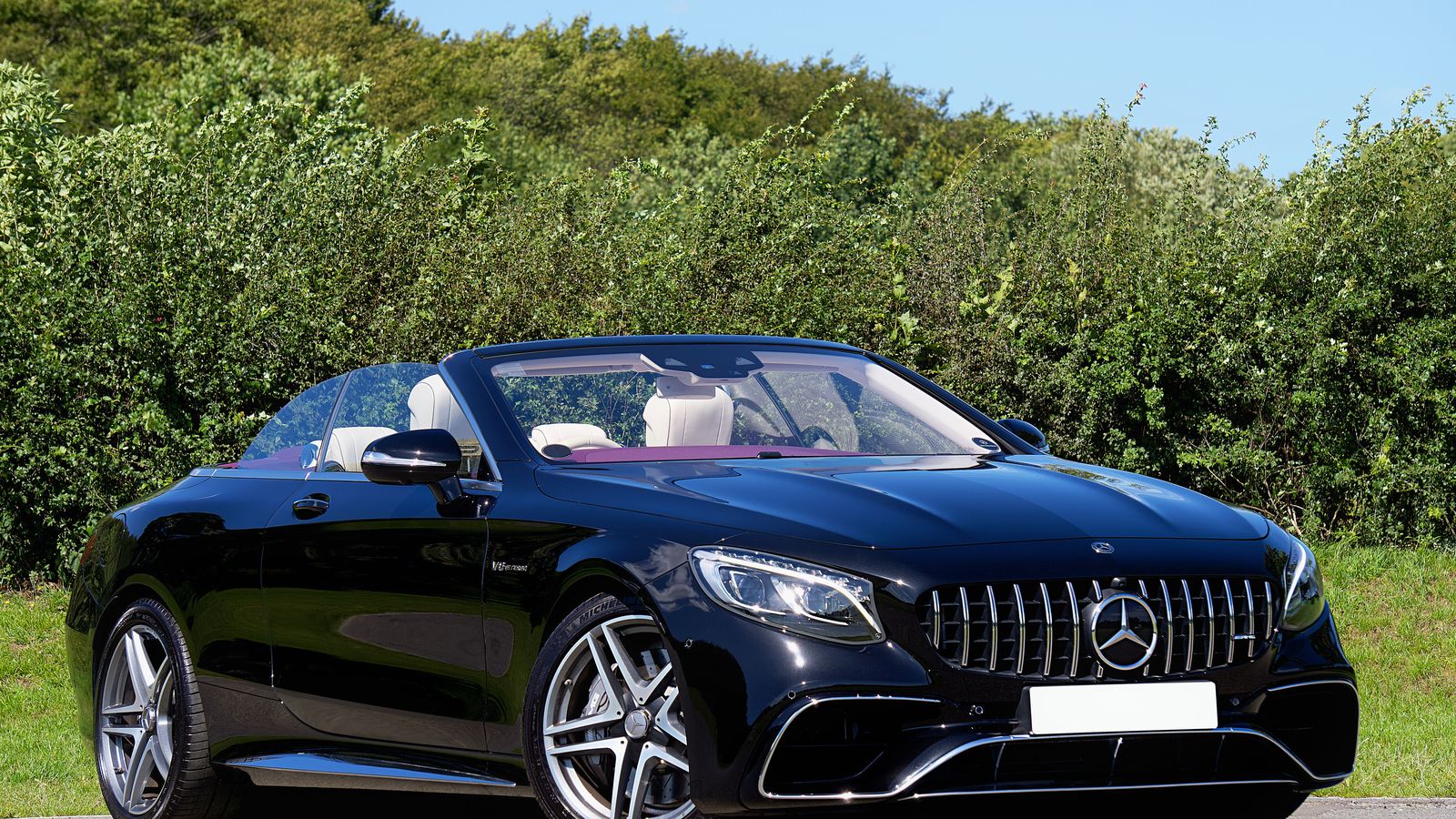
Every vehicle also has a current safety or roadworthiness inspection, tyres suited to the season, working lights, belts and child-seat anchors, and no warning lights on the dashboard. Vehicles are black or dark, with no advertising, no roof sign and no company decals visible to the passenger. The full vehicle list is on vehicles affiliates can offer.
Vehicle presentation
The vehicle is washed before the trip and cleaned inside: carpets vacuumed, seats and surfaces wiped, windows clear, no odours from food, smoke or strong fragrance. Nothing personal is left in the rear cabin or the boot. Rear passengers have access to a phone charger, bottled water and tissues, and there is an umbrella in the car when rain is forecast. The boot is empty enough for the luggage the job sheet lists. Child seats, when requested, are fitted correctly before arrival, not in the car park while the family waits.
Dress code
- A dark, well-fitted suit, a plain white or light shirt and dark, polished shoes.
- A plain tie for corporate, diplomatic and VIP work; a smart open collar only where the job sheet or the coordinator allows it.
- Clean, tidy grooming. No strong aftershave or perfume.
- In hot climates, a lighter suit or an agreed uniform is acceptable, but never shorts, sportswear or branded clothing.
- A name badge only if the local licensing authority requires one to be displayed.
Conduct in the car
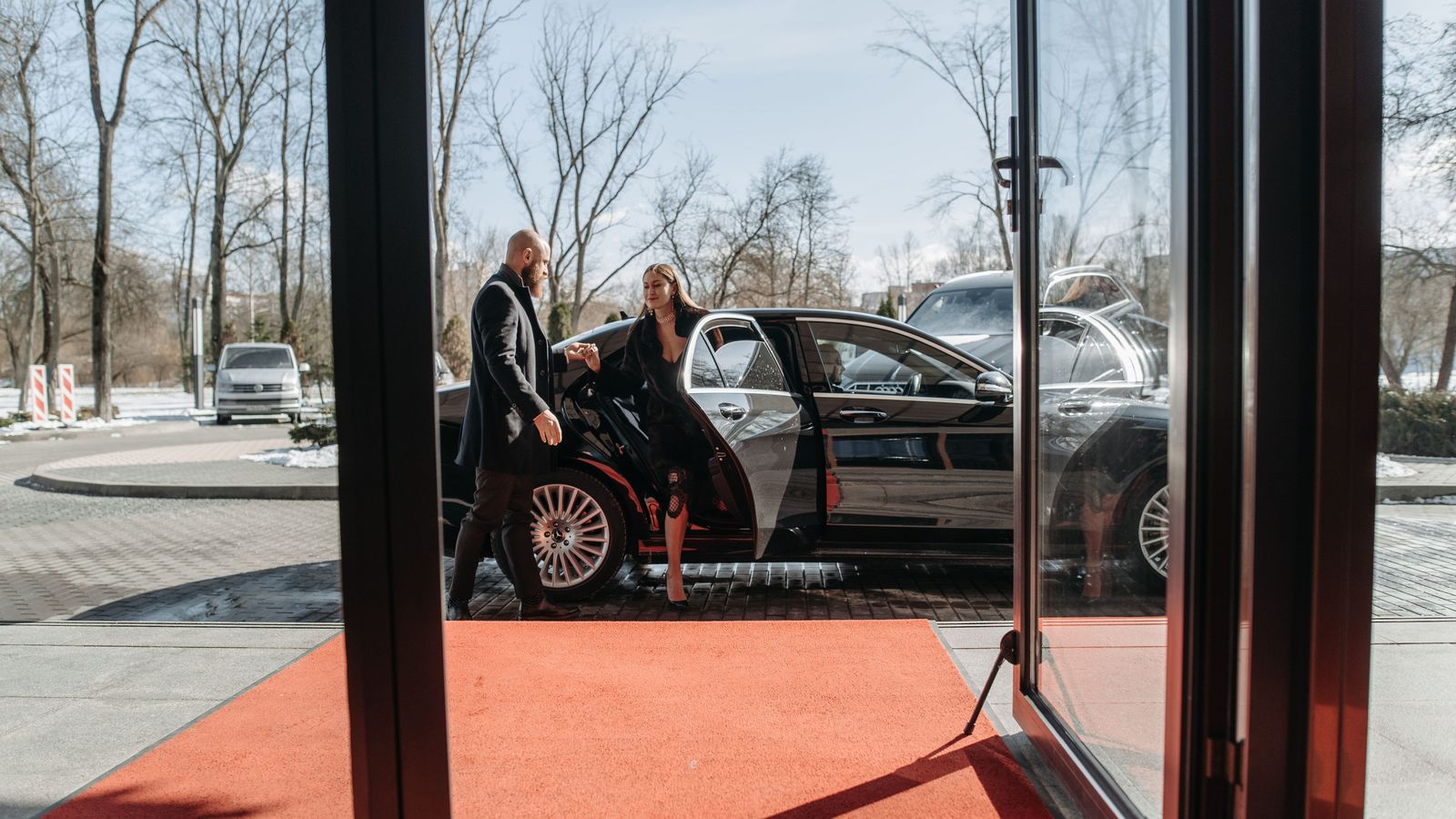
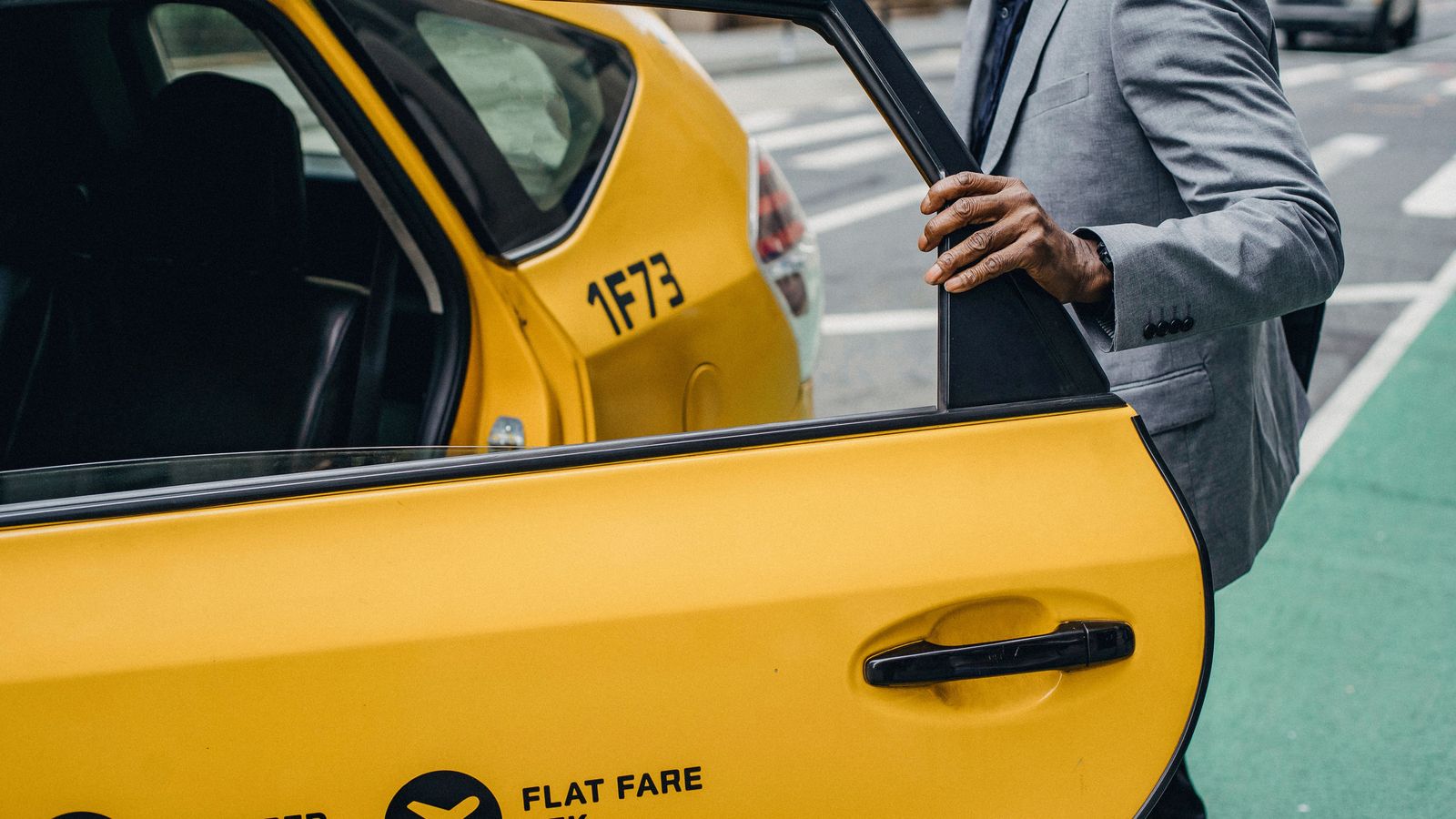
Chauffeurs greet the passenger by name, open doors where appropriate, load and unload luggage, and drive smoothly within the speed limit. The cabin belongs to the passenger: temperature, music and whether there is conversation are their choice, and phone calls are taken hands-free only for dispatch. Chauffeurs do not smoke in or near the vehicle, do not eat in the car on duty, never drive after alcohol or medication that affects driving, and follow driving-hours rules. Payment is never discussed or collected in the car, and there are no requests for tips, reviews or business.
Meet-and-greet signage
Meet and greet in the arrivals hall is an add-on the passenger chooses, and add-ons are only available in selected locations. When it is on the job sheet:
- The chauffeur holds a clean board or tablet showing the name exactly as written on the job sheet. The passenger's company name is added only if the job sheet asks for it.
- The sign never shows a flight number, a hotel name or anything else that would tell a stranger where the passenger is going.
- The chauffeur stands where the airport allows greeters to wait, usually at the arrivals exit, and does not approach passengers who have not responded to the sign.
Without meet and greet, the pickup is curbside at the airport's designated commercial or pre-arranged pickup area, and the chauffeur is never inside the terminal by default.
Waiting rules
Included waiting is set by the passenger's booking and applies in every city: 60 minutes from actual landing on international arrivals, 30 minutes from actual landing on domestic flights and 15 minutes on other pickups. Airport waiting is measured from the tracked landing time, not the schedule, because every airport pickup is flight-tracked. Once the included time is used, further waiting runs in 15-minute blocks. Chauffeurs tell dispatch as the included time ends so the passenger or booker can be informed, and record the actual waiting when they close the job.
Communication with dispatch and passengers
- Accept or decline each offer within its acceptance window; never let an offer lapse without an answer.
- Confirm on site for every pickup and report delays the moment they are known, not when the pickup time has already passed.
- Contact passengers only through the numbers on the job sheet and only about the trip: a short arrival message and, if needed, a call when they cannot be found.
- Report any change the passenger requests in the car, such as a new stop or destination, to dispatch before acting on it, so the fare and the record stay correct.
- Report accidents, incidents, lost property and complaints to dispatch the same day.
No-shows: what happens when a passenger does not appear
A no-show is only declared by dispatch, never by the chauffeur alone. Before asking for one, the chauffeur waits the full included time for the booking, checks the correct pickup point, calls the passenger's number on the job sheet and messages them. The chauffeur then calls dispatch, which tries the passenger and the booker. The chauffeur stays until dispatch releases them and records the times, with a photo of the pickup point or the sign where the airport allows it. Only then is the trip closed as a no-show, which passengers are charged in full under the cancellation policy.
Confidentiality
Passengers include executives, public figures, crews and families who are trusted to travel privately. Affiliates and chauffeurs therefore:
- Never disclose who they drove, where, when or with whom, including to other clients, friends or social media.
- Never photograph passengers, their documents or their luggage, and never post images from inside the vehicle during a trip.
- Treat overheard conversations and anything left in the vehicle as confidential; lost property is returned through dispatch.
- Never approach a passenger met on a BlaakLane.com trip for private work or hand out business cards.
- Handle passenger names and phone numbers only for the trip and delete job sheets when no longer needed, consistent with data protection law such as the EU data protection rules.
Performance reviews
Each affiliate is reviewed on its own record: offers answered within the window, on-time arrival, communication about waiting and changes, vehicle and chauffeur presentation, and passenger and coordinator feedback. A partner manager discusses the findings with the operator's named contact, and one-off problems that were reported properly, such as a road closure, are treated as such. Where a pattern appears, the manager agrees a correction with the affiliate and follows the next trips closely. Consistent affiliates are the first considered for VIP, corporate and multi-vehicle programmes. See also our passenger-facing safety page.
Removal from the network
An affiliate may be paused or removed from the network for:
- Driving a trip with an unlicensed or unregistered chauffeur, or in a vehicle not approved for that trip.
- Operating without valid commercial passenger insurance, or failing to send renewals.
- Any breach of confidentiality, including soliciting a passenger.
- Collecting payment from a passenger or adding charges in the car.
- Unsafe driving, driving under the influence, or harassment of any kind.
- A repeated pattern of late arrivals, unanswered offers or late hand-backs after the issue has been raised.
Serious safety or confidentiality breaches lead to immediate suspension while they are investigated. For other issues, removal normally follows a conversation with the operator's named contact and a period in which the correction can be shown on real trips, so an affiliate always knows where it stands before any decision is made. The affiliate agreement sets out how completed trips are settled if an affiliate leaves or is removed.
How do the standards connect to the rest of the network?
These rules sit alongside the documents checklist, the vehicle standards and how partner work is paid. Owner-operators and companies should read the pages written for them, owner-operators and limousine companies, before registering. Passengers see the same promises from the other side on pages such as meet and greet and airport transfers. Operators who want to understand the principles behind non-disclosure in commercial work can read a general overview of a non-disclosure agreement.