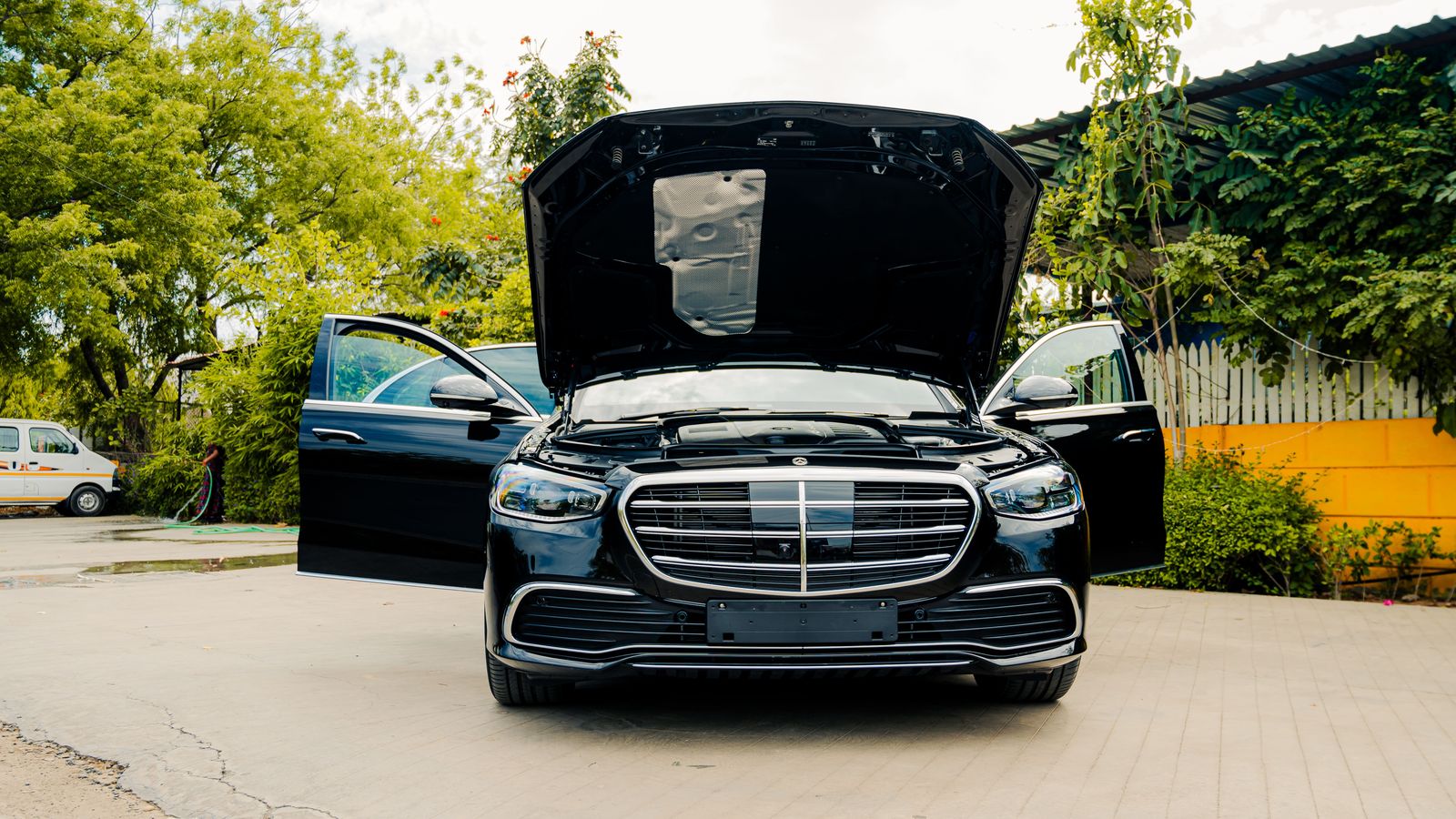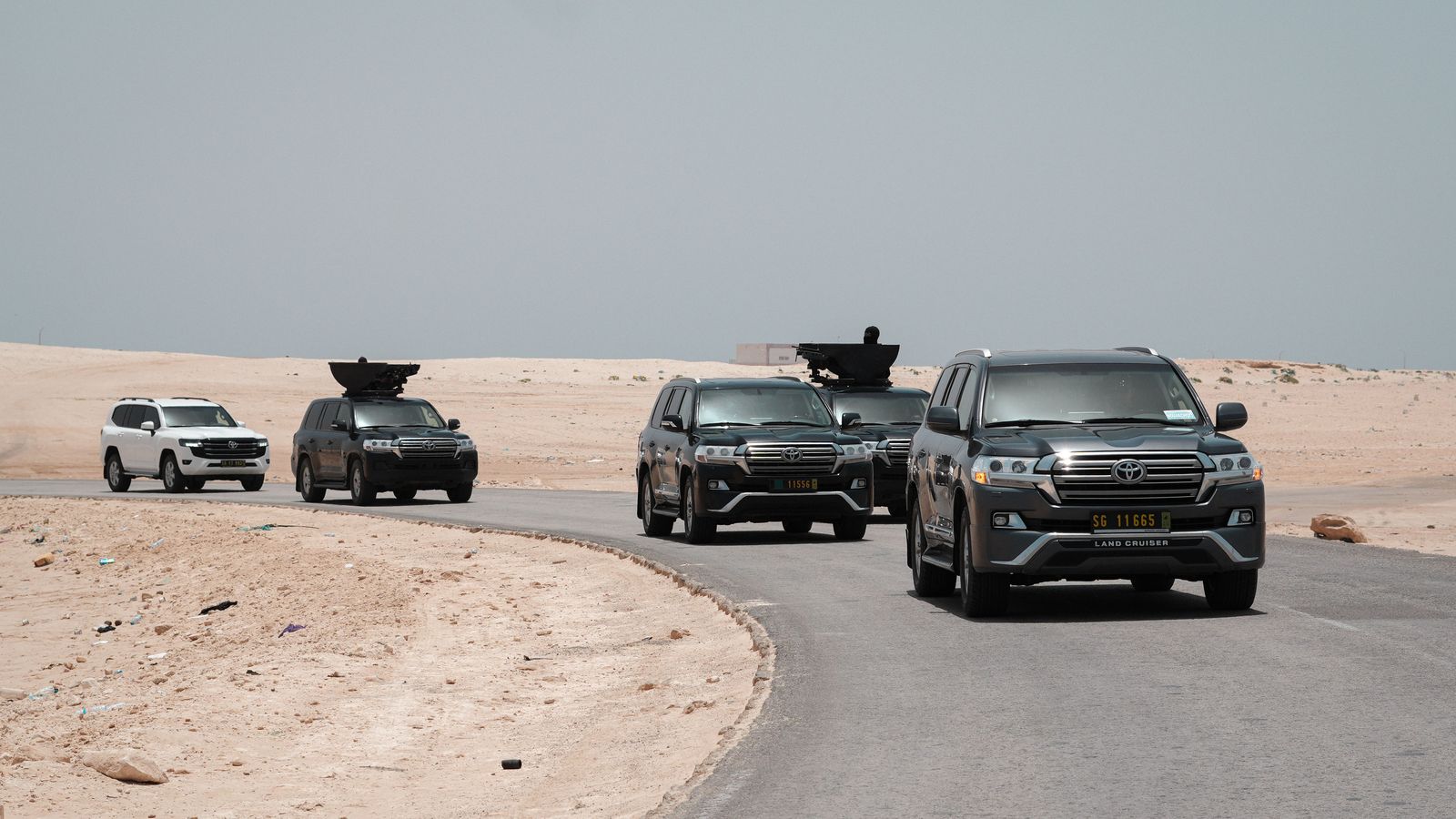









A celebrity chauffeur service from BlaakLane.com moves talent, principals, crews and teams with trained, discreet chauffeurs in 500 cities. Single transfers are booked online at a fixed fare. Film units, tours, team travel and award-season programmes are planned by a coordinator against your call sheets and itineraries, confirmed in writing, and run from a Toronto desk that works 24/7.
How to book a celebrity chauffeur service with BlaakLane.com
There are two routes, and the right one depends on how many moving parts the job has.
Single journeys. An agent, assistant or tour manager who needs one car for one person uses the reservation engine on this page or on the booking page. Enter the address, date, time and vehicle, and the engine shows a fixed fare before you confirm. There is no meter and no surge, so the fare for a premiere-night drop-off is the fare you saw when you booked, even if the city is gridlocked.
Programmes. A film unit on location, a 30-date tour, a team travelling to away fixtures or an awards weekend with a dozen principals is planned by a coordinator and confirmed in writing. You send the itinerary, call sheets or advance sheets; the coordinator returns a movement plan with vehicle classes, pickup points, timings and named contacts. Changes are handled by the same coordinator, not by a new agent every time you call.
Outside the home dispatch area around Toronto, trips are driven by a vetted local affiliate from the LimousineWorldwide.Directory network, contracted to the BlaakLane.com written standard. The confirmation names the operator, and the chauffeur and vehicle details follow before each movement. We do not claim our own garages in foreign cities, and we do not hide who is driving.
Who uses an entertainment chauffeur programme
Entertainment travel covers several quite different kinds of client. Each one has its own rhythm, and the plan reflects that.
- Film and television production offices: unit transport for cast, directors and department heads between hotels, studios and locations; airport runs for incoming cast; wrap-day departures.
- Music tours and promoters: artist cars on show days, airport and FBO transfers between cities, crew runs to the venue, band shuttles to hotels after the show.
- Management companies, agencies and publicists: press days, junkets, talk-show appearances and label or studio meetings.
- Sports teams and federations: team arrivals, player and staff transfers, officials, visiting executives and families on matchday.
- Award shows, festivals and premieres: timed red carpet arrivals, after-party moves and hotel returns for nominees, presenters and their teams.
- Brands and agencies running talent appearances: store openings, launch events and campaign shoots with fixed call times.
Talent is only one part of the passenger list. Assistants, stylists, security, glam teams, tour managers and producers all need to move too, and they often move on a different schedule from the principal.
What discretion means in practice
Discretion is not a slogan; it is a set of habits that the chauffeur and the dispatch desk follow on every movement.
- Minimum information to the chauffeur. The chauffeur receives the pickup, drop-off, timing and a contact. Passenger details beyond what the job needs stay with the coordinator.
- Alias or production code. You can book under a production code, tour code or alias. The chauffeur and the operator see the code; the principal's name does not need to appear on the booking.
- No name boards in public by default. Standard airport pickup is curbside at the airport's designated commercial or pre-arranged pickup area, which avoids a board with a famous name in the arrivals hall. Where you want a chauffeur inside, meet and greet with a name board is an add-on, and the board can carry a code word. Add-ons are only available in selected locations.
- No photographs, posts or conversation about passengers. The brief for each movement tells the chauffeur not to photograph passengers, post about journeys or discuss who they drove.
- Privacy glass and unmarked vehicles. Ask for an unmarked vehicle and tinted rear glass in the brief; tinted rear glass is common on executive SUVs.
- Separate drop points. The coordinator can plan a second drop point, a stage door, a loading dock or a hotel's service entrance, when a front entrance is likely to draw a crowd.
Non-disclosure agreements and confidentiality
Productions, labels and management companies often require an NDA before anyone sees a schedule. Send your NDA with the brief. It is handled as part of confirming the programme in writing, before call sheets or itineraries are shared with the dispatch desk or the local operator.
Unreleased project titles, filming locations and tour routing are treated as confidential by default. The coordinator uses your working title or code name in every message, and movement plans are sent only to the contacts you name. If a location is under a closed-set arrangement, tell us which details can go to the chauffeur on the day and which cannot.
Film and TV production: unit calls and location moves
Film and television transport follows the call sheet. Cast pickups are timed backwards from the call time at hair and make-up or at base camp, with a drive-time margin that changes by hour. A 05:30 pickup across a city in light traffic can be a 25-minute drive; the same route at 08:00 can take an hour.
Typical production movements include:
- Cast pickups and returns between hotels or homes and studios, base camps or locations.
- Airport and rail arrivals for incoming cast and visiting executives, including crew arriving for a shoot block.
- Location company moves, when the unit relocates mid-day and cast need to arrive at the new set on time.
- Tech scouts and recces, with a Sprinter or Standard Black SUV carrying a director, heads of department and a location manager around several sites in one day.
- Wrap and departure transfers, often late at night after a long shooting day.
Common production centres include the studio belts around London (Pinewood near Iver Heath, Shepperton, and Warner Bros. Studios Leavesden near Watford), Los Angeles and Burbank, the Atlanta region, Toronto and Vancouver. See our Los Angeles, Atlanta, Toronto and Vancouver pages for the airports, drive times and local conditions in each.
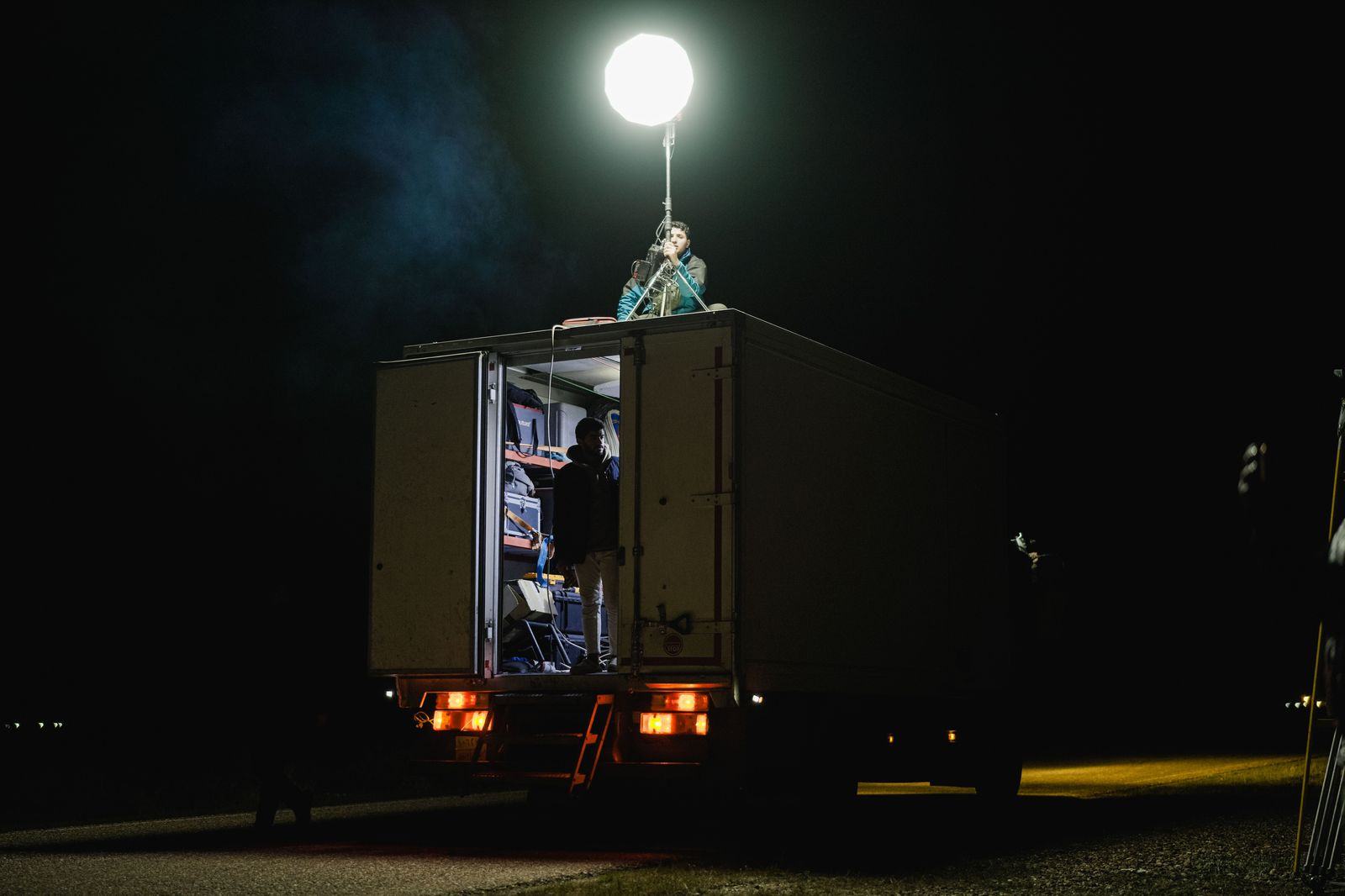
Location filming usually needs a permit from the local film office, such as FilmLA in Los Angeles. Unit parking and base camp are arranged by the production's location team; our vehicles use the drop-off points the location department assigns.
Music tours: show days, travel days and multi-city routing
A tour runs on two kinds of day, and they need different transport.
Show days have a fixed shape: hotel to venue for soundcheck, a return or a green-room wait, the show, and a post-show move to the hotel or an overnight departure. The artist car is often a Luxury Executive Sedan or an executive SUV; band and crew who travel separately use a Standard Black SUV or a Sprinter Van. Where the venue has a loading dock or an artist entrance, the tour manager or promoter rep tells us which gate to use and the name on the credential list.
Travel days link one city to the next: hotel to airport or FBO, flight, then FBO or airport to the next hotel. For road legs between nearby cities, an intercity transfer in a Sprinter can beat a short flight once airport time is counted.
For a multi-city tour, the coordinator builds one routing document with every movement by date and city, the operator for each city and the chauffeur details as they are assigned. When a date is added, moved or cancelled, the change is made in that single document and confirmed in writing.
Heavy backline, staging, lighting and rigging travel with your freight or trucking contractor. We move people and their personal luggage. a Sprinter Van can carry instrument cases, wardrobe bags and merchandise boxes within its seat and load limits, which suits a band that flies light or a promo run.
Sports teams, athletes and matchday travel
Team travel is planned around the fixture list and the club's travel policy. Full squads usually move by minicoach or motorcoach; staff, medical teams and visiting executives move in sedans, SUVs and vans.
Movements we plan for sport include:
- Team arrivals from the airport or an FBO to the team hotel, with baggage handled in a separate van when the kit volume is high.
- Training and matchday runs between the hotel, the training ground and the stadium, timed to the team's arrival window.
- Individual athlete transfers for medicals, sponsor appearances and press duties.
- Officials and delegations at tournaments, where accreditation zones decide where a vehicle can stop.
- Families and guests on matchday, often in a separate programme from the squad.
Stadium access is controlled by the venue and the event organiser. The club or federation provides vehicle accreditation or passes; our role is to supply the vehicle registration and chauffeur details in time for the credential list.
Award shows, premieres and red carpet arrivals
Red carpet arrivals are about timing to the minute and staying close. Most award ceremonies and premieres run a staggered arrival schedule, and the production or publicist gives each principal an arrival slot.
We plan these nights in four parts:
- Staging. The car collects at the hotel or residence with enough margin for the security perimeter around the venue, which can add 20 to 60 minutes on a major ceremony night.
- Drop-off. The car joins the vehicle line using the drop-off credential issued by the event, and the chauffeur follows the marshals' instructions at the carpet.
- Holding. With hourly chauffeur service, the car and chauffeur stay on call in the designated holding area, so the principal can leave the ceremony, reach an after-party and return to the hotel without waiting for a new car.
- Return. The last move of the night, often after 02:00, runs on the same booking.
Award season follows a familiar calendar. The Grammy Awards and the BAFTA Film Awards are usually held in February; the Academy Awards are usually in March in Los Angeles (oscars.org); the Cannes Film Festival usually takes place in May; and the Toronto International Film Festival usually runs in September. Check each official site for the current dates before you plan, and book early, because vehicle demand around these events is high.
Which vehicle for talent, crew and teams
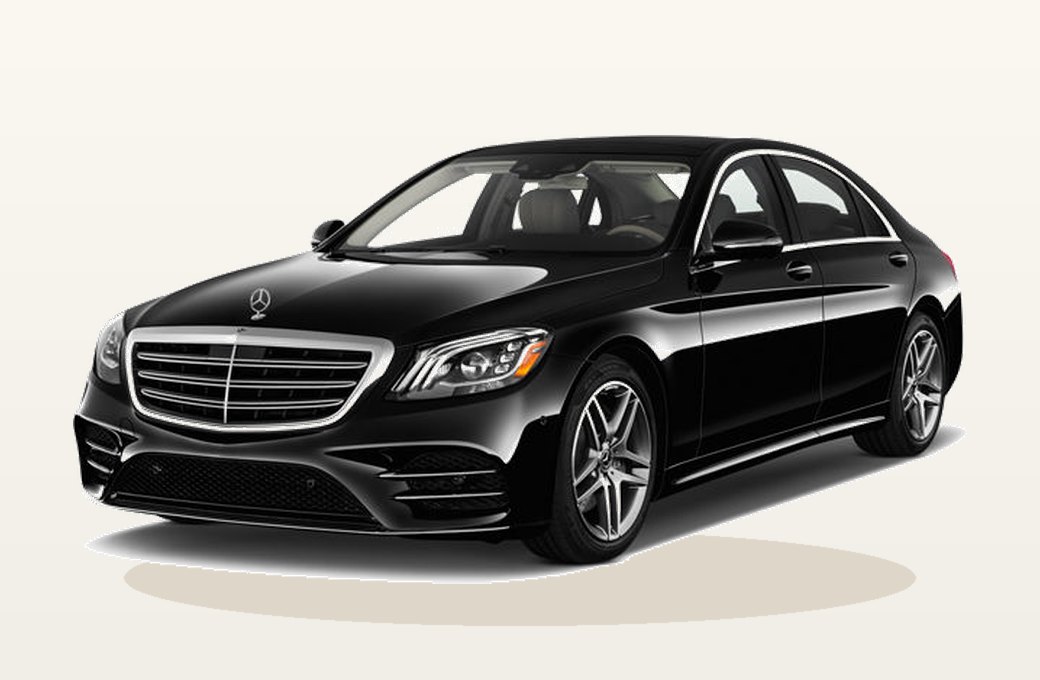
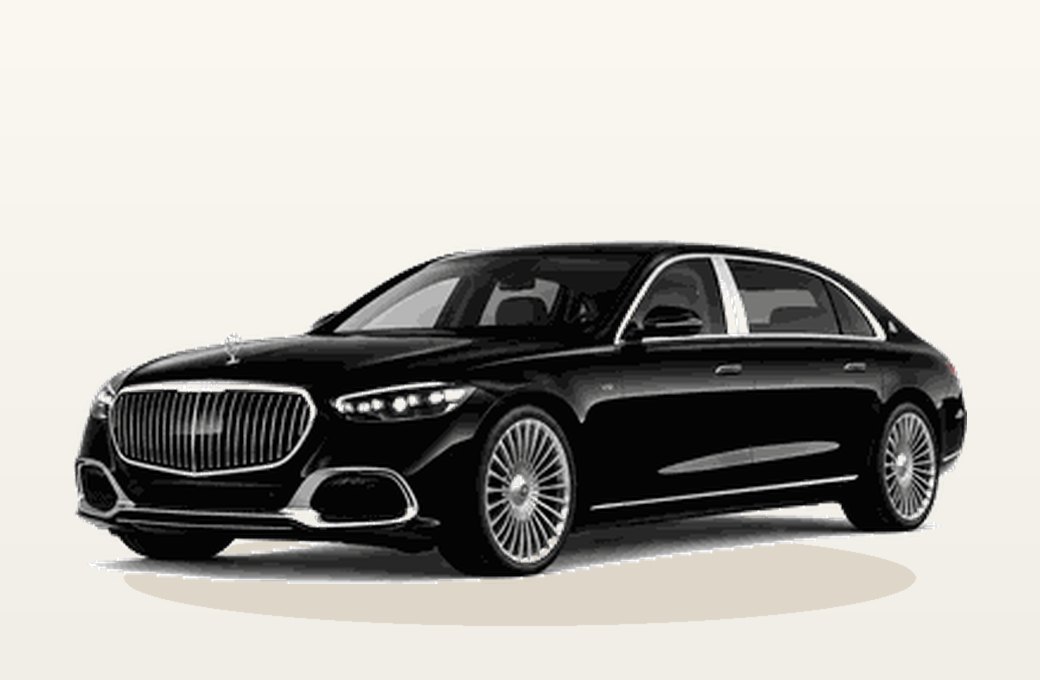
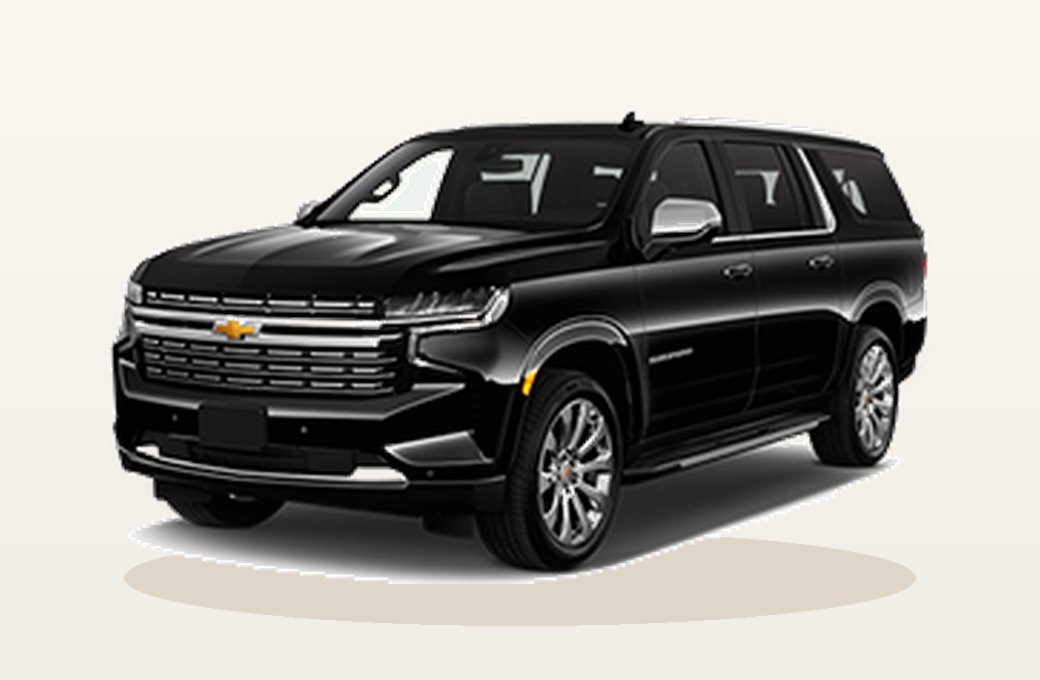
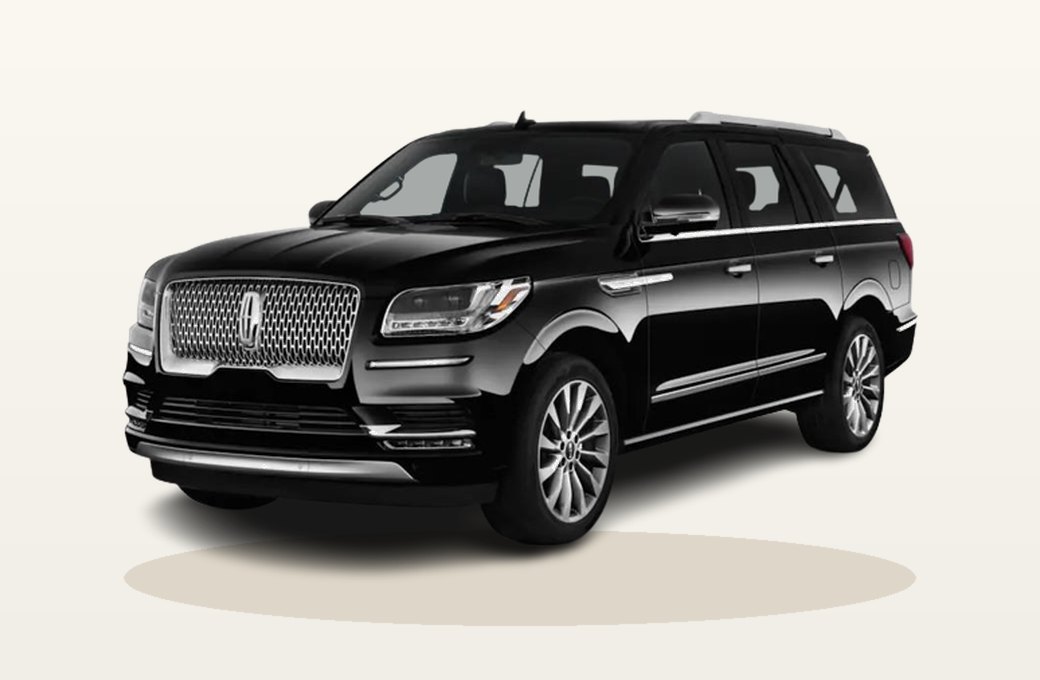
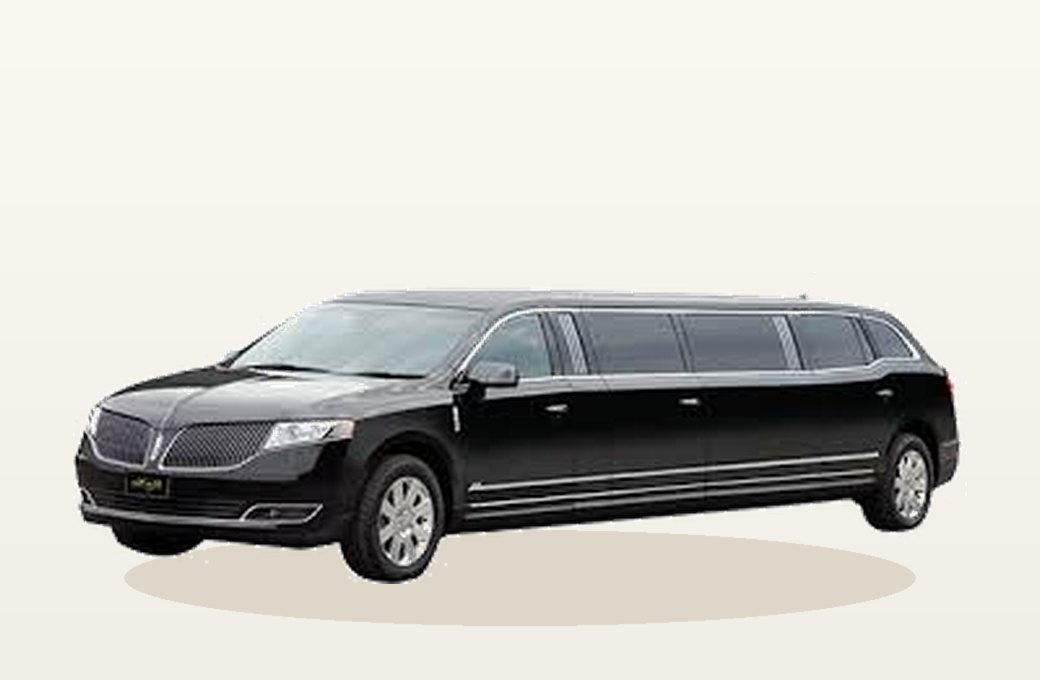
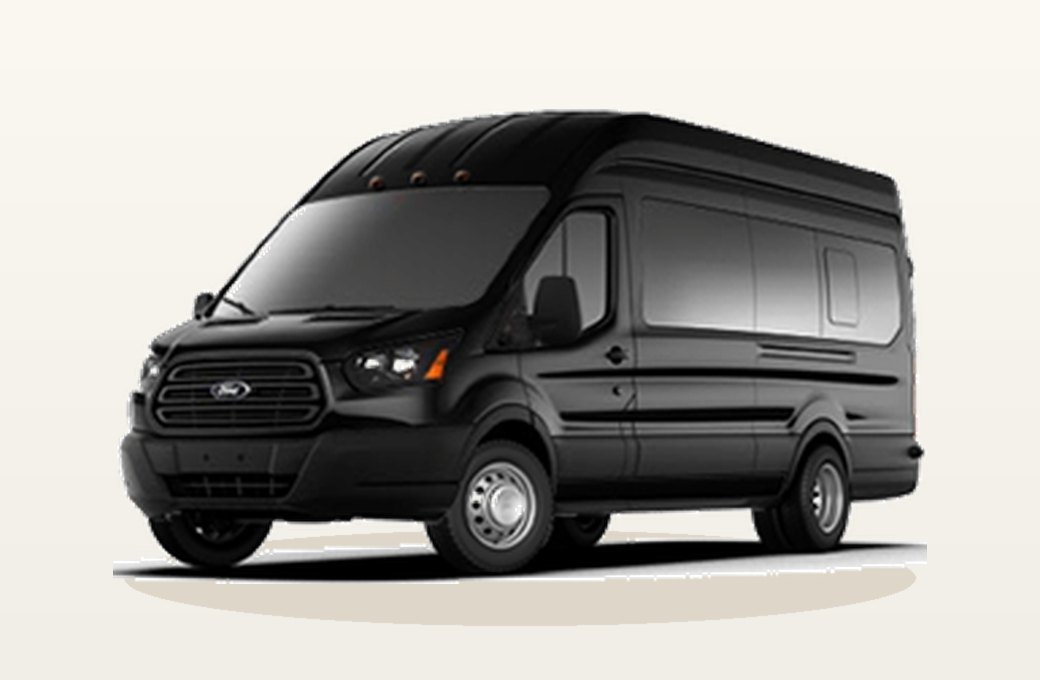
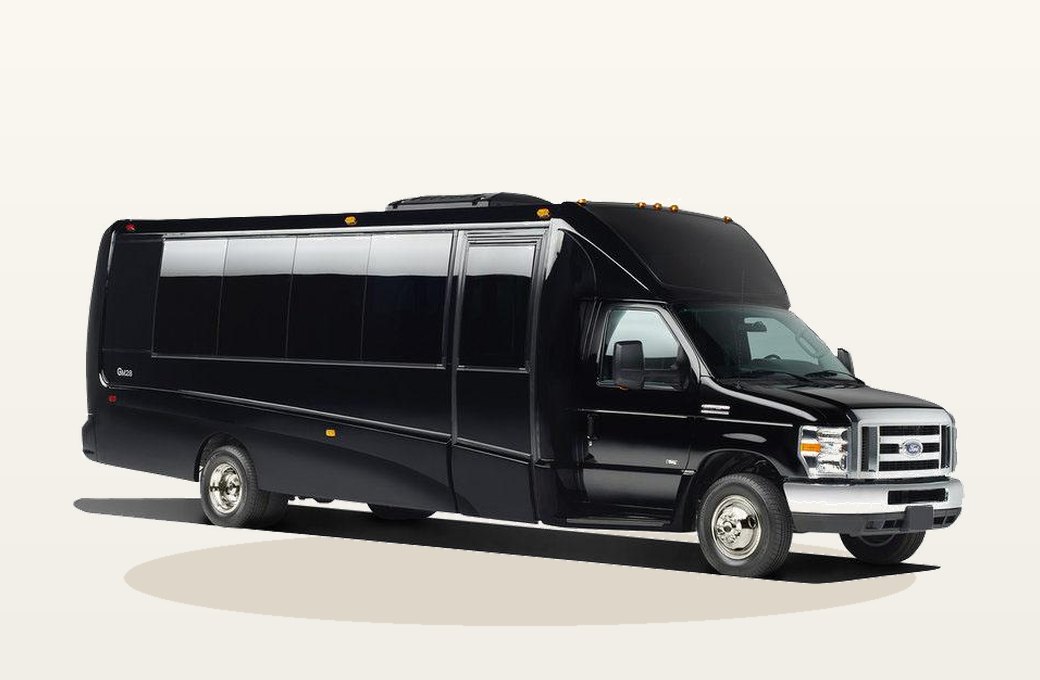
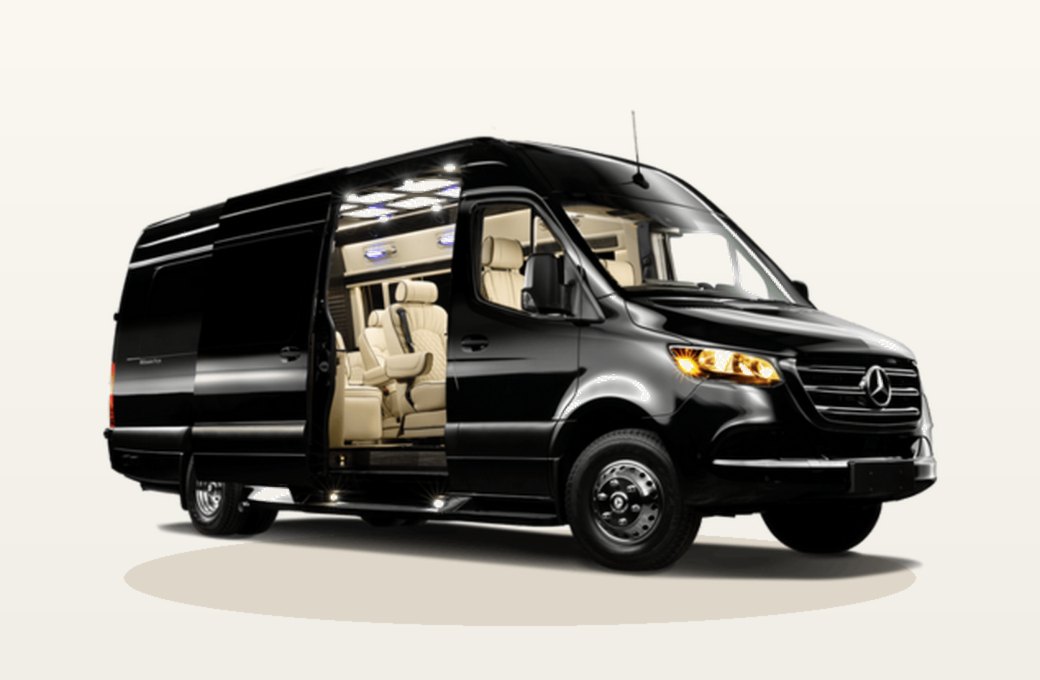
The fleet has the same nine classes in every city, listed on the fleet page. For entertainment programmes, these are the usual matches.
| Movement | Typical vehicle | Why it fits |
|---|---|---|
| Principal on a press day or red carpet | Luxury Executive Sedan or executive SUV | Privacy, easy entry and exit in formal dress, quiet cabin for calls |
| Principal plus security and an assistant | Executive SUV | Three rear-cabin passengers with luggage space |
| Glam, styling or wardrobe team with rails and cases | Standard Black SUV | Floor space for garment bags and kits |
| Band, crew or production department | Sprinter Van | Up to a full crew with instrument cases or hand luggage |
| Squad or large crew call | Minicoach or motorcoach | One timed movement for the whole group |
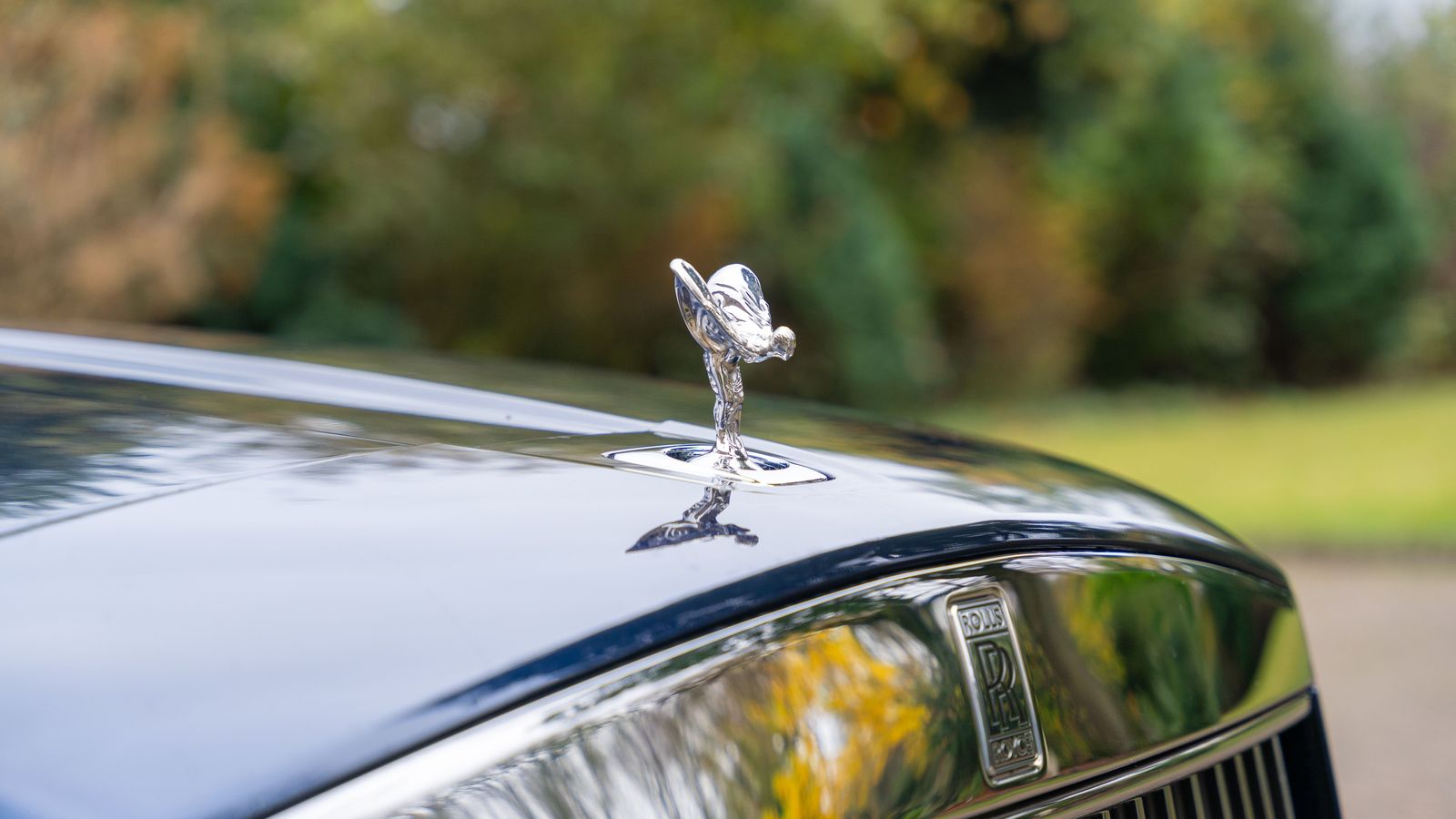
| Premiere, wedding or statement arrival | Rolls-Royce, Maybach or Bentley (partner) | Classic arrival car for set-piece moments |
| Elevated-risk principal | Armoured SUV or sedan (partner) | On request, after a risk assessment |
Every vehicle is four model years old or younger, except Rolls-Royce, Maybach and Bentley, which are accepted up to seven. Child seats are available on request in most cities, free of charge, which matters when a principal travels with young children on tour.
Security, close protection and armoured vehicles
Many talent teams travel with their own close protection officers. We work alongside them: the security lead can approve the chauffeur, the route and the drop points, and the coordinator shares the movement plan with them before the day.
Where the risk profile is higher, armoured SUVs and sedans are available through partners, on request and after a risk assessment. These programmes are planned by a coordinator and confirmed in writing; see secure transportation for how that assessment works. BlaakLane.com chauffeurs are drivers, not bodyguards, and we do not present them as security staff.
Airports, private terminals and FBOs
Talent often flies privately, and a large share of entertainment movements start or end at a fixed-base operator. We cover the main FBO airports on both sides of the Atlantic, including Van Nuys for Los Angeles, Teterboro for New York, Farnborough, London Luton and Biggin Hill for London, Paris Le Bourget, and Cannes Mandelieu for the Riviera during the festival.
Airside access to an aircraft depends on the FBO's rules and the local airport authority; many FBOs let a pre-registered car wait at the landside entrance, and some allow vehicles airside with advance notice. The coordinator checks the rule for each FBO on the itinerary and supplies the vehicle and chauffeur details the handler asks for.
For commercial flights, every airport pickup includes flight tracking, and the chauffeur is timed to the actual landing. Included waiting is 60 minutes from actual landing on international arrivals and 30 minutes on domestic flights, then 15-minute blocks. For busy gateways such as Heathrow, LAX and JFK, the airport pages explain where the commercial pickup area is in each terminal.
Schedules that change: holds, overruns and late nights
Entertainment schedules move. A shooting day runs long, a show starts late, a press junket adds an interview. The booking rules are the same for everyone and are stated up front, so you can plan around them.
- Waiting. Other pickups include 15 minutes of waiting, then 15-minute blocks. For days with open-ended timings, book an hourly car so the chauffeur is simply on the clock.
- Changes. Tell the coordinator or the 24/7 desk as soon as a call time moves. On programmes, the change is confirmed in writing.
- Cancellation. More than 72 hours before pickup, no charge; 72 hours or less, 10 %; 48 hours or less, 50 %; 24 hours or less or a no-show, 100 %. On a tour with many dates, this is applied per movement.
Fares for each movement are fixed when confirmed. What a fare includes, and planning ranges by vehicle class, are on the rates page.
Cities with heavy entertainment demand
Entertainment work concentrates in a set of cities that host studios, arenas, festivals and award ceremonies. Our local pages cover airports, drive times, venues and driving conditions for each:
- North America: New York, Los Angeles, Las Vegas, Nashville, Austin, Atlanta, Miami, Toronto and Vancouver.
- Europe: London, Manchester, Paris, Cannes, Monaco, Berlin, Amsterdam and Madrid.
- Middle East and Asia-Pacific: Dubai, Tokyo and Sydney.
For touring acts, the national screen and music bodies are a useful reference for local production rules; in the UK, the British Film Institute publishes guidance for productions filming there.
Accounts and billing for productions and tours
Production companies, promoters, management firms and clubs usually run their transport through a corporate account. That gives you monthly invoicing, cost centres for each production, tour leg or department, booker and traveller profiles, duty-of-care trip data and a named coordinator.
Cost centres are the part accountants care about most. A film can bill cast transport to one code and unit moves to another; a tour can split artist cars from crew runs by leg. Each movement is reconciled to its code on the monthly invoice.
If your travel agency or tour booker handles flights and hotels, the travel desk links ground transport to the same itinerary through BookingWorldwide.net.
Related services
- VIP chauffeur service for single principals and private clients.
- Event transportation for launches, premieres and festivals.
- Group transportation for crews, squads and entourages.
- HNWI, family offices and VIPs for private individuals with similar privacy needs.
- Private aviation and FBOs for jet-to-car planning.