










A BlaakLane.com corporate car service account gives a company one contract, one invoice and one standard for chauffeured travel in 500 cities. Bookers see a fixed fare before they confirm; the account adds monthly invoicing, cost centres, traveller profiles, policy controls, duty-of-care trip data and a named coordinator. Opening one takes a short form and a call.
What is a corporate car service account?
A corporate account turns individual chauffeur bookings into a managed programme. Instead of executives paying on personal cards in each city and filing expenses afterwards, every trip is booked under the company, billed to the right cost centre, recorded for duty of care and reported monthly. The same fixed-fare reservation engine is used; what the account adds is control, visibility and a person to call.
Accounts suit organisations of every size, from a single executive office with a handful of monthly transfers to a global firm with travellers in dozens of countries. Typical account holders include Fortune 500 travel managers, executive assistants who book for leadership teams, procurement teams consolidating ground-transport suppliers, law firms, banks, consultancies, production companies and airlines booking crew transport.
Who is a corporate account for?
Each role inside a company needs something different from a ground-transport supplier, and the account is built around all three:
- Travel managers need policy compliance, traveller safety and data: who travelled, where, in which vehicle class, at what cost.
- Executive assistants and bookers need speed and certainty: book in a minute, change plans at midnight, know the car will be there.
- Procurement and finance need a clean contract, predictable pricing, consolidated invoicing, correct tax treatment and a supplier that answers an RFP properly.
The rest of this page follows that order: onboarding, booking and profiles, policy controls, billing and reporting, duty of care and security, programmes, RFP support and service levels, then how to open the account. The service itself is described on the corporate car service page and the Fortune 500 and corporate travel page.
How does onboarding work?
Onboarding is short because the booking engine already works; the account simply wraps it. The usual sequence:
- Introductory call with a coordinator to understand where your people travel, how often, who books and what your travel policy says about ground transport.
- Account set-up: legal entity, billing address, tax details, invoice format, payment terms and any purchase-order references finance needs on each invoice.
- Cost-centre and department structure, mapped the way your finance team codes travel.
- Bookers and travellers added, with profiles for frequent travellers and permissions for each booker.
- Policy rules configured: allowed vehicle classes by traveller level, approval requirements, and notes such as "no name on the board" for certain executives.
- First trips, watched closely by the coordinator, then a review call after the first month's invoice.
For programmes that start with a specific event, such as a board meeting, a roadshow or a conference, onboarding runs alongside the event plan so nothing waits on paperwork.
How do bookers and traveller profiles work?

Bookers book through the reservation engine, by email or by phone to the 24/7 desk. Each booker can book for themselves and for the travellers they are authorised to manage. Traveller profiles save the details that otherwise get typed again on every trip:
- Name, mobile number and preferred language.
- Preferred vehicle class, and any class the policy does not allow.
- Frequent addresses: home, office, regular hotels and airports.
- Name-board preference, including code names or company-only boards for executives who prefer not to be identified.
- Standing requests: child seat for the family trip, still water, temperature, quiet ride, extra luggage space.
- Assistant or chief-of-staff contacts who should receive confirmations and chauffeur details.
Confirmations go to the booker and the traveller, and include the operator, the chauffeur once assigned, the vehicle and the pickup point. For airport trips, the flight number on the profile means the chauffeur is timed to the actual landing with no extra work from the booker.
What policy controls can we set?
Policy controls stop out-of-policy trips before they happen instead of catching them on the invoice. Common settings include:
| Control | What it does |
|---|---|
| Vehicle class by traveller level | For example, Standard Sedan for most staff, Luxury Executive Sedan or SUV for named executives |
| Approval rules | Trips above a set class, or outside set hours or cities, need a manager's approval |
| Booker permissions | Which bookers may book for which travellers and cost centres |
| Mandatory fields | Cost centre, project code, PO number or reason for travel required on every booking |
| Add-on rules | Whether meet and greet or extra waiting may be added without approval |
| Group and programme rules | Multi-vehicle bookings routed to the coordinator instead of self-service |
Because the reservation engine shows a fixed fare before confirmation, the booker and the approver both see the exact cost at the point of decision. There is no surge and no meter, so the approved amount is the amount on the invoice unless waiting time, stops or changes are added during the trip.
How are trips billed and invoiced?
Corporate accounts are billed by monthly invoicing as standard, with each trip itemised: date, traveller, booker, route, vehicle class, fare, any waiting or extras, and the cost centre or project code. Finance can receive one consolidated invoice for the company or separate invoices by entity, department or cost centre.
- Invoices can carry PO numbers and your internal reference fields.
- Trip-level data can be exported for upload to expense and finance systems.
- Card payment remains available for travellers who are not on the account or for one-off trips.
- Currency and tax treatment are agreed at onboarding for multi-country accounts.
Pricing on the account follows the same fixed-fare logic as public bookings; see rates for what each fare includes. Larger programmes can agree account terms with the coordinator, confirmed in writing.
What reporting do travel managers receive?
Monthly reports summarise spend and activity so the programme can be managed rather than just paid for. Reports can show spend by cost centre, department, traveller and city; trip counts by vehicle class; airport versus point-to-point versus as-directed use; out-of-policy bookings and approvals; waiting-time and change patterns; and on-time performance. Quarterly reviews with the coordinator look at the same data over time and agree changes, such as moving a frequent route to a better-suited vehicle class or adding meet and greet at a difficult airport.
How does the account support duty of care?
Duty of care is the part of corporate travel that matters most on the worst day. Every trip on the account creates a record of who travelled, when, from where, to where and with which operator, and that record is available to the travel manager during the trip, not just after it. The 24/7 desk can locate a trip, reach the chauffeur and redirect a traveller at any hour.
- Flight tracking on every airport pickup, with 60 minutes included waiting on international arrivals and 30 minutes on domestic flights from actual landing.
- Trip data that can feed your traveller-tracking or travel risk management process; the international guidance in ISO 31030 on travel risk management is a useful reference for how ground transport fits.
- Written safety standards for every chauffeur, vehicle and affiliate, described on our safety page.
- Secure transportation with a risk assessment, planned routes and armoured vehicles where the assessment calls for them.
How is our data kept secure?
Corporate booking data includes traveller names, phone numbers, home addresses and itineraries, so it is handled as sensitive information. Access is limited by role: bookers see their own travellers, travel managers see the account, and chauffeurs see only the details of the trip they are driving, for that day. Card details are processed by the payment provider rather than kept in booking notes. We sign the client's NDA or data-processing terms where required and can require the assigned operator and chauffeur to sign confidentiality undertakings. Canadian privacy law governs our Toronto desk, guided by the Office of the Privacy Commissioner of Canada, and our privacy policy sets out the rest.
What programmes can the account run?
Many corporate accounts start with airport transfers and grow into programmes that need a coordinator rather than a booking form. Crew changes, roadshows, delegations, armoured vehicles, coaches and multi-vehicle programmes are planned by a coordinator and confirmed in writing. Common programme types:
- Financial roadshows and investor days: a car and chauffeur held as-directed through a day of meetings, often in several cities in one week. See financial roadshows.
- Airline crews: scheduled crew transport between airport and hotel, with changes handled as rosters change.
- Shipping crew changes: seafarers moved between airports, hotels and ports, often at short notice, covered on the crew change page.
- Conferences and events: shuttles, VIP arrivals and multi-vehicle schedules, planned with event transportation.
- Board and leadership meetings: arrivals for directors from several countries on the same day.
- Relocation and visiting executives: the first week in a new city with a regular car.
Can you support an RFP or supplier review?
Yes. Procurement teams running an RFP for ground transportation can send the questionnaire to the desk and a coordinator will complete it, covering coverage by city and country, vehicle classes, safety and vetting standards, insurance, data handling, invoicing, reporting and service levels. We can provide sample invoices and reports, explain the affiliate model and name the operator network for the cities on your list. Industry bodies such as the Global Business Travel Association publish guidance on ground-transport sourcing that many RFPs follow, and we are comfortable being measured against it. If your policy needs a pilot before a contract, we can run one on a set of routes or a single event.
What service levels can we expect?
We describe service levels qualitatively, and any specific commitments for your account are confirmed in writing. On every trip you can expect a live dispatcher at every hour of the year; confirmation with operator and chauffeur details before the trip; flight-tracked airport pickups timed to the actual landing; included waiting of 60 minutes on international arrivals, 30 minutes on domestic flights and 15 minutes on other pickups, then 15-minute blocks; a replacement vehicle of the same class or higher if a car cannot be used; and prompt, written follow-up on any incident or complaint.
Curbside pickup at the airport's designated commercial or pre-arranged pickup area is standard. Meet and greet in the arrivals hall with a name board is an add-on, and add-ons are only available in selected locations. Cancellation follows one rule on every account: free more than 72 hours before pickup, 10 % at 72 hours or less, 50 % at 48 hours or less, and 100 % at 24 hours or less or for a no-show.
Which cities and vehicles are covered?
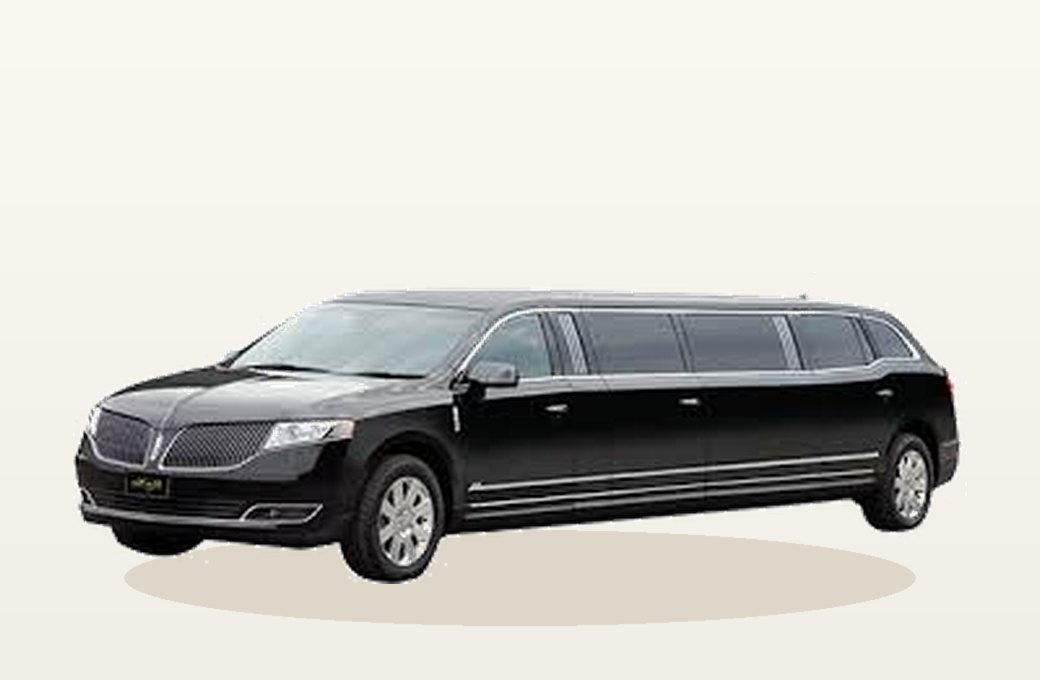
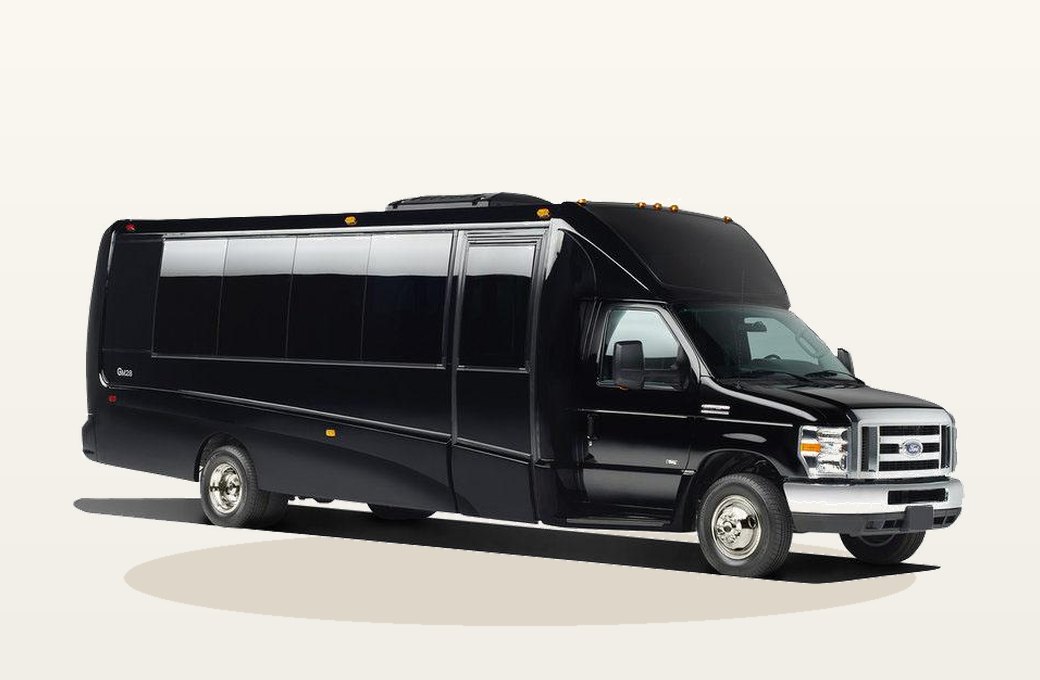
The account covers every city we serve, from home-area trips around Toronto to New York, London, Dubai and Singapore. Outside the home dispatch area, trips are driven by vetted local affiliates; the confirmation names the operator and chauffeur. The same nine vehicle classes are available everywhere, from Standard Sedans to Sprinter Vans, coaches and armoured vehicles on request, as shown on the fleet page. The travel desk can add flights, hotels and packages to the same file for trips that need more than a car.
How do we open a corporate account?
Send your company name, the main contact, the cities where you travel most and a rough monthly volume through the contact page, or email support@blaaklane.com. A coordinator replies with a short set-up form and a time for the introductory call. Most accounts are ready to book within a few business days; if you have a trip before then, book it through the reservation engine and we will move it onto the account once it is open.