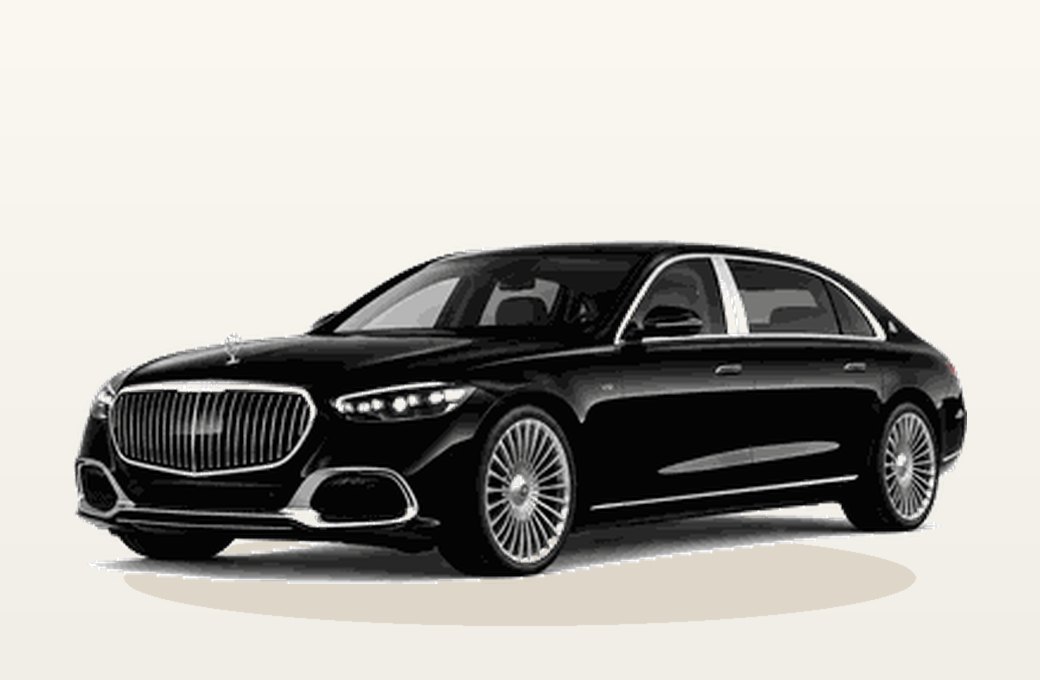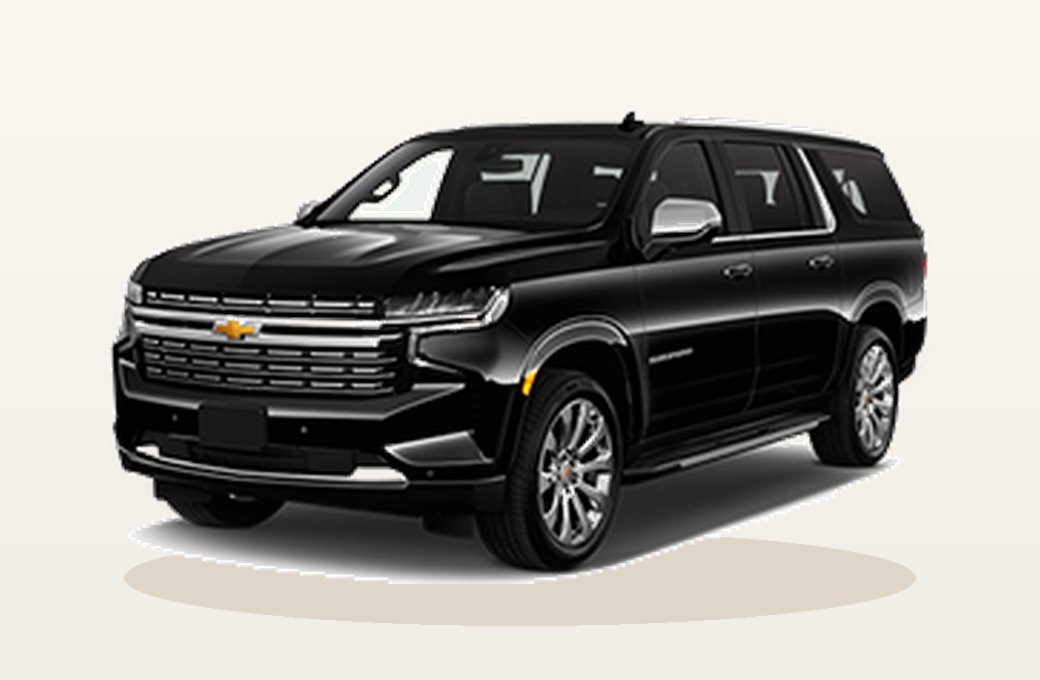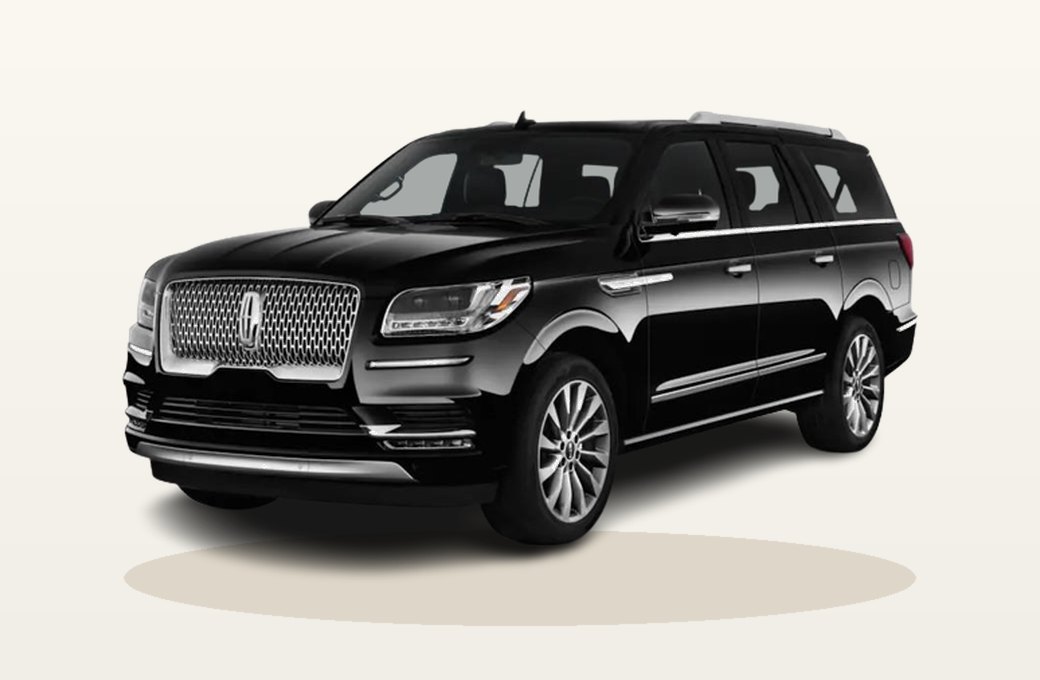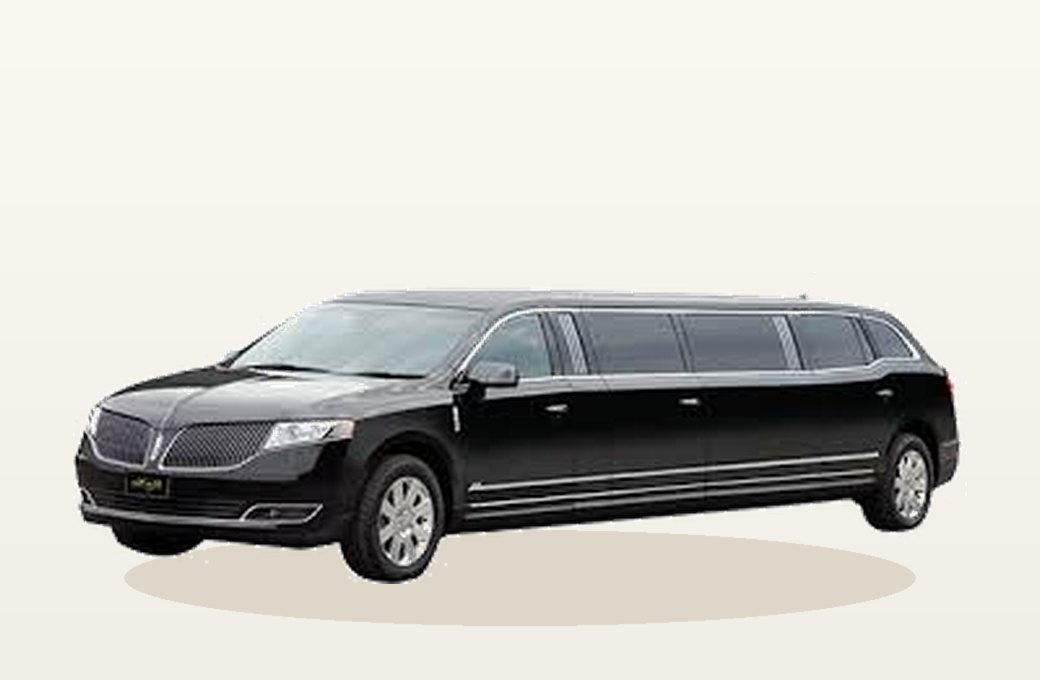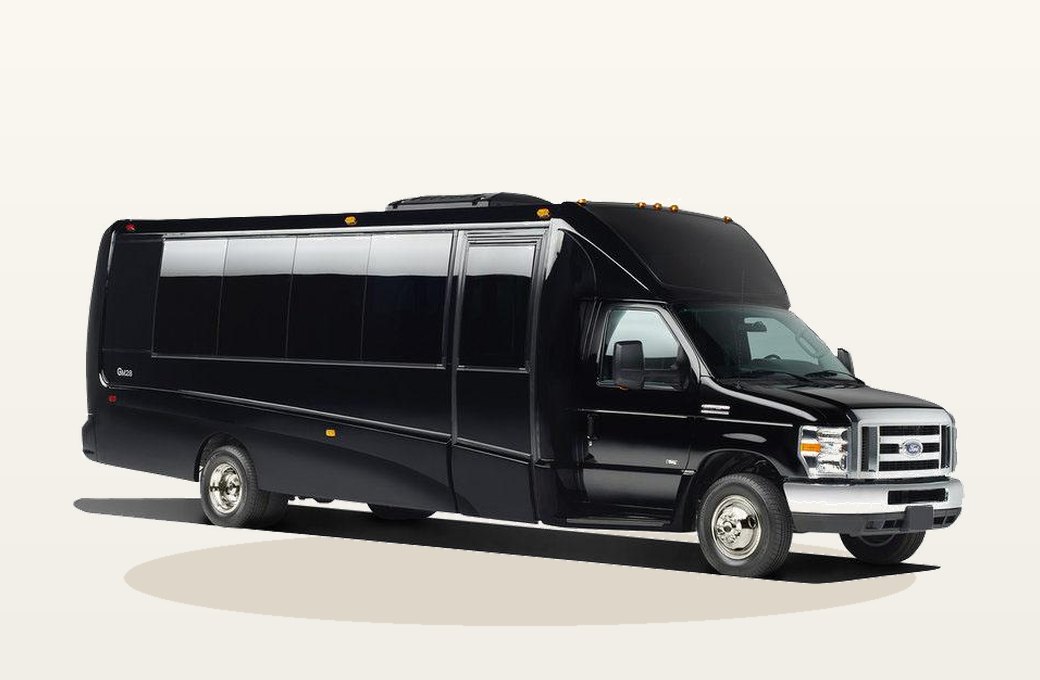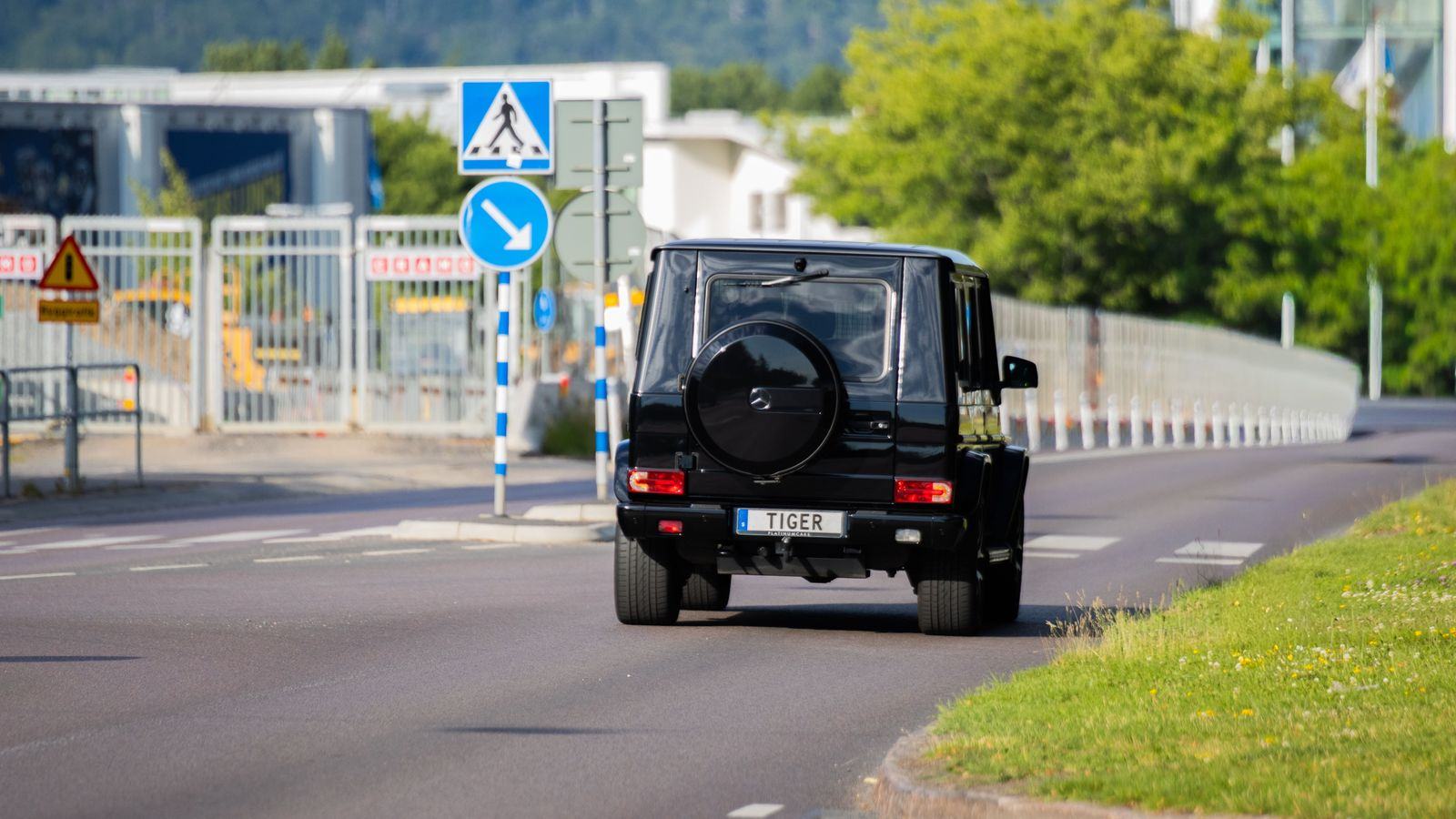
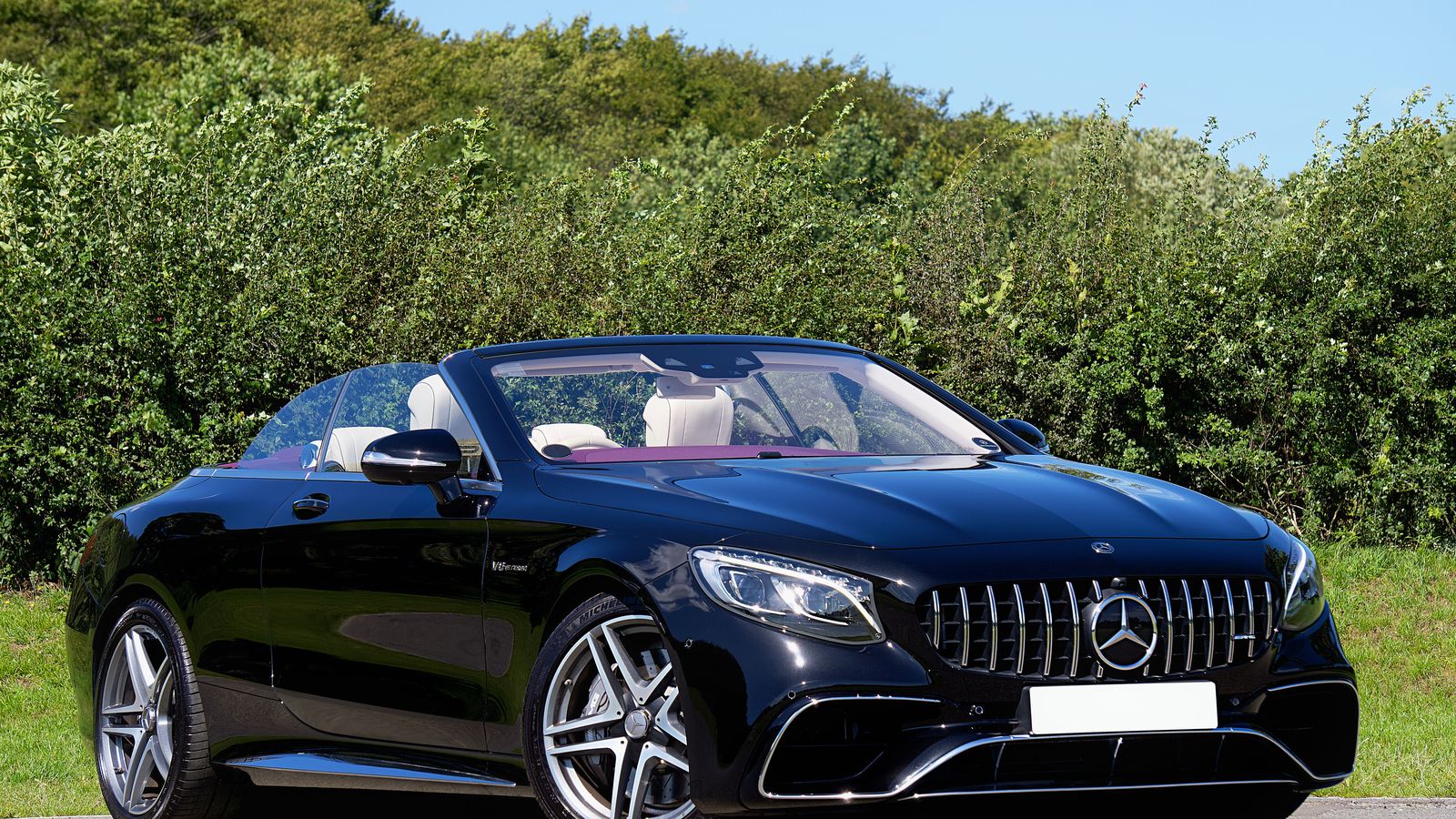









Delegation transportation from BlaakLane.com moves heads of delegation, ministers, officials and staff through official visits, summits and conferences. A coordinator builds the plan with your protocol office and security staff: vehicle order, seating, pickup points, timings and contingencies, all confirmed in writing. Vehicles range from Luxury Executive Sedans to minicoaches, with armoured cars from partners on request after a risk assessment.
How delegation transportation works with BlaakLane.com
A delegation is not a group transfer with better cars. It has a hierarchy, a programme that the host government can rewrite overnight, a security layer that sits partly outside your control, and a protocol office that answers for every minute of the principal's day. Delegation work is therefore always planned by a coordinator and confirmed in writing; it is not booked leg by leg in the online engine.
The work runs in five stages:
- Brief. Your protocol or logistics officer sends the draft programme, the delegation list by rank, arrival and departure details, hotels and venues.
- Plan. The coordinator builds a transport plan: vehicles per movement, seating by protocol order, pickup points at the airport, hotel and each venue, drive-time ranges and a named contact for every car.
- Confirm. The plan, the fixed prices and the cancellation terms are sent in writing. Once you approve it, operators and chauffeurs are assigned and their names are released to your team.
- Operate. During the visit, a coordinator stays on the programme, re-times cars when meetings run over and passes changes to every chauffeur.
- Close. A movement log and one invoice follow, referenced to your purchase order.
The same process covers a single minister visiting Ottawa for a day and a forty-person delegation spending a summit week in New York.
Who we plan for
Official ground transport is booked by a small number of offices, and each has its own reason to call:
- Protocol offices of foreign ministries arranging outbound visits by heads of state, heads of government and ministers.
- Embassies, high commissions and consulates supporting visiting delegations, or needing cars for their own ambassador and staff when the mission fleet is committed.
- Ministries and agencies sending technical delegations to negotiations, trade missions and standards meetings.
- International organisations moving officials, speakers and member-state delegations to their own conferences.
- Parliamentary offices organising committee visits and study tours.
- Event organisers running an official conference who need a transport desk for accredited delegations.
Some of these clients have strict procurement rules; others need a car in two hours. Both are normal, and the coordinator adapts the paperwork to the office.
From the aircraft to the hotel: arrival day
Arrival day carries the most risk, because it combines a moving flight, border formalities and the first impression of the visit.
- Commercial flights. The delegation lands at the airline terminal. Flight tracking times the cars to the actual landing, and the standard pickup is the airport's designated commercial or pre-arranged pickup area. Where the host government grants a protocol or VIP lounge, the pickup follows the lounge's own procedure. A meet and greet with a name board in the arrivals hall can be added, but add-ons are only available in selected locations.
- Government or chartered aircraft. State and charter aircraft usually park at a business aviation terminal or a government apron. Access to the apron is controlled by the airport and the host authorities; where they clear our vehicles, the pass request is made well in advance and the arrangement is confirmed in writing. Otherwise the cars wait at the terminal's landside exit.
- Included waiting. 60 minutes from actual landing on international arrivals and 30 minutes on domestic flights, then 15-minute blocks. For official arrivals, the plan usually books the cars on standby for longer, because ceremonies and greetings at the aircraft rarely run to time.
Drive times from the airport matter for the first meeting. Dulles to Embassy Row in Washington is about 26 miles and takes 35-75 minutes; Brussels Airport to the European quarter is about 13 km and 20-45 minutes; Geneva Airport to the Palais des Nations is about 5 km and 10-20 minutes; JFK to the UN Headquarters area is about 15 miles and 40-90 minutes, longer during a summit.
Building the motorcade: vehicle order and roles
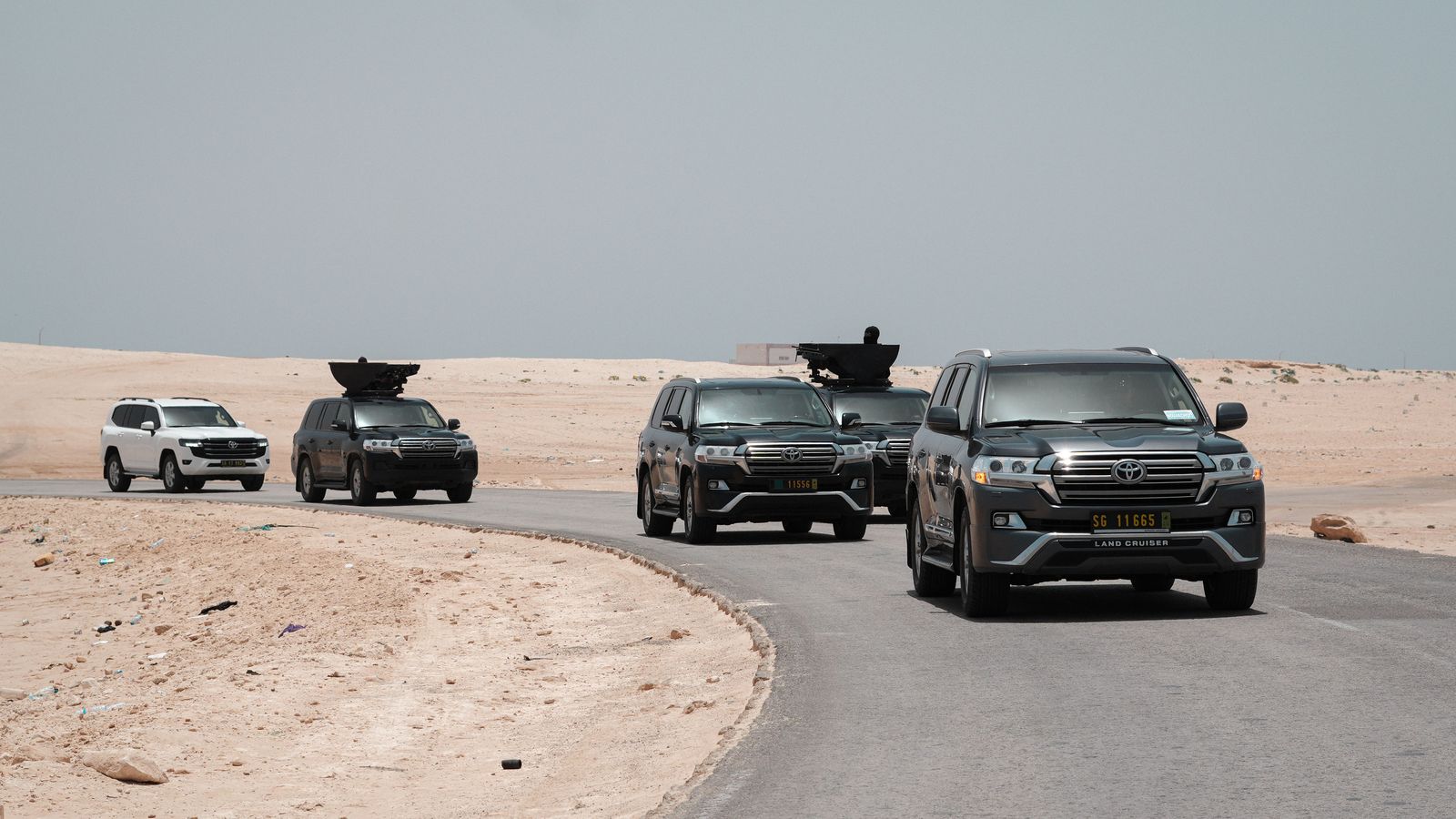
For a principal with a delegation, the plan assigns each vehicle a role, and the chauffeurs drive in the order the plan sets. A typical structure:
| Position | Vehicle | Carries |
|---|---|---|
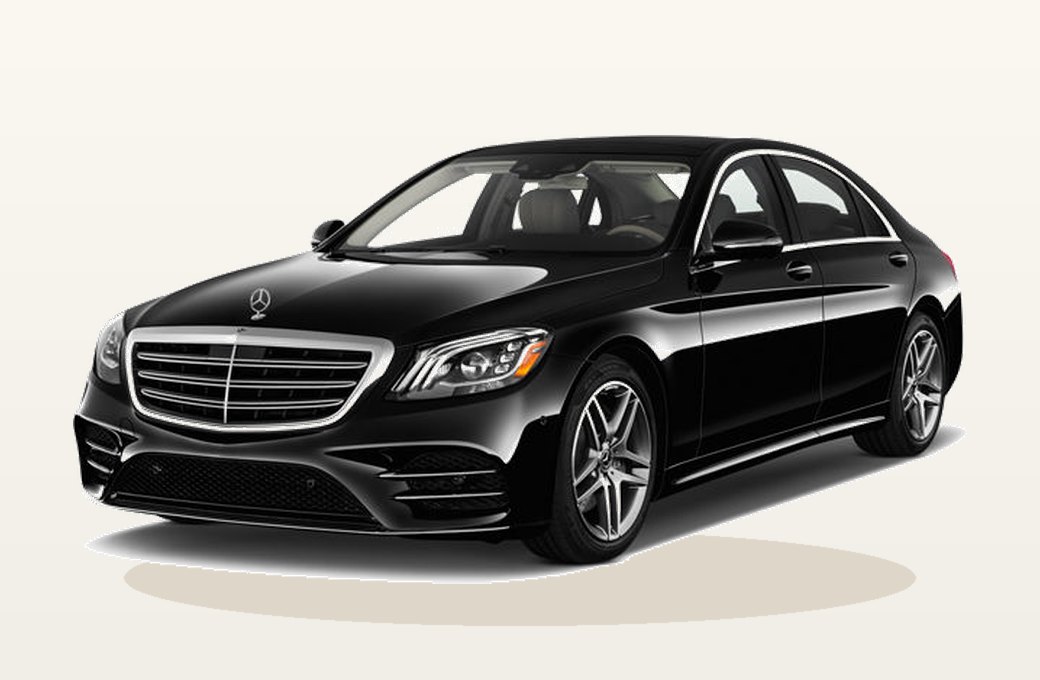
| Principal car | Luxury Executive Sedan, executive SUV or armoured car (partner) | Head of delegation, one aide or protection officer |
| Support car | Executive SUV | Senior advisers, interpreter, protocol officer |
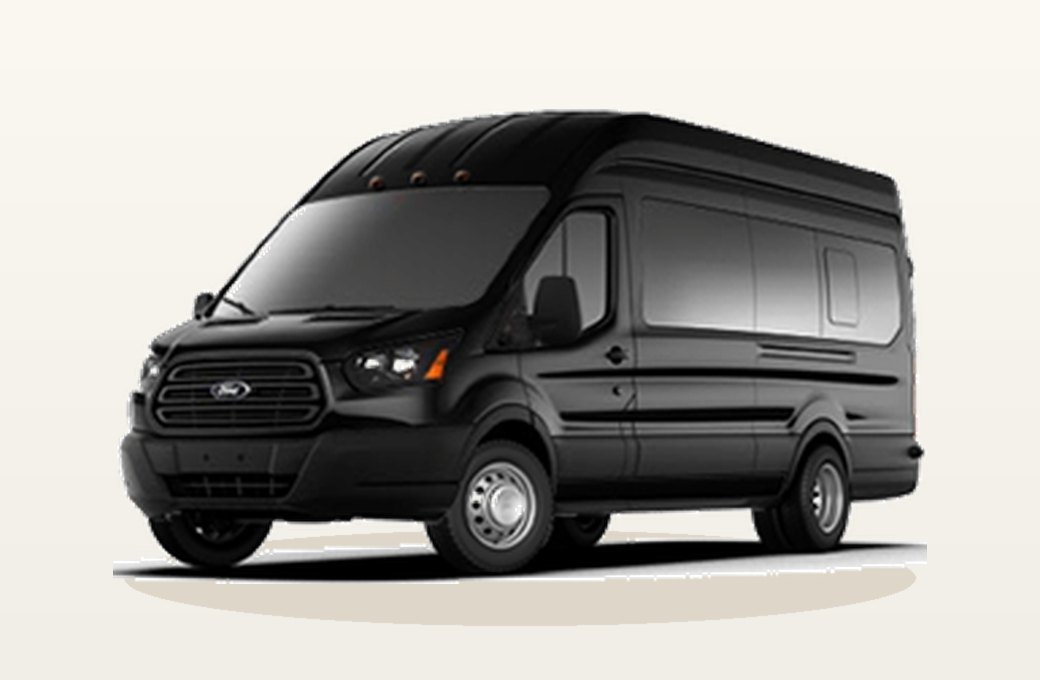
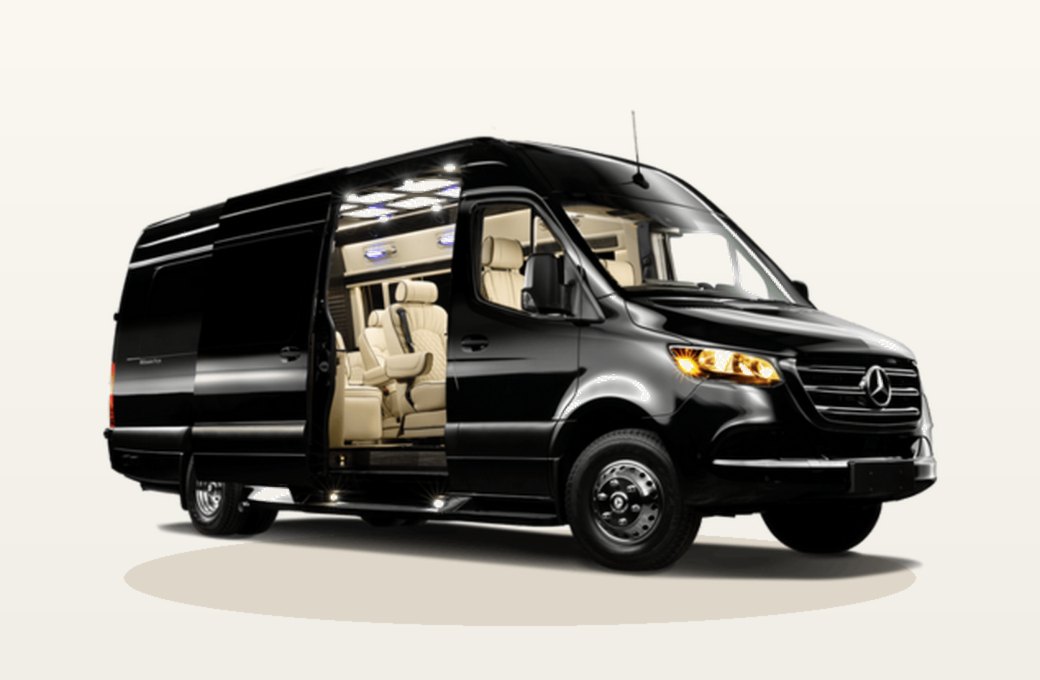
| Staff vehicle | Standard Black SUV or Sprinter Van | Delegation staff and working papers |
| Press or wider delegation | Sprinter Van or minicoach | Journalists, technical experts |
| Baggage vehicle | Standard Black SUV | Luggage on arrival and departure days |
| Standby car | Sedan or SUV | Held for splits, early departures or a changed programme |
Not every visit needs every role. A minister with two advisers may need one SUV and a baggage van; a head of government with an official party may need eight vehicles. A standby car is a planning choice that the coordinator recommends when the programme is likely to split, and it is priced in the plan like any other vehicle. Our group transportation service covers larger staff and press movements on the same plan.
Working with protective details and host police
BlaakLane.com provides vehicles and professional chauffeurs. We do not provide police escorts, armed protection, traffic control or close protection officers, and we do not claim any security clearance. Those roles belong to the host country's police, the protective service of the visiting government, or a licensed security provider you appoint.
What we do is fit the transport around them:
- Coordination. The coordinator works with the protection team leader on pickup points, vehicle order, doors used at each venue and the standby position of each car.
- Chauffeur details. Names, licence details where requested, vehicle models and plates are provided in advance so that the host authorities can accredit or vet the drivers and vehicles.
- Following instructions. On the day, chauffeurs follow the directions of the police and the protection team at checkpoints, perimeters and venue entrances.
- Route discipline. Chauffeurs keep to the planned routes and do not share the programme or passenger names.
When a visit carries an elevated threat, the secure transportation service adds risk-based route planning and vehicle selection.
Armoured vehicles for official visits
Armoured SUVs and sedans come from partner operators, on request and after a risk assessment. The assessment looks at the principal, the destination and the programme, and it decides whether an armoured car is needed, which protection level makes sense, and whether one vehicle or several should be armoured.
Three points protocol offices usually ask about:
- Availability is local. Armoured cars are held by specialist operators in a limited number of cities. For other destinations, a vehicle may need to be moved in, which needs time and sometimes import formalities.
- Lead time. The earlier the request, the wider the choice. Summit weeks absorb most local armoured capacity.
- Chauffeurs. Armoured cars handle differently from standard cars, and they are driven by chauffeurs the partner assigns for that vehicle.
Every other vehicle in the plan meets the fleet rule: 4 model years old or younger, with Rolls-Royce, Maybach and Bentley accepted up to 7. The classes are listed on the fleet page.
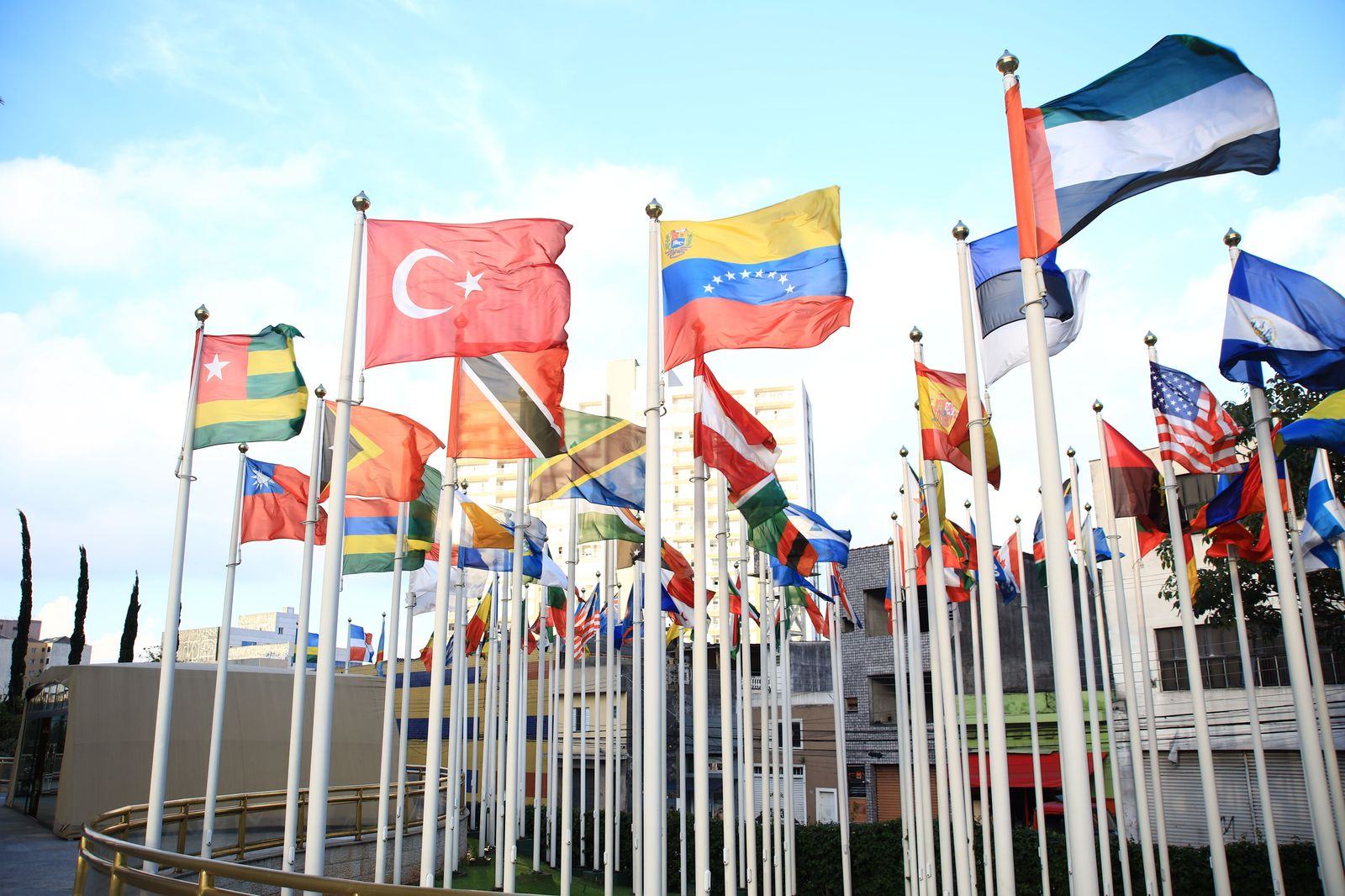
Summit weeks and accreditation
A handful of annual meetings concentrate delegations in one city at one time. Road closures, security perimeters and vehicle accreditation make them the hardest weeks to plan, and capacity sells out early.
| Meeting | City | Usual timing | Ground-transport reality |
|---|---|---|---|
| UN General Assembly high-level week | New York | Usually September | Security zones around UN Headquarters on the East Side, long waits at checkpoints |
| World Economic Forum Annual Meeting | Davos | Usually January | Zurich Airport to Davos is about 150 km, 2-3 h in normal conditions, more in snow |
| Munich Security Conference | Munich | Usually February | Perimeter around the conference hotel in the old town |
| IMF and World Bank Spring and Annual Meetings | Washington | Usually April and October | Annual Meetings are held outside Washington in some years |
| EU summits (European Council) | Brussels | Several times a year | Closures around the Europa building and the European quarter |
| UN climate conference (COP) | Changes every year | Usually November or December | Host city and venue announced by the UN |
Dates move, so always check the official calendar: the United Nations, the World Economic Forum and the Munich Security Conference publish their own. Where the organiser or host police issue vehicle passes, the coordinator submits vehicle and chauffeur details within the organiser's deadline, and the plan notes which cars are accredited for which zones.
Diplomatic capitals and international cities
Official visits concentrate in capitals and in the cities that host international organisations. Our city pages cover the airports, drive times and local rules in each:
- Washington, D.C.: embassies along Massachusetts Avenue, the State Department in Foggy Bottom, the IMF and World Bank downtown. See Washington and Reagan National.
- Ottawa: Parliament Hill, Global Affairs Canada and the diplomatic missions around Sandy Hill and New Edinburgh, about 15-25 minutes from the airport.
- Brussels: EU institutions, NATO Headquarters near the airport, and more than a hundred embassies and permanent representations.
- Geneva: the United Nations Office at Geneva, the WHO, the WTO and many permanent missions. See Geneva.
- Vienna: the Vienna International Centre, home to UN agencies and the IAEA, and the OSCE. See Vienna.
- The Hague: the International Court of Justice and the International Criminal Court, about 35-60 minutes from Schiphol. See The Hague.
- Nairobi and Addis Ababa: UN offices at Gigiri in Nairobi, and the African Union and UNECA in Addis Ababa. See Nairobi and Addis Ababa.
- Gulf capitals: Riyadh, Abu Dhabi and Doha host frequent ministerial visits and investment forums.
Manifests, seating and protocol order
The protocol office decides who sits where; the transport plan records it so every chauffeur knows. For each movement, the plan needs:
- The delegation list in protocol order, with the names to be used on board and on any name board.
- Who travels with the principal, and whether an interpreter or aide must ride in the same car.
- Seating preferences, such as the principal behind the front passenger seat.
- Luggage for each person on arrival and departure days, including diplomatic bags handled by the mission's own staff.
- Pickup and drop points by door, not just by building, at each hotel and venue.
- Any cultural or religious requirements, for example timing around prayers or a same-gender chauffeur request, which the coordinator confirms only if it can be met.
Delegation lists are shared with operators only as far as each movement needs, and they are not kept longer than the billing and audit period requires.
Communication during the visit
Programmes change during the day: a bilateral meeting runs long, a minister leaves a dinner early, the host adds a site visit. The plan names one coordinator per shift as the single point of contact for your team, and every chauffeur has that coordinator's number. Changes flow one way: from your protocol officer to the coordinator, and from the coordinator to the chauffeurs. That keeps the principal's car from receiving three different instructions.
For long days, the plan books cars on an hourly basis, so the vehicle and chauffeur stay with the principal between meetings rather than being re-dispatched.
Procurement and invoicing for public bodies
Government clients rarely pay by card on the day. The usual paperwork:
- Written offer. The transport plan with fixed prices for each vehicle and movement, which your office can attach to a purchase request.
- Purchase order. We invoice against your PO number and your required format.
- Single invoice. One invoice per visit, with a movement log by date, vehicle and passenger group.
- Standing arrangements. Embassies and ministries that book often can hold a corporate account with monthly invoicing, cost centres and a named coordinator.
Tax treatment of services to diplomatic missions depends on the country's own rules and the mission's status, so the invoice follows the documentation your mission provides. The legal framework for missions is set by the Vienna Convention on Diplomatic Relations and the host country's implementing rules.
Schedule slips, changes and cancellations
Official programmes are fragile. A visit can be postponed when an election is called or brought forward when a summit agenda changes. The plan states the cancellation terms plainly, and they are the same as on every booking: more than 72 hours before pickup, no charge; 72 hours or less, 10%; 48 hours or less, 50%; 24 hours or less or a no-show, 100%.
For multi-day visits, each movement is a separate pickup under those terms, so cancelling the last day of a five-day programme does not affect the first four. Changes of time or pickup point within the confirmed programme are handled by the coordinator and re-confirmed in writing.
Delegations outside the home dispatch area
The reservations and dispatch desk is in Toronto and works around the clock. Outside the area where we dispatch our own cars, each movement is driven by a vetted local affiliate from the LimousineWorldwide.Directory network, contracted to the BlaakLane.com written standard, and the plan names the operator and each chauffeur. We do not claim offices, garages or cars of our own abroad.
For your team this means one coordinator, one plan and one invoice for a visit that passes through London, Paris and Berlin in a week, with local chauffeurs who know the ministries, the one-way systems and the checkpoints in each city.