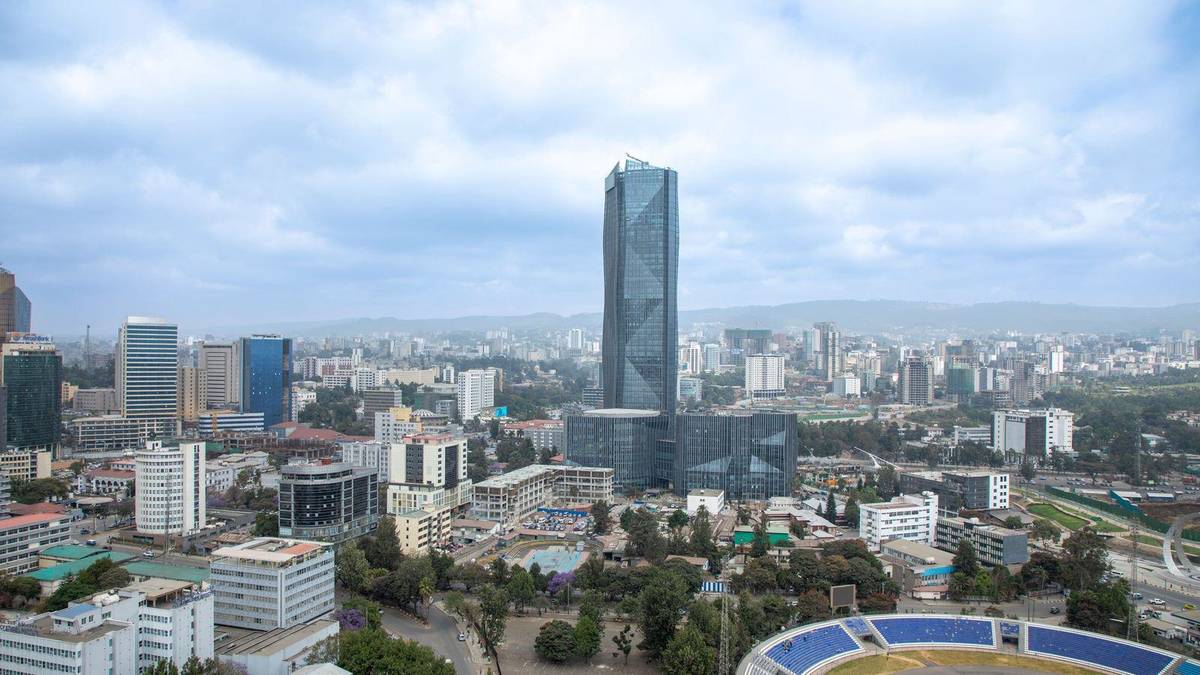








BlaakLane.com provides chauffeur service in Addis Ababa for Bole International Airport transfers, delegation travel to the African Union and the UN Economic Commission for Africa, hotel runs and hourly business days. You enter the pickup, time and vehicle, and the booking engine shows a fixed fare before you confirm. Trips are driven by a vetted local affiliate; the confirmation names the operator and chauffeur.
Booking a chauffeur in Addis Ababa: the short version
Use the reservation engine on this page or at /book/. For an arrival, type your flight number; for a meeting, type the hotel or the organisation's address. Pick a vehicle and the price shown is fixed for the chauffeur, fuel and included waiting time, with no meter running in the Bole Road traffic. The 24/7 desk in Toronto assigns the trip to a vetted Addis Ababa affiliate contracted to the BlaakLane.com written standard, and the confirmation names the company, the chauffeur and the car. Delegations with several vehicles, summit weeks and multi-day programmes are planned by a coordinator and confirmed in writing.
Bole International (ADD): a hub where many travellers only connect
Addis Ababa Bole International Airport is the home base of the national carrier and one of the busiest connecting hubs in Africa, so a large share of passengers never leave the airside. If Addis is your destination, you arrive at Terminal 2, the international terminal; Terminal 1, the older building, mainly handles domestic flights. After immigration, baggage and customs, walk out to the arrivals forecourt, where pre-arranged cars collect passengers. Your chauffeur messages the vehicle details and waits at that designated pickup area. A name-board meet and greet inside the arrivals hall is an add-on, and add-ons are only available in selected locations.
Every airport pickup is flight-tracked, so the car is timed to the actual landing. International arrivals include 60 minutes of waiting from touchdown, domestic flights 30 minutes, and other pickups 15 minutes; after that, waiting runs in 15-minute blocks. Queues for the visa desk can be long at peak connection banks, which the 60 minutes is designed to absorb. The government has also started building a much larger new hub near Bishoftu, southeast of the city; until it opens, every flight uses Bole. See airport transfers for how pickups work network-wide.
How long is the drive from Bole into the city?
The airport sits inside the city on its southeastern side, which makes the Bole area hotels very close and the older centre not far. Addis traffic is heavy at the morning and evening peaks and around Meskel Square, so treat these as ranges:
| From Bole Airport to | Typical distance | Typical time |
|---|---|---|
| Bole Road hotels and Edna Mall area | 3-5 km | 10-20 min |
| Meskel Square and Kazanchis | 6-8 km | 20-35 min |
| African Union headquarters (Old Airport area) | 9-11 km | 25-40 min |
| UN Conference Centre, Africa Hall (UNECA) | 7-9 km | 20-35 min |
| Piassa and Arat Kilo | 9-12 km | 30-50 min |
| Bishoftu (Debre Zeyit) via the expressway | about 45 km | 45-70 min |
Your fare is fixed when you book, so a slow afternoon on Africa Avenue does not change what you pay.
Diplomatic and conference travel: AU, UNECA and the big halls
Addis is the seat of the African Union and of UNECA, and it hosts more than a hundred embassies. That shapes the car market: during an AU summit, usually in February, and at large UN meetings, roads around the AU compound and major hotels are closed at short notice for motorcades, and accreditation badges govern which vehicles can enter a perimeter. Book as soon as the dates are fixed, share the accreditation rules with the coordinator, and allow extra time between sessions. Other venues business visitors use are the Addis International Convention Center, Millennium Hall near Bole, and the conference floors of the big hotels. Our government and diplomatic page explains how delegation fleets are organised, and corporate accounts cover invoicing by cost centre for NGOs and multinationals.
Districts and landmark hotels
- Bole: airport-adjacent, with Bole Road, Edna Mall, many newer hotels and restaurants, and the Ethiopian Skylight Hotel close to the terminal.
- Kazanchis and Meskel Square: government offices, the UNECA compound, and hotels such as the Hyatt Regency Addis Ababa on the square and the Hilton Addis Ababa nearby.
- Sheraton Addis area: the hillside hotel close to the National Palace, a common base for senior delegations.
- Piassa and Arat Kilo: the older centre with Addis Ababa University's main campus and St George's Cathedral.
- Old Airport and Sarbet: residential diplomatic quarter near the AU.
- Merkato: one of the largest open-air markets in Africa; congested, better visited with a chauffeur waiting nearby.
Which vehicle should you book?
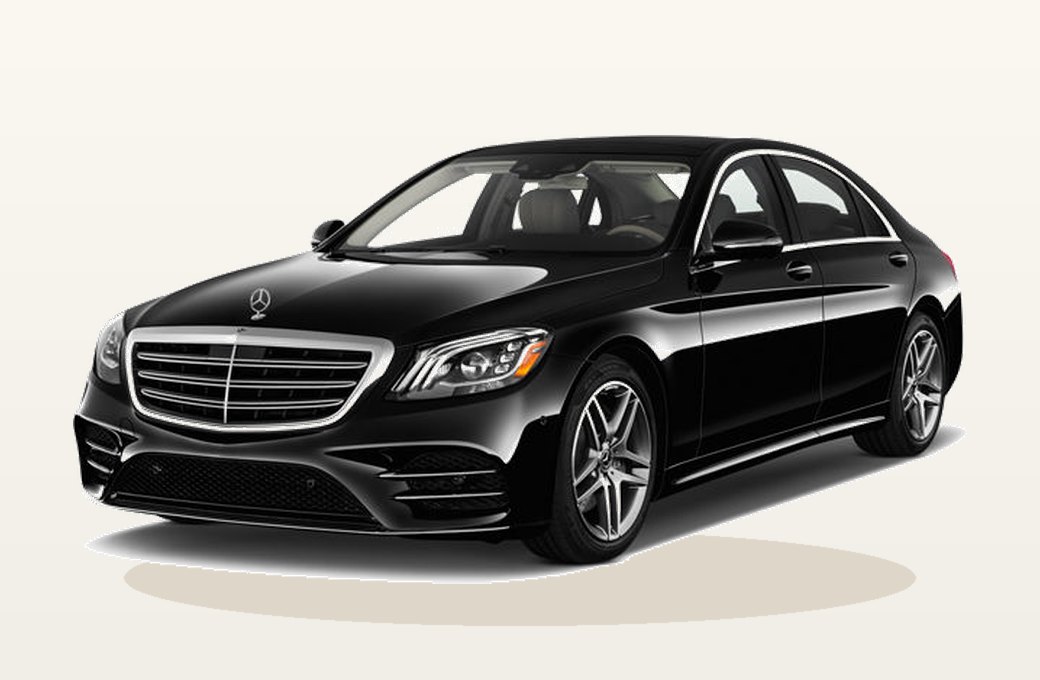
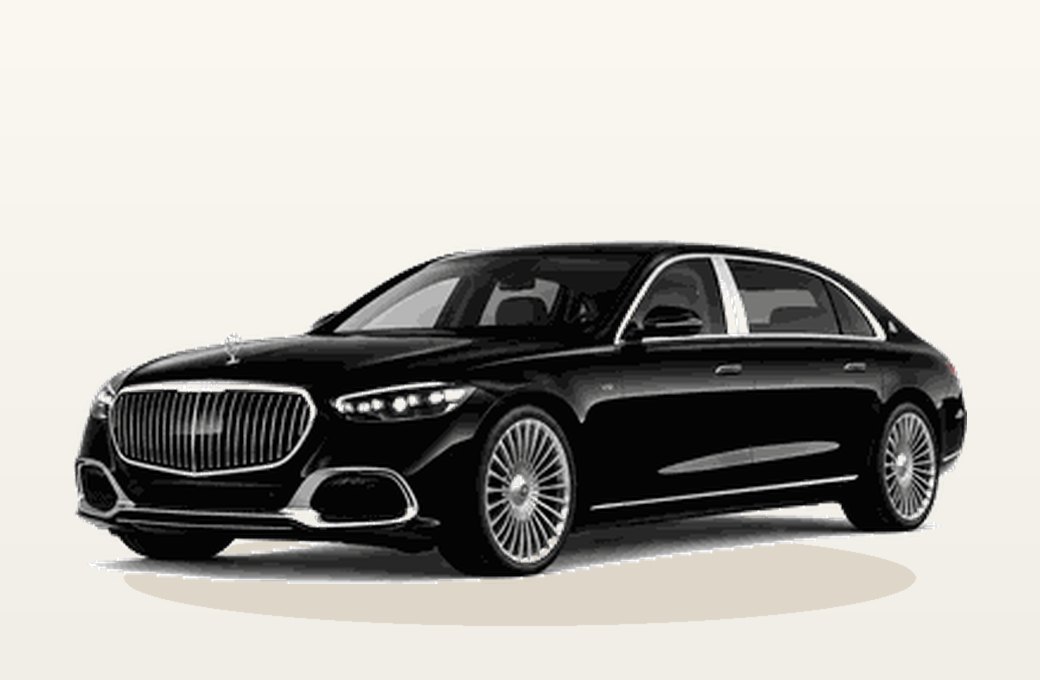
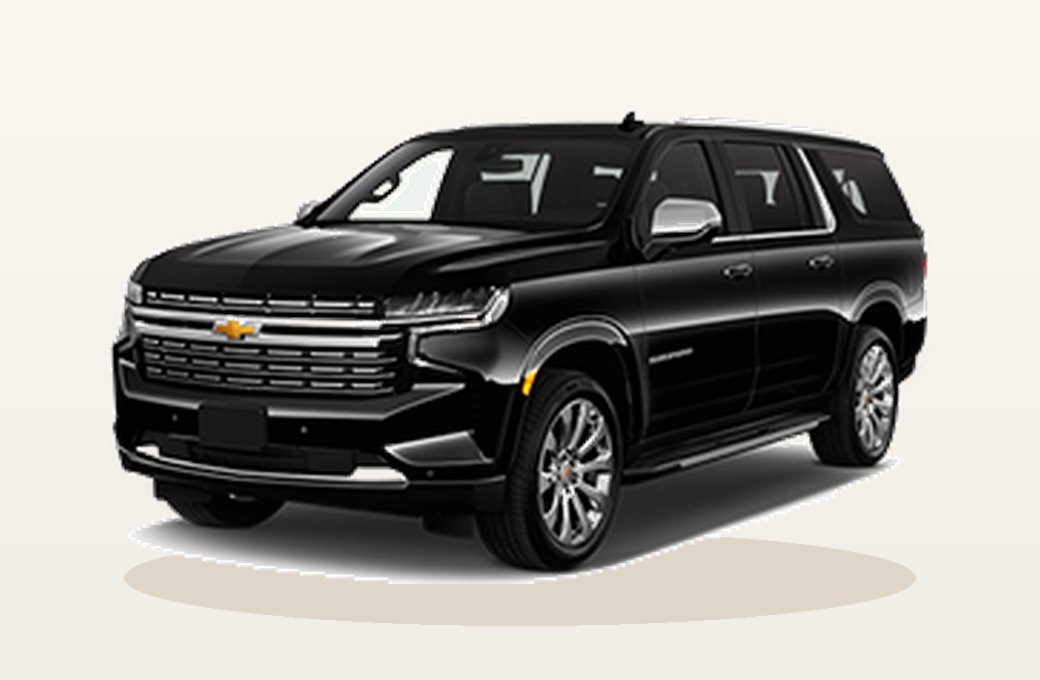
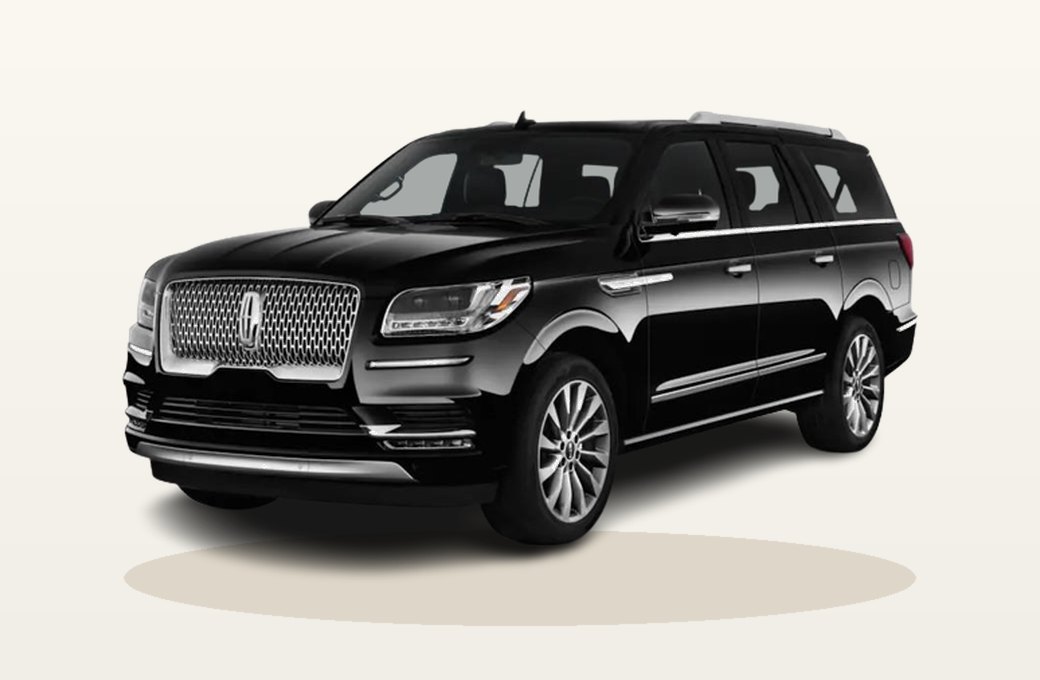
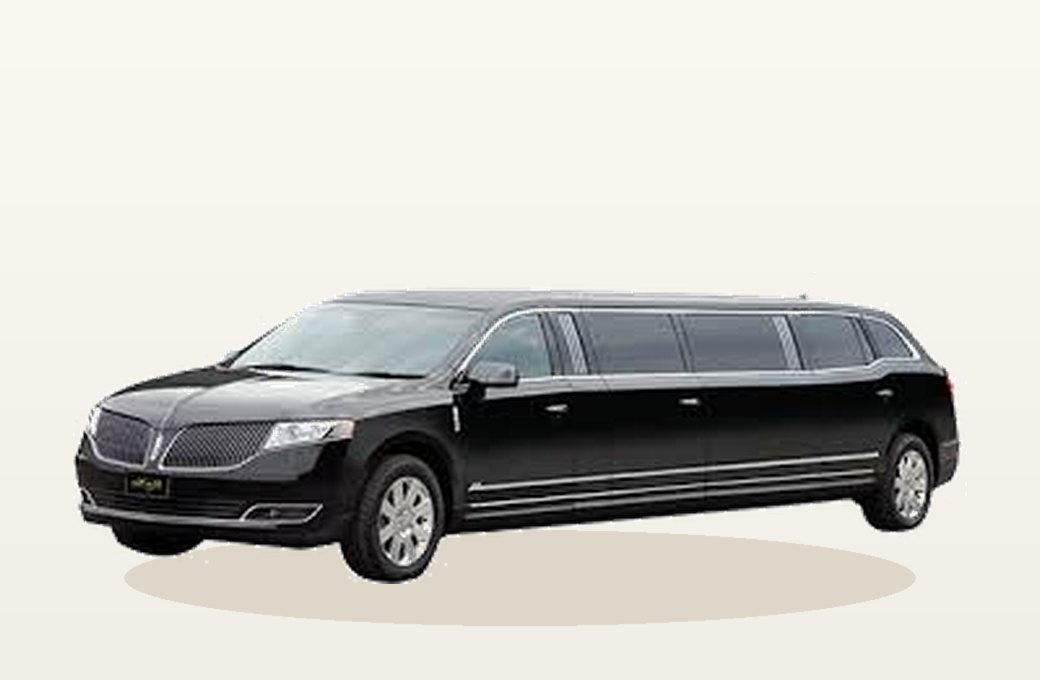
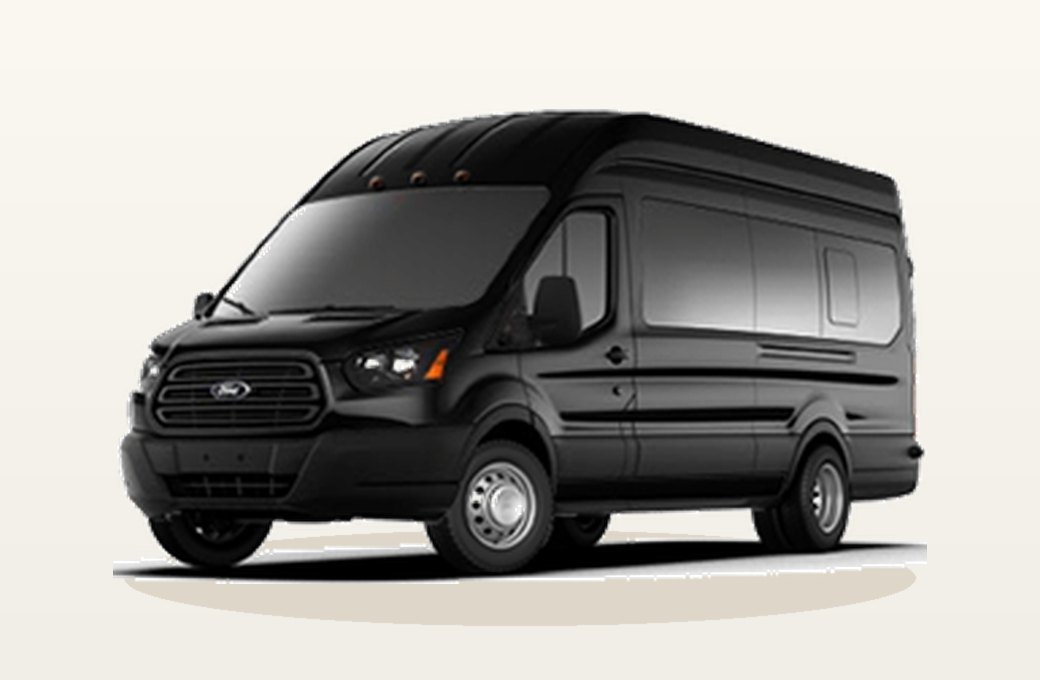
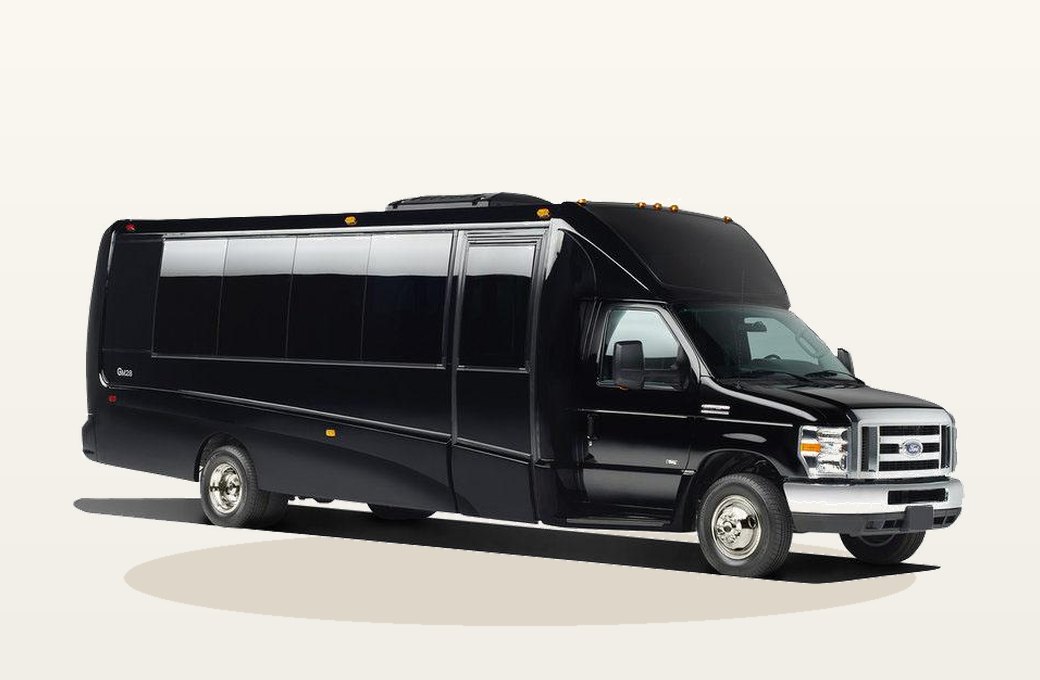
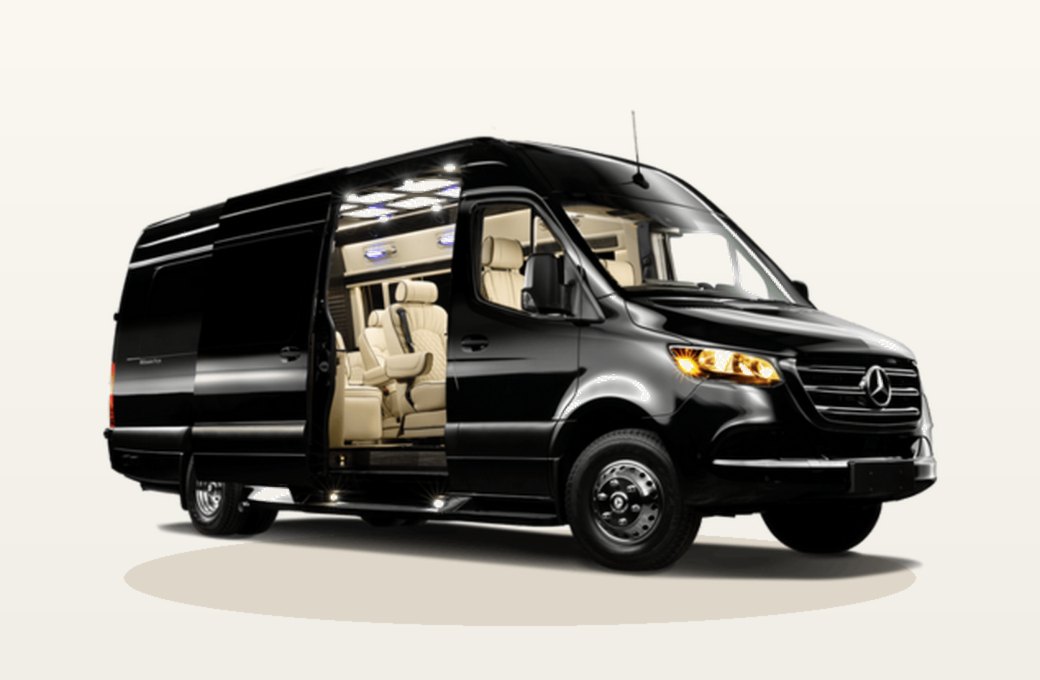
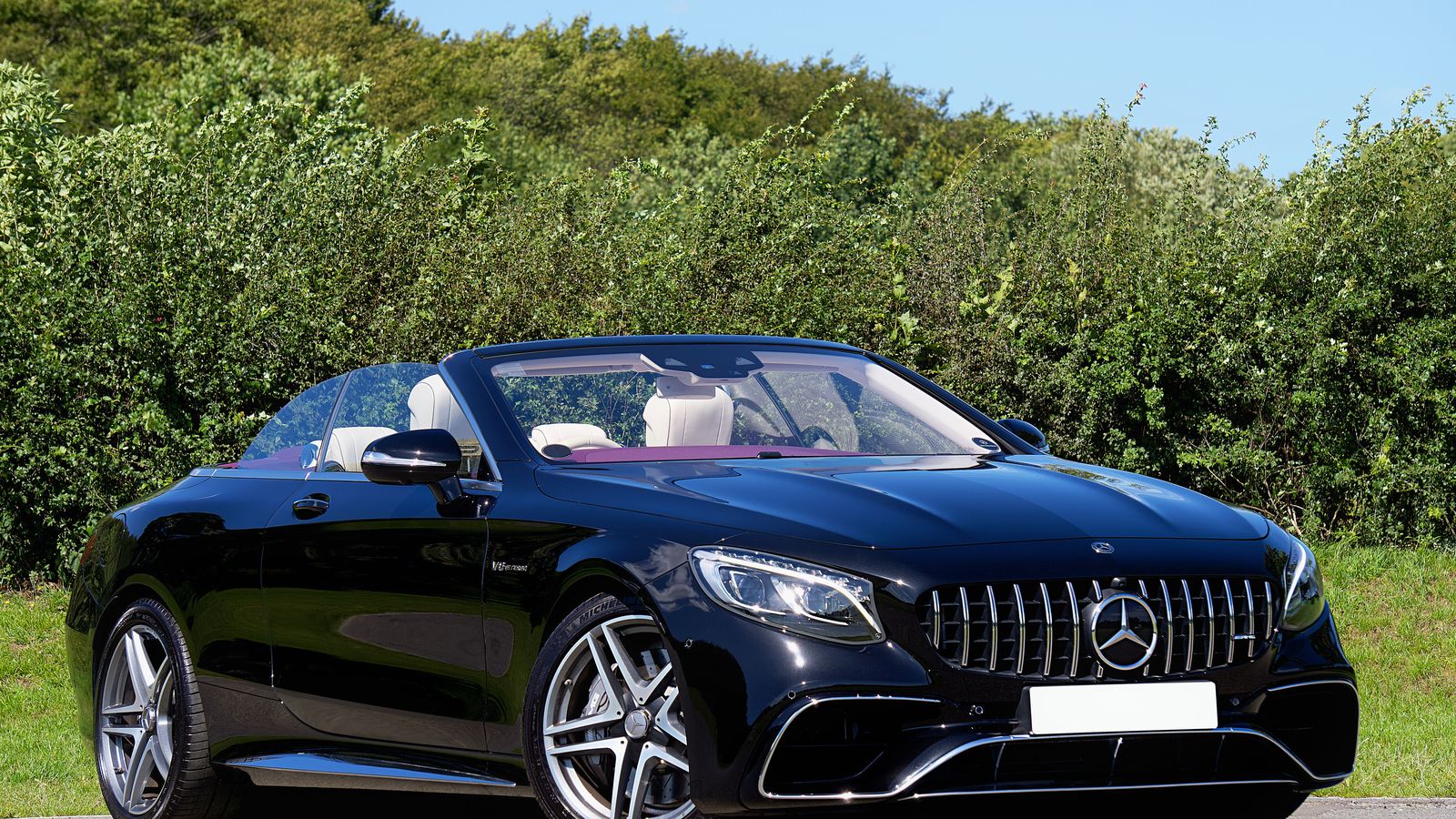
A Standard Sedan suits one traveller with a carry-on. An executive SUV is the most requested class in Addis: higher clearance helps on roadworks and unpaved side streets, and it fits two passengers with full luggage. A Standard Black SUV or Sprinter Van moves a delegation together, and minicoaches or motorcoaches handle conference shuttles. Armoured SUVs and sedans come from partners on request, after a risk assessment. All vehicles are four model years old or younger (Rolls-Royce, Maybach and Bentley up to seven). Compare classes on the fleet and see what fares include on rates.
Hourly hire for a day of meetings
Ministries, embassies and company offices are spread across several districts, and parking at many of them is limited or controlled by security staff. Booking the hourly chauffeur service keeps the same car and chauffeur with you, waiting at a safe spot between appointments and moving when you call.
Security-conscious travel in and around the capital
Addis Ababa is the country's most controlled and policed city, and routine business travel there is common. Several regions of Ethiopia have seen armed conflict and unrest in recent years, and governments including the UK and US publish region-specific advice that changes; check the UK foreign travel advice before any road trip outside the capital. Practical points: keep bags out of sight in traffic, use the car rather than walking between late-evening venues, and share itineraries with your office. For higher-profile travellers, secure transportation with trained chauffeurs and, where assessed as necessary, armoured vehicles is planned by a coordinator and confirmed in writing.
Local driving realities
Ethiopia drives on the right. The capital sits at about 2,350 metres, so first-time visitors often feel the altitude, and afternoon rain in the June to September wet season slows traffic. Roads are shared with minibuses, blue-and-white taxis, pedestrians and livestock on the outskirts, and construction continues across the city as new corridors are built. The Addis Ababa to Adama expressway is a tolled road and the fastest route to Bishoftu.
Events by month
- January: Timkat, Ethiopian Epiphany, usually on 19 January, with processions to Jan Meda that close roads.
- February: the African Union summit, usually in mid-February.
- September: Enkutatash, Ethiopian New Year, usually 11 September, and Meskel, usually 27 September, with a large bonfire celebration on Meskel Square.
- November: the Great Ethiopian Run, a mass road race through the centre.
Dates follow the Ethiopian calendar and can shift by a day in some years; confirm locally before planning cars around them.
Rail and intercity trips
The electrified Addis Ababa to Djibouti railway departs from Furi-Lebu station on the southwestern edge of the city, and a chauffeur transfer is the usual way to reach it with luggage. By road, Bishoftu's crater lakes are about an hour away and Adama about 100 km, typically 1 hour 15 minutes to 2 hours. Longer trips, such as the drive to Hawassa in the Rift Valley, are best planned as intercity transfers with a fresh assessment of current conditions.
Entry rules for Ethiopia in 2026
Nationals of most countries need a visa. The official route is an e-visa from Ethiopia's e-visa portal, and a tourist visa on arrival at Bole is available to some nationalities; check eligibility before you fly. Your passport should be valid for at least six months. Child seats are free on request. Cancellation is free more than 72 hours before pickup, 10% at 72 hours or less, 50% at 48 hours or less, and 100% at 24 hours or less or for a no-show. For regional context see Ethiopia, and for onward trips Nairobi and Kigali. Background on the airport is on Wikipedia, and summit information on the African Union site.