








BlaakLane.com chauffeur safety standards apply to every trip in all 500 cities. Each chauffeur holds the local commercial or private-hire licence and passes a background and driving-record check; each vehicle carries commercial passenger insurance, is 4 model years old or younger (Rolls-Royce, Maybach and Bentley up to 7) and is inspected; affiliates are vetted before their first trip and audited after it.
What do our chauffeur safety standards cover?
A passenger cannot check a licence, an insurance certificate or a brake inspection from the back seat, so the safety work happens before the car is dispatched. The BlaakLane.com written standard covers five areas, and every operator who drives for us, in the home dispatch area around Toronto or anywhere in the affiliate network, signs up to all five:
- The chauffeur: licensing, identity, background screening, driving record, training, conduct and hours.
- The vehicle: age, condition, inspection, cleanliness, equipment and insurance.
- The operator: business registration, operating authority, commercial insurance, dispatch capability and a named duty manager.
- The passenger's information: what we collect, who sees it, how long we keep it and how confidentiality is protected.
- The trip itself: flight tracking, live dispatch, route planning, duty of care and a defined process when something goes wrong.
The standard is the same document for a Standard Sedan airport run and for an armoured SUV movement. What changes between the two is the level of planning, not the baseline. If you want to see the operator side of the same rules, read our affiliate standards.
Who actually drives the car?
Inside the home dispatch area, trips are run from the Toronto desk. In the other cities we serve, trips are driven by vetted affiliate operators from the LimousineWorldwide.Directory network, contracted to the BlaakLane.com written standard. We do not claim offices, garages or cars of our own in a foreign city, and we would rather tell you that plainly than let you assume it.
What we do promise is transparency: your confirmation names the operator and, once assigned, the chauffeur, with the vehicle make, colour and plate where the local operator releases them. You always know who is responsible for your trip, and the 24/7 dispatch desk stays on the booking from confirmation to drop-off. The network page explains how the affiliate model works and why it lets one account cover 500 cities.
How are chauffeurs licensed and screened?
Licensing rules differ by city, so the standard sets a floor and then follows the stricter local rule wherever it is higher. Every chauffeur must:
- Hold a full driving licence for the class of vehicle, with the local commercial, chauffeur or private-hire licence where the city requires one. In London that means a private hire driver licence issued by Transport for London; in many North American cities it is a municipal limousine or livery licence.
- Pass an identity check and the criminal background check that local law allows. Where the law permits a deeper check for passenger-carrying work, we ask for it.
- Provide a driving-record abstract, reviewed before onboarding and again at renewal, with serious or repeated violations disqualifying.
- Meet the local medical or fitness requirement for professional drivers where one exists.
- Complete the operator's own induction plus our briefing on conduct, discretion, airport procedures, child-seat fitting and incident reporting.
Chauffeurs who drive our passengers are the operator's employees or contracted drivers; the operator is accountable for keeping their documents current, and we check that they do. Expired documents take a chauffeur off our work until they are renewed.
What insurance is carried on every vehicle?
Every vehicle that carries a BlaakLane.com passenger must be covered by commercial passenger-carrying insurance that is valid for hire and reward, at or above the legal minimum for that city or country. Private-car policies are not accepted, and neither is cover that excludes paid passengers. The operator also holds the business liability cover appropriate to a chauffeured-transportation company.
We collect proof of cover when an operator is approved and at each renewal. Where the legal minimum in a market is low compared with the risk of the work, the standard asks for higher limits before the operator can take corporate, VIP or group trips. For armoured and secure movements, cover is confirmed as part of the risk assessment for that specific job.
How old can the vehicles be?
Age is one of the simplest, most checkable proxies for condition and safety equipment, so the rule is short:
| Vehicle | Maximum age | Notes |
|---|---|---|
| Standard Sedan, Luxury Executive Sedan | 4 model years | Black or dark, unbranded, non-smoking |
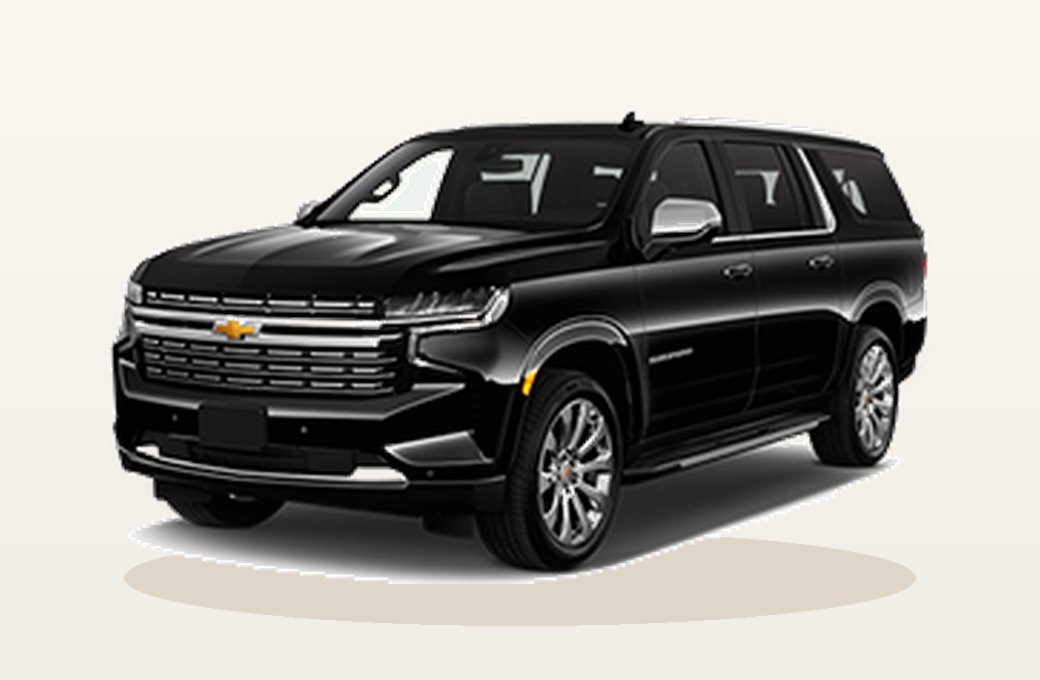
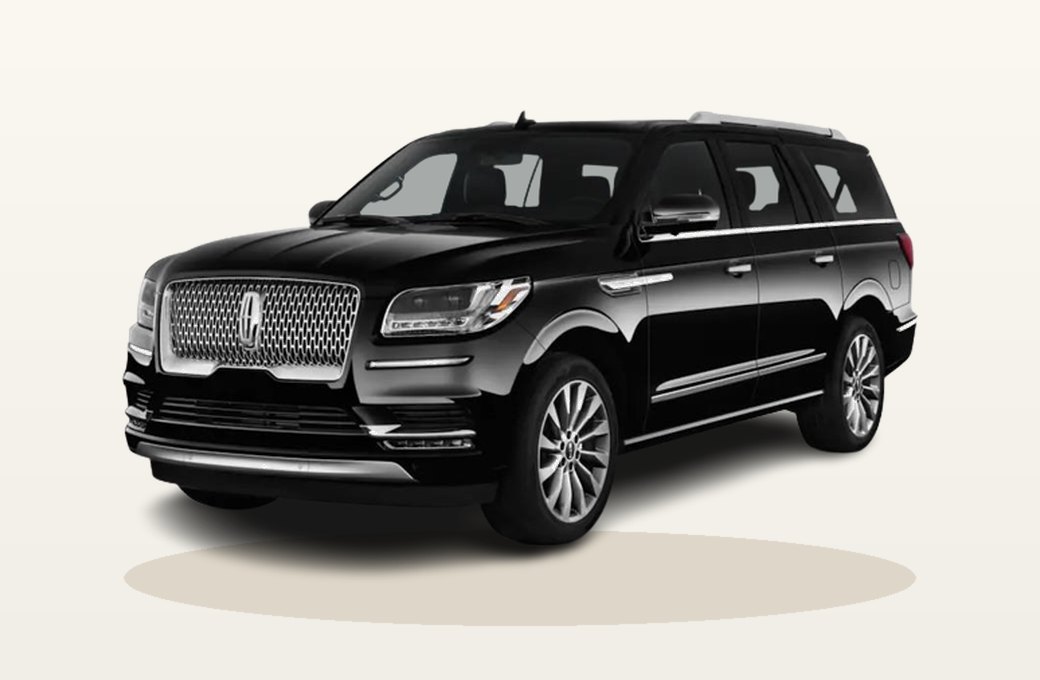
| Executive SUV, Standard Black SUV | 4 model years | Seat belts in every seat, luggage secured |
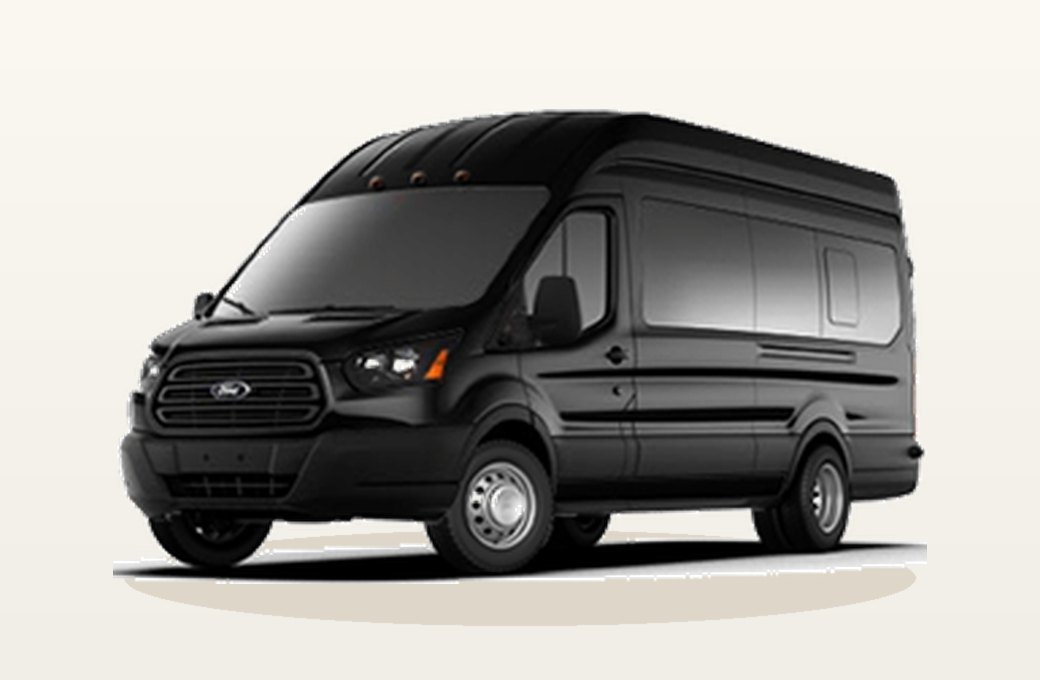
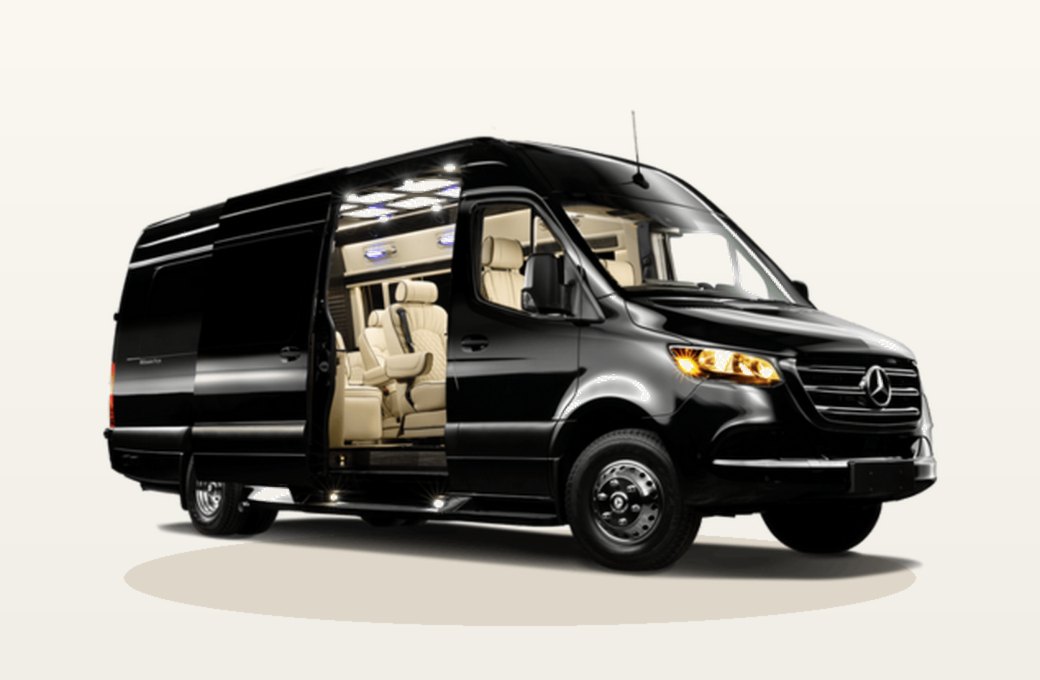
| Sprinter Van | 4 model years | Executive seating, working climate control |
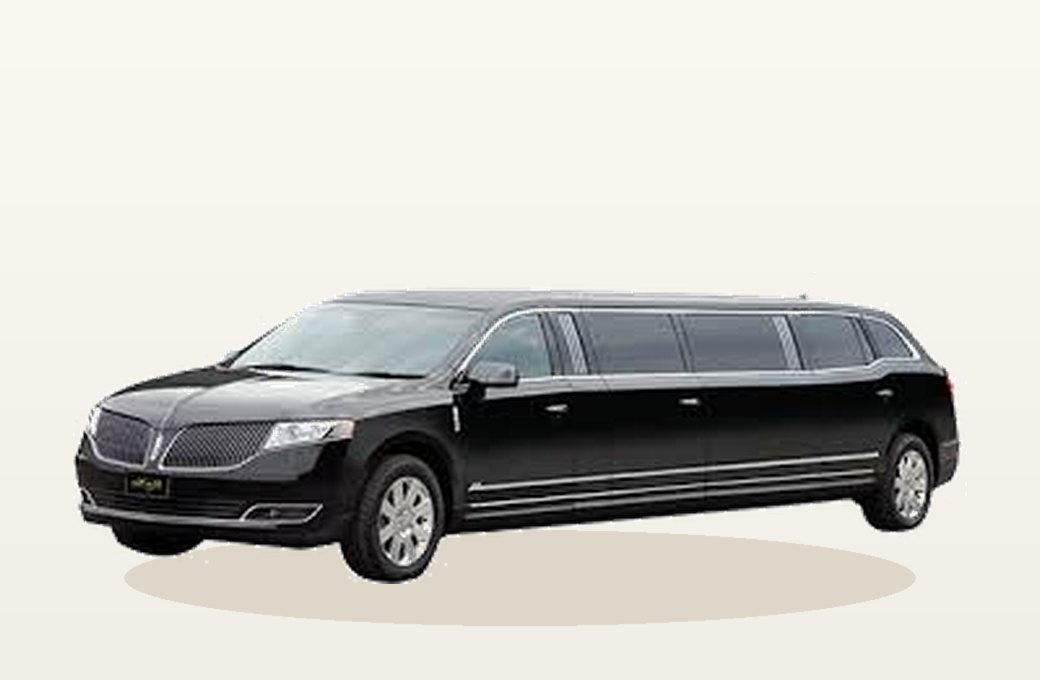
| Stretch limousine (partner) | 4 model years | Operated to local stretch-vehicle rules |
| Rolls-Royce, Maybach, Bentley (partner) | 7 model years | The only exception to the 4-year rule |
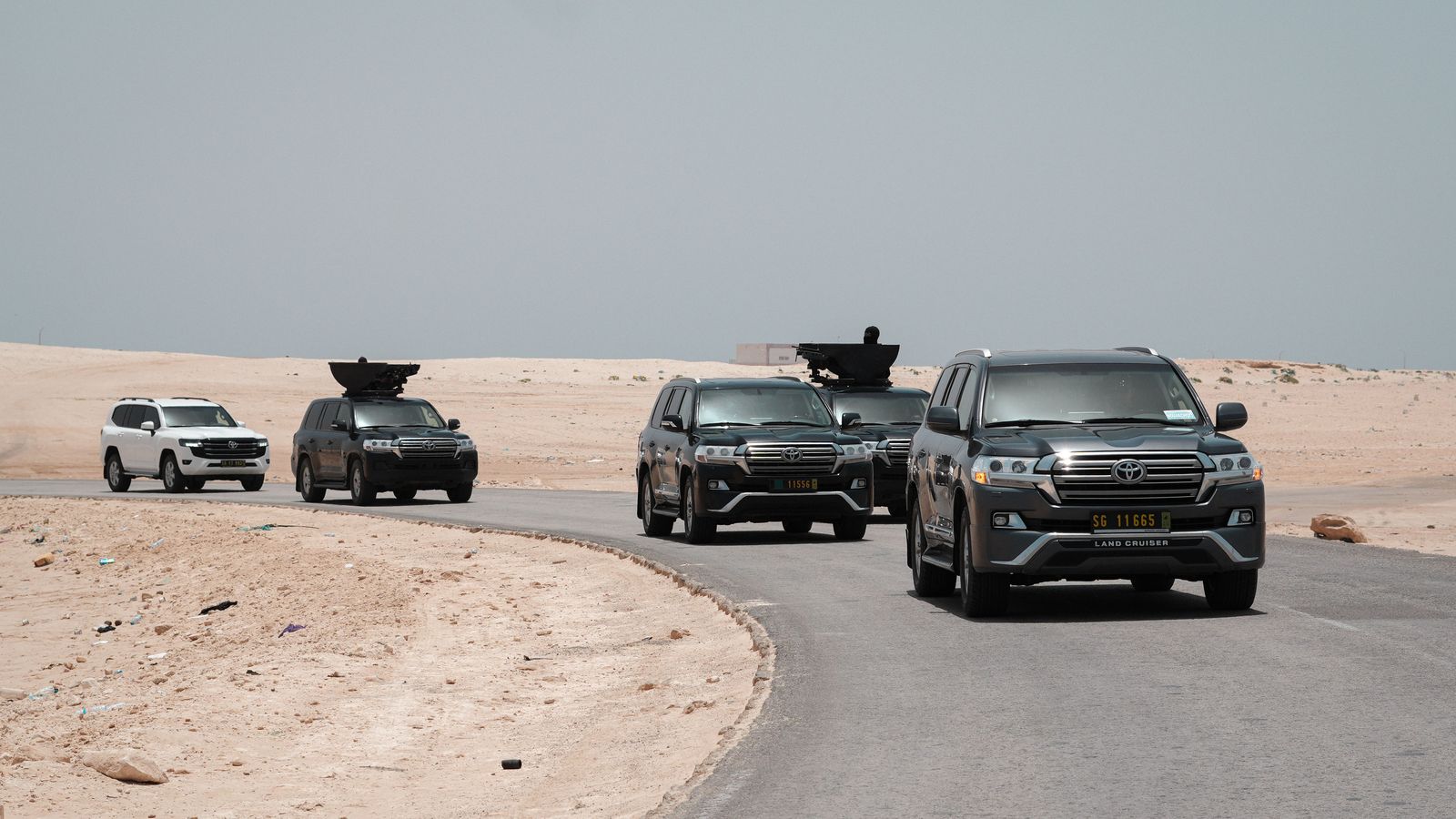
| Armoured SUV and sedan (partner) | 4 model years | Certified protection level stated in writing |
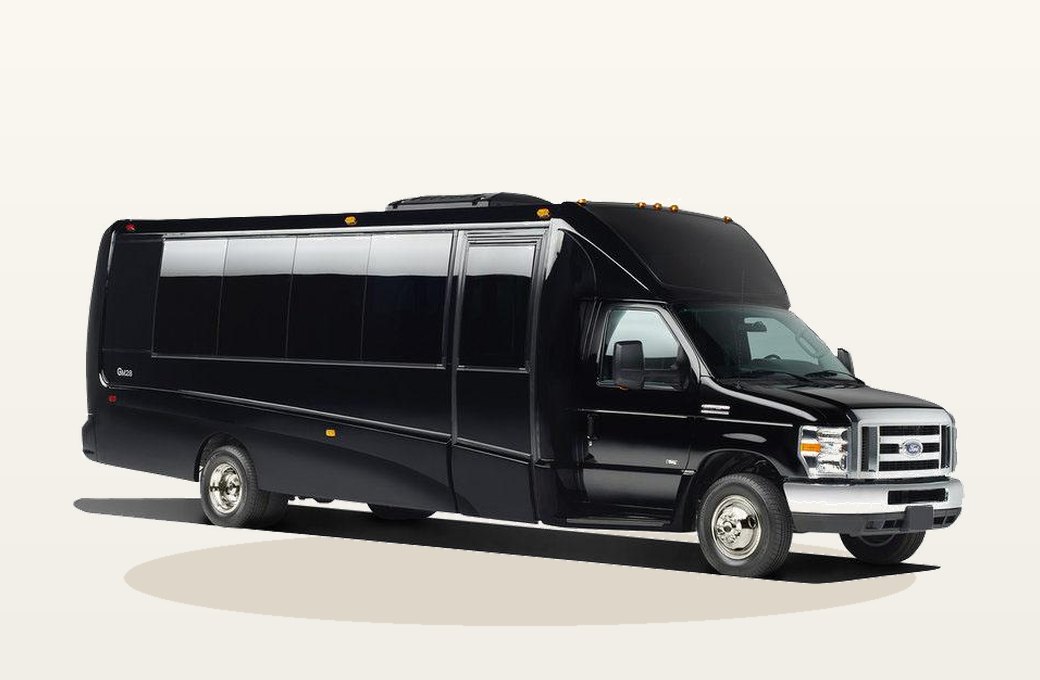
| Minicoach and motorcoach | 4 model years | Coach operator licensing where required |
The one exception exists because a well-kept Rolls-Royce, Maybach or Bentley holds its condition far longer than a volume car, and the occasions they serve, weddings and milestone arrivals, depend on the car itself. Every class is described on the fleet page.
How are vehicles inspected and maintained?
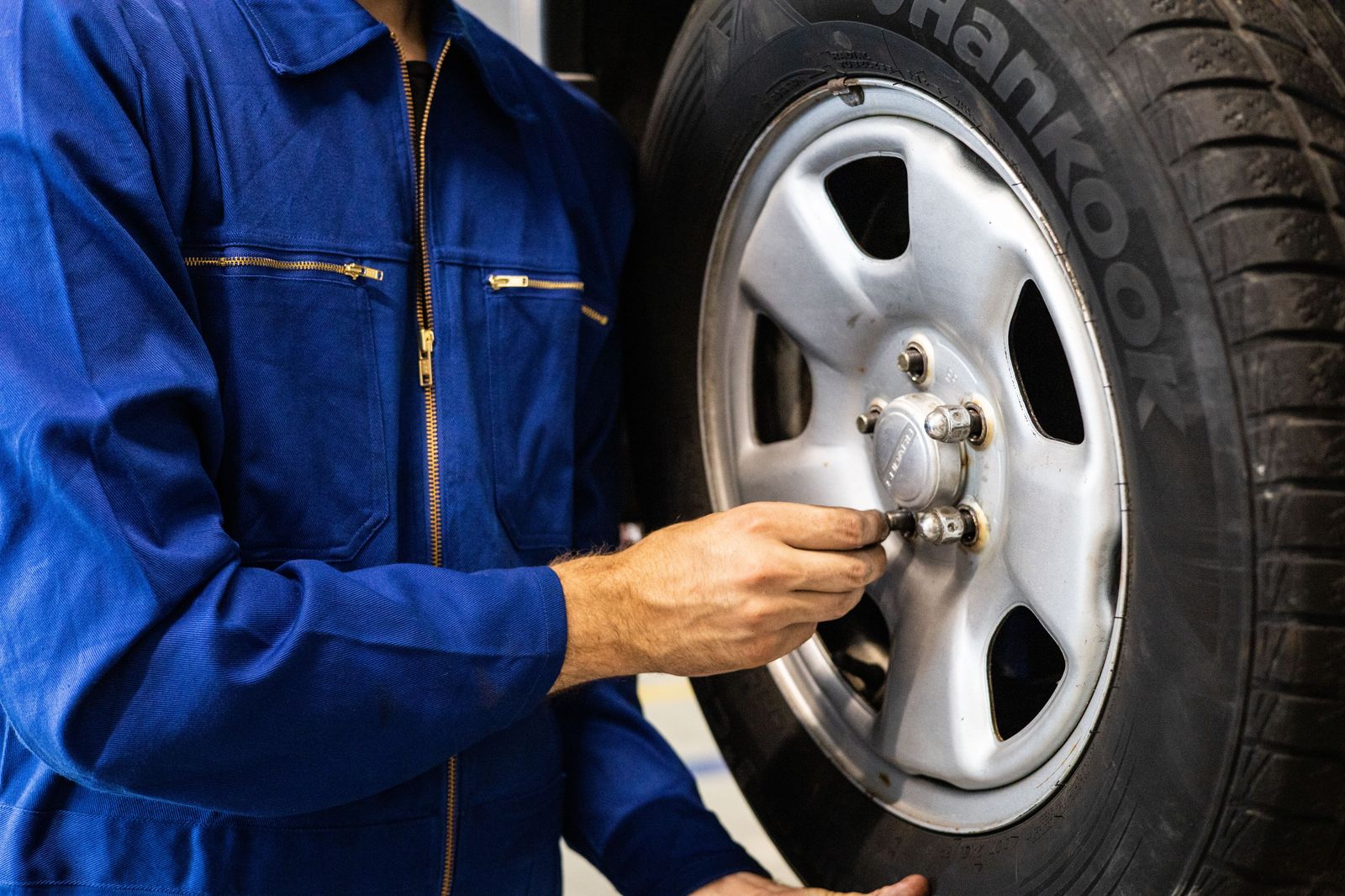
Age alone does not make a car safe, so the standard adds inspection and maintenance. Operators must keep every vehicle on the manufacturer's service schedule, pass the periodic safety inspection required by the local licensing authority, and keep records we can ask to see. Before each shift, the chauffeur completes a walk-round check: tyres, lights, wipers, fluids, warning lights, seat belts, door locks and the cabin.
Vehicles must be clean inside and out, smoke-free and odour-free, with working climate control and charging for passengers. A vehicle with a safety fault is taken off our work until it is repaired, and a replacement of the same class or higher is sent. We also check vehicles in person or by photo on audit, which is covered further down this page.
How do fatigue and hours rules protect passengers?
Tired driving is one of the few risks a passenger cannot see coming, so the standard treats hours as a safety item, not a scheduling detail. Operators must keep each chauffeur's day inside the local legal limit, and where the local limit is looser than good practice, our planning is stricter.
- Where commercial driver hours rules apply, they are followed. In the United States, the FMCSA hours-of-service rules for passenger carriers limit driving to 10 hours after 8 consecutive hours off duty, with no driving after 15 hours on duty; in the EU, coach and minibus drivers work to the tachograph and driving-time rules.
- Long as-directed days are planned with a relief chauffeur or a change of car rather than one person driving from dawn to midnight.
- Late-night arrivals after long-haul flights, and early departures after late events, are checked against the chauffeur's previous shift before assignment.
- Intercity trips beyond a comfortable single stint are planned with breaks, and very long routes with a second driver.
If a booking would push a chauffeur past these limits, the desk changes the plan, not the rule. You will not be asked to accept a tired driver to save a fare.
Are child seats available?
Yes. Child seats are free on request in most cities, and we ask for the child's age and weight when you book so the operator brings the right seat: rear-facing infant, forward-facing child seat or booster. Chauffeurs are briefed to fit them to the manufacturer's instructions, and parents are always welcome to check or adjust the fitting before setting off. Seats must meet the local approval standard; in the United States that means seats certified to federal standards, as explained by NHTSA. Where local law requires a child restraint and a suitable seat cannot be confirmed, we will tell you before the trip rather than on the kerb.
What accessibility support is available?
Tell us at booking what the passenger needs and we plan around it. A chauffeur can help with walking aids, folding wheelchairs and luggage, can allow extra time at the kerb, and can position the car for the easiest entry. Wheelchair-accessible vehicles with ramps or lifts are available in some cities through affiliates who operate them; that is planned by a coordinator and confirmed in writing, never assumed. Assistance dogs travel with their owners as the law requires, for example under the Americans with Disabilities Act in the United States. If you need a quieter, low-stimulation journey, say so and the chauffeur will keep conversation, music and scent to a minimum.
How is passenger data handled and kept private?
We collect what a trip needs: names, contact details, pickup and drop-off addresses, flight numbers, passenger counts and special requirements. Payment card details are processed by the payment provider, not stored in the booking notes. Chauffeurs see only what they need to run the trip, typically the passenger name, phone number for the day, addresses and flight details, and that access ends with the job.
- Booking data is kept for as long as accounting, legal and duty-of-care reporting require, then deleted or anonymised.
- Corporate travel data is shared only with the account holder's authorised bookers and travel managers.
- We do not sell passenger data or use trip histories for advertising.
- Canadian privacy law applies to our Toronto desk; guidance from the Office of the Privacy Commissioner of Canada shapes how we handle personal information, alongside local law in each country we operate.
The full detail is in our privacy policy.
How do confidentiality and NDAs work?
Discretion is part of the job. Chauffeurs do not discuss passengers, destinations or conversations, do not photograph passengers, and do not post about trips. For executives, public figures, deal teams and family offices, we sign the client's non-disclosure agreement or provide our own, and we can require the assigned operator and chauffeur to sign as well. Name boards can show a code word or company name instead of a personal name, bookings can be held under an alias on the account, and itineraries can be shared on a need-to-know basis only. Our VIP chauffeur service and HNWI and family office pages cover this in more depth.
What does duty of care look like on a trip?
For employers and travel managers, duty of care means knowing where a traveller is and being able to act if something changes. Every airport pickup is flight-tracked and the chauffeur is timed to the actual landing, with included waiting of 60 minutes on international arrivals, 30 minutes on domestic flights and 15 minutes on other pickups. Dispatch monitors each trip and the desk can reach the chauffeur and the passenger at any hour.
On corporate accounts, trip records give travel managers who travelled, when, where and with which operator, which feeds traveller-tracking and incident response. For higher-risk destinations, secure transportation adds a pre-trip risk assessment, route planning and, where it is called for, armoured vehicles and trained security drivers. See corporate accounts for the reporting side.
What happens if something goes wrong?
Most problems on a chauffeured trip are small: a late car, a missed connection, a wrong terminal. A few are serious. The incident process is the same for both, scaled to the severity:
- Immediate safety first. If anyone is hurt or in danger, the chauffeur calls the local emergency number, stays with the passengers and follows police or medical instructions.
- Dispatch is told at once. The chauffeur or operator reports to the 24/7 desk, which sends a replacement vehicle where needed and keeps the passenger informed.
- The account is informed. For corporate bookings, the travel manager or named contact hears from us promptly, not at month end.
- A written report follows, covering what happened, when, who was involved and what was done, with the operator's own report attached.
- Review and action. We investigate, agree corrective steps with the operator, and suspend the chauffeur or operator from our work where the facts justify it.
Passengers can report a concern at any time through the contact page. Complaints about conduct or driving are treated as safety reports, not customer-service tickets.
How are affiliates vetted and audited?
An operator joins the network only after document review and a conversation about how they run their business. Before the first trip we check business registration and operating authority, commercial insurance, chauffeur licensing and screening, vehicle ages and inspection records, dispatch hours and the named duty manager, and a sample of vehicles by photo or in person. Operators apply through /drive-with-us/register/ and the required paperwork is listed on the documents page.
After approval, audit is continuous rather than annual:
- Document expiry dates are tracked, and expired insurance or licences stop new assignments automatically.
- Every trip is scored on punctuality, vehicle, chauffeur conduct and communication, and low scores trigger a review.
- Spot checks at airports, hotels and events confirm that the car and the chauffeur match what was confirmed.
- Passenger feedback and incident reports go straight into the operator's record.
Operators who fall below the standard are coached, then suspended, then removed. The standard is the reason the network exists, so we protect it.
How does this affect booking and cancellation?
Safety standards do not add surcharges. The reservation engine shows a fixed fare for the address, date, time and vehicle before you confirm, with no surge and no meter; see rates for what a fare includes. Curbside pickup at the airport's designated commercial or pre-arranged pickup area is standard; meet and greet in the arrivals hall with a name board is an add-on, and add-ons are only available in selected locations. Cancellation is free more than 72 hours before pickup; 72 hours or less costs 10 %, 48 hours or less 50 %, and 24 hours or less or a no-show 100 %. Full terms are on the terms page, and common questions are answered on the FAQ.