









Airline crew transportation from BlaakLane.com moves flight and cabin crews between the airport and the layover hotel, positions deadheading crews by road, and covers irregular operations. Programmes are planned by a coordinator against your manifest and report times, confirmed in writing, tracked against actual landing times, and invoiced monthly to the airline or its crew-hotel contractor. The Toronto desk runs 24/7.
How airline crew transportation works with BlaakLane.com
Airline crew transportation is a scheduled, repeating movement with very little tolerance for error. A crew that reaches the hotel forty minutes late loses sleep opportunity it cannot recover, and a crew that reaches the airport late delays a departure. We treat it as a programme, not a string of single bookings.
The process has four stages:
- Scoping. Your crew scheduling or hotel-contracting team tells us the stations, the typical daily pattern of arrivals and departures, crew complement per flight (flight deck and cabin), baggage profile and any contractual timing standards.
- Planning. A coordinator builds a station plan: vehicle class per crew size, pickup points at each terminal, the drive time to each contracted hotel at different hours, and the escalation contacts on both sides. The plan is confirmed in writing before the first movement.
- Daily operation. Manifests or schedule feeds arrive; each movement is dispatched, the vehicle is timed to the actual block-in or to the report time, and exceptions are flagged to your crew control.
- Billing and review. Every movement is reconciled to a manifest reference and invoiced monthly, with the data you need to audit on-time performance.
In the home dispatch area around Toronto we dispatch directly. At other stations, movements are driven by a vetted local affiliate from the LimousineWorldwide.Directory network, contracted to the BlaakLane.com written standard; the confirmation names the operator, and the chauffeur and vehicle details are sent before each movement.
What a crew transport programme covers
Most airline and crew-hotel contracts we plan include some or all of these movement types:
- Arrival transfers: aircraft block-in to the layover hotel, timed to the actual arrival rather than the schedule.
- Departure transfers: hotel to the airport, timed to the crew report time with a margin agreed per station.
- Positioning (deadhead) moves by road: crews repositioned between airports in the same region when a road transfer beats the next available flight.
- Reserve and standby crew calls: short-notice movements from a hotel or a home base when crew control calls out a reserve.
- IRROPS movements: diversions, cancellations, extended delays and crews that time out and need a hotel at short notice.
- Training and simulator transport: crews moved between hotels and simulator or training centres on fixed schedules.
- Individual crew moves: a single pilot or purser travelling on company business, medical appointments or duty-related trips.
Each type is written into the station plan with its own timing rule, so the dispatcher knows whether a vehicle is timed to landing, to report time or to a fixed clock time.
Layover shuttles between the airport and the crew hotel
The layover shuttle is the core of any airline crew transportation contract. It looks simple: a van or minibus waits for the crew, loads their bags and drives to the hotel. In practice the details decide whether crews rate the service as dependable.
We plan these points for every hotel on the programme:
- Drive-time bands by hour. A hotel 20 minutes from the terminal at 02:00 can be 50 minutes away at 17:30. The station plan records the bands, so departure transfers leave early enough during peak traffic without parking crews at the airport for an hour at night.
- Vehicle size to crew size. A narrowbody crew of two pilots and four to five cabin crew fits a Standard Black SUV; a widebody crew with 12 to 18 members and their bags needs a Sprinter Van or a minicoach. We plan capacity by bags as well as seats.
- Hotel access. Where the hotel has a porte-cochère, a coach bay or a height limit, the vehicle choice reflects it.
- Combined movements. Where two crews share a hotel and land close together, we can combine them in one larger vehicle, but only if your contract allows it and the wait for the second crew stays inside an agreed limit.
The fare for each movement is fixed when it is confirmed. There is no meter and no surge. Your contract rate card covers the standard movements, and anything outside it is quoted and confirmed in writing before it runs.
Crew manifests, report times and the pickup schedule
Crew transportation lives or dies on data. We accept manifests and schedules in the format your crew scheduling system produces: a daily spreadsheet, an email per flight, or a structured feed. What we need for each movement:
| Field | Why it matters |
|---|---|
| Flight number and date | Used for flight tracking and as the reconciliation reference |
| Crew count, flight deck and cabin | Sets vehicle size and seating |
| Bag count or bag profile | Crew bags, flight bags and catering items change vehicle choice |
| Hotel name and address | Sets the drop and the drive-time band |
| Report time (departures) | The vehicle is timed backwards from this, not from the flight time |
| Contact for the crew lead | The captain or purser receives the chauffeur's name and number |
| Cost reference | Maps the movement to the right invoice line |
For arrivals, the vehicle is timed to the actual landing using flight tracking, and the dispatcher watches the flight from departure. Crews usually clear the aircraft and crew channels faster than passengers, so we plan a shorter staging window than a passenger transfer, set per station from experience. For departures, the vehicle arrives at the hotel ahead of the pickup time agreed in the plan, and the chauffeur confirms arrival to the crew lead.
Pickup points: where crews meet the vehicle
Crews do not always leave the terminal through the same doors as passengers. Many airports have a crew exit, a crew centre or an airline operations building, and the pickup point in the station plan reflects where your crews actually come out.
Where the airport allows a commercial vehicle to wait at a crew exit or an operations building, we plan pickup there. Where it does not, the standard is the airport's designated commercial or pre-arranged pickup area, the same place as any other BlaakLane.com airport pickup. Our chauffeurs do not go airside, and they do not enter the terminal by default. A meet-and-greet with a name board in the arrivals hall is an add-on, available only in selected locations, and it is rarely needed for crews who know the station.
Airports regulate commercial ground transport with permits and designated zones, and the rules change. At Toronto Pearson, London Heathrow, Frankfurt or Dubai International, the station plan records the current zone, the lane for larger vehicles and any dwell limits, and we update it when the airport changes the rules.
Fatigue rules and why the transfer minutes matter
Flight and duty time rules govern how long crews may work and how long they must rest. In the United States, flight crews on passenger operations fall under the FAA's Part 117 flight and duty rules, which require a minimum rest period with a protected sleep opportunity before a flight duty period. In Europe, EASA's flight time limitations set minimum rest away from base, and they expressly allow time for travel to and from the accommodation on top of the sleep opportunity. Transport Canada has its own flight crew fatigue rules for Canadian operators.
We do not interpret those rules for your crews; that is your crew scheduling and compliance function. What we can control is the ground transfer. A late pickup, a detour for a second crew or a wrong hotel entrance all come out of rest time, and a crew lead who has lost 30 minutes of rest remembers it. That is why the station plan puts a hard limit on combining movements, sets realistic drive-time bands, and treats a crew waiting more than a few minutes for a vehicle as an incident that gets reported.
We also report the minutes. Each movement record carries the actual pickup and drop times, so your scheduling team can see whether the ground segment performed as planned.
Security, identification and crew privacy
Crews travel in uniform and carry airport credentials; they are visible, and their movements follow a pattern. Our approach:
- Named chauffeurs. Each movement confirmation gives the crew lead the chauffeur's name, the vehicle and the plate. Crews should not board a vehicle whose details do not match.
- No public signage. Name boards, where used, show a flight number or an agreed code, not the airline name or crew names, unless your security team wants otherwise.
- Manifest handling. Crew names are shared only with the dispatcher and the assigned operator, and only as far as the movement needs. We do not keep crew rosters longer than the billing and audit period requires.
- Vehicle standards. Every vehicle in the programme is 4 model years old or younger and meets the BlaakLane.com safety standards, with licensed commercial drivers and commercial insurance as local law requires.
If your security department issues its own requirements, such as a password check at pickup or a ban on any stops, they go into the station plan and the dispatcher enforces them.
Positioning and deadheading crews by road
Road positioning is often the fastest way to move a crew between airports in the same region: between London Heathrow and London Gatwick, between Newark and JFK, between Toronto Pearson and Montreal, or from a diversion airport back to the planned station. Typical cases:
- A crew positioned to operate from a second airport in the same city.
- A crew stranded at a diversion airport that needs to reach the hub to operate the next rotation.
- A crew moved to a nearby station to cover a sick call.
For each positioning move we check the road distance and a realistic drive-time range, so crew control can compare it with the next available flight. Longer moves use an executive SUV or a Luxury Executive Sedan for small crews, or a Sprinter Van for full crews with bags, and we build in a rest or fuel stop where the drive is long. Our intercity transfer service covers the one-off long-distance cases.
Disruption and IRROPS response
Irregular operations are where a crew transport provider earns its contract. When weather closes a hub or a technical delay cascades, crew control needs three things from ground transport: capacity at short notice, a single point of contact, and accurate status.
What the IRROPS plan covers:
- Surge capacity. At each station the plan names the vehicle classes that can be called at short notice and how quickly, based on the local affiliate's standby pool. Minicoaches and motorcoaches are available for full-crew and multi-crew moves.
- Timed-out crews. When a crew exceeds duty limits and needs a hotel, we move them as soon as crew control has booked rooms, and we can split crews across two hotels if the first is full.
- Diversions. A diverted flight's crew can be collected at the diversion airport and positioned back or taken to a local hotel.
- Cancelled movements. Cancelled flights mean cancelled transfers. The contract states how short-notice cancellations are charged; for ad hoc bookings outside a contract, the standard BlaakLane.com policy applies: no charge more than 72 hours before pickup, 10% at 72 hours or less, 50% at 48 hours or less, and 100% at 24 hours or less or for a no-show.
- One thread. During a disruption we open a single live thread with your crew control, and the dispatcher reports each movement as it is dispatched, collected and dropped.
Vehicle types for crew moves
All vehicle classes are the same across the network. The right one depends on crew size and baggage, not on rank.
| Vehicle class | Typical crew movement |
|---|---|
| Standard Sedan | One or two crew members, individual duty travel |
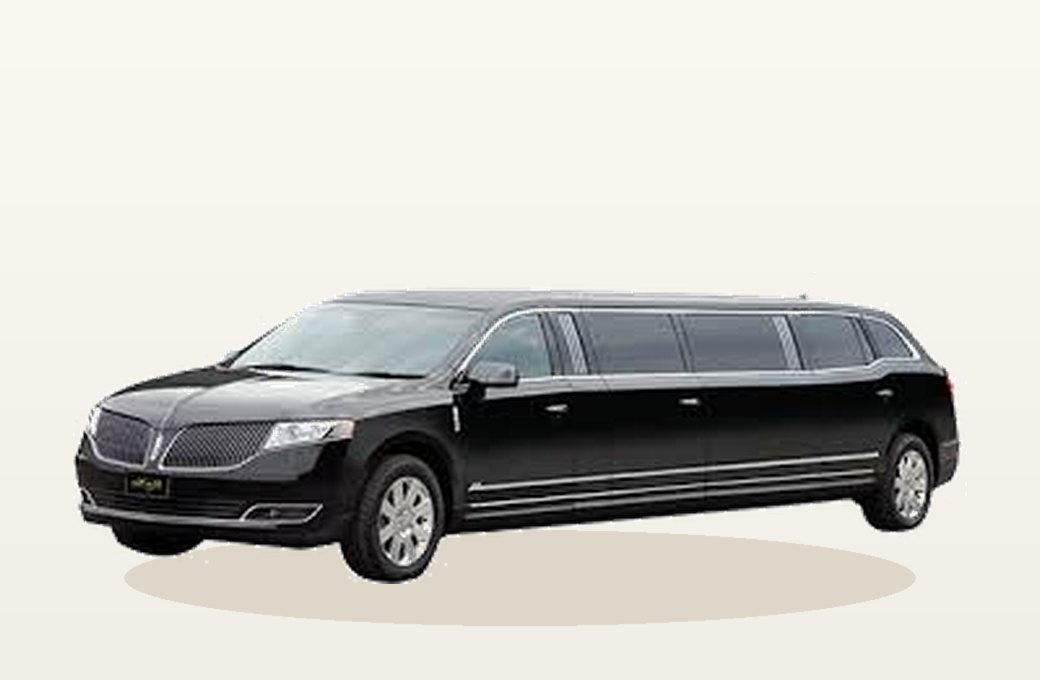
| Luxury Executive Sedan | Captains or senior crew on individual moves, where the contract specifies it |
| Executive SUV | Two to four crew with bags, positioning moves |
| Standard Black SUV | Narrowbody crews of six to seven with standard crew bags |
| Sprinter Van | Larger narrowbody and smaller widebody crews, up to about 12 to 14 with bags |
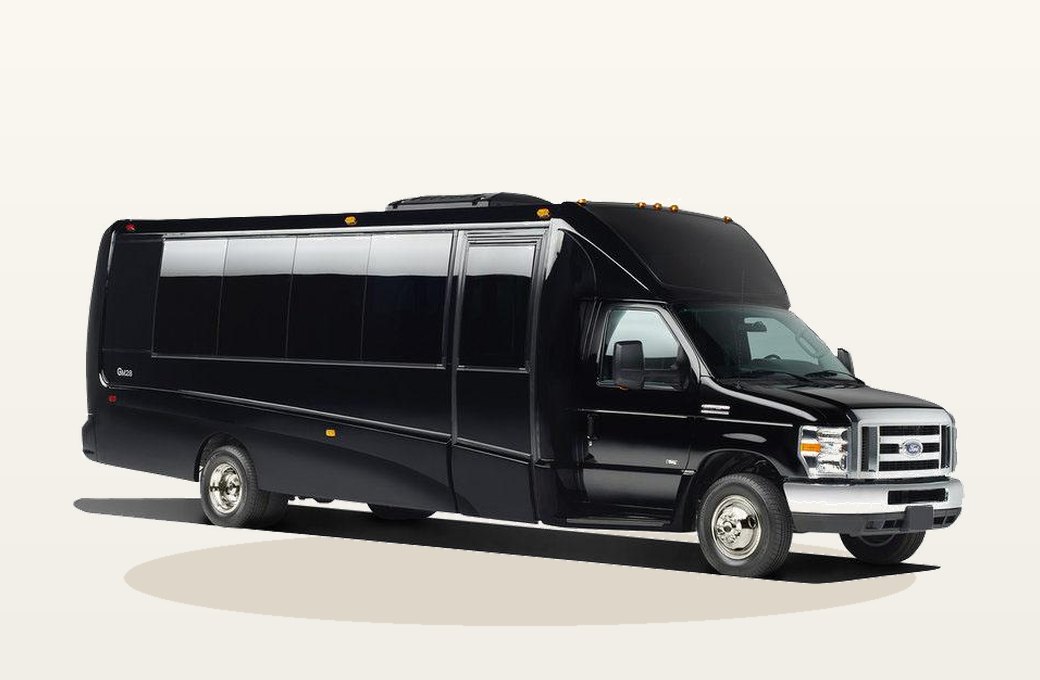
| Minicoach | Full widebody crews, combined crews, training groups |
| Motorcoach | IRROPS mass movements and multi-crew hotel transfers |
Seating capacity varies by market and model, and crew bags take space, so the station plan sets a maximum crew count per vehicle for each station. See the fleet for the full class descriptions.
Invoicing to the airline or the crew-hotel contractor
Crew transport is bought in two ways. Some airlines contract ground transport directly; many buy it through a crew accommodation contractor that bundles hotel rooms and transfers. We invoice whichever party holds the contract.
What the invoice includes:
- One line per movement, with flight number, date, station, pickup and drop times, crew count and vehicle class.
- The manifest or cost reference you supply, so each line reconciles to your records.
- Separate lines for waiting time beyond the contract allowance, extra stops and any IRROPS surcharge written into the rate card.
- Monthly invoicing in the currency agreed in the contract, with a data file for your accounts payable system.
Monthly invoicing, cost centres and booker profiles come from a corporate account. For ad hoc bookings outside the contract, the reservation engine on the booking page shows a fixed fare before confirmation. Indicative planning ranges by vehicle class are on the rates page.
24/7 coordination from the Toronto desk
Crews fly at every hour, so the reservations and dispatch desk in Toronto runs 24/7. For a crew programme the desk gives you:
- A named coordinator who owns the station plans and the monthly review.
- A dispatch line and a shared inbox that crew control can use at any hour.
- Flight tracking on every arrival, with the vehicle timed to the actual landing.
- Escalation to a duty manager when a movement is at risk.
- A contact card for each station, so crew leads know who to call if a vehicle is not at the pickup point.
Our travel desk, run with BookingWorldwide.net, can also handle the individual duty travel that sits around a crew programme, such as hotel nights for staff travel or training trips.
Service standards we write into the crew programme
Standards are agreed per contract, but these are the defaults we propose:
- Vehicle at the pickup point before the crew, for arrivals and departures.
- Arrival transfers timed to actual block-in using flight tracking.
- A defined maximum wait for crews at the pickup point, after which the movement is reported as an exception.
- No unplanned stops, and no combining of crews without the contract permitting it.
- Chauffeur and vehicle details sent to the crew lead before pickup.
- Every exception reported to crew control the same day, with the cause.
- A monthly report of on-time performance by station.
Waiting included in standard bookings is 60 minutes from actual landing on international arrivals and 30 minutes on domestic flights, then charged in 15-minute blocks. Crew contracts usually replace those allowances with a station-specific rule.
Where crew programmes run
BlaakLane.com covers 500 cities in about 119 countries, and every airport page on this site can support crew movements. Stations where airline crews commonly lay over include Singapore Changi, Hong Kong, Doha Hamad, Paris Charles de Gaulle, Amsterdam Schiphol, Los Angeles and Chicago O'Hare. The full list is on the airports page.
Where a station is outside our current affiliate coverage, the coordinator will say so plainly during scoping rather than accept a movement we cannot run to the standard.
Starting an airline crew transportation programme
To scope a programme, send the coordinator:
- The stations and the contracted hotels at each.
- A typical week of arrivals and departures per station, with crew counts.
- Your timing standards and any contractual penalties.
- The billing party: airline, crew-hotel contractor or both.
- Security or data-handling requirements.
We return a station plan for each airport with vehicle classes, pickup points, drive-time bands and the escalation chain, confirmed in writing before the first movement. Related reading: private aviation and FBO ground transport and Fortune 500 corporate travel.