









Private jet ground transportation from BlaakLane.com puts a chauffeured sedan, SUV or van at the FBO for your passengers and crew, timed to the actual arrival rather than the filed time. Flight departments, charter brokers and aircraft managers book each leg with a fixed fare, receive the chauffeur and vehicle details before wheels-down, and can bill every car to one monthly account.
How private jet ground transportation works with BlaakLane.com
A private flight changes the shape of the ground problem. There is no fixed timetable, the arrival time moves with slots and winds, the passengers expect to walk from the aircraft to a waiting car, and the people arranging the trip are usually not the people travelling. Our job is to make the car at each end of the flight as predictable as the aircraft itself.
The booking flow is short. You enter the FBO, the tail number or flight reference, the passenger name and the destination in the reservation engine or send the trip sheet to the desk. The engine shows a fixed fare for the address, date, time and vehicle before you confirm, and there is no meter and no surge on the day. Once the leg is confirmed, the desk watches the flight, the chauffeur is timed to the landing, and the passenger contact receives the chauffeur's name, the vehicle and the plate.
Multi-leg tours, owner programmes with several cars per arrival, and events where a flight department brings in a full cabin of guests are planned by a coordinator and confirmed in writing. The coordinator becomes the single contact for every leg, whether the aircraft goes to Teterboro on Monday and Paris Le Bourget on Wednesday.
Who books private aviation ground transport
Four groups book most of our FBO work, and each needs something slightly different:
- Corporate flight departments. Schedulers and dispatchers booking for executives on company aircraft. They want the car to be one line on the trip sheet, consistent standards at every destination, and a monthly invoice with cost centres.
- Charter brokers and operators. Brokers selling a trip to a client often add ground transport at both ends. They need a confirmed fare to include in their quote to the client, a clean confirmation they can forward, and a desk that answers when the client changes plans at 23:00.
- Aircraft management companies and family offices. Managers of owner aircraft book cars for the owner, family and guests, often with standing preferences for vehicle, water, temperature and child seats.
- Flight crews. Pilots and flight attendants need hotel transfers, trips to a crew rest facility and positioning moves when the aircraft repositions. Crew moves on a scheduled airline are a separate programme described on our airline crew transportation page.
Individual travellers who charter a jet for themselves can book the same way through the private airport transfer service.
Where the chauffeur meets the aircraft
Every FBO is laid out a little differently, and the meeting point is agreed at booking, not improvised on arrival. Three arrangements cover almost every case:
- FBO landside entrance. The standard pickup. The chauffeur waits at the FBO's front door or car park, which is the business aviation equivalent of the designated commercial pickup area at an airline terminal. Passengers walk through the lounge, collect bags from the line crew and step out to the car.
- FBO lobby. Where the FBO allows a chauffeur to wait inside, a name board meeting in the lounge can be added. As with any meet and greet, this is an add-on, and add-ons are only available in selected locations.
- Planeside. Some FBOs let an approved vehicle drive to the aircraft, escorted by the line crew. Whether this is possible depends on the airport's security rules and the FBO's own policy, it has to be cleared with the FBO before the day, and it is only available in selected locations. When it is possible, we confirm it in writing; when it is not, the car waits landside.
Airport security regimes differ. In the United States, ramp access is governed by the airport operator and the FBO under federal security rules; in the United Kingdom and the EU, airside driving needs a permit issued by the airport. We describe what each FBO permits on its own page, for example London Luton, Farnborough or Van Nuys, and we never promise planeside access that the FBO has not granted.
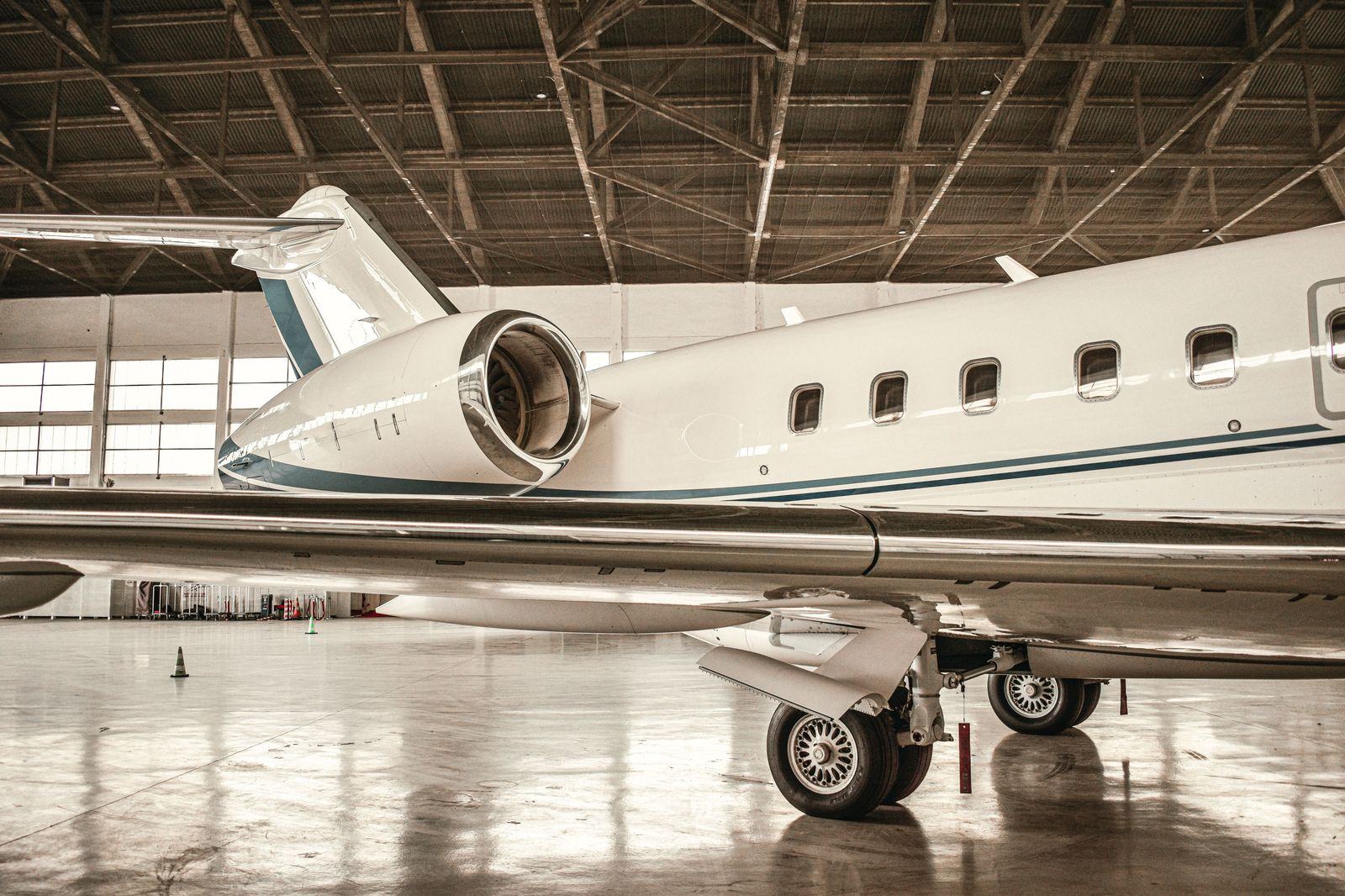
Timing the car when the ETA keeps moving
A scheduled airliner publishes an arrival time and usually meets it. A business jet may leave 40 minutes early because the owner arrived early, or two hours late because a passenger is still in a meeting. The chauffeur is timed to what the aircraft actually does.
We use three sources for each leg:
- Flight tracking on the tail number or call sign, where the flight is visible. Some owners block their aircraft from public tracking under the FAA's LADD programme or use a privacy ICAO address, so tracking is not always available.
- The flight department or broker. Updated departure and ETA messages from the scheduler or the crew are the most reliable source when tracking is blocked. The desk asks for an "off blocks" message where possible.
- The FBO. Customer service desks at most FBOs know the ETA and will confirm it to a pre-arranged car.
The included waiting follows the same rule as any airport pickup: 60 minutes from actual landing on an international arrival, 30 minutes on a domestic flight, and 15-minute blocks after that. Because a private arrival often clears the FBO faster than an airline passenger clears a terminal, the car is staged at the FBO before the aircraft lands, not after.
Customs and immigration at business aviation terminals
An international private flight clears border control at the first airport of entry, and many FBOs host the process on site. At US airports with a CBP facility, officers inspect passengers and baggage at or near the FBO; at Toronto Pearson and other Canadian airports, CBSA clearance for private aircraft is arranged in advance by the operator; in the UK and the Schengen area, border officers attend the business aviation terminal or passengers are escorted to a nearby border point.
Two practical consequences for the car:
- Clearance time varies. Five minutes at a quiet FBO, forty at a busy one when several jets land together. The included waiting runs from actual landing, so the car is there while the passengers are inside.
- The car stays outside the controlled area. The chauffeur waits landside or, where planeside access is cleared, only after the aircraft and passengers have been released. We do not handle passports, declarations or baggage inspection.
Rules for private arrivals are set by the border agencies, not by us. The US Customs and Border Protection site explains the US requirements for private aircraft, and flight departments usually hold the current procedure for each airport of entry.
Which vehicle for which mission
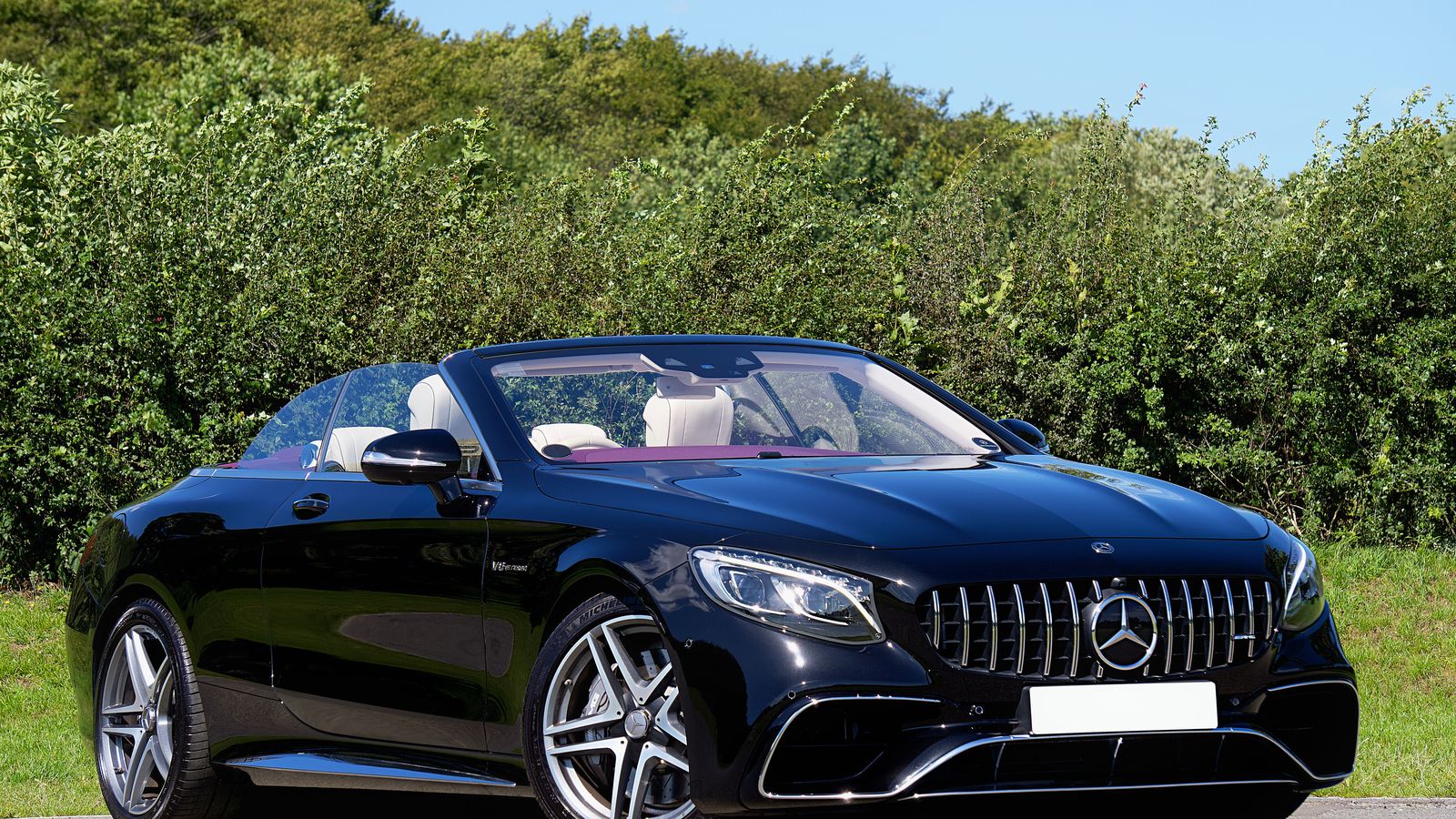
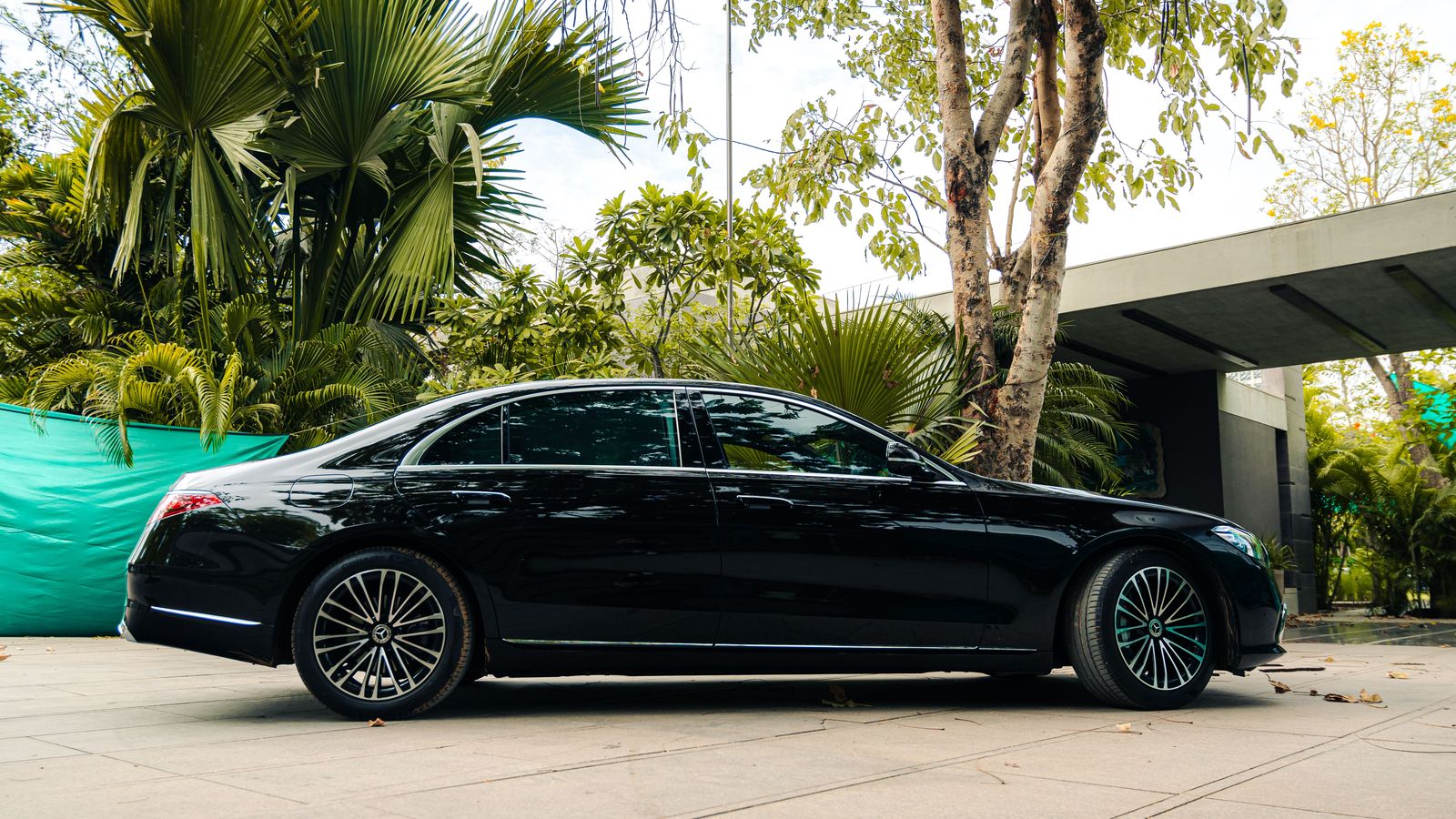
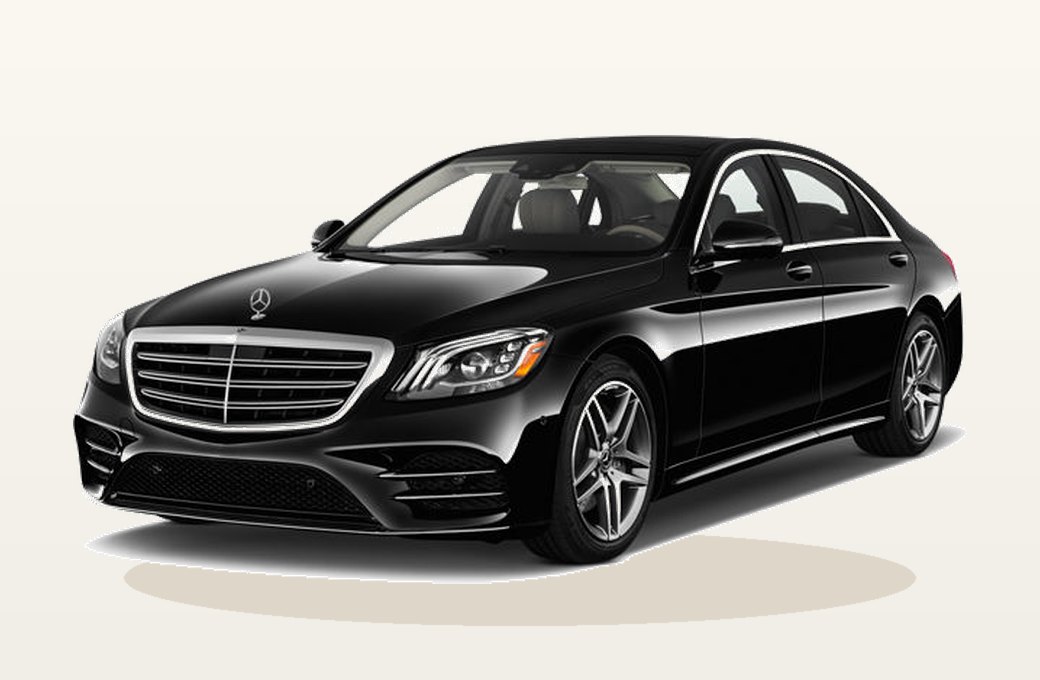
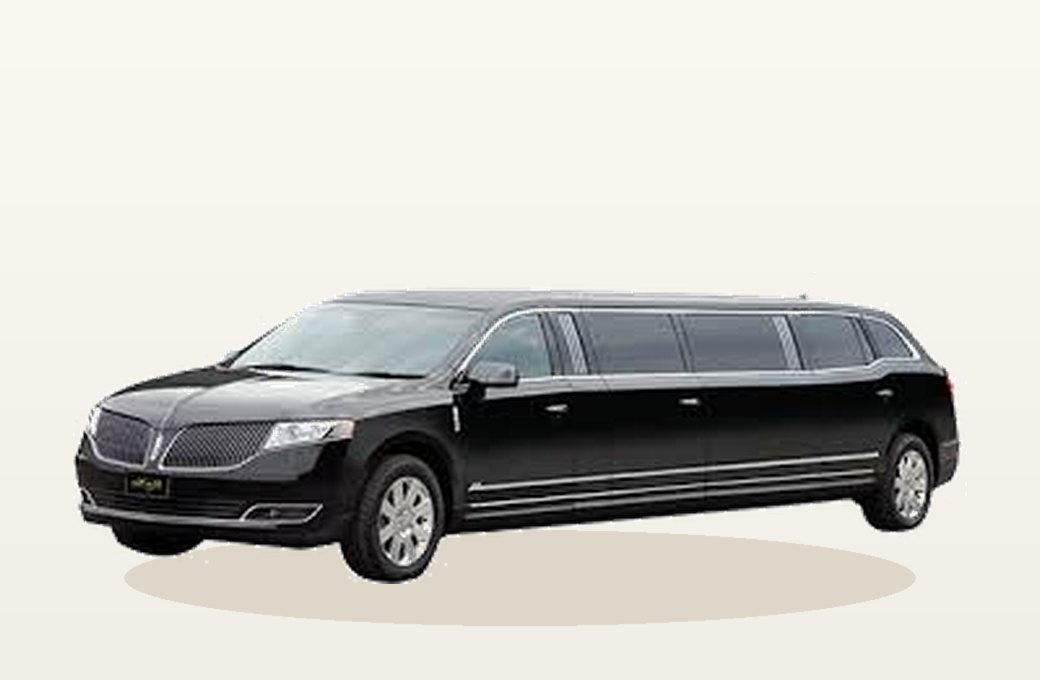
Match the vehicle to passengers, bags and the kind of arrival. Every vehicle is 4 model years old or younger, except Rolls-Royce, Maybach and Bentley cars, which are accepted up to 7. Full details are on the fleet page.
| Mission | Typical vehicle | Notes |
|---|---|---|
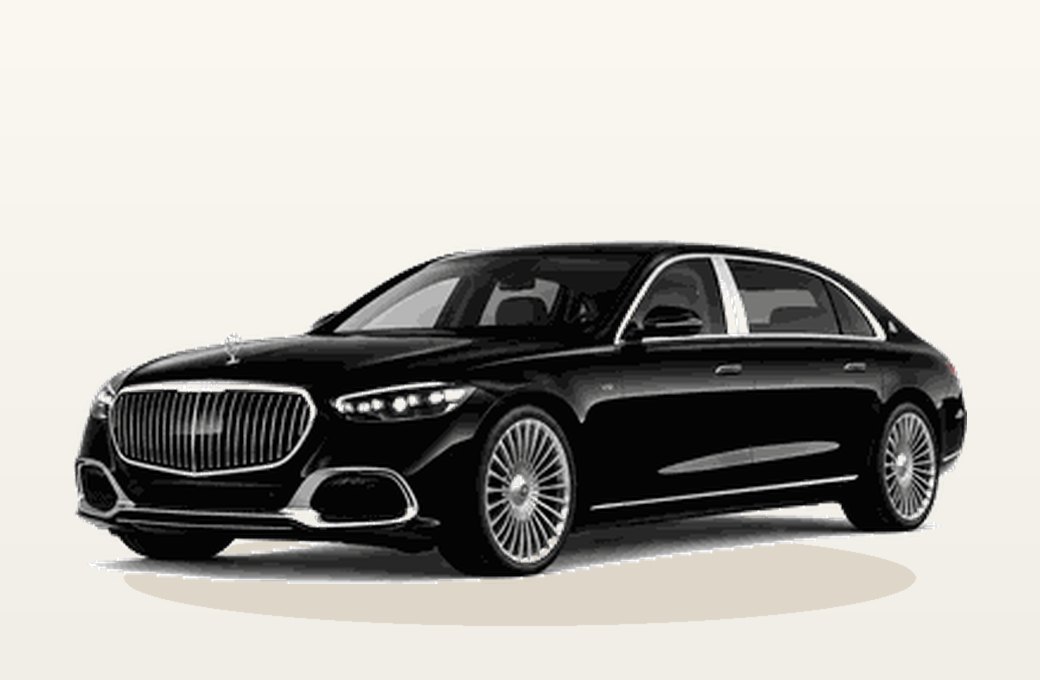
| One or two principals, light bags | Luxury Executive Sedan | The standard owner or executive car |
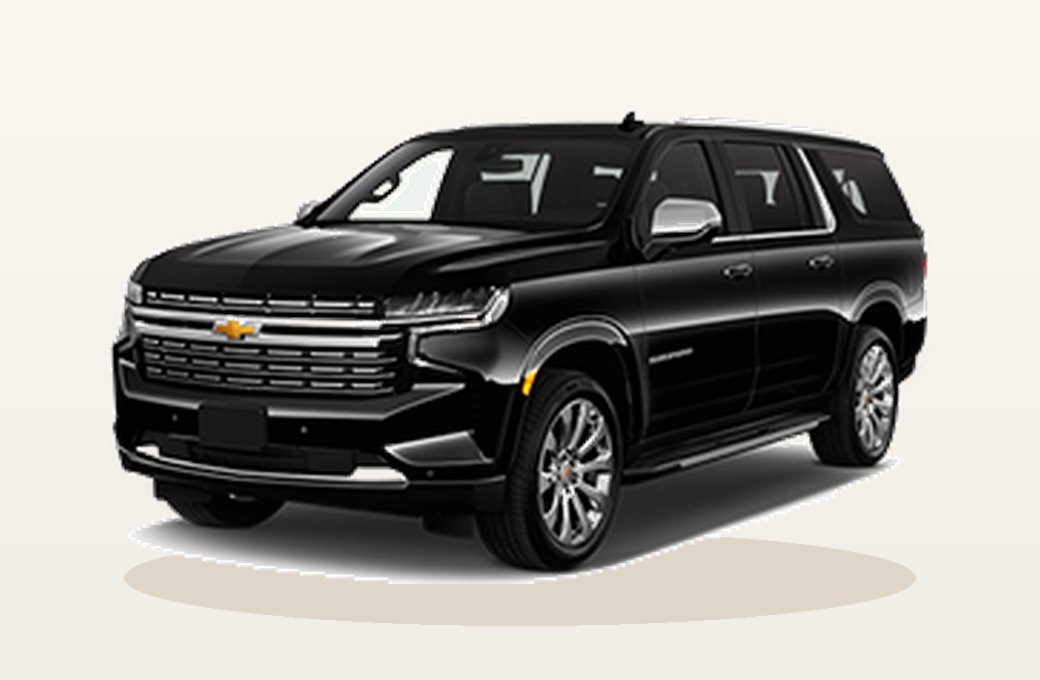
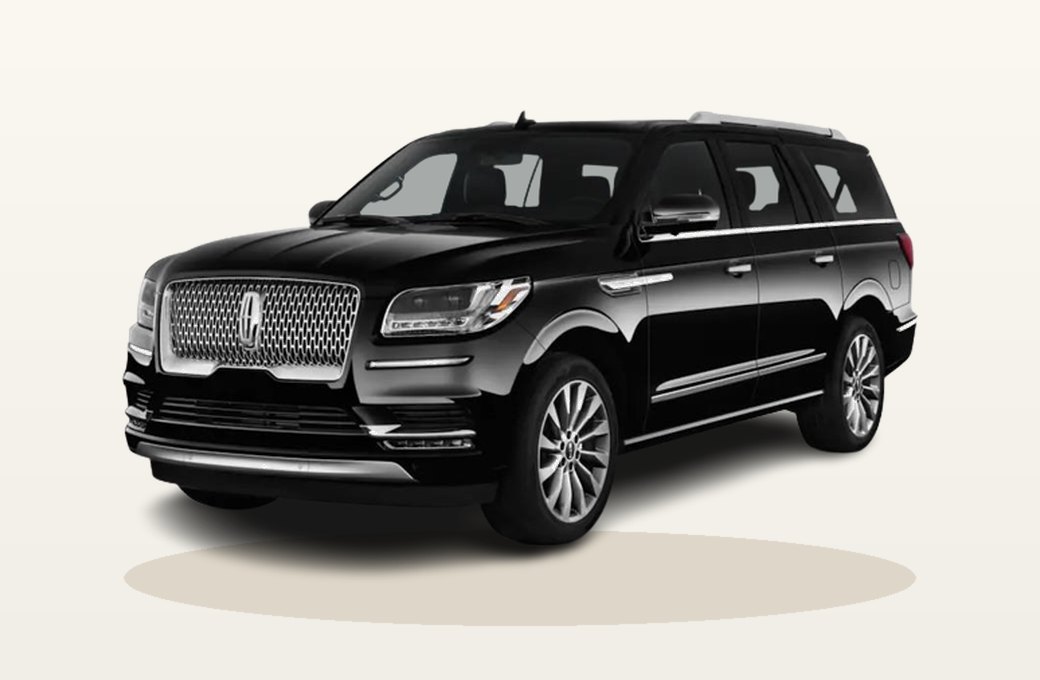
| Up to four passengers with golf or ski bags | Executive SUV | Mountain FBOs in winter, resort arrivals |
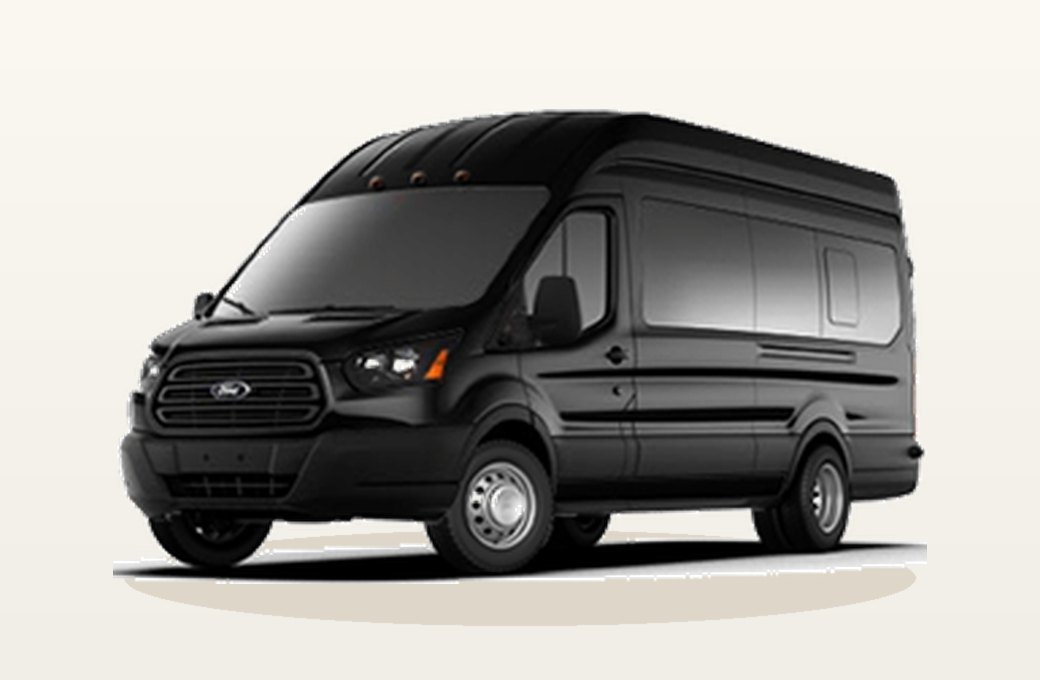
| Full cabin of a midsize or super-midsize jet | Standard Black SUV or Sprinter Van | One vehicle for the whole party and bags |
| Owner arrival with staff and luggage separate | Sedan or SUV plus a luggage van | Principal leaves first, bags follow |
| Occasion car for a guest | Rolls-Royce, Maybach or Bentley (partner) | Subject to availability in the city |
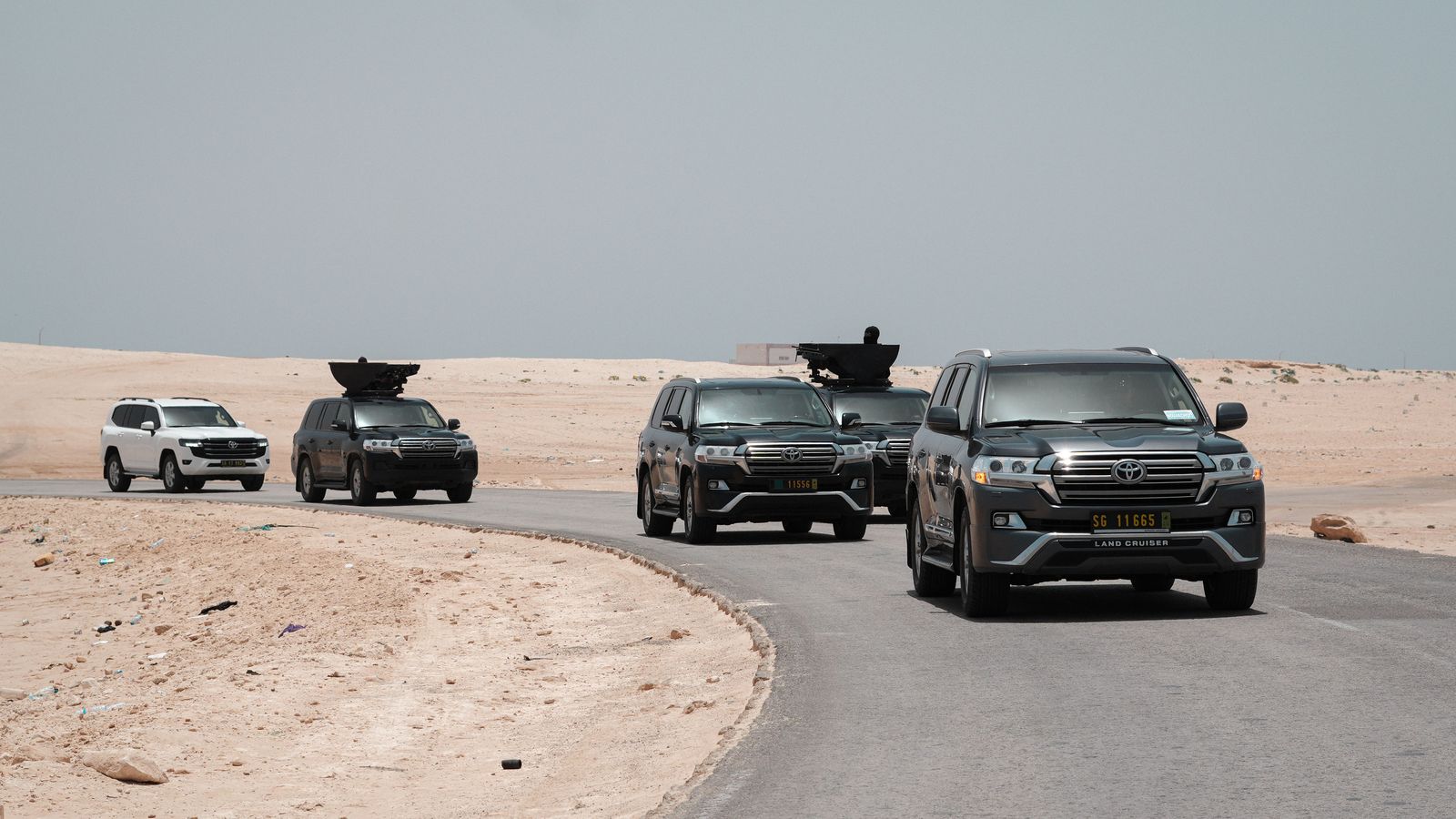
| Elevated-risk principal | Armoured SUV or sedan (partner) | On request, after a risk assessment |
| Crew hotel transfer | Standard Sedan or SUV | Crew bags and flight kit fit in the SUV |
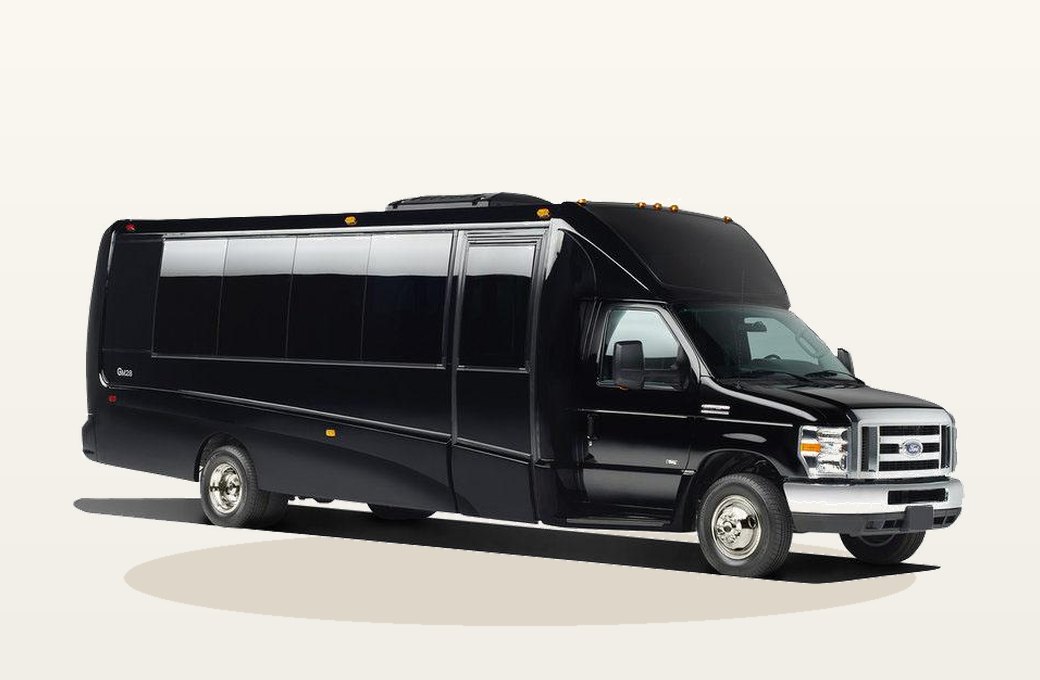
Large-cabin jets with twelve or more passengers, or an event with several aircraft arriving together, usually need a mix of vehicles and a coordinator. Prices depend on the city, vehicle and duration; the engine shows the fixed fare for each leg, and the rates page explains what the fare includes.
What we need from the trip sheet
The fewer assumptions the desk has to make, the better the car at the end of the leg. For each leg, send:
- FBO name at both ends, plus the airport code.
- Tail number or call sign, and whether the aircraft is blocked from public tracking.
- Scheduled departure and ETA in local time, and a contact who can send updates.
- Lead passenger name as it should appear on any name board, and the number of passengers.
- Bags, including skis, golf bags, pets and anything oversized.
- Destination address, and any second stop.
- Vehicle class and extras such as child seats (free on request in most cities).
- Whether the car should wait and return the party to the aircraft, which is often simpler booked as hourly chauffeur service.
- The cost reference or charter number for the invoice.
Brokers can forward our confirmation to the client as is. It names the operator and the chauffeur, not our commercial terms.
Busy FBOs and event peaks
Some business aviation airports get very busy in predictable weeks, and ground transport sells out with the ramp. Book as soon as the slot is confirmed.
| FBO airport | Typical onward trip | Usual drive time | Peak periods |
|---|---|---|---|
| Teterboro (TEB) | Midtown Manhattan, about 12 miles | 25-60 min | Weekdays, US holiday weekends |
| Van Nuys (VNY) | Beverly Hills, about 13 miles | 25-50 min | Award season, usually February and March |
| Paris Le Bourget (LBG) | Central Paris, about 12 km | 30-60 min | Fashion weeks, the Paris Air Show in odd years (usually June) |
| Farnborough (FAB) | Mayfair, about 60 km | 60-100 min | Farnborough Airshow in even years (usually July) |
| Nice Côte d'Azur (NCE) | Monaco, about 25 km by road | 30-50 min | Cannes Film Festival and Monaco Grand Prix (usually May) |
| Geneva (GVA) | Courchevel or Verbier, about 150-160 km | 2-3 h | Ski season, December to April |
| Aspen (ASE) | Downtown Aspen, about 5 km | 10-15 min | Christmas and New Year |
| Palm Beach (PBI) | Palm Beach island, about 5 km | 10-20 min | Winter season, December to April |
Drive times are ranges, not promises; weather and traffic decide the day. Our FBO pages carry local detail for Palm Beach, Nice, Geneva, Aspen and more than fifty other business aviation airports listed under private jets and FBOs.
Discretion, manifests and passenger privacy
Owners and charter clients choose private aviation partly for privacy, and ground transport should not undo it. What we do by default:
- Minimum data. The chauffeur receives the lead passenger's name, the FBO, the destination and a contact. The full manifest stays with the desk and is used only for billing.
- Coded name boards. Where a name board is used, it can show a code or the tail number instead of a name.
- No publicity. We do not photograph, post or disclose who travelled, and we do not name clients.
- Named chauffeur. The passenger contact receives the chauffeur's name, the vehicle and the plate before landing; passengers should not enter a car whose details do not match.
For principals with a security profile, the secure transportation service adds route planning and, where the risk assessment calls for it, an armoured vehicle from a partner operator. Our VIP and family office page covers standing preferences for owners and their families.
Crew transport for pilots and flight attendants
A business jet crew needs ground transport too: from the FBO to the crew hotel after shutdown, back for the pre-flight, and sometimes to a second airport when the aircraft repositions. The crew leg is booked on the same account and invoiced with the passenger legs, so the flight department sees the full ground cost of the trip on one line.
Crew timing follows the crew's own plan. The car is timed to the FBO release after post-flight duties, not to the passengers' landing, and the pre-flight pickup is set backwards from the crew show time the captain sends. For long duty days, schedulers usually prefer a hotel close to the FBO; the station note on each FBO page gives typical drive times.
Outside the home dispatch area
The reservations and dispatch desk is in Toronto and runs 24/7. Around Toronto we dispatch directly. In other cities, the leg is driven by a vetted local affiliate operator from the LimousineWorldwide.Directory network, contracted to the BlaakLane.com written standard, and the confirmation names the operator and the chauffeur.
This matters for FBO work in two ways. First, local operators know the FBO: which entrance the line crew uses, where the car may wait, and how long the customs process usually takes. Second, the flight department still has one desk, one fare structure and one invoice, whether the aircraft is at Westchester, Dubai Al Maktoum or Singapore Seletar. The standards every affiliate signs are summarised on our safety page.
Accounts and invoicing for flight departments and brokers
Most private aviation clients book on account rather than by card per leg. A corporate account gives you:
- Monthly invoicing, with each leg listed by date, FBO, tail or charter number and passenger reference.
- Cost centres, so a flight department can split ground costs by aircraft, business unit or trip.
- Booker and traveller profiles for schedulers, principals and regular guests, including vehicle and in-car preferences.
- Duty-of-care trip data showing when each passenger was picked up and dropped off.
- A named coordinator who knows your aircraft and your people.
Charter brokers often prefer one account per client or per charter. Both are possible, and the invoice reference can be the broker's own trip number.
Delays, cancellations and changed plans
Private trips change more than scheduled ones, so the rules are worth knowing before the first booking. A delayed arrival is handled by flight tracking and updates from the crew; the chauffeur is re-timed and nothing is charged beyond the included waiting unless the car waits longer. A change of FBO, destination or date can be made through the desk and is re-confirmed in writing.
The cancellation rule is the same on every booking. More than 72 hours before pickup, there is no charge. At 72 hours or less the charge is 10% of the fare, at 48 hours or less it is 50%, and at 24 hours or less, or for a no-show, it is 100%. For owner programmes with frequent changes, the coordinator can help you book legs at the point where the schedule firms up.
Planning a private aviation programme
For a new flight department account or a recurring owner programme, the setup takes four steps:
- Profile. Your aircraft, home base, the FBOs you use most and the people who book.
- Preferences. Vehicle classes per passenger type, in-car requests, child seats and privacy settings.
- Billing. Cost centres, invoice references and the contact who approves invoices.
- Test leg. The first booking runs with the coordinator watching every step, then the programme moves to normal dispatch.
The National Business Aviation Association and the FAA publish useful guidance for flight departments on operations and security. For the practical side of the ground leg, book the first car below or open an account.