








A corporate car service from BlaakLane.com gives a company one account for ground transportation in 500 cities. Bookers and travellers reserve cars in the reservation engine or through the travel desk, every fare is fixed before confirmation, and trips are billed on a monthly invoice split by cost centre. A named coordinator looks after the account, and the 24/7 desk in Toronto supports every trip.
What is a corporate car service?
A corporate car service is ground transportation bought by a company rather than by an individual: airport transfers, meeting days, client entertainment, roadshows, offsites and crew movements, all under one agreement. The difference from booking a car on a personal card is control. The company decides who can book, which vehicles they may choose, how trips are coded, and how the bill arrives.
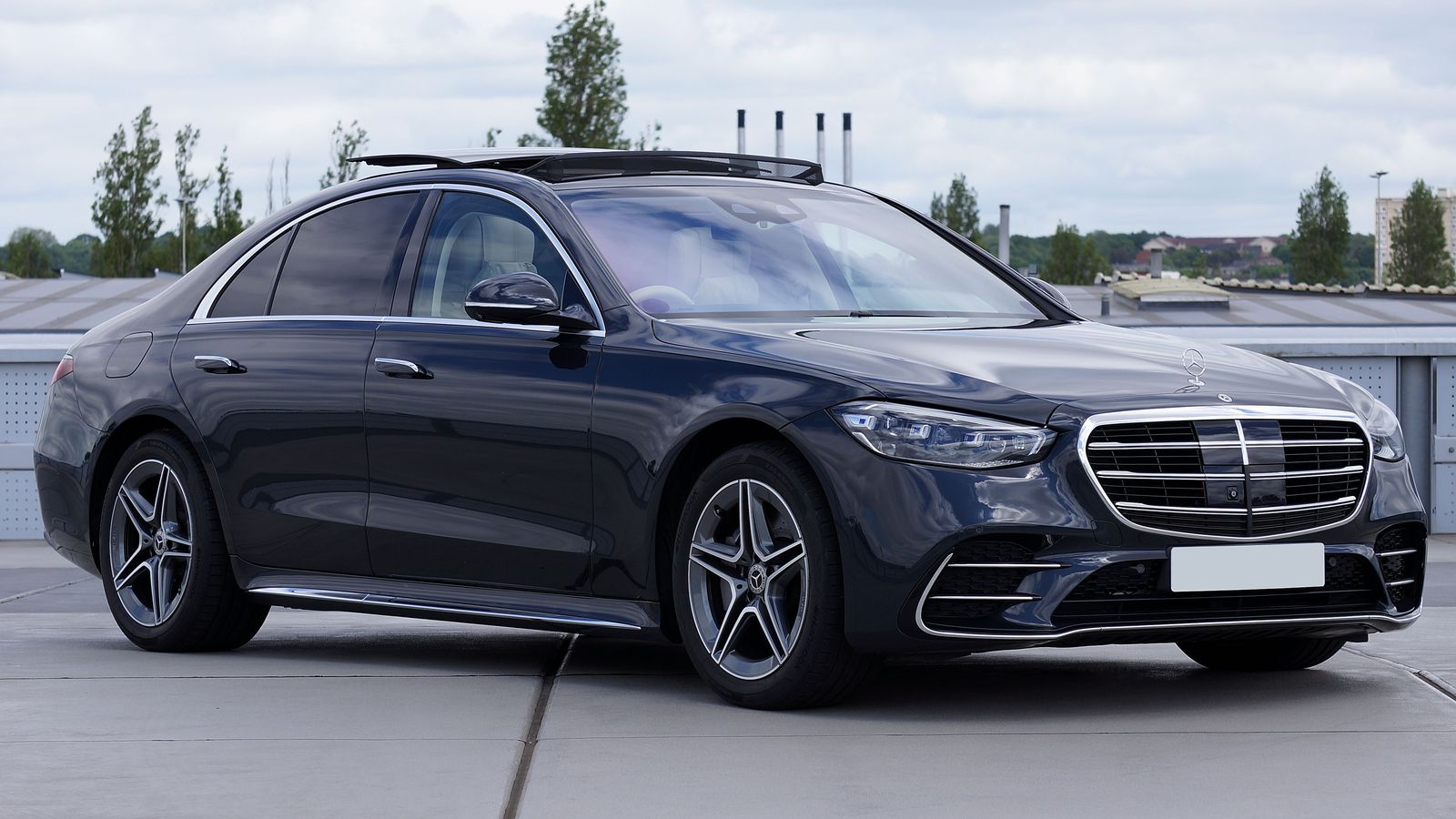
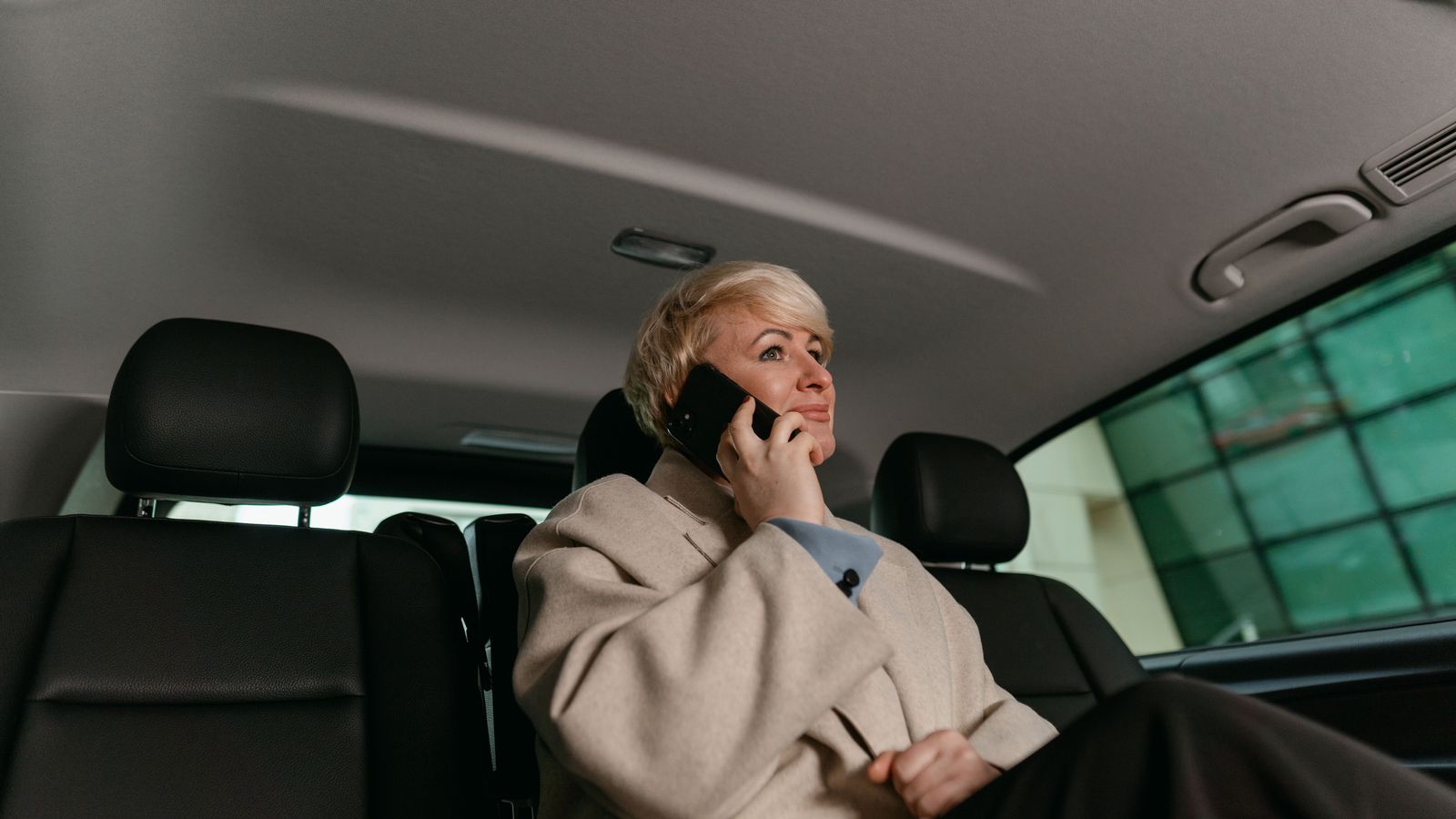
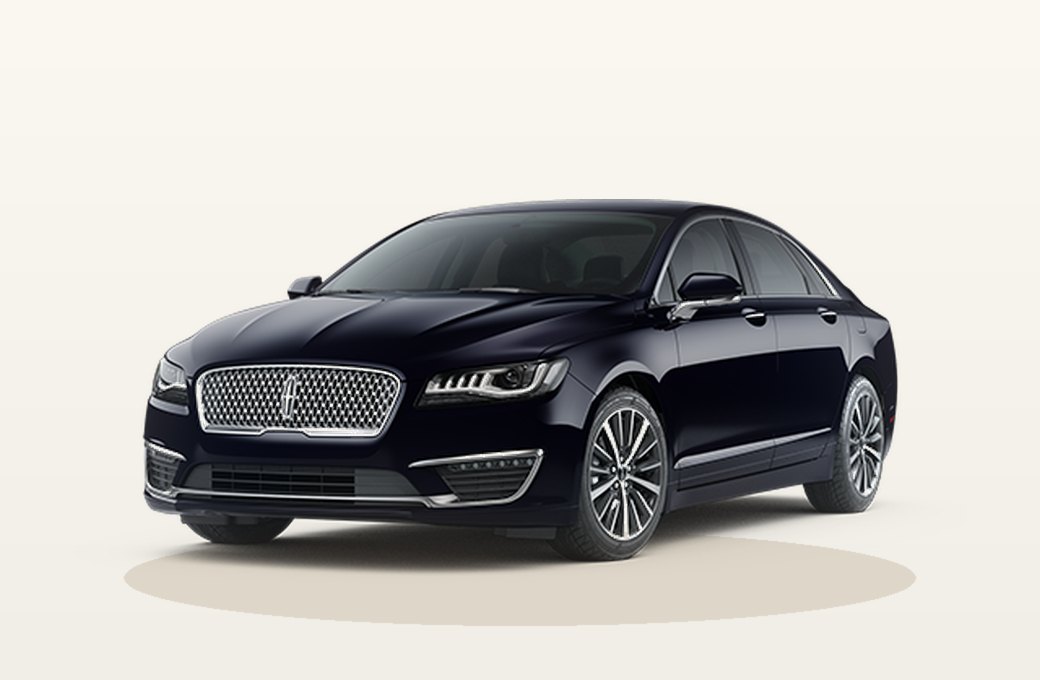
For the traveller, the experience is simple: a professional chauffeur, a late-model black car and a pickup that follows their flight. For the travel manager, finance team and security team, the value is in the account behind the trip. BlaakLane.com runs the same account in 500 cities and about 119 countries, so a Chicago sales team, a Frankfurt audit group and a Singapore board visit sit on one set of rules and one invoice.
How does a BlaakLane.com corporate account work?
A corporate account is set up once and then used by everyone the company authorises. Its parts:
- Monthly invoicing. Trips are collected into one monthly invoice instead of dozens of card receipts.
- Cost centres. Each booking carries a cost centre, project code or client reference, so the invoice can be split the way finance needs it.
- Booker and traveller profiles. Assistants and travel bookers get their own logins; travellers get profiles that hold their name, mobile number, usual vehicle class and preferences.
- Duty-of-care trip data. The account records who travelled, where, when and with which operator and chauffeur, so the security or travel team can locate travellers quickly.
- A named coordinator. One person who knows the account, plans complex programmes and is the first call for anything unusual.
The account does not change the fare logic. Every trip is still priced as a fixed figure for the address, date, time and vehicle before anyone confirms.
How do bookers and travellers book a corporate car?
There are three routes into the same account, and a company can use all of them:
- The reservation engine. On every page of the site and on the booking page. A booker signs in, chooses the traveller, enters the flight or address, picks a permitted vehicle class and confirms the fixed fare.
- The travel desk. Companies that also book flights and hotels can use the travel desk, which works with BookingWorldwide.net, so the car sits alongside the rest of the itinerary.
- The 24/7 desk by phone or email. For changes at short notice, or bookings made from an airport lounge at two in the morning.
Programmes that are more than a list of trips, such as roadshows, crew changes, delegations, armoured vehicles, coaches and multi-vehicle events, are planned by a coordinator and confirmed in writing.
What is included in every corporate trip?
The service standard is the same for a junior analyst and a chief executive; only the vehicle class changes.
- A fixed fare shown before confirmation, with no meter and no surge pricing.
- Flight tracking on each airport collection, so the chauffeur arrives for the real landing time, not the timetable.
- Included waiting: 60 minutes from landing on international arrivals, 30 minutes on domestic flights and 15 minutes on other pickups; after that, 15-minute blocks.
- Curbside pickup at the airport's designated commercial or pre-arranged pickup area. Travellers who want to be met inside by a chauffeur with a name board can add meet and greet; add-ons are only available in selected locations.
- Child seats on request, free, in most cities, for employees travelling with family.
- A written confirmation naming the operator and, closer to the day, the chauffeur.
What the fare includes for each vehicle class is set out on the rates page, with planning ranges that help when drafting a travel budget.
Which trips do corporate accounts use most?
| Trip type | Typical booker | Usual vehicle | Where to read more |
|---|---|---|---|
| Airport arrival or departure | Assistant or traveller | Standard Sedan or Luxury Executive Sedan | Airport transfers |
| Day of meetings in one city | Assistant | Sedan, held by the hour | Hourly chauffeur service |
| Financial roadshow | Bank or investor-relations team | Sedans and SUVs, several cities | Financial roadshows |
| Airline crew or shipping crew change | Crewing or operations desk | Standard Black SUV, Sprinter or coach | Crew transportation |
| Conference, offsite or incentive trip | Events team | Sprinters, coaches, SUVs | Event transportation |
| Intercity trip instead of a short flight | Traveller | Sedan or SUV | Intercity transfers |
| Board or senior visitor | Executive office | Luxury Executive Sedan or SUV | Executive chauffeur service |
The detail for each lives on its own page: airport transfers, hourly hire, financial roadshows, airline crew transportation, shipping crew changes, event transportation, intercity transfers and executive chauffeur service.
One standard in 500 cities: who drives the cars?
Most corporate travel programmes fail at the edges: the sales trip to a secondary city, the site visit two hours out of town, the first time a team goes to a new country. BlaakLane.com handles those the same way as a trip in a capital city.
In the home dispatch area around Toronto, trips are run by our own desk. Everywhere else, they are driven by vetted local affiliate operators from the LimousineWorldwide.Directory network, contracted to the BlaakLane.com written standard on licensing, commercial passenger insurance, vehicle age, chauffeur screening and conduct. Your confirmation gives the name of that operator and of the chauffeur. The booking, the fare, the support and the invoice stay with BlaakLane.com, so the travel manager has one supplier to manage instead of a list of local companies.
Every vehicle in the network is four model years old or younger; Rolls-Royce, Maybach and Bentley are accepted up to seven. Our safety and standards page sets out the rest of the standard.
Duty of care and traveller safety
Employers owe their travelling staff a duty of care, and ground transportation is one of the least visible parts of a trip. A traveller who takes a random car from the kerb in an unfamiliar city leaves no record of where they went or with whom. A pre-booked corporate car does.
For each trip, the account holds the traveller, the pickup and drop addresses, the times, the vehicle, the operator and the chauffeur. If there is an incident in a city, a security team can see within minutes who is on the ground and which trips are due. Companies that manage travel risk against the international standard ISO 31030 can use that record as part of their evidence. The wider idea of an employer's duty of care is a legal one that varies by country, so we describe what the data shows and leave the policy to your own advisers.
For travel to places with a higher risk, government advisories such as the UK Foreign travel advice are a sensible first check, and where the risk assessment calls for it, armoured vehicles are available through secure transportation.

Choosing vehicle classes for your travel policy
A simple travel policy matches vehicle classes to roles and group sizes. A common structure looks like this:
- Standard travellers, one to three people: Standard Sedan (up to 3 passengers and 3 cases).
- Senior leadership and board members: Luxury Executive Sedan (up to 3 passengers and 2 cases).
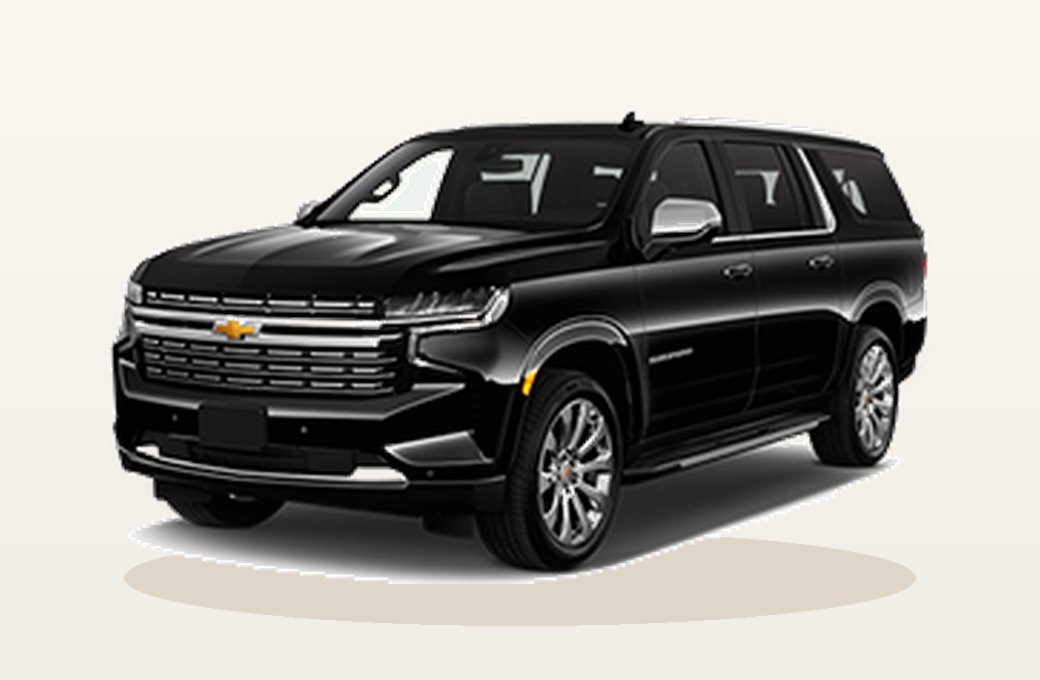
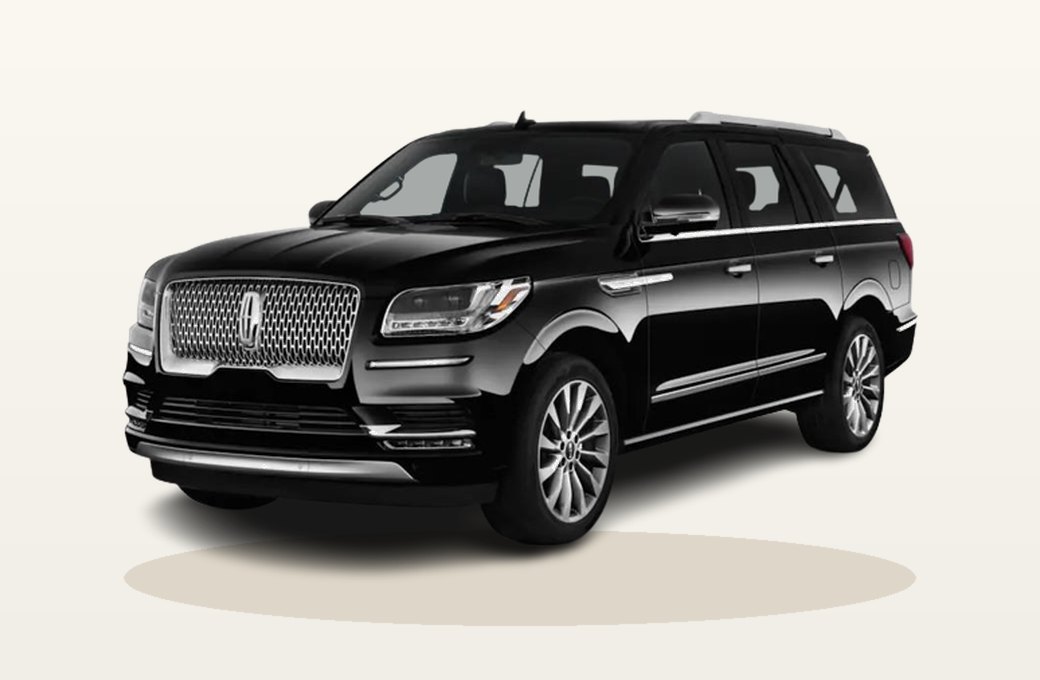
- Teams of four to six, or heavy luggage: executive SUV or Standard Black SUV (up to 6 passengers and 6 cases).
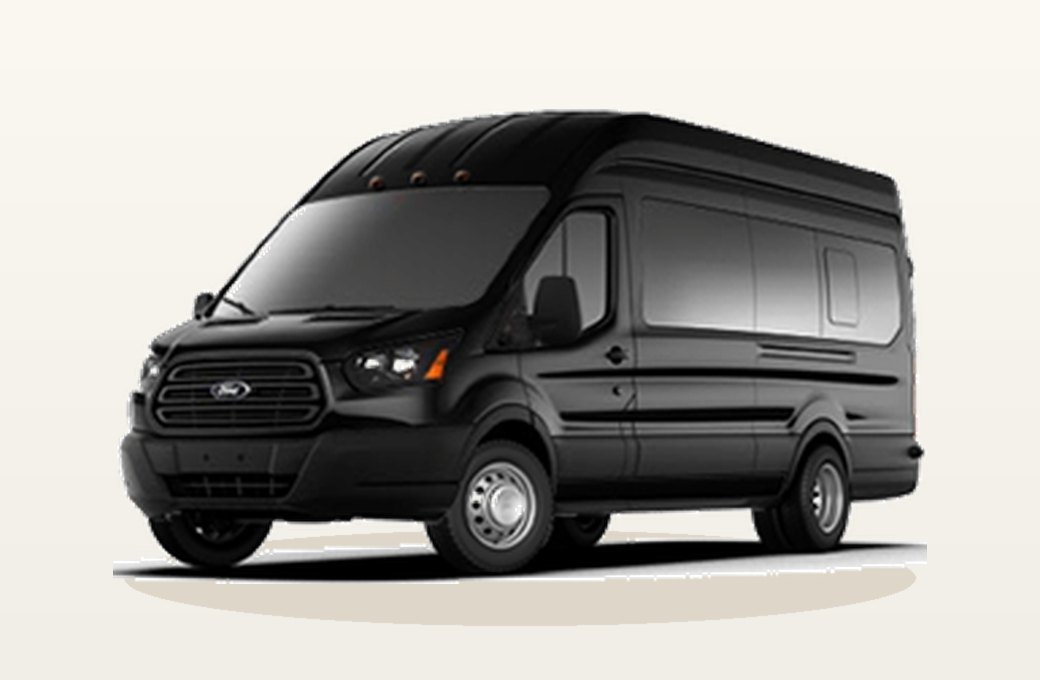
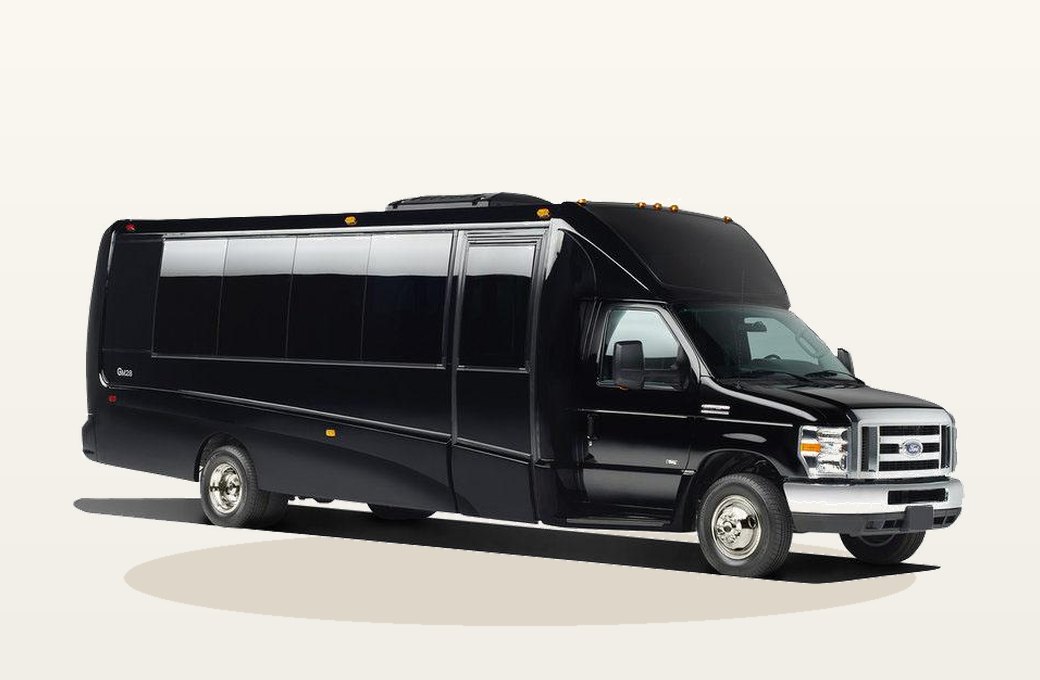
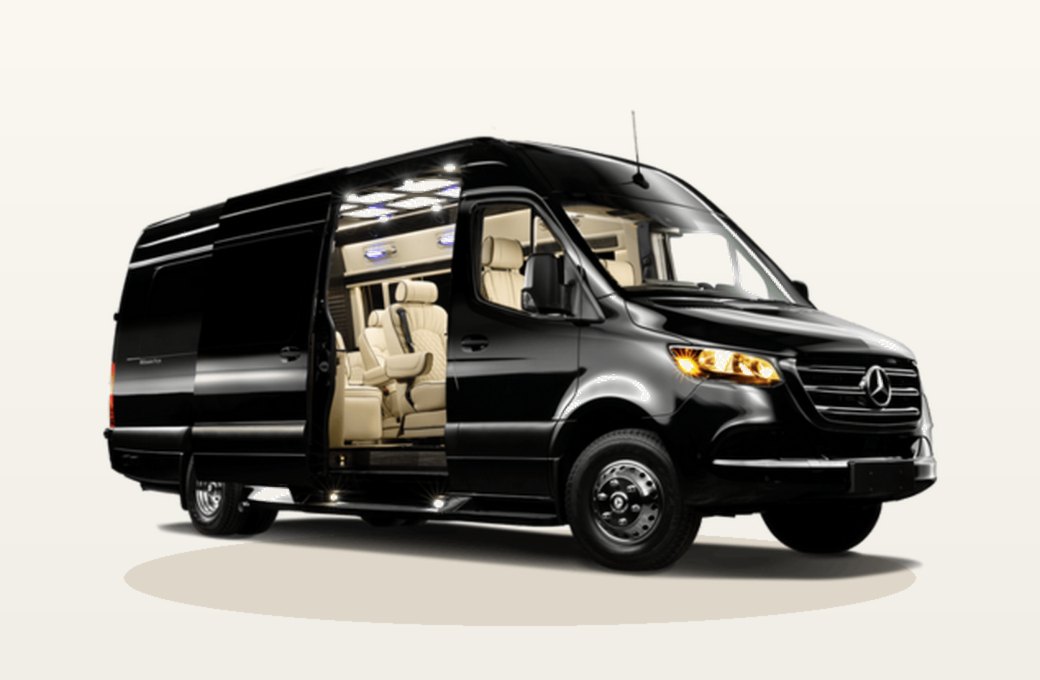
- Teams of seven to fourteen: Sprinter Van.
- Larger groups: minicoach or motorcoach, planned by a coordinator.
- Exceptional cases: armoured SUV or sedan on request after a risk assessment; partner luxury cars for client hospitality.
The account can restrict which classes each booker sees, so policy is applied at the moment of booking rather than argued about on the expense report. Every class is described on the fleet page.
How does a corporate car service control cost?
The biggest cost risk in ground transportation is not the rate card but the variance: surge pricing after a big arrival bank, meters running in traffic, waiting charges nobody expected and duplicate bookings. A fixed fare removes most of it. The price the booker sees is the price on the invoice, and the included waiting rules are the same in every city.
Other savings come from the booking pattern rather than the rate. Point-to-point transfers are cheaper for single journeys; hourly hire is cheaper for days with many stops; a Sprinter is cheaper than four sedans for a team arriving together. The coordinator can review a quarter of trips with the travel manager and suggest where the pattern could change. The cancellation policy (below) also rewards early changes, which matters for teams whose meetings move.
Roadshows, investor days and board meetings
Capital-markets work puts the most pressure on a corporate car service. A roadshow can mean eight meetings a day in New York, a flight to Boston, a dinner in London and a breakfast in Frankfurt, with the same investment team and no room for a late car. These programmes are planned by a coordinator and confirmed in writing, city by city, with the vehicle classes, hours and holding points agreed in advance. Read financial roadshows and investor days for how that planning works, and Fortune 500 and corporate travel for large travel programmes more broadly.
Board meetings and investor days are simpler but still benefit from one plan: arrivals timed across several flights, a Sprinter or two from the hotel to the venue, and sedans held for the directors who leave early.
Offsites, conferences and group movements
When a company moves people in groups, a coordinator builds the transport plan: arrival waves from the airport, hotel shuttles on a timetable, a gala-night fleet and departures back to the airport. The plan names the vehicles and the timings and is confirmed in writing. Conference cities with large fairs, such as Frankfurt, Las Vegas, Dubai or Barcelona, fill up quickly, so the earlier the dates are shared, the more choice there is. See Sprinter and group transportation for the group vehicles.
Setting up a corporate account
Opening an account is a short process:
- Contact the desk through corporate accounts with the company name, billing contact and the countries you travel to most.
- Agree the rules: who may book, which vehicle classes each group may use, and which cost centres or project codes apply.
- Add bookers and travellers. Profiles can be added in bulk for large teams.
- Meet your coordinator, who becomes the first contact for programmes and questions.
- Book the first trip. The first monthly invoice follows at the end of the month.
Changes and cancellations on a corporate account
Corporate bookings follow the same cancellation policy as every other booking: more than 72 hours before pickup, no charge; 72 hours or less, 10%; 48 hours or less, 50%; 24 hours or less or a no-show, 100%. Flights that move are handled by flight tracking, so a delayed arrival does not need a new booking. When a meeting is cancelled, the booker can cancel or re-time the car in the engine, or ask the desk at any hour.
Corporate car service in six business cities
| City | Business districts the car serves most | Airports on the account |
|---|---|---|
| Chicago | The Loop, River North, West Loop, suburbs such as Oak Brook | O'Hare and Midway |
| Frankfurt | Bankenviertel, Messe trade-fair grounds, Eschborn | Frankfurt Airport |
| Singapore | Marina Bay, Raffles Place, one-north | Changi |
| Zurich | Paradeplatz, Zurich West, Glattpark near the airport | Zurich Airport |
| Mumbai | Bandra Kurla Complex, Nariman Point, Lower Parel | Chhatrapati Shivaji Maharaj International |
| Sydney | CBD, Barangaroo, North Sydney, Macquarie Park | Sydney Airport |
Local guides cover the detail for each: Chicago, Frankfurt, Singapore, Zurich, Mumbai and Sydney, with airport guides such as Chicago O'Hare, Frankfurt and Singapore Changi. Business travel associations such as the Global Business Travel Association publish research on managed ground transportation if you are building the business case internally.