








BlaakLane.com runs a long distance car service between cities in the 500 markets it serves. You enter both addresses, the date, the time and the vehicle class, and the reservation engine shows one fixed fare before you confirm. A single chauffeur drives the whole route door to door, with no meter or surge.
How does a long distance car service work?
A long distance car service is a private, pre-booked car that takes one party from an address in one city to an address in another, usually somewhere between one and six hours away. It replaces the combination of a taxi to the station, a train or a short flight, and another taxi at the far end. The car collects you at the kerb, your bags stay in the boot for the whole journey, and you get out at the hotel, office or venue you actually need.
With BlaakLane.com an intercity booking has the same structure as any other trip:
- Pickup and drop-off. Street addresses, hotel names, airport terminals, cruise terminals and train stations all work. The engine calculates the direct road route between them.
- Date and time. For an airport start, add the flight number so the pickup follows the real landing.
- Vehicle class. Sedan, SUV, van, Sprinter or coach, sized by passengers and cases.
- Stops. A planned stop on the way, such as collecting a colleague or a lunch break, is added at booking so it is priced into the fare.
- The fare. The price you see is fixed for that trip as booked, with gratuity and any parking charged at actual cost and added to the booking.
After you confirm, you receive a written confirmation. Trips that start in our home dispatch area around Toronto run from our own desk. Elsewhere, the trip is driven by a vetted local affiliate from the LimousineWorldwide.Directory network, contracted to the BlaakLane.com written standard; the confirmation names the operator and, before the day, the chauffeur. The 24/7 reservations desk in Toronto remains responsible for the booking the whole way.
What does an intercity fare include?
The fixed fare covers the trip exactly as you booked it:
- The vehicle and one professional chauffeur from the first address to the last, including the empty kilometres the operator has to cover to reach you.
- Included waiting at pickup: 15 minutes at an address, 30 minutes from actual landing on a domestic flight and 60 minutes on an international arrival. After that, waiting is billed in 15-minute blocks.
- Any stops you added when booking.
- Child seats on request in most cities, free of charge.
What changes the price is anything added on the day: an unplanned detour, extra stops or waiting beyond the included time, plus gratuity and any parking, which are charged at actual cost and added to the booking. The chauffeur and the dispatcher will tell you before an extra charge applies. Planning ranges for each vehicle class are on our rates page; the engine gives the exact figure for your two addresses.
Popular intercity routes and typical drive times
Distances below are approximate road distances between city centres. Times are typical door-to-door ranges and move with traffic, weather, road works and the day of the week.
| Route | Approx. distance | Typical drive time | Worth knowing |
|---|---|---|---|
| New York to Philadelphia | 150 km / 95 mi | 1 h 45 min to 2 h 30 min | New Jersey Turnpike tolls; Lincoln or Holland Tunnel out of Manhattan |
| New York to Washington, DC | 360 km / 225 mi | 4 h to 5 h 30 min | I-95 through Delaware and Maryland, heavy on Friday afternoons |
| New York to Boston | 345 km / 215 mi | 4 h to 5 h | Inland I-84 or coastal I-95; both fill up before holidays |
| Los Angeles to San Diego | 195 km / 120 mi | 2 h to 3 h | I-5 through Orange County; the morning peak is slow |
| Los Angeles to Las Vegas | 435 km / 270 mi | 4 h to 5 h 30 min | I-15 across the Mojave; Sunday returns to LA often queue |
| San Francisco to Napa | 80 km / 50 mi | 1 h to 1 h 45 min | Golden Gate or Bay Bridge, then Highway 29 |
| Toronto to Niagara Falls | 130 km / 80 mi | 1 h 15 min to 2 h | QEW along Lake Ontario; the Skyway bridge is often the pinch point |
| Toronto to Ottawa | 450 km / 280 mi | 4 h 30 min to 5 h 30 min | Highway 401 then 416 |
| Montreal to Ottawa | 200 km / 125 mi | 2 h to 2 h 30 min | Highway 417 most of the way |
| London to Oxford | 95 km / 60 mi | 1 h 30 min to 2 h | M40 out of west London; left-hand driving |
| London to Bath | 185 km / 115 mi | 2 h 30 min to 3 h 15 min | M4 westbound; central London charges apply at the start |
| Paris to Reims (Champagne) | 145 km / 90 mi | 1 h 30 min to 2 h | A4 autoroute with péage tolls |
| Nice to Monaco | 20 km / 12 mi | 30 min to 50 min | Coast road or the A8; heavy in summer and on race weekend |
| Milan to Lake Como | 50 km / 30 mi to Como town | 45 min to 1 h 15 min | Villages further up the lake take longer on narrow shore roads |
| Rome to Florence | 275 km / 170 mi | 3 h to 3 h 45 min | A1 Autostrada del Sole with tolls |
| Dubai to Abu Dhabi | 140 km / 85 mi | 1 h 30 min to 2 h | E11 highway; Salik tolls inside Dubai |
Each end of these routes has its own city guide with airports, districts and local driving notes, for example New York, Philadelphia, Washington, DC, Toronto, Niagara Falls, London, Oxford, Nice, Monaco and Lake Como.
Which vehicle is best for a long drive?
On a two-hour city trip, almost any executive car is comfortable. On a four-hour intercity run, legroom, seat recline and luggage space start to matter much more.
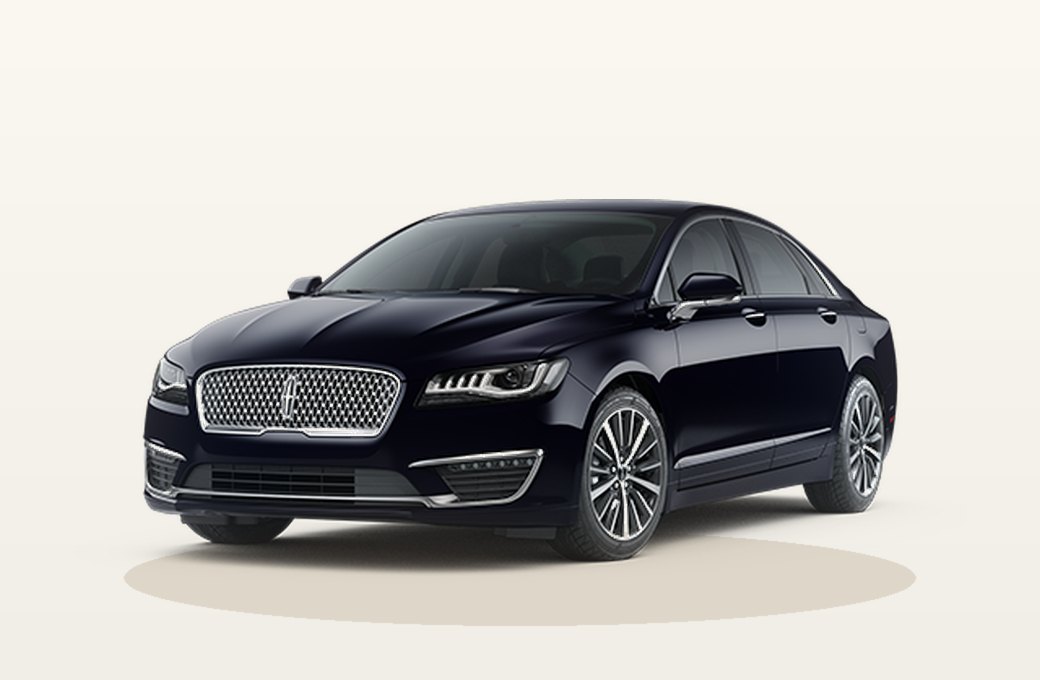
- Standard Sedan (E-Class, 5 Series, Lexus ES or similar): three passengers and three cases. Fine for one or two travellers on routes up to about three hours.
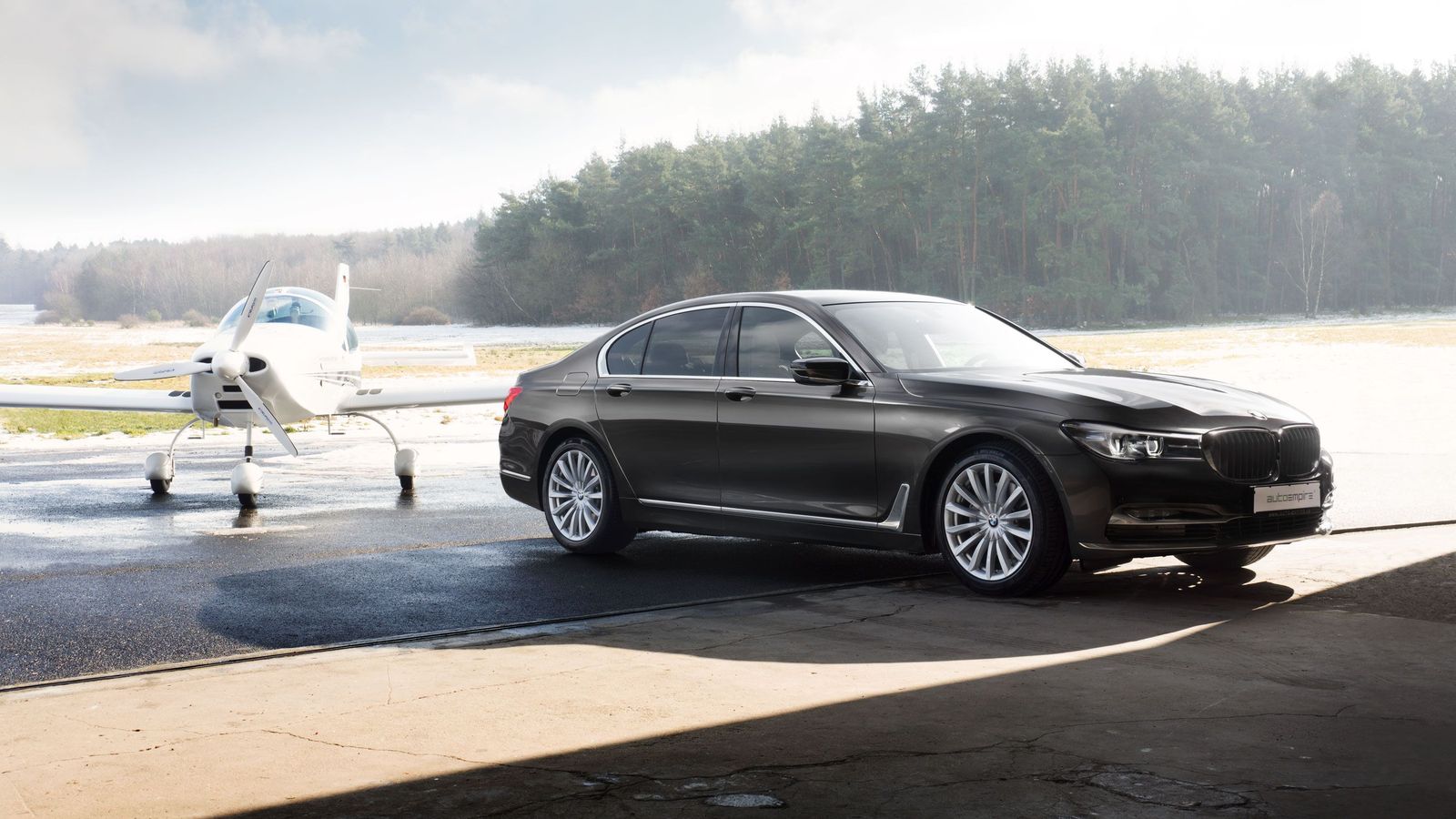
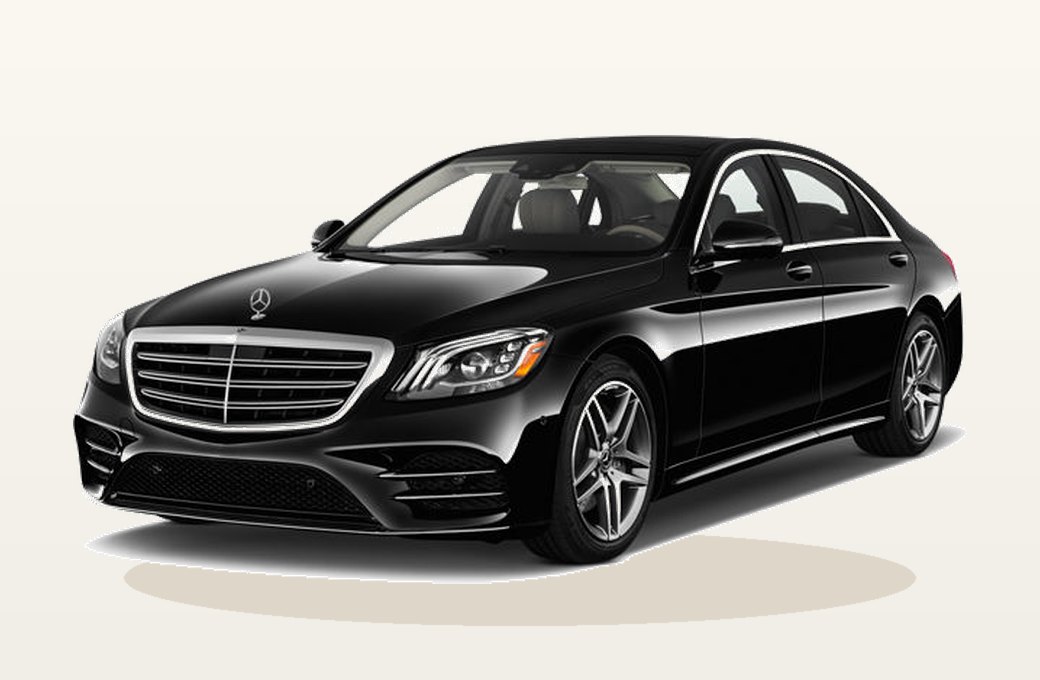
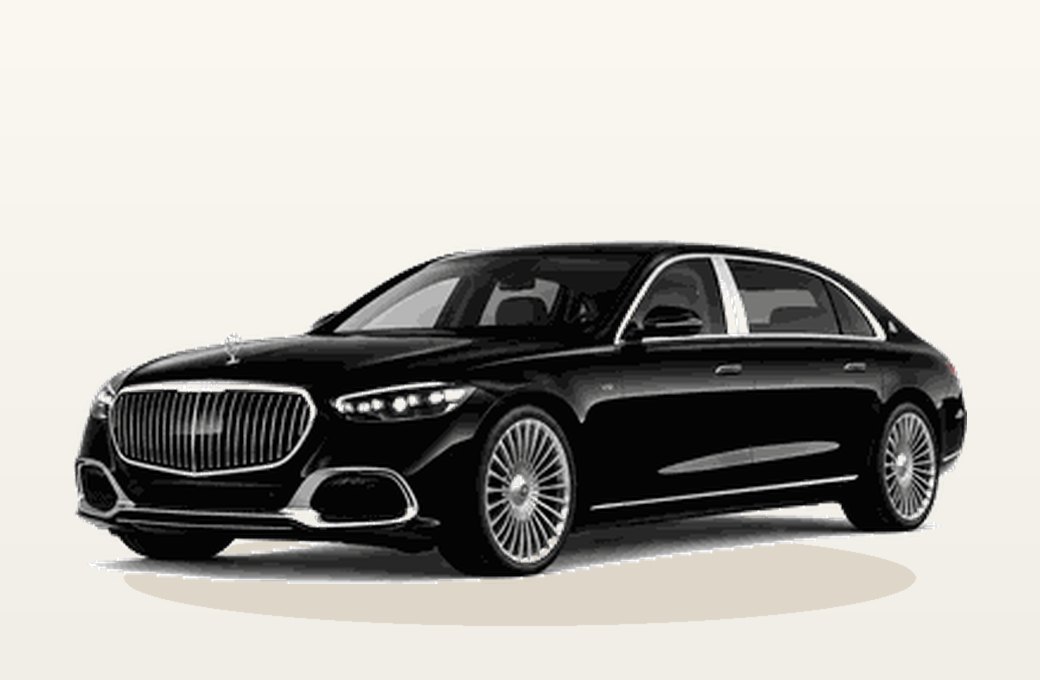
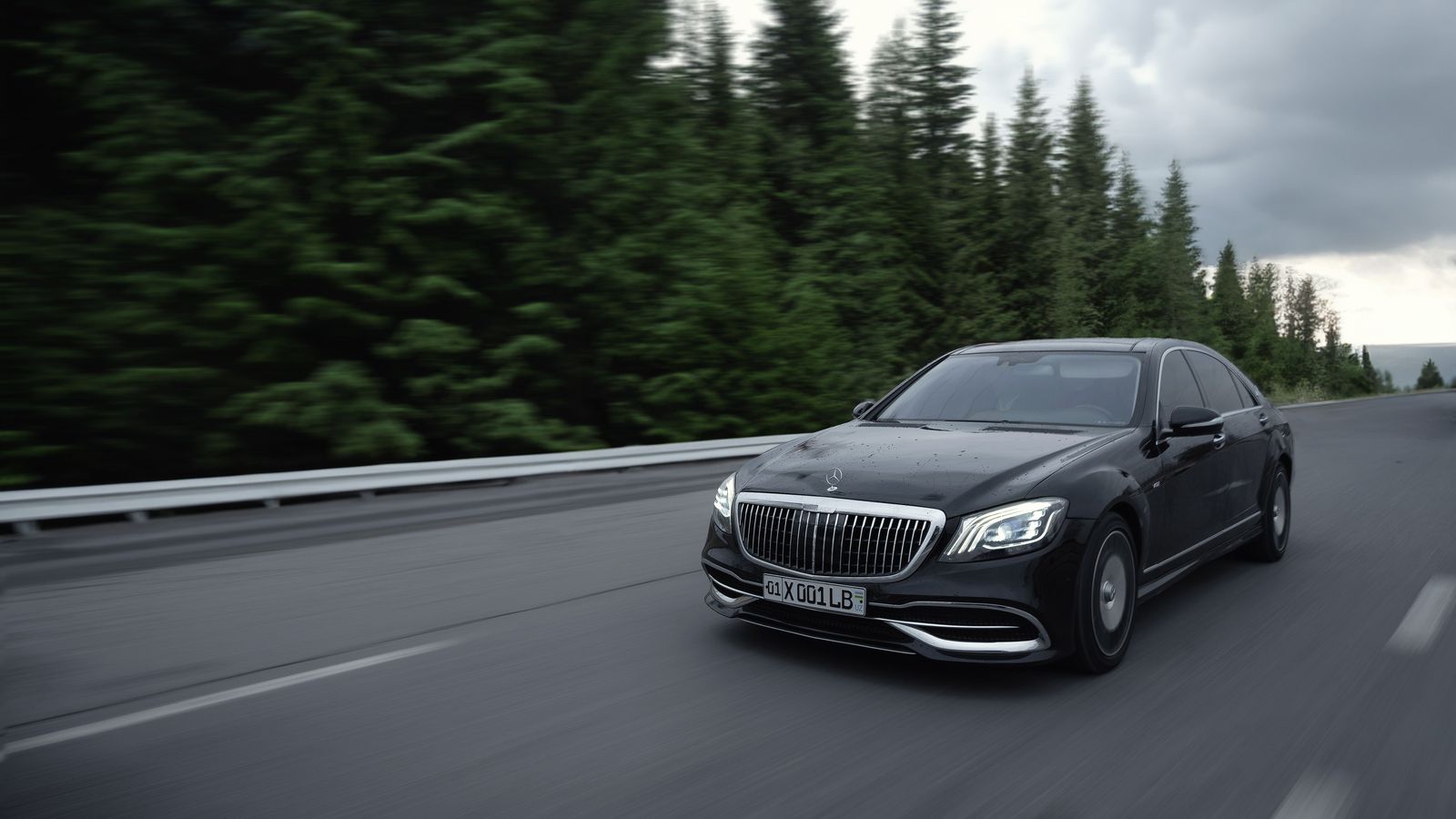
- Luxury Executive Sedan (S-Class, 7 Series, A8 or similar): three passengers and two cases. The rear seats recline further and the cabin is quieter at motorway speed, which is why senior executives choose it for longer runs.
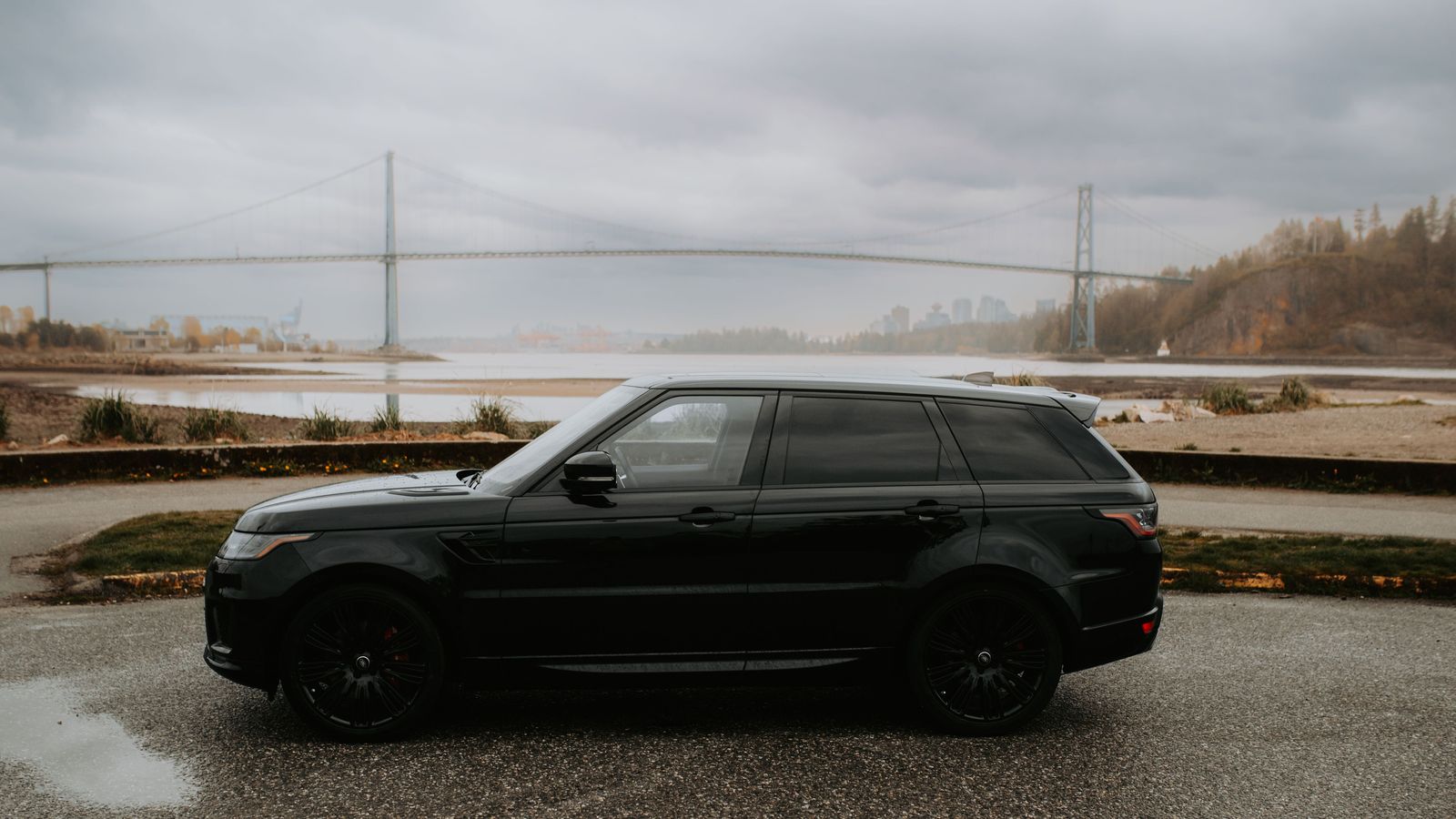
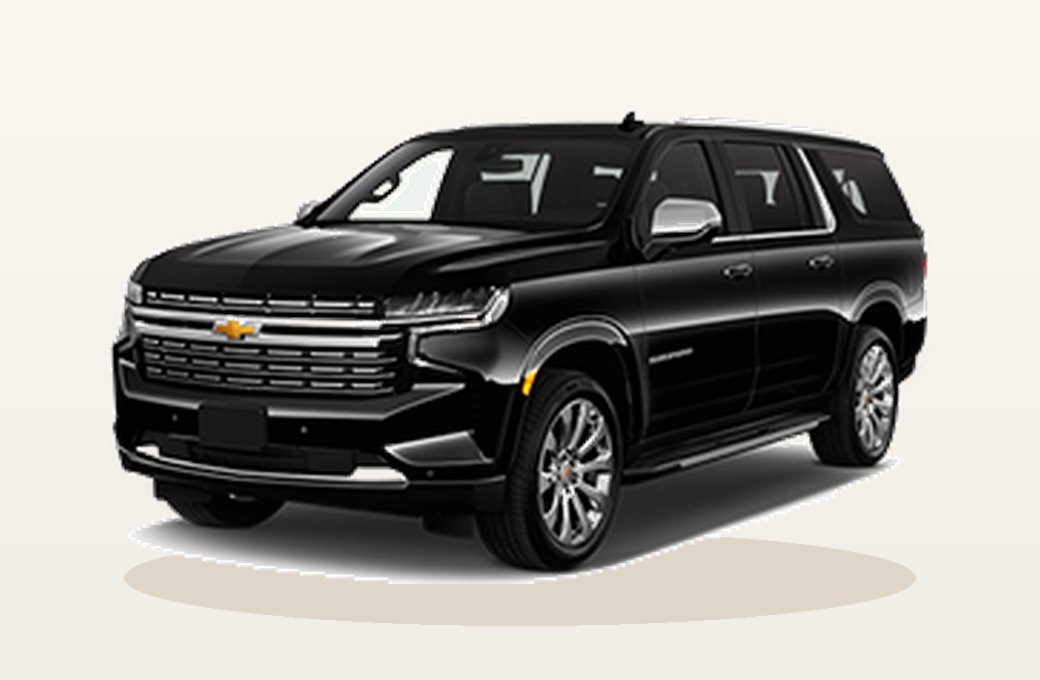
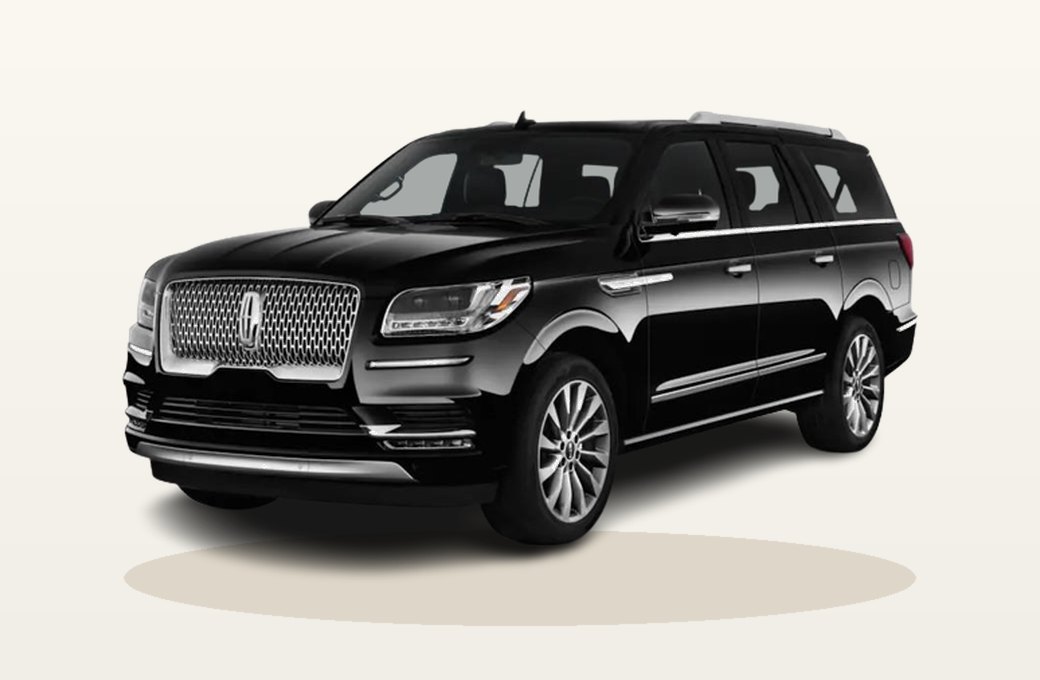
- Executive SUV (Escalade, Suburban, GLS, Range Rover or similar): up to six passengers and six cases. The default for families, ski trips and anyone with golf bags.
- Standard Black SUV (V-Class, Pacifica, Alphard or similar): up to six passengers with lounge seating and sliding doors, easy for older passengers and children.
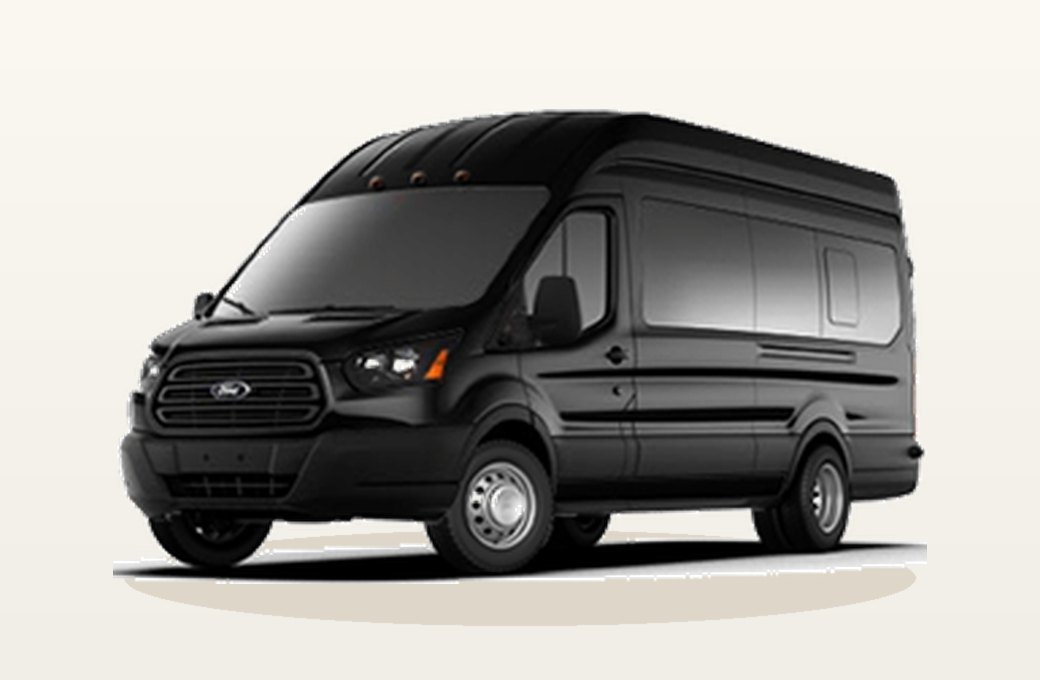
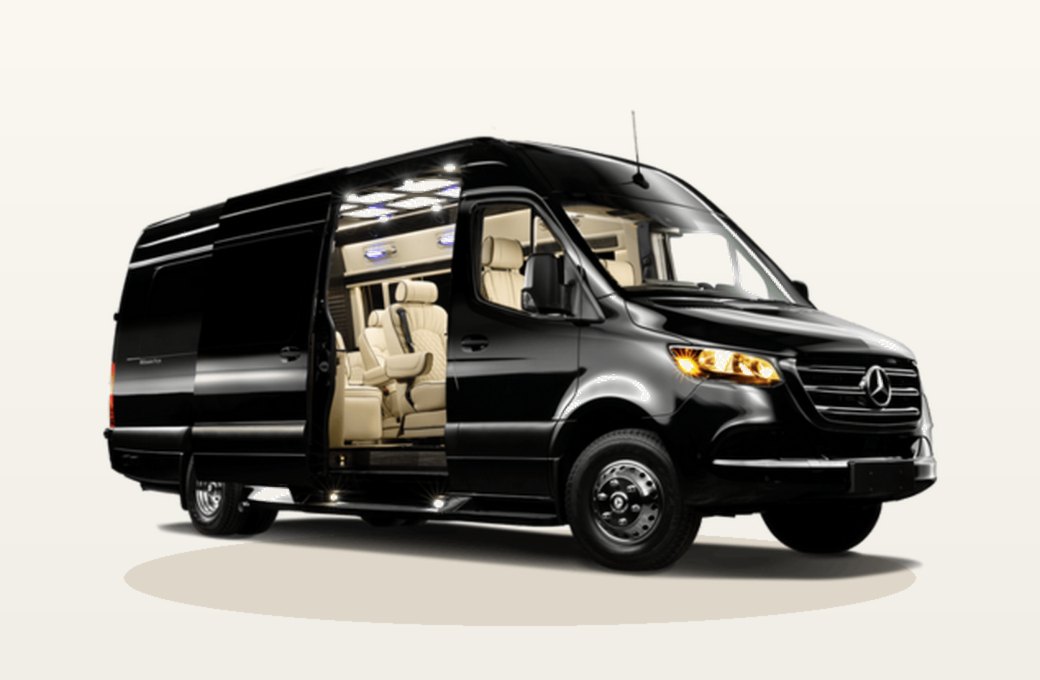
- Sprinter Van: up to fourteen passengers. A project team, a wedding party or a sports squad travelling together.
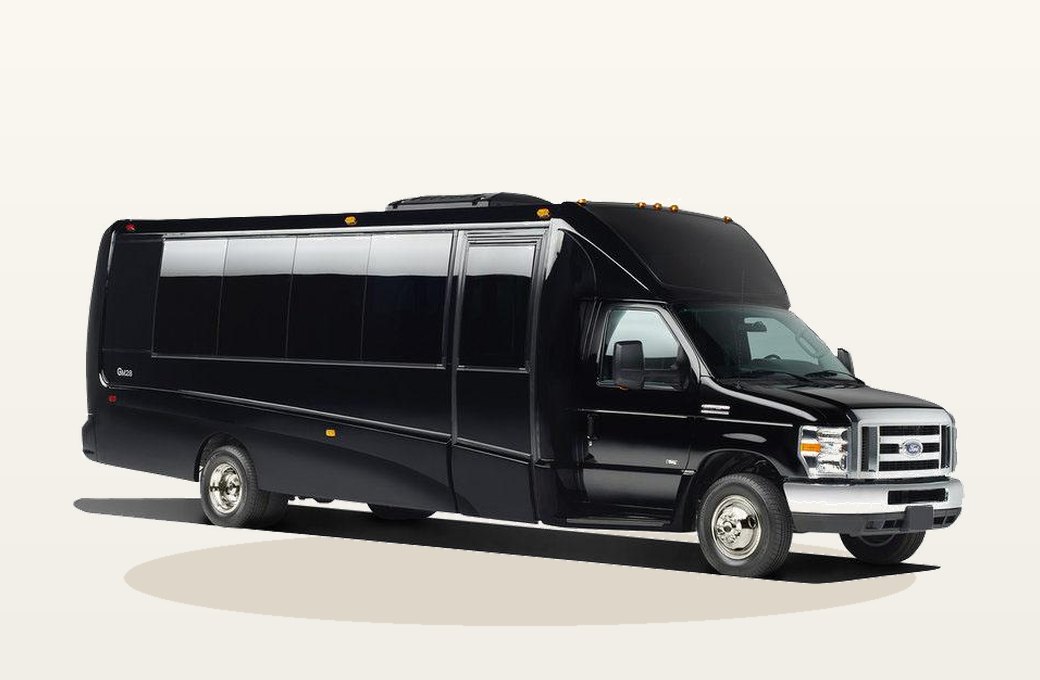
- Minicoach and motorcoach: 24 to 56 seats for conference transfers and tour groups between cities.
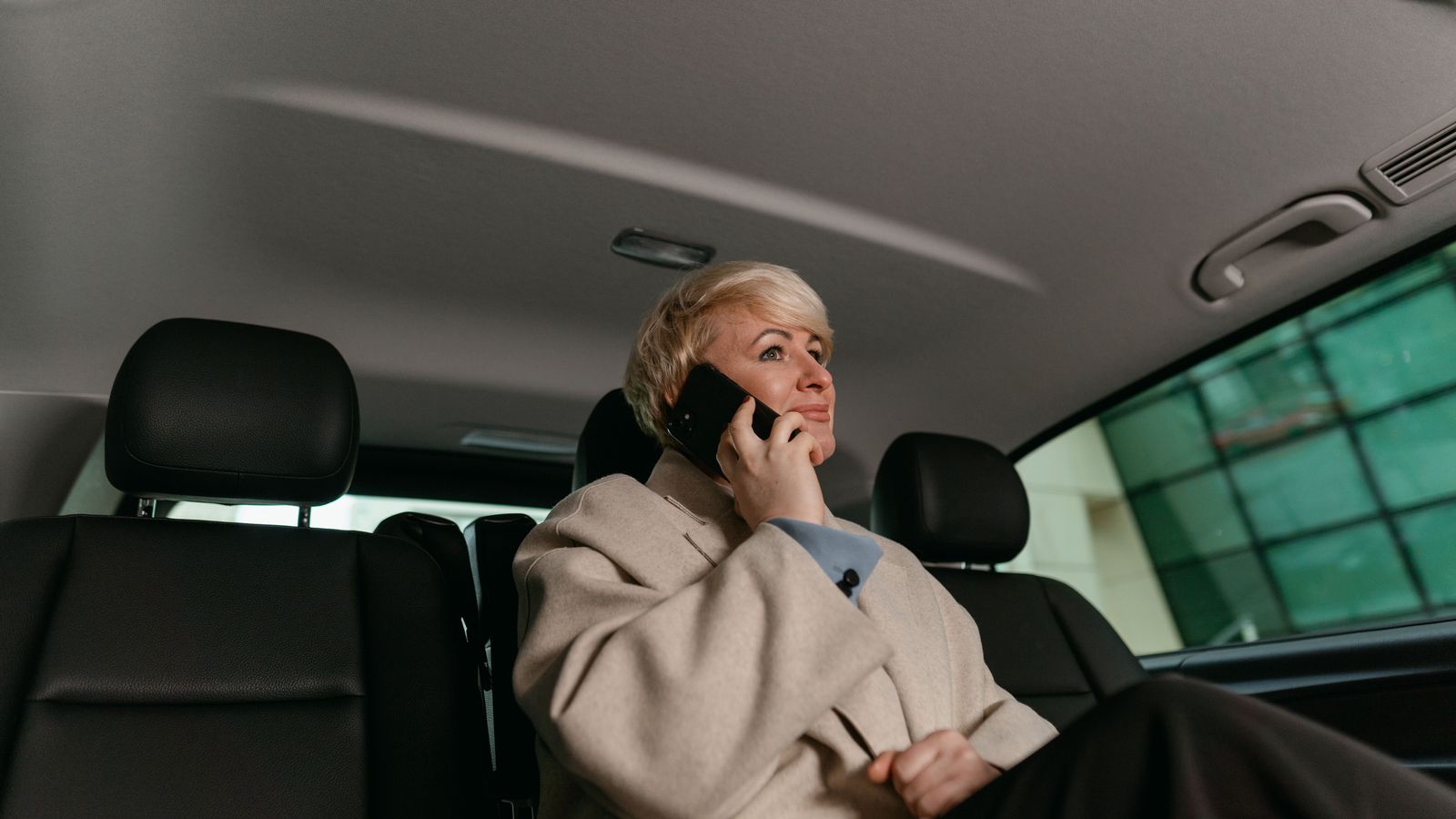
If you plan to work on the way, say so in the booking notes: a Luxury Executive Sedan or a van gives a steadier surface for a laptop than a compact car. Every vehicle in the network is four model years old or newer. Photos and capacities for each class are on the fleet page.
Car, train or short flight: when does a private car make sense?
A car is not always the fastest way between two cities, and the honest answer depends on the route.
The car usually wins on journeys of up to about four hours where neither end sits beside a main station or airport: Manhattan to a client campus in Princeton, Toronto Pearson to a winery in Niagara-on-the-Lake, Geneva airport to a chalet in Chamonix, or Milan Malpensa to a villa on Lake Como. Door-to-door, you avoid two transfers and the time spent getting to a platform or gate early. It also wins for groups: five people with luggage in one SUV often cost less than five first-class rail tickets plus taxis at both ends.
The train often wins on fast rail corridors with city-centre stations at both ends. London to Paris on Eurostar takes a little over two hours between St Pancras and Gare du Nord, while the drive via the Channel Tunnel takes six or more. On the US Northeast Corridor, Amtrak Acela links New York Penn Station and Washington Union Station in under three hours. In those cases the better booking is a chauffeur to the departure station and another waiting at the arrival station, for example at London St Pancras, Paris Gare du Nord, New York Penn Station or Washington Union Station.
A flight wins once the drive passes six or seven hours. Toronto to Montreal is possible by road in a working day, but Toronto to Chicago is better flown with a chauffeur at each airport.
How long can a single transfer be?
There is no fixed ceiling in the engine, but long routes meet real limits. Driving time rules for commercial passenger carriers are set by law in many countries. In the United States, FMCSA hours-of-service rules for passenger-carrying vehicles cap driving at 10 hours after 8 consecutive hours off duty. In the European Union, the drivers' hours regulation applies to vehicles with more than nine seats, which covers minicoaches and coaches on intercity work. Operators plan within those rules, and the chauffeur's own day also includes the drive to your pickup and the return.
For that reason, routes much beyond six hours of driving are not sold as a simple one-way fare. They are planned by a coordinator and confirmed in writing, usually as a two-day itinerary, a combination of car and rail, or a flight with cars at both ends. If the engine cannot place a very long route, call the desk and we will set out the options.
Crossing a border by car
Some of the most useful intercity routes cross a frontier: Toronto to Buffalo, Vancouver to Seattle, Geneva to the French Alps, Nice to Monaco, Munich to Salzburg or Dubai to Muscat. Tell the engine both addresses and mention the crossing in the notes so that the trip is placed with an operator that can legally carry passengers on both sides.
Every passenger needs their own travel documents. At the US and Canadian land borders, officers of U.S. Customs and Border Protection and the Canada Border Services Agency inspect each traveller, and the chauffeur cannot answer for you. Allow time for queues at busy crossings such as the Peace Bridge or the Rainbow Bridge on summer weekends. Within the Schengen area there are normally no routine passport checks between member states, but spot checks happen and identity documents must still be carried. Switzerland is in Schengen but outside the EU customs union, so goods declarations still apply at Swiss crossings.
Airport to another city in one booking
A large share of intercity trips start at an airport. You land at JFK and your meeting is in Stamford. You arrive at Toronto Pearson and the wedding is in Niagara-on-the-Lake. You fly into Nice and the hotel is in Monaco or Saint-Tropez. You land at Malpensa and the villa is on the lake.
Book these as one transfer from the terminal. The chauffeur tracks the flight and waits in the airport's designated commercial pickup area; 60 minutes of waiting from the actual landing is included on international arrivals and 30 minutes on domestic flights. If you want the chauffeur inside the arrivals hall with a name board, add meet and greet at booking; add-ons are only available in selected locations. Airport guides such as JFK, Toronto Pearson, Nice Côte d'Azur and Milan Malpensa explain the pickup points terminal by terminal. For a jet arriving at an FBO, the private aviation pages cover ramp and lobby pickups.
Planning stops along the way
On a three- or four-hour route most passengers want a short break, and some trips are built around stops: a site visit between two cities, a winery lunch in Napa on the way back to San Francisco, or a detour to collect a second traveller. Add every stop you already know about when you book. The engine prices the stop and the waiting at it, and the chauffeur plans the route around it.
Unplanned stops on the day are usually possible, but they change the route and the time, and the dispatcher will confirm the added charge before you continue. If you are unsure how long a stop will take, book the trip on an hourly basis from that point instead; hourly bookings keep the car and chauffeur with you at a known rate.
Groups, several cars and multi-city tours
When a single car is not enough, the booking becomes a programme. A project team moving from Frankfurt to Munich in three SUVs, a family reunion travelling from Toronto to Muskoka, a sales roadshow covering Boston, New York and Philadelphia in three days, or a tour group heading from Rome to Florence in a coach: these are planned by a coordinator and confirmed in writing, with a vehicle list, timings and contacts for each leg.
Programmes of this kind draw on the same network as single trips. The group transportation page covers Sprinters and coaches, and the financial roadshows page explains how multi-city investor meeting days are run.
Intercity travel on a corporate account
Companies that move people between offices, plants and client sites book intercity trips on a corporate account. The account adds monthly invoicing, cost centres, booker and traveller profiles and duty-of-care trip data, so a travel manager can see who travelled where and when. A named coordinator handles recurring routes such as a weekly shuttle between a head office and a regional site. Travellers who also need flights and hotels can use the travel desk, which works with BookingWorldwide.net to hold the whole trip on one file.
Changes and cancellation
Changes to the time, addresses or vehicle can be made in your booking or through the desk. The standard cancellation terms apply to intercity trips exactly as they do to city trips:
- More than 72 hours before pickup: no charge.
- 72 hours or less: 10% of the fare.
- 48 hours or less: 50% of the fare.
- 24 hours or less, or a no-show: 100% of the fare.
Because long routes tie up a car and chauffeur for most of a day, booking early matters more than it does for a short hop, especially on holiday weekends and during large events.
Checklist before you book a long distance car
- Both full addresses, including the hotel or building name.
- The flight or train number if the trip starts at an airport or station.
- The real luggage count, including skis, golf bags, strollers and sample cases.
- Any stops you already know about.
- Passports and visas for every passenger if the route crosses a border.
- A mobile number that will work at the start of the trip.