Why the vehicle standard is strict
A passenger booking a BlaakLane.com trip in a city they have never visited cannot inspect the car before they book it. The vehicle standard is how the network makes that promise on their behalf: whichever vetted affiliate drives the trip, the car that arrives should be recent, clean, dark, unbranded and in the class the passenger booked. The rules on this page apply equally to one-car owner-operators and to large fleets.
The age rule, explained
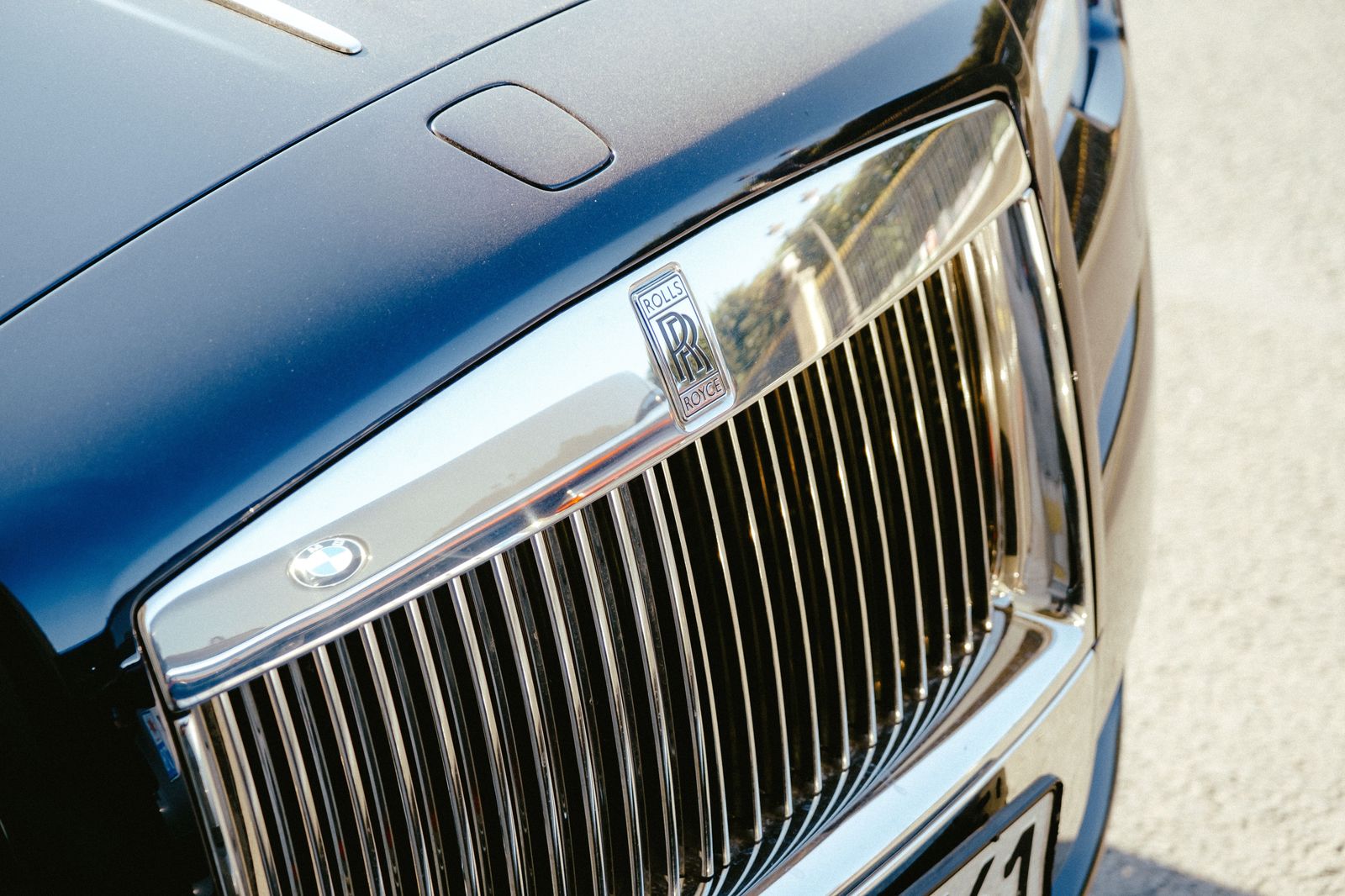
Every vehicle must be four model years old or younger. Only Rolls-Royce, Maybach and Bentley are accepted up to seven model years. The age is taken from the model year on the registration document, not from the date you bought the vehicle or the date it was first registered to you. As a worked example, during 2026 a vehicle of model year 2022 or newer meets the four-year rule, and a Rolls-Royce, Maybach or Bentley of model year 2019 or newer meets the seven-year rule. Vehicles age out of the network on their model-year anniversary; when a vehicle is close to the limit, plan its replacement so your profile keeps the classes you want to be offered. If a vehicle's model year sits on the boundary, ask the partner manager before you register it.
The seven-year exception exists because these marques are built and maintained for long service at the top of the market. It comes with a condition: the vehicle must still be in the concours condition that clients of those marques expect, inside and out.
Class by class: what we look for
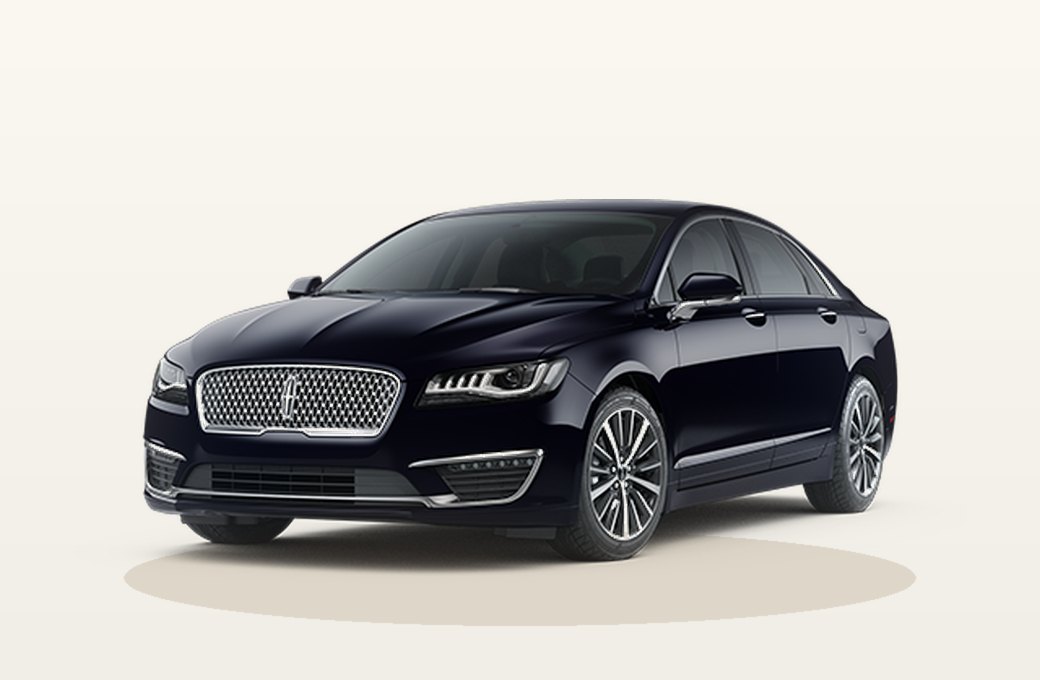
- Standard Sedan: a current business sedan in black or a dark colour, with a dark leather interior, rear climate control and room for two passengers and two bags.
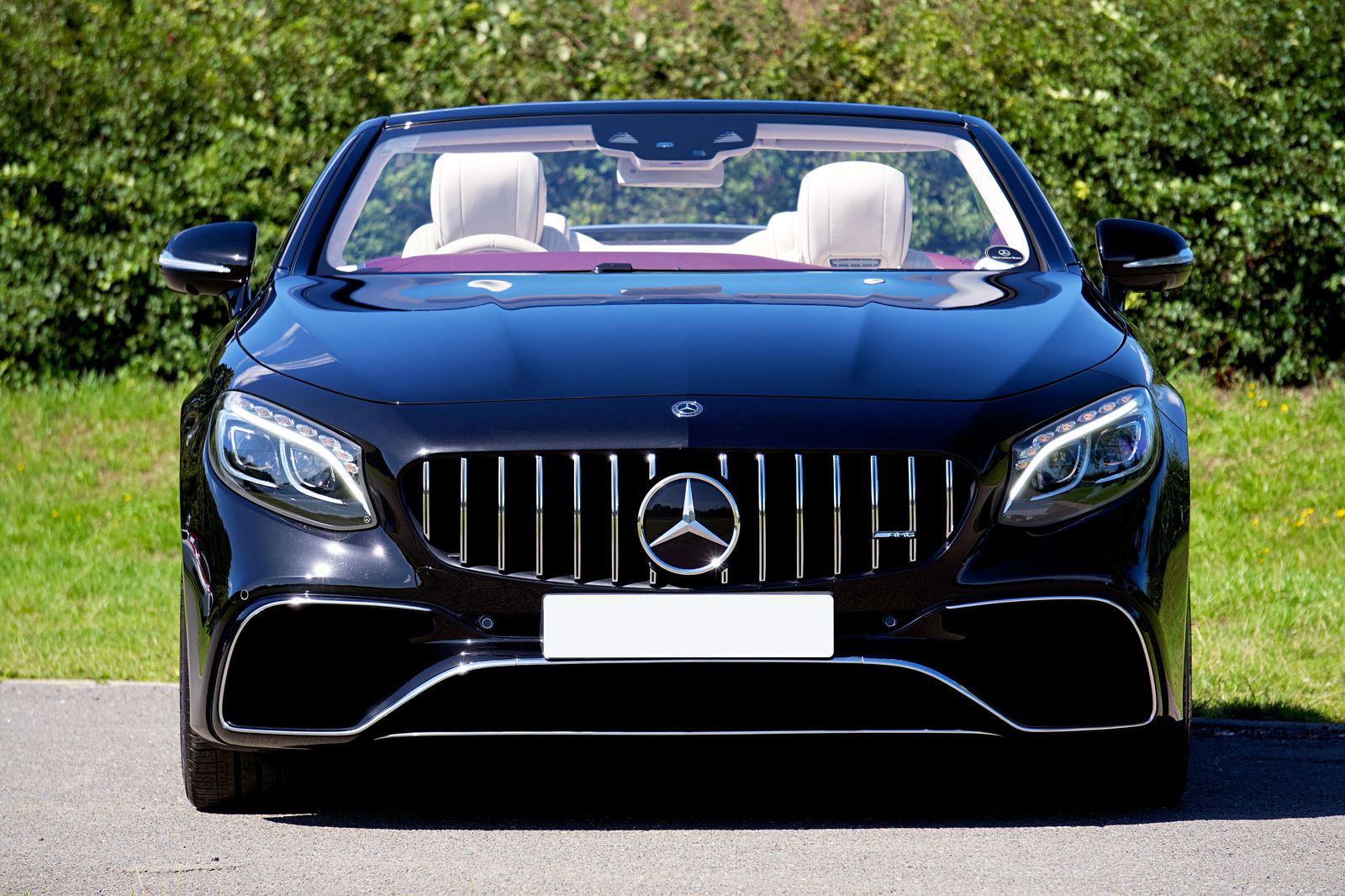
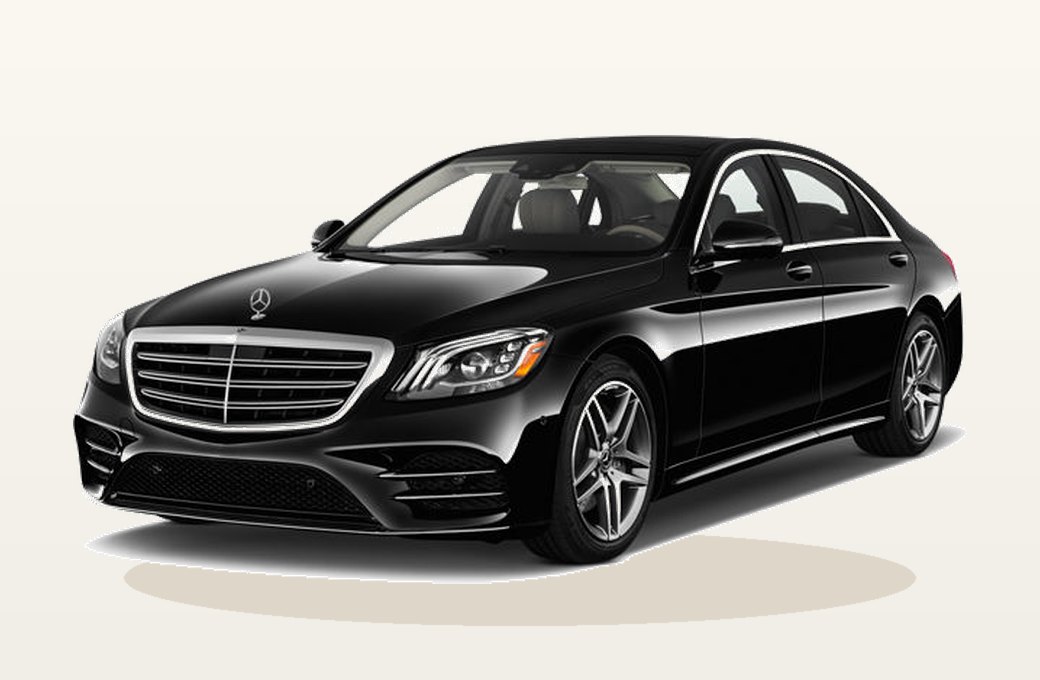
- Luxury Executive Sedan: the S-Class class of sedan, long-wheelbase preferred, with a rear-seat comfort package and privacy glass.
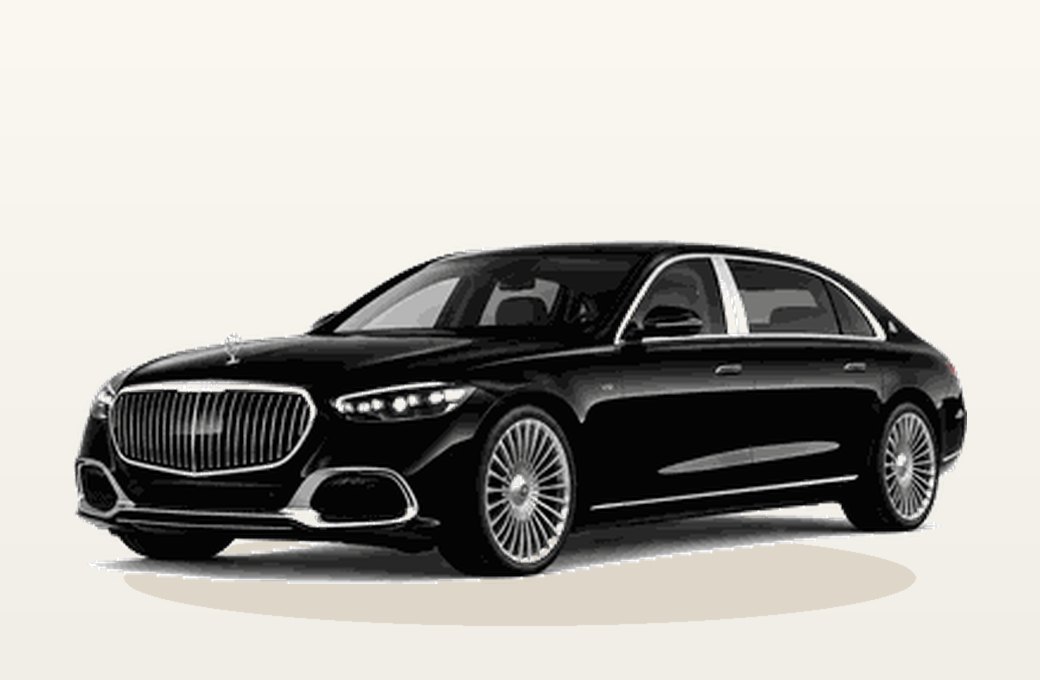
- Executive First Class Sedan (Maybach): a Mercedes-Maybach in top condition, with rear executive seating.
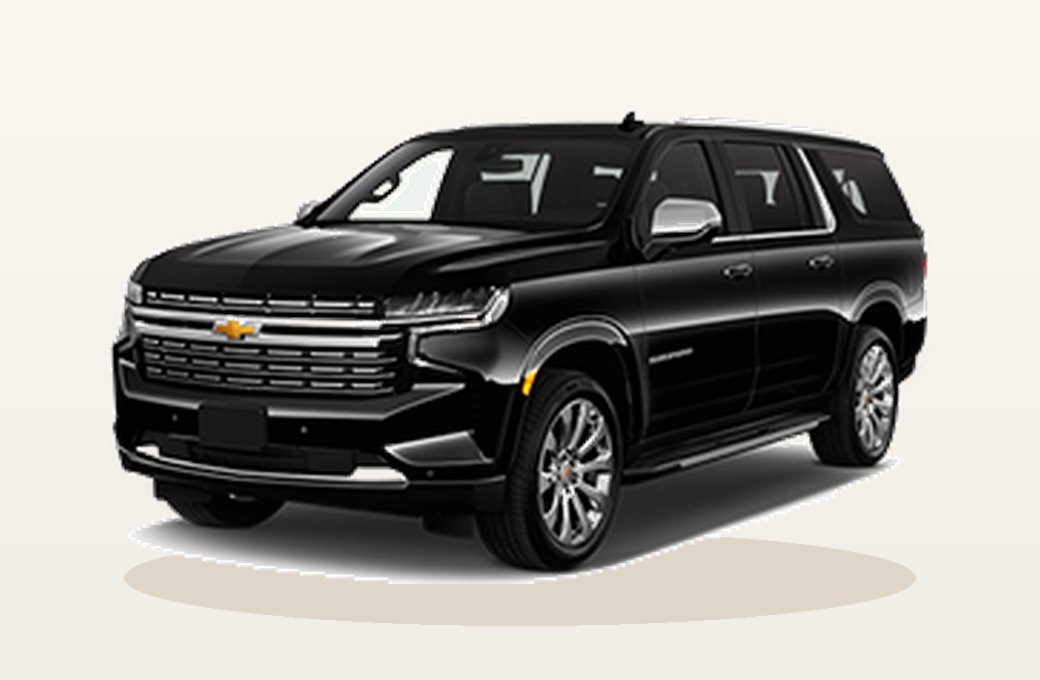
- Standard Black SUV: a Suburban-class SUV with three rows or a full luggage bay, black outside and leather inside.
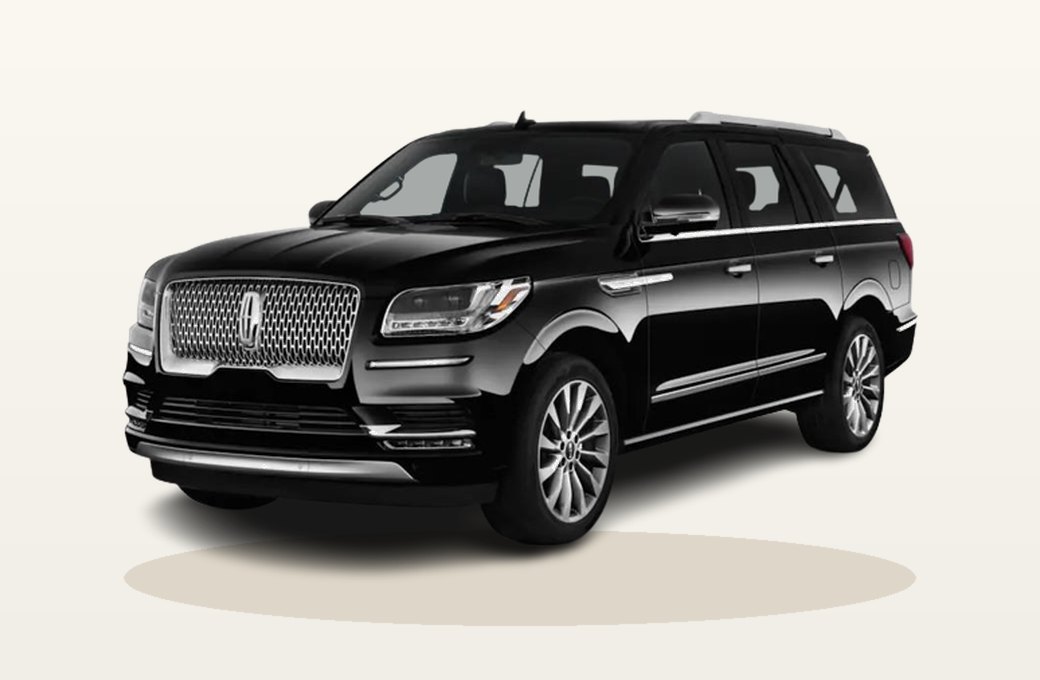
- Executive Black SUV: a Navigator or Escalade-class premium SUV, black, with captain's chairs preferred.
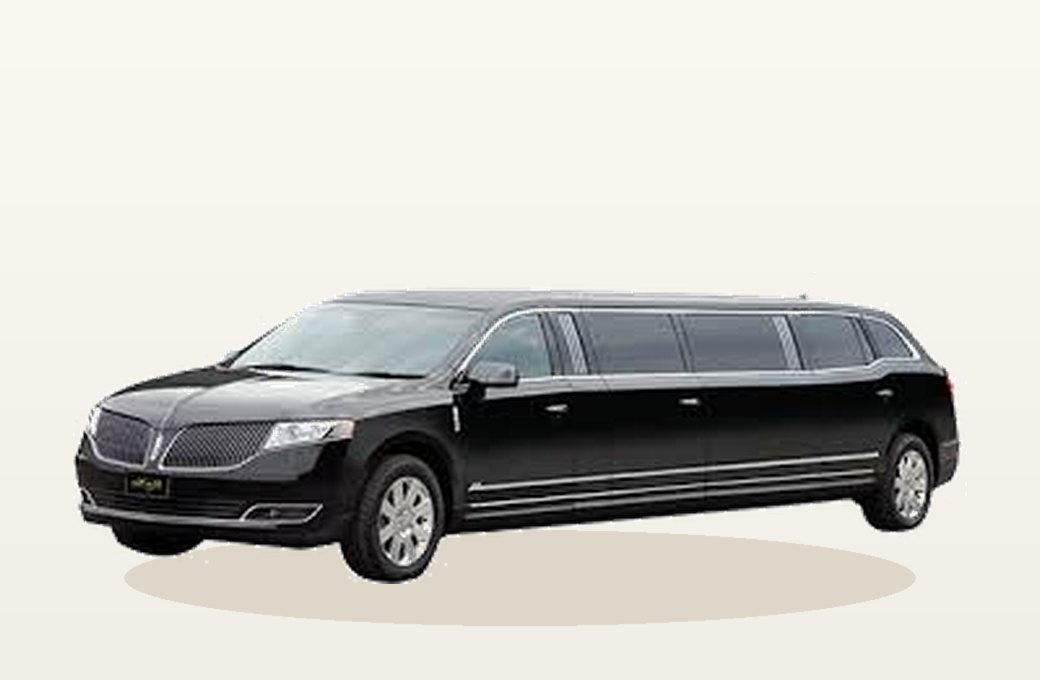
- Luxury Stretch Limo: a professional coachbuilder conversion with its certification, a working partition, and clean bar and lighting.
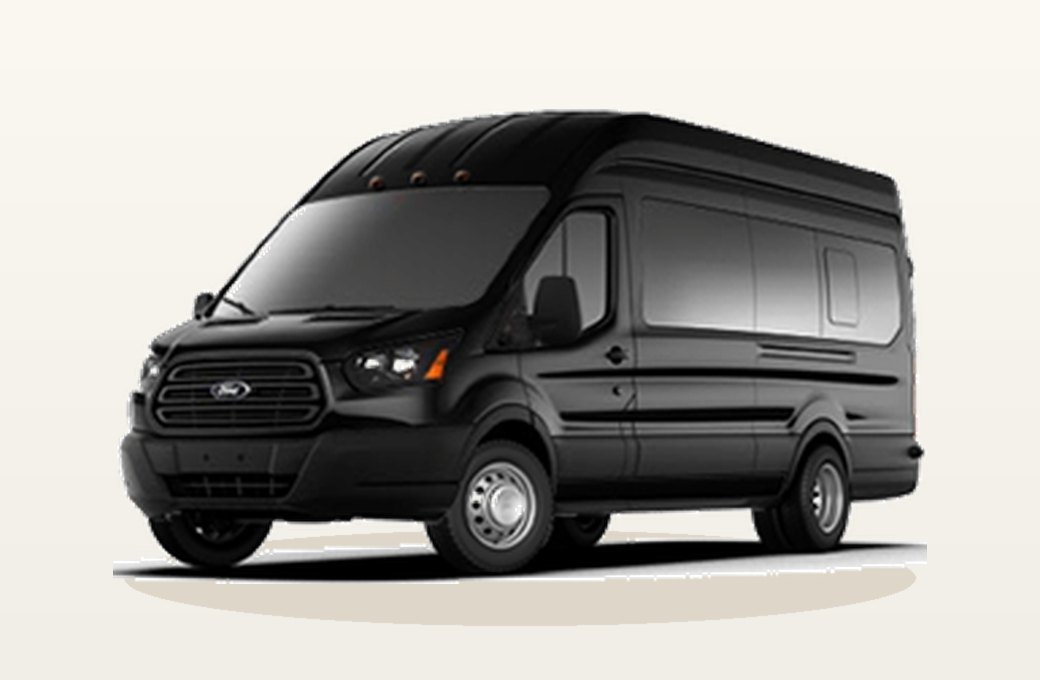
- Sprinter Van: forward-facing belted seats for 12, a luggage area and climate control front and rear.
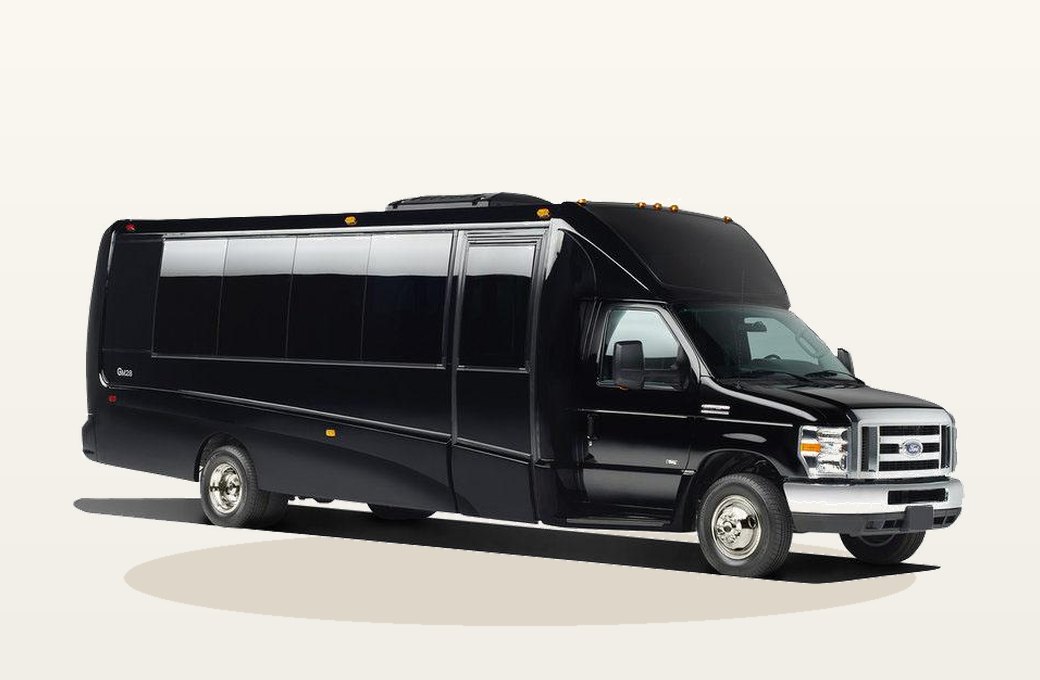
- Party Bus: perimeter seating, working lighting and sound, and the operator licence required for the vehicle's size.
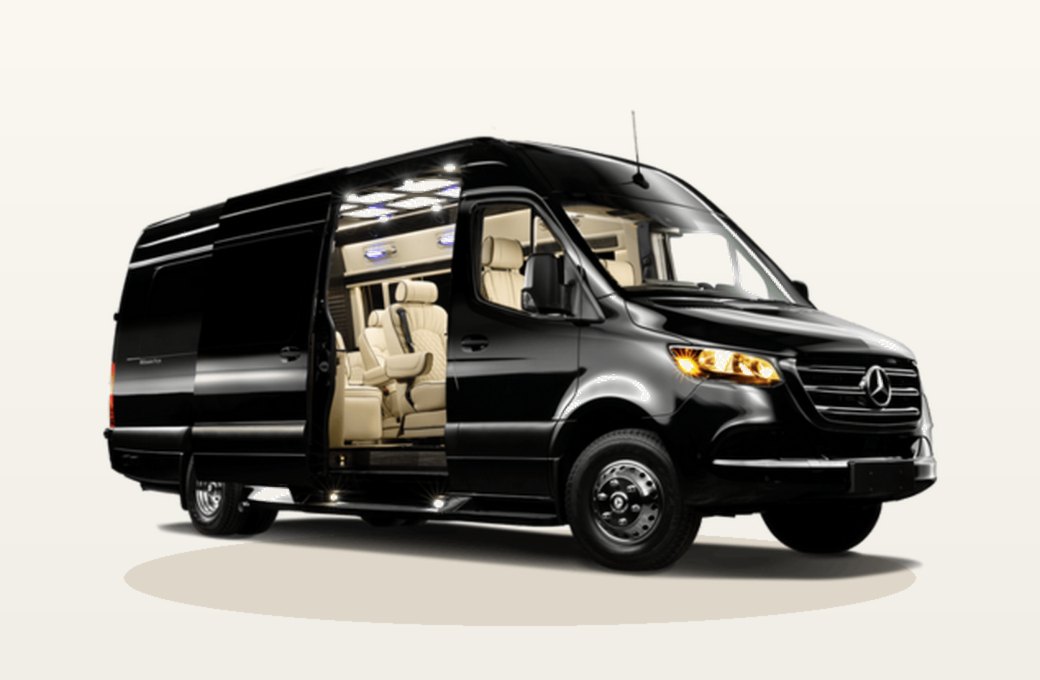
- Sprinter Luxury Jet Van: leather captain's chairs for seven, ambient lighting and cabin amenities; carry-on luggage only.
Rolls-Royce and Bentley are offered on request through vetted partners and confirmed in writing, and armoured vehicles are handled the same way, after a risk assessment.
Presentation before every trip
The standard applies to the vehicle as the passenger meets it, not as it looked on registration day.
- Exterior: washed, with clean glass and wheels; no advertising and no roof signs.
- Interior: vacuumed and wiped down before each trip, with no odours, no personal items and nothing left by a previous passenger.
- Equipment: phone charging front and rear, bottled water, tissues, an umbrella, and a tablet or printed sign for trips that include meet and greet.
- Safety: all lights, belts and child-seat anchors working, tyres suited to the season, and a current safety or roadworthiness certificate.
The chauffeur is part of the presentation
A perfect car with a careless chauffeur is not the standard. Chauffeurs wear a dark suit, a plain shirt and dark, polished shoes; a tie is standard for corporate and VIP work. The full dress and conduct rules, including meet-and-greet signage, waiting and communication, are in the affiliate standards.
Licensing and insurance for each vehicle
Every vehicle must be registered for commercial or livery use where your jurisdiction requires it and covered by commercial passenger insurance that lists it by plate or VIN. Some airports also require their own permits for commercial pickups; check with the airport authority before you accept airport work there. The documents for each vehicle, with samples, are on the documents checklist.
Adding, replacing and retiring vehicles
Companies can add vehicles at any time by sending the registration, inspection certificate, updated insurance schedule and photo set for each one. When you replace a vehicle, send the new documents before you accept trips in it, and the old vehicle is removed from your profile. A vehicle that passes the age limit is retired from the network in the same way.
Ready to register?
Choose a plan and complete the form on register. Owner-operators should read owner-operators and companies limousine companies and fleet owners. The classes passengers see are on the public fleet page, and the vehicle-safety rules of your authority, such as the NHTSA recall database in the United States, are worth checking for every vehicle you register.
Common vehicle questions from affiliates
My sedan is a light colour. Can I register it? The standard is a black or dark exterior. Register the vehicles in your fleet that meet it.
Does a leased vehicle qualify? Yes, if it meets the age and presentation standard and the insurance lists it. Send the lease with the registration if the registered owner differs from the operator's name.
Can I offer a class that is not on the reservation engine? Passengers book the nine classes on the engine; Rolls-Royce and Bentley are handled on request. Tell the partner desk about any other specialist vehicle you operate, such as a coach or an armoured vehicle, when you register.
Can one vehicle cover two classes? A vehicle is listed in the class it matches. A Suburban-class SUV is a Standard Black SUV; a Navigator or Escalade is an Executive Black SUV.
What if the car fails a presentation check on the day? The trip is driven to the standard or handed back early to dispatch, so another affiliate can cover it. Repeated problems affect the work offered, as the affiliate standards explain.
How the standard shows up on a real trip
Picture an international arrival at a large airport late in the evening. The passenger booked an Executive Black SUV. The vehicle that arrives at the designated pickup area is black, recent, unbranded and clean inside, with water, tissues and charging ready in the rear. The chauffeur, in a dark suit, has tracked the flight, loads the bags and confirms the destination. None of that is visible on the booking screen, which is exactly why every affiliate vehicle is held to the same written standard before it is offered a single trip.