























































































































BlaakLane.com provides diplomatic and consular transportation for embassies in Ottawa, consulates in Toronto, Montréal, Vancouver and Calgary, and missions in the cities of our network. Heads of post are usually served on a yearly contract with a named, protocol-trained chauffeur; visiting ministers and delegations by short-term hire, all-in in CAD from $285 an hour in a first-class sedan.
How missions buy chauffeured transportation
Diplomatic transport divides naturally into two kinds of work, and most missions need both.
The standing requirement. An ambassador, high commissioner or consul general needs one car and one chauffeur every working day, plus evenings, national-day receptions and airport runs. That is best bought as a yearly chauffeur contract: a named chauffeur, a backup and a relief pool, a locked rate for the fiscal year, and a replacement car within two hours if the contract car is ever off the road.
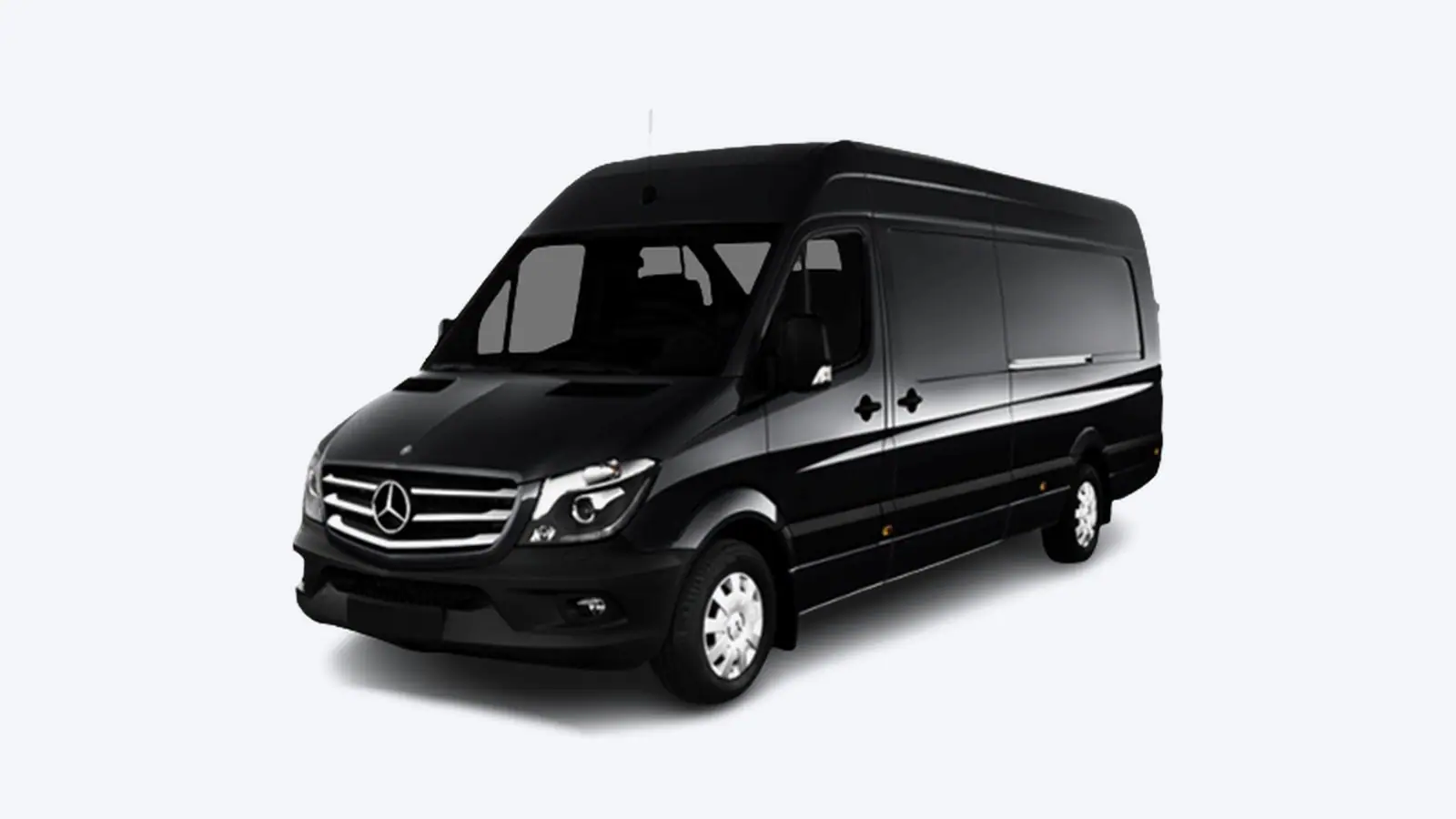
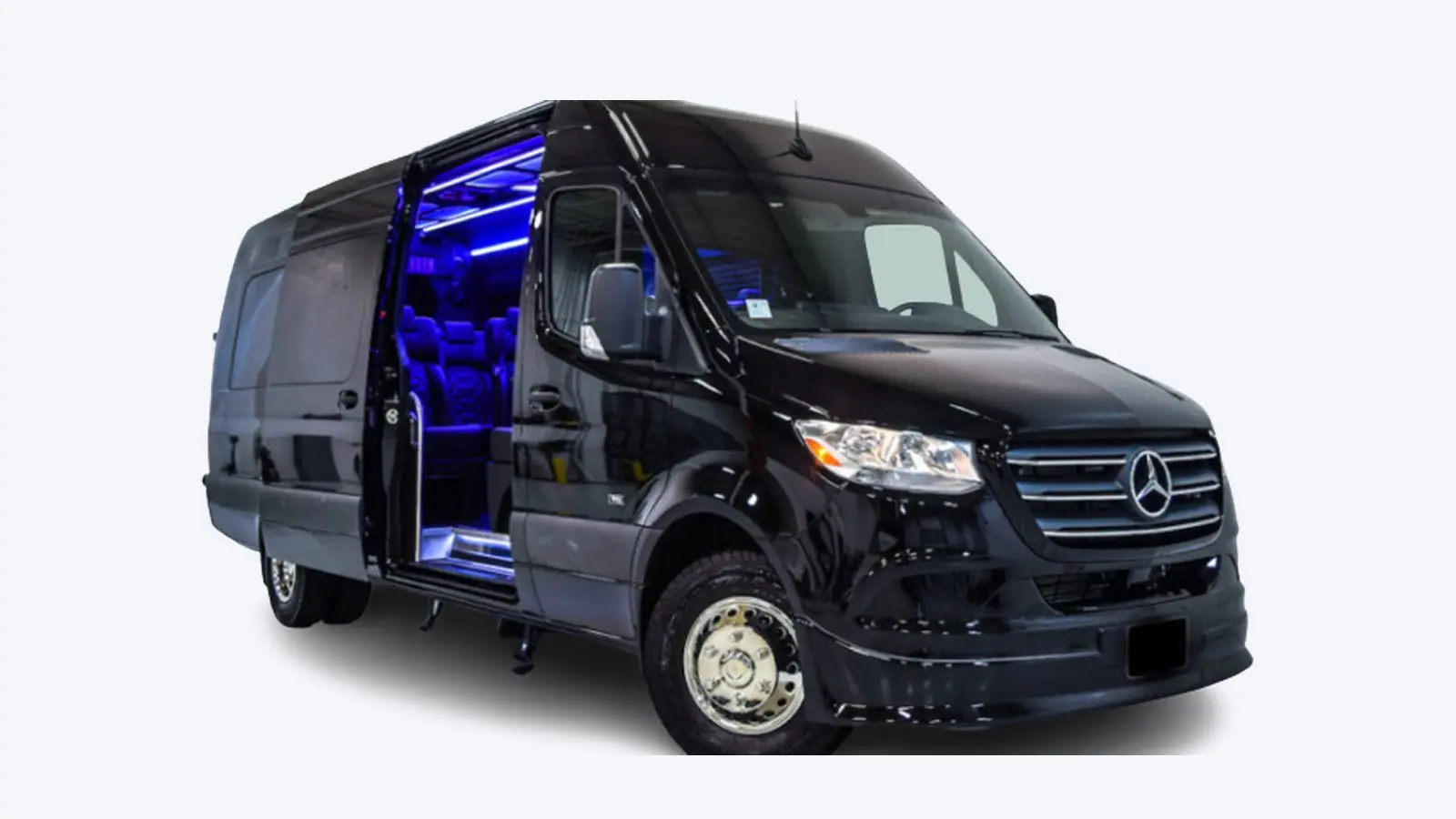
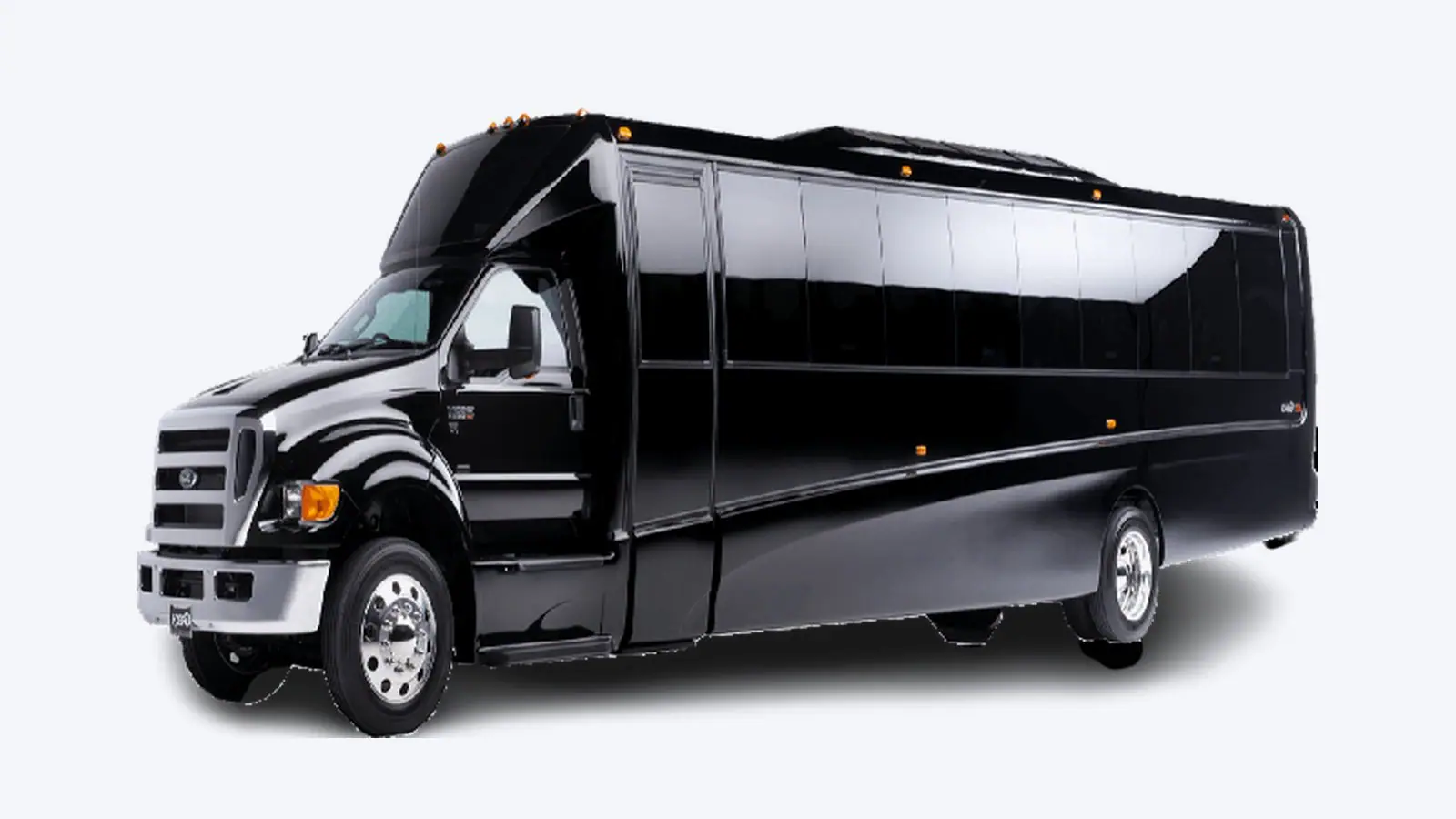
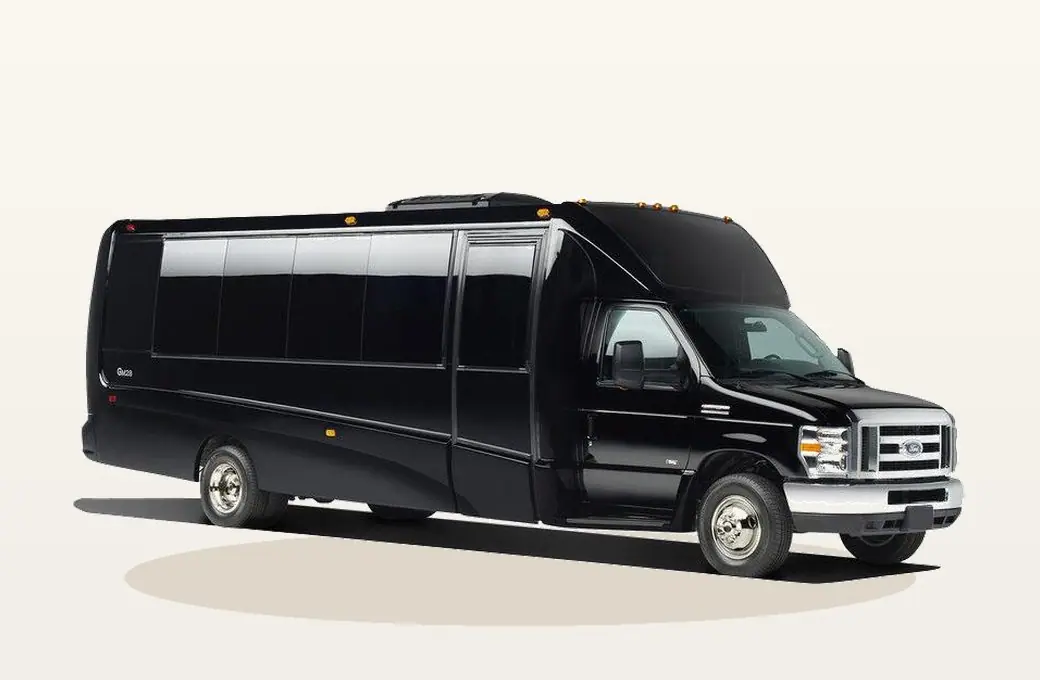
The peaks. A ministerial visit, a trade mission, a summit, a state funeral, a G7 or G20 week, an election-observation team. These are bought as short-term hire for the length of the visit, often with several cars, an SUV for the security detail and a Sprinter or coach for the wider delegation, all run by one coordinator.
Protocol at the kerb
A diplomatic chauffeur is judged on the details nobody notices when they are done well.
- Order of precedence. Who sits where, which door opens first, who is collected first when two principals share a motorcade.
- Flags. Cars are prepared to carry mission or national flags on the front wings where the mission is entitled to fly them and asks us to, and the chauffeur knows when they go up and come down.
- Spacing and timing. Arrivals timed to the minute against the host's programme, with the car positioned for the departure before the principal is out of the building.
- Liaison. Working with the mission's security officer, the host venue, police escorts where assigned, and the protocol staff of the receiving government.
- Language. Chauffeurs who speak French, Spanish, Arabic, Mandarin and other languages can be assigned on request.
In Canada, the accreditation of diplomatic and consular staff, and the privileges that go with it, are managed by the Office of Protocol at Global Affairs Canada. The underlying rules are set by the Vienna Convention on Diplomatic Relations. Our chauffeurs do not claim or exercise any of those privileges themselves: they are commercial chauffeurs working for the mission, licensed and insured as such, and they drive within provincial traffic law at all times.
Where we serve missions
Canada's embassies and high commissions are in Ottawa; most of the country's consulates general sit in Toronto, Montréal, Vancouver and Calgary. We serve all five from the Toronto desk, with airport work at Ottawa (YOW), Toronto Pearson, Montréal-Trudeau and Vancouver (YVR), and private-aviation arrivals through the FBOs listed on the private jets page. For missions to the United Nations in New York and for capitals in the wider network, the same programme is confirmed with a vetted local operator.
Vehicles for diplomatic work
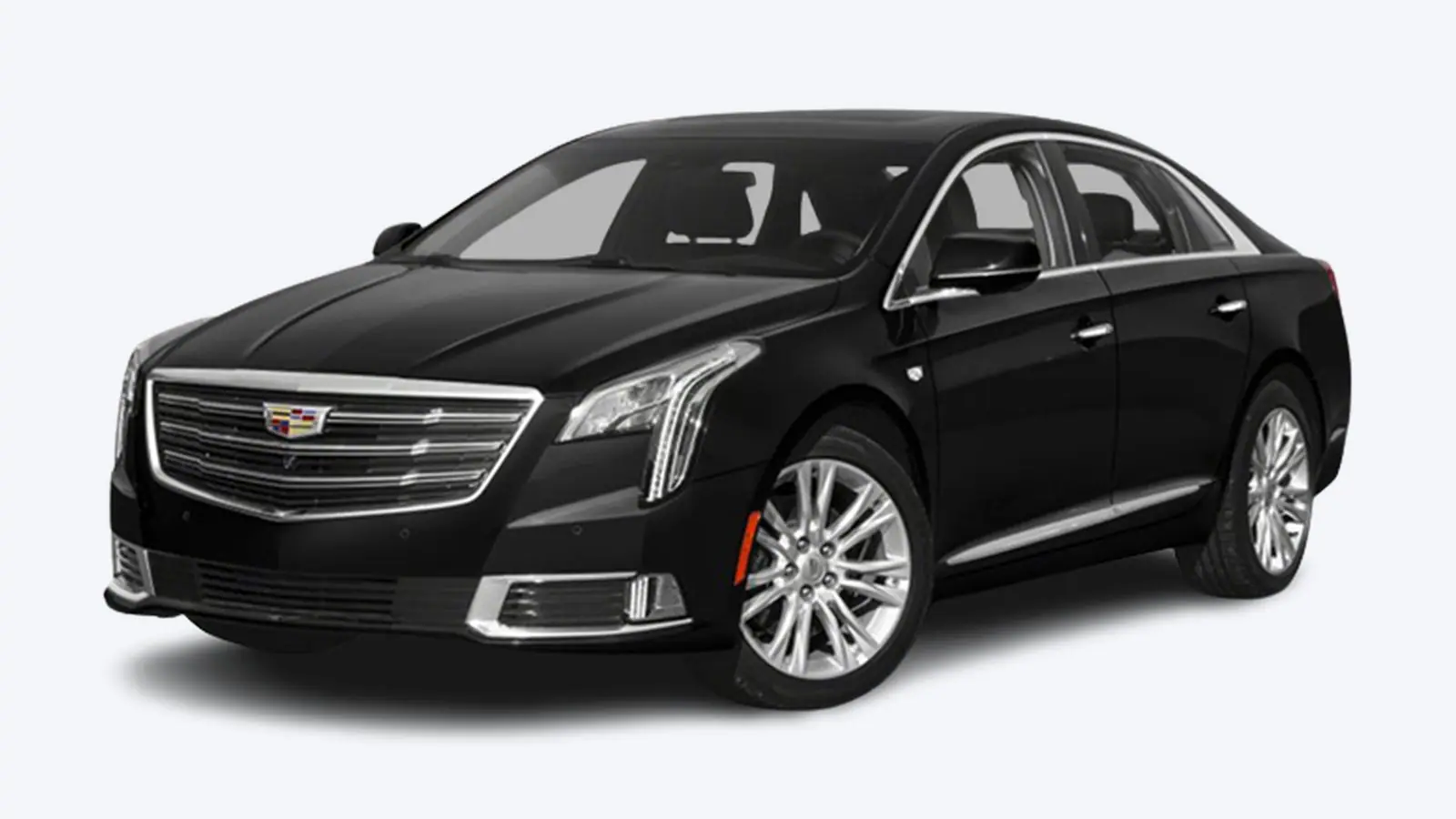
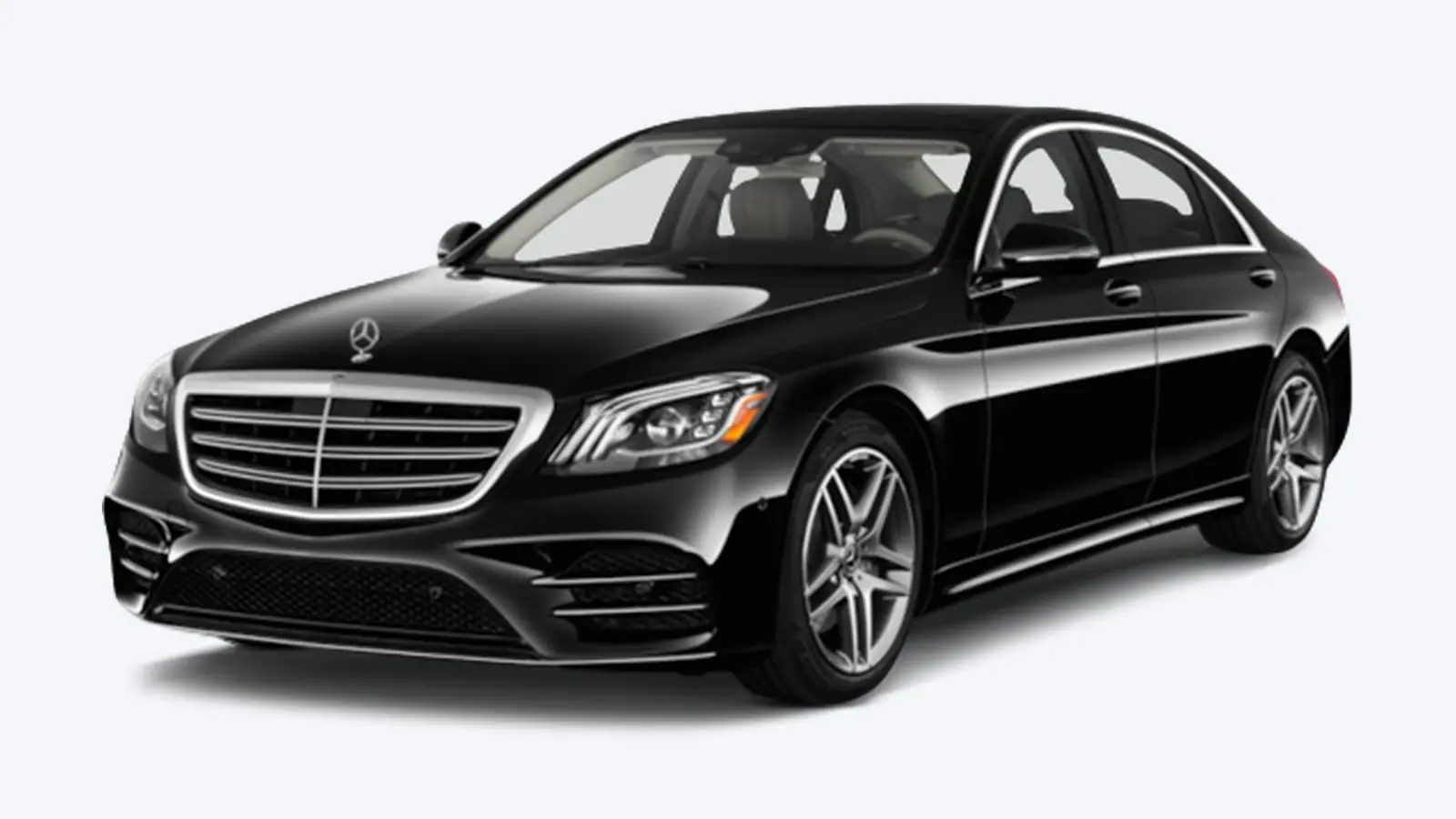
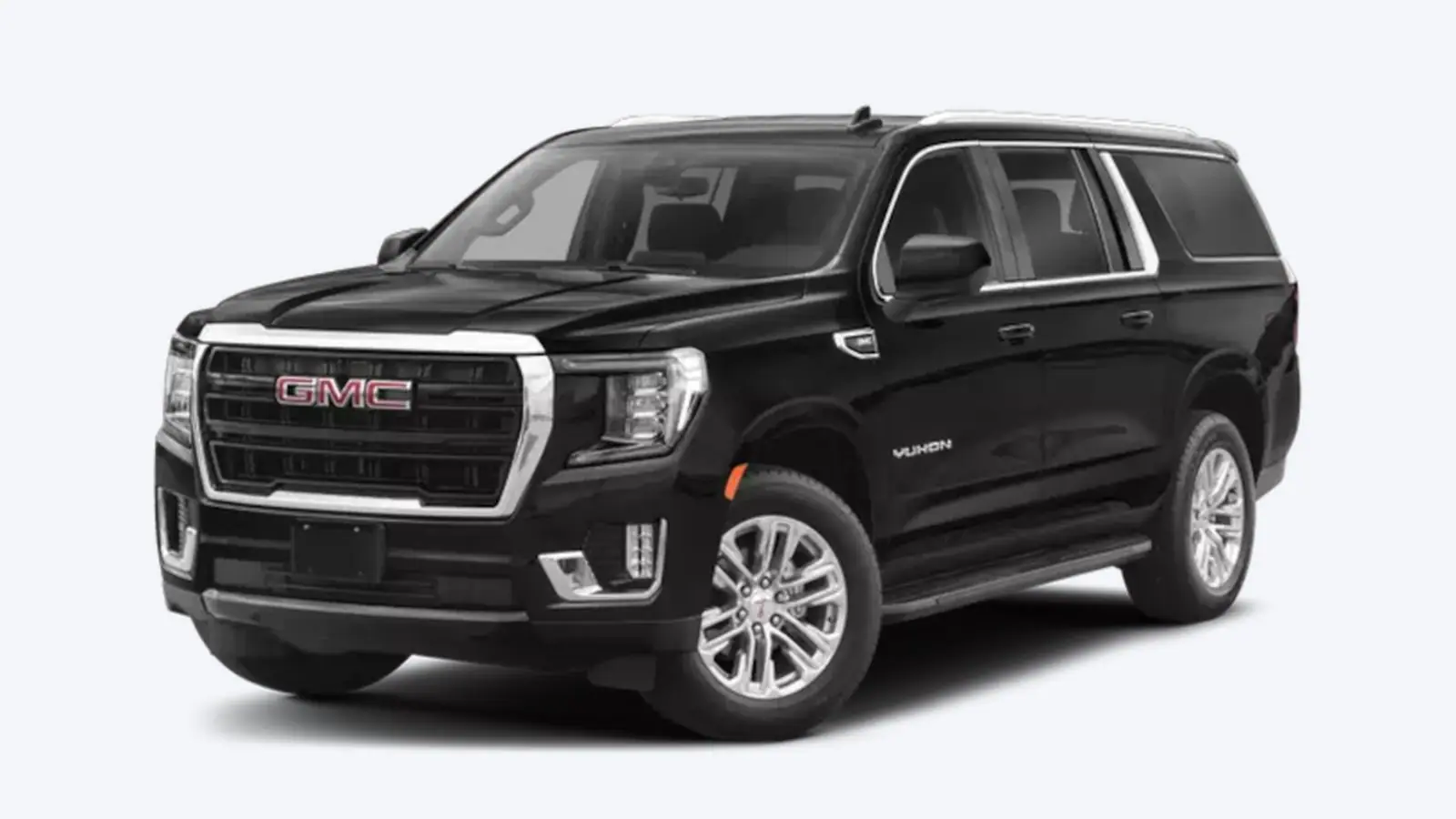
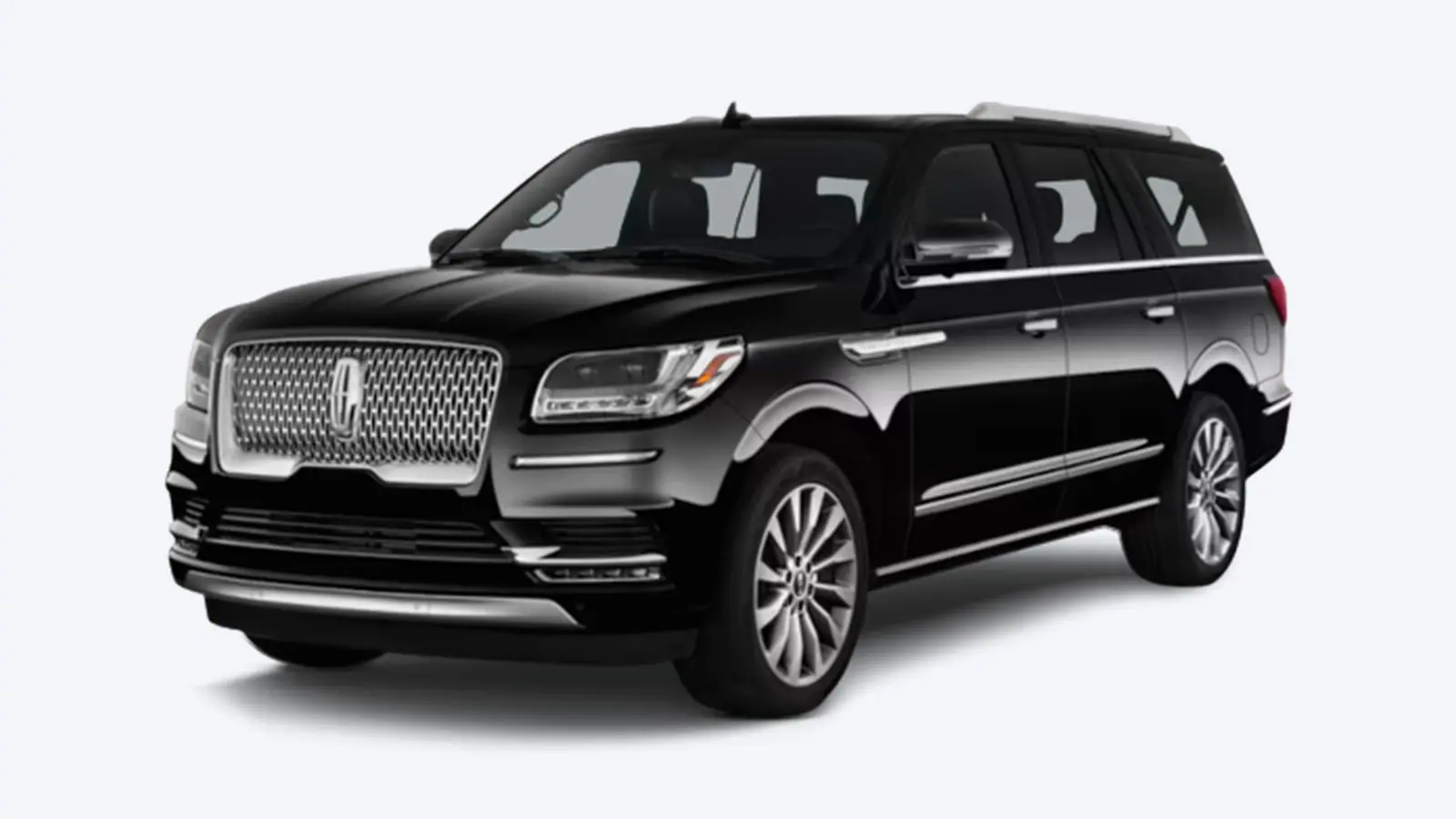
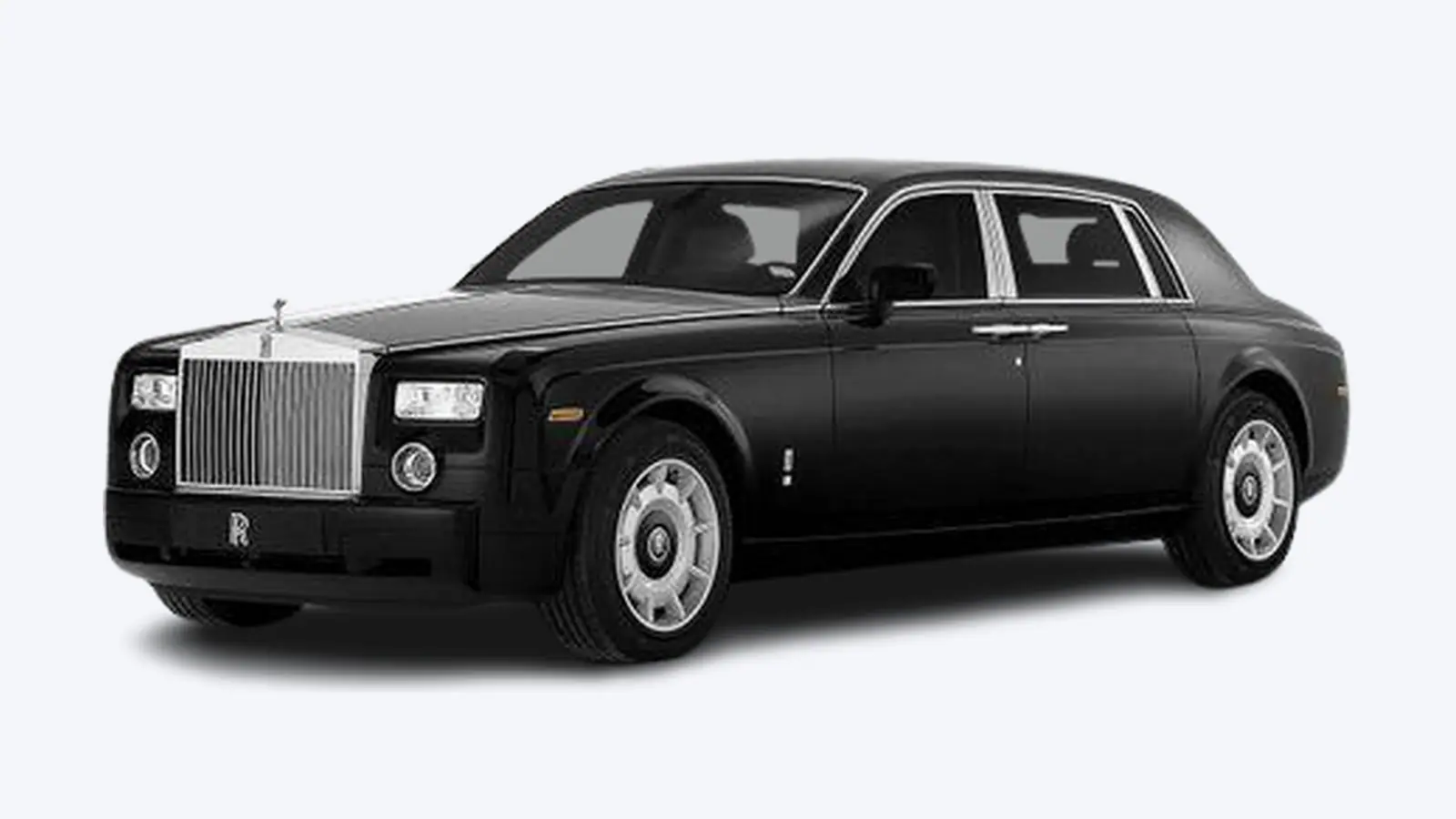
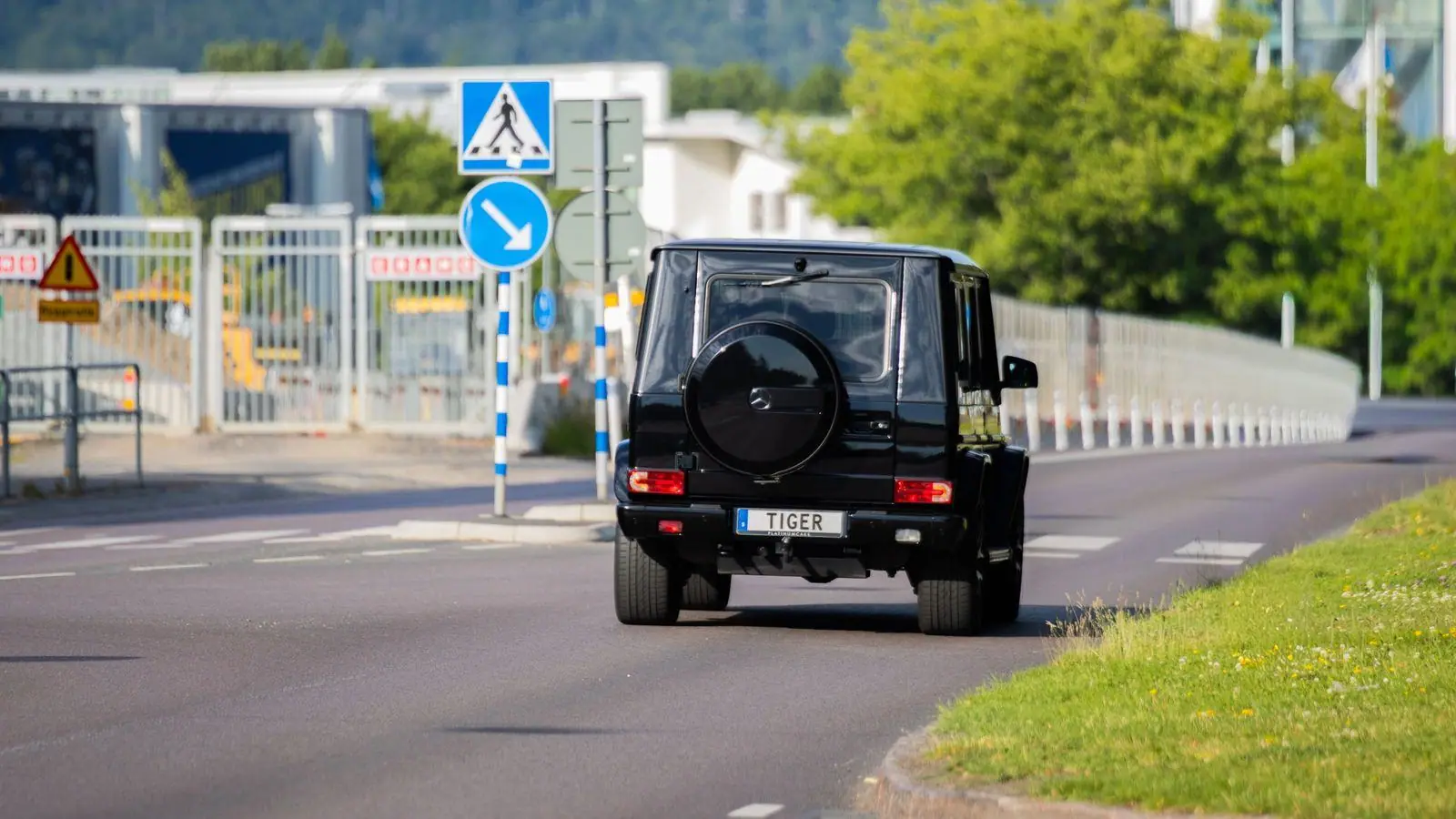
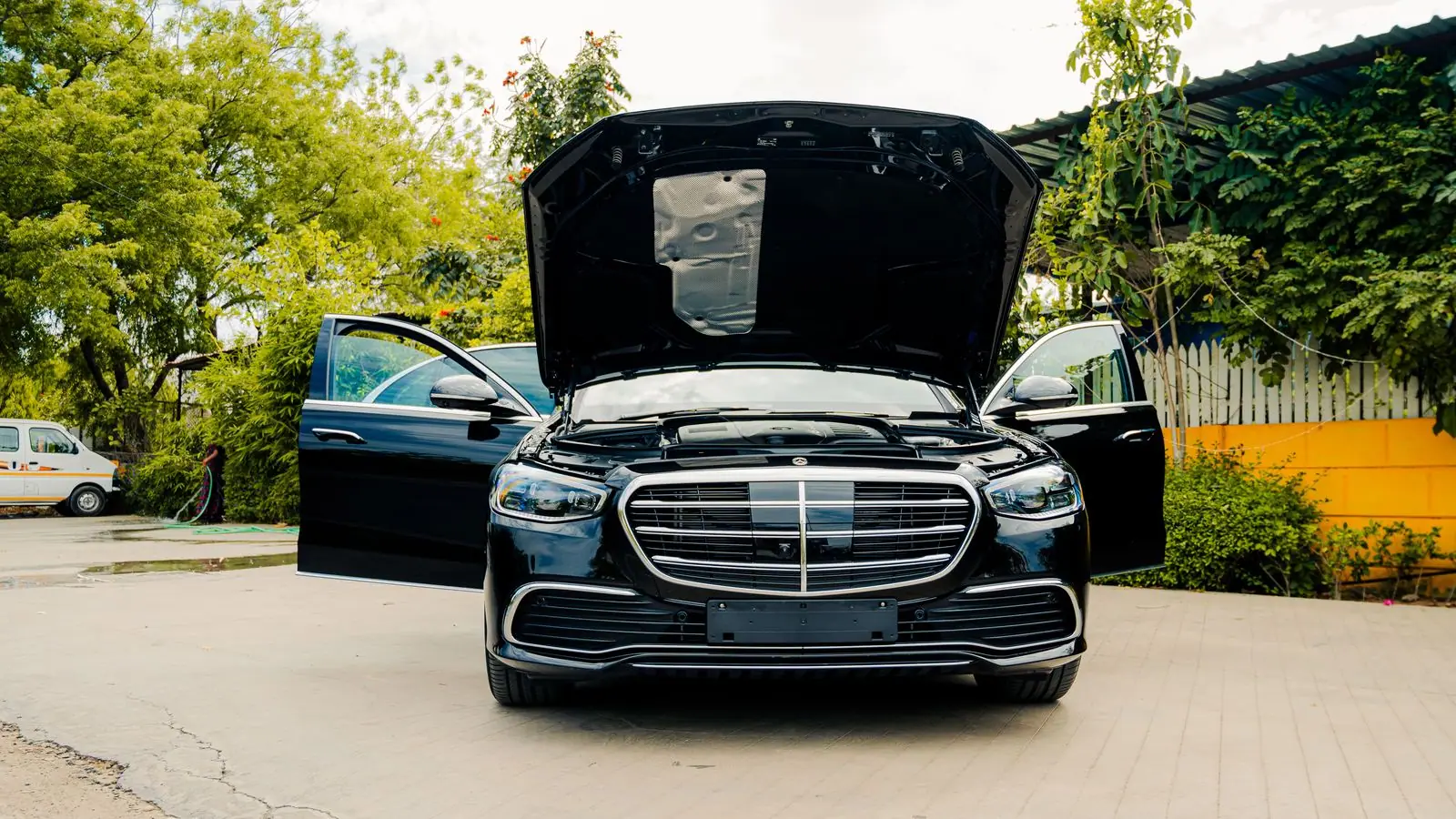
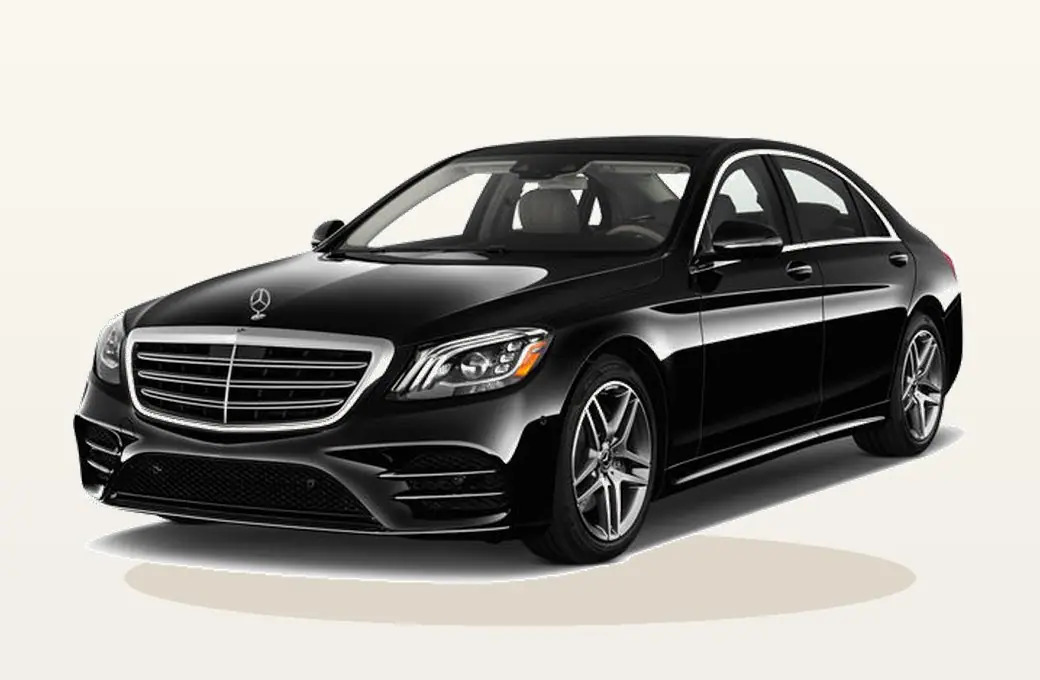
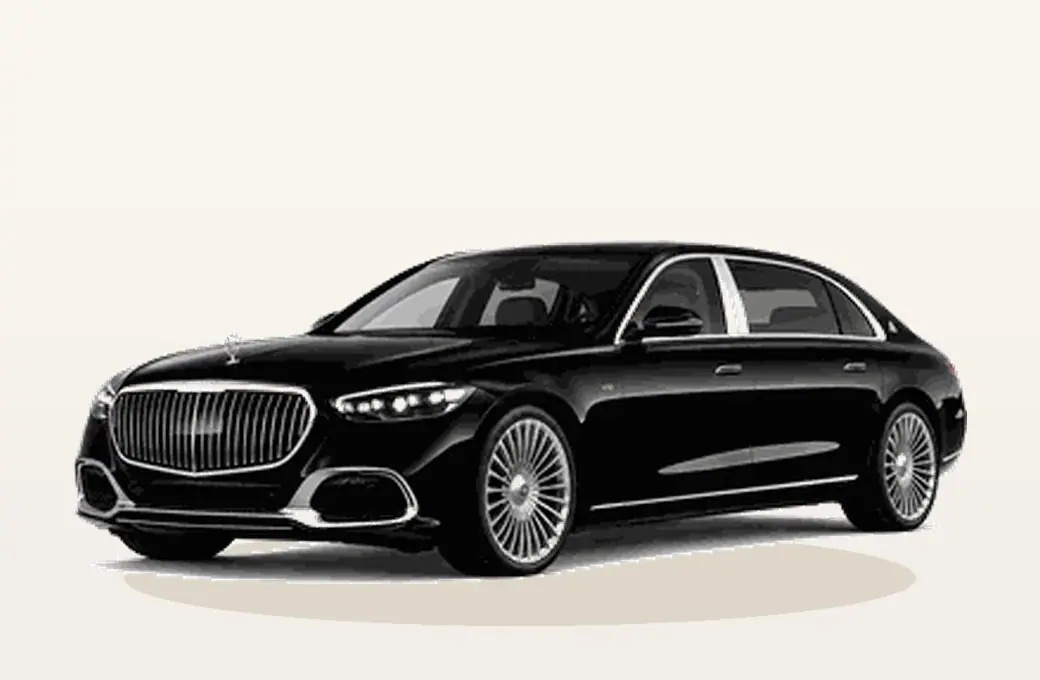
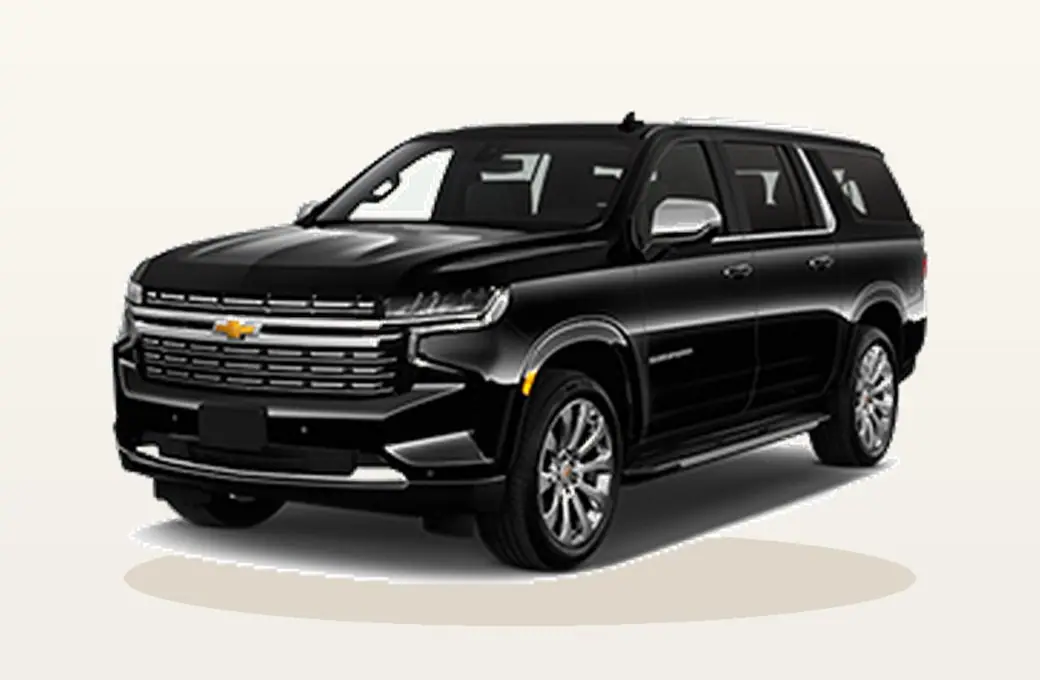
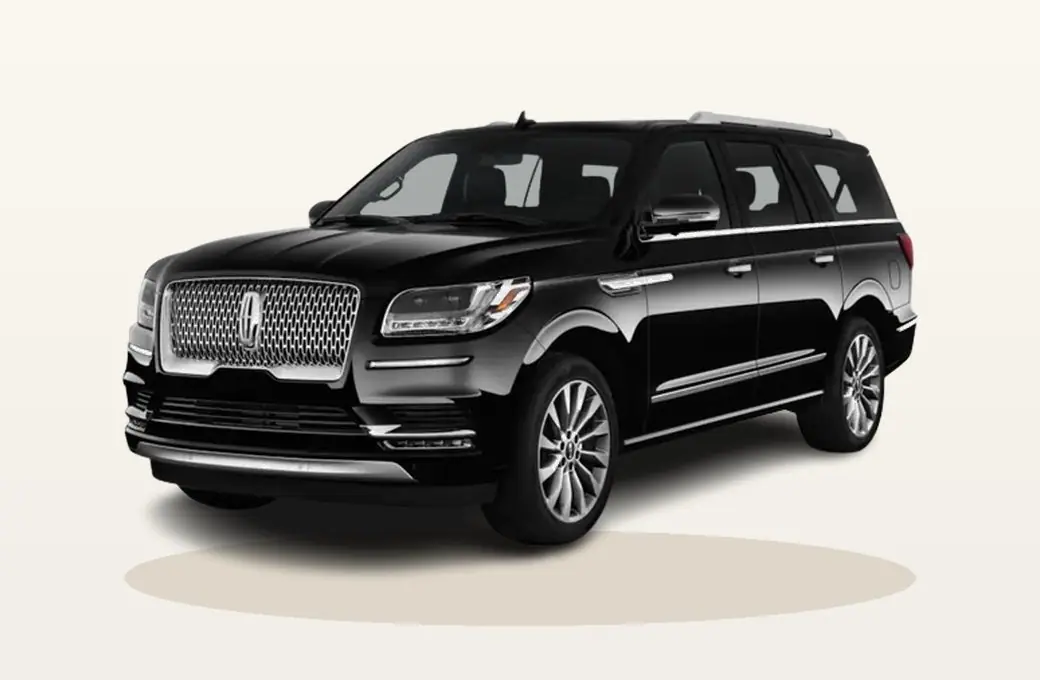
Most heads of post are driven in a first-class sedan (Mercedes-Benz S-Class, BMW 7 Series or Genesis G90) or an SUV First Class (Cadillac Escalade ESV, Lincoln Navigator L or GMC Yukon Denali). Every car is black, unbranded, four model years old or newer and commercially insured. Where a threat assessment calls for it, certified armoured SUVs are supplied through specialist partners; see armoured car service.
| All-in, CAD | Within the city | Out of town (+50%) | 10-hour day |
|---|---|---|---|
| First-class sedan | $285 an hour | $427.50 an hour | $2,850 |
| SUV First Class | $235 an hour | $352.50 an hour | $2,350 |
| SUV Business Class | $185 an hour | $277.50 an hour | $1,850 |
| Business sedan | $155 an hour | $232.50 an hour | $1,550 |
Prices include taxes and a 20% gratuity. Each day includes 150 km; extra kilometres are $8 in a first-class sedan, $4 in an SUV and $3 in a business sedan. Tolls, parking and Wi-Fi are added at actual cost; out-of-town days add the chauffeur's hotel and a flat $100 travel allowance. Yearly contracts hold a monthly block of 40, 80, 120 or 220 hours at these rates for twelve months; a 220-hour first-class sedan month is $62,700. Hours do not roll over.
Consular work beyond the head of post
Consulates general carry a heavy programme of their own: trade promotion visits to companies across the province, community events, visits to nationals in hospital or in custody, and the steady stream of visiting officials from the capital. Each one is a short booking with a specific purpose, and the consulate's administration officer can book them against the same account and cost codes as the head of post's contract, with the same chauffeur standard and the same desk.
Running a delegation
For a delegation the desk appoints one coordinator, who works from the mission's programme and produces a movement plan: which car carries whom, at what time, from which door, with which backup. On the day, the coordinator is reachable at all times, the chauffeurs carry the same printed plan, and changes are pushed to every car at once. After the visit, the mission receives one invoice in CAD, itemised by car and by day, ready to match against the purchase order.
Delegations that arrive by private or state aircraft are met airside or at the FBO where the airport allows it; scheduled arrivals are met at the curb or, on request and where available, inside the terminal.
A year with a head of post
A yearly contract for a head of mission follows the rhythm of the diplomatic calendar. The working week is predictable: the residence in the morning, the chancery, ministries and business calls during the day, and receptions, dinners and cultural events most evenings. The chauffeur learns the residence staff, the security officer, the favoured routes and the entrances each host uses for arriving ambassadors.
Around that routine sit the peaks: the national day reception, when the residence receives hundreds of guests and the chauffeur team is extended for the evening; the arrival of a minister or a parliamentary group; the season's diplomatic events, such as the presentation of credentials, which in Canada takes place at Rideau Hall in Ottawa; and the departures and arrivals at the end of each posting, when a household moves with its luggage, its pets and its children. The account manager plans each of these with the mission's administration officer well in advance.
Spouses, families and staff
Many missions extend the contract to the head of post's family: school runs, medical appointments and weekend travel, usually in a second car on a smaller block. Consular staff on duty, visiting officials and the mission's own guests can be booked against the same account under separate cost codes, so the finance section sees each line clearly. Chauffeurs for family work are chosen for their experience with children and briefed on the household's routines and any security instructions.
Procurement, security and confidentiality
We are used to mission procurement. On request we supply our rate card, certificates of commercial insurance, chauffeur licence and background-check records, and the vendor forms your finance section needs, and we invoice against a purchase order. Every contract includes a non-disclosure agreement covering the whole team; principals can be booked under a code name; schedules are shared only with the assigned chauffeurs and coordinator. In Ontario, our chauffeurs drive within the Highway Traffic Act and the vehicles meet the national safety framework published by Transport Canada. See also government, diplomatic and delegations.
Cancellations
For single bookings and delegation programmes, measured from the first scheduled pickup: more than 72 hours before, no charge; 72 hours or less, 10%; 48 hours or less, 50%; 24 hours or less, or a no-show, 100%. Major summits may carry an earlier deadline, stated on the confirmation.