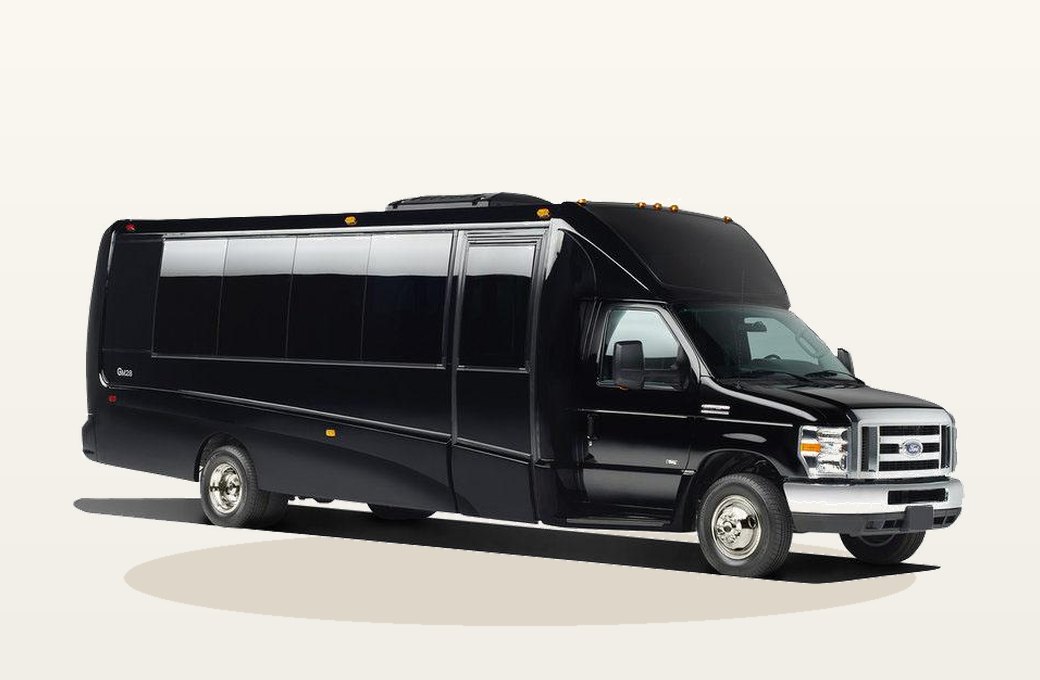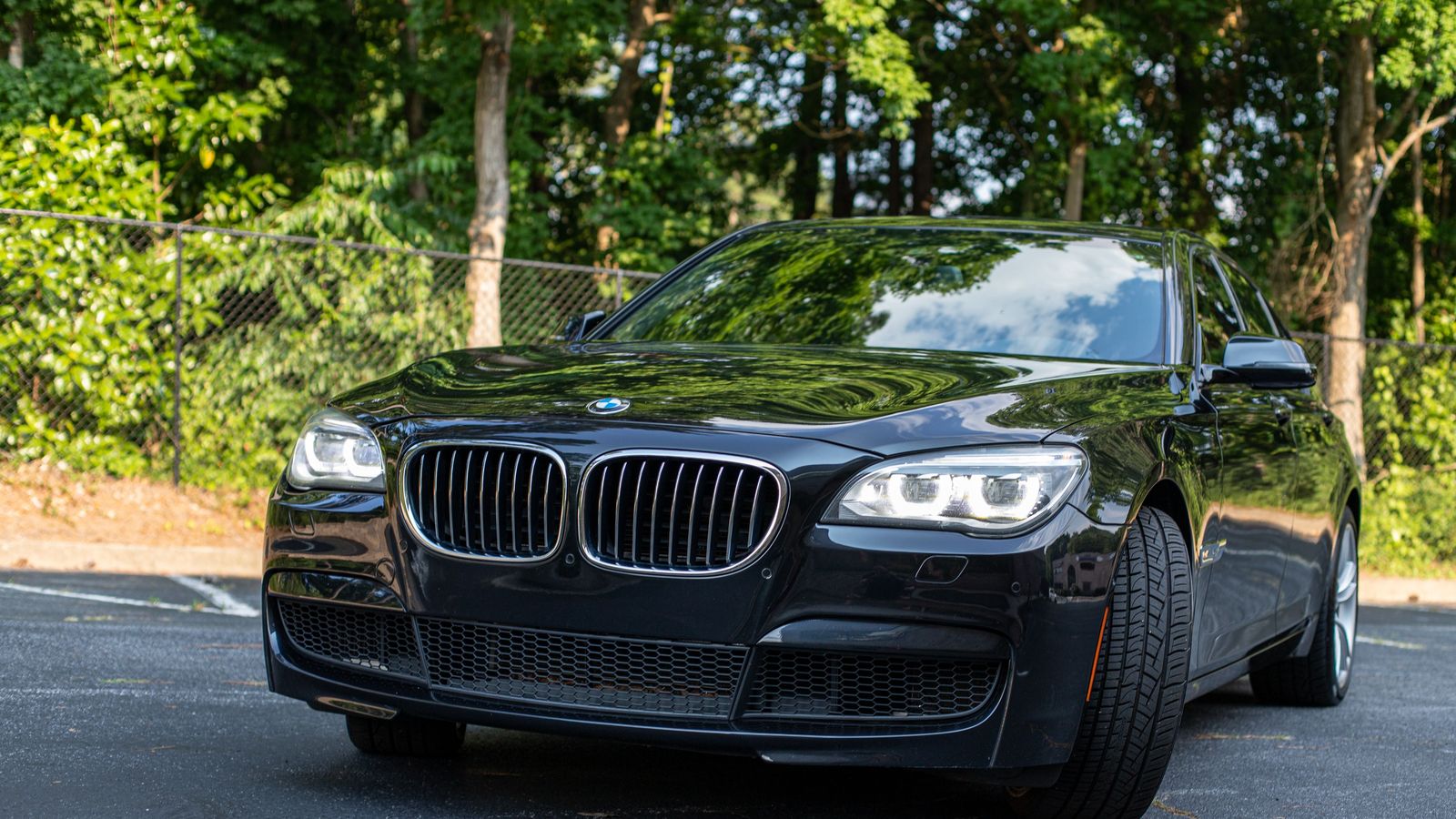









An hourly chauffeur service from BlaakLane.com holds a car and a professional driver for you for a block of hours, rather than for one journey. You book the start time, the pickup address, the vehicle and the number of hours; the reservation engine shows a fixed hourly fare and any minimum for that city before you confirm. The chauffeur then drives wherever you direct, and waits between stops.
What is an hourly chauffeur service?
In the trade it is called as-directed hire. Instead of pricing a single route from A to B, the booking reserves a chauffeur and a vehicle for a period of time. Inside that period the passenger decides the plan: three meetings in different districts, a lunch, a showroom visit, a stop at the hotel to change, a dinner and the drive home. The route can change on the day and the car stays with you.
That makes an hourly chauffeur service the right tool whenever the day has several stops, uncertain timings, or both. A single airport run is better booked as a point-to-point transfer. A day that looks like "airport, office, client, second client, hotel, restaurant" is where hourly hire earns its keep, because you never wait on the street for a car and never pay for a new pickup at every address.
BlaakLane.com offers hourly hire in the 500 cities it serves. In the home dispatch area around Toronto the booking runs from our own desk. In other cities it is driven by a vetted local affiliate from the LimousineWorldwide.Directory network, contracted to the BlaakLane.com written standard, and the written confirmation gives the operator's name and the chauffeur's.
How do I book a chauffeur by the hour?
The booking takes a few minutes in the reservation engine on this page or on the booking page:
- Choose "hourly" as the trip type. The engine switches from a destination field to a duration field.
- Enter the first pickup. A hotel, an office, an airport terminal or a private address.
- Set the start time and the number of hours. The engine shows the minimum for the city and vehicle you pick.
- Pick the vehicle. See the vehicle section below, or compare every class on the fleet page.
- Add notes. The first few stops if you know them, the name of the traveller, dress code, child seats, and anything the chauffeur should prepare.
- Confirm the fixed fare. The figure shown is the figure for the hours booked. There is no meter and no surge.
You do not have to give a full itinerary. A rough plan helps the chauffeur choose parking and approaches, but the point of as-directed hire is that the plan can move. Personal assistants often book the hours in the morning and text the stops to the chauffeur as the day firms up.
What does the hourly rate include?
The hourly fare covers the vehicle and the chauffeur for the whole block you book, whether the car is moving or waiting outside a building. Driving between your stops, waiting at each one and the final drop are all part of the same booking. You are not charged a separate pickup for every address inside the booked hours.
Three things sit outside the booked block and are worth knowing before the day:
- Extra time. If the day runs long, ask the chauffeur or the desk to extend. The additional time is billed and the change is confirmed to you in writing.
- Changes that turn the job into something else, such as a late decision to drive to another city. The desk will re-price that with you before the car leaves.
- Items you ask the chauffeur to buy or pay for on your behalf.
The planning ranges for hourly hire by vehicle class are on the rates page. The engine gives the exact hourly figure for your city, date and car.
Is there a minimum number of hours?
Yes, and it depends on the city and the vehicle class. The engine displays it the moment you choose the car, so there are no surprises at checkout. As a rule of thumb, sedans and SUVs carry the shortest minimums, while the partner fleet (stretch limousines and the Rolls-Royce, Maybach and Bentley class) and coaches carry longer ones, because those vehicles are usually committed for a whole evening or a whole day. Peak dates in a city, for example the weekend of a major festival or trade fair, can carry longer minimums than a quiet Tuesday.
If the minimum is longer than you need, compare it with two point-to-point transfers. For a single dinner with a fixed start and end, two transfers are often better value. For a dinner followed by a second venue at an unknown hour, hourly hire is simpler and usually cheaper than rebooking.
Hourly hire or point-to-point transfers: which is better value?
| Your day looks like | Better booking | Why |
|---|---|---|
| One airport run, straight to the hotel | Point-to-point transfer | A single fixed route; waiting beyond the included time is not needed |
| Dinner with a known start and end, one venue | Two transfers | Nothing to wait for between the drop and the return |
| Three or more meetings in different districts | Hourly | The car waits at each stop and there is no new pickup to arrange |
| A roadshow day of back-to-back investor meetings | Hourly, often a full day | Timings slip, and the next meeting cannot wait for a car |
| Shopping, galleries or viewings with an open finish | Hourly | Bags stay in the car; the route follows the day |
| Gala, premiere or wedding with photographs and speeches | Hourly | The car is kept for the arrival, the evening and the departure |
| A full day of site visits outside the city | Hourly or a planned day trip | Long waits at each site, plus the drive out and back |
When you are unsure, enter both options in the engine. It prices the transfers and the hourly block for the same date, and the cheaper answer is usually obvious. Our private chauffeur hire page explains the other ways to reserve a driver, including multi-day hire.
A typical as-directed day, hour by hour
This is how a six-hour booking tends to run for a visiting executive in a large city. The shape changes from client to client, but the pattern holds:
- 08:15, hotel pickup. The chauffeur is waiting outside at the start time, with the first address already loaded and a plan for where to stop at the kerb.
- 08:45, first meeting. The chauffeur drops at the lobby door and moves the car to a legal holding point nearby, then sends a text with a pickup estimate.
- 10:30, second meeting across town. Laptop bags and a change of clothes stay in the locked car.
- 12:30, lunch. The chauffeur checks traffic for the afternoon and adjusts the route to the next address.
- 14:15, site visit on the edge of the city. The longest leg of the day, often through the heaviest traffic.
- 16:00, return to the hotel, or straight to the airport for an evening flight, with the departure timed against the airline's check-in cut-off.
The same logic works for a family day, a viewing tour of properties or an evening of events: one driver who knows the plan, and a car that is always close.
Which vehicle suits an hourly booking?
Because you spend more time in and around the car on hourly hire than on a transfer, comfort and space matter more. The same nine classes run everywhere in the network:
- Standard Sedan: up to 3 passengers and 3 cases. The default for a single executive moving between meetings.
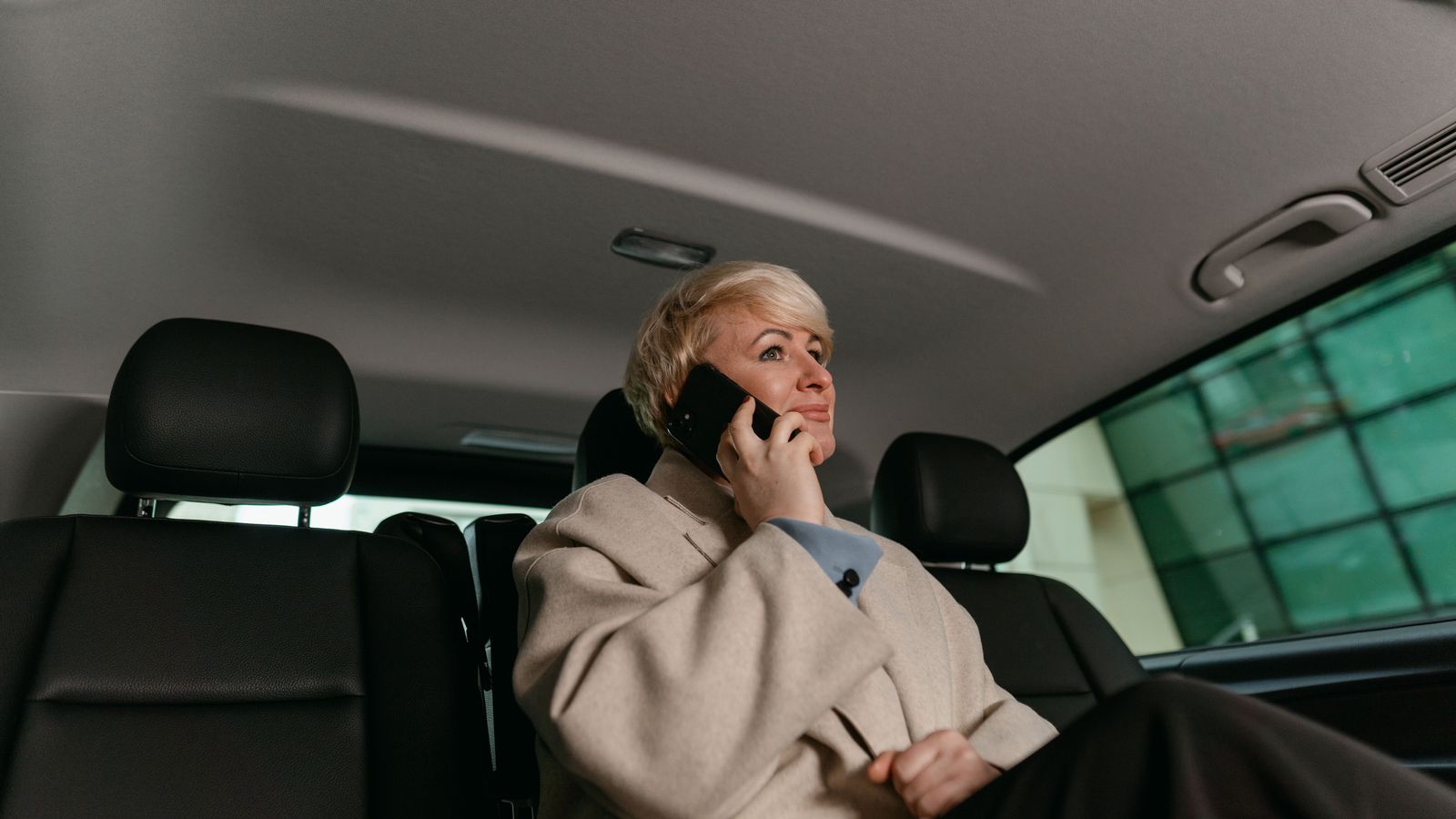
- Luxury Executive Sedan: up to 3 passengers and 2 cases. A quieter rear cabin for calls and reading between stops.
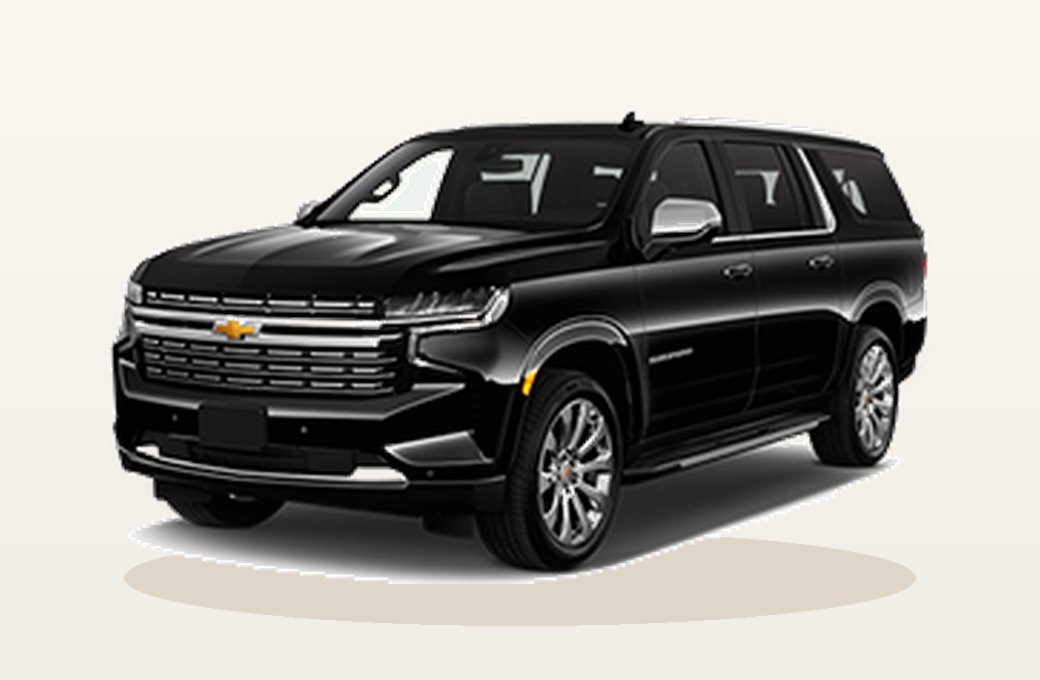
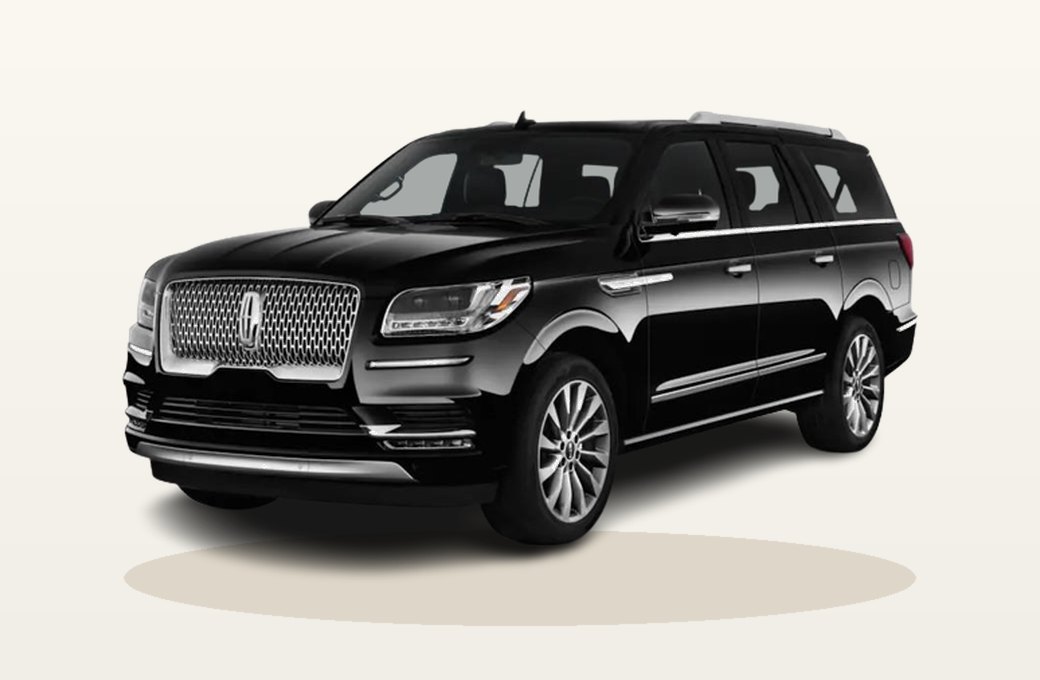
- Executive SUV: up to 6 passengers and 6 cases. For small teams, families with shopping, and anyone who wants a higher seat and more room.
- Standard Black SUV: up to 6 passengers with lounge-style seats and sliding doors, easy to step in and out of many times a day.
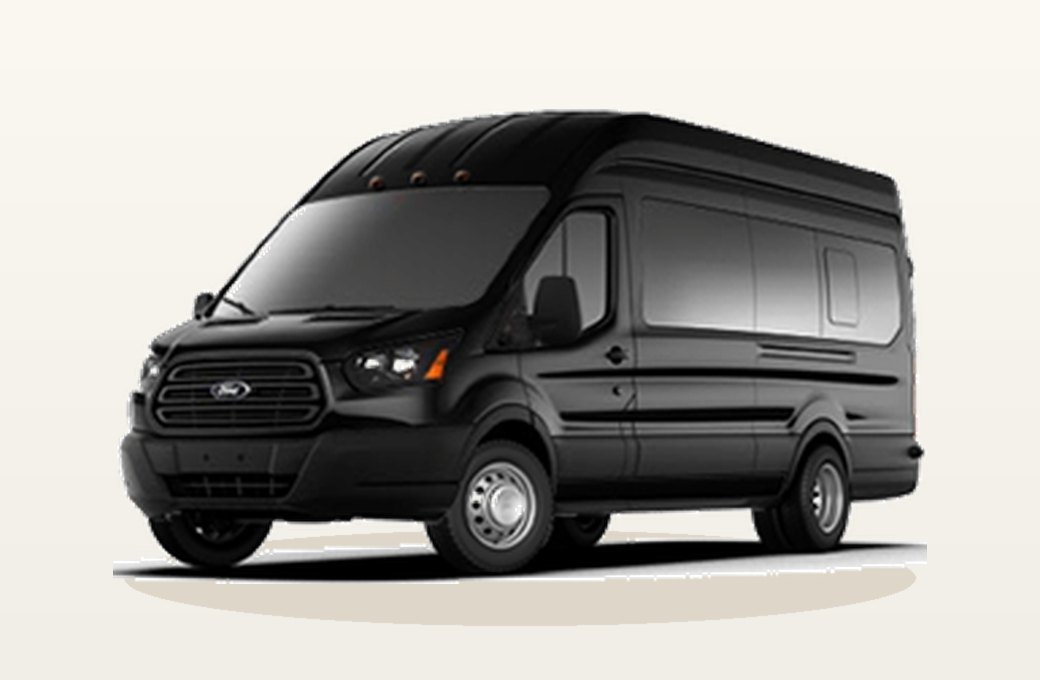
- Sprinter Van: up to 14 passengers, for a roadshow team, a site-visit group or a wedding party.
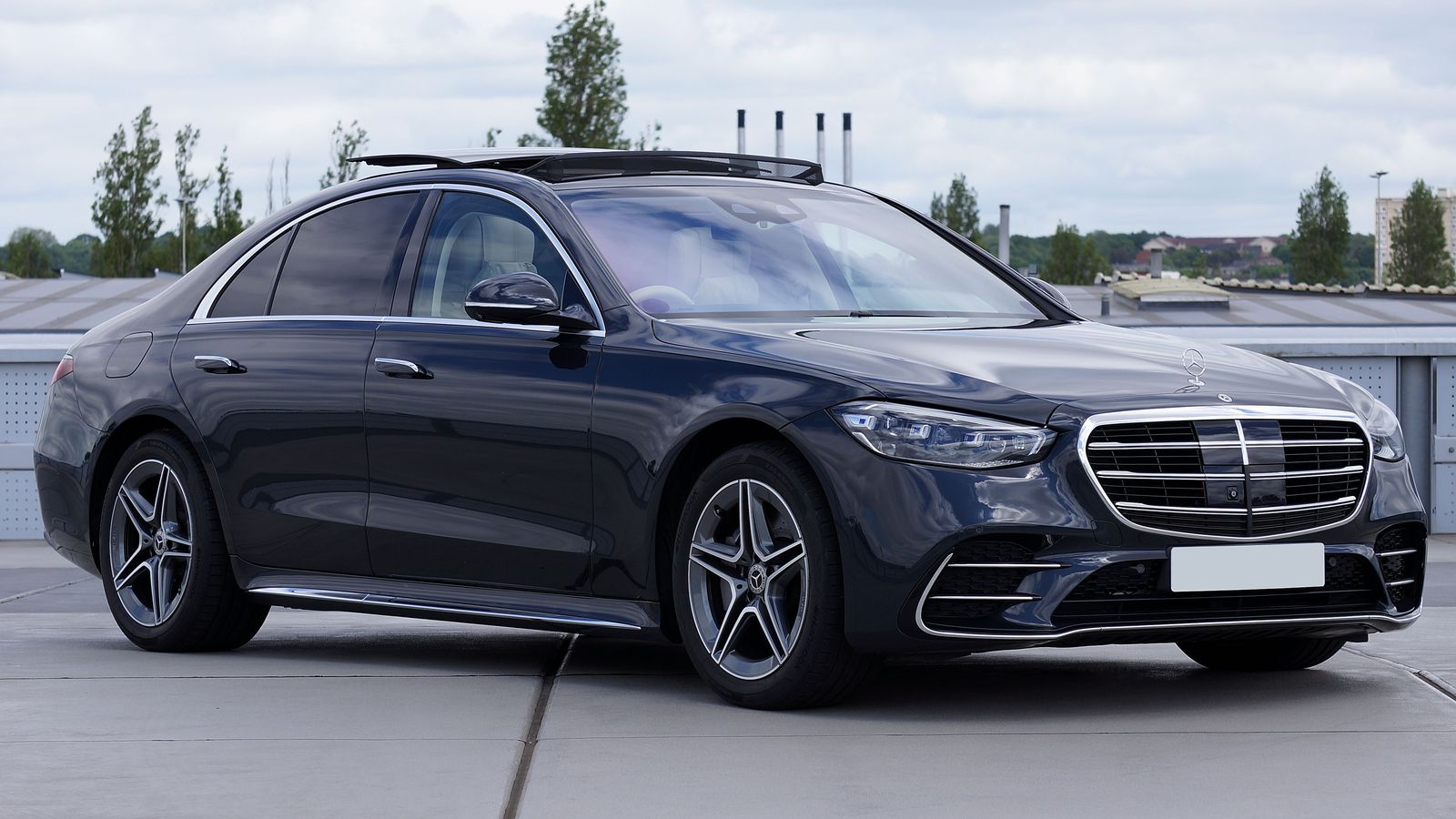
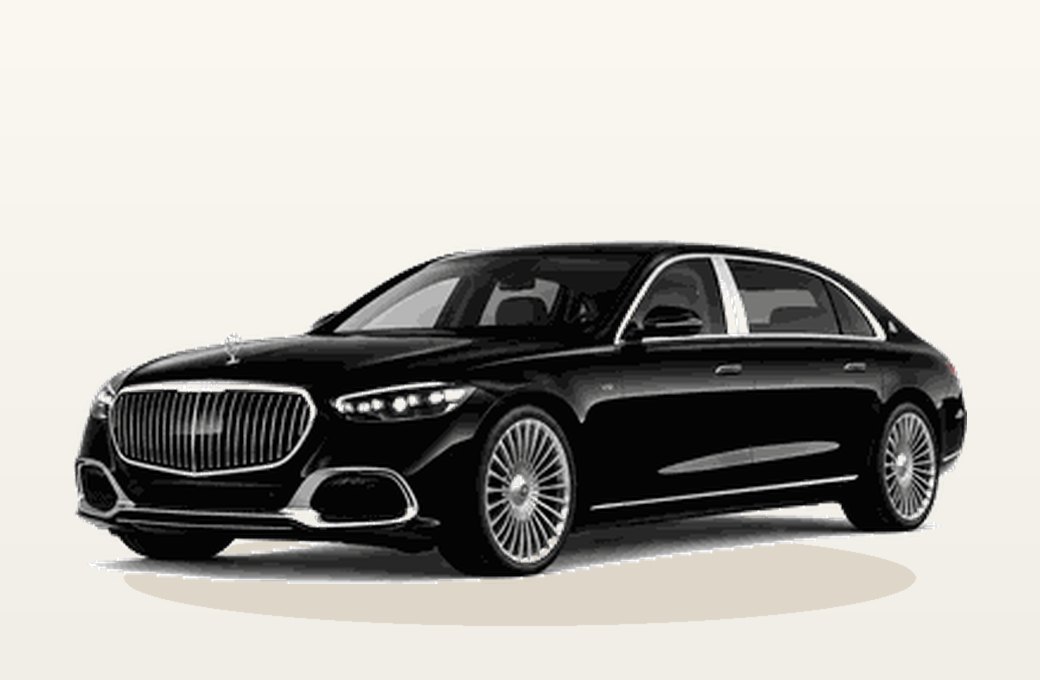
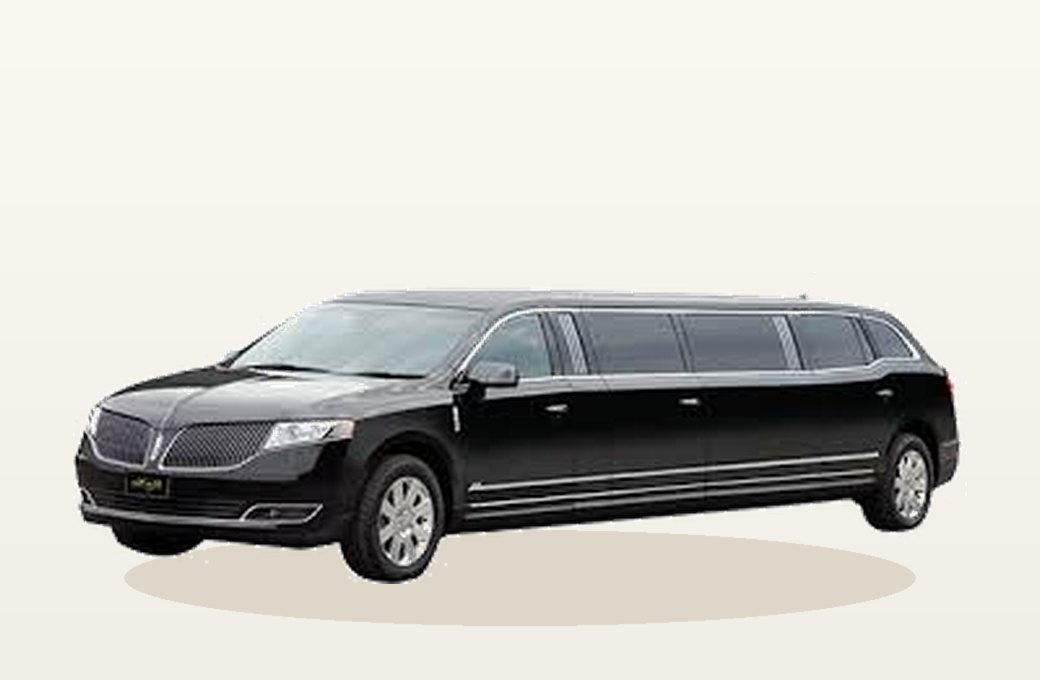
- Stretch limousine and Rolls-Royce, Maybach and Bentley (partner fleet) for occasions where the car is part of the evening.
- Minicoach and motorcoach for conferences and group days; these are planned by a coordinator and confirmed in writing.
- Armoured SUV and sedan (partner fleet), on request and after a risk assessment, for principals who need secure transportation.
Every car in the network is four model years old or younger; only Rolls-Royce, Maybach and Bentley are accepted up to seven.
Where does the car wait between stops?
This is the practical question behind every hourly booking, and the answer is local. In many city centres a car cannot sit at the kerb outside a building for an hour. The chauffeur will drop you at the door and then hold at a legal waiting point, a nearby garage or a quiet side street, and come back when you call or text. On a busy afternoon that return can take a few minutes, so a message as you leave the meeting room works better than one sent from the pavement.
Some local rules shape the day more than others:
- New York City limits vehicle idling to three minutes under city law (one minute next to a school), and Manhattan below 60th Street has had congestion pricing since January 2025. Chauffeurs there often circle or hold in a garage. For-hire vehicles are licensed by the NYC Taxi and Limousine Commission.
- London has the Congestion Charge and the Ultra Low Emission Zone, strict red routes and very little legal kerb space in the City and the West End. Cars wait in car parks or on permitted bays, and traffic drives on the left.
- Paris applies Crit'Air low-emission rules across Greater Paris, and many central streets are closed to through traffic or narrowed for cycle lanes, so the pickup door may be around the corner from the drop door.
- Tokyo has almost no on-street waiting in central wards. Cars use coin car parks and hotel forecourts, and the Shuto Expressway is tolled.
The chauffeur knows these rules and plans the holding points before the day. You only need to say when you are ready.
Hourly chauffeurs for meetings, roadshows and site visits
The most common hourly booking is a working day. A partner visiting three clients, a sales director touring distributors, an auditor between offices, or a founder meeting investors all need a car that is simply there when the meeting ends. The chauffeur keeps the day's documents and devices secure in the car, keeps track of the next address, and can adjust the order of stops if one meeting runs over.
Financial roadshows are the extreme version: many meetings in one day, often in two or three cities in a week, with no slack in the timetable. Roadshows are planned by a coordinator and confirmed in writing, with vehicles and hours agreed per city. See financial roadshows and investor days for how those programmes are built, and executive chauffeur service for single senior travellers.
Hourly hire for events, shopping and evenings out
Evenings are the other big use. A gala dinner followed by a club, a premiere with a red-carpet arrival and an after-party, a concert where the finish time is unknown, or a proposal dinner that should end with a slow drive past the lights: all of these are simpler with a car that stays yours. On event transportation the desk can plan several cars in sequence for a group, and a wedding limousine booking is usually hourly too.
Shopping and leisure days suit hourly hire because the car becomes a moving cloakroom. Bags go in the boot, coats stay on the seat, and the next boutique or gallery is a short drive away. For sightseeing outside the city, our private tours and day trips page covers routes such as wine regions and coastlines, where the chauffeur waits at each stop.
Full-day and multi-day hourly hire in another city
Hourly hire does not have to stop at one afternoon. Full days, and several days in a row, are booked the same way, and in most cities the same chauffeur can be kept for the whole programme when the rota allows. For a week-long visit with daily hours, early departures and evening events, a coordinator plans the programme and confirms the vehicles, the daily hours and the rest periods in writing.
Outside the Toronto area, multi-day work is driven by a vetted local affiliate. You still deal with one desk and one set of confirmations, and a corporate account can put the whole week on one invoice. Programmes that cross borders, for example Geneva to Chamonix or Nice to Monaco, are planned with the operator that holds the right permissions for each side of the border.
How long can a chauffeur drive in one day?
A car and driver held for twelve hours is not the same as twelve hours of driving, but long days still need planning. Local law sets limits in many places. In the European Union, drivers of vehicles with more than nine seats including the driver work under tachograph and driving-time rules, and in the United States larger passenger vehicles in interstate service follow the federal hours-of-service rules published by the Federal Motor Carrier Safety Administration. A tachograph records the hours on those larger vehicles.
For sedans and SUVs the limits come from local licensing and from common sense. If your plan includes a very early start, a late finish and a long drive, tell the desk when you book, so the coordinator can plan the day around safe hours for the chauffeur.
Changing plans on the day
As-directed hire is built for change. You can add stops, drop stops, swap the order and change the final destination at any point inside the booked hours, by telling the chauffeur. If the day needs more time, extend through the chauffeur or the 24/7 desk, and the change is confirmed in writing. If the day ends early, the booked hours still apply, because the car and chauffeur were reserved for them.
Cancelling an hourly booking
The standard cancellation policy applies to hourly bookings exactly as it does to transfers:
- More than 72 hours before the start time: no charge.
- Within 72 hours of the start: 10% of the hourly fare.
- Within 48 hours: 50% of the hourly fare.
- Within 24 hours, or if nobody comes to the car: the full hourly fare.
Tell the desk as early as you can. A change of date is often easier than a cancellation, and in most cities the chauffeur can be rebooked for the new day.
Hourly chauffeur service in six example cities
| City | What shapes an hourly day | Busy dates to book early |
|---|---|---|
| Cannes | Short distances along the Croisette, very tight parking during festivals | Film festival usually in May; Lions festival usually in June |
| Geneva | Compact centre, frequent trips across the border into France | Watch fair usually in spring |
| Tokyo | No on-street waiting, tolled expressways, left-hand traffic | Cherry blossom season, usually late March and April |
| Los Angeles | Long distances between districts, freeway traffic at peak hours | Awards season, usually January to March |
| Frankfurt | Banking district and trade-fair grounds a short drive apart | Major trade fairs through the year |
| Hong Kong | Tunnels between Kowloon and the island, many hotel forecourts | Art fairs usually in March |
Each city has its own guide with airports, districts and local rules: Cannes, Geneva, Tokyo, Los Angeles, Frankfurt and Hong Kong. For a working week of hourly bookings across several countries, open a corporate account.