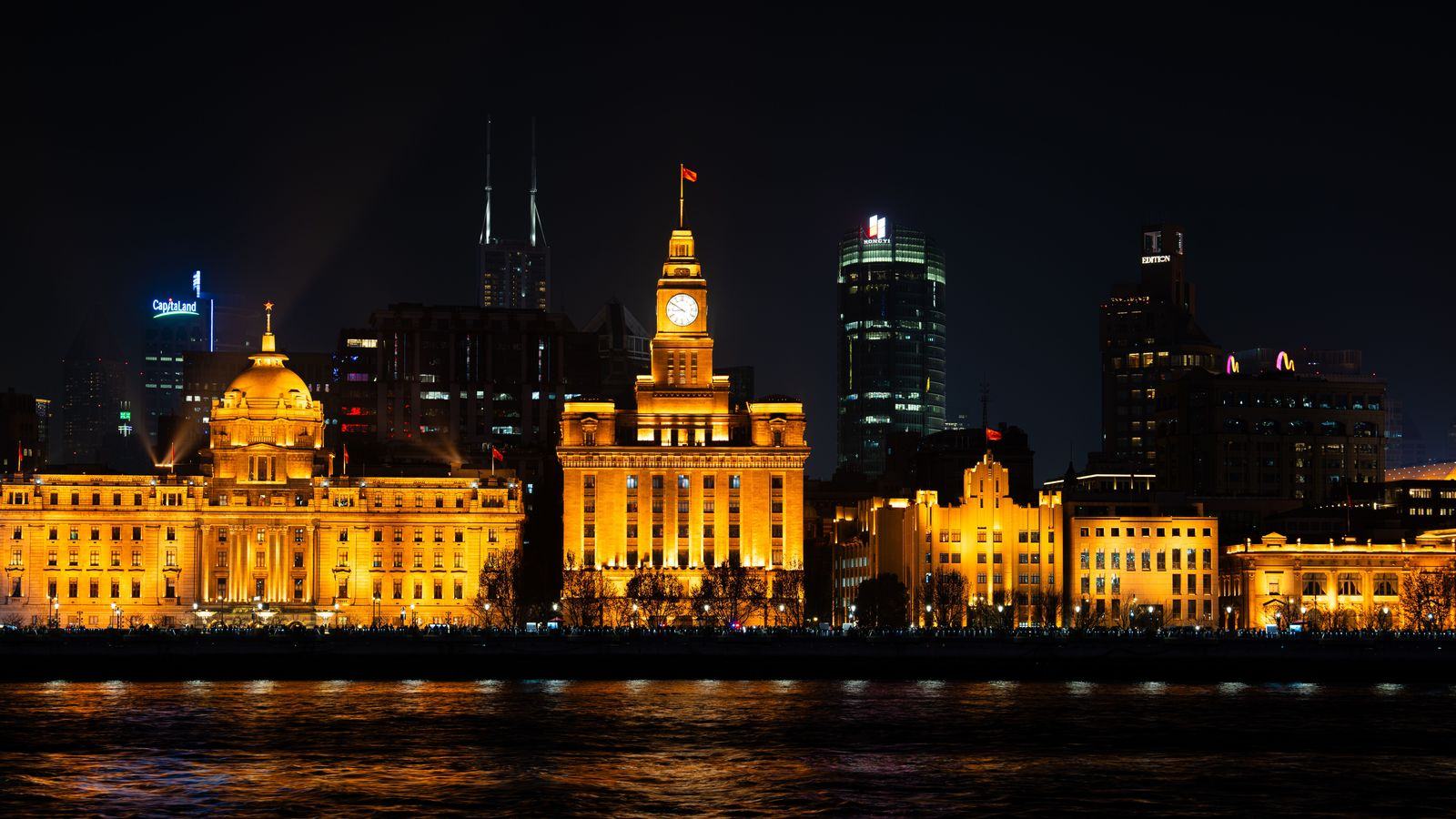





A chauffeur service in Hong Kong through BlaakLane.com is booked online at a fixed fare. You add the flight, address and vehicle, and the price covers waiting within the allowance, with HKIA parking charged at actual cost and added to the booking. Hong Kong International Airport pickups are flight-tracked, and each trip is driven by a vetted, licensed local affiliate named on the confirmation.
The quickest way to book a chauffeur service in Hong Kong
Use the reservation engine here or on book. Enter the pickup, whether Hong Kong International Airport, a hotel in Central, an office in Quarry Bay, the Kai Tak Cruise Terminal or West Kowloon Station, then the destination, date, time and vehicle. The engine shows a single fixed price before you confirm, with no meter and no surge on a wet Friday.
Hong Kong trips are driven by a vetted affiliate from the LimousineWorldwide.Directory network, contracted to the BlaakLane.com written standard, and the confirmation names the operator, the chauffeur and the vehicle. Hire cars in Hong Kong run under the Transport Department's hire car permit system, and our affiliates operate within it. Our reservations desk is in Toronto and works around the clock, which covers Hong Kong's business day and its late-night arrivals from Europe.
If your day runs from a breakfast in Admiralty to a site visit in Kwun Tong and a dinner in Stanley, book hourly chauffeur service and keep the car.
What the fare includes in Hong Kong
- Included waiting: 60 minutes from actual landing on international flights, 30 minutes on domestic flights elsewhere, and 15 minutes on other pickups, then 15-minute blocks.
- Child seats on request, free, in most cities including Hong Kong.
Parking at the airport pickup is not part of the Hong Kong fare; it goes on your booking at actual cost. The rates page shows planning ranges by vehicle class. Cancellation: free more than 72 hours before pickup; 10% at 72 hours or less; 50% at 48 hours or less; 100% at 24 hours or less or for a no-show.
Hong Kong International Airport: terminals and pickup
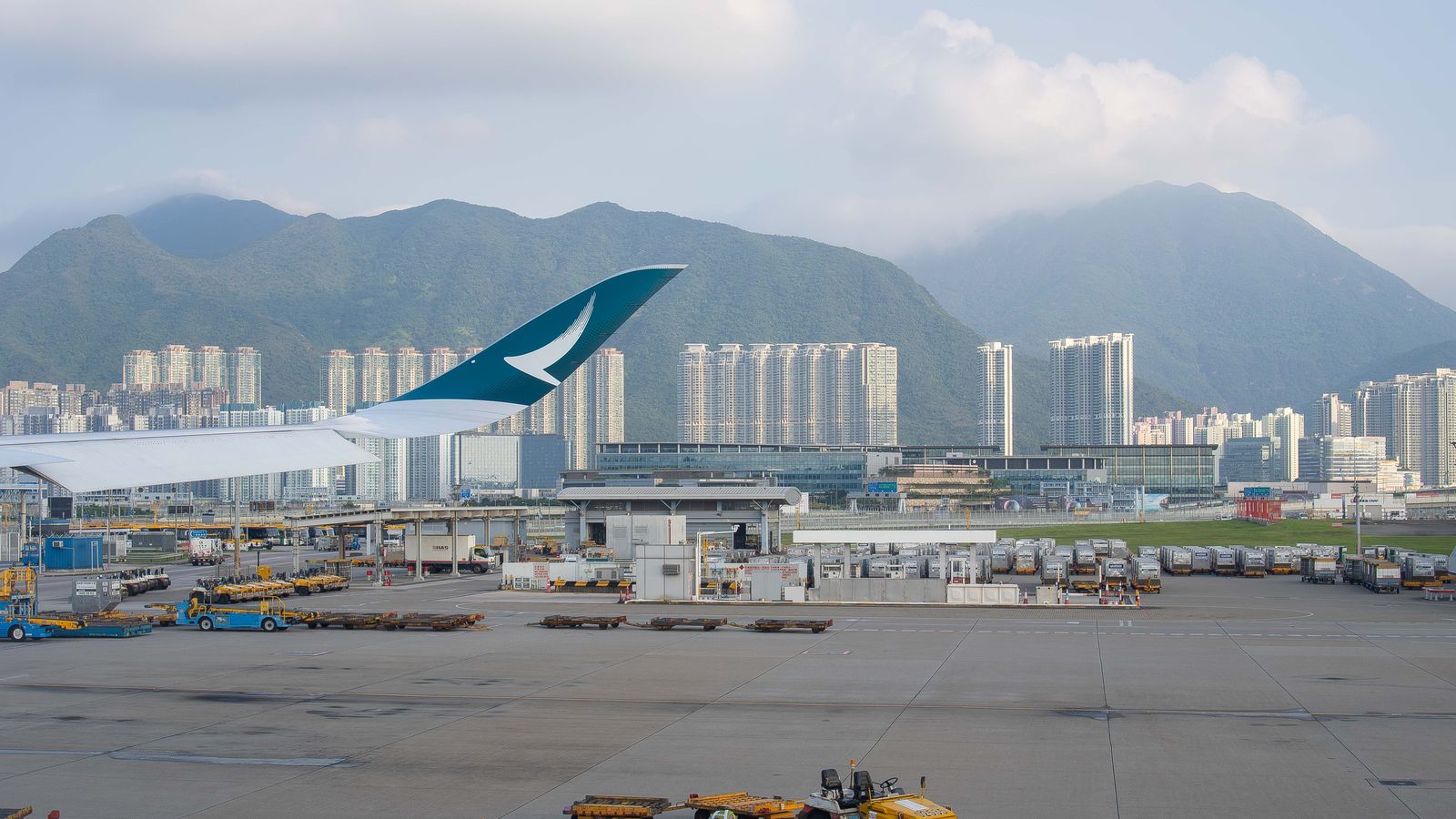
Hong Kong International Airport (HKIA) is on Chek Lap Kok, an island built off Lantau, about 35 km from Central. Terminal 1 handles arrivals for all airlines. The new Terminal 2 departure facilities opened on 27 May 2026, and fifteen airlines, including the home carriers HK Express, Hong Kong Airlines and Greater Bay Airlines, now check in there before an automated people mover takes passengers to Terminal 1 gates. Check your airline before a departure run, because the drop-off terminal differs.
On arrival, the chauffeur meets you at the designated pickup area for pre-arranged cars at Terminal 1, which is the standard service. A name-board meet and greet inside the arrivals hall is an add-on; add-ons are only available in selected locations, and the engine shows whether yours qualifies. The airport authority's site, hongkongairport.com, has live flight and terminal information.
Private jets use the Hong Kong Business Aviation Centre on the airport island, with its own customs and immigration; the car is timed to the aircraft's arrival.
Drive times from HKIA
| Destination | Typical drive | Main route |
|---|---|---|
| Central, Admiralty | 30-45 minutes | Lantau Link, Western Harbour Crossing |
| Tsim Sha Tsui, West Kowloon | 25-40 minutes | North Lantau Highway, West Kowloon Highway |
| Wan Chai, Causeway Bay | 35-50 minutes | Western Harbour Crossing, then Harcourt Road |
| Kowloon East, Kwun Tong | 40-55 minutes | Via Kowloon or Tsing Yi |
| Sha Tin | 35-50 minutes | Tsing Ma Bridge, Tsing Sha Highway |
| Tuen Mun | 20-30 minutes | Tuen Mun-Chek Lap Kok Tunnel |
Crossing the harbour: tunnels, tolls and timing
Hong Kong Island and Kowloon are joined by three road tunnels, and choosing between them is a real part of planning a trip here:
- Cross-Harbour Tunnel, the oldest, from Hung Hom to Causeway Bay. It is the most central and often the busiest.
- Eastern Harbour Crossing, from Kwun Tong area to Quarry Bay, useful for Kowloon East and the eastern side of the island.
- Western Harbour Crossing, from West Kowloon to Sai Ying Pun, the natural choice for airport traffic to Central.
Since December 2023 the three tunnels have used time-varying tolls, with higher charges at peak hours and lower ones late at night, set by the Transport Department. Most tunnels and toll roads now use HKeToll free-flow tolling, so vehicles no longer stop at booths. Our chauffeurs pick the crossing by traffic at the time.
Vehicle choice for Hong Kong roads
Streets on Hong Kong Island are steep, narrow and full of trams and minibuses, and many hotels have tight forecourts. From the fleet:
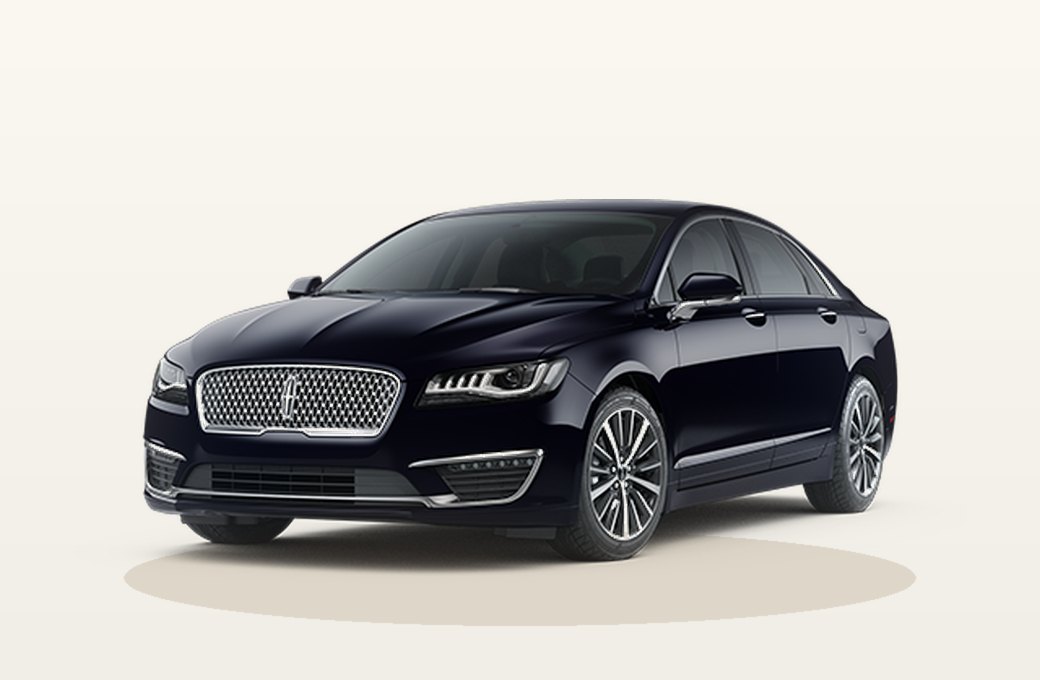
- Standard Sedan: one or two travellers, the easiest car to stage in Central.
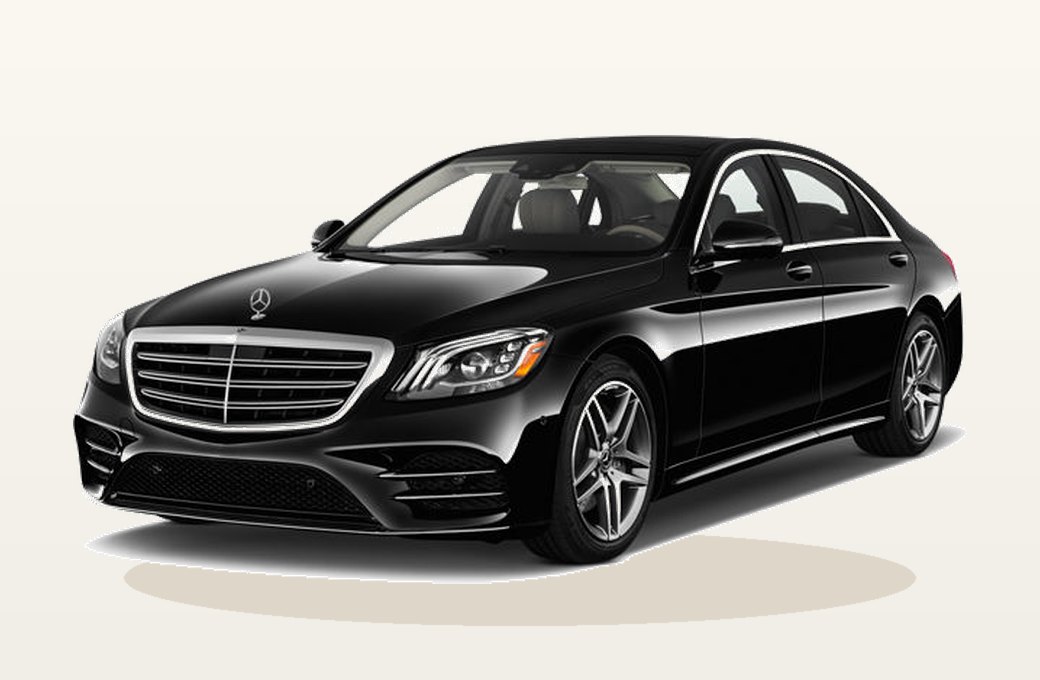
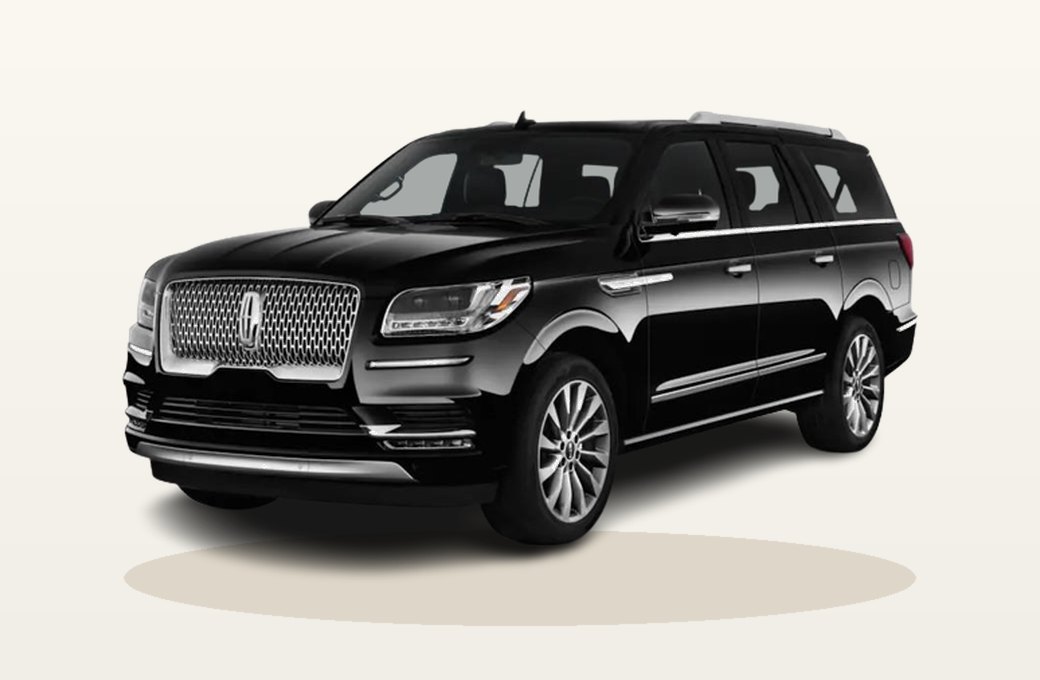
- Luxury Executive Sedan: senior executives and visiting board members.
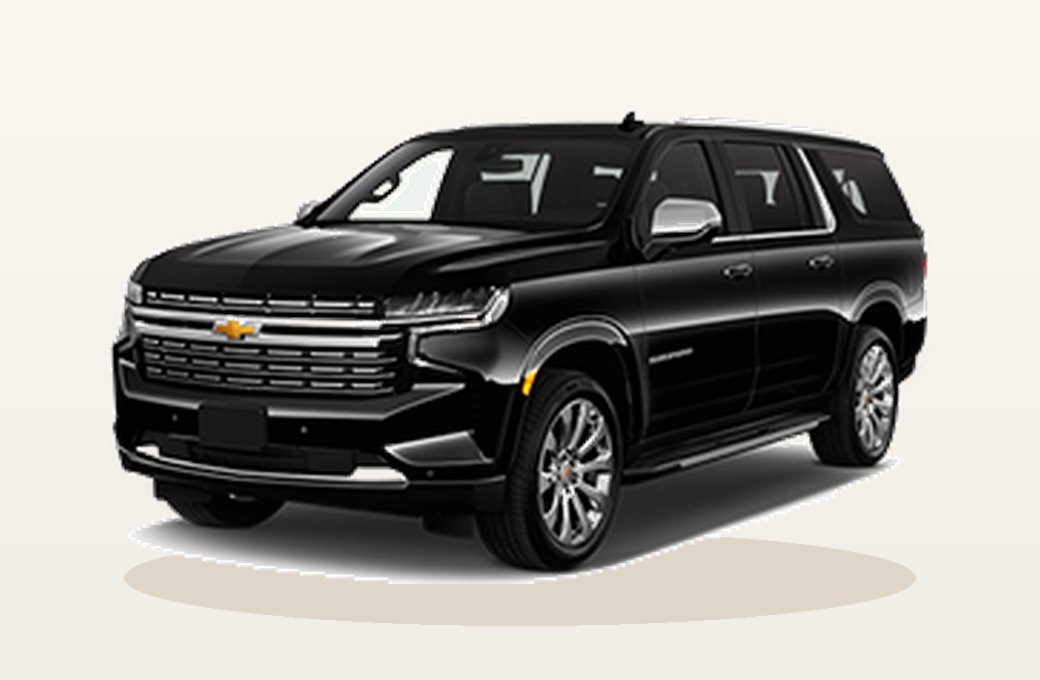
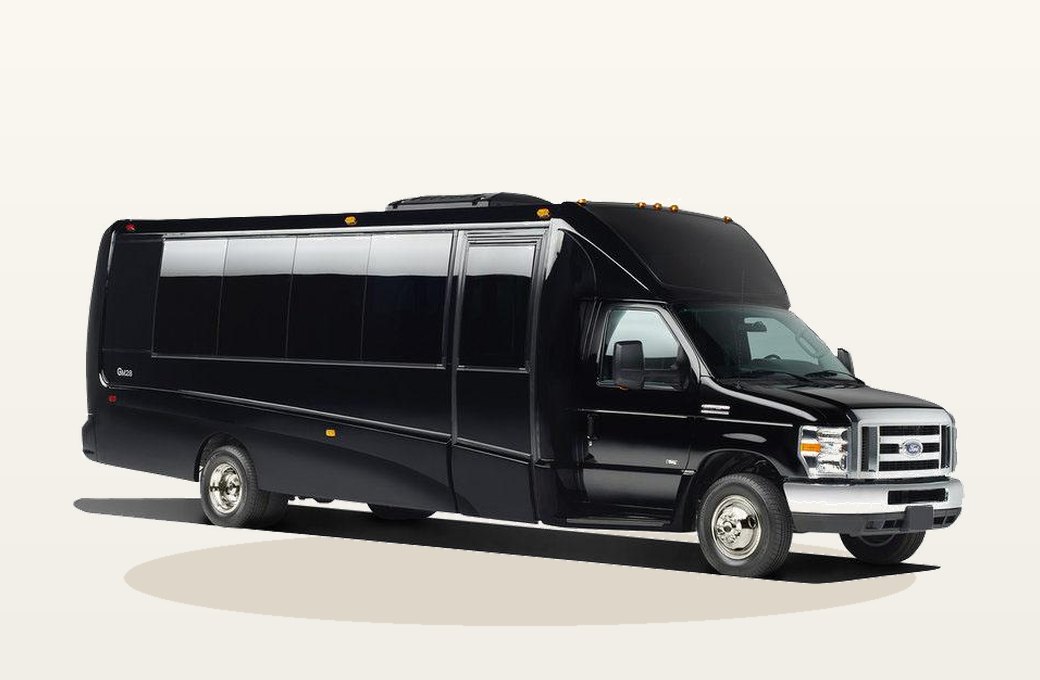
- Executive SUV or Standard Black SUV: families and heavy luggage; seven-seat vans are very common in Hong Kong.
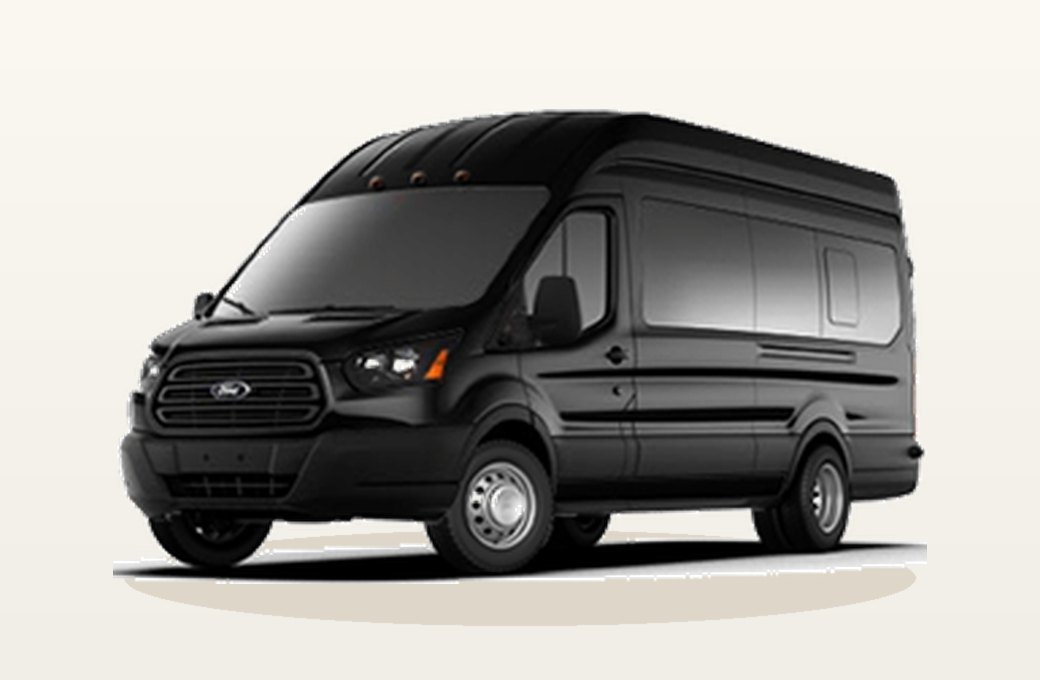
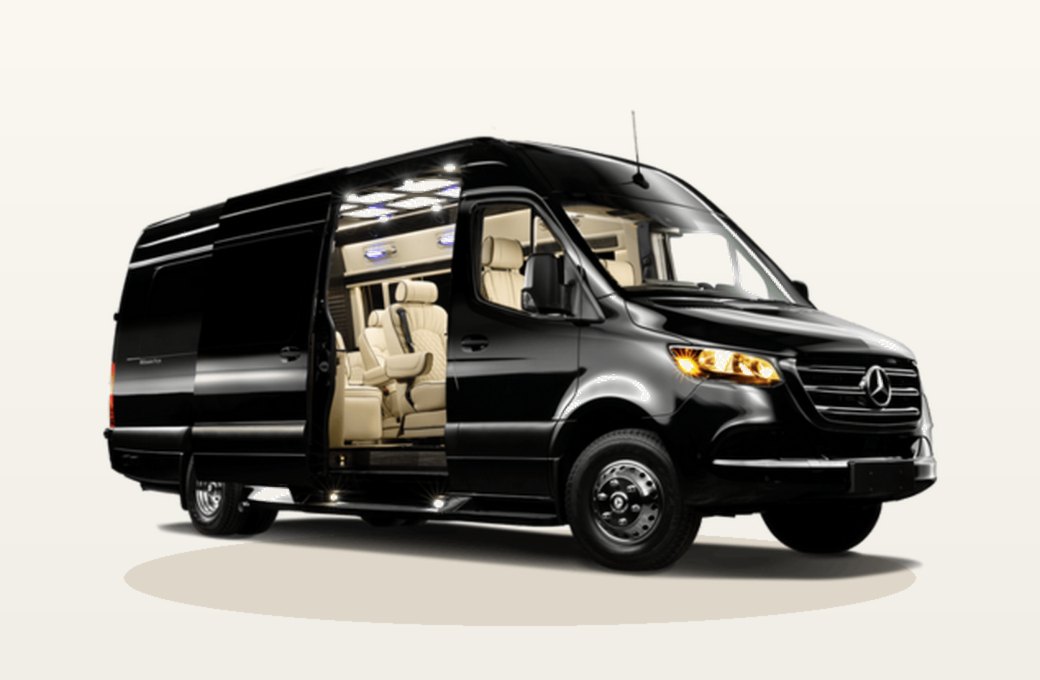
- Sprinter Van, minicoach or motorcoach: conference groups to the convention centre or AsiaWorld-Expo, planned by a coordinator and confirmed in writing.
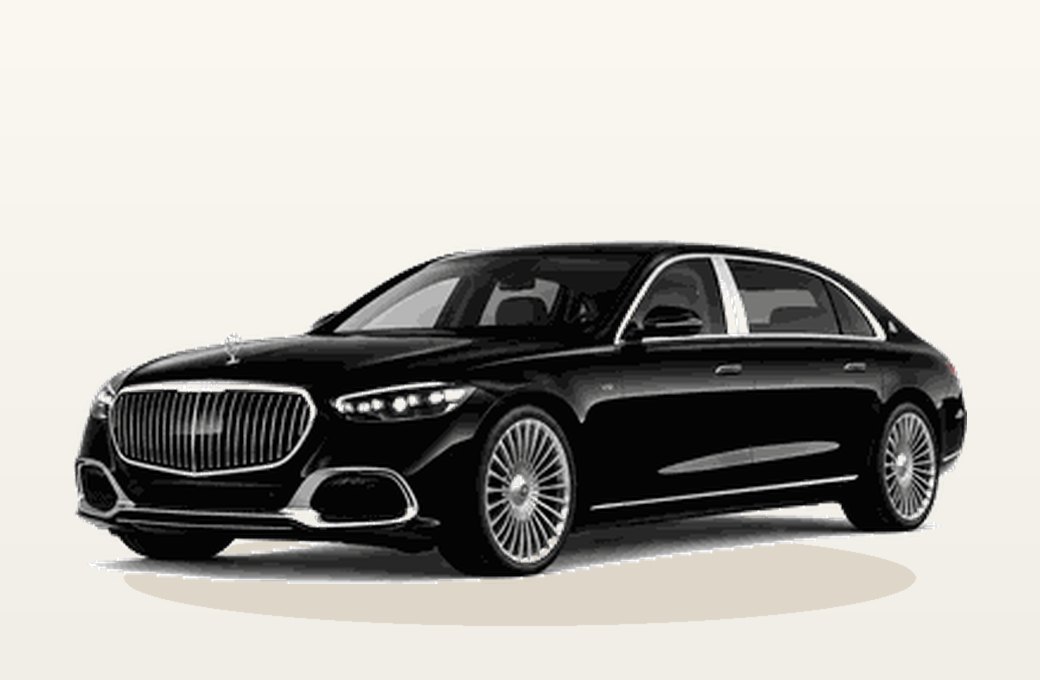
- Rolls-Royce, Maybach or Bentley (partner): weddings, often with photographs at the Peak or on the waterfront.
- Armoured SUV or sedan (partner): on request, only after a risk assessment. See secure transportation.
Each affiliate vehicle is four model years old or younger, except Rolls-Royce, Maybach and Bentley, which are accepted up to seven.
Cross-boundary trips: Shenzhen, Guangdong and Macau
Hong Kong and mainland China have separate road systems, border controls and number plates, so a car cannot simply drive across. A private vehicle needs both Hong Kong and Guangdong registration, a closed-road permit and a cross-boundary quota, and the chauffeur needs mainland authorisation too. Recent schemes have widened access: Northbound Travel for Hong Kong Vehicles lets eligible Hong Kong cars enter Guangdong via the bridge without a regular quota, and Southbound Travel for Guangdong Vehicles admits up to 100 eligible Guangdong cars a day into Hong Kong. Those schemes are for private owners, not for hire cars, so they do not change how a chauffeured cross-boundary trip is arranged.
Because of this, every trip across the boundary is planned by a coordinator and confirmed in writing: either a dual-plated vehicle holding the right permits drives you through, or a Hong Kong car takes you to the control point and a mainland car meets you on the other side.
The Hong Kong-Zhuhai-Macau Bridge
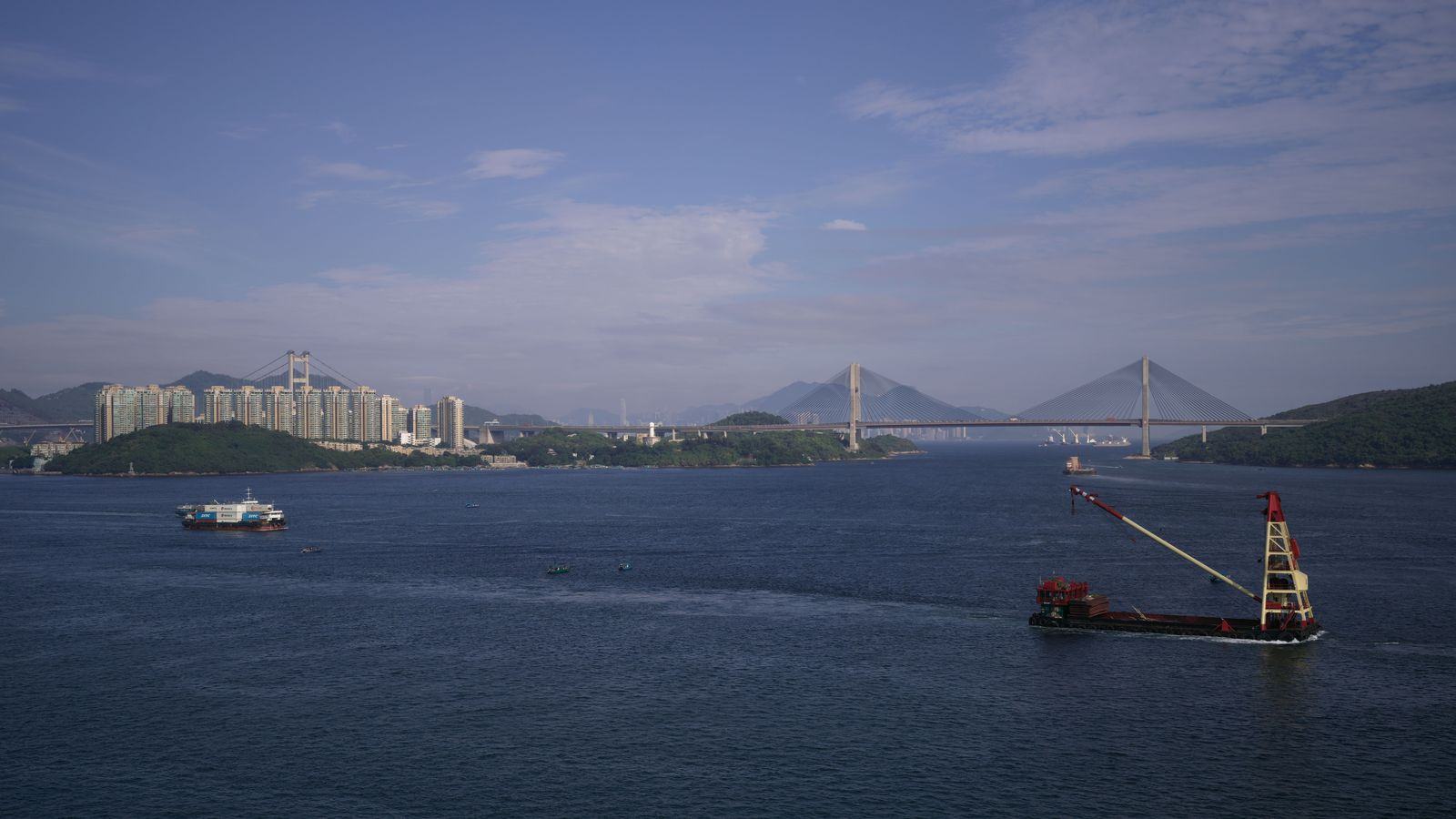
The bridge, opened in 2018, links the Hong Kong Port on an artificial island next to the airport with Zhuhai and Macau. The main crossing is about 55 km, much of it over sea, with an undersea tunnel section. Cars going on to Macau's city centre need a Macau quota; many travellers instead take a car to the Hong Kong Port and use the 24-hour bridge shuttle bus. The Hong Kong-Zhuhai-Macao Bridge Authority's site sets out the rules. See Macau for the car on that side.
Land crossings to Shenzhen
Shenzhen Bay Port, Huanggang and Heung Yuen Wai are the main vehicle control points to Shenzhen. Depending on queues, a trip from Central to Futian or Nanshan takes one to two hours. For Guangzhou, about 140 km, a through car takes about 2.5 to 4 hours.
West Kowloon Station and the high-speed rail
Often the train is faster. West Kowloon Station is the Hong Kong terminus of the Guangzhou-Shenzhen-Hong Kong Express Rail Link, with mainland immigration inside the station under the co-location arrangement. Trains reach Shenzhen Futian in under 20 minutes and Guangzhou South in about 50. We drop you at the station's drop-off level and can have a car waiting at the mainland end. West Kowloon and the bridge are also among the entry ports for China's 240-hour visa-free transit.
Kai Tak Cruise Terminal and Ocean Terminal
The Kai Tak Cruise Terminal is on the old airport runway in Kowloon East, about 40-55 minutes from HKIA and 20-30 minutes from Central. It takes the largest ships. Smaller ships may berth at Ocean Terminal in Tsim Sha Tsui. Tell us the ship and terminal and we plan around the embarkation window; see cruise lines and ports.
Where the chauffeurs take you
- Central and Admiralty: banks, law firms, the government offices.
- Wan Chai and Causeway Bay: the Hong Kong Convention and Exhibition Centre and retail.
- Quarry Bay and Kowloon East: newer office districts.
- Tsim Sha Tsui and West Kowloon: hotels, M+ and the West Kowloon Cultural District.
- Southside: Repulse Bay, Stanley and the residential bays.
Hotels include The Peninsula, Mandarin Oriental, Four Seasons, Rosewood Hong Kong, The Ritz-Carlton in the ICC tower and The Upper House, as places only. Venues beyond the HKCEC include AsiaWorld-Expo next to the airport and Kai Tak Sports Park, whose stadium opened in 2025. See event transportation.
Pickups at hotels, towers and homes
Hong Kong buildings are tall and entrances are not always on the street you expect. Many office towers in Central and Admiralty, such as those around Exchange Square and Pacific Place, have their vehicle drop-off on a podium or basement level reached from a different road from the pedestrian lobby. Tell us the building and, if you know it, the car entrance, and the chauffeur will be waiting where you come out.
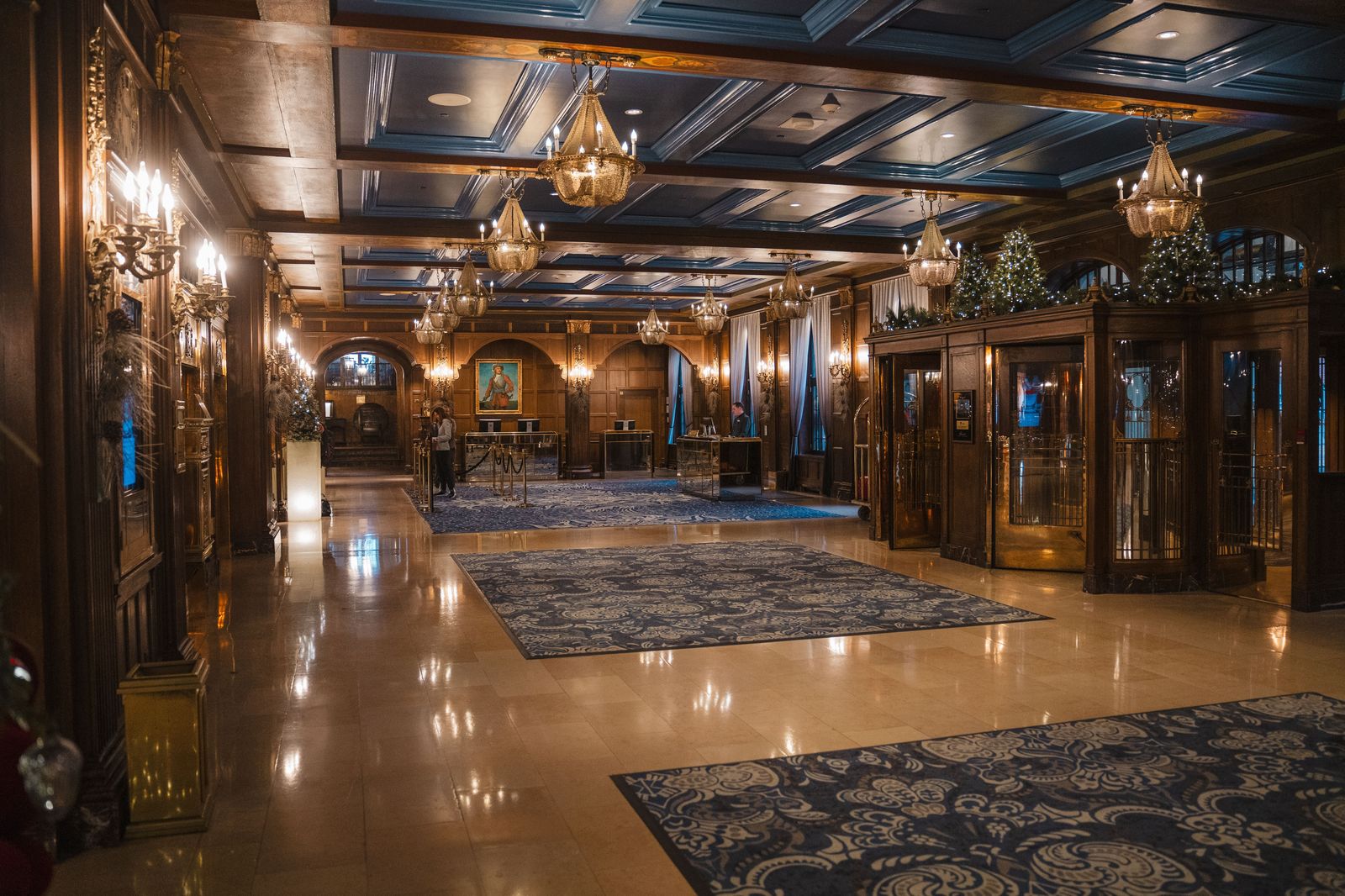
Hotels are easier: nearly all have a forecourt with doormen who call hire cars forward. On Hong Kong Island's Mid-Levels and the Peak, residential roads are steep and narrow with few places to stop, so the chauffeur arrives at the agreed time and messages as they approach. In the New Territories and on Lantau, some village houses are reached only by narrow access roads; the pickup point is then the nearest road the car can safely use, agreed in the booking notes. On a typhoon warning day, the desk will contact you about timing if conditions change.
Seasons, festivals and typhoons
- January or February: Chinese New Year, with fireworks over the harbour.
- March: Art Basel Hong Kong, usually at the HKCEC.
- March or April: the Hong Kong Sevens, now at Kai Tak Stadium.
- April and October: the large spring and autumn trade fairs at the HKCEC and AsiaWorld-Expo.
- May to October: typhoon season. When Signal No. 8 or higher is raised, public transport scales back and many roads empty; trips may be rescheduled for safety.
Check Discover Hong Kong for dates.
Driving side, traffic and local rules
Hong Kong drives on the left, like the United Kingdom, while mainland China, just across the boundary, drives on the right. Traffic is densest in Central, Causeway Bay and Mong Kok and on the harbour crossings from 8am to 10am and 5pm to 8pm. Stopping is restricted on most main roads, so pickups use hotel forecourts, building lay-bys and designated loading points.
Entry notes for arrivals
Hong Kong runs its own immigration system, separate from the mainland. Many nationalities can visit visa-free for periods from 7 to 180 days, depending on passport; check the Immigration Department. A Hong Kong entry does not allow travel into the mainland: you need a Chinese visa, the 30-day unilateral visa exemption if your nationality qualifies, or the 240-hour visa-free transit with an onward ticket to a third country.
Corporate and crew work
Banks, law firms and family offices use corporate accounts for monthly invoicing, cost centres and duty-of-care trip data, with a named coordinator. Common trip types include financial roadshows, HNWI and family office movements and airline crews on layover at HKIA. Regional links: Singapore, Shanghai, Macau and the Hong Kong country page.