







A chauffeur service in Tokyo with BlaakLane.com is booked online at one fixed fare. You enter the flight or train, the address and the vehicle; the price already covers the included waiting time. Haneda and Narita pickups are flight-tracked, and each trip is driven by a vetted local hire-car affiliate named on your confirmation.
Booking a chauffeur service in Tokyo, step by step
Use the reservation engine on this page, or open book. Choose the pickup (a Haneda or Narita terminal, a hotel, an office in Otemachi, a platform exit at Tokyo Station), the destination, the date and time, then the vehicle. The engine shows the fare for that exact trip before you confirm. Nothing is metered, and the price does not climb because it is raining in Shibuya on a Friday night.
The reservations desk is in Toronto and works 24/7, which suits the time difference: a traveller in New York can book a 7am Haneda pickup during their afternoon. Tokyo trips are driven by a vetted affiliate from the LimousineWorldwide.Directory network, contracted to the BlaakLane.com written standard; the confirmation names the operator, the chauffeur and the vehicle. In Japan, chauffeured cars for hire run under a licensed hire-car (haiya) operator and carry green commercial number plates, so you can recognise a properly licensed car at the curb.
For a full day of client visits between Marunouchi, Toranomon and Shinagawa, hourly chauffeur service is usually simpler than chaining single trips. The car stays with you, and the chauffeur knows where each building allows a vehicle to stop.
What the Tokyo fare covers
Tokyo is compact on a map but expensive to cross by road, because most fast routes use tolled expressways. The fixed fare you accept includes:
- Included waiting: 60 minutes from actual landing on international arrivals, 30 minutes on domestic flights, and 15 minutes on hotel, office and station pickups, then 15-minute blocks.
- Child seats on request, free, in most cities including Tokyo.
Airport parking at Haneda or Narita is not part of that price; it is charged at actual cost and added to the booking. Planning ranges by vehicle class are on the rates page; the exact figure always comes from the engine. Cancellation is the same everywhere: more than 72 hours before pickup costs nothing, 72 hours or less is 10%, 48 hours or less is 50%, and 24 hours or less or a no-show is 100%.
Haneda or Narita: which airport, and how long to the city?
Tokyo has two international airports, and the choice changes the drive more than any other factor.
| Haneda (HND) | Narita (NRT) | |
|---|---|---|
| Location | Ota ward, on Tokyo Bay | Narita city, Chiba prefecture |
| Distance to Tokyo Station | about 20 km | about 65-70 km |
| Typical drive to Marunouchi | 25-45 minutes | 60-90 minutes, longer at peak |
| Main road | Shuto Expressway (Haneda and Wangan routes) | Higashi-Kanto Expressway, then Shuto |
| Terminals | T1, T2, T3 (international) | T1, T2, T3 |
Haneda terminals and pickup
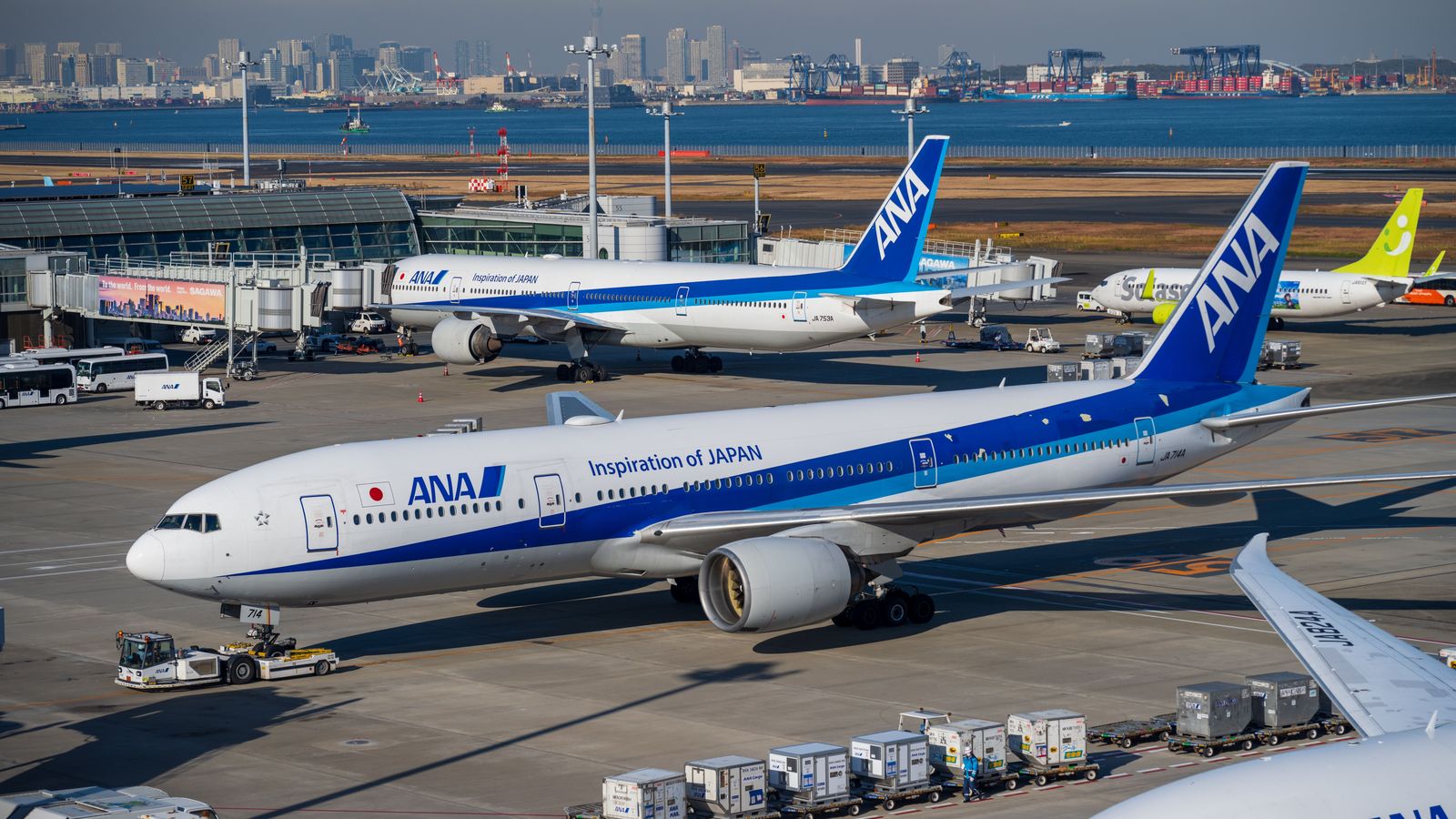
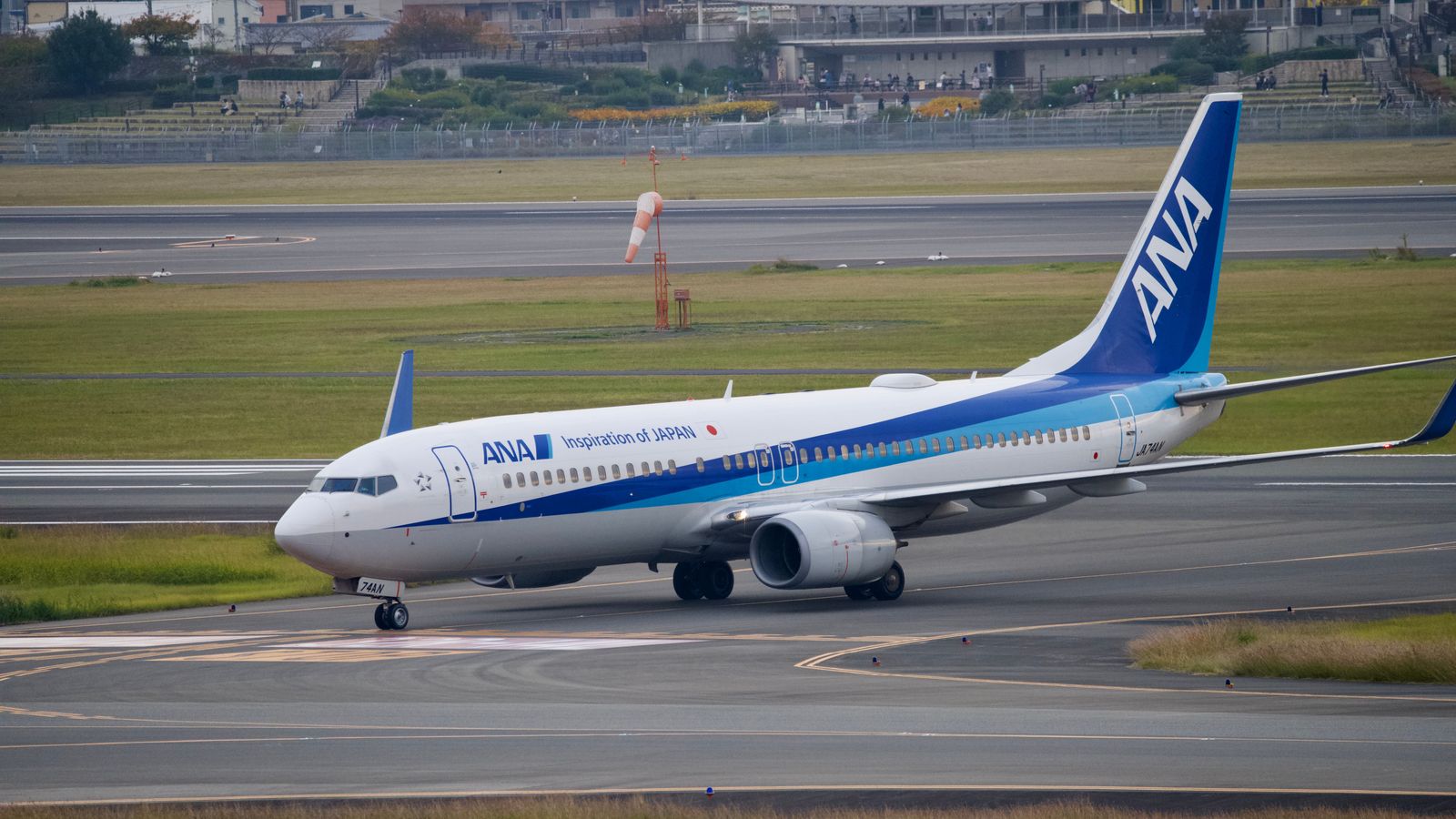
Haneda has three terminals. Terminal 3 handles most international flights. Terminal 1 is mainly Japan Airlines and partner domestic flights, and Terminal 2 is mainly ANA domestic, with some ANA international departures and arrivals. The chauffeur meets you at the designated pickup area for pre-arranged cars on the arrivals level, which is standard on every booking. A name-board meet and greet inside the arrivals hall is an add-on; add-ons are only available in selected locations, and the engine shows whether it can be added. See meet and greet for how it works.
Narita terminals and pickup
Narita is further out. Terminal 1 serves Star Alliance and SkyTeam carriers, Terminal 2 is mainly oneworld airlines including JAL, and Terminal 3 is the low-cost terminal, reached on foot or by shuttle from Terminal 2. Because the drive to central Tokyo can run past 90 minutes in the evening peak, we time the chauffeur to your actual landing and plan the route with the expressway traffic of that hour in mind.
Private jets use Haneda's business aviation facilities; the Haneda FBO page covers how the ramp handover and customs work there, and private airport transfer explains the service.
Tokyo Station, Shinagawa and Shinkansen pickups
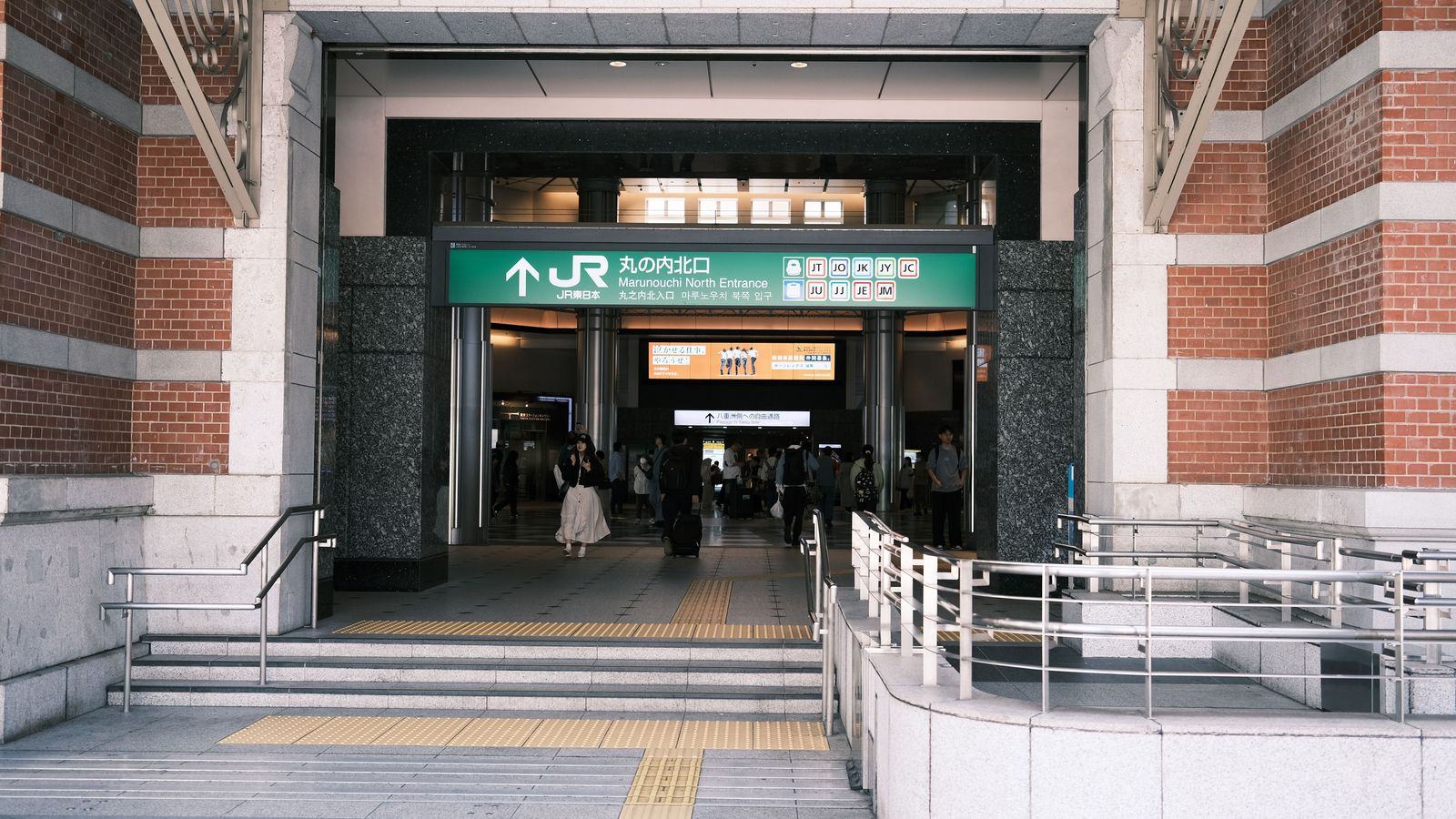
A large share of Tokyo trips start or end at a railway station. Tokyo Station has two faces: the restored red-brick Marunouchi side, facing the Imperial Palace and the office towers, and the Yaesu side, where most Shinkansen ticket gates and the new Grand Roof entrance are. Tokaido Shinkansen trains to Nagoya, Kyoto and Shin-Osaka leave from the Yaesu side; the Tohoku, Joetsu and Hokuriku lines to Sendai, Niigata and Kanazawa are run by JR East from the same building. We ask which exit you want so the car waits on the correct side, since walking between them with luggage takes 10 minutes or more.
Shinagawa Station is also a Tokaido Shinkansen stop and is closer to Haneda, which makes it the easier handover for travellers who land and then continue west. A Nozomi reaches Kyoto in about 2 hours 15 minutes, which is often faster than any road option. If you are continuing by car instead, see Kyoto and Osaka.
Which vehicle works best in Tokyo?
Japanese city streets are narrow outside the main avenues, and hotel forecourts in Ginza and Akasaka are small. From the fleet:
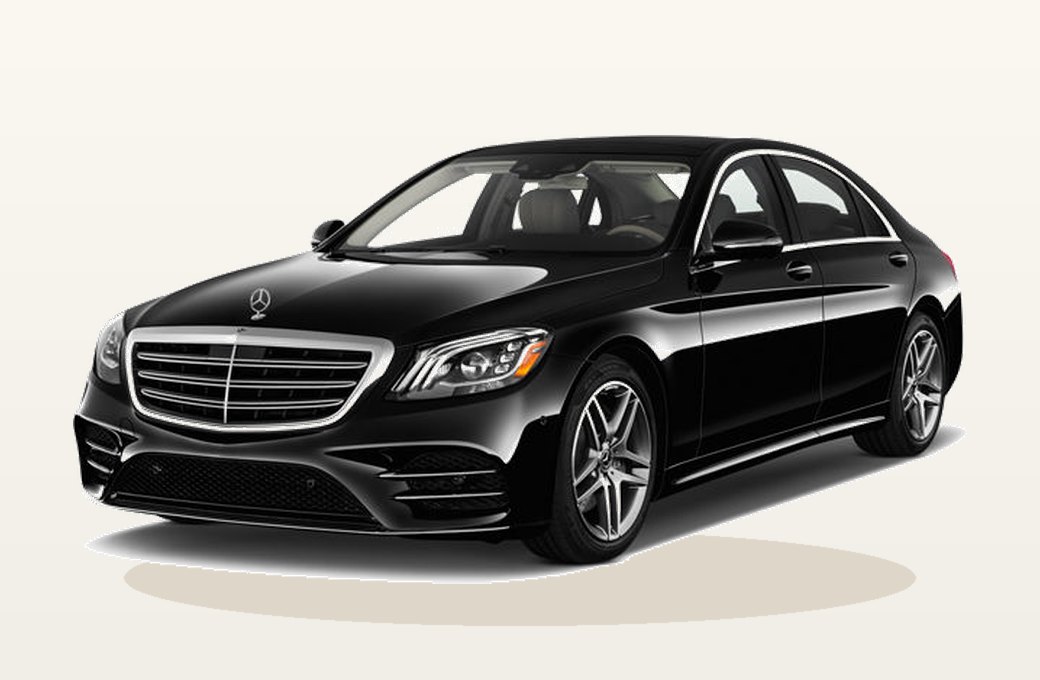
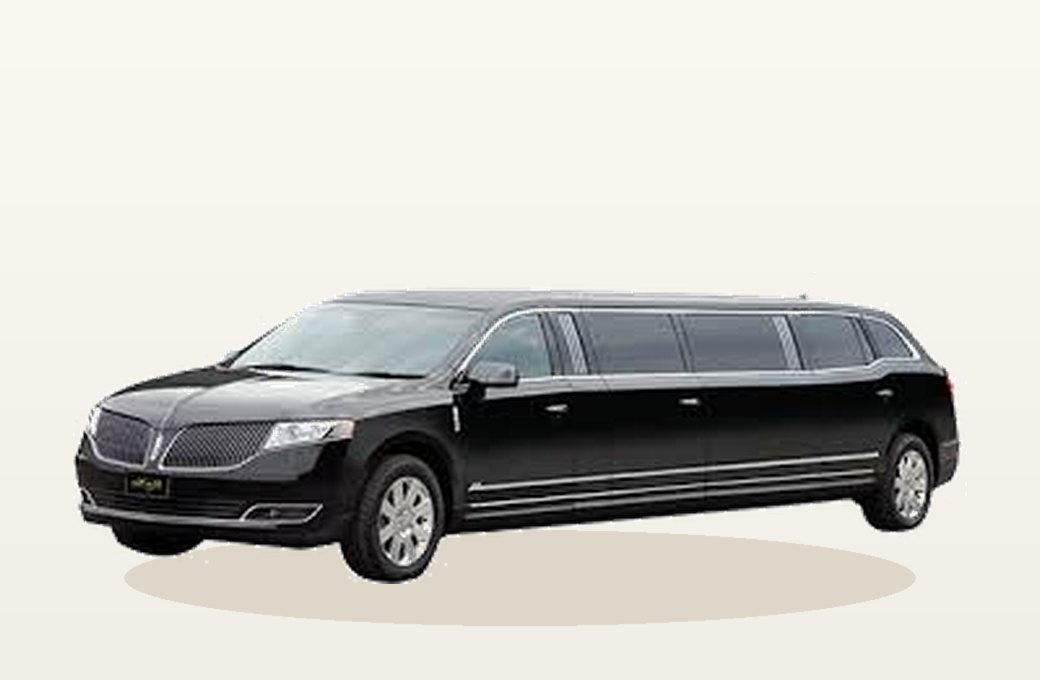
- Standard Sedan: one or two travellers with carry-on luggage, the default for Marunouchi and Toranomon meetings.
- Luxury Executive Sedan: senior executives and board visits where rear-seat comfort matters.
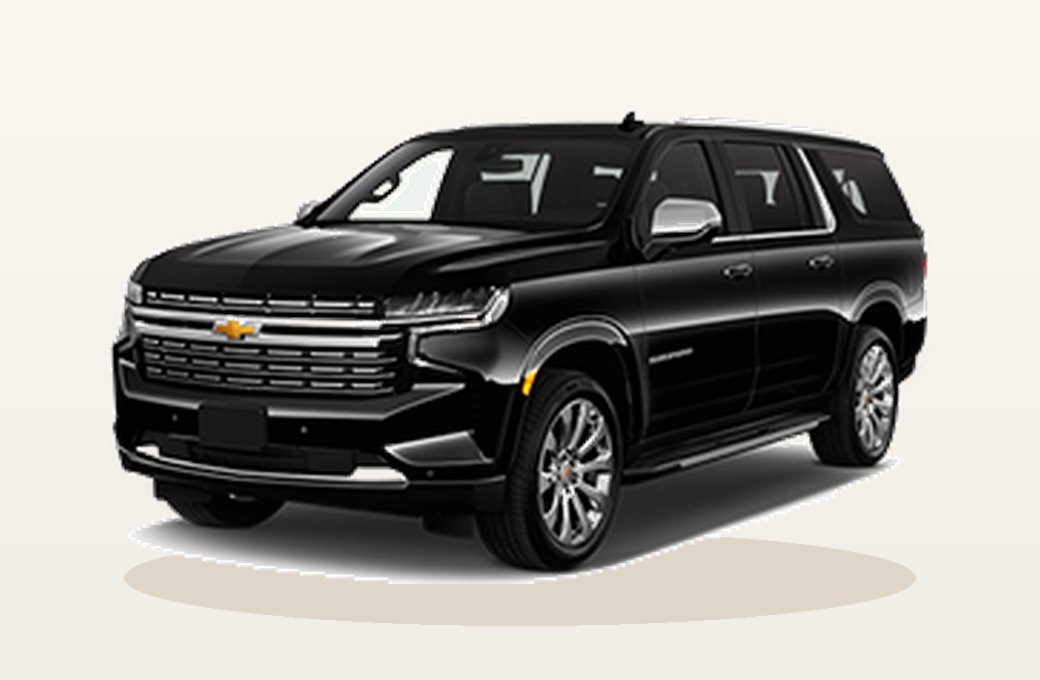
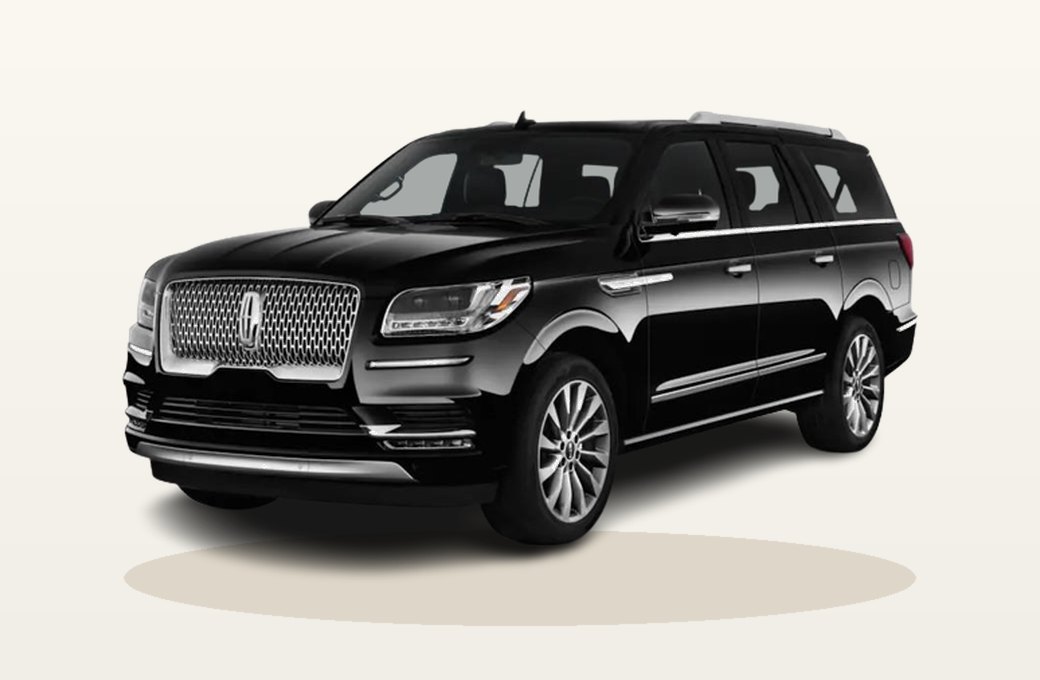
- Executive SUV or Standard Black SUV: families and Narita arrivals with several large cases. Large minivans are very common in the Tokyo hire-car market.
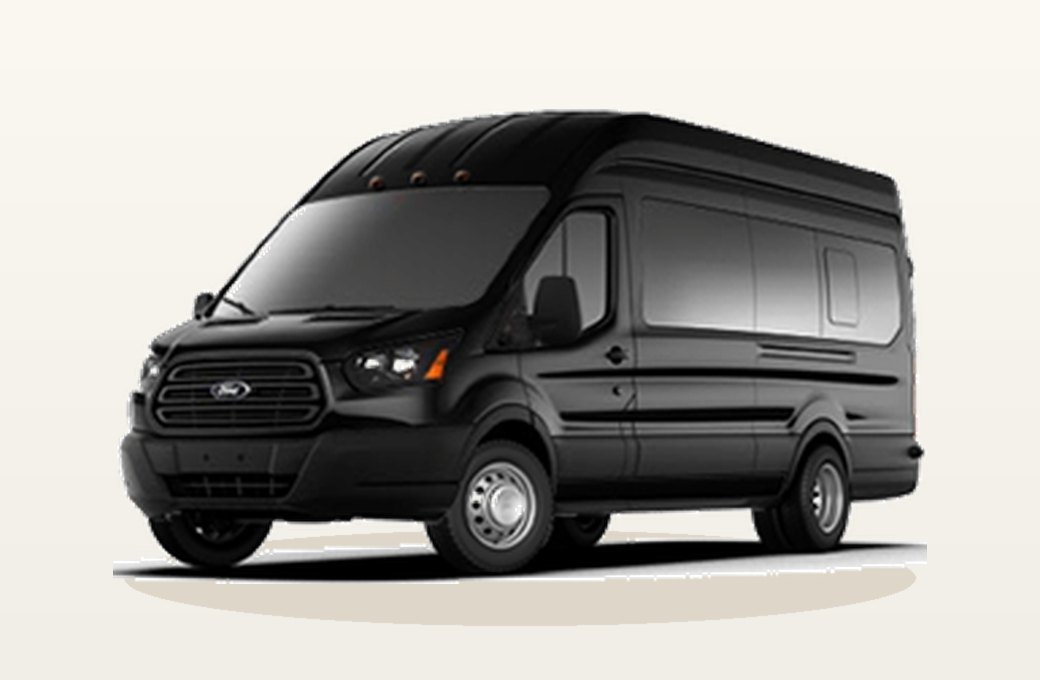
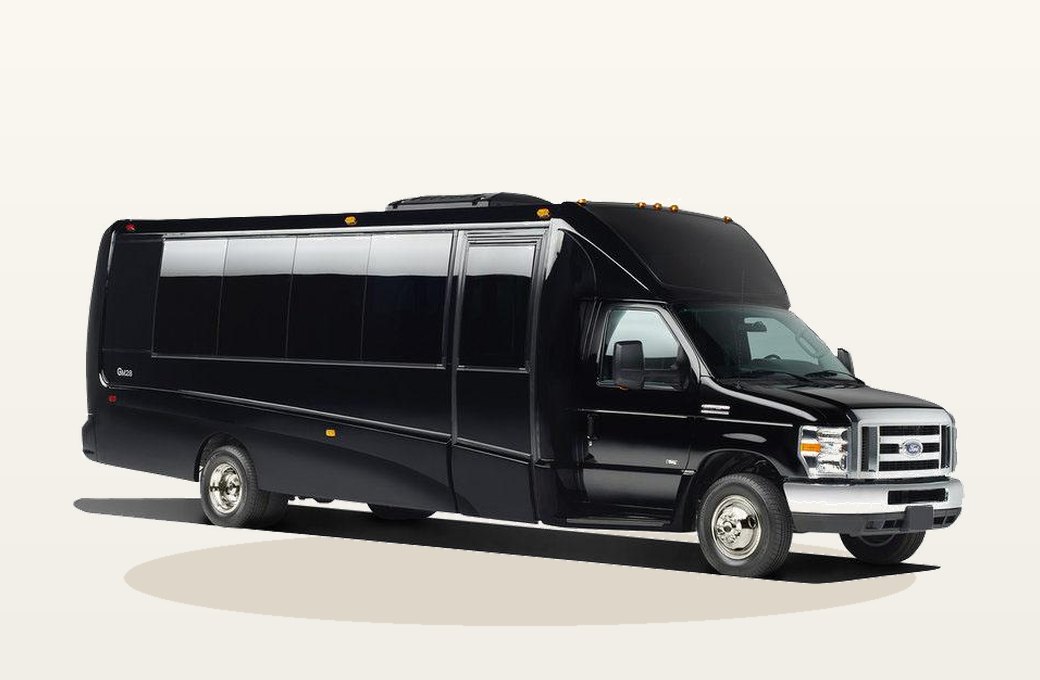
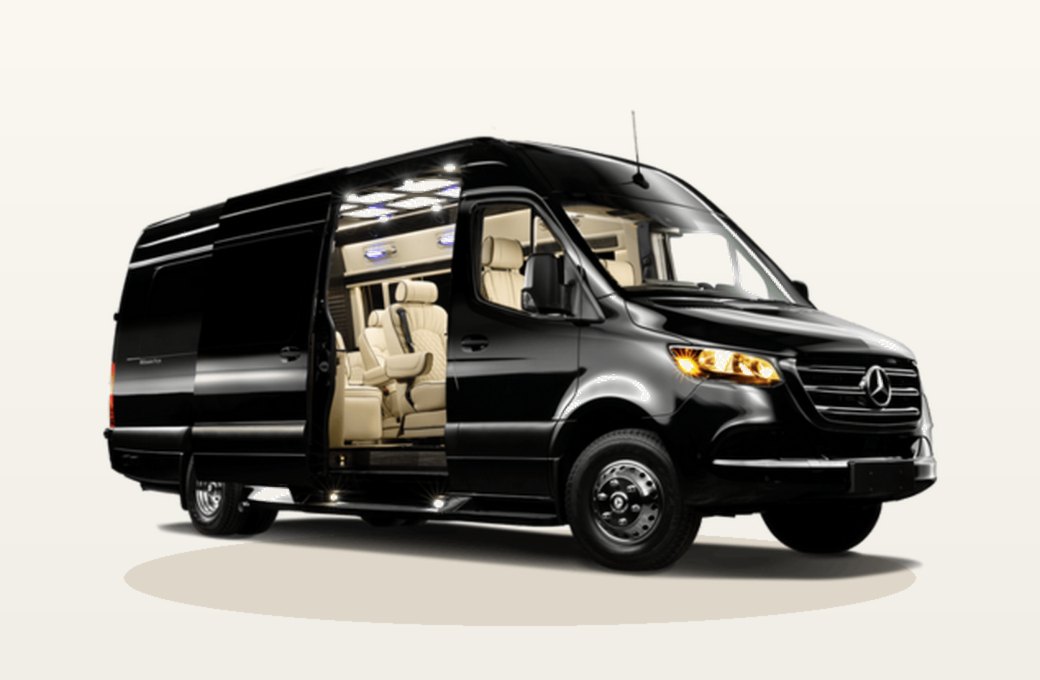
- Sprinter Van, minicoach or motorcoach: delegations and conference groups to Tokyo Big Sight or Makuhari Messe, planned by a coordinator and confirmed in writing.
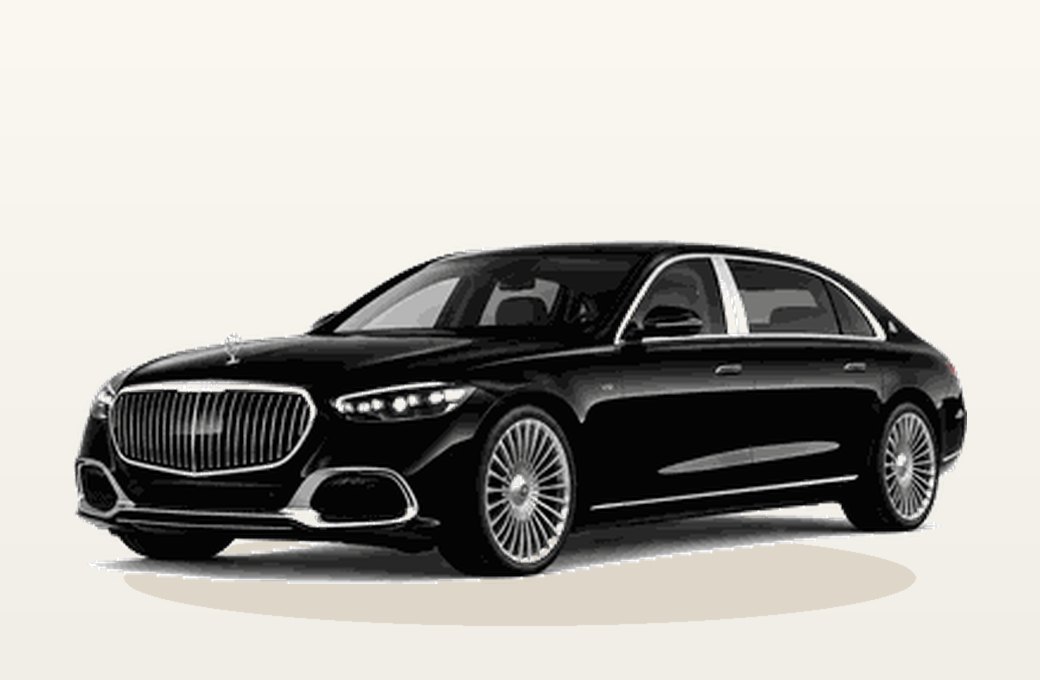
- Rolls-Royce, Maybach or Bentley (partner): weddings and special occasions.
- Armoured SUV or sedan (partner): on request, only after a risk assessment.
Every affiliate vehicle is four model years old or younger; Rolls-Royce, Maybach and Bentley are accepted up to seven.
Districts, hotels and venues the chauffeurs cover
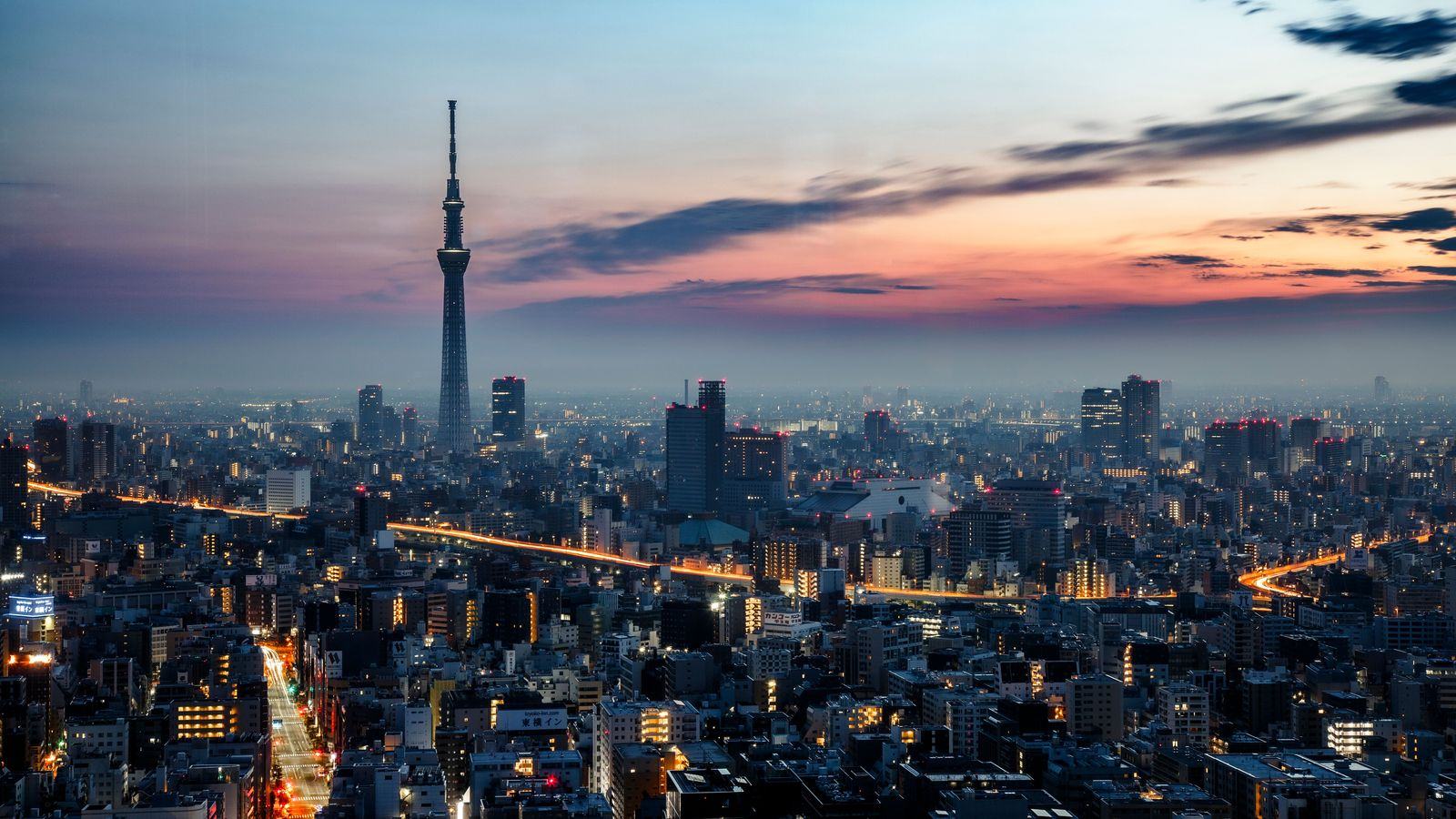
Business in Tokyo clusters in a few areas. Marunouchi and Otemachi, between Tokyo Station and the palace, hold the head offices of banks and trading houses. Toranomon and Kamiyacho, including the Azabudai Hills towers, form a newer business district. Shinjuku has the government offices and a large hotel cluster, Shibuya the technology and media companies, and Roppongi and Akasaka the embassies, galleries and many international hotels. Ginza and Nihonbashi mix retail flagships with older corporate addresses.
Hotels we are asked to serve often include The Peninsula Tokyo and the Imperial Hotel facing Hibiya Park, Aman Tokyo in Otemachi, Mandarin Oriental in Nihonbashi, The Okura Tokyo near Toranomon and Park Hyatt Tokyo in Shinjuku. They are named here as places, not as clients.
Event venues include Tokyo Big Sight in Ariake, the city's main exhibition centre; Tokyo International Forum near Yurakucho; Makuhari Messe in Chiba, about 35 km east; the Japan National Stadium in Kasumigaoka; Tokyo Dome in Bunkyo; and Ariake Arena. For conference shuttles, see event transportation.
Tokyo's calendar: when to book early
- March: the Tokyo Marathon is usually held in early March, with road closures across central wards on race day.
- Late March to early April: cherry blossom season brings heavy traffic around Ueno, Chidorigafuchi and Meguro River.
- Late April to early May: Golden Week, a cluster of national holidays when Haneda and Narita are very busy and the expressways out of Tokyo jam.
- Late July: the Sumida River Fireworks close streets in Asakusa for an evening.
- Mid-August: Obon, when many residents travel home and outbound roads fill.
- September: Tokyo Game Show usually takes place at Makuhari Messe.
- Late December to early January: the New Year holidays, when many offices close.
Check the organiser's or the Japan National Tourism Organization site for dates each year.
Hotel, office and residence pickups in Tokyo
Most large Tokyo hotels have a covered porte-cochere with a doorman who directs hire cars, so hotel pickups are simple: the chauffeur waits in the forecourt or a nearby holding area and moves up when you appear. Office towers are more varied. Buildings in Marunouchi and Toranomon usually have a dedicated drop-off lane or a basement car hall, and some ask visitors' cars to register at a security desk first, so add the building name and your host company to the booking notes.
Residential pickups in Minato and Shibuya wards can be on narrow lanes where a car cannot wait for long. In that case the chauffeur messages when they are two or three minutes away and stops only when you are at the door. Addresses in Japan are based on blocks rather than street names, so the Japanese address, or a map pin, helps; our confirmation shows the pickup as the chauffeur will see it. For a 6am departure to Narita, a common request for European flights, book the evening before at the latest so the affiliate can plan the chauffeur's start time.
Driving in Tokyo: left side, expressways and traffic
Japan drives on the left, and cars are right-hand drive. The Shuto Expressway is a network of elevated and tunnelled toll roads over the city, with the Central Circular Route (C2) and the Inner Circular Route (C1) as the main rings; see the Shuto Expressway entry on Wikipedia for a route map. Local streets have low speed limits and many traffic lights, so short distances can take longer than visitors expect: Roppongi to Otemachi is about 6 km but often 20-30 minutes.
Traffic is heaviest on weekday mornings towards the centre, on Friday evenings and at the start and end of holiday periods. Chauffeurs in Japan also follow strict rules on stopping: vehicles may not idle on many main roads, so at busy offices the car may wait in a nearby permitted spot and return when you message.
Day trips and intercity drives from Tokyo
| Destination | Road distance | Typical drive |
|---|---|---|
| Yokohama (Minato Mirai) | about 30 km | 35-60 minutes |
| Kamakura | about 55 km | 1-1.5 hours |
| Hakone | about 90 km | 1.5-2.5 hours |
| Lake Kawaguchiko (Mount Fuji) | about 100 km | 1.5-2.5 hours |
| Nikko | about 150 km | 2-3 hours |
| Karuizawa | about 150 km | 2-3 hours |
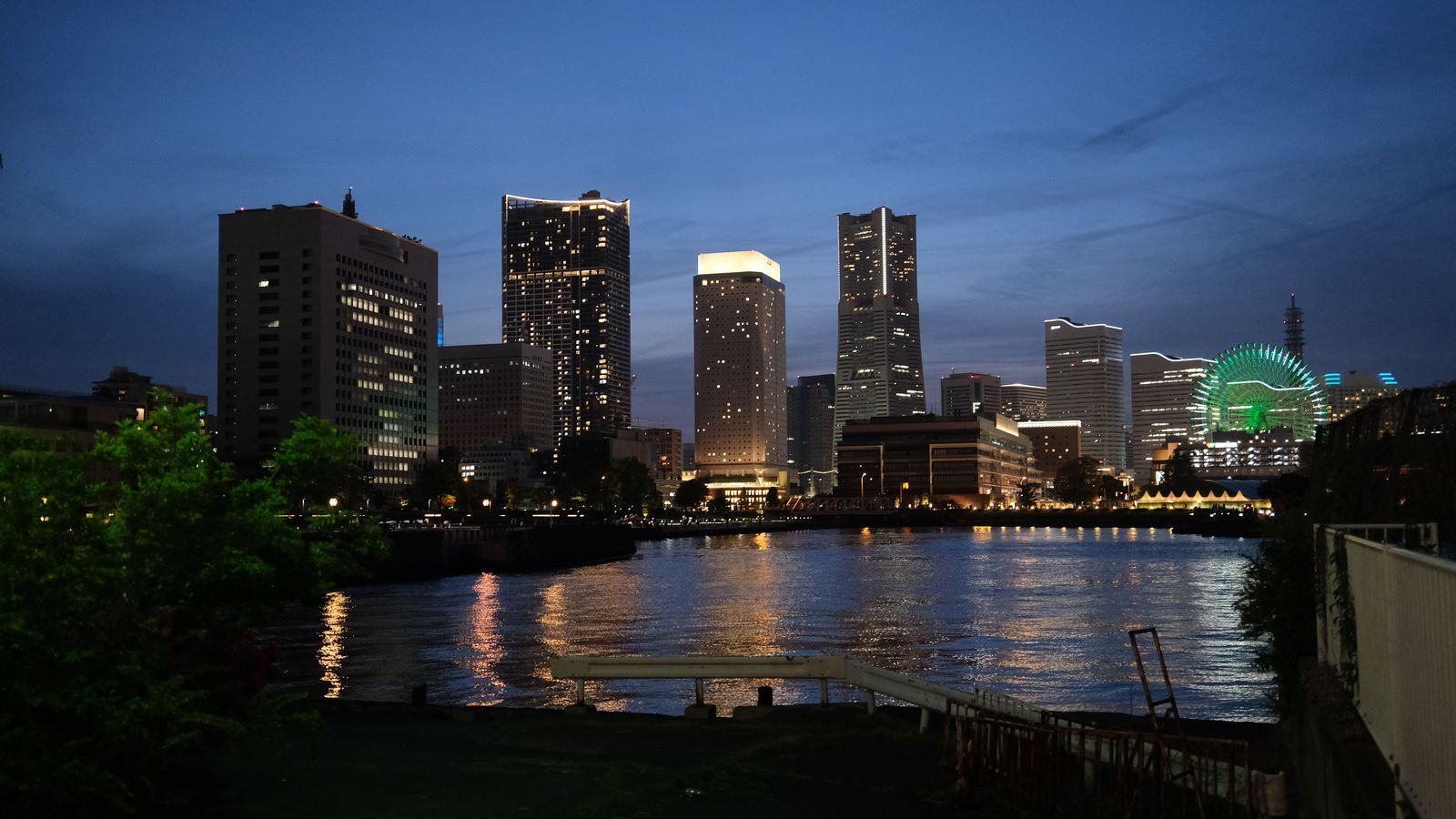
Yokohama also has the Osanbashi cruise pier; see Yokohama and the Osanbashi Pier page. For longer journeys, intercity transfers and city tours and day trips explain the options, including combining a Shinkansen leg with a car at the other end.
Arriving in Japan: entry and customs notes
Citizens of many countries, including the United States, Canada, the United Kingdom, Australia and most EU states, can enter Japan without a visa for short tourist or business visits, commonly up to 90 days; always check your own nationality. Most arrivals now complete immigration and customs details in advance through Visit Japan Web, which produces QR codes for the airport gates. Since 1 July 2026 the International Tourist Tax on departures from Japan is 3,000 yen, collected in the airline ticket price. Allow 30-60 minutes from landing to the arrivals hall at Haneda Terminal 3 and often longer at Narita; the included 60 minutes of international waiting is designed for that.
Corporate travel and crews in Tokyo
Companies with regular Tokyo travel use corporate accounts: monthly invoicing, cost centres, traveller profiles and duty-of-care trip data, with a named coordinator. Airline crews connecting between Haneda and Narita, film and music tours, and financial roadshows visiting the Marunouchi banks are all regular trip types. See financial roadshows and airline crew transportation. For flights and hotels in the same file, the travel desk works with BookingWorldwide.net.
Other cities in the region
Japan trips often continue to Osaka and Kyoto, and regional itineraries link Tokyo with Seoul, Hong Kong and Singapore. The Japan country page lists every city we cover in Japan, and the official airport sites for Haneda and Narita carry live terminal information.