




Chauffeur service in Seoul through BlaakLane.com is booked online at a fixed fare that already includes airport access and waiting time. Incheon (ICN) and Gimpo (GMP) arrivals are flight-tracked, the pickup is curbside at the designated pre-arranged area, and a vetted Korean affiliate drives the trip. Your confirmation names the operator, chauffeur and vehicle before you fly.
Booking a chauffeur in Seoul, step by step
- Open the reservation engine here or at book and enter the pickup: Incheon Terminal 1 or 2, Gimpo, a hotel, an office in Gangnam or Yeouido.
- Enter the destination, date and time. For flights, add the flight number so the car is timed to the real landing.
- Choose a vehicle and see one fixed fare for that exact trip.
- Confirm. The 24/7 desk in Toronto assigns a vetted Seoul affiliate, contracted to our written standard, and emails the details.
Korean addresses are easiest in road-name format (the "-ro" and "-gil" system) or as the building name in Hangul. If your schedule has several stops, hourly chauffeur service is usually simpler than several separate rides.
Inside the Seoul fare
Your quoted price covers the route and vehicle from start to finish. That includes airport access and the included wait: 60 minutes after actual landing on international flights, 30 minutes on domestic arrivals into Gimpo, and 15 minutes for hotel and office pickups, with 15-minute blocks after that. Child seats are free on request.
There is no meter and no late-night surcharge on top. Indicative ranges by vehicle are published on rates. If plans change, the cancellation scale is simple: no charge more than 72 hours out, 10% within 72 hours, 50% within 48 hours, and the full fare within 24 hours or for a no-show.
Incheon Airport: Terminal 1, Terminal 2 and the drive in
Incheon International Airport is on Yeongjong Island, west of the city, and has two passenger terminals linked by a free shuttle. Terminal 2 was expanded in late 2024 and is the base for Korean Air and its SkyTeam partners; Terminal 1 serves most other carriers. Allocations have shifted during the integration of Asiana into Korean Air, so confirm the terminal on your ticket, and put it in the booking.
Arrivals are on the ground floor of both terminals. The standard BlaakLane.com service is curbside at the designated pickup area for pre-arranged vehicles, which the confirmation describes for your terminal. A name-board greeting in the arrivals hall is an add-on; add-ons are only available in selected locations, and the engine shows whether it can be selected.
From Incheon, the city is 50 to 70 km away depending on the district:
| From Incheon to | Distance | Typical drive |
|---|---|---|
| Seoul Station and City Hall | about 55 km | 60-90 minutes |
| Yeouido | about 45 km | 50-80 minutes |
| Gangnam and COEX | about 65-70 km | 70-110 minutes |
| Songdo International Business District | about 25 km | 30-45 minutes |
| Pangyo Techno Valley | about 75 km | 75-110 minutes |
Gimpo Airport: closer, busier with domestic flights
Gimpo sits inside the western edge of Seoul. It is the main airport for domestic flights, including the busy route to Jeju, and it also has short-haul international services to cities such as Tokyo Haneda, Osaka, Shanghai Hongqiao and Taipei Songshan. Those flights make Gimpo a favourite for executives on regional day trips.
Gimpo to Yeouido is about 12 km, usually 20 to 35 minutes. Gangnam is 30 to 60 minutes across the Olympic-daero riverside expressway, and Jongno or Gwanghwamun takes 30 to 50 minutes. International and domestic terminals are separate buildings, so tell us which one you use.
Gangnam, Yeouido and the other Seoul districts
Seoul's business life is spread over three main centres and a ring of newer hubs.
Gangnam and Samseong
South of the Han River, Teheran-ro is lined with corporate headquarters, law firms and start-ups. COEX, the city's biggest convention and exhibition centre, is in Samseong, beside the Trade Center. Evening traffic on Teheran-ro and Gangnam-daero is heavy from about 18:00.
Yeouido
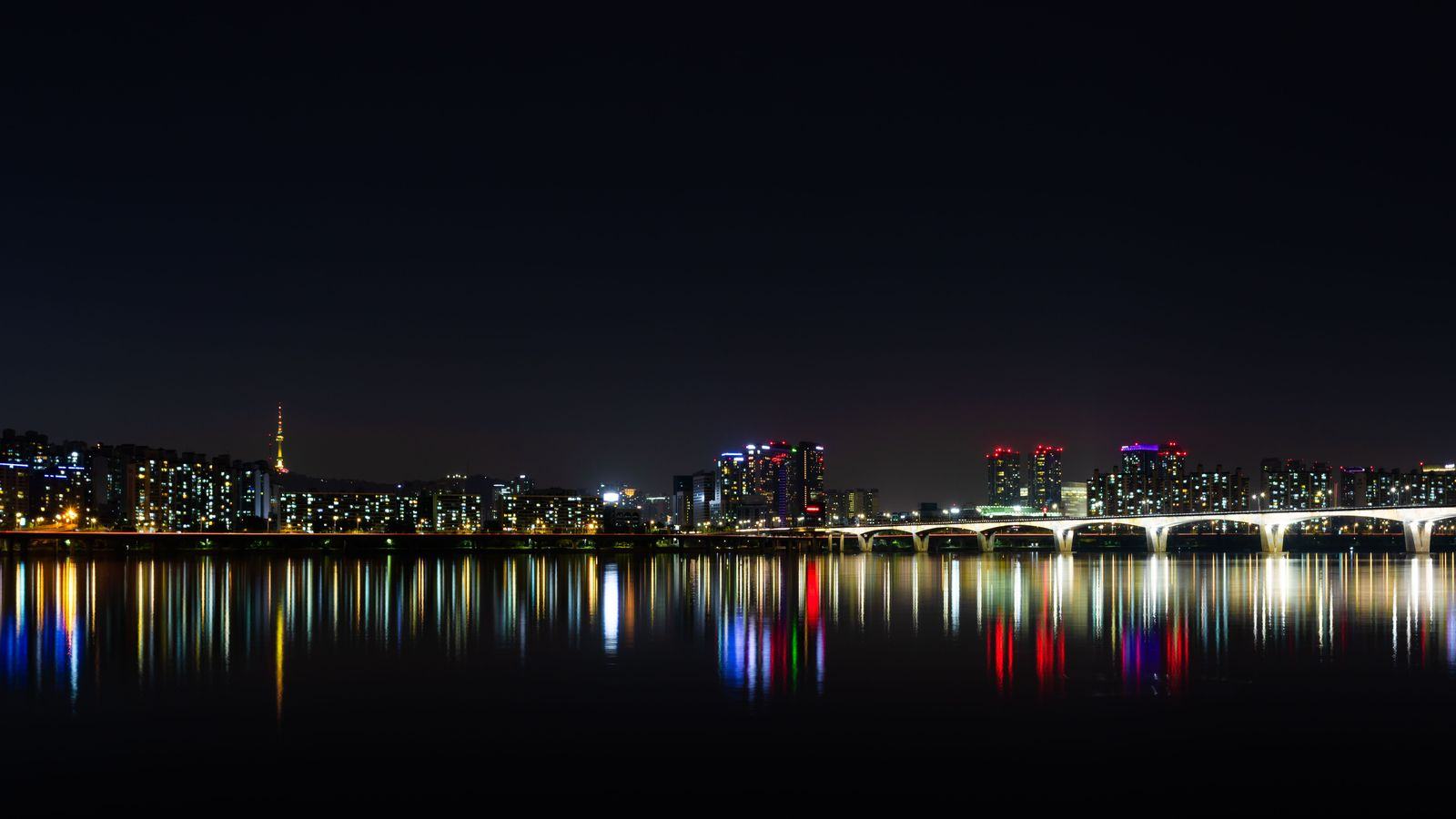
The island in the Han River holds the Korea Exchange, the major securities houses, the National Assembly and the IFC and Parc1 towers. It is the shortest ride from Gimpo and the natural base for financial roadshows; see financial roadshows for multi-meeting days.
Jongno, Gwanghwamun and City Hall
The historic centre, with government offices, embassies, Gyeongbokgung Palace and many conglomerate headquarters. The area inside the old city wall is a Green Transport Zone where the oldest, most polluting cars are restricted, which does not affect our vehicles, all four model years old or younger.
Newer hubs
Seongsu for design studios and brand pop-ups, Hannam and Itaewon for residences and embassies, Jamsil for Lotte World Tower, Magok for research campuses, and Pangyo, just south of the city in Seongnam, for Korea's gaming and internet companies.
Hotels and venues chauffeurs know well
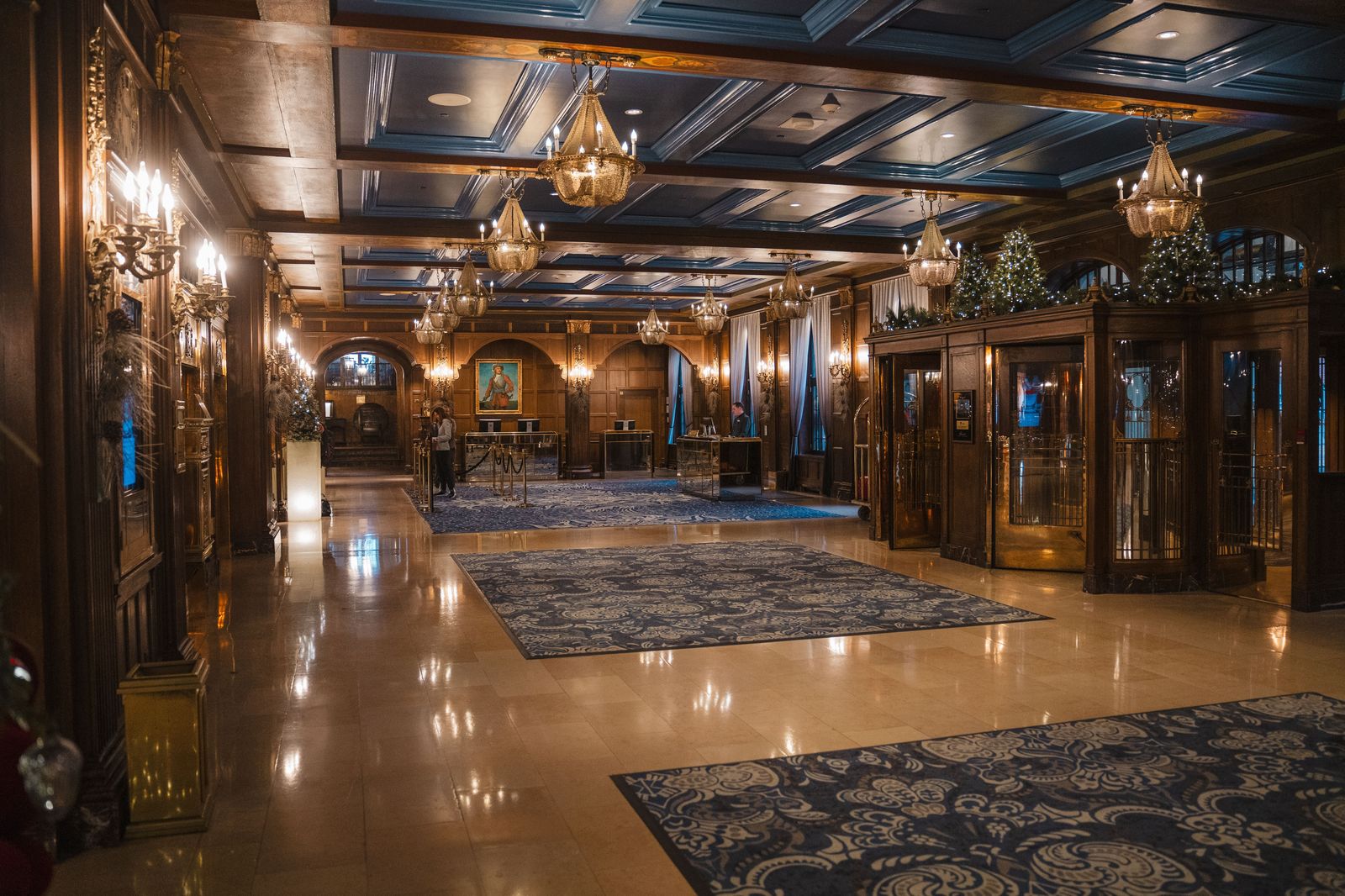
Pickups run daily from the Four Seasons Hotel Seoul at Gwanghwamun, the Lotte Hotel Seoul in Sogong-dong, The Shilla Seoul near Namsan, the Grand Hyatt Seoul above Itaewon, Josun Palace in Gangnam, Signiel Seoul in Lotte World Tower and the Conrad and Fairmont Ambassador on Yeouido. Hotel forecourts in Seoul are compact, so the chauffeur arrives close to pickup time and uses the hotel's drive-in.
For big events: COEX in Gangnam, KINTEX in Goyang to the north-west (about 30 to 50 minutes from central Seoul), the Seoul World Cup Stadium in Mapo, Gocheok Sky Dome for baseball and concerts, and KSPO Dome in Olympic Park. Groups going to a show or trade fair can book vans or coaches through event transportation or group transportation.
Seoul events by month
- March: the Seoul Marathon closes central roads on a Sunday morning, and Seoul Fashion Week holds its spring edition.
- Spring: cherry blossom weekends bring heavy traffic around Yeouido's Yunjung-ro.
- September: Frieze Seoul and Kiaf fill COEX and Gangnam hotels in the first week.
- Late September or early October: Chuseok, the harvest holiday, empties the city and packs the roads to other provinces.
- Early October, most years: the Seoul International Fireworks Festival draws huge crowds to Yeouido; roads around the island close in the evening.
- Autumn: Seoul Fashion Week's second edition.
- Late January or February: Seollal (Lunar New Year) brings the same holiday exodus as Chuseok.
Confirm each year's dates with the organisers or the Korea Tourism Organization before you plan.
Rail stations and intercity travel from Seoul
Seoul Station is the hub for KTX high-speed trains to Busan and Daegu and the terminus of the AREX airport railway. The fastest KTX reaches Busan in about two and a half hours. Yongsan Station serves the lines to Gwangju and Mokpo, Suseo in Gangnam is the base for SRT high-speed trains, and Cheongnyangni serves the line to Gangneung on the east coast. Timetables are on the Korail site.
For road trips, intercity transfers cover:
- Incheon's Songdo and port area: 40-75 minutes from central Seoul.
- Suwon and the Samsung campuses: about 40 km, 50-80 minutes.
- The DMZ area around Imjingak and Paju: about 55-60 km, 60-90 minutes. Visits to Panmunjom itself run only through approved tours.
- Gangneung and the east coast: about 230 km, 2.5-3.5 hours.
- Busan: about 400 km, 4.5-5.5 hours by road; the train is faster.
Which vehicle fits a Seoul booking?
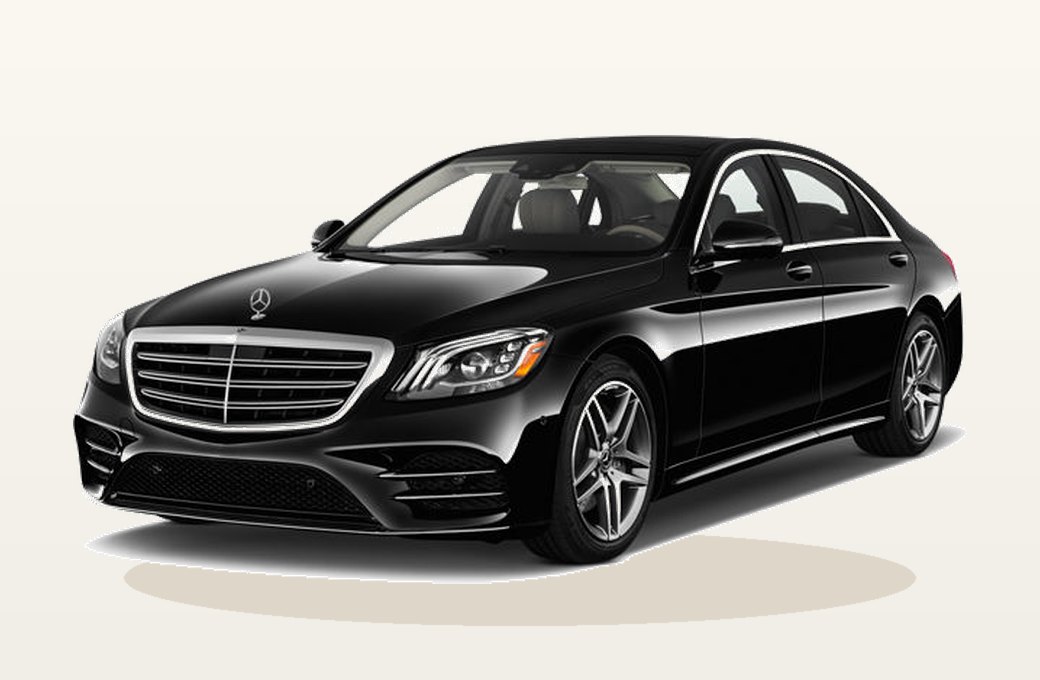
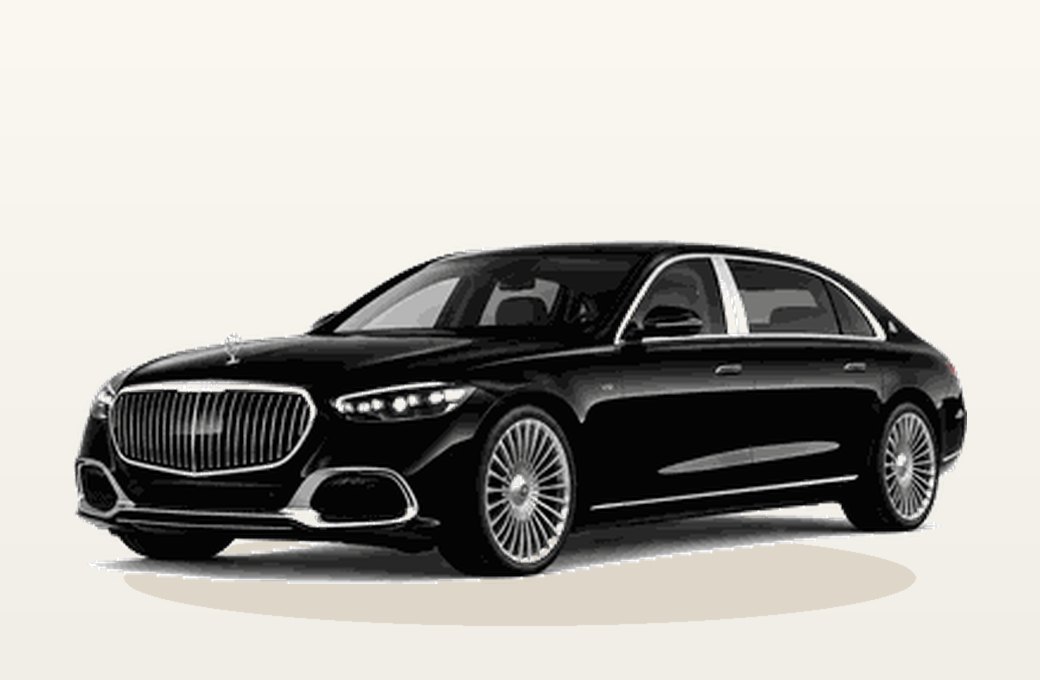
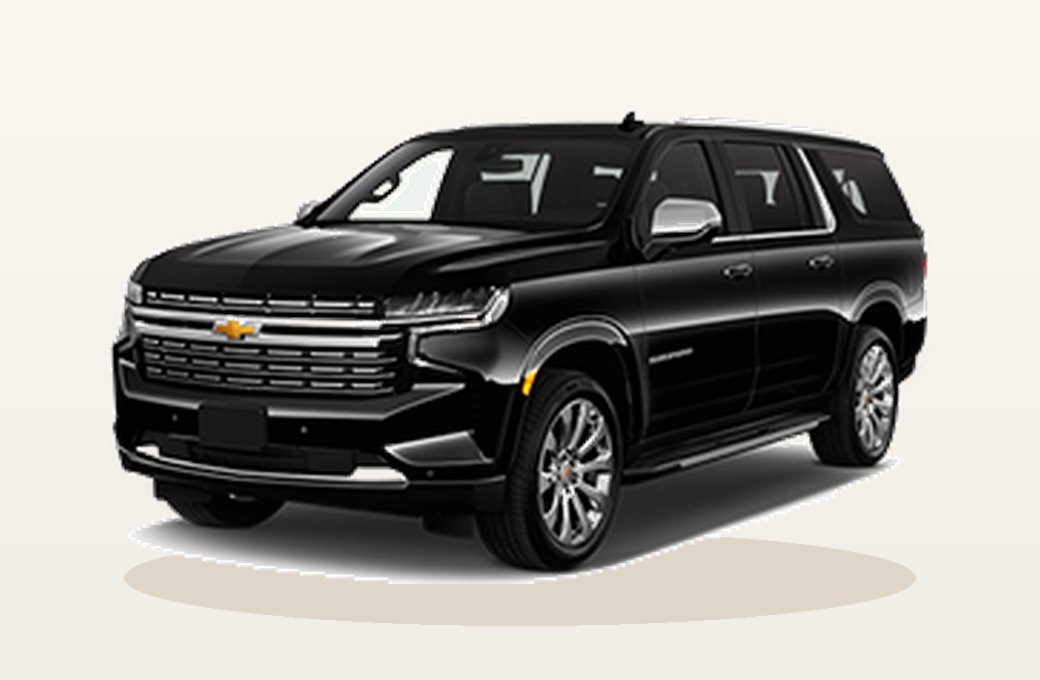
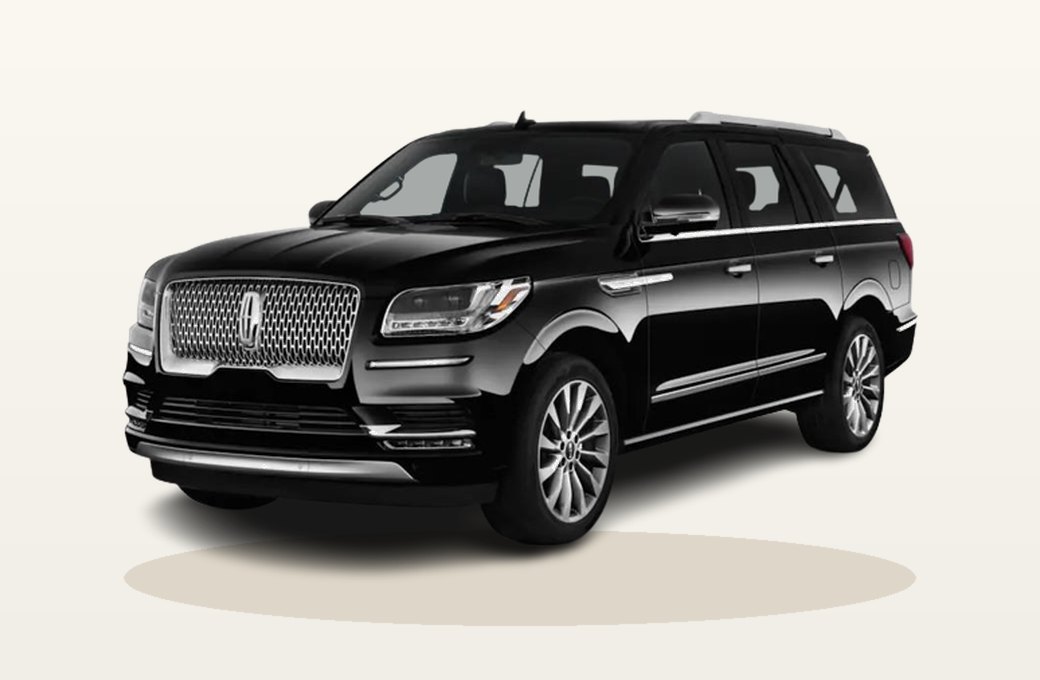
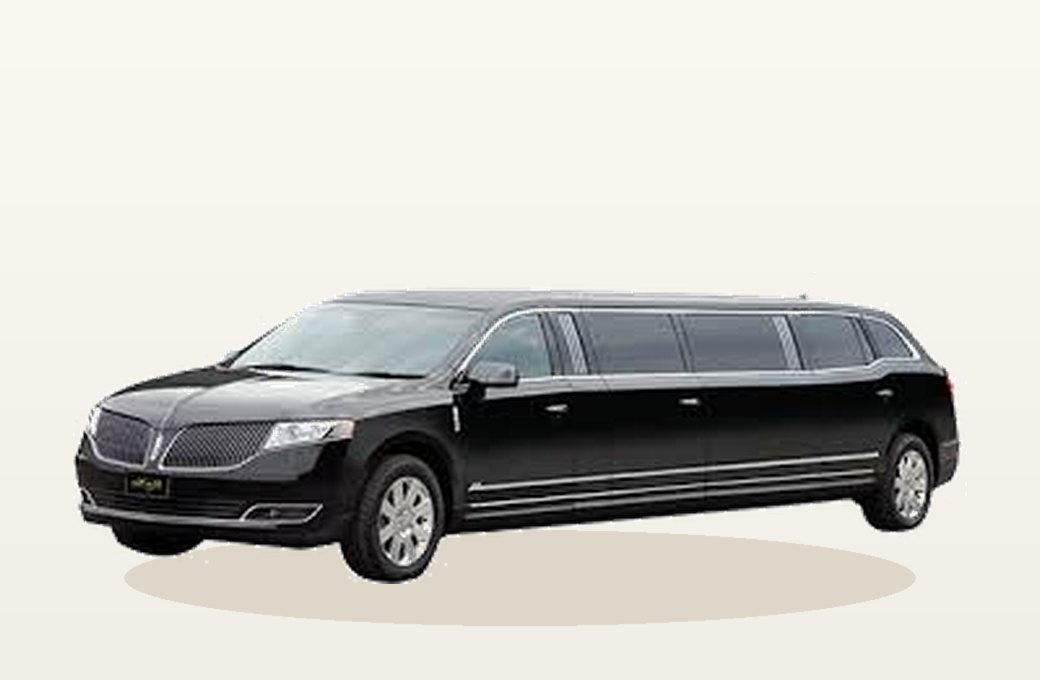
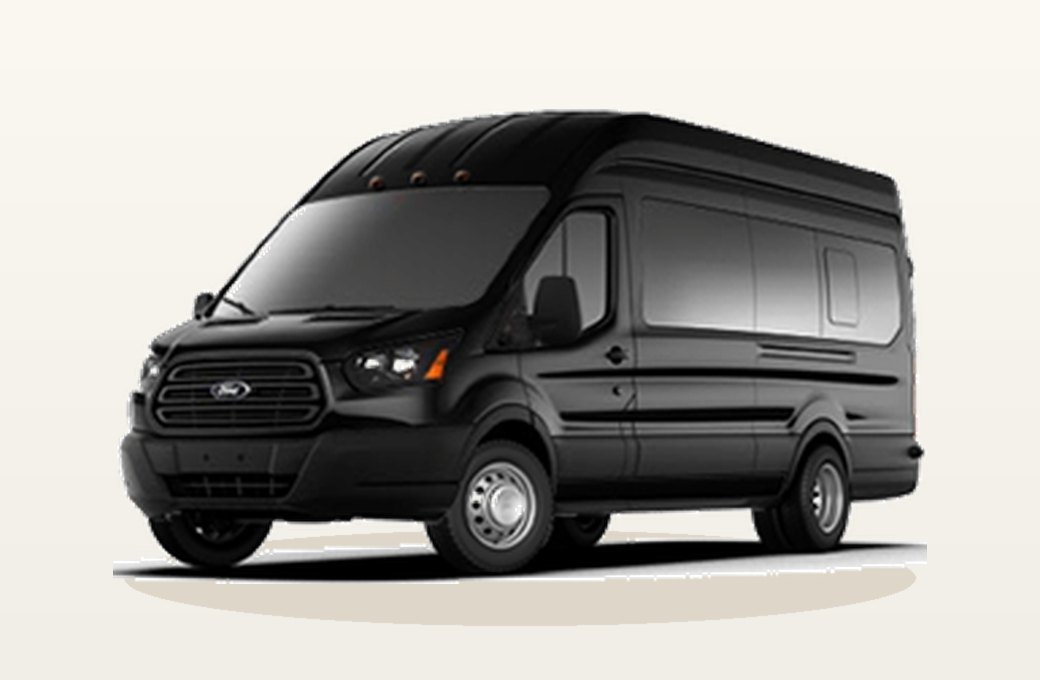
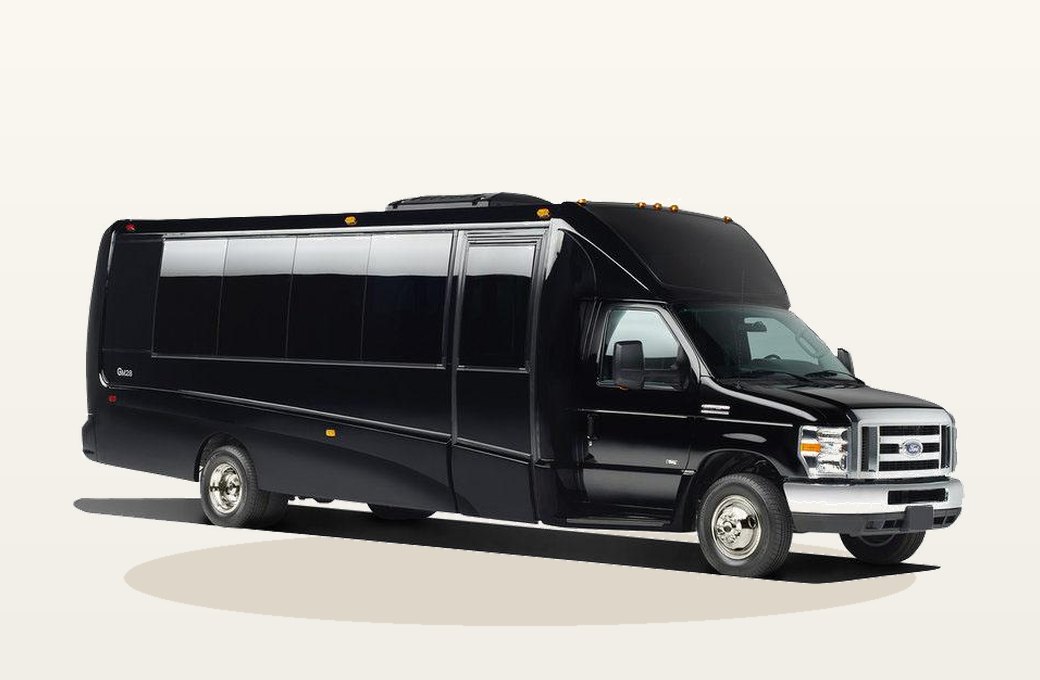
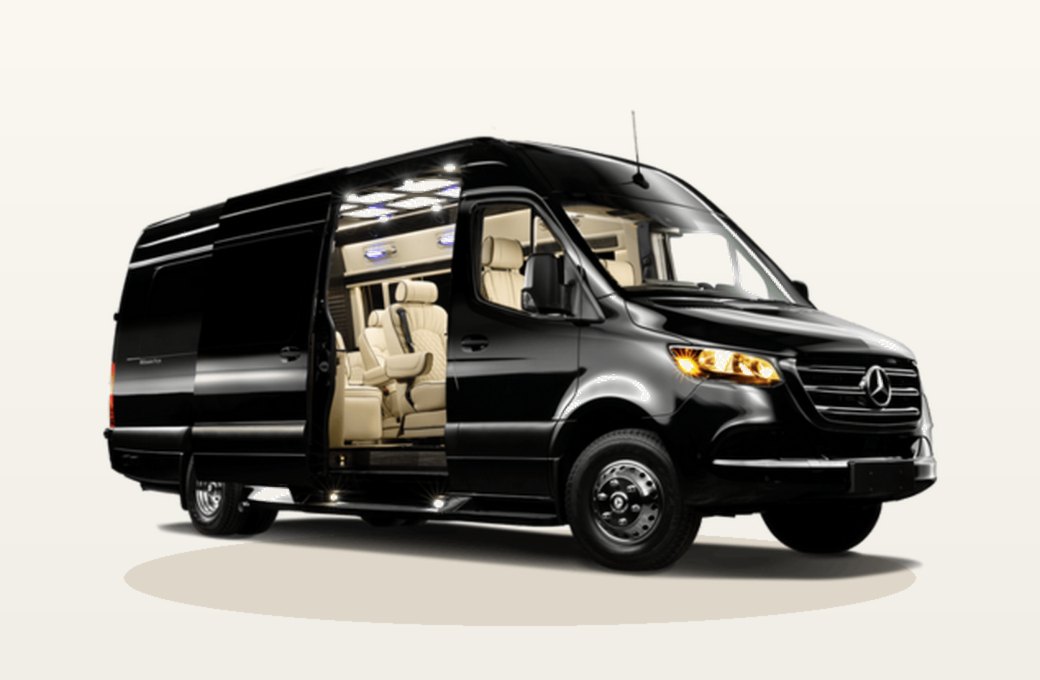
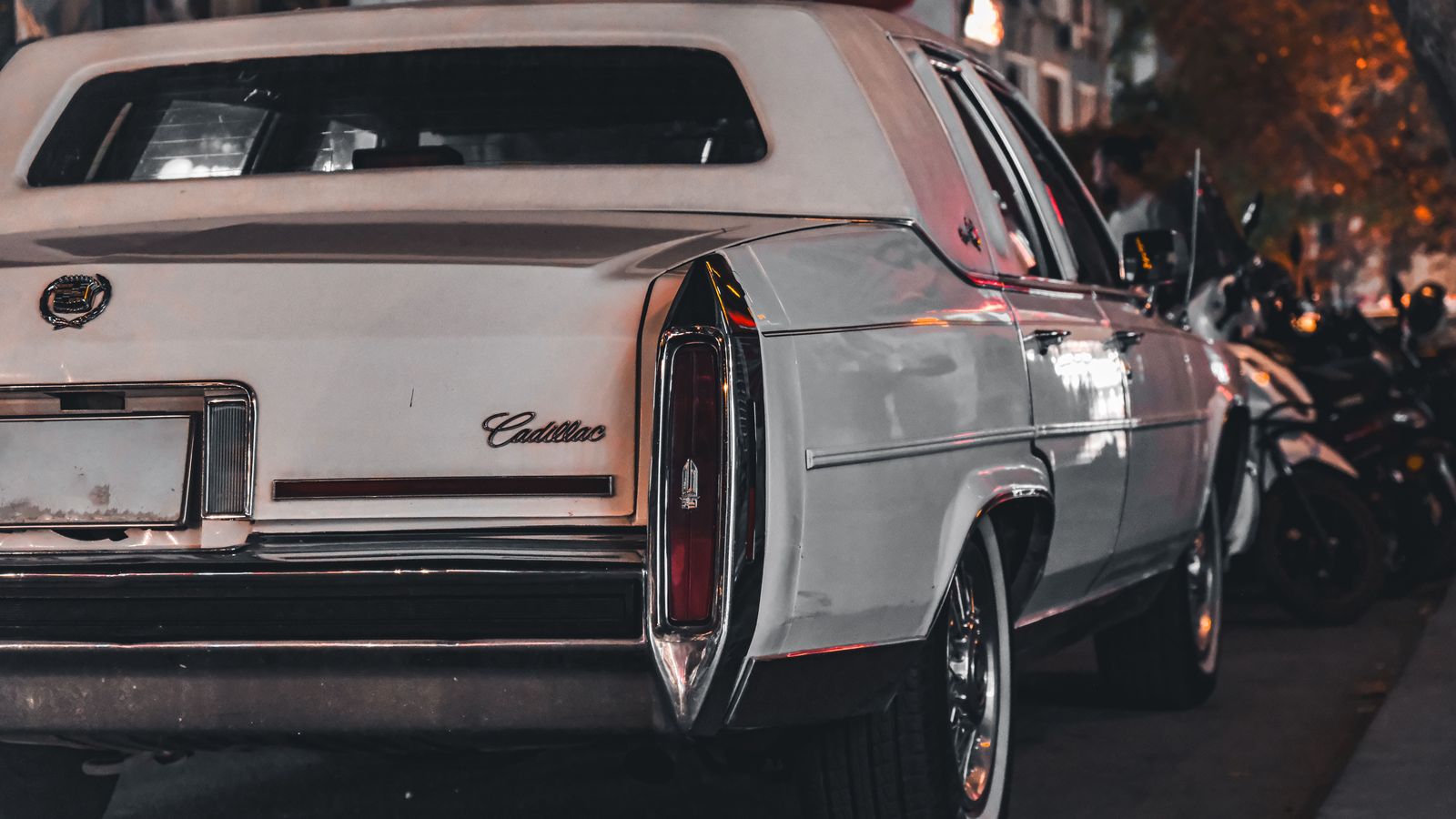
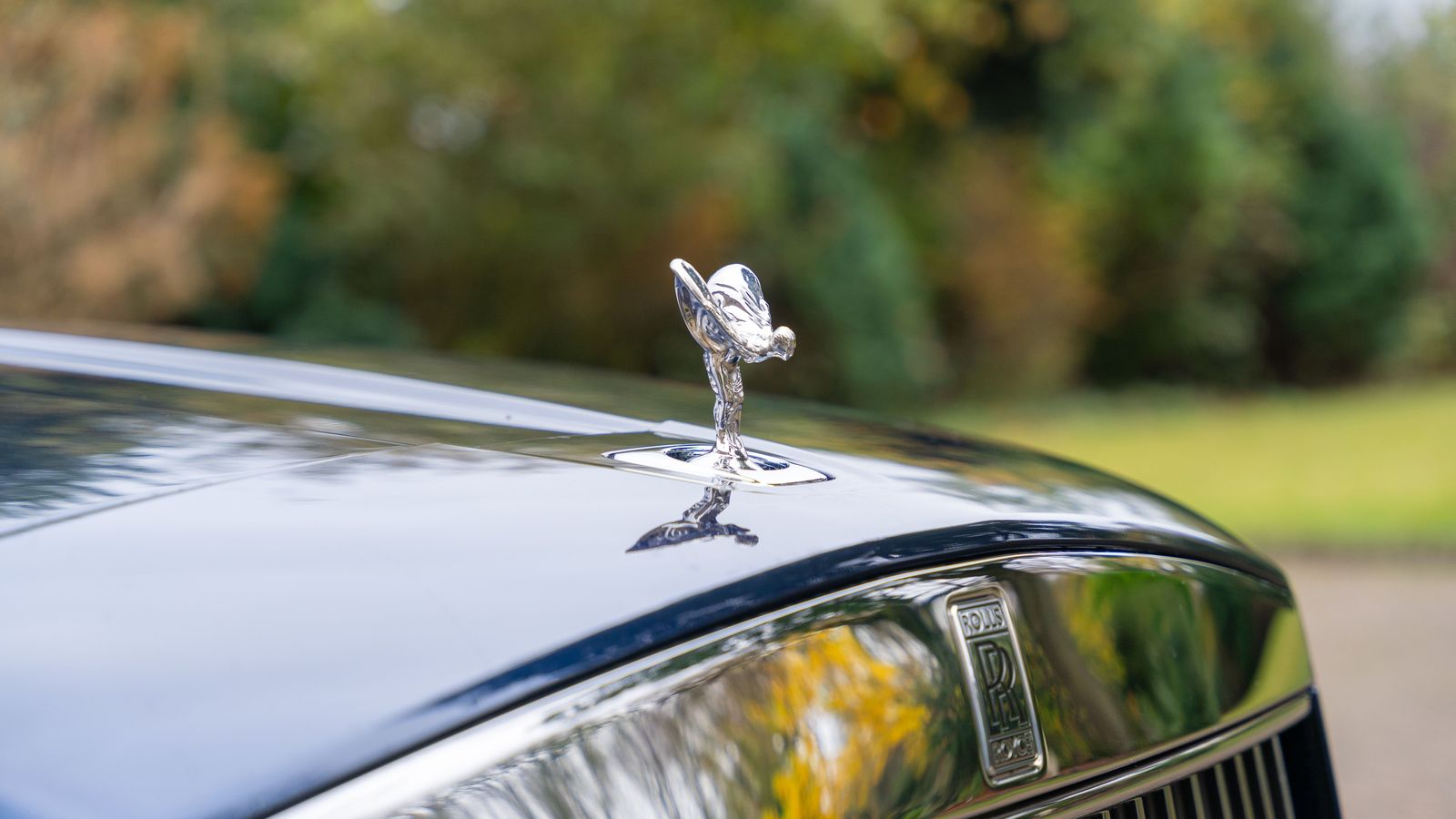
From the fleet: a Standard Sedan suits a solo traveller from Gimpo to Yeouido; a Luxury Executive Sedan suits a chairman's schedule between Jongno and Gangnam; an executive SUV handles two travellers from Incheon with four large cases; a Standard Black SUV or Sprinter Van takes a K-pop production crew or a delegation of eight in one move; minicoaches and motorcoaches run COEX shuttles, planned by a coordinator and confirmed in writing. Stretch limousines and Rolls-Royce, Maybach or Bentley cars come from partners, and armoured vehicles are only arranged on request after a risk assessment.
Entering Korea: K-ETA, e-Arrival and immigration
Visitors who do not need a visa normally need a K-ETA, the Korea Electronic Travel Authorization. A temporary exemption currently covers nationals of 67 countries and territories, including the United States, Canada, the United Kingdom, most of the EU, Australia and New Zealand, and it has been extended until 31 December 2026. Exempt travellers can still apply for a K-ETA; holders are excused from the e-Arrival card, which others complete online before or on arrival. Rules can change, so check the official K-ETA site before you fly.
Immigration at Incheon is usually quick, but wide-body arrival banks in the early morning and evening can add time. Our 60-minute international wait starts when the plane actually lands.
Private jets into Seoul
Business aviation in the capital region mainly uses Gimpo, which has a dedicated business aviation centre with its own customs and immigration processing, and Incheon, which also handles private aircraft. Gimpo is the quicker option for Yeouido, Mapo and the western districts; Incheon suits flights that need a long runway slot or a connection. Give us the tail number and the handling agent in the booking, and the chauffeur is timed to the aircraft's actual arrival. See private aviation and FBO transfers.
Leaving Seoul: how early to set off for the airport
Departures need more margin than arrivals. For Incheon, most travellers leaving central Seoul allow 75 to 110 minutes on the road and aim to reach the terminal two to three hours before an international departure. From Gangnam, add 15 to 20 minutes at weekday evening peaks. For Gimpo, 30 to 60 minutes from most districts is usually enough, with one to two hours at the airport. If you are returning a rental phone, collecting a tax refund or shopping duty-free, allow extra time at the terminal. The chauffeur drops you at the departures curb of the correct terminal, so tell us at booking whether you fly from T1 or T2, since the two buildings are about 15 minutes apart on the shuttle.
Seoul for airline crews and tour managers
Crew hotels near Incheon and in central Seoul see steady rotations, and entertainment tours move artists and production staff between Incheon, hotels in Gangnam and Yongsan, and venues such as KSPO Dome or Gocheok Sky Dome. For recurring schedules, a coordinator can hold standing bookings with the crew list attached; see airline crew transportation and entertainment and touring.
Driving in Seoul: what to expect
Korea drives on the right. Central Seoul has bus-only median lanes on its main boulevards, so cars pick up and set down at the curb side, not in the centre of the road. The Olympic-daero and Gangbyeon Expressway along the Han River are the fastest east-west routes when they flow and the slowest when they do not. The Namsan tunnels have long been tolled as a congestion measure; if your route uses one, the charge is billed at actual cost and added to the booking.
Who uses BlaakLane.com in Seoul
Airline crews, entertainment tour managers, Fortune 500 travel managers and investment teams on roadshows book the same way. Companies get monthly invoicing, cost centres and duty-of-care trip data through a corporate account; agencies use the travel desk. Heading on in South Korea? We also serve Busan and Jeju.
Official references: Incheon International Airport, K-ETA official site, Korail and Korea Tourism Organization.