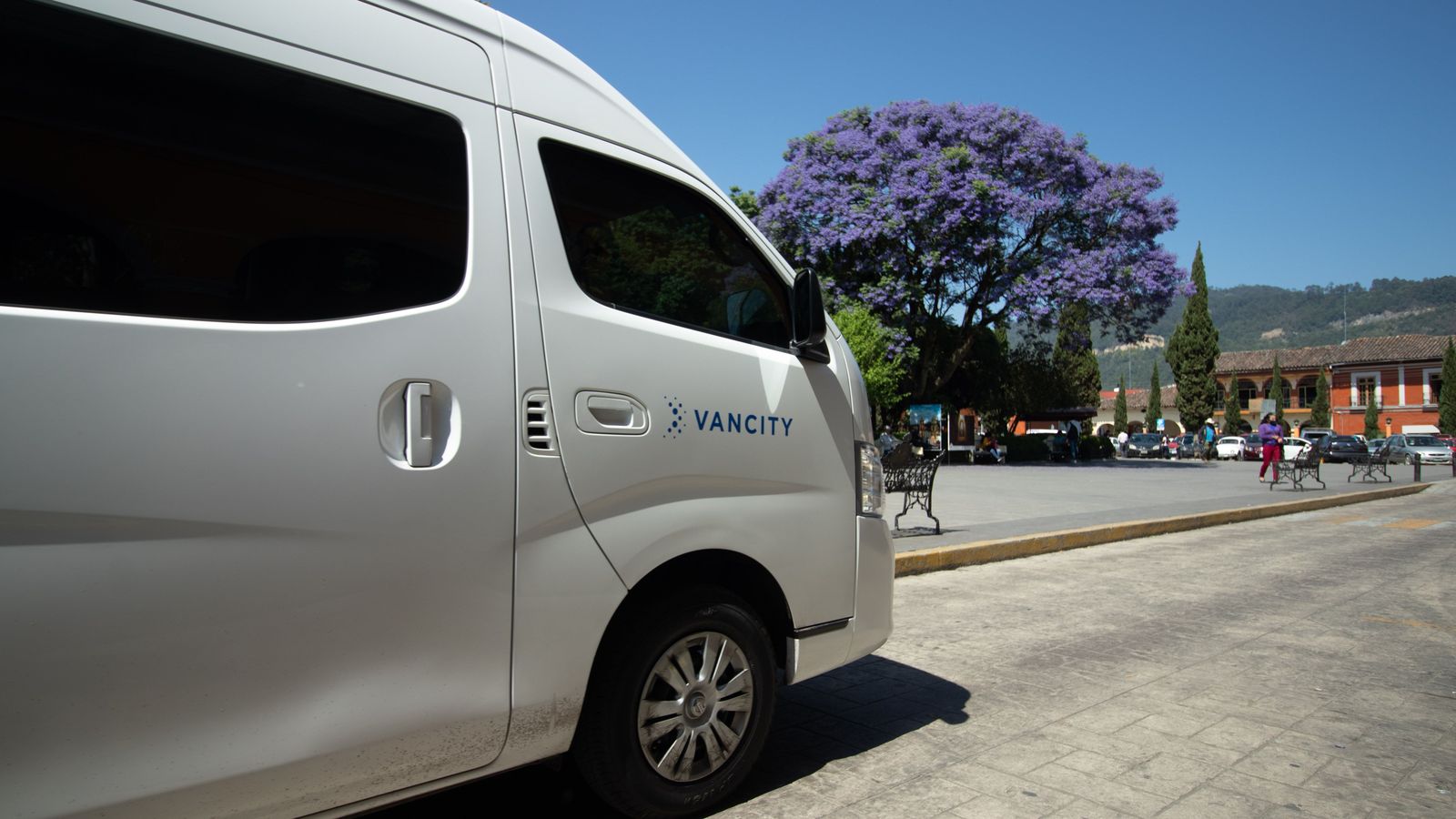









BlaakLane.com offers Sprinter van rental with driver in 500 cities. You book the Sprinter Van, a Standard Black SUV or a coach with a professional chauffeur, and the reservation engine shows a fixed fare for the date, time and route before you confirm. Airport pickups are flight-tracked, and multi-vehicle or multi-day group programmes are planned by a coordinator and confirmed in writing.
What is Sprinter van rental with driver?
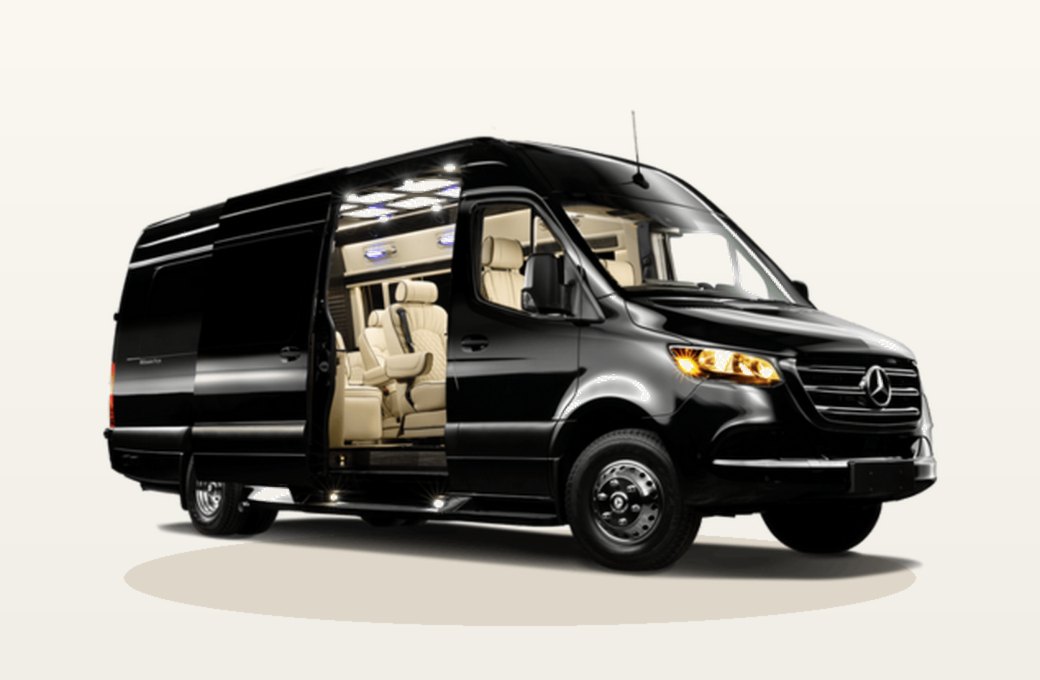
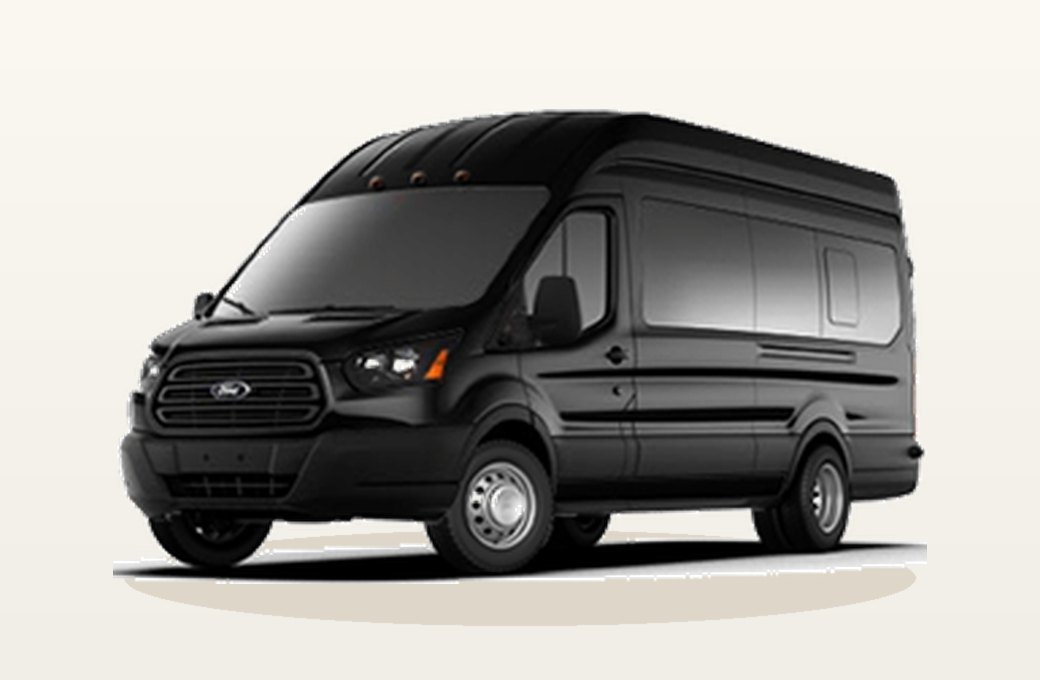
Sprinter van rental with driver means hiring a high-roof passenger van, usually a Mercedes-Benz Sprinter or a Ford Transit fitted out as an executive shuttle, together with a professional chauffeur, for one group and one itinerary. You do not rent the van and drive it yourself, you do not pool seats with strangers, and you do not pay per head. The vehicle is yours for the transfer or the hours you book, and the chauffeur drives, loads the luggage and waits where the plan says.
It is the natural choice when a party is too big for one SUV but too small to justify a full coach: a board of eight arriving for a strategy offsite, an airline crew of eleven going to the layover hotel, a wedding party of twelve moving between church and reception, or a sales team of ten doing four client visits in one afternoon. Keeping everyone in one vehicle saves money compared with booking three sedans, and it keeps the group together, which matters more than most planners expect when a schedule is tight.
How do I book a group vehicle?
Most group transfers can be booked directly in the reservation engine on this page or at the booking page:
- Enter the pickup and destination. An airport and flight number, a hotel, an office, a venue or a cruise terminal.
- Enter the head count and the number of large cases. Luggage decides the vehicle more often than passengers do, so be accurate.
- Choose one-way transfer or hourly. Hourly keeps the van and chauffeur with the group between stops.
- Pick the vehicle class. The engine only shows classes that can carry your party.
- Confirm the fixed fare. The figure shown is the figure charged for the trip as booked, with no surge and no meter.
Anything larger or more complex than a single vehicle on a single trip goes to a coordinator. That includes two or more vehicles moving together, coach charters, programmes spread over several days, conference shuttle loops and airline or shipping crew changes. The coordinator builds the plan with you, allocates vehicles and chauffeurs, and sends the whole programme back confirmed in writing, so that every pickup, name list and contact is on one document.
Which vehicle fits my group?
The fleet has four classes that do most group work. Capacities below are maximums; with large cases, plan one class up.
| Vehicle class | Passengers | Best for |
|---|---|---|
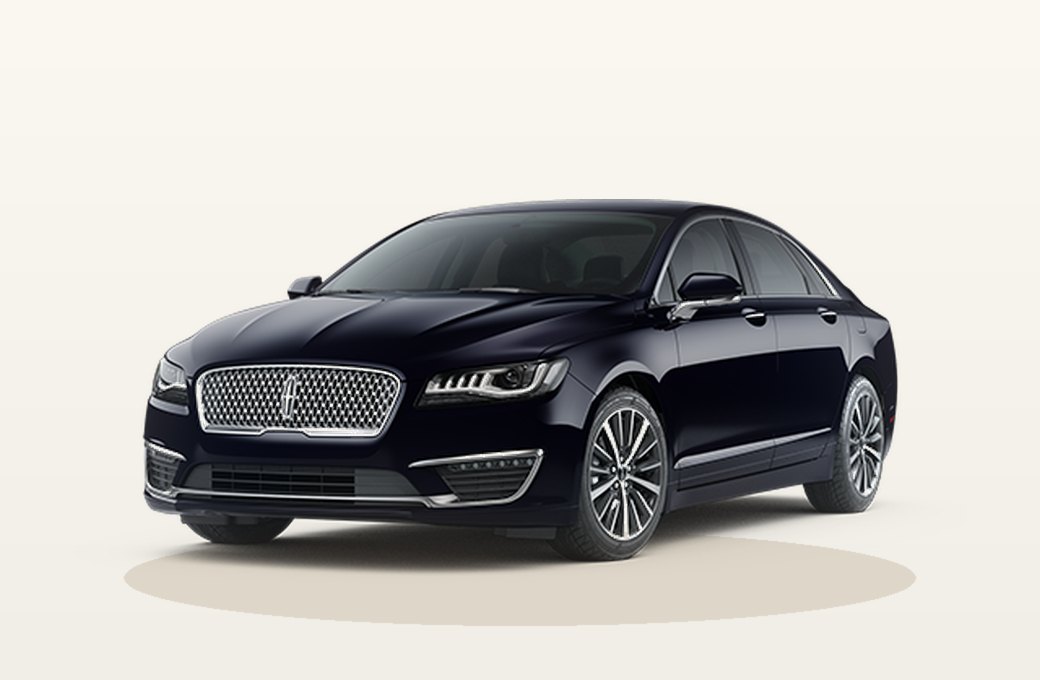
| Executive SUV | up to 6 | Small teams and families with a normal amount of luggage |
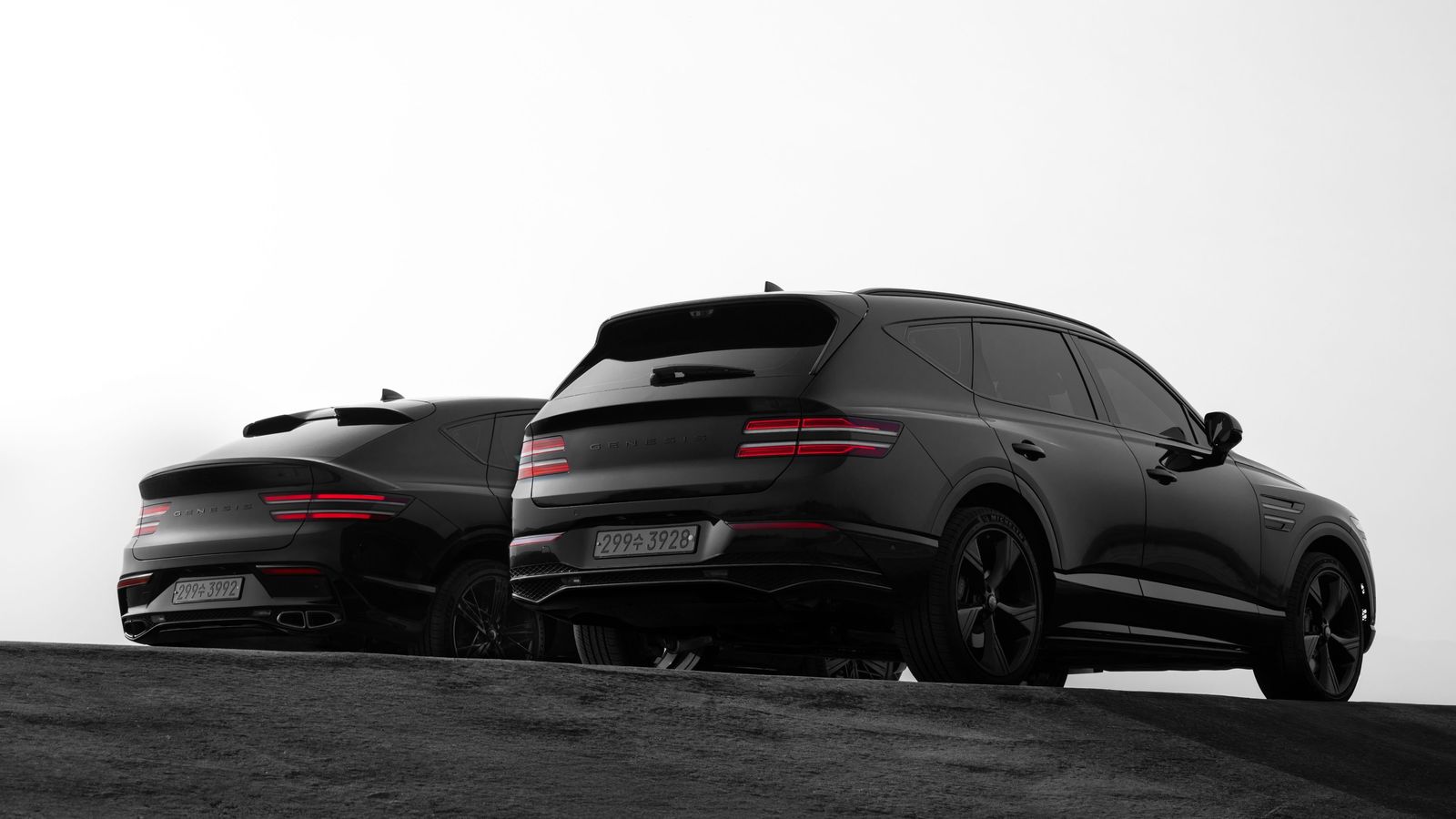
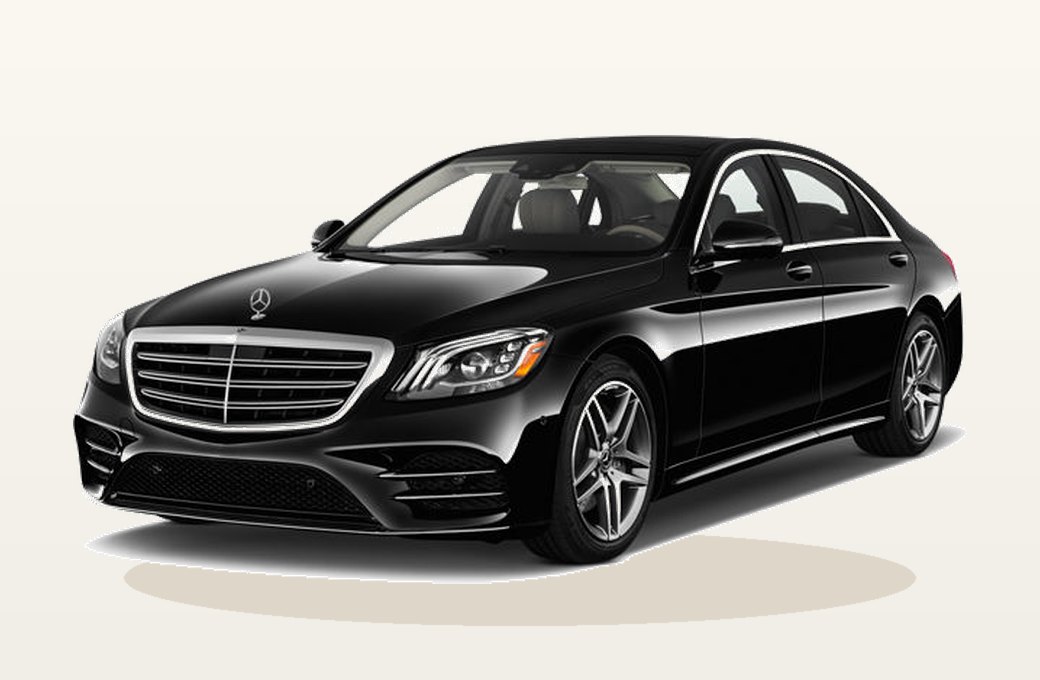
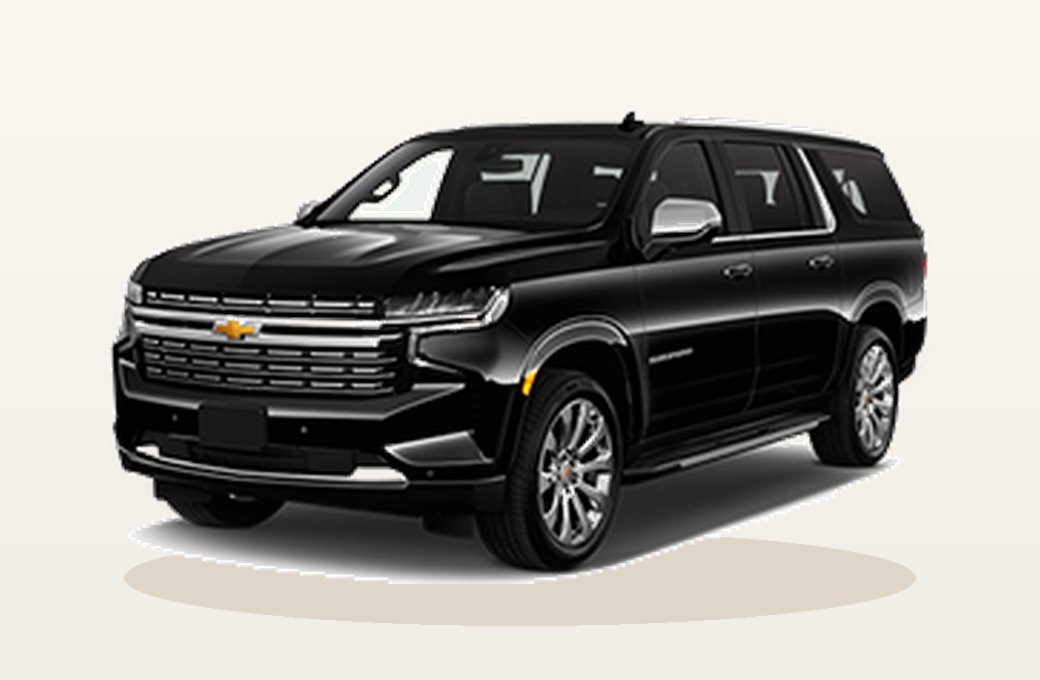
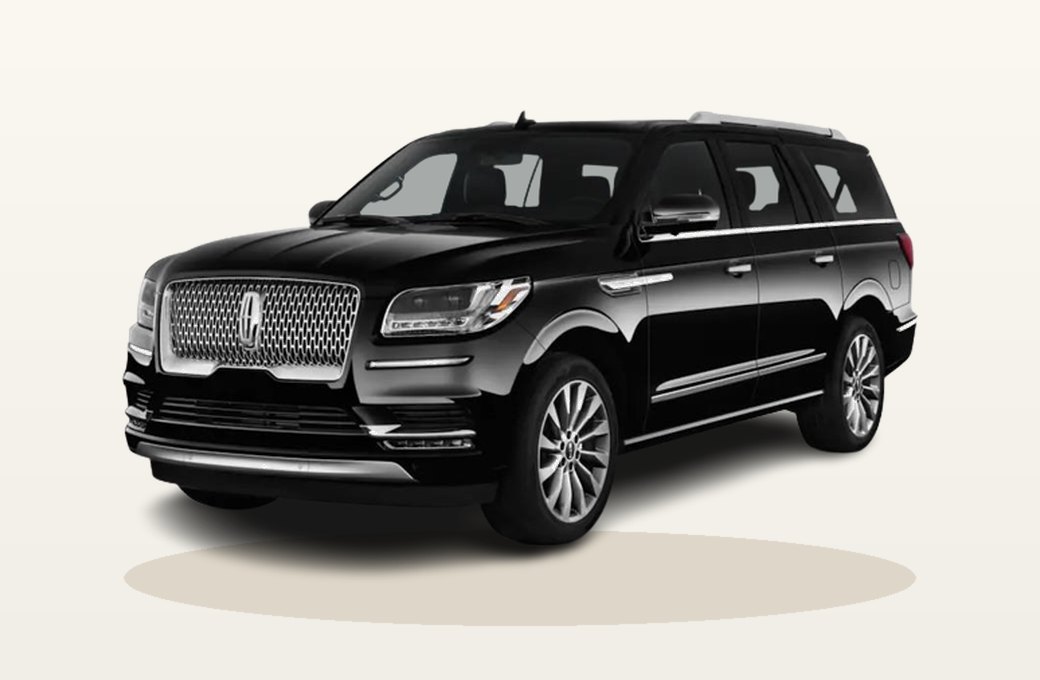
| Standard Black SUV (V-Class, Pacifica, Alphard or similar) | up to 6 | Lounge-style seating, easy sliding-door access, crews and small delegations |
| Sprinter Van (Mercedes-Benz Sprinter, Ford Transit executive) | up to 14 | Airline crews, roadshow teams, wedding parties, golf groups, board offsites |
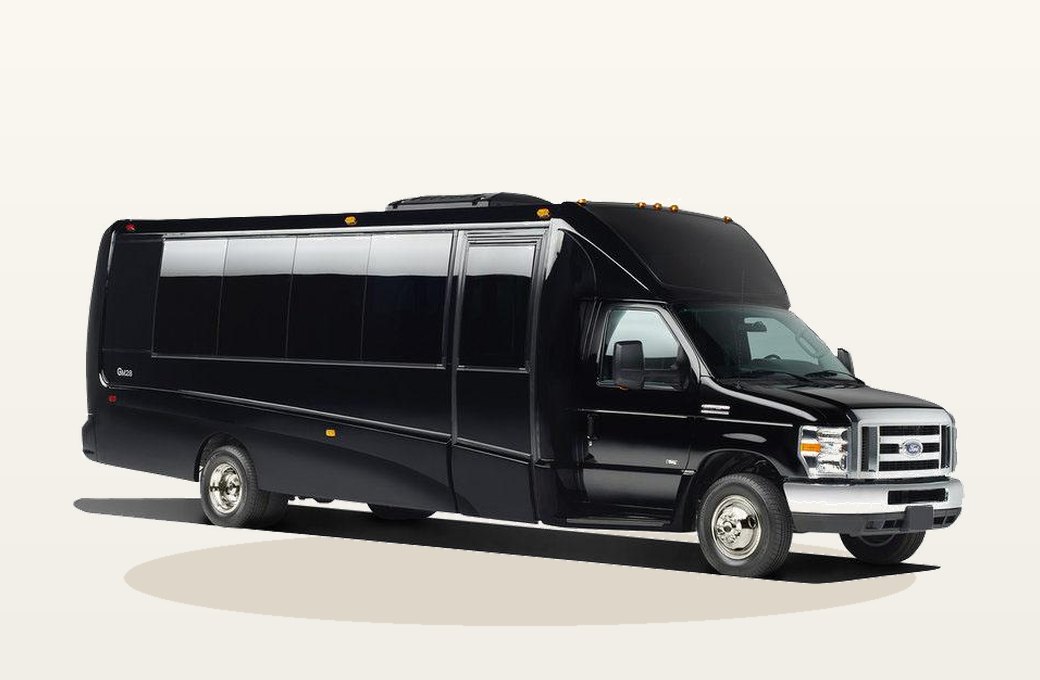
| Minicoach | from 24 | Conference delegates, tour groups, school and sports teams |
| Motorcoach | up to 56 | Large conference transfers, cruise groups, crew changes, stadium runs |
Seat count is only half the question. A Sprinter carrying fourteen people has much less room for luggage than one carrying ten, because the rear seats and the luggage area compete for the same space, and the exact split depends on the configuration the local operator runs. When you book, give the real number of large and small cases, golf bags, ski bags, musical instruments or equipment cases. If the load will not fit safely, the engine or the coordinator will suggest a second vehicle or a luggage van rather than squeezing it in.
For groups that include wheelchair users, say so at booking. Accessible vehicles exist in many cities but not in all, and the coordinator will tell you what is available before anything is confirmed.
What is included in a group transportation fare?
The fixed fare covers the vehicle and chauffeur for the trip or hours you booked, door to door. It includes:
- Flight tracking on every airport pickup, with the chauffeur re-timed to the actual landing.
- Included waiting from the actual landing: 60 minutes on international arrivals, 30 minutes on domestic flights, and 15 minutes on other pickups. After that, waiting runs in 15-minute blocks.
- Help with loading and unloading the luggage.
- Child seats on request in most cities, free of charge.
- The airport access charges the operator pays to collect you.
Airport parking and gratuity are charged at actual cost and added to the booking. Extra stops added on the day, waiting beyond the included time and route changes after pickup are charged at the booked rate, and dispatch messages the group lead before an extra block starts. Planning ranges for each vehicle class are on the rates page; the engine gives the exact fare for your addresses and time.
How does an airport pickup work for a group?
Groups make airport pickups harder, because people clear customs at different speeds and bags arrive on different belts. The standard pickup is curbside, at the airport's designated commercial or pre-arranged pickup area; many airports also have a separate coach or high-occupancy zone that the chauffeur uses for a Sprinter or coach. The confirmation explains where that is at your terminal, and the chauffeur texts the group lead after landing with the exact bay.
If you would rather have the chauffeur in the arrivals hall holding a sign with the group name, add meet and greet when you book. Add-ons are only available in selected locations, because some airports do not let drivers wait inside or make the parking that allows it very costly. For a large party it is worth naming one group lead with a mobile phone that works on arrival, so the chauffeur has one person to call.
At the busiest hubs, such as JFK, London Heathrow or Dubai International, pickup rules differ by terminal, and coach bays can be a walk from the arrivals door. Your pickup instructions are written for the specific airport and terminal, not copied from a template.
Who uses group transportation with BlaakLane.com?
The same vehicles serve very different groups:
- Airline crews. Crew transport between the airport and the layover hotel runs to the minute, around the clock. See airline crew transportation.
- Ship crews and offshore teams. Crew changes at seaports and airports, often with late changes to the name list. See crew change transportation.
- Conferences and events. Delegate shuttles between hotels and a convention centre, gala transfers and speaker pickups, planned alongside event transportation.
- Corporate teams. Offsites, site visits and client days where a team of eight to fourteen moves together, billed through corporate accounts.
- Weddings. Guests between the ceremony, photos and reception, often paired with a wedding limousine for the couple.
- Sports and touring. Teams, crews and equipment on tight call times, covered in film, music, sport and touring.
- Families and friends. A family reunion flying in from three countries, or friends heading to a ski resort with a dozen bags.
Can we keep the van for the whole day?
Yes. Book hourly and the Sprinter or van stays with the group, with the chauffeur waiting at each stop. Hourly suits days with several venues: a morning of property viewings, an afternoon of client visits, or a wine route with lunch in the middle. The minimum number of hours varies by city and vehicle class and is shown in the engine before you confirm.
Long days have a practical limit that is set by law rather than by preference. In the United States, federal hours-of-service rules for passenger carriers limit driving to 10 hours after 8 consecutive hours off duty, and passenger vans designed for nine or more people fall within the federal definition of a commercial motor vehicle when driven for hire across state lines. In the European Union, vehicles carrying more than nine people including the driver fall under the EU driving-time rules, which cap daily driving at nine hours, extendable to ten twice a week. Similar rules exist in Canada, the United Kingdom and many other countries. When an itinerary would push a chauffeur past those limits, the coordinator plans a second chauffeur or a rest stop into the day and shows it in the written confirmation.
How do multi-vehicle and multi-day programmes work?
A programme is anything that needs more than one vehicle, more than one day, or a moving list of passengers. Typical examples are a three-day conference with shuttles every twenty minutes at peak times, a delegation with a lead car and two Sprinters, or a roadshow visiting four cities in a week.
The coordinator starts from your schedule and your passenger list and returns a written plan: which vehicle does which movement, pickup times, the chauffeur and operator for each, the contact on the ground and the change process if flights move. In the home dispatch area around Toronto the programme runs from our own desk; everywhere else it is driven by vetted local affiliates from the LimousineWorldwide.Directory network, contracted to the BlaakLane.com written standard, and the confirmation names each operator. The 24/7 desk in Toronto stays responsible for the whole file, so you have one point of contact whether the group is in New York, London or Singapore.
For programmes, name lists and flight details usually change until the last day. Send updates to the coordinator as they happen; the plan is reissued with each material change.
Is it cheaper than several sedans or a coach?
Usually, yes, within the right range. As a rough guide:
- Up to three people with normal luggage: a sedan is the cheapest option.
- Four to six people: an executive SUV or Standard Black SUV normally costs less than two sedans.
- Seven to fourteen people: one Sprinter Van is usually well below the cost of three SUVs or four sedans, and the group arrives together.
- Fifteen people and above: a minicoach or motorcoach becomes the better value, especially for airport runs with luggage.
The exact break points depend on the city and the date, which is why the engine prices each class for your trip rather than using a formula. Compare classes in the engine before you confirm; the fare shown for each is fixed.
What should the group lead prepare?
A little preparation makes group moves much smoother:
- A passenger list with names and mobile numbers, and one lead contact.
- Flight numbers for every arrival, even if people land at different times.
- The luggage count, including anything oversized.
- Any child seats needed, with the child's age and weight.
- Accessibility needs, dietary stops or prayer times the day should allow for.
- For hotels, the exact property name and entrance, since some large resorts have several.
Cancellation and changes
Cancellation charges are counted back from the pickup time: more than 72 hours before pickup there is no charge; 72 hours or less, 10 %; 48 hours or less, 50 %; 24 hours or less, or a no-show, 100 %. For a programme with several movements, each movement is counted from its own pickup time. Changes to times, addresses or head count are free when the same vehicle can still do the job; if the group grows beyond what the vehicle can carry, the fare is re-priced for the larger class and you approve it before it applies.
Local rules and licensing
Passenger vans and coaches for hire are licensed differently from sedans in most countries, and the operator on your trip holds the licences the place requires. In the United Kingdom, for example, vehicles with nine or more passenger seats generally need a public service vehicle operator licence issued through GOV.UK, and many cities in North America license limousine and charter operators separately from taxis. Our checks on affiliates, including commercial passenger insurance and vehicle age, are set out on the safety and standards page. Every vehicle is four model years old or younger.