







Roadshow transportation from BlaakLane.com keeps a management team moving through back-to-back investor meetings. Each team gets a dedicated car and chauffeur on as-directed hire, routed to the meeting schedule, with airport and FBO transfers between cities. A coordinator plans every city, confirms it in writing and updates it when the schedule changes. The 24/7 desk in Toronto supports the team from the first meeting to the last flight.
What roadshow transportation has to solve
A roadshow is one of the densest schedules in business travel. A chief executive and chief financial officer may meet eight to twelve investors in a day, in one-on-ones, small group meetings and a lunch presentation, then fly to the next city that evening. Meetings are often 45 to 60 minutes with 15 to 30 minutes between them, and the addresses change every hour. There is no margin for a car that is late, lost or parked out of reach.
Roadshow transportation therefore works differently from ordinary corporate travel:
- One car per team, all day. The car and chauffeur stay with the team on as-directed hire, so nobody waits for a pickup between meetings.
- The schedule drives the routing. The chauffeur receives the meeting schedule, not a list of addresses, and plans each leg against the start time of the next meeting.
- Changes are expected. Investors cancel, meetings move and a new one-on-one appears at lunch. The plan is updated during the day, not rebuilt.
- Confidentiality matters. Before an IPO prices, the company, the deal and the investor names are sensitive, and the transport plan must treat them that way.
Types of roadshow we plan
| Roadshow type | Typical pattern | Transport need |
|---|---|---|
| IPO or deal roadshow | Several cities in one to two weeks, often two teams | Dedicated cars per team, tight airport links, FBO transfers |
| Non-deal roadshow (NDR) | Management meets existing and prospective holders, one to three cities | As-directed car per day, hotel and airport transfers |
| Investor day or capital markets day | Hundreds of attendees at one venue | Shuttles, VIP cars for management, coach loops |
| Reverse roadshow or site visit | Investors visit plants, mines or campuses | Vans, Sprinters or coaches, often outside the city |
| Bond or debt roadshow | Short, fast, several financial centres | Dedicated cars, rapid city-to-city turnarounds |
| Conference-linked meetings | One-on-ones around a broker conference | Hourly hire between hotel and meeting rooms |
Deal roadshows in the United States follow securities rules on what issuers may say and to whom; the U.S. Securities and Exchange Commission publishes the framework, and in the United Kingdom the Financial Conduct Authority regulates listings. Those rules shape the meeting schedule. Our job is to deliver the team to it on time.
How we plan a roadshow city by city
- Brief. The bank's roadshow coordinator, the company's investor relations team or the corporate access desk sends the draft schedule, team members, hotels and flights. Many briefs arrive a week or two before launch; some arrive at 48 hours.
- City plan. A coordinator builds a plan per city: the vehicle and chauffeur, the pickup and drop point at each meeting address, the drive time for each leg at that hour, and a fallback where a leg is tight.
- Written confirmation. The plan is confirmed in writing before the first meeting, naming the operator and chauffeur in each city.
- Live day. The chauffeur works from the current schedule. When the schedule changes, the roadshow coordinator tells the desk or the chauffeur directly, and the next legs are re-timed.
- Wrap-up. Each city is billed to the agreed reference on one invoice, so the bank or company can reconcile the roadshow in one step.
In the home dispatch area around Toronto, the desk dispatches directly. In other financial centres, the car is driven by a vetted local affiliate from the LimousineWorldwide.Directory network under the BlaakLane.com written standard, and the confirmation names the operator.
The meeting schedule and the drive between meetings
The most important number on a roadshow day is the gap between the end of one meeting and the start of the next, set against the real drive time at that hour. Coordinators check each leg before the day starts and flag the ones that do not work, so the roadshow team can move a meeting, change its order or plan a walk instead.
Some patterns we plan around in the main centres:
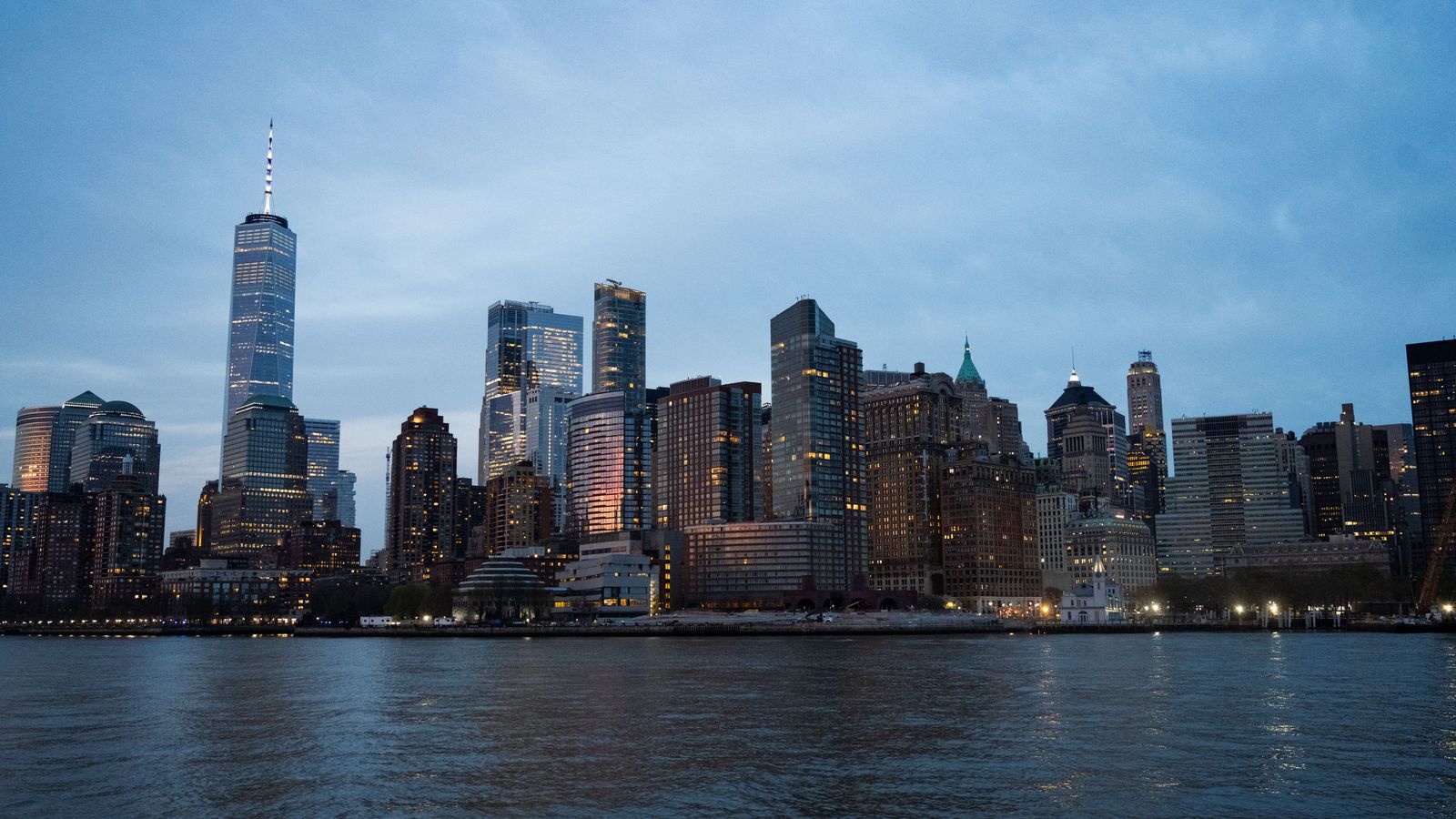
- New York. Many investor meetings are in Midtown, with others in the Financial District, Hudson Yards and Greenwich, Connecticut. Midtown to the Financial District is about 4 miles and often 20 to 40 minutes at midday; Greenwich can be 45 to 90 minutes from Midtown depending on traffic. See New York.
- London. Meetings cluster in Mayfair and St James's for hedge funds and in the City and Canary Wharf for long-only managers. Moving across town can take 30 to 50 minutes on a weekday, and the Congestion Charge zone applies in central London. See London.
- Boston. Asset managers are concentrated in the Financial District and Back Bay, close enough that some legs are faster on foot. See Boston.
- Toronto. Bay Street and the Financial District keep most meetings within a few blocks; the car matters most for airport runs and for pension funds outside the core. See Toronto.
- Frankfurt, Zurich and Geneva. Compact centres with short drives; the time sink is usually the airport leg. See Frankfurt, Zurich and Geneva.
- Hong Kong and Singapore. Central and Admiralty in Hong Kong, and Raffles Place and Marina Bay in Singapore, hold most meetings; the car is mainly for the airport and for evening dinners. See Hong Kong and Singapore.
A sample roadshow day in New York
To show how the planning works, here is the shape of a typical non-deal roadshow day, with the times a coordinator checks before it starts. The addresses and investors change every time; the structure rarely does.
| Time | Leg | What the coordinator checks |
|---|---|---|
| 07:15 | Hotel to first breakfast meeting in Midtown | A short drive, but lobby access and early traffic on the avenues |
| 08:45 | Midtown to second meeting in Midtown East | Often under 15 minutes; sometimes faster on foot |
| 10:00 | Midtown East to the Financial District | Usually 20 to 40 minutes; the leg most likely to run late |
| 12:00 | Group lunch presentation in the Financial District | Drop at the venue, car waits nearby |
| 14:00 | Financial District to Hudson Yards | Typically 20 to 35 minutes along the West Side |
| 15:30 | Hudson Yards to Midtown | Short, but crosstown traffic builds from mid-afternoon |
| 17:00 | Midtown to LaGuardia, Teterboro or Penn Station | Airport runs at rush hour need the widest margin |
If the 10:00 leg looks too tight at the planning stage, the coordinator tells the roadshow team the night before. The fix is usually simple: swap the order of two meetings, start one fifteen minutes later or move a meeting to a video call. Discovering the problem at 09:55 is what the plan is there to prevent.
Choosing the chauffeur for roadshow work
Roadshow work suits chauffeurs who know the financial district, stay calm when the schedule changes and keep conversations in the car private. When a coordinator books a roadshow in a city, the affiliate operator is asked for chauffeurs with experience of multi-stop corporate days, and the confirmation names the chauffeur assigned to each team.
Where the roadshow runs for several days in one city, the same chauffeur usually stays with the team for the whole stay, subject to availability, and that is confirmed in writing. Keeping one chauffeur means the team does not re-brief a new driver each morning, and the chauffeur learns the team's habits: who takes calls in the front seat, which banker carries the presentation boxes, who needs a coffee stop before the lunch meeting.
Chauffeurs follow local rules on phone use and speed. The team's point person should message rather than call while the car is moving.
Meetings outside the financial district
Not every investor sits downtown. Many hedge funds and family offices are outside the core: Greenwich and Stamford in Connecticut for New York, the West End and Mayfair rather than the City in London, the Peninsula and Menlo Park for San Francisco, and pension funds in suburban campuses near several North American cities. These legs are longer and less predictable, and they are where a dedicated car earns its cost.
Coordinators plan the out-of-town meetings as blocks. Two or three meetings in the same suburb are grouped so the team does not cross the region twice, and the drive time is checked for the hour the car will actually be on the road. For San Francisco and Chicago, where investors are spread between downtown and outlying offices, the plan often uses one car for the whole day rather than separate transfers.
Where the car waits during a meeting
Office towers in financial districts rarely let cars stand at the entrance. The chauffeur drops the team at the lobby, then waits at the nearest legal place: a building's loading bay if permitted, a side street, a parking garage or a loop around the block. When the meeting ends, the team's point person messages the chauffeur, who returns to the same entrance or to one agreed in advance. In cities with strict kerbside rules, the coordinator notes the waiting options per address in the city plan.
Which vehicles work for roadshows
| Team | Recommended class | Notes |
|---|---|---|
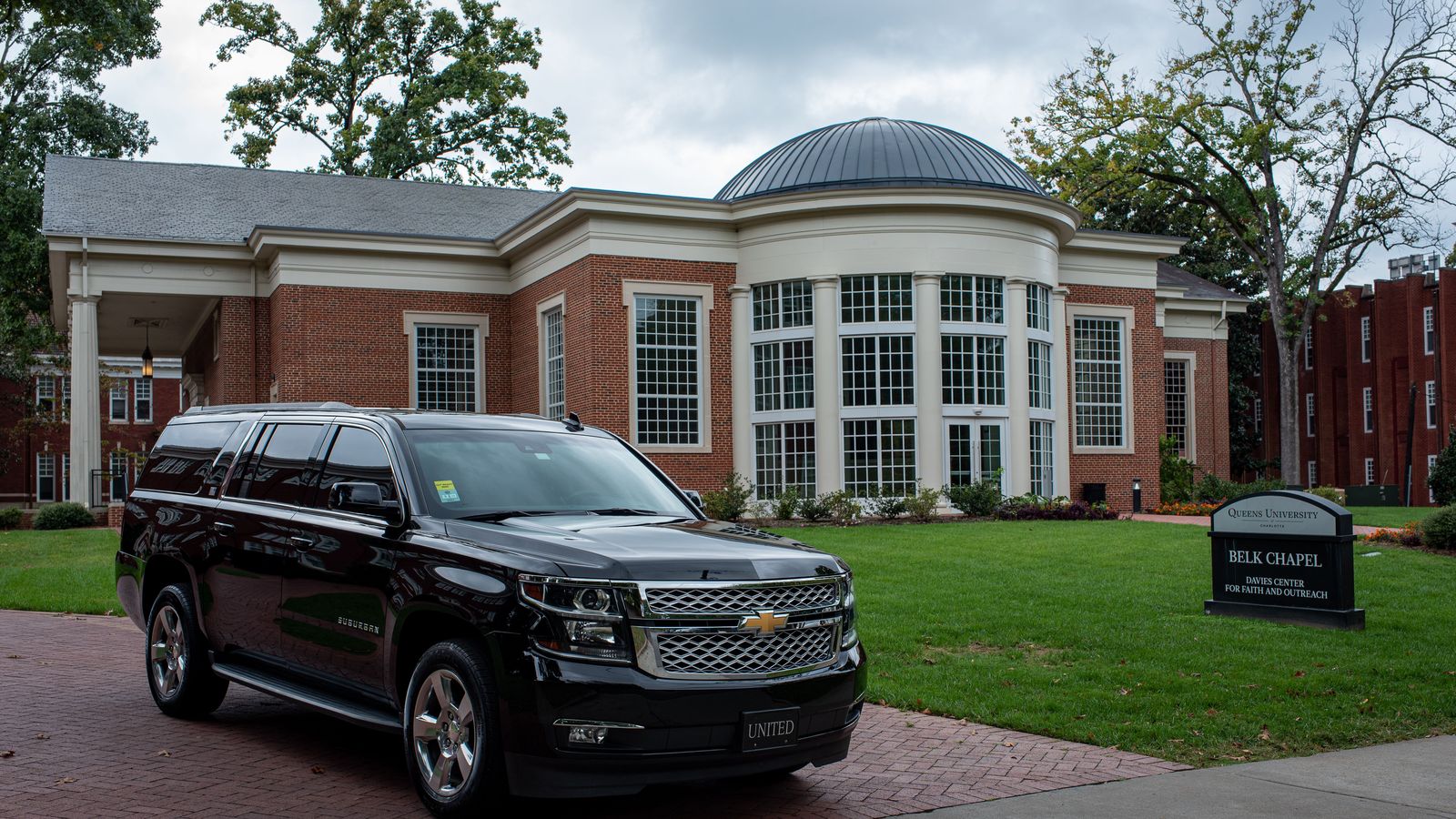
| CEO and CFO with one banker | Executive SUV | Three in the rear, bags in the back, room for presentation boxes |
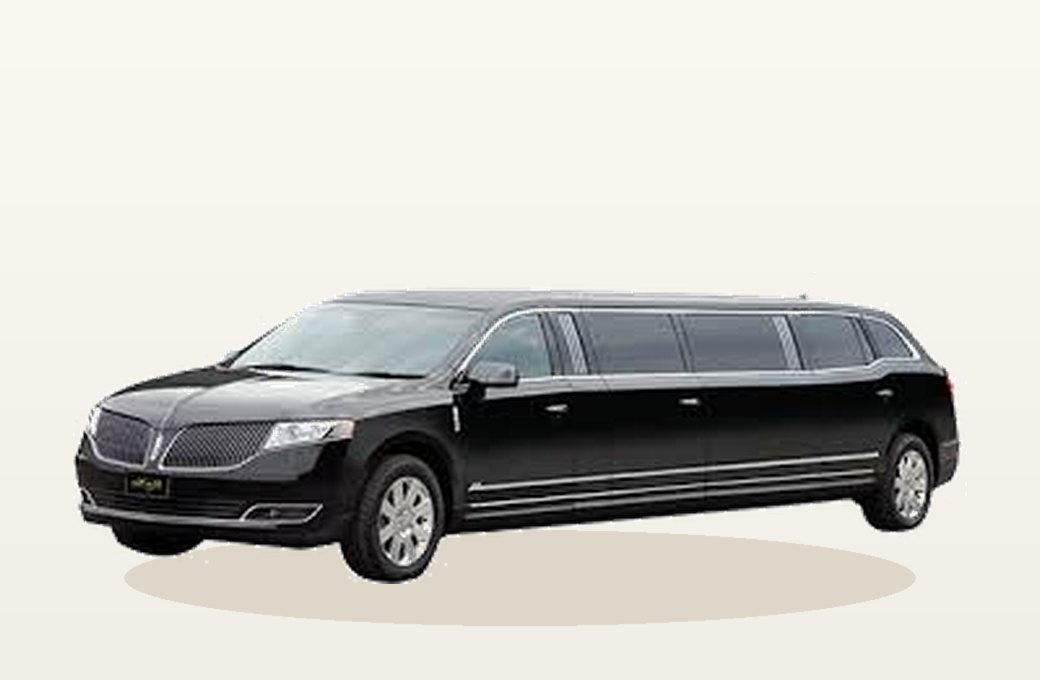
| Two executives only | Luxury Executive Sedan | Quiet cabin for calls between meetings |
| Team of five to seven | Standard Black SUV | Keeps IR, bankers and management together |
| Two parallel teams | Two dedicated cars | Each team on its own schedule |
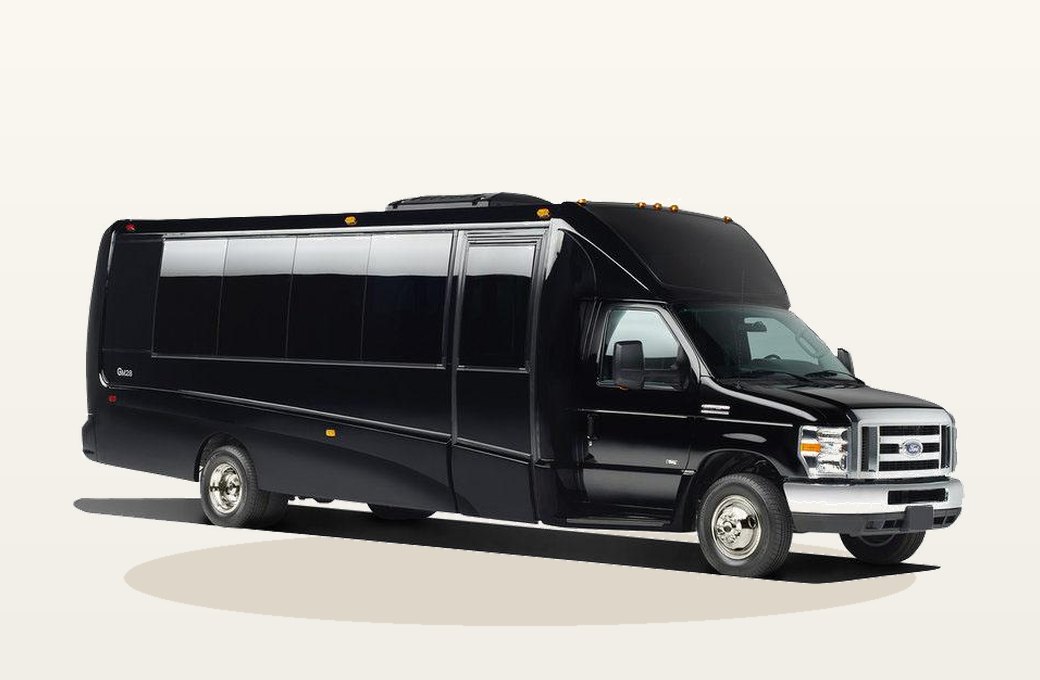
| Investor day guests | Sprinter Van, minicoach or motorcoach | Planned shuttle loops from hotels |
The full range is on the fleet page. Where a team splits for the afternoon, a second car is booked in advance rather than improvised on the day.
Airport, FBO and rail legs between cities
A roadshow usually moves city to city in the evening, and the transfer to the airport is the leg most likely to go wrong. Coordinators time the last meeting's end, the drive to the airport and the check-in or FBO arrival time, and they tell the roadshow team if the gap is too tight.
Common links we plan:
- New York to Boston or Washington. Many teams take Amtrak from New York Penn Station to Boston or Washington instead of flying, and we meet the train at Boston South Station or Washington Union Station. The Amtrak Acela timetable decides the plan.
- London to Paris or Frankfurt. Eurostar from St Pancras reaches Paris in about 2 hours 15 to 2 hours 30 minutes; for Frankfurt, most teams fly.
- Private jets. Larger IPO roadshows often charter aircraft, flying from Teterboro near New York or Farnborough and Luton near London. The car meets the team at the FBO; see private aviation and FBOs.
- Commercial flights. Every airport pickup is flight tracked, so the chauffeur is timed to the actual landing at LaGuardia, JFK, London City, Heathrow or Hong Kong.
Standard airport pickup is at the designated commercial or pre-arranged pickup area. Meet and greet in the arrivals hall is an add-on, available only in selected locations.
Confidentiality on a deal roadshow
Before a transaction is public, the transport plan contains information that matters: the issuer's name, the team, the cities and the investors. Coordinators keep the plan to the people who need it. On request, bookings can carry a project code instead of the company name, and chauffeurs receive only the schedule legs they need for the day. Chauffeurs do not discuss passengers, destinations or conversations, and the team can agree a code name for the booking reference. If your deal team requires a non-disclosure agreement, tell the coordinator during the brief.
Investor days and capital markets days
An investor day moves a different kind of traffic: dozens or hundreds of analysts and portfolio managers travelling from hotels or the airport to one venue, plus management and board members who need dedicated cars. Coordinators plan shuttle loops with Sprinters, minicoaches or motorcoaches timed to registration, dedicated cars for the executive team, and return runs to airports and stations after the event. See event transportation and group transportation for how large movements are staffed and staged.
Site-visit roadshows, where investors tour a factory, a mine or a campus, often mean long road legs outside the city. These are planned as intercity transfers with comfort stops and timings written into the plan.
Billing a roadshow
Roadshow transport is usually paid by the company or recharged by the bank, and both want one clean invoice. Each city is billed against the reference agreed at the brief, with dates, vehicle, hours and any waiting, so the roadshow can be reconciled in one step. Firms that run roadshows regularly can hold a corporate account with monthly invoicing and cost centres per deal or per client. Planning ranges for as-directed hire are on the rates page, and every roadshow plan is priced and confirmed in writing before it starts.
Late changes, cancellations and time zones
Roadshows move. A launch slips by a week, a city drops out, or a pricing date comes forward. The cancellation schedule is the same as every BlaakLane.com trip: more than 72 hours before pickup, no charge; 72 hours or less, 10%; 48 hours or less, 50%; 24 hours or less or a no-show, 100%. Because roadshows cross time zones, the plan states each pickup in local time, and the cancellation window is measured from that local pickup time.
The desk is open 24/7, so a schedule change sent from Hong Kong at 02:00 Toronto time is handled when it arrives.
Briefing checklist for roadshow coordinators
- Draft schedule with addresses, meeting times and meeting type
- Team names, mobile numbers and the on-site point person
- Hotels and check-in dates per city
- Flights, rail tickets or charter details between cities
- Vehicle preference and any split-team days
- Billing reference, project code and confidentiality requirements
Send it to the desk, and the coordinator returns a written city plan for each stop.