








Limousine companies and fleet owners join the BlaakLane.com affiliate network by registering the company, listing every vehicle and chauffeur, sending the licence, insurance and vehicle documents, and signing the affiliate agreement. Approved companies receive written job sheets from our 24/7 Toronto dispatch desk for transfers, hourly work, crews, events and multi-vehicle programmes in their area. Company membership is $50 a month or $600 a year, billed by card, with a one-time $14.95 setup fee.
Why do limousine companies join the BlaakLane.com affiliate network?
A limousine company already has the licences, the vehicles, the chauffeurs and a dispatch office. What it rarely has is a flow of international and corporate passengers who have booked somewhere else before they land. That is what the affiliate network adds. BlaakLane.com sells trips in 500 cities to corporate travel managers, airline and shipping crew planners, cruise passengers, event organisers and private clients. When one of those trips falls in your area and in a class you supply, the job can be offered to your company.
The client relationship stays with us: the booking, the fixed fare, the payment, the invoice and the customer service. Your company does what it does best, which is putting a trained chauffeur in a well-kept vehicle at the right place and time. The passenger's confirmation names your company and the chauffeur, so your name is on the service you deliver.
We do not promise a particular volume of work. Offers depend on the city, the season, the classes you list and how reliably your company handles the trips it accepts.
The affiliate standard your company signs follows the principles promoted by LimousineAssociation.International: licensing, commercial passenger insurance, vehicle age and inspection, chauffeur screening and conduct. Most established operators already work this way; the agreement simply writes it down so every city delivers the same trip.
Which companies fit the network?
| Company type | What we look for | Usually offered |
|---|---|---|
| Limousine and chauffeur company | Operating licence, fleet insurance, trained chauffeurs, a dispatcher reachable at all hours | Airport, corporate, hourly and event work |
| Fleet owner | Vehicles and chauffeurs run as a business, often across more than one city or airport | Corporate programmes, crew transfers, roadshows |
| Coach or minibus operator | Coach operating licence, qualified drivers, seat belts and luggage bays | Crew changes, conferences, tours, airport charters |
| Armoured or security transport provider | Certified armoured vehicles, security-trained drivers, a documented risk process | Principal movement after a risk assessment |
A company does not have to cover every class. A coach operator with no sedans, or a boutique firm with three Luxury Executive Sedans and a Rolls-Royce, is offered the work its fleet matches.
How do you list your fleet by class?
Every vehicle you want to offer is registered individually with its registration, inspection certificate, insurance listing and photos. It is then placed in one of the nine classes passengers see on the fleet page. The class matters because the passenger booked, and paid for, a specific class. A trip booked as a Luxury Executive Sedan is never covered with a Standard Sedan, and a stretch limousine booked for a wedding is never swapped for an SUV without the booker agreeing first. If a listed vehicle is off the road, tell dispatch before the trip so the class can be protected.
| Class | Examples | Seats / bags |
|---|---|---|
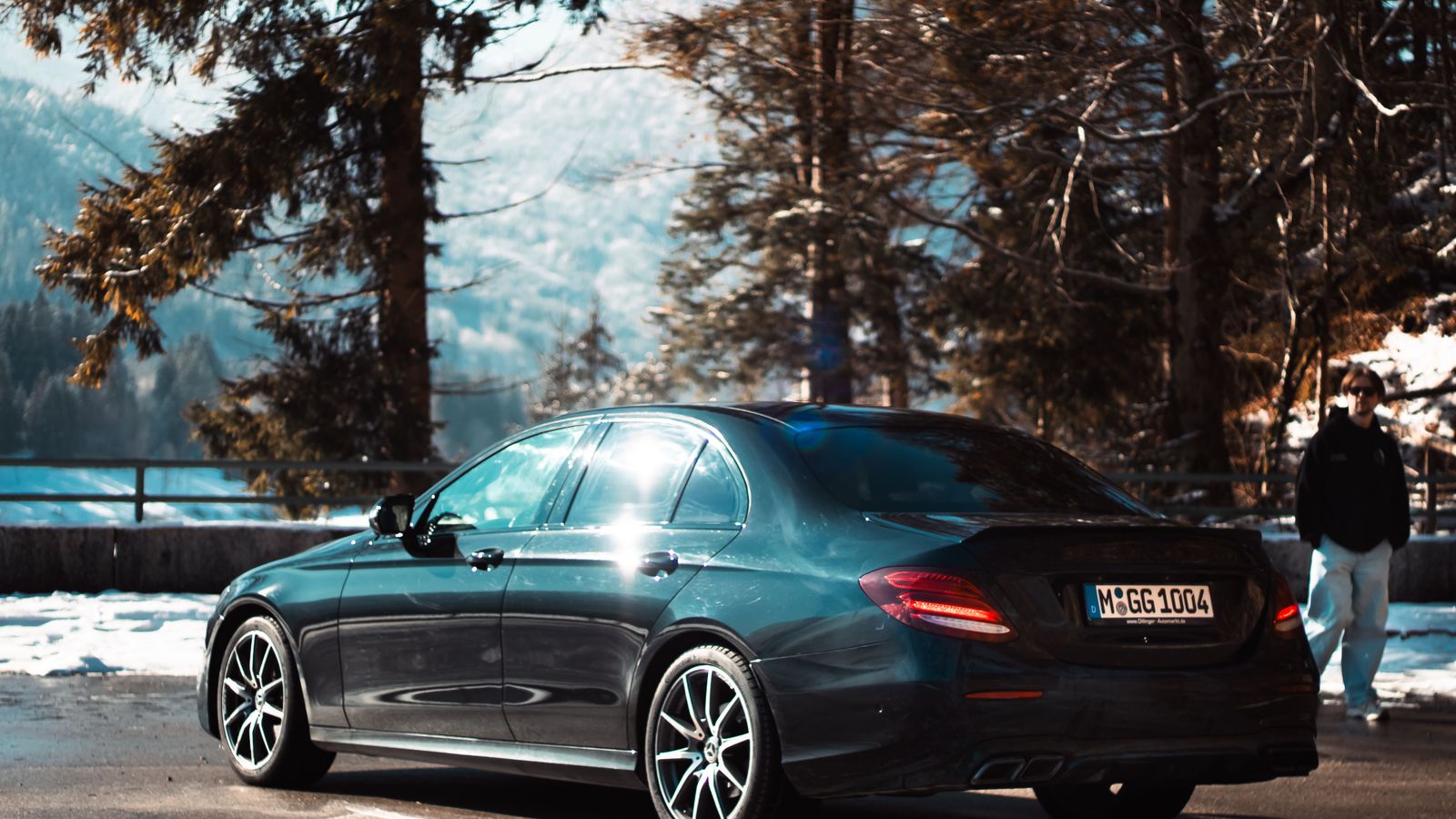
| Standard Sedan | E-Class, 5 Series, Lexus ES, Cadillac CT6 | 3 / 3 |
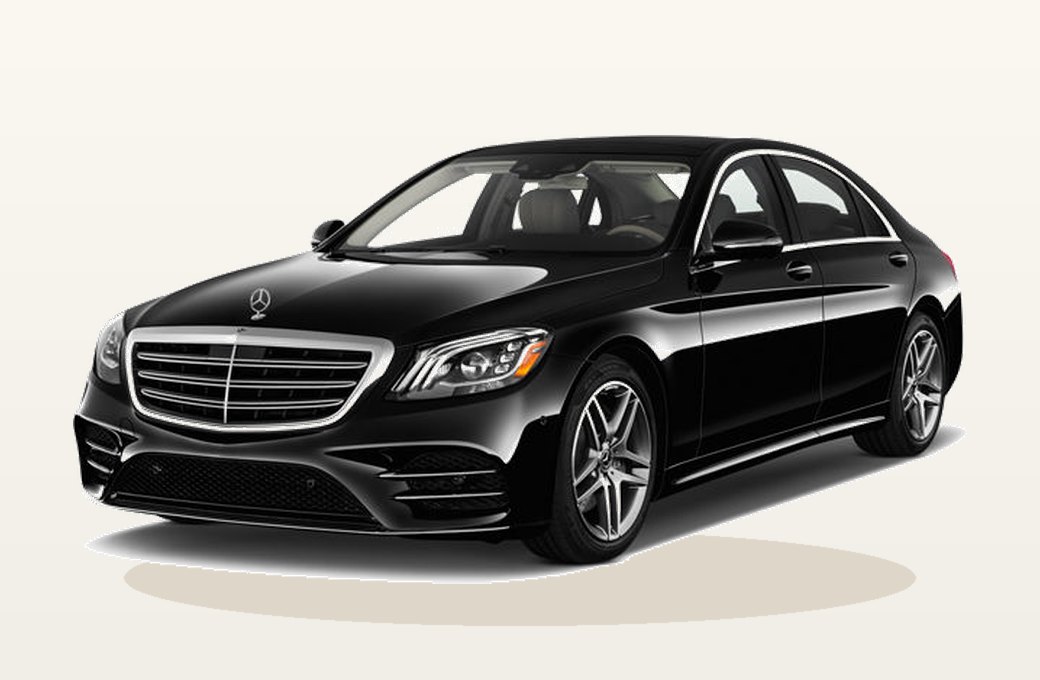
| Luxury Executive Sedan | S-Class, 7 Series, Audi A8 | 3 / 2 |
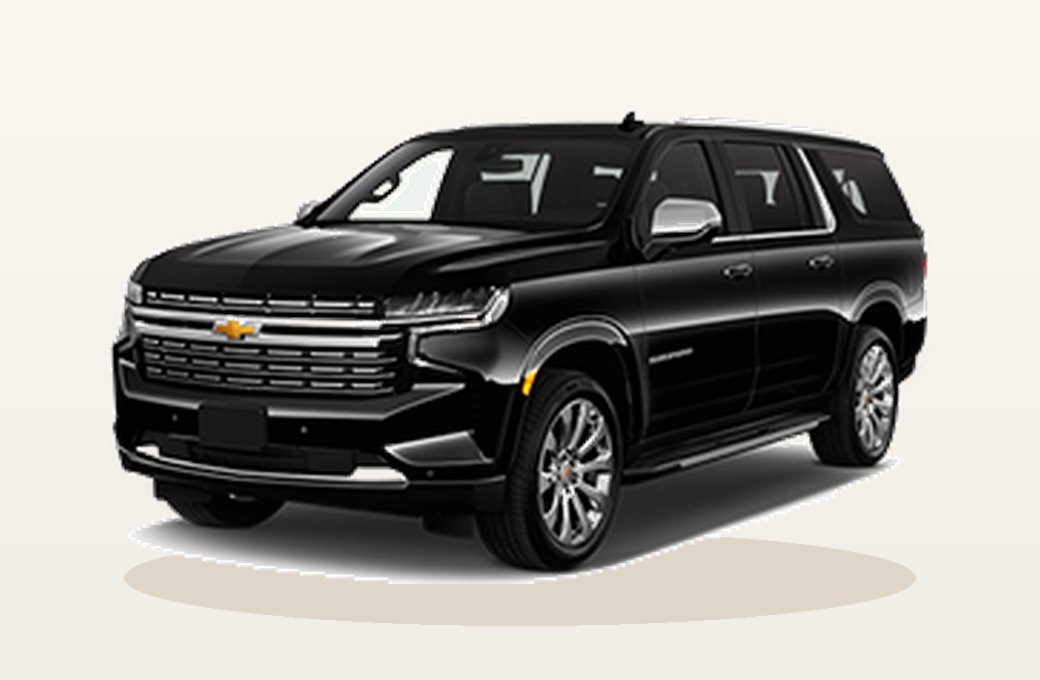
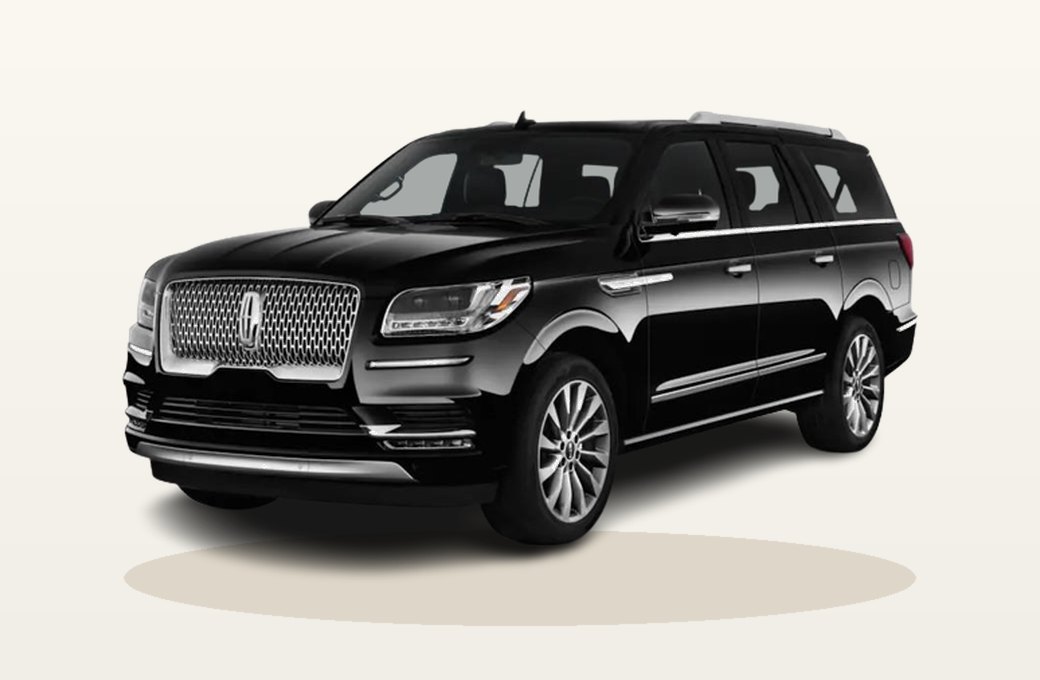
| Executive SUV | Escalade, Suburban, Navigator, GLS | 6 / 6 |
| Standard Black SUV | V-Class, Alphard, Pacifica | 6 / 6 |
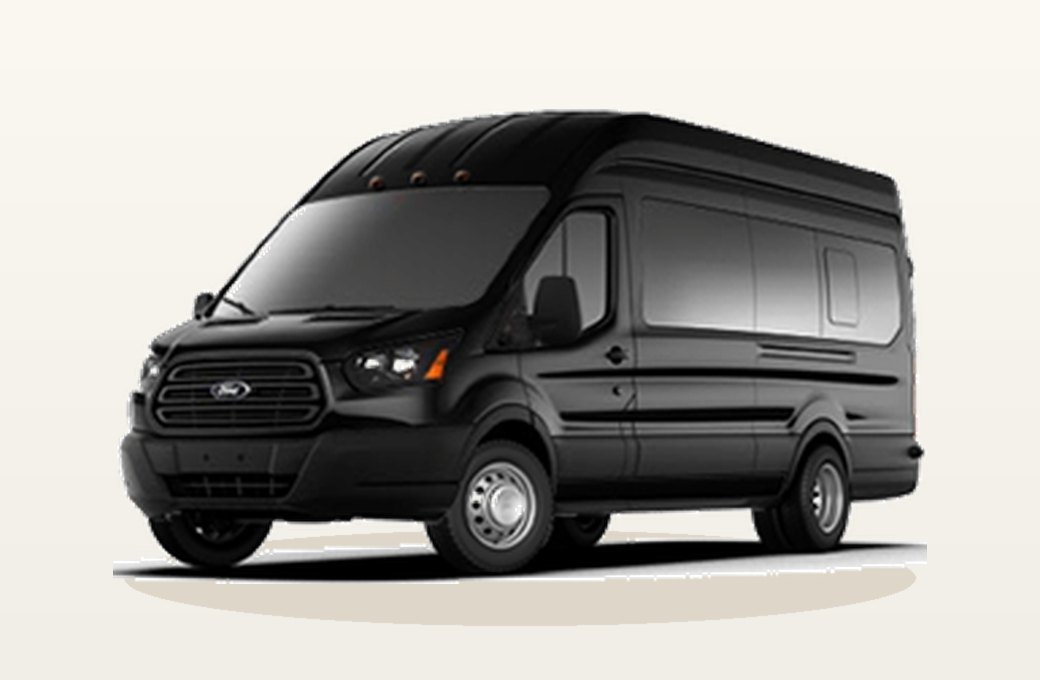
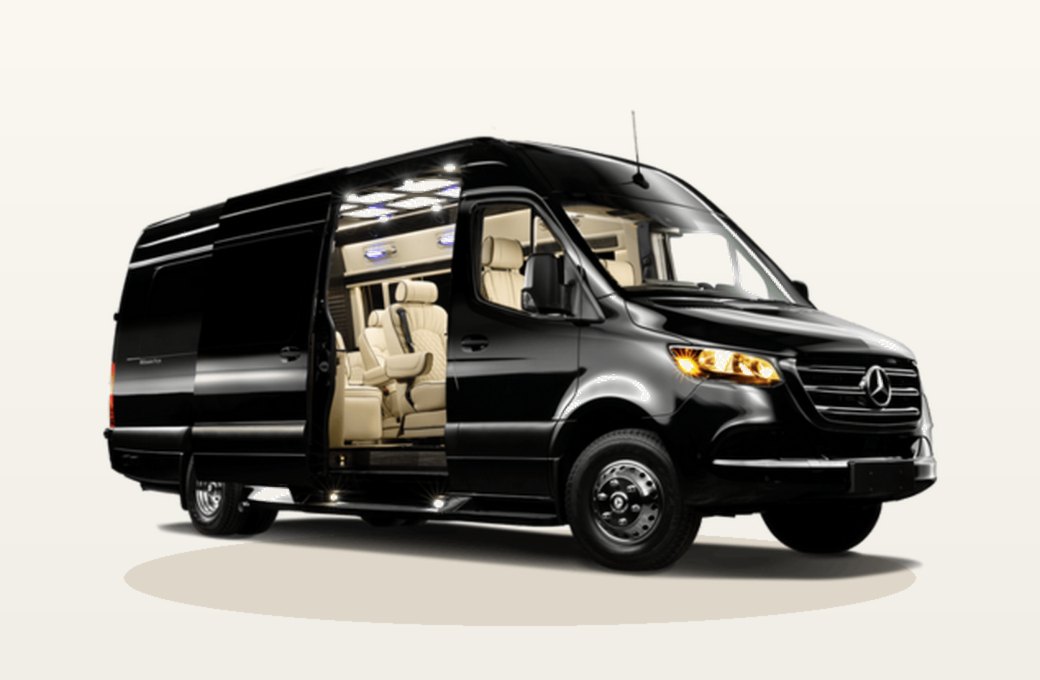
| Sprinter Van | Sprinter executive shuttle, Transit executive | up to 14 |
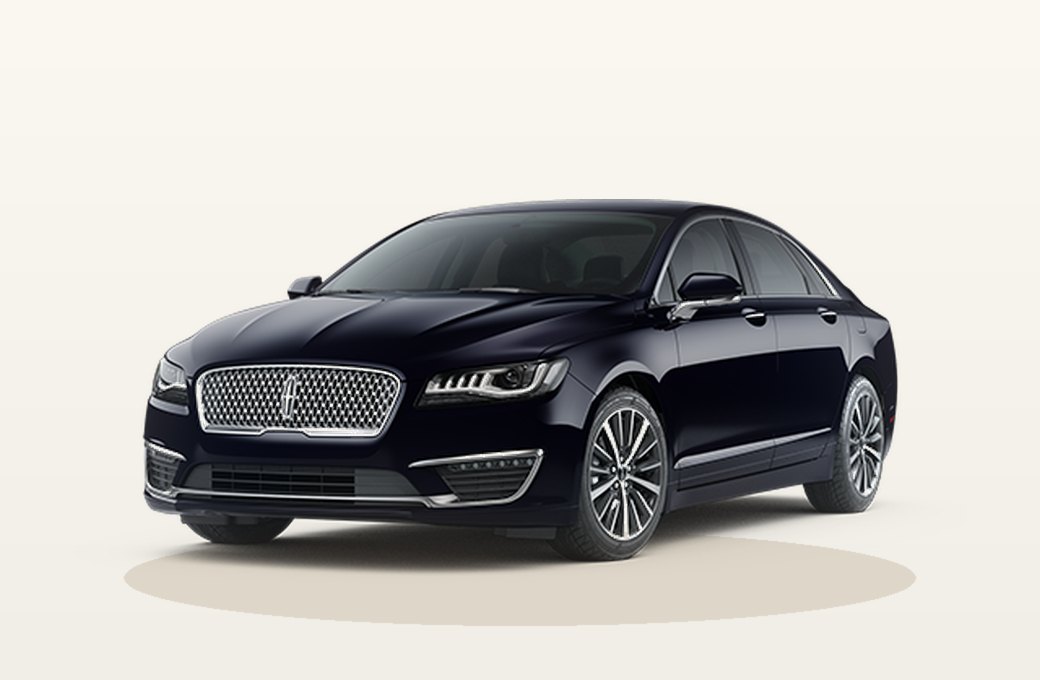
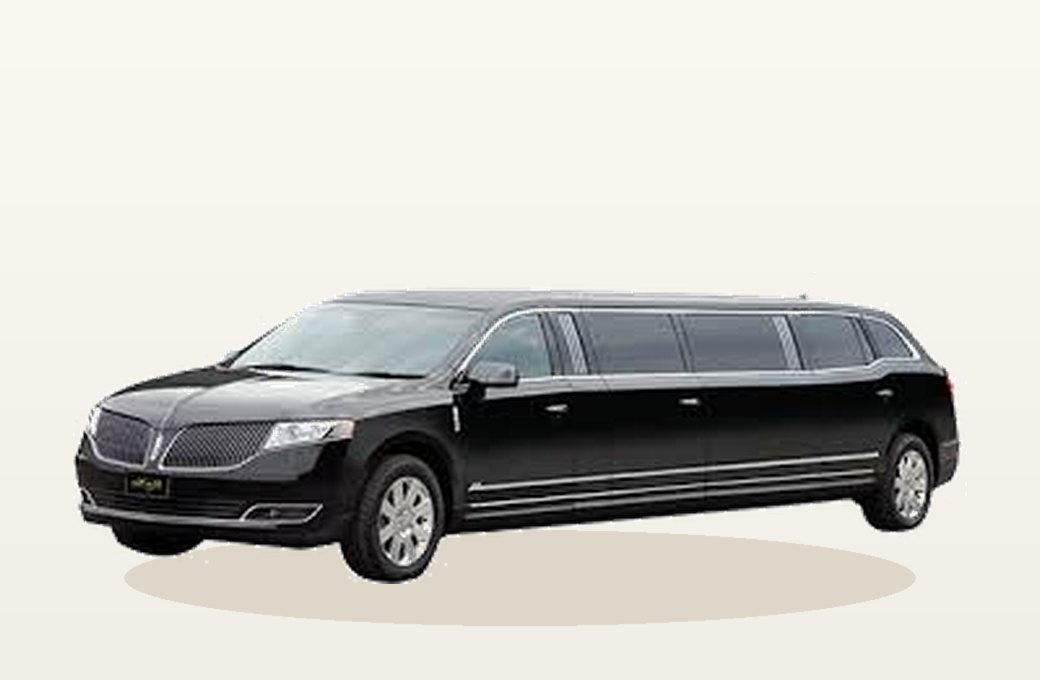
| Stretch limousine | Lincoln, Cadillac or Chrysler stretch | 8-10 / 4 |
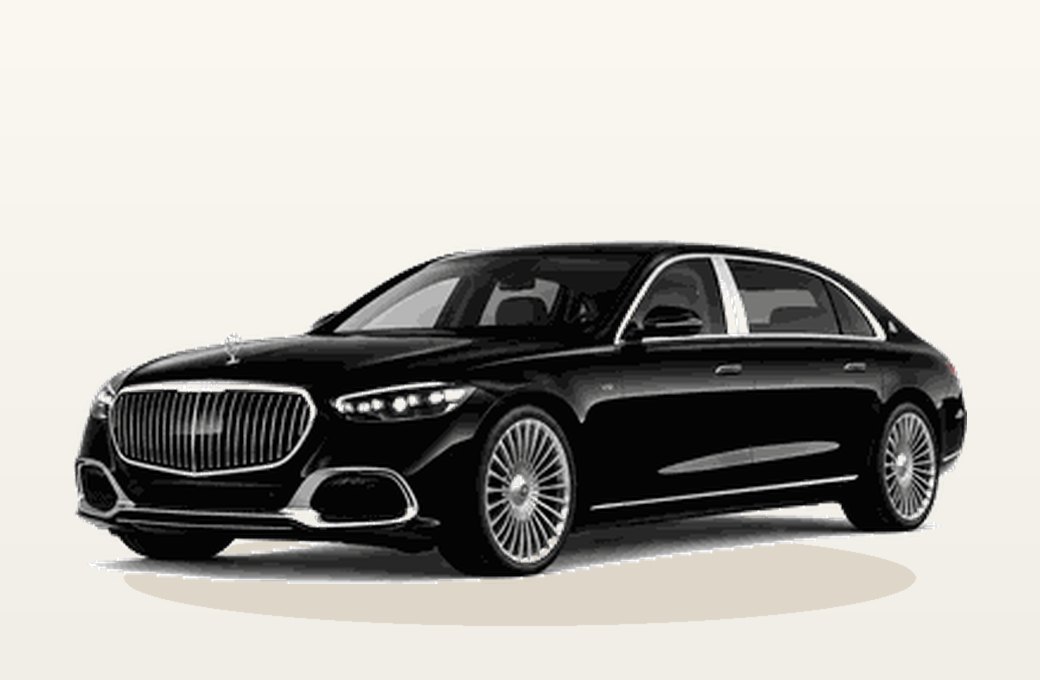
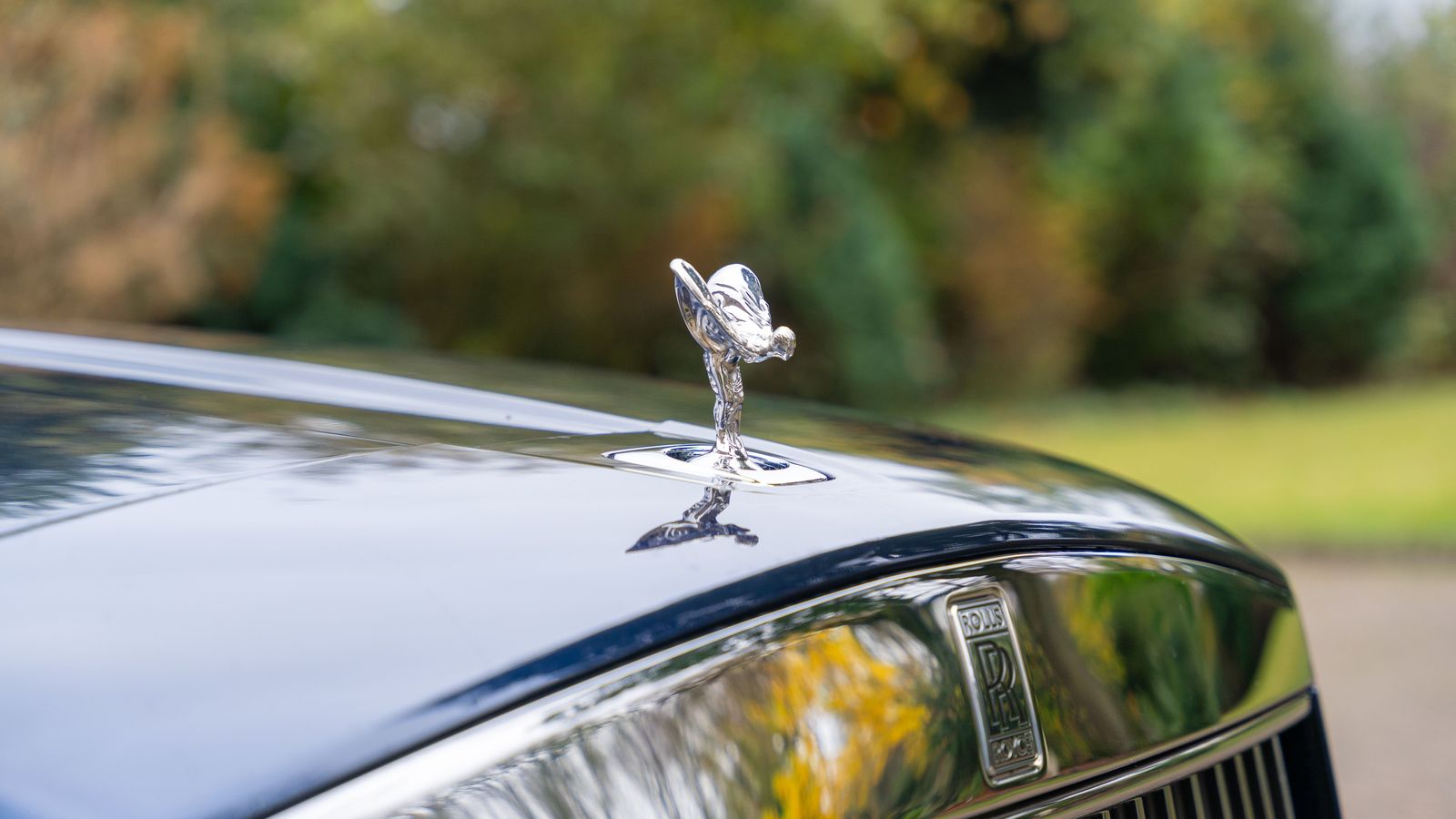
| Rolls-Royce, Maybach & Bentley | Ghost, Phantom, Cullinan, Maybach S-Class, Flying Spur | 3 / 2 |
| Armoured SUV & sedan | Certified armoured SUVs and sedans | 4 / 4 |
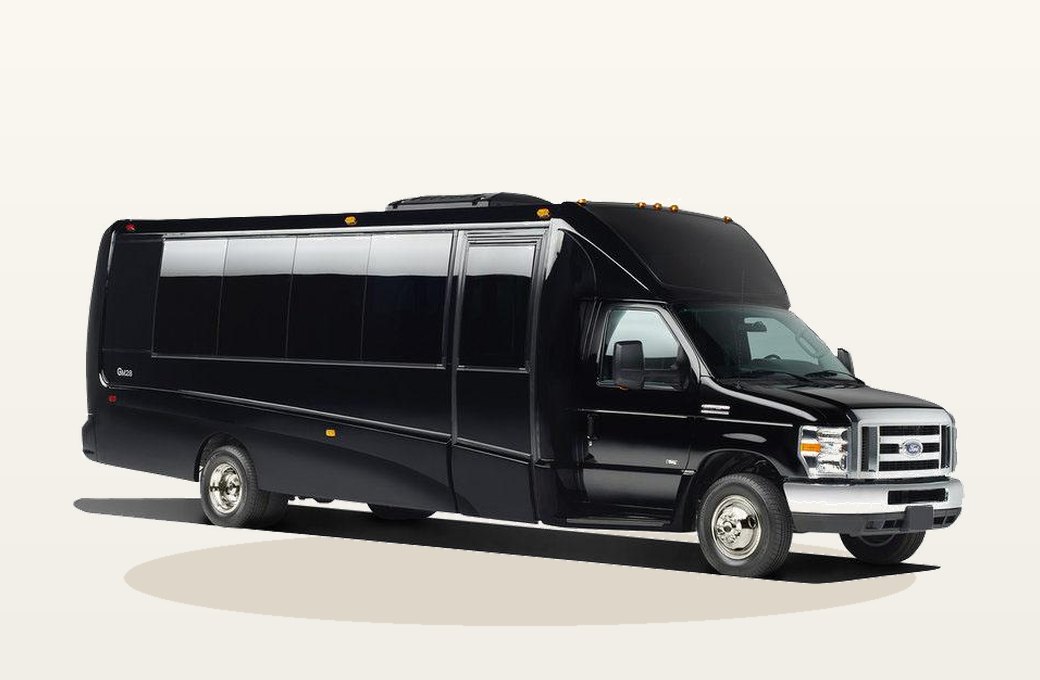
| Minicoach & motorcoach | 24 to 56 seats | 24-56 |
The age rule applies to every vehicle on the list: 4 model years old or younger, with Rolls-Royce, Maybach and Bentley accepted up to 7. Models, requirements and standards per class are on vehicles affiliates can offer.
How are a company's chauffeurs registered?
Each chauffeur who will drive our trips is added to your company profile with their driving licence, for-hire permit, background check and a photo in uniform. It makes no difference whether they are employees or contractors of your company; what matters is that each one is individually licensed and screened. The chauffeur's first name appears on the passenger's confirmation and job updates, which is why a trip accepted by your company is assigned to a named chauffeur before the day, not left to whoever is free. If you reassign a trip, tell dispatch so the passenger is told who to look for.
How do you define your coverage area?
On registration you state the city or cities you operate in and the airports, cruise ports, private aviation terminals and train stations you serve. You can add the towns, resorts and outlying areas you are prepared to cover, and the longer intercity routes you drive. The rate card for your city reflects these zones. Be realistic: a company offered a trip 80 km outside its normal base will either ask the partner desk to price it before accepting or decline it, rather than accept and then struggle to position a car.
How does our dispatch work alongside your dispatch office?
Your company names a dispatch contact who is reachable around the clock, by phone and email, for the hours you accept work. Offers reach that contact through the dispatch app, by email or as job sheets, and your office assigns the vehicle and chauffeur. If your own dispatch software takes bookings by email, the job sheet fits into your normal workflow. Changes from the passenger, such as a new flight, an extra stop or a different drop-off, come to your dispatch contact from our desk in Toronto, and anything that changes on your side goes back the same way. The rule is one conversation per trip, owned by one person on each side. On the day, your chauffeur marks themselves on site and closes the job in the dispatch app or by reply, so our desk can tell a waiting passenger or a travel booker exactly where their car is without calling your office for every update.
How do multi-vehicle programmes work?
Crew changes, financial roadshows, delegations, conferences and weddings often need several vehicles on the same day. These are planned by a BlaakLane.com coordinator with the client and confirmed in writing before any affiliate vehicle is committed. For your company that means a programme sheet listing every movement, vehicle and passenger, a named coordinator for the day and a clear process for last-minute changes. Companies that can supply matching vehicles, a lead chauffeur and a supervisor on site are the natural fit. Related pages: financial roadshows, government and diplomatic delegations and group transportation.
What do coach and minibus operators drive?
Coach work in the network is mostly planned: ship crew changes between port and airport, airline crews, conference shuttles, tour groups and sports teams. Operators need the coach operating licence their jurisdiction requires, qualified drivers with current professional licences, seat belts, and luggage capacity to match the seats sold. In the United States, companies moving passengers across state lines in larger vehicles generally need operating authority from the Federal Motor Carrier Safety Administration. Driver hours rules and tachograph or electronic logging requirements apply wherever the law requires them, and a coordinator plans timings around those limits, not around them being stretched.
How does armoured and security transport work?
Armoured vehicles are offered on request, only after a risk assessment, and every movement is planned by a coordinator and confirmed in writing. Providers need a current ballistic certificate for each vehicle from a recognised armourer, for example to a VPAM VR level or an equivalent CEN standard, plus drivers trained in secure driving and a documented incident procedure. Secure work is not offered through the ordinary offer queue. See secure and armoured transportation for how passengers book it.
Can your own clients use BlaakLane.com in other cities?
Yes. When one of your regular clients is travelling to another of our 500 cities, the trip can be booked on the reservation engine like any passenger booking, at the fixed fare shown before confirming. Companies that book regularly can ask about a corporate account with monthly invoicing. That booking is separate from the affiliate agreement and has no effect on the work your company is offered.
Which compliance documents does a company send?
A company sends the same eight documents as every partner, applied across the fleet: the operating licence, a driving licence and for-hire permit for each chauffeur, the fleet or vehicle insurance certificate listing every vehicle, a registration and inspection certificate for each vehicle, a background check for each chauffeur, the business registration and the company bank details. Samples are on the documents page. The names on the licence, insurance, registrations and bank account should match the company; where a parent company or a lease is involved, include the document that explains the link.
How is a company's performance reviewed?
A partner manager looks at the company's record as a whole and at each chauffeur within it: offers answered within the window, on-time arrival, how changes and waiting were communicated, vehicle condition on arrival and passenger or coordinator comments. Problems are raised with the company's named contact, not directly with the chauffeur, so your office can act on them. The full review and removal process is in affiliate standards. Companies that consistently deliver are offered more of the planned, multi-vehicle work.
How does a company join, step by step?
- Register the company on the registration form, choosing "Limousine / chauffeur company", "Fleet owner", "Coach or minibus operator" or "Security / armoured transport provider".
- Send the company documents, then the documents and photos for each vehicle and each chauffeur you want to list.
- Receive the affiliate agreement, the written standard and the rate card for each city you cover.
- Hold an onboarding call with your dispatch contact about job sheets, the dispatch app, signage and payment.
- Start with a small number of trips followed closely by a coordinator, then join the regular rotation.
Read how partner work is paid for offers, invoicing and payment terms, and the Drive with us hub for the network as a whole.