








Owner-operator chauffeur work with BlaakLane.com suits an independent chauffeur who owns one licensed, insured luxury vehicle that is 4 model years old or younger. You register, send your documents, sign the affiliate agreement and then accept or decline pre-booked airport, corporate and VIP trips offered by our Toronto dispatch desk. You keep your own clients. Owner-operator membership is $30 a month or $360 a year, billed by card, with a one-time $14.95 setup fee.
Who counts as an owner-operator?
An owner-operator is a chauffeur who owns (or leases) the vehicle they drive and runs the work as their own business. In most places that means you hold a for-hire driver licence or chauffeur permit personally, and either you or your one-person company holds the operating licence, the commercial insurance and the vehicle registration. Some cities split those licences differently: in London, for example, Transport for London licenses private hire operators, drivers and vehicles separately, so a sole trader may need all three.
If you drive for a limousine company that owns the car, the company registers with us instead and lists you as one of its chauffeurs; the limousine companies and fleet owners page explains that route.
What does an owner-operator need before registering?
Have these ready before you open the registration form:
- A current driving licence of the right class, plus the chauffeur or for-hire permit your city issues.
- The operating or passenger-for-hire licence, where your jurisdiction requires one for a one-car business.
- Commercial passenger insurance that names you or your company as the insured and lists the vehicle. A personal car policy does not qualify.
- The vehicle's registration in your name or your company's name, or a lease agreement if it is financed.
- A current safety or roadworthiness inspection certificate for the vehicle.
- A recent background check or police clearance.
- Your business registration, which for a sole trader may be a tax or trade registration number.
- A business bank account in the same name as the insurance and registration.
Each of these, with a sample image, is on the documents page.
Which vehicle should an owner-operator bring?
Most owner-operators join with one sedan or one SUV. The class decides which trips you are offered, so it is worth choosing with the local market in mind.
| Vehicle class | Typical examples | Work it is matched to |
|---|---|---|
| Standard Sedan | Mercedes-Benz E-Class, BMW 5 Series, Lexus ES | Airport runs, hotel to office, single executives |
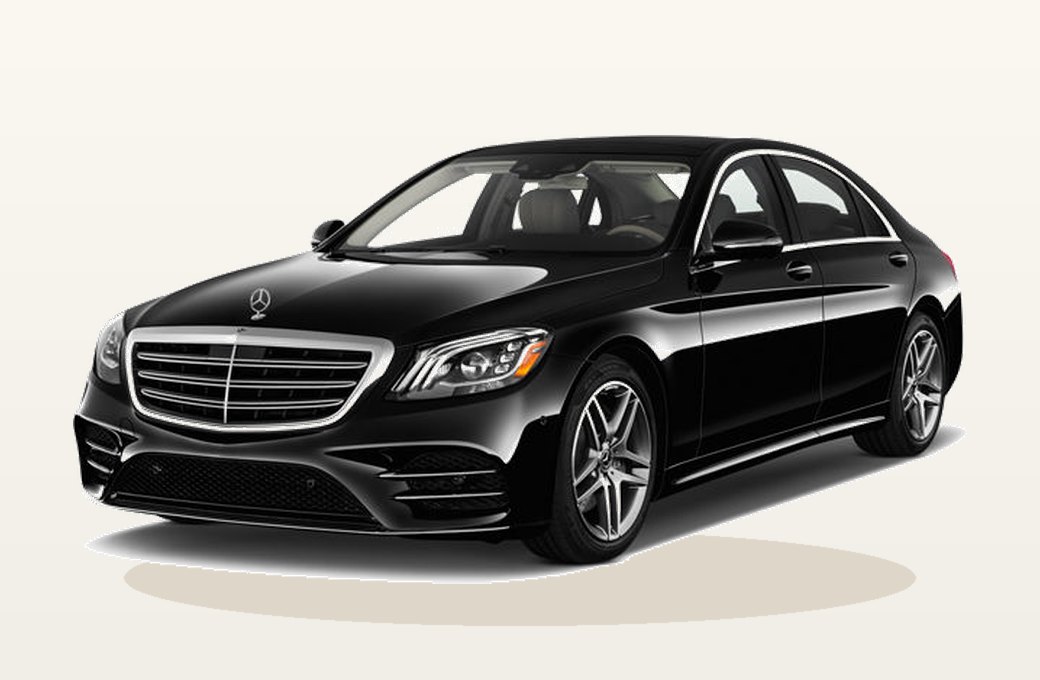
| Luxury Executive Sedan | Mercedes-Benz S-Class, BMW 7 Series, Audi A8 | Senior executives, diplomats, long-haul arrivals |
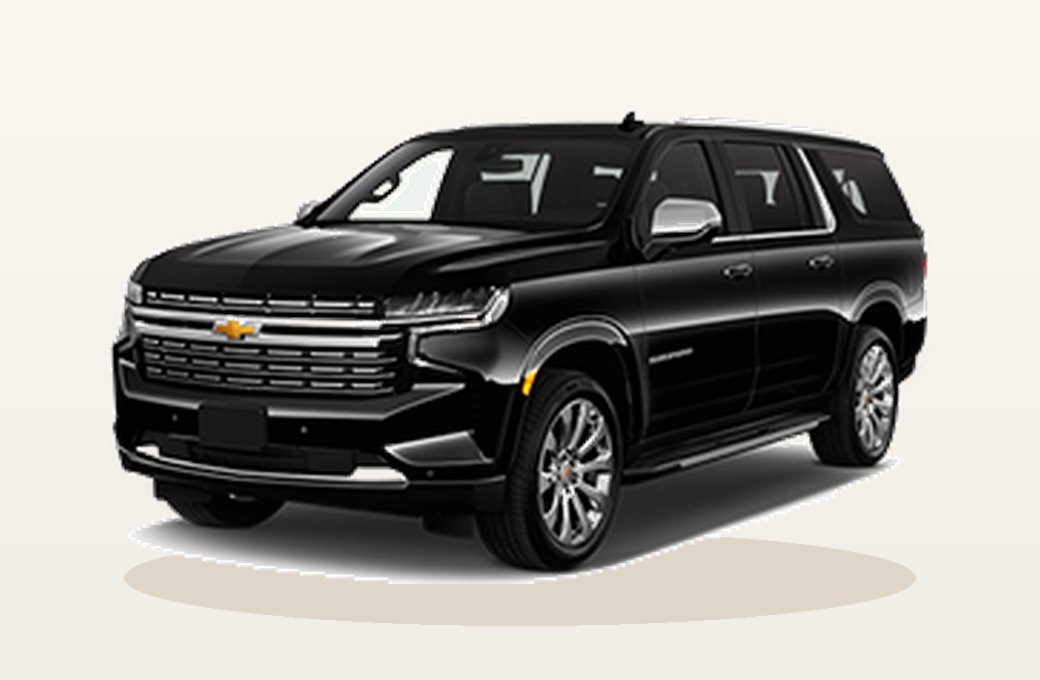
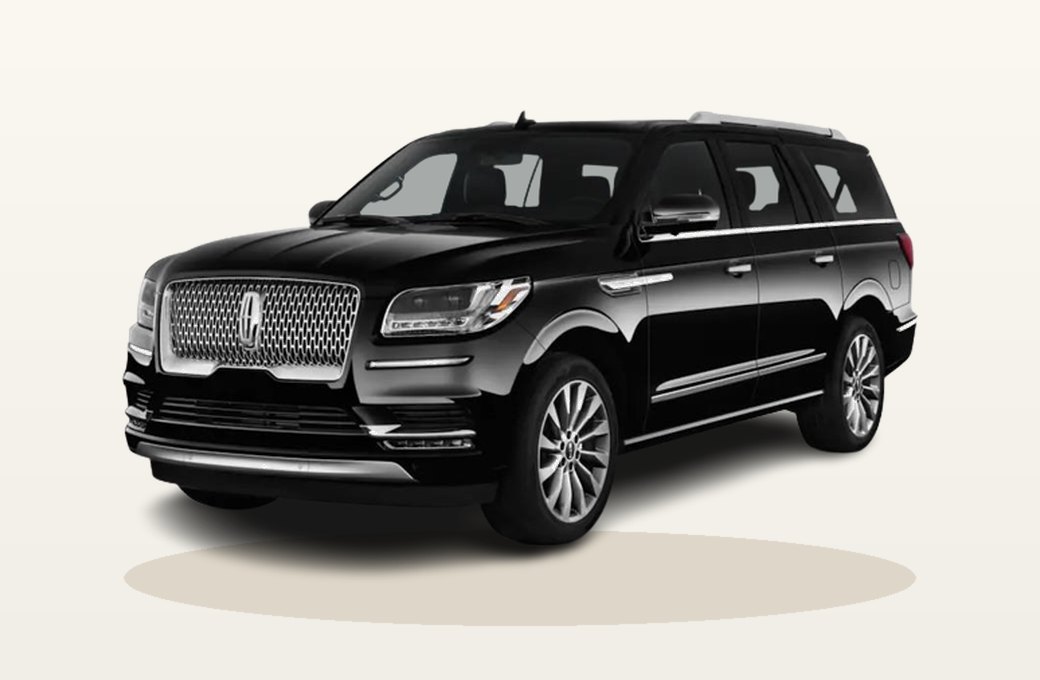
| Executive SUV | Cadillac Escalade, Chevrolet Suburban, Lincoln Navigator | Families, luggage-heavy arrivals, small teams |
| Standard Black SUV | Mercedes-Benz V-Class, Toyota Alphard | Families, small crews, groups of up to six |
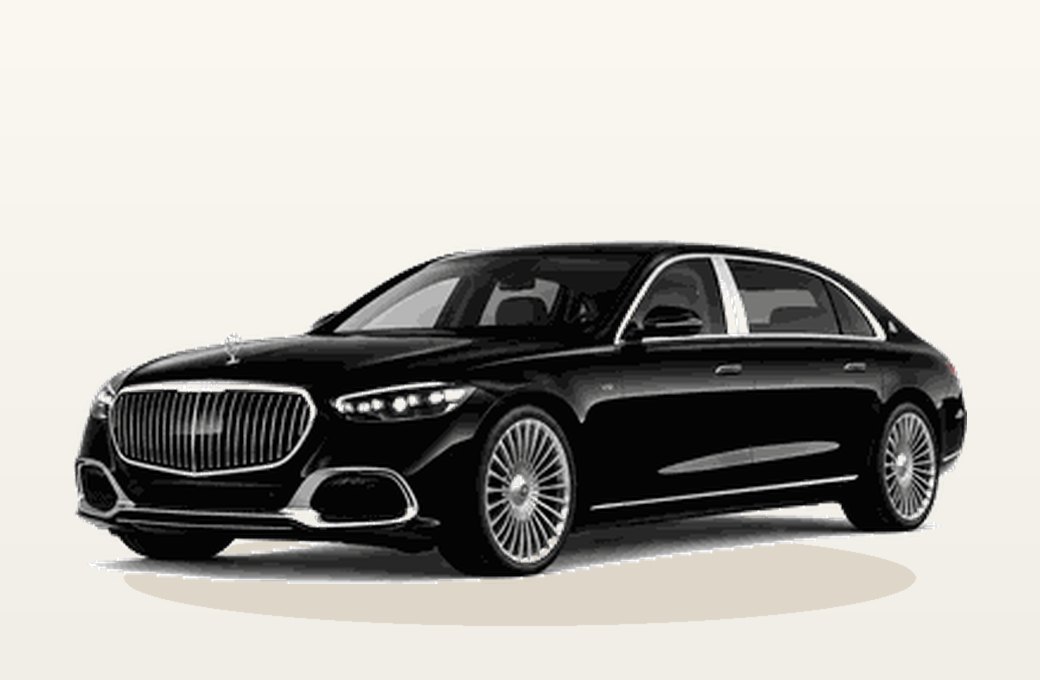
| Rolls-Royce, Maybach or Bentley | Ghost, Phantom, Maybach S-Class, Flying Spur | Weddings, milestones, VIP arrivals |
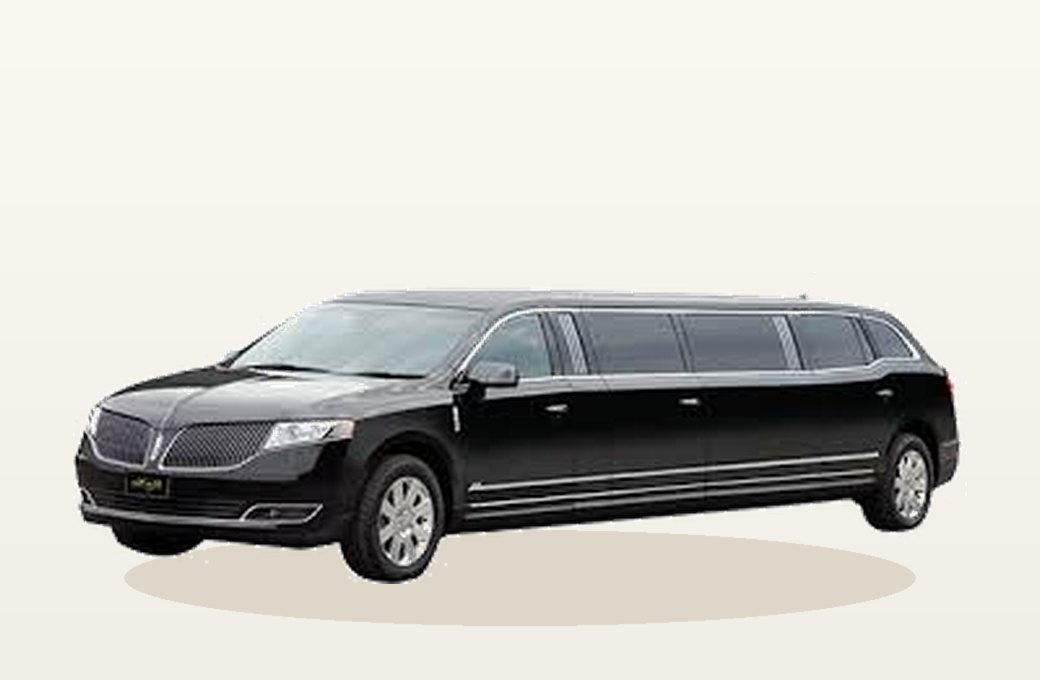
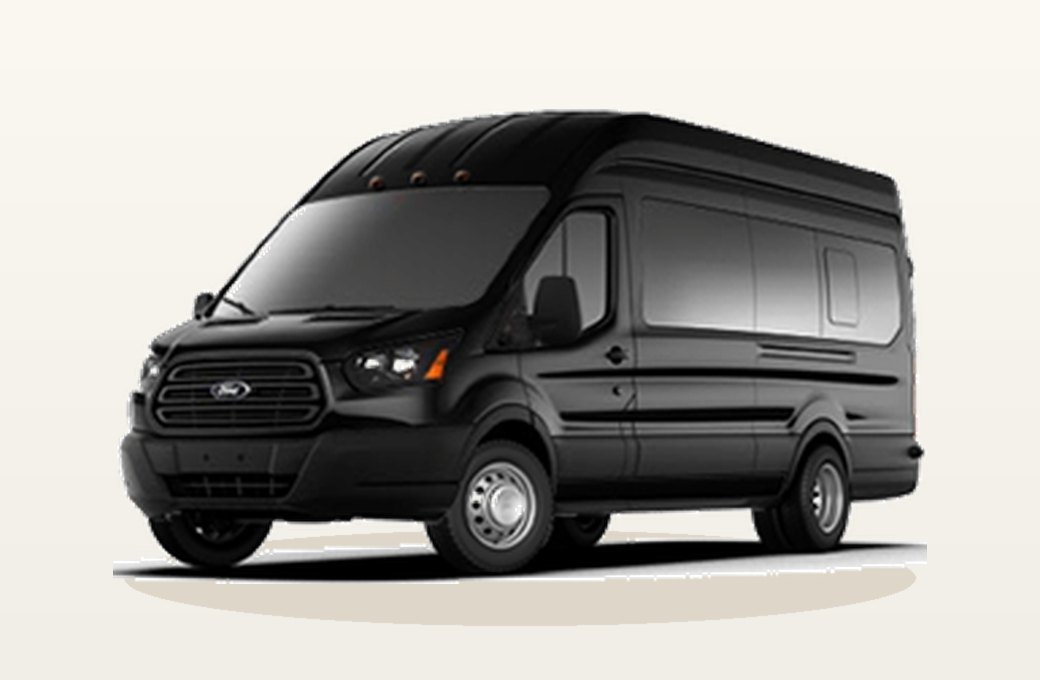
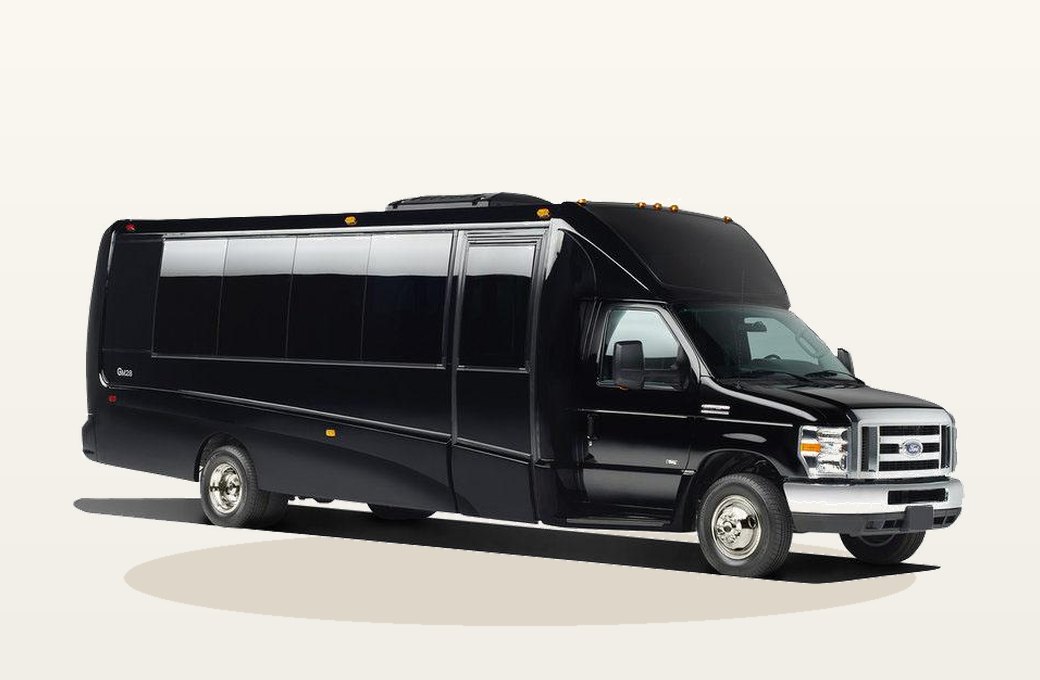
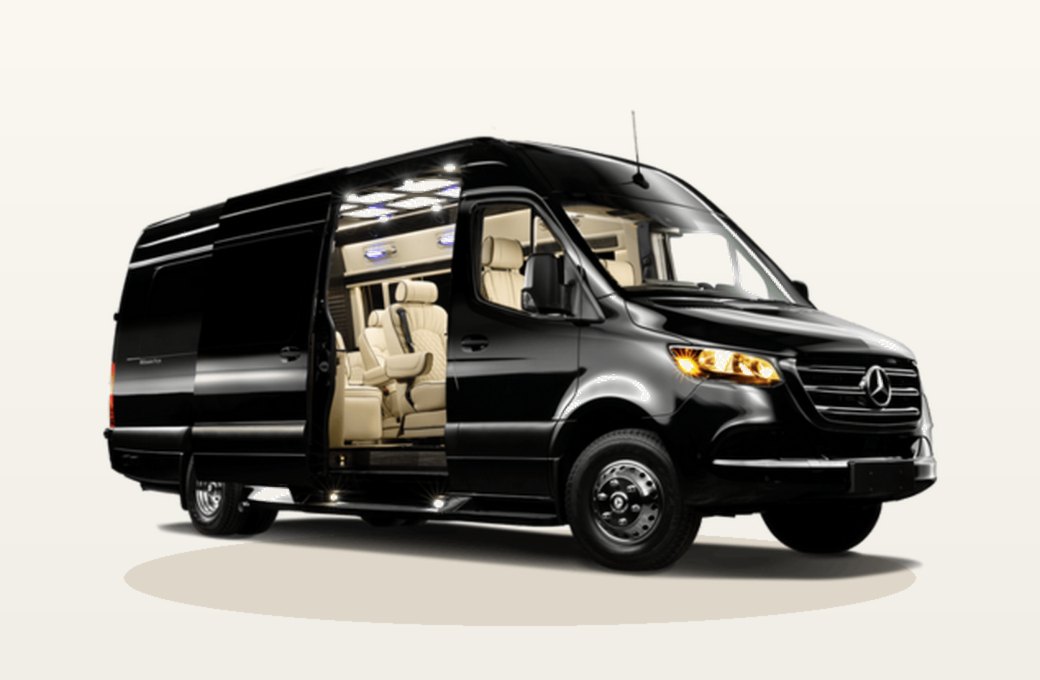
Every vehicle must be 4 model years old or younger. Only Rolls-Royce, Maybach and Bentley are accepted up to 7 model years. The vehicle must be black or another dark colour, carry no advertising or roof sign, and have a clean, odour-free cabin. The full list of models and classes is on vehicles affiliates can offer.
How does the work fit around your own clients?
You stay an independent business. BlaakLane.com does not set your hours, does not require a minimum number of shifts and does not ask you to stop working for your regular customers or for other companies. When an offer arrives, you look at the time, the pickup and the drop-off against your own diary and accept it or let it go.
What we do ask is reliability once you accept. A trip you have accepted is a promise to a passenger who is already in the air or already planning their morning around it. If something changes on your side, such as a breakdown, illness or a clash you had not seen, call dispatch immediately so the trip can be re-covered. Repeated late hand-backs affect the work you are offered, which is explained in affiliate standards.
What does a typical owner-operator trip look like?
- Offer. A job sheet arrives through the dispatch app or by email: passenger name, flight number or pickup address, vehicle class, date and time, destination, stops and notes such as a child seat or a second phone number.
- Accept. You accept within the window shown on the offer. The passenger's confirmation then names your company and you as the chauffeur.
- Day before. You check the job sheet for changes, plan the route and confirm the vehicle is cleaned, fuelled or charged, and stocked with water.
- On the day. For airport pickups, you follow the tracked landing time. For other pickups, you are in position a few minutes early and let dispatch know you are on site.
- The trip. The passenger is greeted by name, bags are loaded, the route is driven calmly and the passenger's preferences about temperature, music and conversation are respected.
- Close the job. You mark the trip complete in the app or reply to the job email with actual times, any waiting and any extras such as parking or an added stop, with receipts where they apply.
How does airport work differ for an owner-operator?
Airport transfers are a large part of chauffeur work, and they have their own rules. By default you collect the passenger curbside, in the zone the airport designates for commercial or pre-arranged pickups. You only go inside to the arrivals hall with a name board when meet and greet is shown on the job sheet, because it is an add-on the passenger has chosen, and add-ons are only available in selected locations.
Included waiting starts from the actual landing: 60 minutes on international arrivals and 30 minutes on domestic flights. On a long customs queue, the passenger calling from the baggage hall is normal, not a problem. Many airports require a commercial ground transportation permit, an access fee or a transponder for vehicles collecting passengers for hire, and some restrict where for-hire cars may wait. Check the rules with the airport authority before you accept airport work there. If your city's main airport has a page on our site, such as Toronto Pearson or JFK, it describes how pickup works for passengers.
How should you and the vehicle be presented?
Passengers booked a luxury service and judge it in the first ten seconds. The chauffeur wears a dark suit, a plain shirt and dark, polished shoes; a tie is standard for corporate and VIP work. The vehicle arrives washed, with the cabin vacuumed and wiped, no personal items in the rear, a phone charger for rear passengers, bottled water and an umbrella in wet weather. The rear seats are set for passengers, not pushed forward from your last errand. The full dress and presentation rules are in the affiliate standards.
What insurance does a one-car chauffeur business need?
A personal car policy almost never covers carrying passengers for payment, and a claim made on one can leave you personally liable. You need commercial auto insurance for passengers for hire, sometimes called hire-and-reward or livery cover, that names you or your company as the insured and lists the vehicle by plate or VIN. The minimum liability limit is set by your licensing authority; the certificate you send must show it. If you replace the vehicle, send the updated certificate before you accept trips in the new car, because offers are paused while insurance is out of date.
How do tax and bookkeeping work for an independent chauffeur?
As an affiliate you work as an independent contractor, not an employee, so you are responsible for your own income tax, sales tax and bookkeeping. Depending on where you work and your turnover, you may have to register for sales taxes: in Canada that means GST/HST with the Canada Revenue Agency, in the United Kingdom VAT once turnover passes the threshold set by HMRC, and in the United States self-employment and state obligations described by the IRS. Keep the payment statements we send, your fuel, insurance, maintenance and parking receipts, and speak to a local accountant. We cannot give tax advice, but the statements are laid out so an accountant can reconcile them quickly.
How do you keep a vehicle within the age rule?
The age rule is measured by model year, so a car bought new keeps its place for about four years. Owner-operators who plan ahead replace the vehicle before it falls out of the rule rather than after, and tell the partner desk what they are changing to. When the new vehicle arrives, send its registration, inspection certificate, updated insurance and the photo set, and the old vehicle is removed from your profile. A Rolls-Royce, Maybach or Bentley may stay in service up to 7 model years, provided its condition still matches the standard for those marques.
How is an owner-operator's work reviewed?
Every trip leaves a record: whether the offer was answered promptly, whether you were on site on time, how waiting and changes were communicated, and any passenger or coordinator comments. A partner manager reviews these regularly and talks to you about anything that needs attention. The review is about patterns, not a single delayed flight or a traffic incident you reported properly. Owner-operators whose trips are consistently clean are the people coordinators think of first for VIP and repeat corporate work.
What holds up an owner-operator registration?
- The name on the insurance, registration and bank account do not match.
- The insurance certificate is a personal policy, or does not list the vehicle.
- Photos are blurred, cropped or taken at night, or the plate cannot be read.
- The vehicle is older than the age rule allows.
- The chauffeur permit or inspection certificate is due to expire within 30 days.
- The background check is older than your licensing authority or our partner manager will accept.
Fix these before you send, and your file moves straight to review. If one document takes longer to obtain, such as a renewed background check, send the rest anyway and say what is outstanding; the partner manager can review everything else in the meantime and tell you whether anything further is needed for your city.
What should an owner-operator do next?
Read the affiliate standards and how partner work is paid, gather your documents using the samples, then register. The Drive with us hub covers the network as a whole, including the trip types passengers book, such as airport transfers and hourly chauffeur service.