Walkthrough: from registration to your first trip
Joining the BlaakLane.com network follows the same path for a single owner-operator and for a limousine company with many vehicles. This walkthrough explains each stage in order, what you need at that stage and what happens next, so there are no surprises between checkout and your first job sheet.
Step 1: check that you are eligible
You can register if you operate chauffeured passenger transport legally in your city and can show it. In practice that means:
- You hold the licences your jurisdiction requires to carry passengers for hire: an operating or passenger-for-hire licence where one applies, and a chauffeur licence or permit for every driver.
- You carry commercial passenger insurance that names you or your company as the insured and lists each vehicle. A personal car policy does not qualify, because it generally excludes carrying passengers for payment.
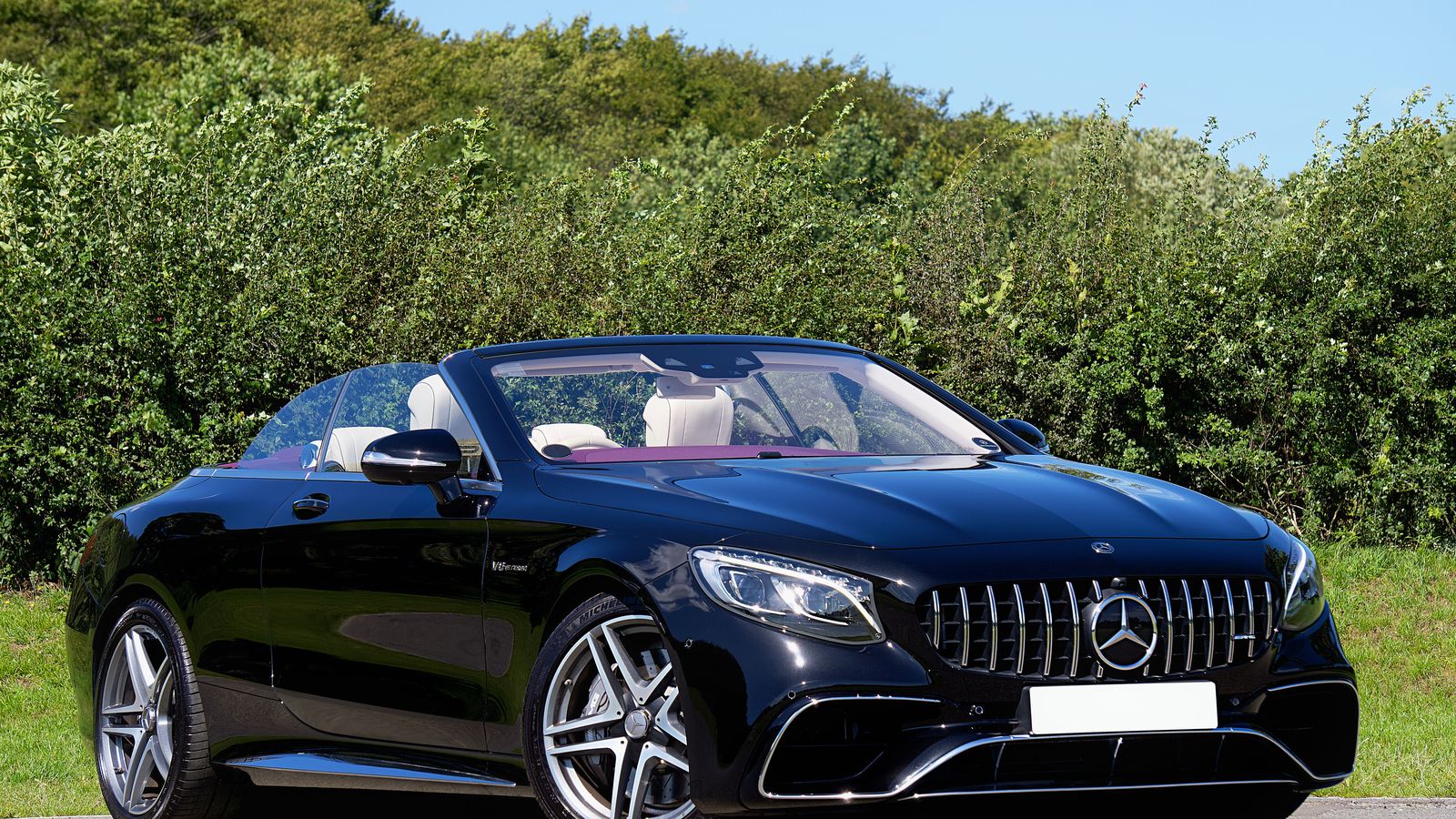
- Your vehicles meet the age and presentation standard. Every vehicle must be four model years old or younger; only Rolls-Royce, Maybach and Bentley are accepted up to seven. Vehicles should be black or dark, unbranded and clean. See vehicles affiliates can offer.
- Your chauffeurs can pass a background check or police clearance.
Private cars without commercial registration and insurance cannot join. If you are unsure whether a licence you hold is the right one, email the partner desk with your city and the licence type before you pay.
Step 2: choose the right plan
There are two plans, and the choice depends on who owns and drives the vehicles.
| Plan | Who it is for | Monthly | Yearly | Setup fee |
|---|
| Owner-operator | You own and drive one licensed luxury vehicle | $30 | $360 | $14.95 one-time |
| Limousine company & fleet owner | A company with several vehicles or employed chauffeurs | $50 | $600 | $14.95 one-time |
Coach and minibus operators and security or armoured transport providers choose the company plan. The yearly price is the same as twelve monthly payments; choose whichever suits your cash flow. You can cancel before the next billing date. A membership lets you be offered trips once your documents are approved; it is not a promise of a set number of trips, because the work offered in any city depends on the season, the classes you supply, how quickly you answer offers and how consistently your trips are driven to the standard.
Step 3: complete checkout
The plan buttons on this page open secure Stripe checkout on BlaakLine.com, our partner platform. You pay the first month or the first year, plus the one-time $14.95 setup fee, by card. Keep the payment confirmation: the partner manager uses it to match your registration to your membership.
The form above asks for four kinds of information:
- You: your name, email, mobile or WhatsApp number and the type of operator you are.
- Your operation: company name if you have one, website, your main city and country, the other cities and airports you cover, and the number of vehicles and chauffeurs.
- Vehicle classes: tick every class on the reservation engine you can supply, from Standard Sedan to Sprinter Luxury Jet Van. Only tick a class if the vehicle meets the age rule.
- Compliance: your licence number, the licensing authority, and your commercial insurer and cover limit.
Submitting the form opens your email app with the details filled in, addressed to the partner desk. Attach your documents to that email, or send them when the partner manager replies.
Step 5: send your documents and photos
The full set is eight documents and six photos: operating licence, chauffeur licences and permits, commercial passenger insurance, vehicle registrations, inspection certificates, background checks, business registration and bank details, plus clear photos of each vehicle and each chauffeur. The documents checklist shows a sample of each one. The single most common cause of delay is a name that does not match across the licence, the insurance, the registration and the bank account, so check that before you send.
Step 6: review and vehicle check
A partner manager reviews every document, usually within 2-5 working days once the set is complete. Licences are looked up on the issuing authority's public register where one exists, and insurance is confirmed with the insurer or broker if anything is unclear. The vehicle photos are compared with the registration and inspection documents; in some cities an in-person inspection is carried out by a partner manager or an existing affiliate. If something is missing, the partner manager tells you exactly what to send.
Step 7: agreement and onboarding call
Once approved, you receive the affiliate agreement, the written service standard and the rate card for your city. Read them, ask questions, and sign once you are comfortable. An onboarding call of about 30 minutes follows: how trips are offered through the dispatch app, by email or as job sheets; meet-and-greet signage for bookings that include the add-on; the waiting rules (60 minutes on international arrivals, 30 on domestic flights, 15 on other pickups); how to reach dispatch; and how payment works under the agreement.
Step 8: your first trips
New partners start with a small number of trips that a coordinator follows closely, then join the full rotation. Each offer shows the pickup, the drop-off, the time, the vehicle class and an acceptance window. You accept or decline against your own diary; an owner-operator with a private client that morning simply lets the offer go. Once you accept, the trip is a commitment to a passenger who may already be in the air, so if you ever have to hand one back, call dispatch as early as possible so another affiliate can cover it.
What to prepare before you start
- Scans or photos of every licence, permit, insurance certificate and registration, all in date.
- Daylight photos of each vehicle: front, rear, side, interior and plate.
- A clear photo of each chauffeur in work dress: dark suit, plain shirt and dark polished shoes.
- Your business bank details, in the same name as the insurance and registration.
Read the affiliate standards and how partner work is paid alongside this page. Company owners will find more detail in limousine companies and fleet owners, and independent drivers in owner-operators. Licensing rules are set locally; in New York City, for example, they are published by the Taxi and Limousine Commission, and in London by Transport for London.
Frequently asked questions about registering
Can I register before my documents are ready? You can complete checkout and the form, then send the documents when you have them; trips are only offered once the documents are approved, so the sooner the full set arrives, the sooner you start.
Which plan does a one-person company choose? If you own and drive one vehicle, the owner-operator plan fits, even if you trade through your own company. If you employ other chauffeurs or run several vehicles, choose the company plan.
Can I cover more than one city? Yes. List every city and airport you cover on the form. Some airports require their own commercial pickup permits, so check the airport authority's rules before you accept airport work there.
Do I keep my own clients? Yes. You accept or decline each BlaakLane.com offer against your own diary, and your private work stays yours.
How am I paid? Under the affiliate agreement, typically by weekly or bi-weekly bank transfer. The details are on how partner work is paid.
What if my vehicle is older than four model years? It cannot be registered, unless it is a Rolls-Royce, Maybach or Bentley within seven model years. Register when you have a qualifying vehicle.
Can I change plans later? If you grow from a single vehicle into a fleet, ask the partner desk about moving to the company plan.
Who can I talk to before paying? Email the partner desk with your city, your vehicles and your licence type, and a partner manager will reply.
A realistic timeline
For an operator whose documents are complete and in date, the path usually looks like this: checkout and the form on day one; documents sent the same day; review within 2-5 working days; the agreement, the rate card and the onboarding call once approved; and the first closely followed trips after that. The stages that take longest are the ones that depend on paperwork arriving, so the fastest route is a complete, readable set of documents with matching names, sent in one go.