







BlaakLane.com runs a chauffeur service in Mexico City that you reserve online at a fixed fare. Enter the terminal or address, flight number, date and vehicle; the price covers the chauffeur, the car and the included waiting, while airport fees and gratuity are added at actual cost. Arrivals at AICM (MEX), AIFA (NLU) and Toluca (TLC) are flight-tracked, and each trip is driven by a vetted Mexico City affiliate named on your confirmation.
Booking a chauffeur in Mexico City: the short version
Choose the pickup, destination, date, time and vehicle in the reservation engine on this page or at book. You see one fixed fare before confirming, in advance, with nothing negotiated at the curb. The reservations and dispatch desk in Toronto runs 24/7, assigns the trip to a vetted affiliate operator from the LimousineWorldwide.Directory network contracted to the BlaakLane.com written standard, and sends a confirmation naming the operator, the chauffeur and the vehicle. We do not own cars or offices in Mexico; local affiliates drive every trip.
Pre-booking matters more here than in most capitals. In a city of more than 20 million people across the metropolitan area, knowing in advance who will collect you, in which vehicle and at what price is both a comfort and a sensible security habit. The most requested services in the capital are airport transfers, executive chauffeur service by the hour between meetings, and secure transportation for principals with a higher profile.
What is included in the fare
- The vehicle, fuel and a vetted chauffeur for the booked route. Airport access fees, any parking fee at AICM or AIFA and gratuity are not in the fare; they are charged at actual cost and added to the booking.
- Flight tracking, so a late arrival from Madrid or Houston moves the chauffeur's timing automatically.
- Included waiting: 60 minutes from actual landing on international arrivals, 30 minutes on domestic flights, 15 minutes on hotel, office and residential pickups, then 15-minute blocks.
- Child seats on request, free, in most cities including Mexico City.
Vehicle-class planning ranges are on the rates page. Cancellation: more than 72 hours before pickup is free; 72 hours or less 10%; 48 hours or less 50%; 24 hours or less or no-show 100%.
Three airports: AICM, AIFA and Toluca
Mexico City has one busy airport close to the centre and two others further out. Pick the one on your ticket carefully when booking, because the drive times differ by more than an hour.
AICM, Benito Juárez International (MEX)
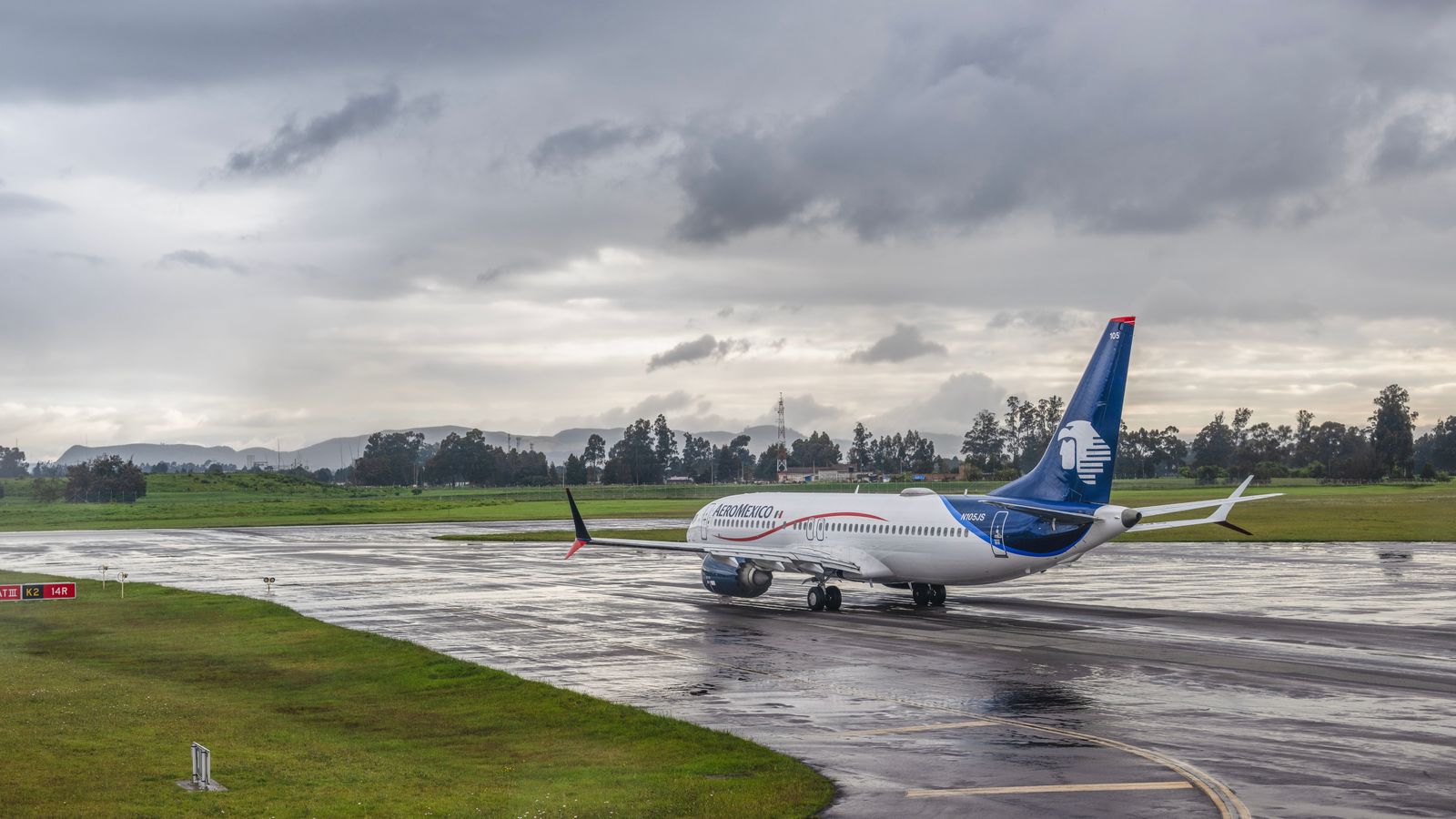
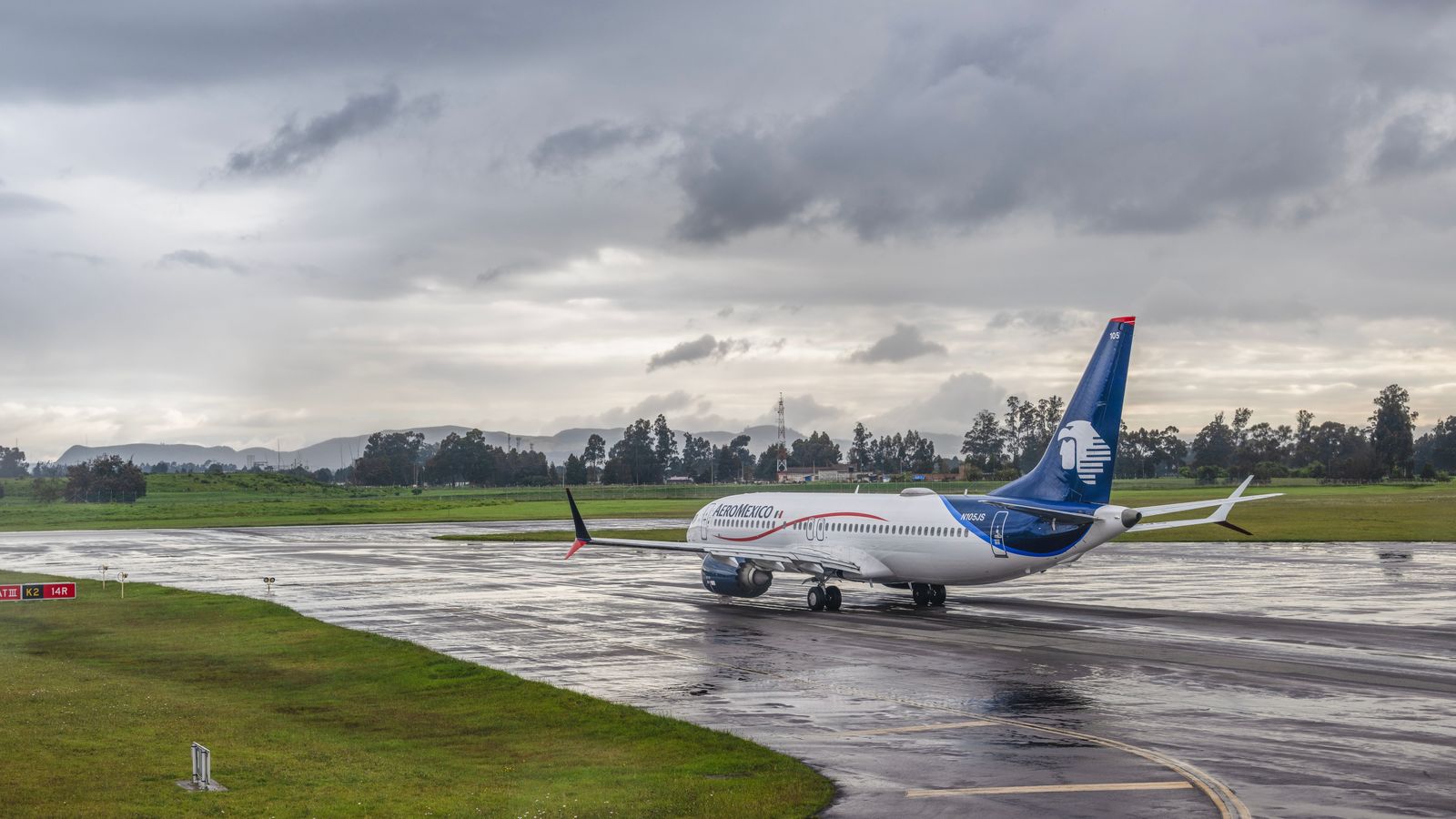
Mexico City International Airport is in Venustiano Carranza, on the eastern side of the city, about 5 km from the Centro Histórico. It has two terminals, T1 and T2, several kilometres apart by road and linked airside by the Aerotrén for connecting passengers. Aeroméxico and SkyTeam partners use T2; most other carriers use T1, though assignments change, so the terminal on your confirmation follows your airline. International arrivals pass immigration and then customs, where a random-selection light decides whether bags are inspected.
Curbside pickup at the terminal's designated area for pre-arranged vehicles is standard. A meet and greet in the arrivals hall with a name board is an add-on; add-ons are only available in selected locations, and the engine shows if it is offered for your flight. Inside the arrivals area, ignore unsolicited offers of transport; the chauffeur's name and phone number are on your confirmation. Official airport information is on the AICM site.
AIFA, Felipe Ángeles International (NLU)
AIFA opened in 2022 at Santa Lucía in the State of Mexico, roughly 45 to 50 km north of central Mexico City. It handles a growing share of domestic flights, some international routes and much of the city's cargo. Allow 60 minutes to reach Polanco in light traffic and up to two hours at peak times.
Toluca International (TLC) and private aviation
Toluca sits about 65 km west of the Centro Histórico at 2,600 m above sea level and is the main business aviation field for the capital, with some commercial flights. It is the closest airport to Santa Fe and the western corporate corridor. See Toluca private aviation for jet-side and FBO pickups and private aviation and FBO for how crew and passengers are handled.
| From | To Polanco / Reforma | To Santa Fe | To Centro Histórico |
|---|---|---|---|
| AICM T1 or T2 | 30-60 min | 50-90 min | 20-40 min |
| AIFA (NLU) | 60-120 min | 80-140 min | 60-110 min |
| Toluca (TLC) | 60-100 min | 40-70 min | 75-120 min |
Which vehicle fits Mexico City traffic?
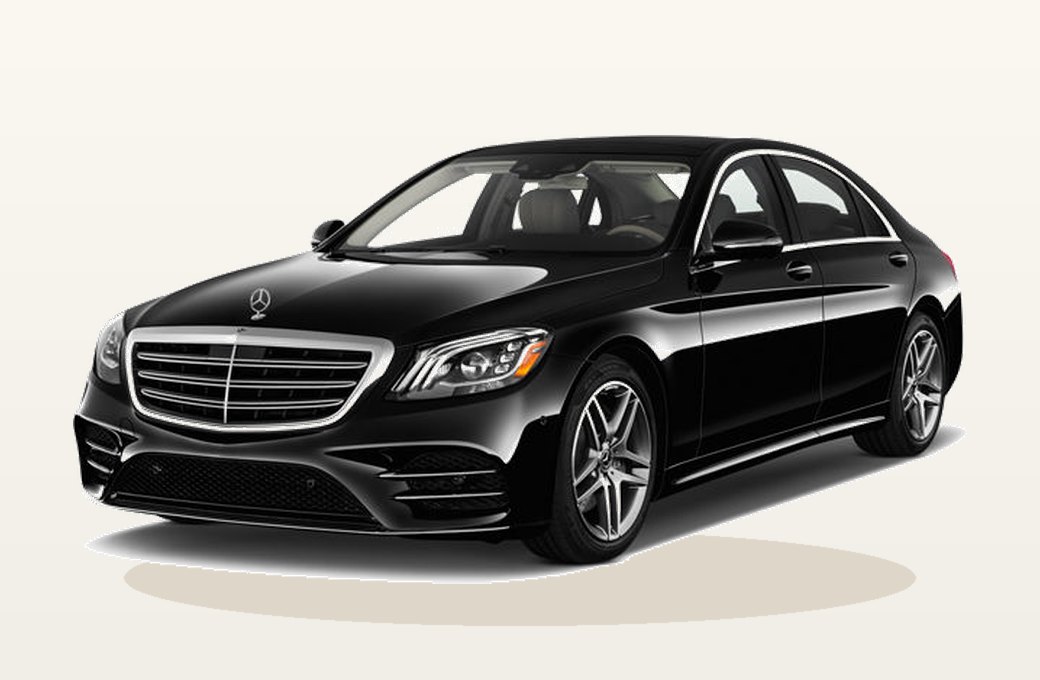
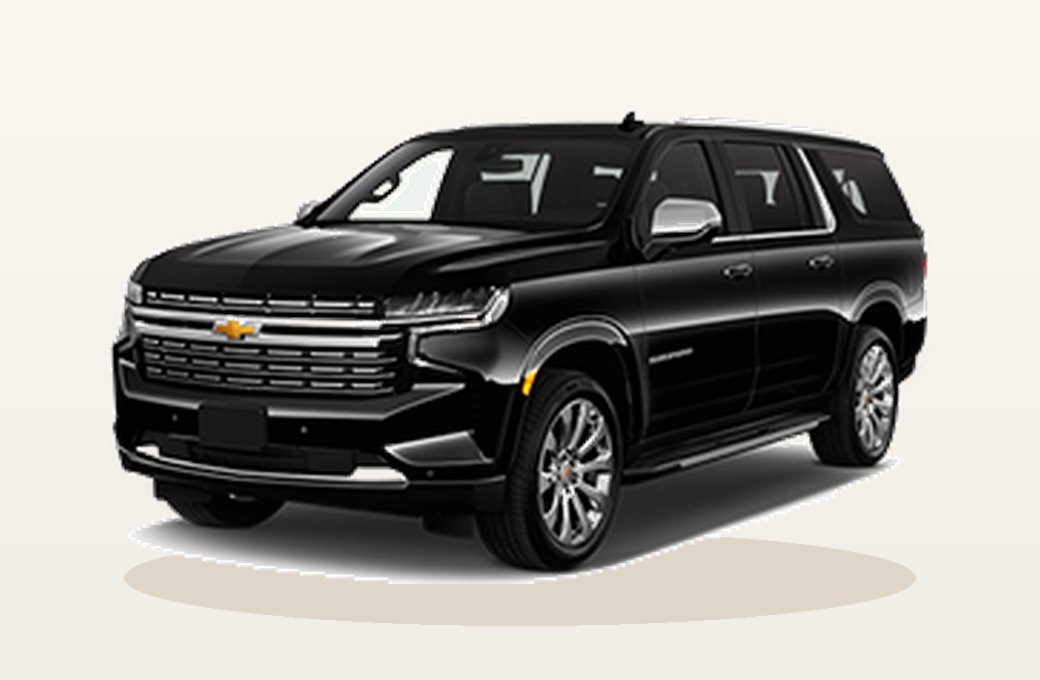
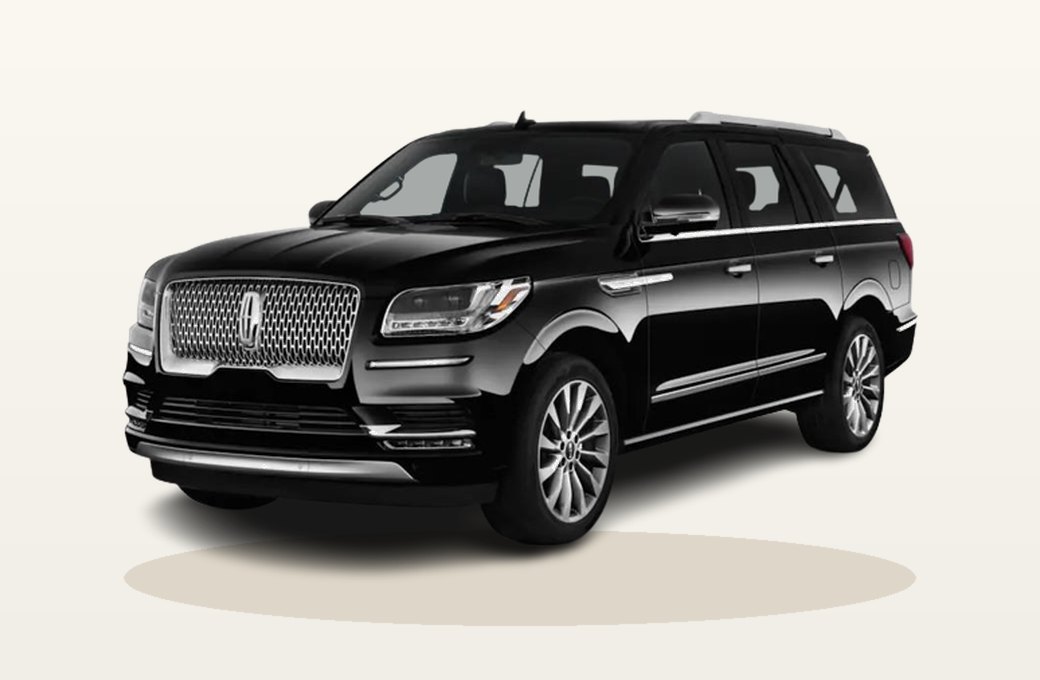
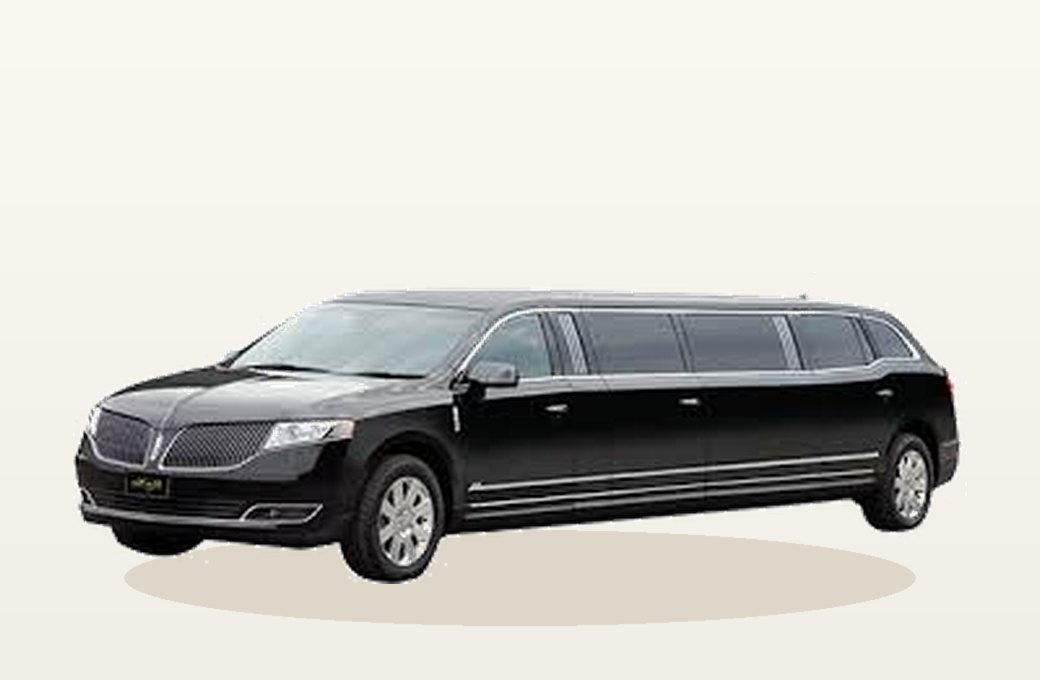
The capital's traffic rewards a comfortable rear seat, since even short trips can take 40 minutes. Suggested classes from the fleet:
| Trip | Suggested class |
|---|---|
| Solo executive, AICM T1 to a Reforma hotel | Standard Sedan |
| Two travellers with checked bags to Santa Fe | Executive SUV |
| A day of meetings in Polanco and Lomas | Luxury Executive Sedan or executive SUV, hourly |
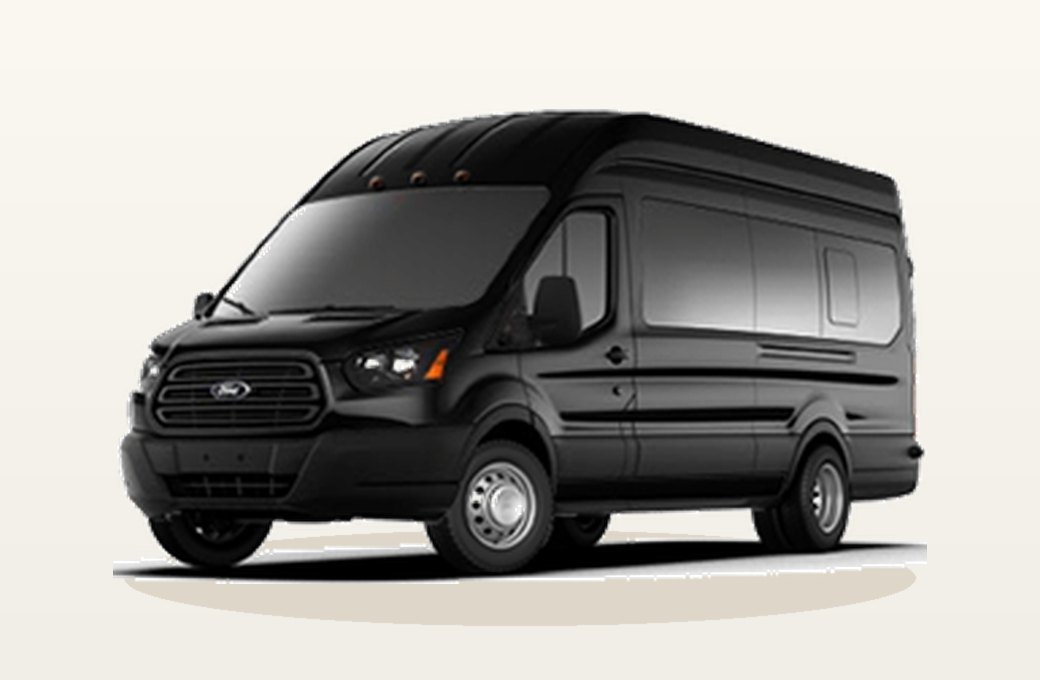
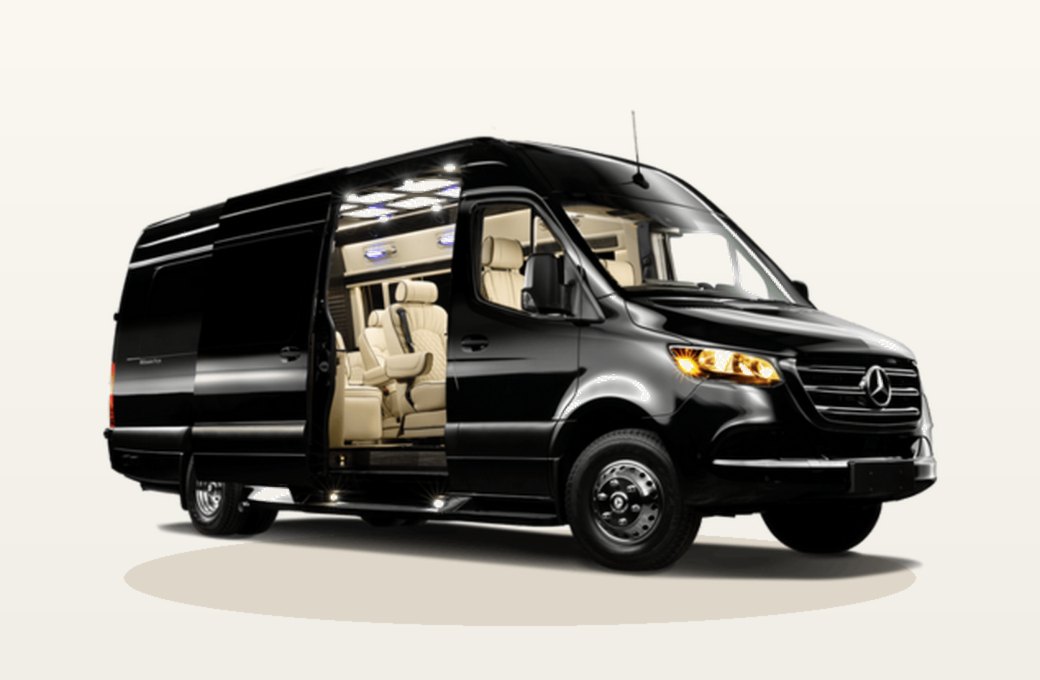
| Team of eight to a Santa Fe headquarters | Sprinter Van |
| Wedding in San Ángel or Coyoacán | Stretch limousine or Rolls-Royce (partner) |
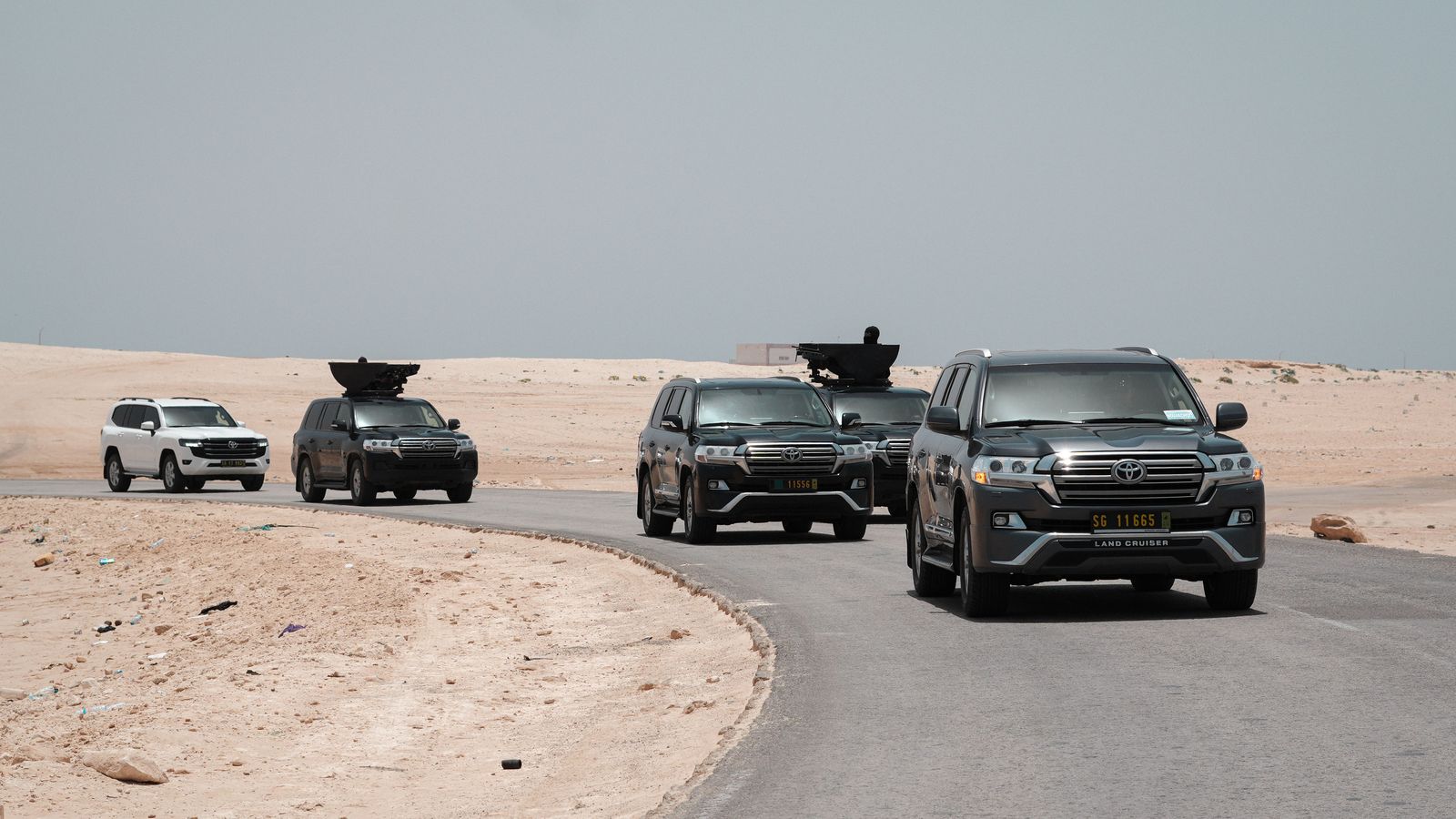
| Principal with a security profile | Armoured SUV or sedan (partner), after a risk assessment |
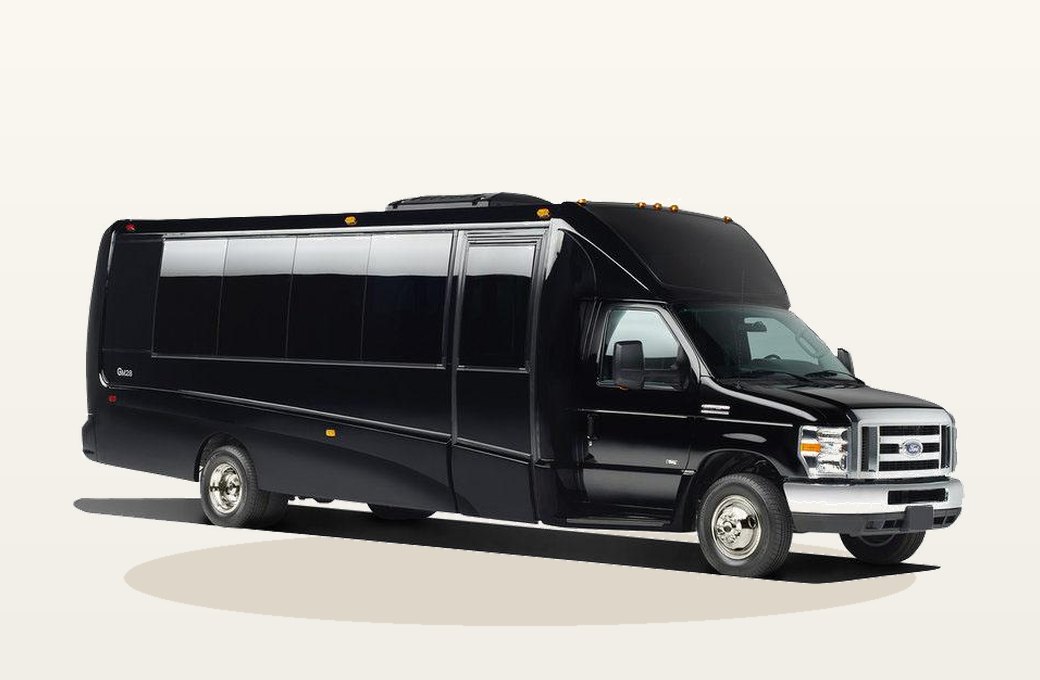
| Incentive group to Teotihuacán | Minicoach or motorcoach, planned by a coordinator |
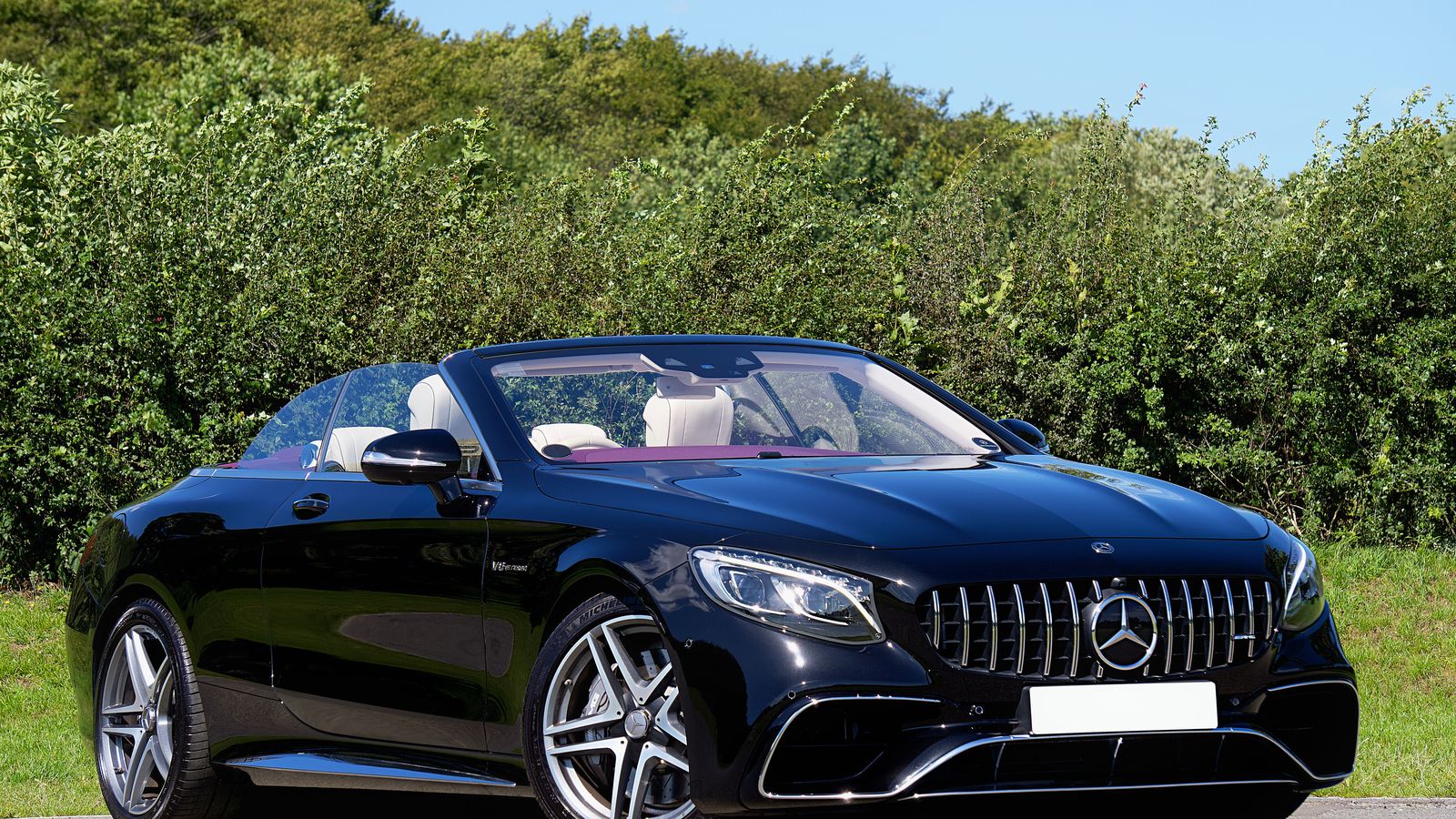
Every affiliate vehicle is four model years old or younger; Rolls-Royce, Maybach and Bentley are accepted up to seven. Armoured vehicles are widely used by companies in Mexico, and we provide them through partners only after a risk assessment, with the details confirmed in writing.
Hoy No Circula and other Mexico City driving rules
The city's air-quality programme, Hoy No Circula, restricts vehicles from driving on certain days according to the last digit of the licence plate and the emissions hologram (00, 0, 1 or 2). Restrictions run from 5:00 to 22:00 on the affected days and also apply in the State of Mexico municipalities of the metropolitan area. Newer vehicles with a 00 or 0 hologram are generally exempt on normal days, while older cars lose one weekday and some Saturdays. When the environmental authority declares a contingency because of high ozone, extra vehicles are taken off the road with little notice. The rules are published by the city's environment secretariat, SEDEMA, and summarised on Wikipedia. Because affiliate vehicles are recent models, the dispatch desk plans around the programme and checks contingency announcements for your date.
Other facts about driving here:
- Mexico drives on the right. Speed limits in the city are generally 50 km/h on primary roads and 80 km/h on the fast lanes of the ring roads.
- The Periférico, Viaducto and Circuito Interior are the main ring and cross-town routes; the elevated second level of the Periférico and the Supervía Poniente are toll roads.
- Peak congestion runs roughly 7:00 to 10:00 and 17:00 to 21:00, and rain in the afternoon storm season (June to September) slows the whole network.
- Marches and demonstrations regularly close Paseo de la Reforma and the Zócalo area; the chauffeur reroutes, and a fixed fare means detours do not add cost.
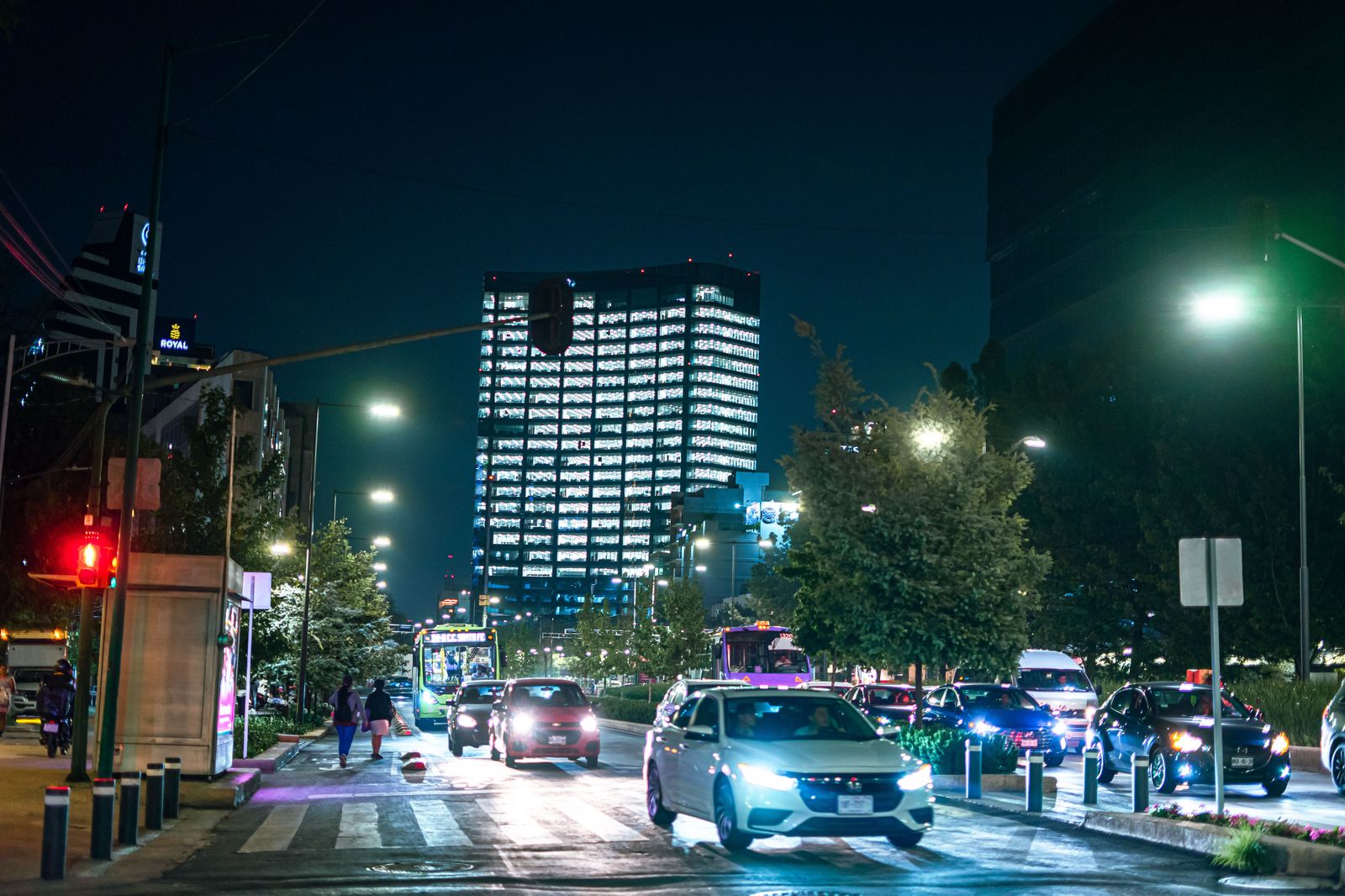
Neighbourhoods and business districts
- Polanco: hotels, embassies, luxury shopping on Presidente Masaryk, and the Auditorio Nacional.
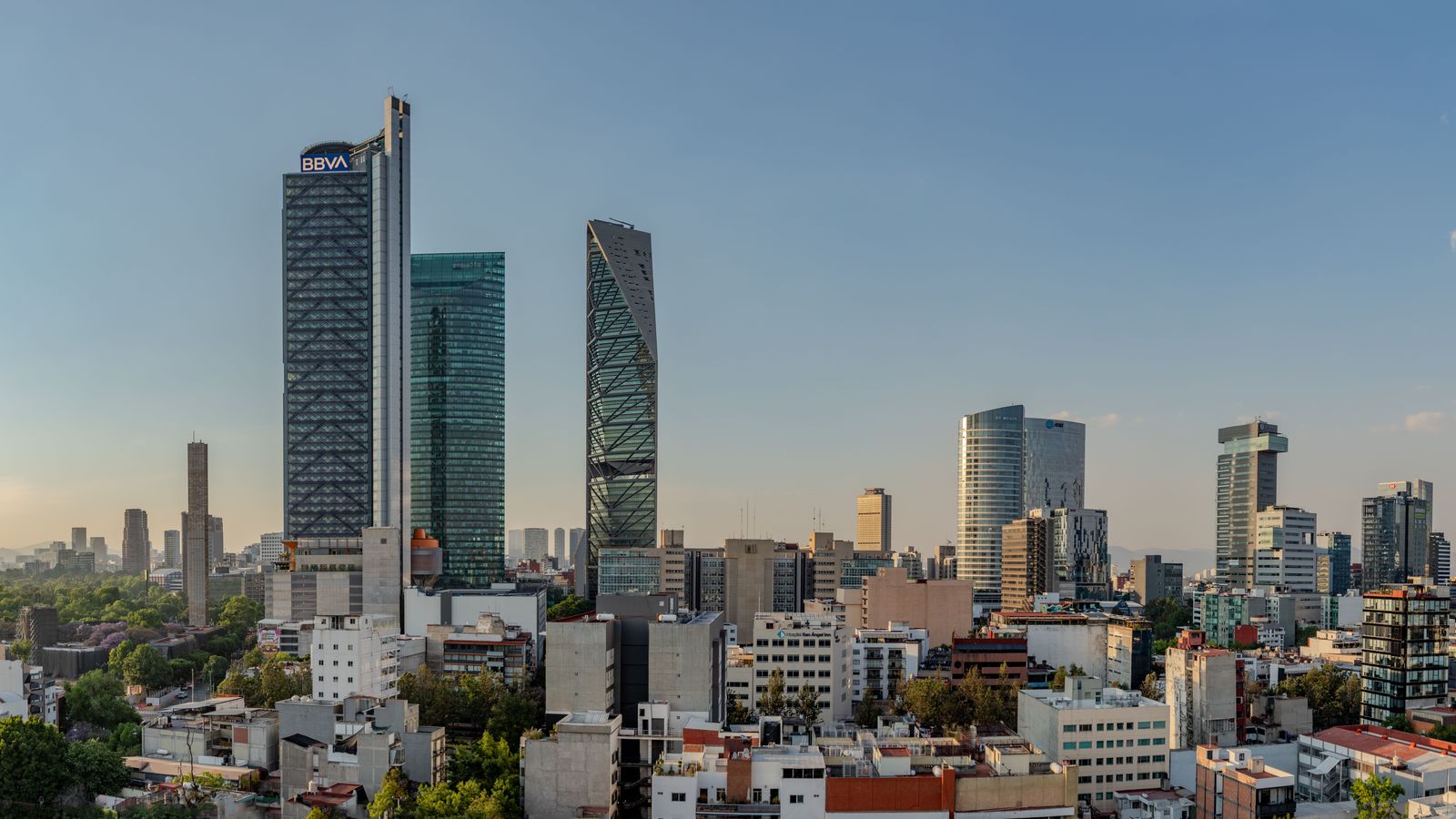
- Paseo de la Reforma: the Angel of Independence, the Mexican Stock Exchange and a line of office towers and hotels from Chapultepec to the Centro.
- Santa Fe: the western corporate district, with multinational headquarters and business universities, reached by the Supervía or the Constituyentes and Reforma routes.
- Lomas de Chapultepec and Bosques: residential and diplomatic areas above Polanco.
- Roma and Condesa: restaurants, galleries and boutique hotels, popular for dinners.
- Centro Histórico: the Zócalo, the Metropolitan Cathedral, the National Palace and the Palacio de Bellas Artes.
- Coyoacán and San Ángel: colonial streets, the Frida Kahlo Museum and the southern university district around UNAM.
Hotels, convention centres and stadiums
Frequent pickup points include the St. Regis and Four Seasons on Reforma, the Sofitel Mexico City Reforma, the Ritz-Carlton near Chapultepec, the JW Marriott and Hyatt Regency in Polanco, the Presidente InterContinental, Las Alcobas and the Camino Real Polanco.
Events and trade shows are held at the convention centre beside the Hipódromo de las Américas, long known as Centro Citibanamex, and at the World Trade Center Mexico in Colonia Nápoles. The Estadio Azteca, renamed Estadio Banorte in 2025, hosted the opening match of the 2026 FIFA World Cup on 11 June 2026. The Autódromo Hermanos Rodríguez hosts the Formula 1 Mexico City Grand Prix, and the Palacio de los Deportes and the Estadio GNP Seguros are the main concert venues. Event transportation covers staging and pickups at all of them.
The Mexico City calendar
- February: Zona Maco, the contemporary art fair, fills Polanco and Reforma hotels.
- March: the Vive Latino music festival and the start of the warm dry season.
- August: the Mexico City Marathon, usually on a Sunday late in the month, closes central streets in the morning.
- 15-16 September: Independence Day celebrations close the Zócalo and parts of the Centro.
- Late October to early November: the Formula 1 Grand Prix and the Día de Muertos parade and celebrations, among the busiest weeks of the year for cars.
- November: Corona Capital and other large concerts; December brings holiday travel through AICM.
Day trips and intercity routes
Road trips out of the capital climb and descend through mountains, so time matters more than distance.
| Destination | Distance | Typical drive |
|---|---|---|
| Teotihuacán pyramids | 50 km | 1 h - 1 h 30 |
| Toluca | 65 km | 1 h - 1 h 30 |
| Cuernavaca | 85 km | 1 h 15 - 1 h 45 |
| Puebla | 130 km | 2 h - 2 h 30 |
| Valle de Bravo | 150 km | 2 h 30 - 3 h |
| Querétaro | 215 km | 2 h 45 - 3 h 30 |
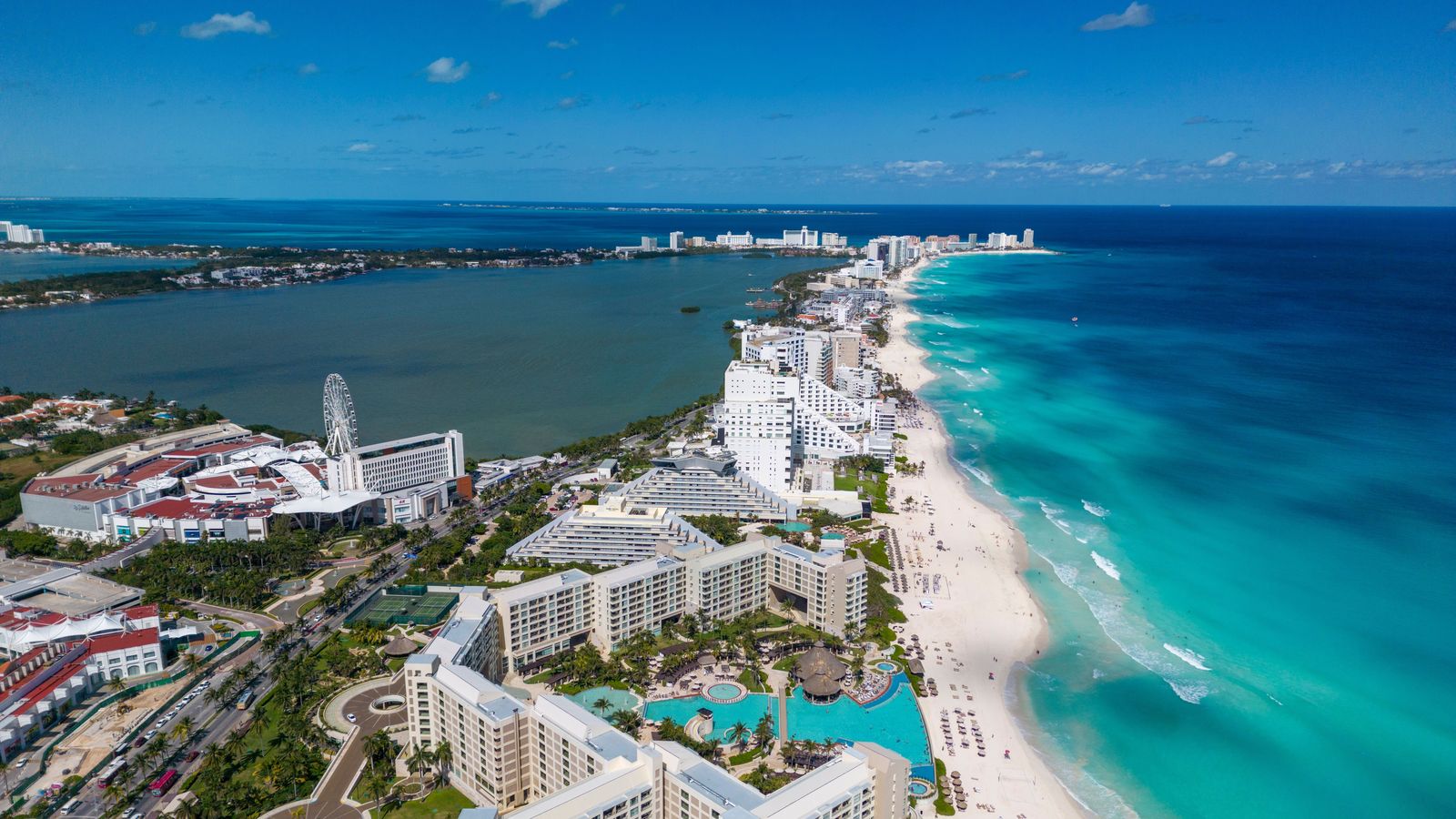
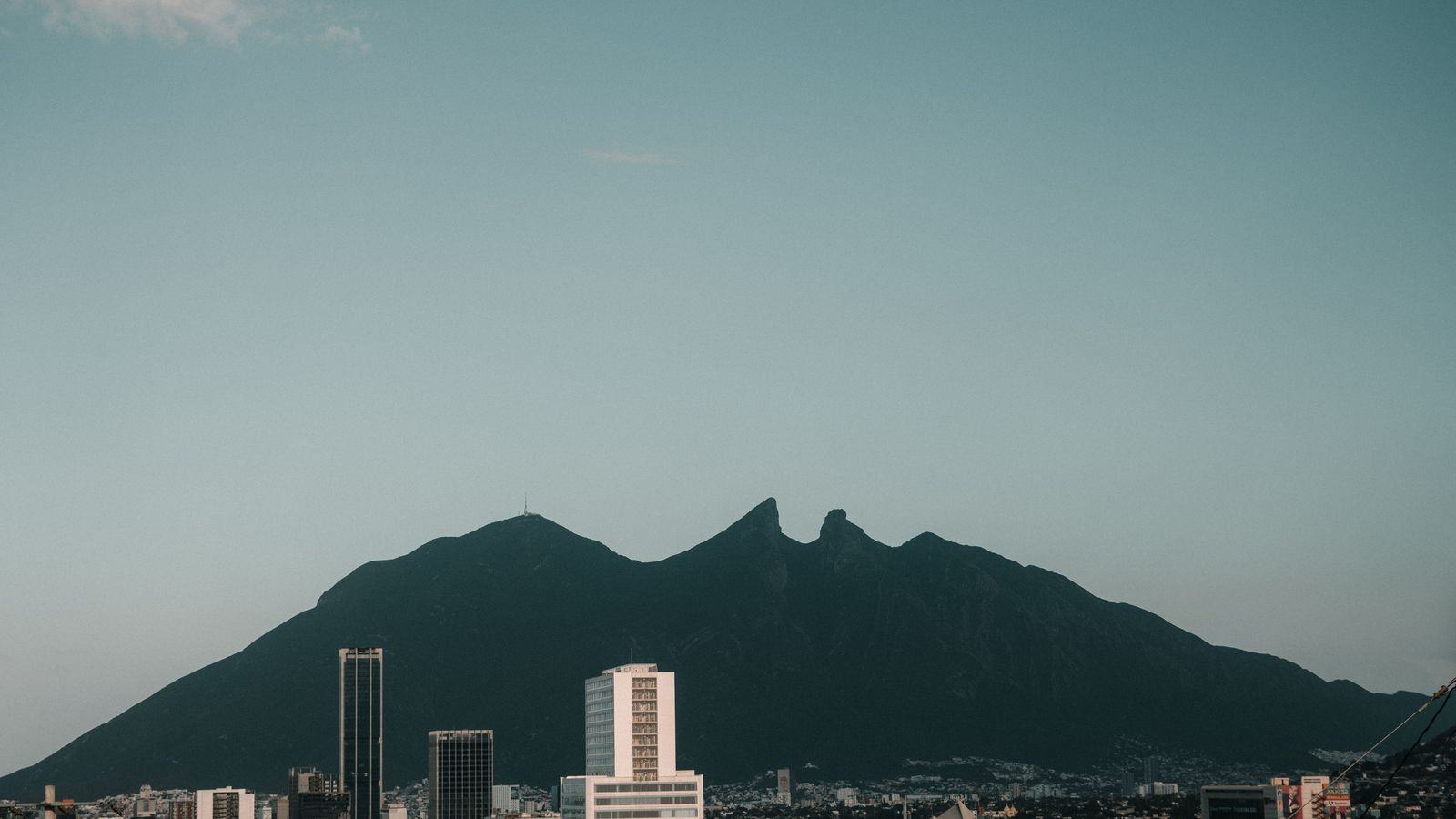
Longer routes, such as Querétaro or San Miguel de Allende, are usually booked as intercity transfers. For other Mexican cities, see Guadalajara, Monterrey and Cancun.
Arriving in Mexico: entry, altitude and money
Travellers from the United States, Canada, the UK and the EU do not need a visa for a short tourist or business visit; the immigration officer records the permitted stay digitally at the airport. Carry a passport valid for the length of your stay, and check requirements for your nationality on Visit Mexico and your government's travel site. The city lies at about 2,240 m, so many visitors feel the altitude on the first day; a car at the terminal saves carrying bags through the arrivals hall. The currency is the Mexican peso; your fare is fixed at booking, so no cash is needed for the chauffeur.
Travelling securely in the capital
Most visits to Mexico City pass without incident, and the practical precautions are simple. Pre-book your car rather than accepting offers in the arrivals hall or hailing on the street. Check the chauffeur's name and plate against your confirmation before getting in. Keep phones and watches out of sight at traffic lights, and let the chauffeur choose the route at night. Read your government's current advisory before travel. For executives, families and delegations that need more, government and diplomatic and HNWI and family office programmes combine armoured vehicles, route planning and discreet timings, always after a risk assessment and confirmed in writing.
Roadshows, delegations and corporate programmes
Mexico City is where investors meet the country's banks, pension funds and listed companies, so multi-meeting days are common. Financial roadshows are planned by a coordinator with a car waiting outside each meeting. Companies can open corporate accounts for monthly invoicing, cost centres, traveller profiles, duty-of-care data and a named coordinator. Operators in the metropolitan area can register as an affiliate ($30 a month for owner-operators, $50 for limousine companies and fleet owners). Country overview: Mexico.