








BlaakLane.com provides event transportation services in 500 cities: chauffeured sedans and SUVs for speakers and VIPs, Sprinters and coaches for delegate shuttles, and airport arrival programmes for large groups. Single cars are booked online at a fixed fare. Multi-vehicle programmes for conferences, trade shows, galas and premieres are planned by a coordinator and confirmed in writing, with every vehicle, time and pickup point listed.
What do event transportation services cover?
Event transportation services move people to, from and around an event: a three-day medical congress, a trade show with 40,000 visitors, a product launch in a converted warehouse, an awards gala, a film premiere or a sporting final. The work usually splits into four parts:
- Arrivals and departures. Flight-tracked airport transfers for speakers, executives and delegates, often in waves on the day before opening and the morning after closing.
- Venue shuttles. Coaches or Sprinters looping between partner hotels and the convention centre on a fixed timetable.
- VIP and speaker cars. Executive sedans or SUVs held by the hour for keynote speakers, board members, sponsors or talent.
- Evening movements. Dinners, receptions and galas, where many guests arrive in a short window and the drop-off itself is part of the occasion.
BlaakLane.com covers all four in each of the 500 cities it serves. In our home dispatch area around Toronto, trips run from our own desk. Everywhere else, the vehicles are driven by vetted local affiliates from the LimousineWorldwide.Directory network, contracted to the BlaakLane.com written standard, and the written plan names each operator.
How to book: a single car or a full programme
Single cars. For one speaker's airport transfer, a CEO's car for the day or a couple of sedans to a dinner, use the reservation engine. It shows the fixed fare for the address, date, time and vehicle before you confirm, and you receive a written confirmation straight away.
Programmes. Once an event needs several vehicles, repeated shuttle runs, a manifest of arriving guests or timed arrivals at a venue, it becomes a programme. Programmes are planned by a coordinator and confirmed in writing. Send the desk the event dates, the venue, the hotels, the expected numbers and any arrival data you have. The coordinator returns a written plan with vehicles, timings and fares, and adjusts it as registrations change.
Event agencies, destination management companies and corporate event teams that run programmes regularly usually book on a corporate account, which adds monthly invoicing, cost centres per event, booker profiles and a named coordinator who learns how you like things done.
What goes into a written event transport plan?
A good plan is short enough to read on a phone and complete enough that nobody has to improvise. For each event it sets out:
- Vehicle list. Each car, Sprinter and coach, its class, capacity and operator.
- Timetable. Start and end times for every vehicle, shuttle frequencies, and the first and last departures.
- Pickup points. The exact kerb, hotel entrance, porte-cochère or coach bay for every stop, agreed with the venue and hotels where needed.
- Passenger lists. Names and arrival details for VIP cars and airport transfers.
- Contacts. Who at the event team can change the plan, and how the desk reaches them.
- Contingencies. What happens when a flight is delayed, a session overruns or the weather turns.
Every fare in the plan is fixed before you approve it. Changes you ask for later, such as an extra shuttle hour or a new VIP car, are priced and confirmed in writing before they run.
Choosing the vehicle mix for an event
| Movement | Typical vehicle | Capacity | Why it fits |
|---|---|---|---|
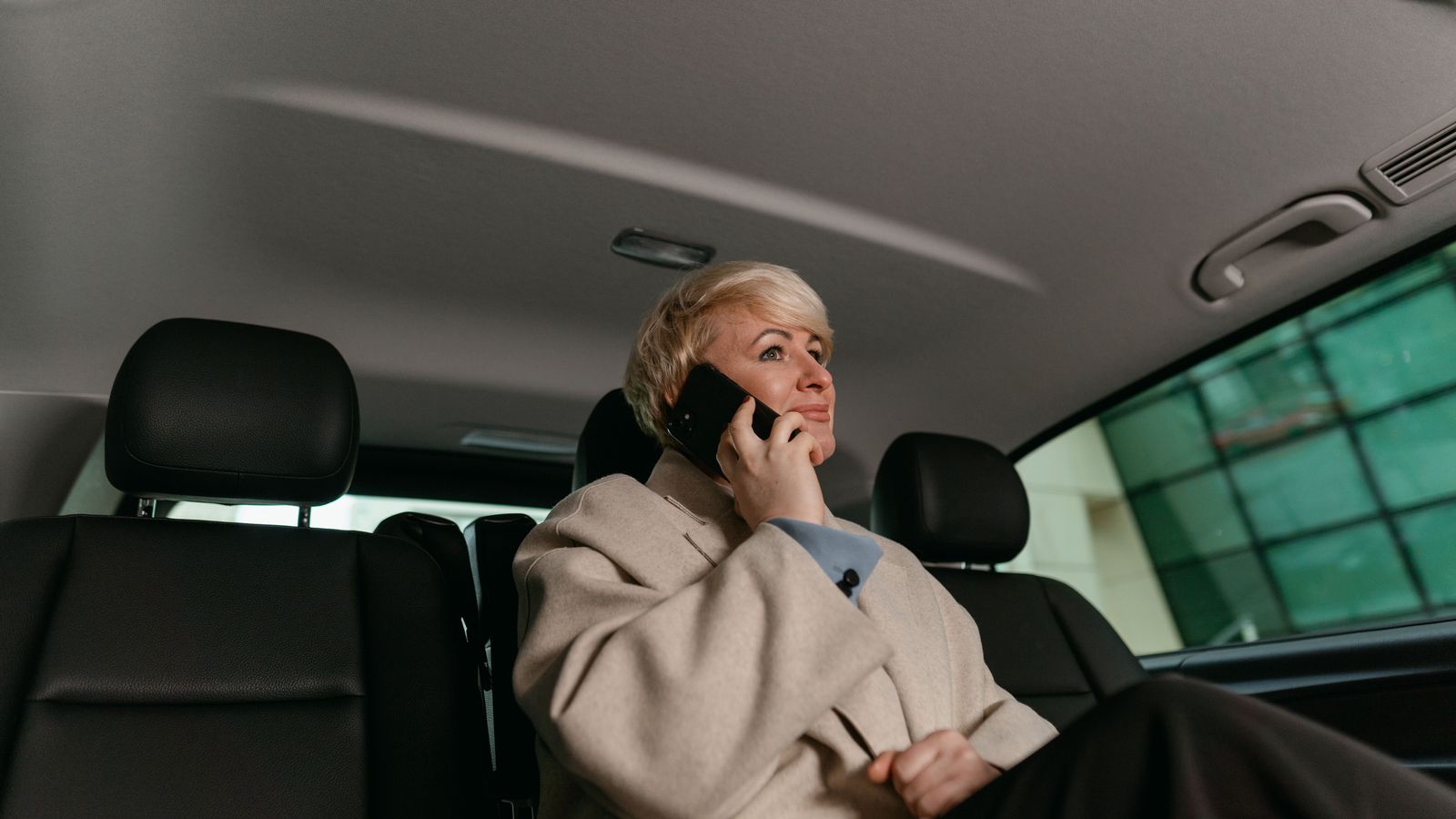
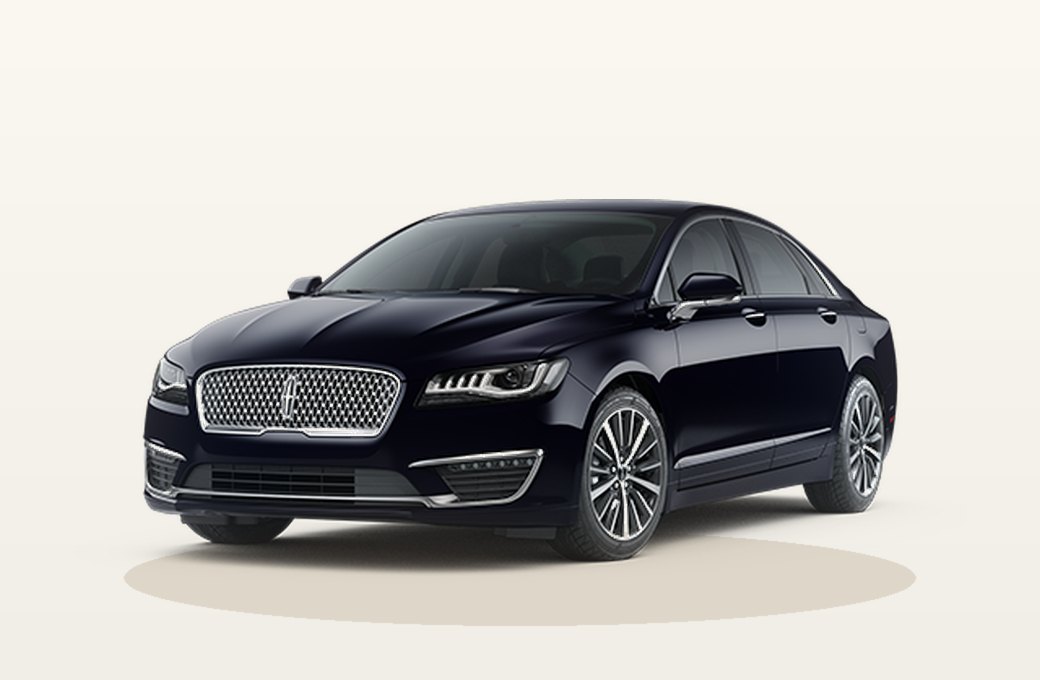
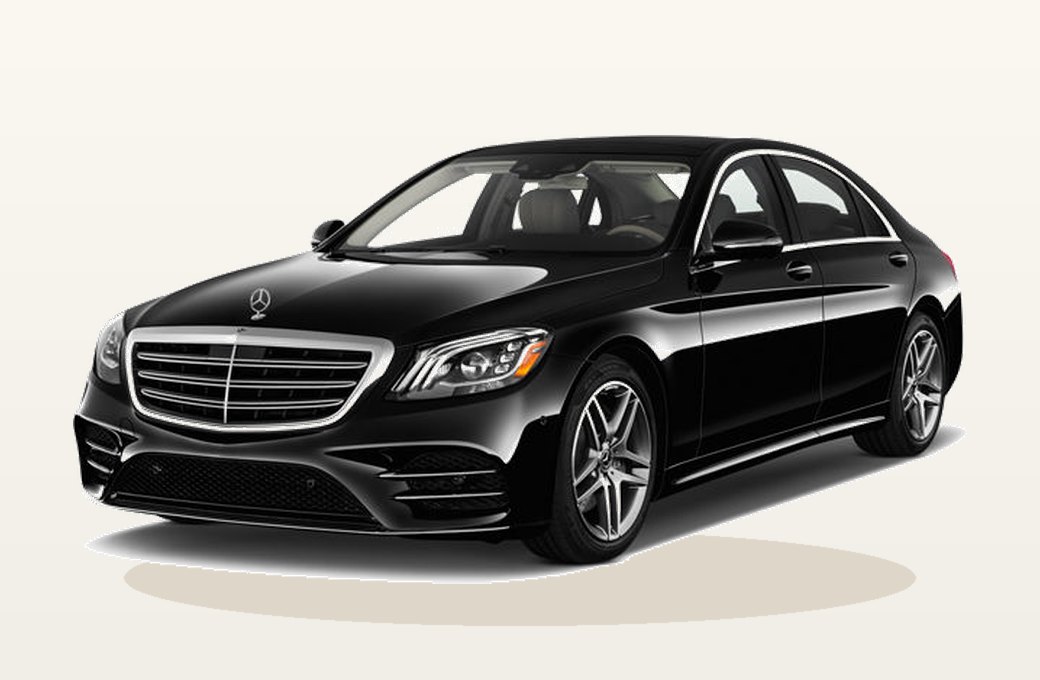
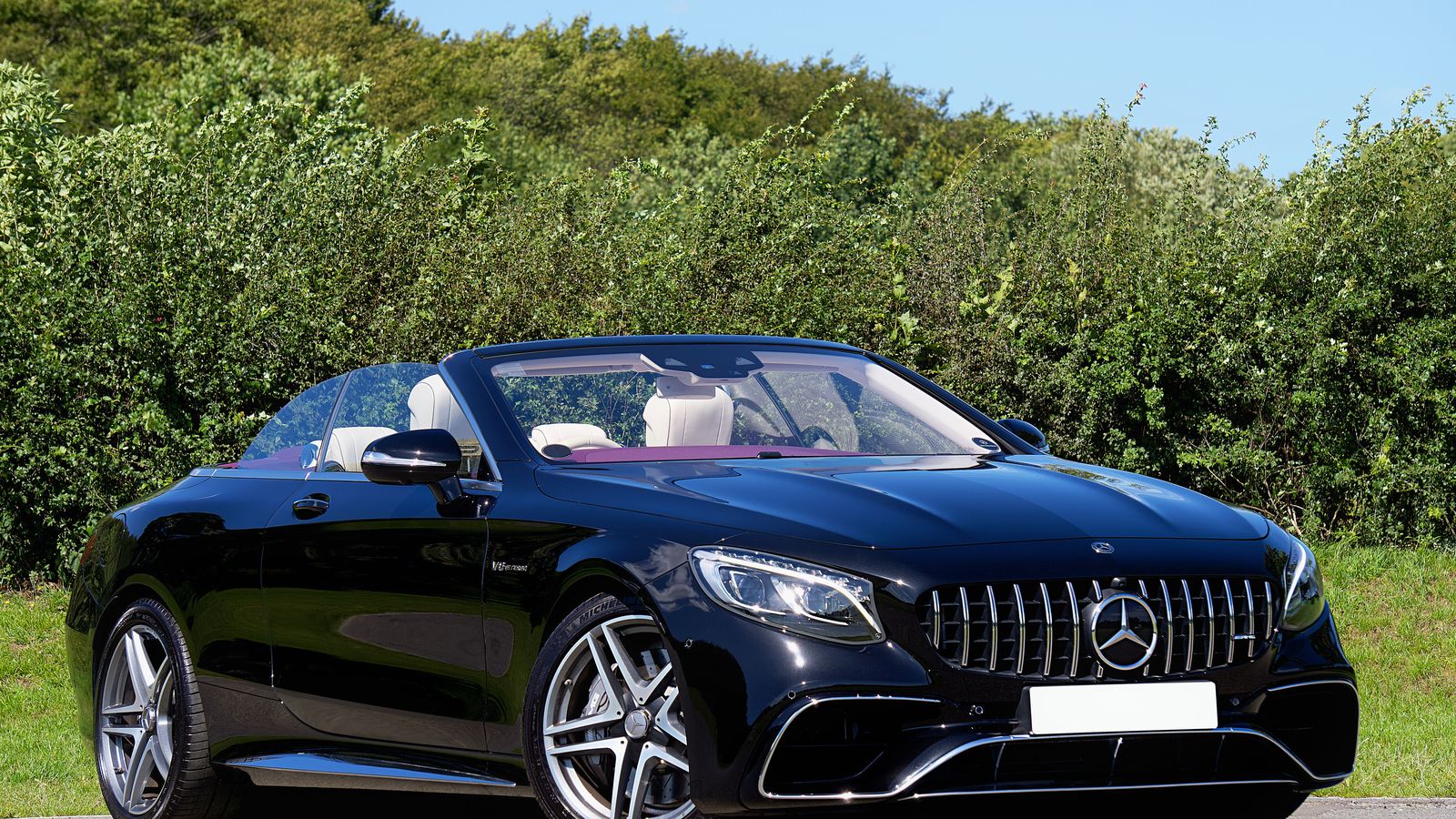
| Keynote speaker or CEO | Luxury Executive Sedan | 3 passengers | Quiet rear cabin for last-minute calls between hotel, venue and dinner |
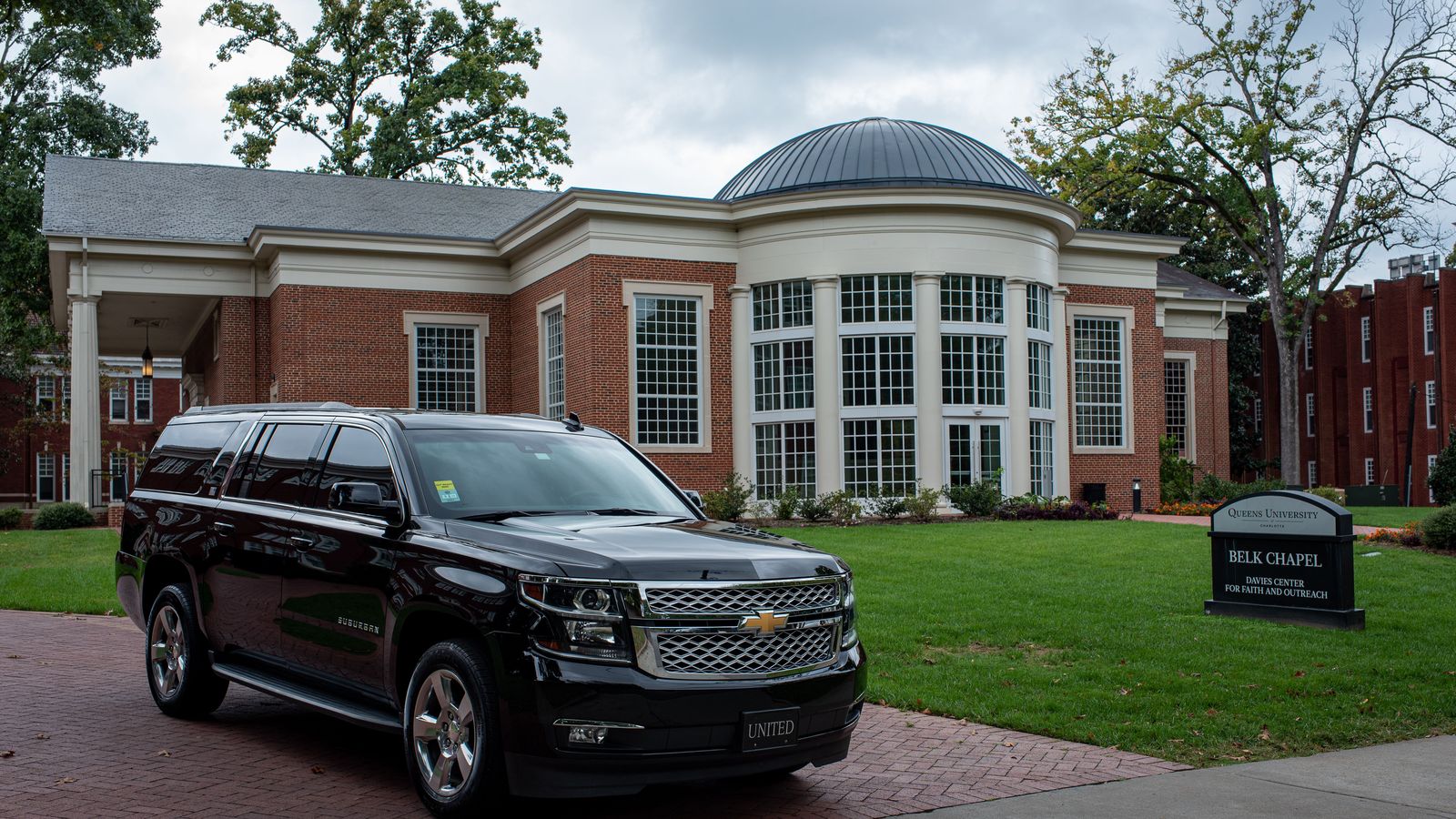
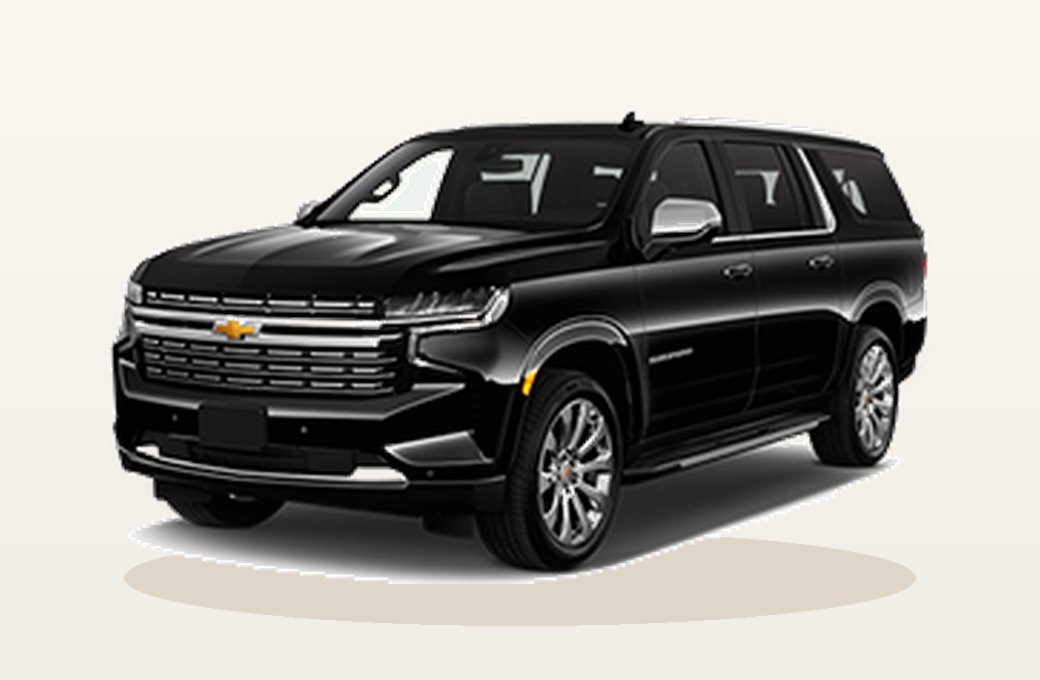
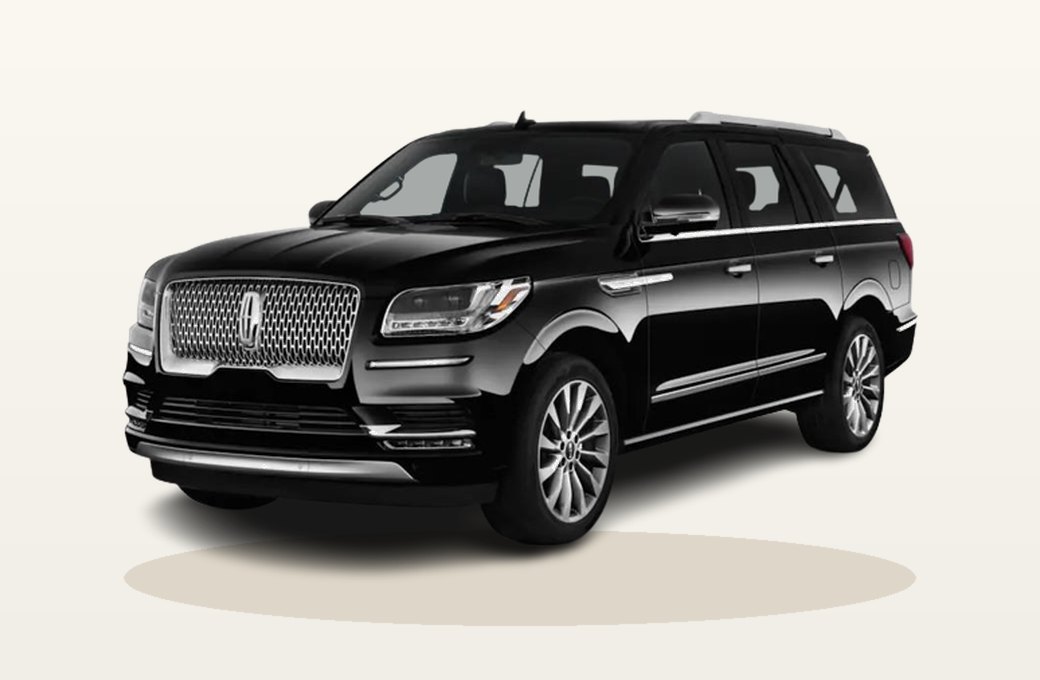
| Sponsor or board group | Executive SUV | 6 passengers | Room for a small group and their bags on arrival day |
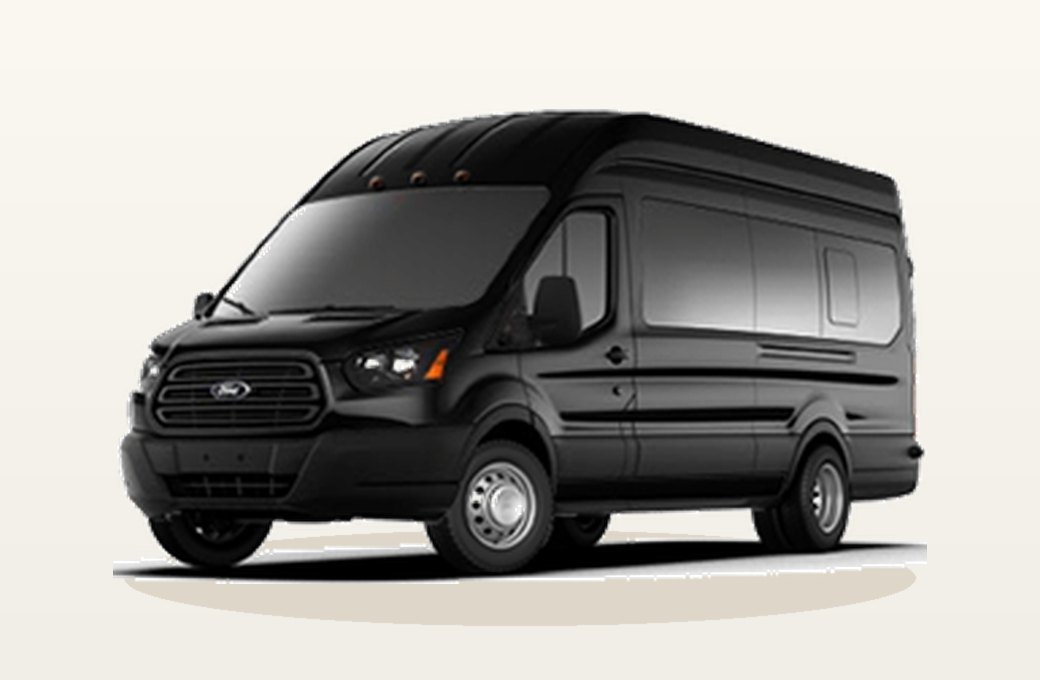
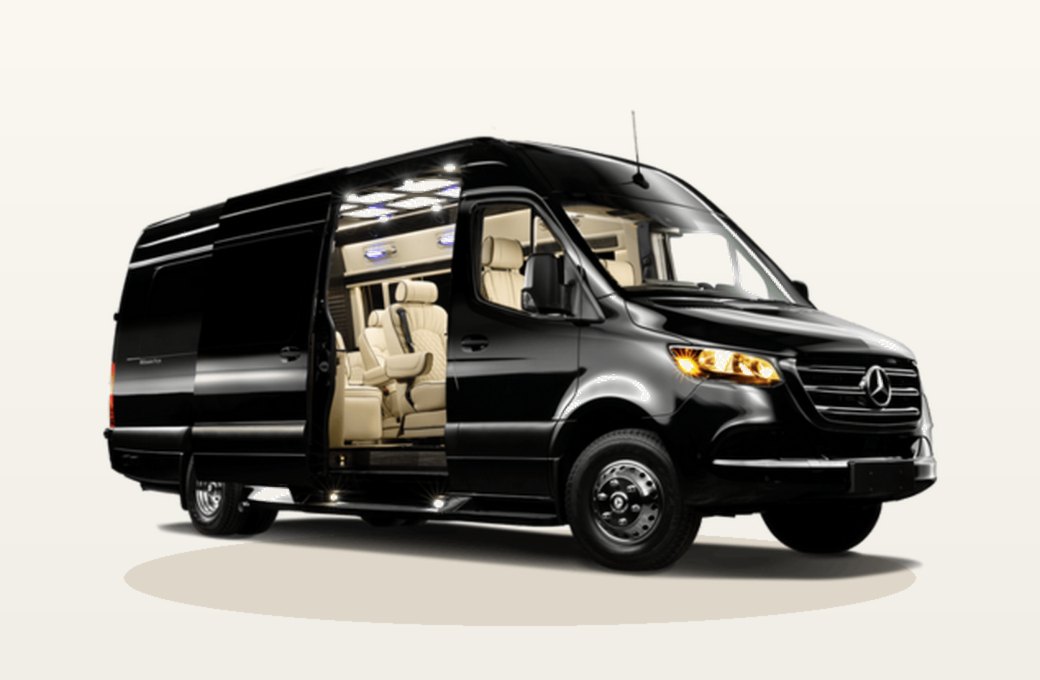
| Talent with an entourage | Standard Black SUV or Sprinter | 6 to 14 | Keeps a party together, with space for wardrobe and equipment |
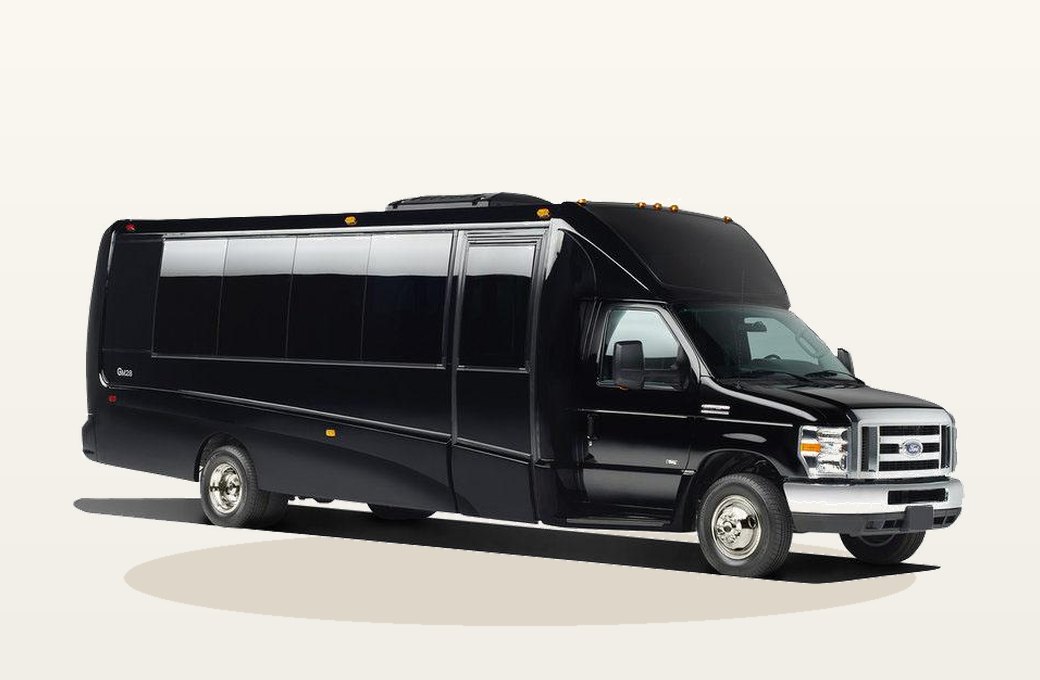
| Hotel to venue shuttle | Minicoach or motorcoach | 24 to 56 | Moves delegates in volume on a published timetable |
| Airport arrival wave | Sprinters and coaches, plus sedans for VIPs | Mixed | Groups guests by landing time rather than by name |
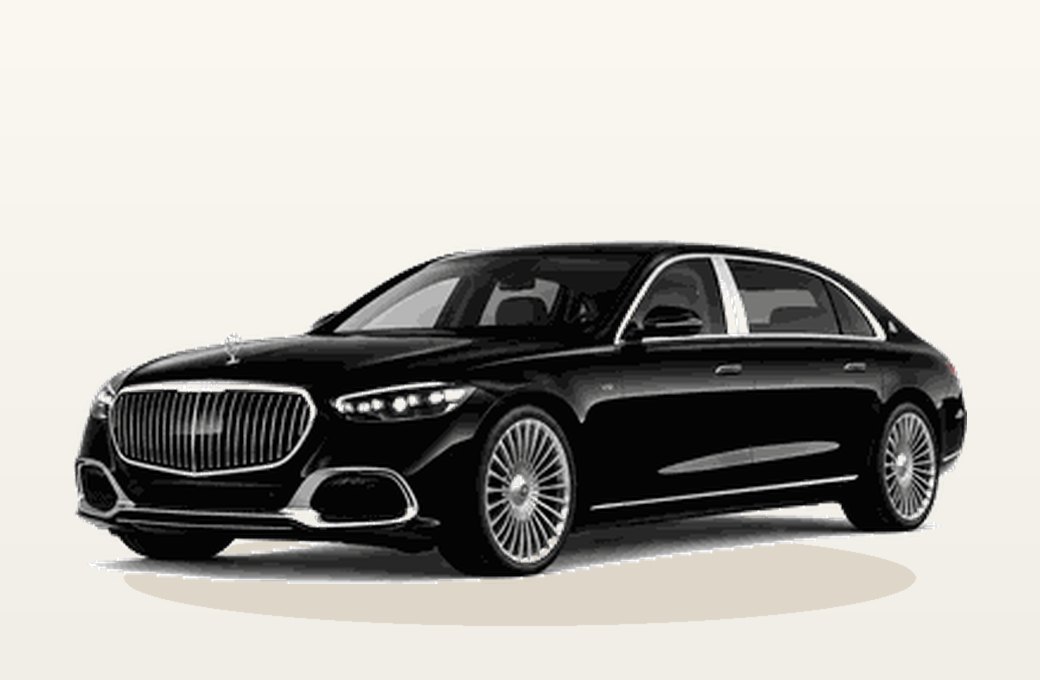
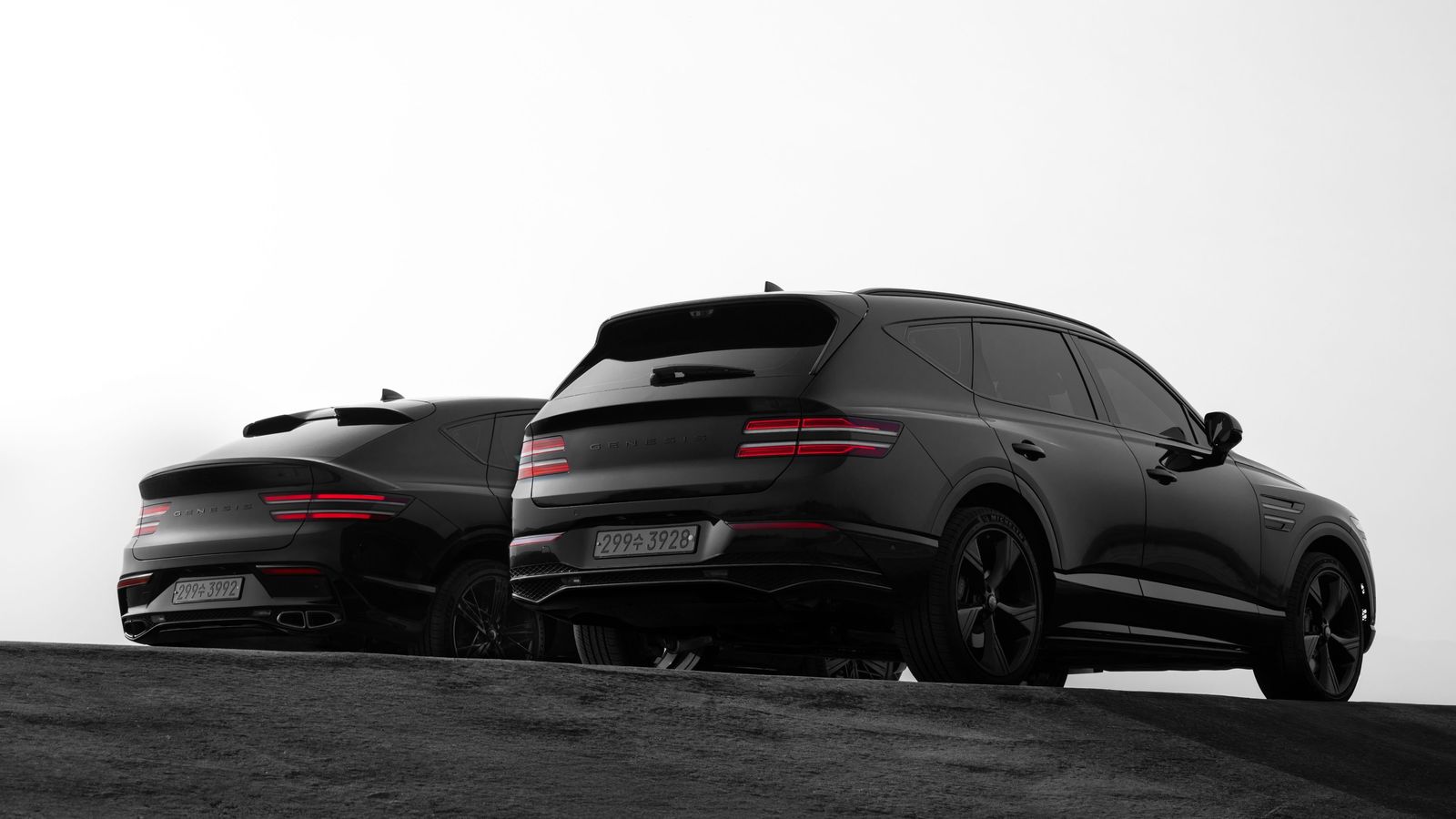
| Gala red carpet | Luxury Executive Sedan or Rolls-Royce, Maybach, Bentley (partner) | 3 passengers | The arrival is photographed; the car matters |
| Principal with security needs | Armoured SUV or sedan (partner, on request) | Up to 4 | Available after a risk assessment |
Every vehicle in the network is four model years old or younger; partner Rolls-Royce, Maybach and Bentley cars are accepted up to seven. The fleet page shows each class, and the group transportation page explains Sprinters and coaches. For principals who need protective transport, see secure transportation.
Handling airport arrival waves
Large conferences create peaks: hundreds of delegates landing between late morning and early evening on the day before opening. Sending a separate car for each is expensive and clogs the pickup area; sending one coach for everyone leaves early arrivals waiting.
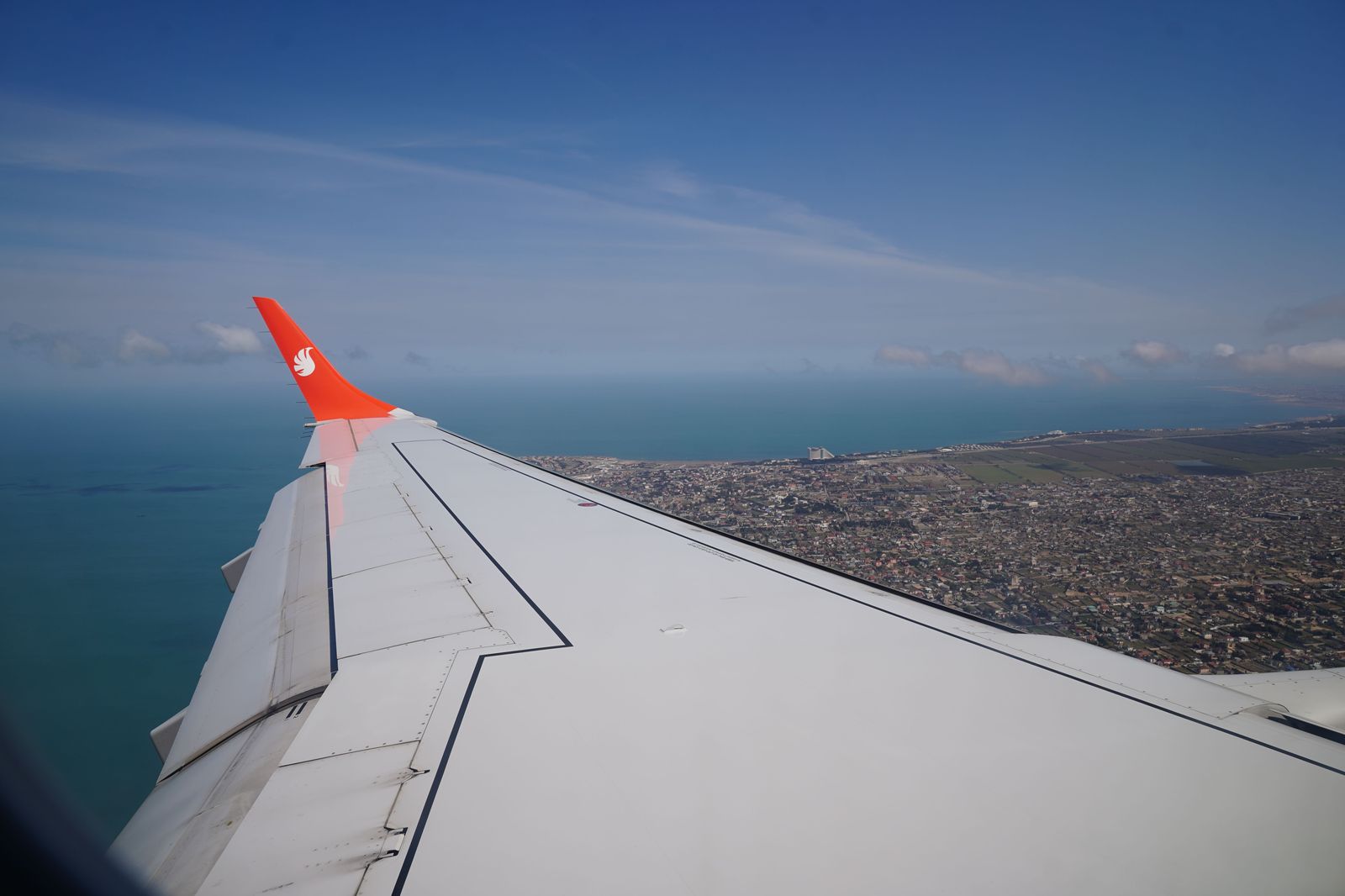
The usual answer is waves. The coordinator groups guests by flight arrival time, sends Sprinters or coaches for each window, and keeps sedans for VIPs and anyone travelling alone at odd hours. Every vehicle tracks the flights assigned to it. Cars wait in the airport's designated commercial pickup area, with 60 minutes from actual landing included on international arrivals and 30 minutes on domestic flights. A greeter with a name board in the arrivals hall is an add-on, and add-ons are only available in selected locations. At large hubs such as JFK, Harry Reid International in Las Vegas, Barcelona El Prat and Dubai International, the airport guide explains where commercial vehicles are allowed to wait.
Running shuttles between hotels and the venue
A delegate shuttle works when people trust it. That means a fixed timetable, clear signage at every hotel, a printed or app-based schedule, and enough capacity at the morning peak so nobody watches a full coach leave.
The coordinator sizes the loop from the room block at each partner hotel and the session times. Morning frequencies are usually tight, the middle of the day lighter, and the evening built around the last session and any official dinner. Hotels, convention centres and cities often control where coaches may stop, so the pickup points in the plan are the ones agreed with each property and venue. For conference hotels that also want guest cars for their own clients, the hotels and concierge page explains how properties book on account.
Galas, premieres and red-carpet arrivals
Evening events compress hundreds of arrivals into forty minutes. The difference between a smooth arrival and a queue down the block is timing. For galas, awards nights and premieres, the plan assigns each car a drop-off slot, holds cars in a staging area away from the entrance, and releases them to the carpet on cue from the event team. At the end of the night, the same staging area feeds cars back to the door in the order guests leave.
Film festivals and award seasons in cities such as Cannes, Toronto and Los Angeles depend on this kind of choreography. The film, music, sport and touring page covers talent and production transport in more depth.
Major events that shape demand
Some events fill every car in a city for a week. If your programme falls in one of these periods, start planning months ahead. Dates change every year, so check the official site for the current edition.
| Event | City | Usual timing | Transport notes |
|---|---|---|---|
| CES | Las Vegas | Usually early January | Venues spread across the Las Vegas Convention Center and Strip resorts; kerb space at hotels is scarce |
| World Economic Forum Annual Meeting | Davos, via Zurich | Usually January | Mountain roads from Zurich take about 2 to 3 hours; winter conditions |
| MWC Barcelona | Barcelona | Usually late February or early March | Held at Fira Gran Via in L'Hospitalet; heavy traffic on the Gran Via corridor |
| Festival de Cannes | Cannes | Usually May | Traffic around the Palais des Festivals and the Croisette is tightly controlled |
| Monaco Grand Prix | Monaco | Usually late May or early June | Circuit streets close; many guests base in Nice and transfer in |
| Art Basel | Basel in June; Miami Beach in December | Usually June and December | Miami Beach Convention Center traffic slows the causeways; see Miami |
| Toronto International Film Festival | Toronto | Usually September | King Street West and the entertainment district see road restrictions |
| Frankfurt Book Fair | Frankfurt | Usually October | Messe Frankfurt is close to the centre; hotels fill across the region |
Conferences also cluster at the large convention centres in New York (Javits Center), Chicago (McCormick Place), London (ExCeL London), Dubai (Dubai World Trade Centre) and Singapore (Marina Bay Sands Expo), each covered on its city page.
Venue access, staging and road closures
Venues set the rules for vehicles on their property, and cities set them on public roads. Convention centres often allow coaches only in marked bays, require vehicle passes for loading docks and ban idling near entrances. Large sporting events and street circuits close roads for days. Police may control access to red-carpet streets.
The coordinator collects these rules from the venue and local authority during planning and writes them into the plan: where each vehicle waits, which route it takes around a closure, and how guests walk from a drop-off point when a car cannot reach the door. If a rule changes on the day, the desk and the operator adjust together.
Guest data, privacy and duty of care
Event transport involves personal data: names, flight numbers, mobile numbers and hotel details for every guest. Share it through the booking channel rather than open spreadsheets by email, and only the fields the transport actually needs. A chauffeur needs the details of their own passengers, not the whole guest list.
For corporate clients, trip records give a duty-of-care view: who travelled, when, in which vehicle and with which operator. That matters for Fortune 500 and corporate travel teams and for government and diplomatic delegations, where security teams may also ask for vehicle and chauffeur details in advance.
Sports events, concerts and festivals
Spectator events have a different rhythm from conferences: everyone arrives in a narrow window and leaves at once. The practical problems are the exit and the pickup point, since the car cannot wait at the gate when fifty thousand people are leaving. For hospitality guests at a final, a Grand Prix or a festival, the plan fixes a pickup point a short walk from the venue and a time window, and the chauffeur holds nearby until the guest is at the meeting point. Booking by the hour for the evening is often more reliable than a single transfer, because the car stays with you through delays.
What drives the cost of event transport?
The main cost drivers are the number of vehicle hours, the vehicle classes, the peak concentration of demand and the dates. A three-day shuttle on a steady timetable is priced very differently from twenty cars all needed at 7 p.m. on the same night. Big-event weeks also raise demand across a city. Every fare in the plan is fixed before you approve it, with no surge on the day. Planning ranges for each vehicle class are on the rates page.
Changes and cancellation
Programmes change as registrations move, and the coordinator reprices and reissues the plan in writing each time. The standard cancellation terms apply to each booked vehicle:
- More than 72 hours before pickup: no charge.
- 72 hours or less: 10% of the fare.
- 48 hours or less: 50% of the fare.
- 24 hours or less, or a no-show: 100% of the fare.
Setting a final numbers date just outside 72 hours before the first movement keeps changes free of charge.
Checklist for event planners
- Event dates, venue address and the times the venue opens to vehicles.
- Partner hotels, room blocks and the check-in and check-out days.
- An arrival and departure manifest, even a rough one, as early as possible.
- VIP names and the level of service each should receive.
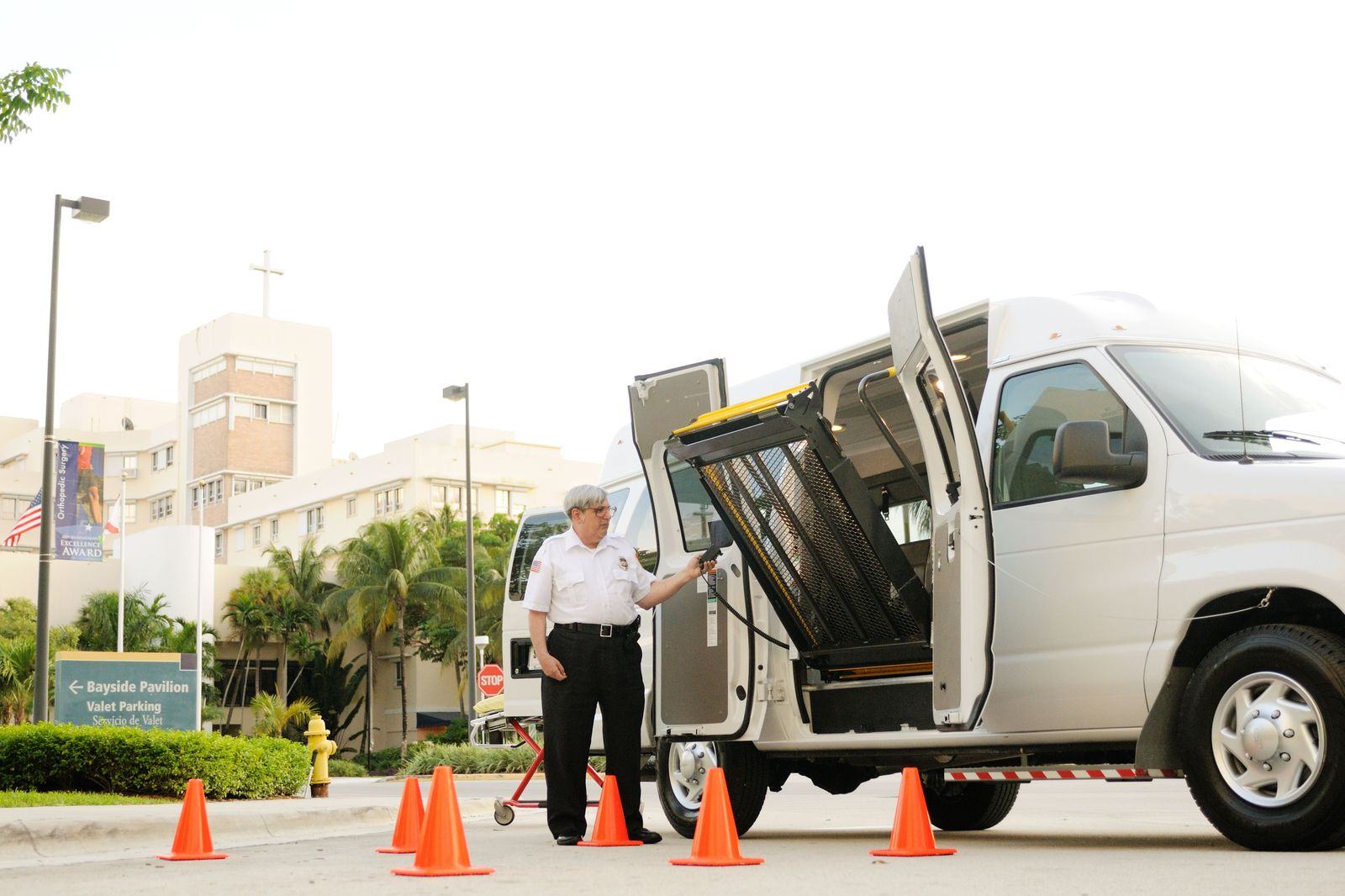
- Any security, accessibility or wheelchair-accessible vehicle requirements.
- The day-of contacts on the event team who may change the plan.