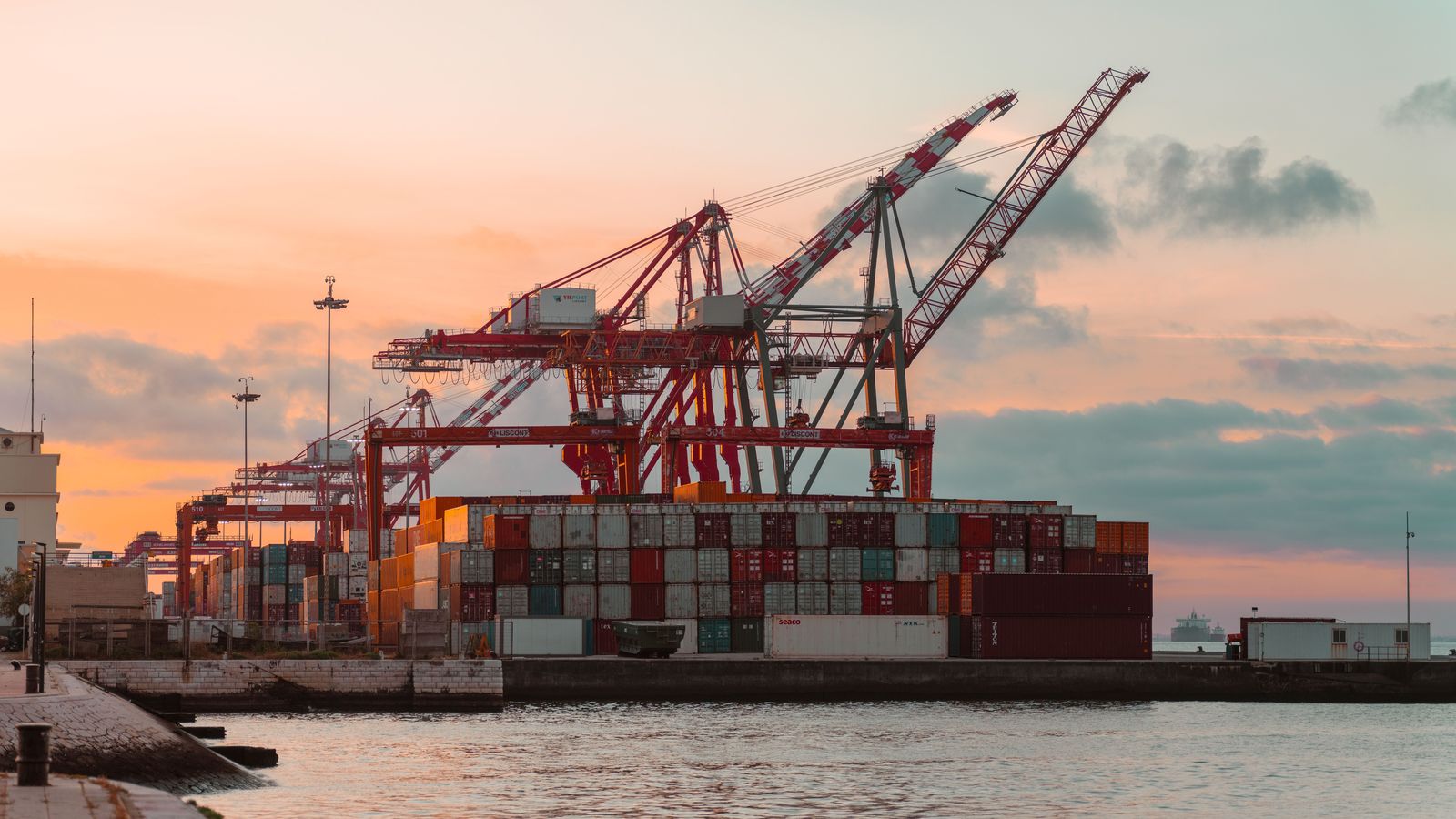











A cruise port transfer from BlaakLane.com takes passengers between the cruise terminal and the airport, a hotel or home, timed to embarkation or disembarkation and sized for cruise luggage. Travellers book online and see a fixed fare first. For cruise lines, tour operators and ship agents, crew sign-on and sign-off moves, VIP guests and group transfers are planned by a coordinator and confirmed in writing.
Who uses a cruise port transfer
Three groups book cruise transfers, and each needs something different:
- Passengers and families want a car at the pier when they walk off, room for large cases and a driver who knows which terminal the ship uses.
- Cruise lines, tour operators and travel advisors want reliable transfers for suite guests, VIPs, accessible travellers and pre- and post-cruise packages, with billing to the right booking.
- Ship agents and crew managers need crew moved between airports, hotels and the ship on sign-on and sign-off days, often at short notice when flights change.
All three are handled by the same 24/7 desk, and all trips carry the same fixed-fare rules.
How to book a cruise port transfer
For a passenger transfer, enter the pickup and drop-off in the reservation engine on this page or at /book/: the ship's terminal, the airport or hotel, the date and time, the number of passengers and the vehicle. The fare shown is fixed for that trip; there is no meter and no surge. Add the ship's name and the sailing date in the notes, so the chauffeur goes to the right terminal on a busy day.
For disembarkation, choose a pickup time based on how your line releases guests. Most ships clear inbound immigration and start disembarking from early morning, and guests who carry their own luggage off usually leave first. Guests who put luggage out the night before are released in groups over the next two to three hours. A realistic pickup time avoids paying for waiting while you are still on board.
Coordinator-planned work, such as a crew change, a group of 40 guests or a set of VIP cars for a line's suite passengers, is planned by a coordinator and confirmed in writing.
Turnaround day: timing the port-to-airport leg
Turnaround day is when one sailing ends and the next begins, often on the same morning. Thousands of guests leave, thousands arrive, and the roads around the terminal fill up. The most common booking is the leg from the ship to the airport, and the question is always the same: which flight can I safely catch?
Coordinators plan around three factors:
- Release time. Self-assist guests are often off early; others leave in their group's slot.
- Road time to the airport. Some ports are minutes from the airport; others are one to two hours away.
- Airport processing. Bag drop, security and, for international flights, earlier check-in deadlines.
| Port | Main airport | Typical drive |
|---|---|---|
| PortMiami | Miami International | 15 to 30 minutes |
| Port Everglades | Fort Lauderdale-Hollywood | 5 to 15 minutes |
| Port Canaveral | Orlando International | 45 to 75 minutes |
| Port of Galveston | Houston Bush or Hobby | 60 to 120 minutes |
| Port of Seattle | Seattle-Tacoma | 25 to 50 minutes |
| Port of Southampton | Heathrow | 75 minutes to 2 hours |
| Port of Barcelona | Barcelona El Prat | 20 to 35 minutes |
| Port of Civitavecchia | Rome Fiumicino | 50 to 80 minutes |
| Port of Piraeus | Athens International | 45 to 75 minutes |
Times are ranges for a car, not a promise; they rise on busy turnaround mornings and holiday weekends.
Where the chauffeur meets you at the terminal
Every cruise port manages traffic differently on turnaround day. Most have a designated area for pre-arranged cars and limousines, separate from taxi ranks and coach bays, and the chauffeur meets you there. Some ports route cars through a checkpoint, and a few ask pre-arranged vehicles to wait off-site until the guest calls. Your confirmation lists the chauffeur's name and number, so you can message when you are through the terminal with your bags.
Meeting you inside the terminal or at the baggage hall is not standard. Meet and greet with a name board is an add-on, and add-ons are only available in selected locations. At airports, the same rule applies: curbside pickup at the designated commercial or pre-arranged area is standard, and every airport pickup is flight tracked.
Vehicle sizing for cruise luggage
Cruise travellers carry more luggage than business travellers: large cases for a week or two at sea, formal wear, sometimes golf clubs or snorkel gear. Sizing by seats alone is the most common mistake.
| Party | Luggage | Recommended class |
|---|---|---|
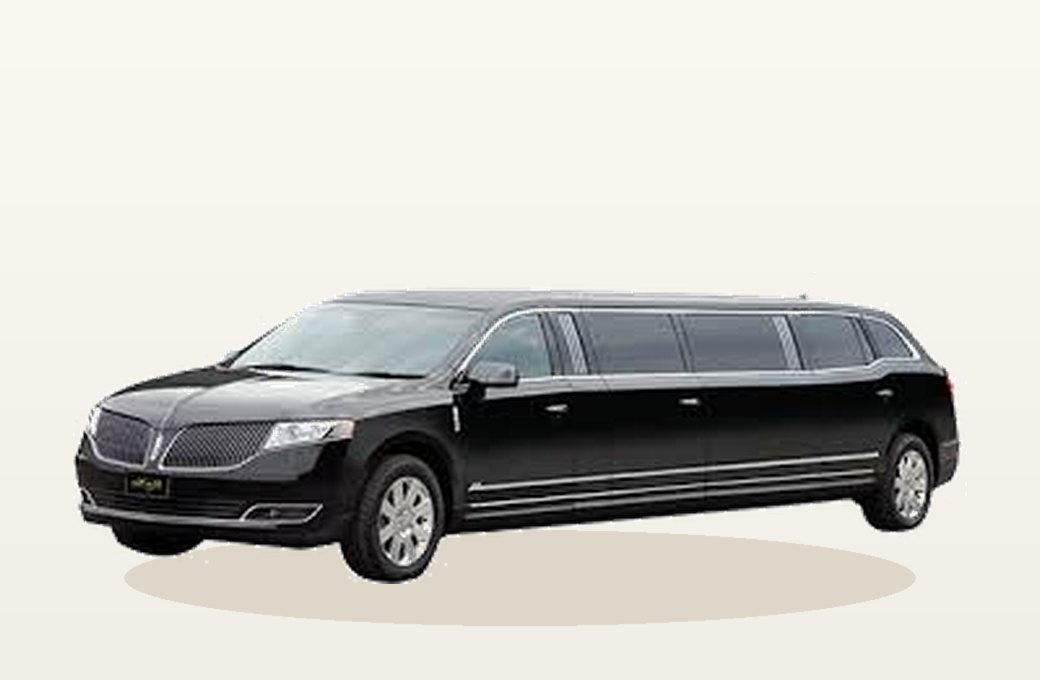
| One or two guests | Two large cases, two carry-ons | Business or Luxury Executive Sedan |
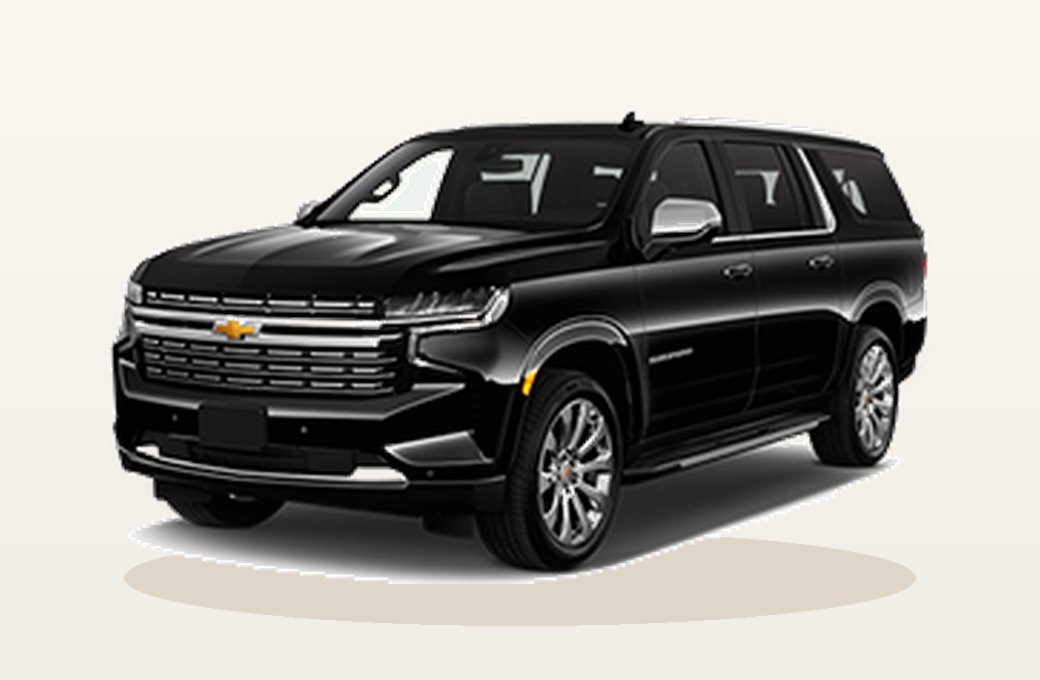
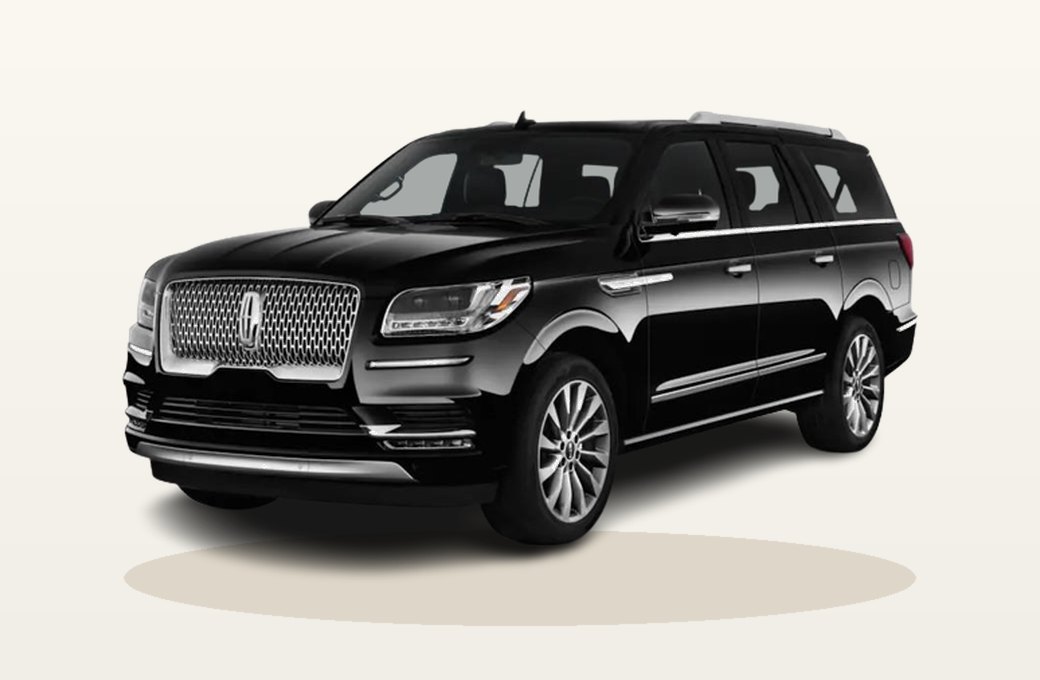
| Two guests | Three or four large cases | Executive SUV |
| Three or four guests | Four to six large cases | Executive SUV or Standard Black SUV |
| Family of five to seven | Seven or more cases, strollers | Standard Black SUV |
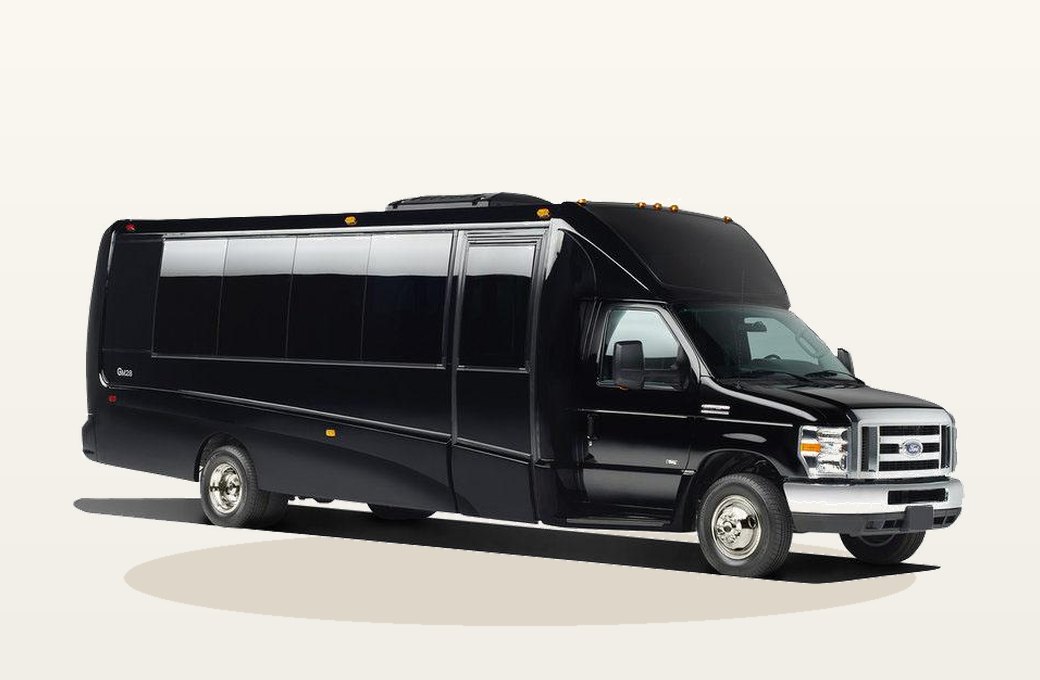
| Group of eight to fourteen | One case each plus carry-ons | Sprinter Van |
| Tour or incentive group | Full group luggage | Minicoach or motorcoach, planned by a coordinator |
Child seats are free on request in most cities. The full range is on the fleet page, and planning ranges are on the rates page.
Pre-cruise and post-cruise days
Many guests fly in a day early so a delayed flight does not cost them the ship. That creates two transfers: airport to hotel the day before, and hotel to terminal on sailing day. Others add a night after the cruise and a sightseeing day before the flight home. A car on hourly chauffeur hire can combine the drop at the port with a morning tour, or a post-cruise pickup with a stop in the city before the airport. See city tours and day trips.
Some itineraries need a longer road leg: Southampton to central London, Civitavecchia to Rome, Port Canaveral to the Orlando parks, or Galveston to Houston. These are booked as intercity transfers with the ship's arrival time in the notes. For guests starting in London and sailing from Southampton, or flying into Rome for a sailing from Civitavecchia, the city pages describe the routes.
Embarkation day: getting to the ship on time
Sailing day runs in the opposite direction to turnaround morning. Guests arrive at the terminal from the airport or a hotel, and the line gives each cabin a check-in window. Arriving at the start of your window keeps the queue short; arriving after the final boarding time means the ship may sail without you.
Plan the transfer backwards from the check-in window, not from the ship's departure time. For a same-day flight, most lines and travel advisors recommend landing several hours before final boarding, and many guests fly in the day before for a buffer against delays. When you book an airport-to-port transfer, the chauffeur is timed to your actual landing through flight tracking, and the included waiting applies: 60 minutes on international arrivals and 30 minutes on domestic flights, then 15-minute blocks.
Keep passports and boarding documents in your hand luggage, not in cases that will be handed to the port porters. At most terminals, porters take checked bags at the curb, and guests walk into the terminal with carry-ons only. The chauffeur unloads at the drop area set by the port, which can be a short walk from the terminal entrance on busy days.
Port days on a Mediterranean or European itinerary
On a port call rather than a turnaround, many guests want a private car instead of a large shore-excursion coach. From Civitavecchia, a day in Rome is a common request; from Piraeus, a morning at the Acropolis; from Barcelona, the Sagrada Familia and the Gothic Quarter; from Venice, road transfers are usually short, because much of the historic city is reached by water.
These are booked as hourly chauffeur hire or as a planned day trip. The key number is the all-aboard time printed by the line, which is usually 30 minutes or more before departure. The chauffeur plans the return with a margin against that time, and guests should share it when they book. If the car is running late because of traffic, the chauffeur calls the guest so they can tell the ship.
Accessible cruise transfers
Guests who use wheelchairs or have limited mobility should state their needs when they book: whether they transfer to a car seat, whether the wheelchair folds and its dimensions, and whether they travel with a mobility scooter. The coordinator matches the vehicle class to those needs and confirms it in writing. Where a vehicle with a ramp or lift is needed, availability depends on the city and must be confirmed before the trip rather than assumed.
At the terminal, most ports and lines have their own assistance for boarding. The chauffeur's role ends at the port's drop area, and the line's staff take over for check-in and embarkation.
Services for cruise lines and tour operators
Cruise lines, tour operators and travel advisors use BlaakLane.com for guests who should not be on a shared coach:
- Suite and VIP guests, with a dedicated car from the airport or hotel to the terminal.
- Accessible transfers, where the guest's needs are noted in the booking and the vehicle class is chosen to suit.
- Pre- and post-cruise packages, where the transfer is bundled with a hotel night through our travel desk.
- Group transfers for incentive groups, charters and special sailings, staged with Sprinters and coaches. See group transportation.
Accounts are billed monthly with the booking reference on each line, so a line or agency can reconcile transfers against its own reservations. See corporate accounts.
Crew sign-on and sign-off for ship agents
Ship agents and crew managers move crew between airports, hotels and the ship on changeover days. Crew arrive on international flights, often in groups, and must reach the ship before it sails or the hotel before a delayed joining. Departing crew leave the ship at a set time and need to reach the airport for a flight home.
These movements are planned by a coordinator and confirmed in writing. The agent sends the crew list, flights, hotel and the ship's berth or terminal; the coordinator plans vehicles by crew count and luggage and times each airport pickup to the actual landing. Port access for crew vehicles depends on the terminal and its security rules, and the agent usually arranges passes or escorts. The full process for merchant and cruise crew is on our shipping and crew change page, and airline-style manifests are covered in airline crew transportation.
Customs and immigration at the end of a cruise
Arriving guests clear border formalities before disembarking or in the terminal. In the United States, U.S. Customs and Border Protection processes cruise passengers at the port, and inbound clearance must finish before the ship releases guests. Guests should carry the travel documents their line requires. We do not arrange immigration processing; we time the car to it, and the chauffeur waits at the pre-arranged area.
Major cruise ports we serve
The network covers cruise ports across North America, the Caribbean, Europe, the Middle East, Asia and Oceania. A selection:
- Florida: PortMiami, Port Everglades, Port Canaveral and Port Tampa Bay. See Miami and Fort Lauderdale.
- New York area: the Manhattan Cruise Terminal, Brooklyn Cruise Terminal and Cape Liberty in Bayonne.
- Pacific Northwest and Canada: Seattle and Canada Place in Vancouver, the main homeports for Alaska sailings, usually from about May to September.
- Europe: Southampton, Barcelona, Civitavecchia, Piraeus, Copenhagen and Venice, where large ships have been kept out of the historic centre since 2021.
- Middle East and Asia: Mina Rashid in Dubai and Marina Bay Cruise Centre in Singapore.
The full list is on the cruise ports page. Port authorities publish their own terminal and traffic information, for example Port Canaveral, the Port of Barcelona and the Port of Seattle.
Changes, delays and cancellations
Ships sometimes arrive late because of weather, a medical call or port congestion, and disembarkation can slow down. Tell the desk as soon as you know, and the pickup is re-timed. For airport pickups before a cruise, flight tracking times the chauffeur to the actual landing, with 60 minutes of included waiting on international arrivals, 30 minutes on domestic flights and 15 minutes at a hotel or the pier, then 15-minute blocks.
Cancellations follow the standard schedule: more than 72 hours before pickup, no charge; 72 hours or less, 10%; 48 hours or less, 50%; 24 hours or less or a no-show, 100%.
Industry context
Cruising is a large and growing part of leisure travel, and the Cruise Lines International Association publishes industry data, port guidance and passenger advice. On a turnaround morning, the difference between a calm transfer and a missed flight is usually a realistic pickup time, the right vehicle for the bags and a driver waiting in the right place.
Before you book, gather four details: the ship's name and sailing date, the terminal if the port has several, your disembarkation method or check-in window, and the number and size of your cases. With those in the notes, the desk can place the car in the right area at the right time, and the chauffeur can plan the route to the airport or hotel before you step off the ship. Guests travelling on to another city after the cruise can add that leg to the same booking, so one confirmation covers the port, any stop on the way and the final drop.