








BlaakLane.com offers a chauffeur service in Rome at one fixed fare shown before you confirm. Book Fiumicino (FCO), Ciampino (CIA), Roma Termini or the Civitavecchia cruise port, add the flight or ship details and choose a vehicle. Arrivals are flight-tracked, and every trip is driven by a vetted, NCC-licensed Rome affiliate named on your confirmation.
How to book a chauffeur service in Rome
Start in the reservation engine on this page or at book. A Rome booking usually needs four facts: the pickup (terminal, hotel, pier), the drop-off, the date and time, and the vehicle class. For flights add the flight number; for cruises add the ship and the disembarkation time printed on your cruise documents. The engine shows one fixed fare, with gratuity and any parking added later at actual cost.
Your booking goes to the BlaakLane.com reservations desk in Toronto, which works 24/7, and is assigned to a vetted Rome operator from the LimousineWorldwide.Directory network. Italian chauffeured cars work under an NCC licence (noleggio con conducente). We do not own cars or garages in Rome; your confirmation names the operator, the chauffeur and the vehicle so you know exactly who is coming.
The fixed fare: what is covered
- The drive from door to door, including Civitavecchia runs on the A12 and trips on the A1 to Naples or Florence.
- Flight tracking on every airport pickup, with the chauffeur timed to the landing.
- Included waiting of 60 minutes from actual landing on international flights, 30 minutes on domestic flights and 15 minutes on hotel, pier and other pickups; after that, 15-minute blocks.
- Child seats on request at no charge.
See the rates page for planning ranges by vehicle class. Cancellation: free more than 72 hours before pickup, 10% at 72 hours or less, 50% at 48 hours or less, 100% at 24 hours or less or for a no-show.
Fiumicino and Ciampino: terminals, distances and pickup
Rome Fiumicino (FCO), officially Leonardo da Vinci, lies about 30 km south-west of the centre on the coast. Scheduled flights use Terminal 1, enlarged in recent years and handling Schengen flights including most ITA Airways domestic and European services, and Terminal 3, which handles most international and long-haul traffic. The drive into Rome along the A91 Roma-Fiumicino motorway takes 40 to 60 minutes to the Spanish Steps or Piazza Navona, and longer at the evening peak when the road meets the Grande Raccordo Anulare ring road.
Rome Ciampino (CIA) is about 15 km south-east, close to the Via Appia, and handles low-cost carriers, some charters and a busy business aviation terminal. The drive to the centre is 30 to 45 minutes. Private jet passengers should see Rome Ciampino private aviation.
At both airports, curbside pickup at the designated area for pre-booked and NCC vehicles is standard, and the chauffeur is timed to your actual landing. A meet and greet inside arrivals with a name board is an add-on; add-ons are only available in selected locations. Terminal information is published by Aeroporti di Roma, the airport operator. If you prefer rail, the Leonardo Express runs non-stop from FCO to Termini in about 32 minutes, but it leaves you at the station rather than your hotel door.
Rome's ZTL: why the last 200 metres matter
Rome protects its historic core with limited traffic zones (zone a traffico limitato), enforced by cameras that read number plates at the entry gates. The Centro Storico daytime ZTL is active Monday to Friday from 06:30 to 18:00 and on Saturday from 14:00 to 18:00; on Sundays and midweek public holidays it is normally open. Separate night ZTLs operate on Friday and Saturday evenings in areas such as the Centro Storico, Trastevere, Monti, San Lorenzo and Testaccio. The wider Fascia Verde low-emission zone covers a large ring of the city and restricts older vehicles.
What this means for you: many hotels and apartments sit inside a zone, and some streets around the Pantheon, Piazza Navona and Campo de' Fiori are pedestrian or too narrow for a car to stop. Whether a car can reach your door depends on the vehicle's registration and permits at that hour. Where it cannot, the chauffeur stops at the nearest legal point, and for heavy luggage we suggest giving the hotel's exact entrance in the booking notes. Official zone hours and maps are on Roma Mobilità, the city's mobility agency.
Which vehicle should you choose in Rome?
Roman streets favour compact footprints, while cruise transfers need boot space. From the fleet:
| Trip | Class | Why |
|---|---|---|
| Solo traveller, FCO to Via Veneto | Standard Sedan | Handles narrow streets and short stops |
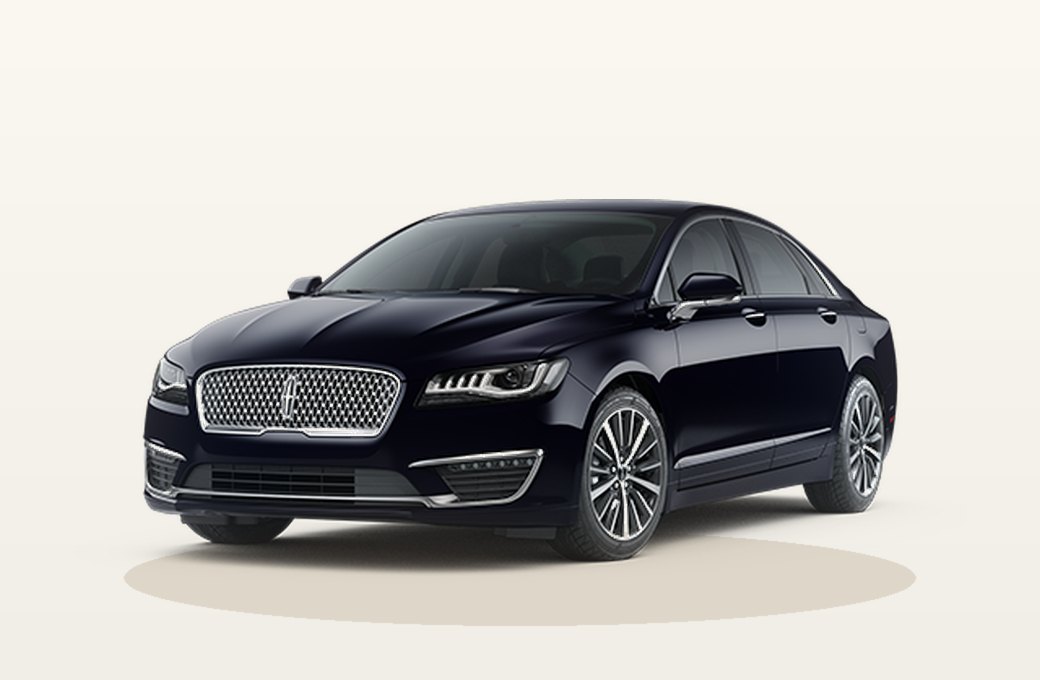
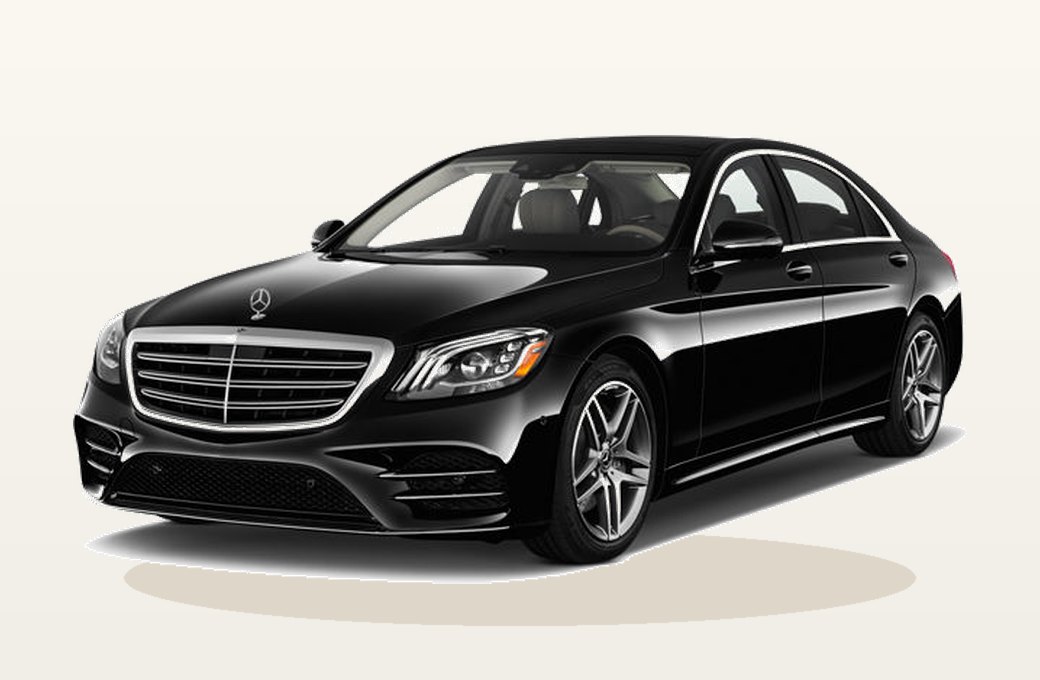
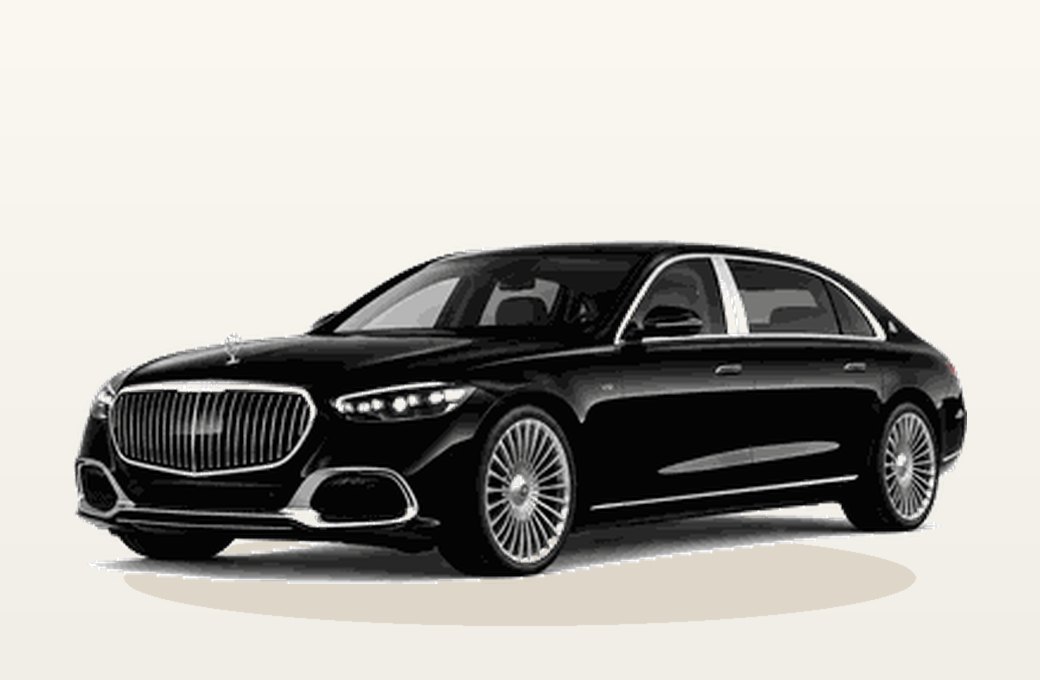
| Executive meetings in EUR and Parioli | Luxury Executive Sedan, hourly | One car waiting between appointments |
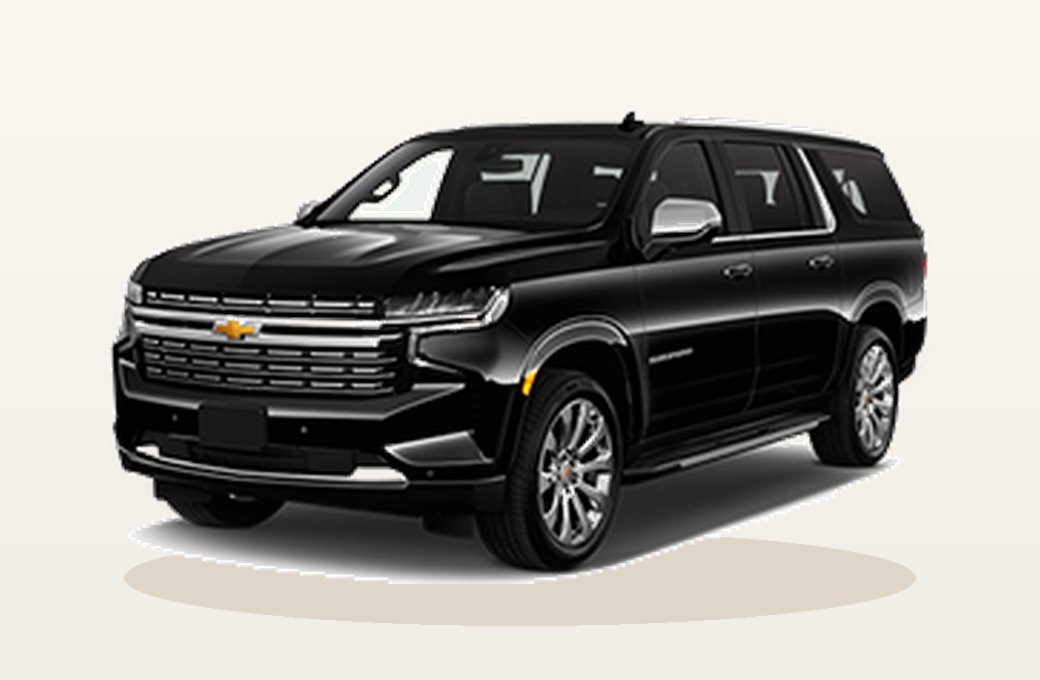
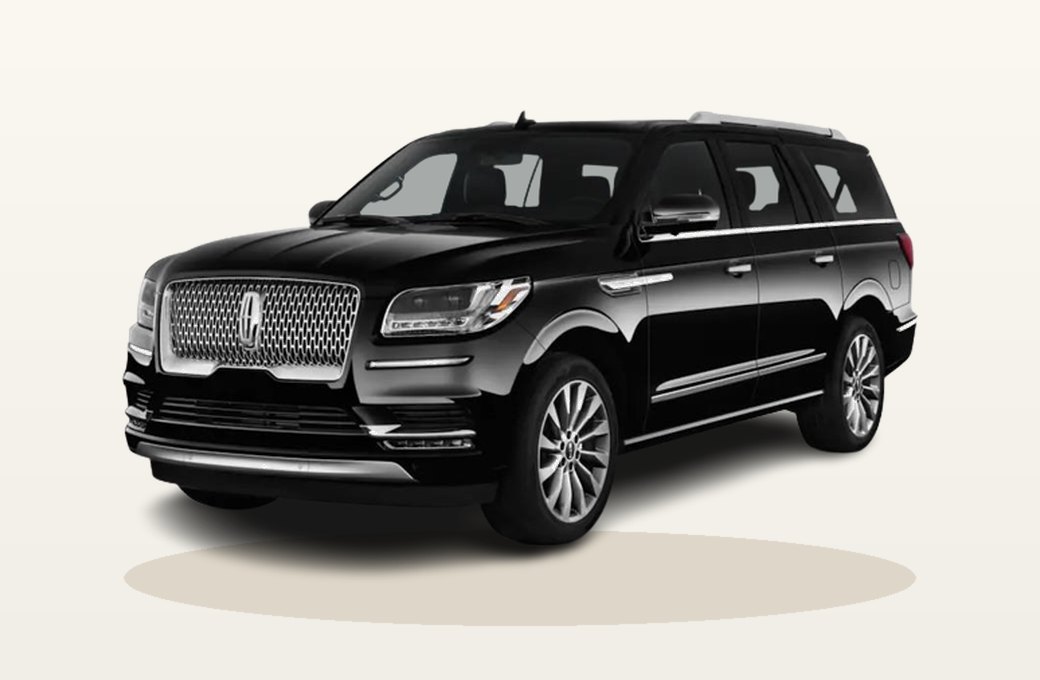
| Couple with four cases to Civitavecchia | Executive SUV | Luggage for a two-week cruise |
| Extended family, Termini to a villa near Frascati | Standard Black SUV | One vehicle, one arrival |
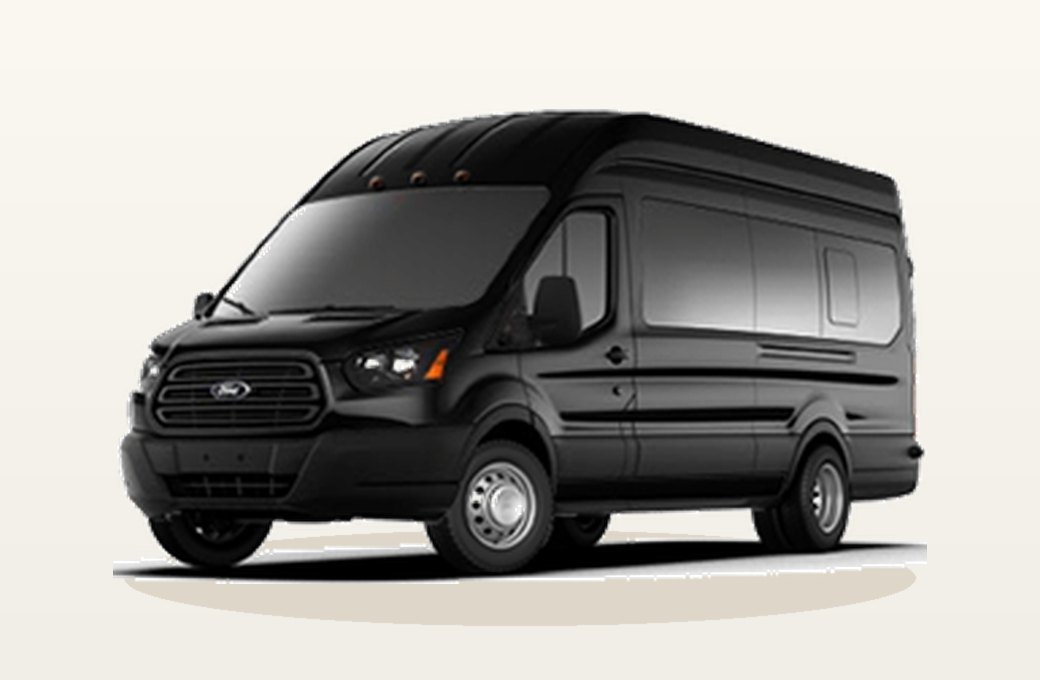
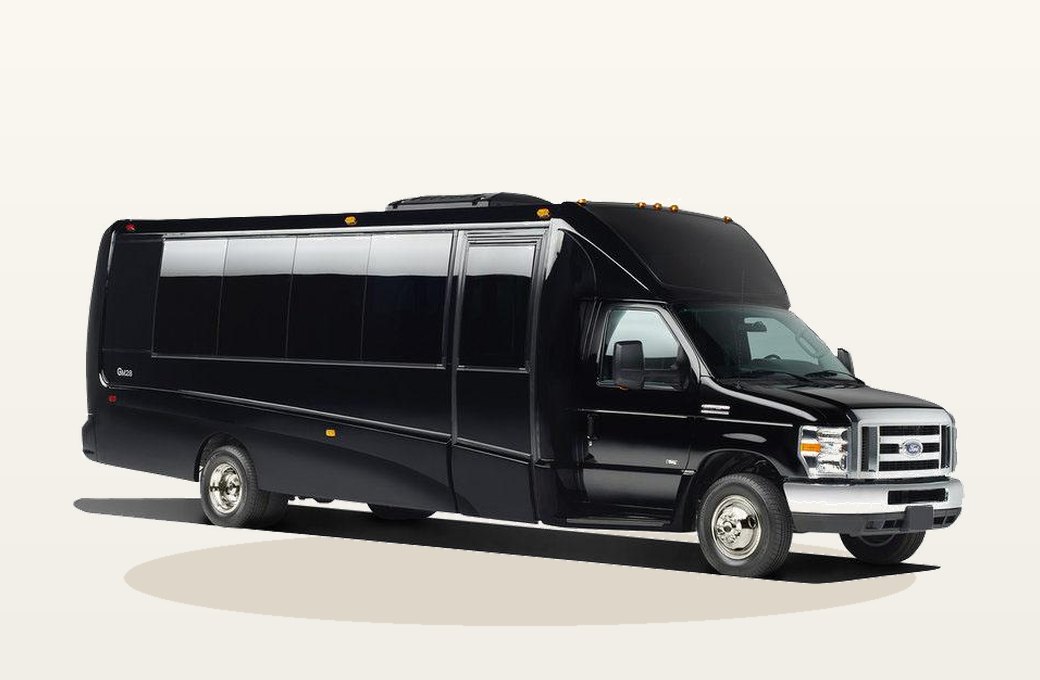
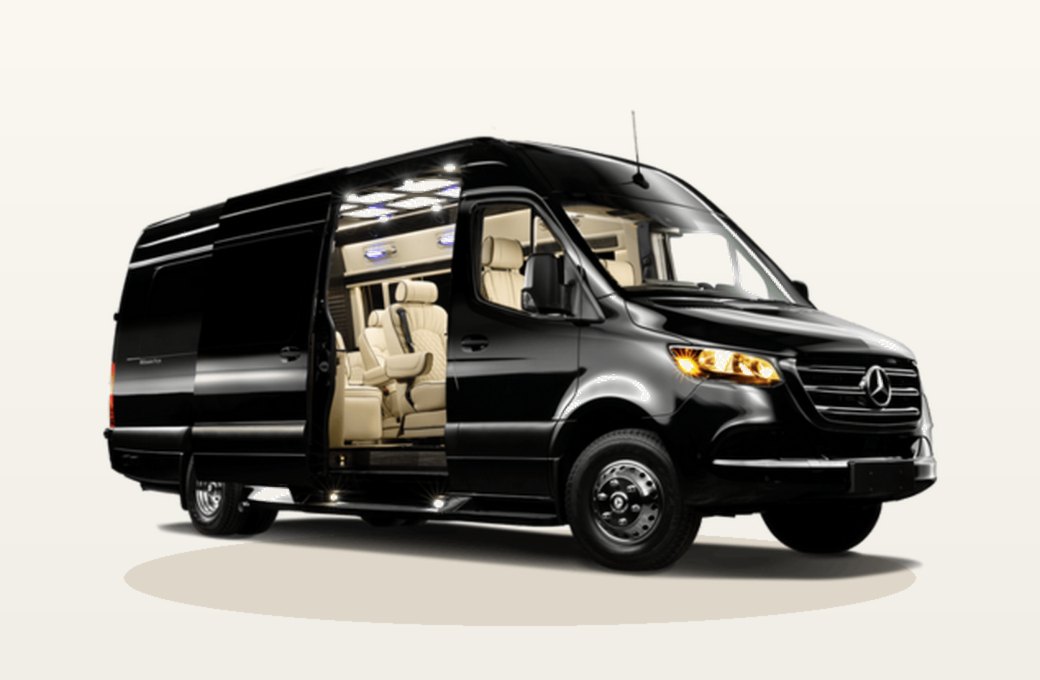
| Pilgrim or incentive group | Minicoach or motorcoach | Planned by a coordinator and confirmed in writing |
| Wedding at a Roman basilica | Rolls-Royce or Bentley (partner) | Photographs at the steps |
| Principal with a security profile | Armoured sedan or SUV (partner) | After a risk assessment |
Every vehicle is four model years old or younger; only Rolls-Royce, Maybach and Bentley are accepted up to seven.
Civitavecchia: Rome's cruise port
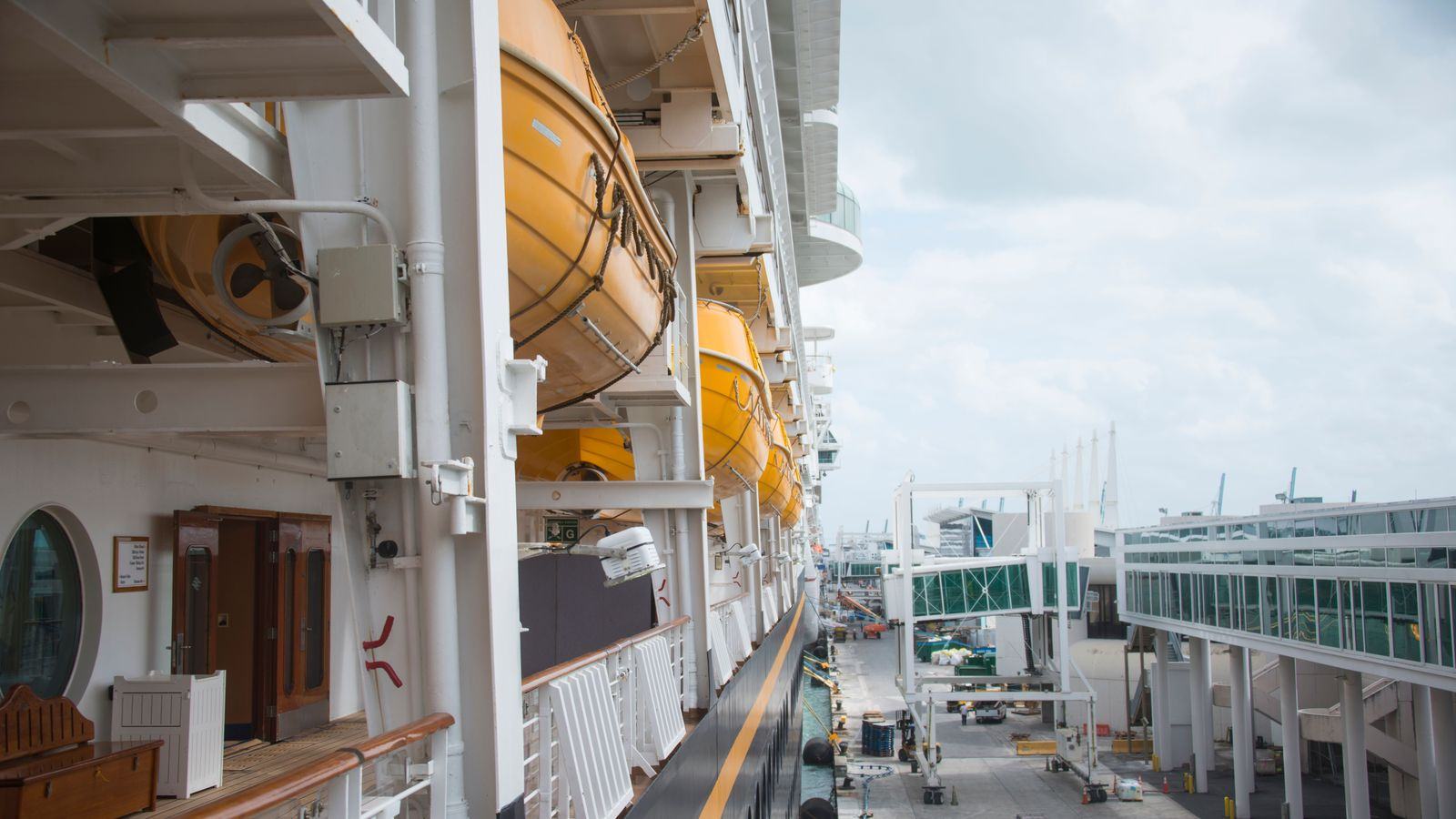
Most Mediterranean cruises that "sail from Rome" actually leave from the Port of Civitavecchia, about 80 km north-west of the city centre. Transfers take roughly 1 hour 15 minutes to 1 hour 45 minutes from central Rome, and 50 to 70 minutes from Fiumicino, both via the tolled A12. The port is large, with several cruise terminals along the breakwater, and on busy summer days several ships turn around at once.
On embarkation day, plan to arrive within the check-in window on your cruise documents; leaving Rome by late morning is typical. On disembarkation day, ships usually clear passengers from early morning, and a pickup around 08:00 to 09:30 lets you reach Fiumicino for an afternoon flight. The chauffeur waits at the passenger pickup area the port allows for your terminal; inside the port, terminal access rules are set by the port authority, and in some cases passengers use the port's internal shuttle. The official source is Port Network Authority of the Central Northern Tyrrhenian Sea. Our Civitavecchia city page and cruise lines and ports cover pier logistics in more depth.
Drive times across Rome
- Fiumicino to the Vatican and Prati: 35 to 50 minutes.
- Fiumicino to EUR business district: 25 to 35 minutes.
- Fiumicino to Parioli and the Villa Borghese hotels: 45 to 65 minutes.
- Ciampino to Termini and Monti: 30 to 40 minutes.
- Termini to St Peter's Square: 20 to 30 minutes.
- Centro Storico to the Foro Italico and Stadio Olimpico: 15 to 25 minutes, far longer on match nights.
Neighbourhoods, hotels and business districts
Rome's luxury hotels cluster in a few areas. At the top of the Spanish Steps stands the Hotel Hassler; the Hotel de Russie sits by Piazza del Popolo; the Hotel Eden and the Bulgari Hotel Roma are near Villa Borghese and the Mausoleum of Augustus respectively; the St. Regis Rome faces the Baths of Diocletian near Termini; and the Rome Cavalieri overlooks the city from Monte Mario. Via Veneto keeps its grand hotels, including the Hotel Excelsior.
Business life concentrates in EUR, the planned district to the south with the La Nuvola convention centre, in the ministries and embassies around Parioli and Pinciano, in legal and media offices in Prati, and near Tiburtina station. The Fiera di Roma exhibition grounds are on the Fiumicino road. Hotels booking cars for guests can use hotels and concierge; embassy and ministry travel is covered by government and diplomatic.
When does Rome get busiest?
| Month (usually) | Event | Effect on travel |
|---|---|---|
| February to March | Six Nations rugby at Stadio Olimpico | Closures around the Foro Italico on match days |
| March | Rome Marathon | Centre closed on the Sunday morning |
| March or April | Easter at St Peter's Square | Vatican area gridlocked around the Masses |
| 21 April | Natale di Roma (Rome's birthday) | Parades near the Circus Maximus |
| May | Internazionali d'Italia tennis at the Foro Italico | Evening demand in the north of the city |
| 2 June | Festa della Repubblica parade | Via dei Fori Imperiali closed |
| October | Rome Film Fest at the Auditorium | Red-carpet arrivals in the Flaminio area |
| December | Christmas and New Year at the Vatican | Heavy traffic around Borgo and Prati |
Papal events can close whole districts at short notice. Check the official Rome tourism site for current dates.
Day trips and intercity routes from Rome
Book one-way journeys as intercity transfers, or keep the chauffeur for the day with city tours and day trips.
| Destination | Distance | Typical time |
|---|---|---|
| Tivoli (Villa d'Este, Hadrian's Villa) | 30-35 km | 45 min to 1 hr |
| Castel Gandolfo and Frascati | 25 km | 40-50 min |
| Orvieto | 120 km | 1 hr 30 min |
| Naples | 225 km | 2 hr 30 min on the A1 |
| Amalfi Coast (Positano) | 270 km | 3 hr 30 min to 4 hr |
| Siena | 230 km | 2 hr 45 min |
| Florence | 275 km | 3 hr |
Travellers heading for Capri usually drive to Naples or Sorrento and take the ferry. Amalfi Coast roads are narrow, and in summer local rules limit larger vehicles on the SS163, so a van transfer may end in Sorrento or Salerno.
Roma Termini and high-speed rail
Roma Termini is Italy's busiest station, with Frecciarossa and Italo trains to Naples in about 1 hour 10 minutes, Florence in about 1 hour 30 minutes and Milan in about 3 hours. Tiburtina is the second high-speed station. Chauffeurs meet trains at the designated pickup area on the station's perimeter; give the train number so timing follows the real arrival.
Local driving realities
Italy drives on the right. Roman traffic is dense from 07:30 to 10:00 and 17:00 to 20:00, especially on the Grande Raccordo Anulare, the Lungotevere embankments and around Termini. Scooters weave between lanes, trams share central streets, and camera-enforced bus lanes are common. Summer heat and August closures change the rhythm: the city empties around Ferragosto on 15 August, while the coast roads fill.
Entering Italy: EES, ETIAS and passports
Italy is part of the Schengen area. Visitors from outside the EU and EFTA are registered in the Entry/Exit System, fully operational since 10 April 2026, with a face image and fingerprints taken on the first entry; passport halls at Fiumicino Terminal 3 can be slow during registration, and your included waiting starts from the actual landing. ETIAS has not started and has no confirmed date. Cruise passengers leaving the Schengen area from Civitavecchia also pass border checks at the port. Official guidance is at Travel to Europe.
Corporate travel and affiliates in Rome
Companies with Rome offices or regular visits open corporate accounts for monthly invoicing, cost centres, traveller profiles, duty-of-care trip data and a named coordinator. Agencies can book through the travel desk. NCC operators in Lazio can apply to join the network at register. For northern Italy see Milan, and for all destinations Italy.