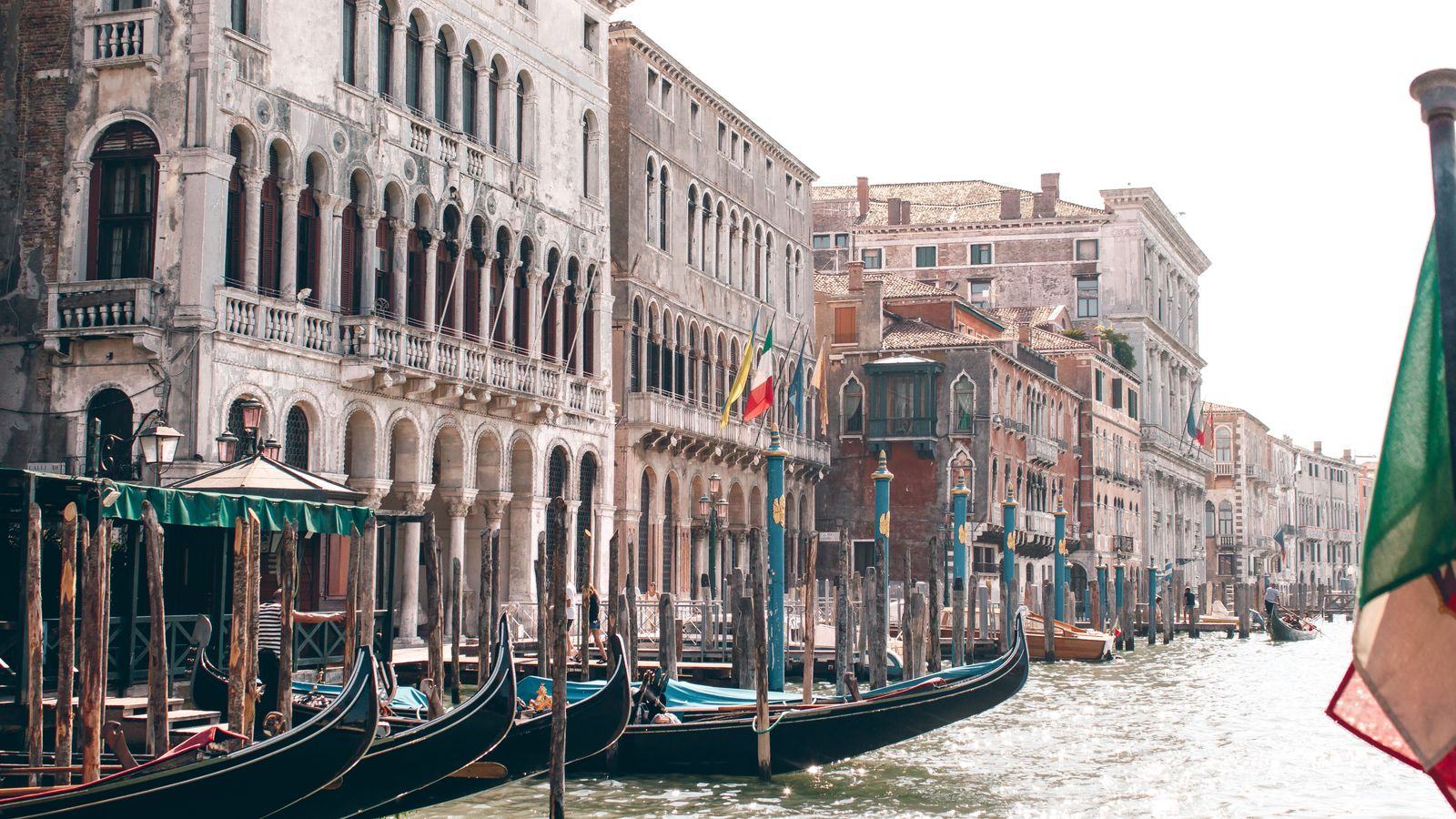








A chauffeur service in Venice works differently from any other city: cars cannot enter the historic centre, so the road leg ends at Piazzale Roma or Tronchetto and the last stretch is by water taxi or vaporetto. BlaakLane.com books that road leg at a fixed fare, tracks your flight into Marco Polo or Treviso, and times the car to the actual landing. A vetted local affiliate drives every trip.
How do you book a chauffeur service in Venice?
Use the reservation engine on this page or open book. Enter the pickup (an airport, a cruise berth, a hotel in Mestre or on the Lido, a villa on the Brenta), the drop-off, the date, the time and the vehicle class. The engine shows one fixed price for that trip before you confirm, and that price does not change with traffic on the Ponte della Liberta or a late ferry. There is no meter and no surge.
Your confirmation names the operator, the chauffeur and the vehicle. Venice trips are driven by a vetted local affiliate from the LimousineWorldwide.Directory network, contracted to the BlaakLane.com written standard, and the reservations desk in Toronto watches the booking around the clock. If you are heading into the lagoon city itself, put your hotel name and its nearest water stop in the booking notes. That single line tells the chauffeur which end of Piazzale Roma to use and saves ten minutes with luggage.
For a day that includes several stops on the mainland, such as a Prosecco estate, a villa visit and a dinner in Treviso, book hourly chauffeur service so the car stays with you.
Where does the car stop? Piazzale Roma, Tronchetto and the edge of the road
The Ponte della Liberta carries road traffic from the mainland across the lagoon and ends at two places. Piazzale Roma is the bus and car terminus at the north-west corner of the historic centre, next to the Calatrava bridge and a short walk from the Santa Lucia railway station. Tronchetto is an artificial island just beyond it, used for parking, the car ferry to the Lido and the People Mover monorail that links back to Piazzale Roma. Past these two points, no private car can go. The historic centre has no streets for vehicles, only canals, bridges and pedestrian lanes.
This matters for three kinds of trip:
- Hotels in the historic centre (San Marco, Dorsoduro, Cannaregio, San Polo, Castello, Giudecca): the car takes you to Piazzale Roma, and you continue by water taxi, vaporetto or on foot with a porter.
- Hotels on the Lido: cars do reach the Lido, but only on the car ferry from Tronchetto, so allow for the crossing schedule.
- Hotels in Mestre, Marghera or on the Riviera del Brenta: door-to-door by car, like any other city.
The water-taxi handover, step by step
Most first-time visitors worry about the change from car to boat. It is simple when it is planned:
- Add your hotel and, if you know it, the hotel's private jetty to the booking notes.
- The chauffeur drives to the Piazzale Roma drop-off nearest the water-taxi stand, unloads your bags at the curb and points you to the licensed rank.
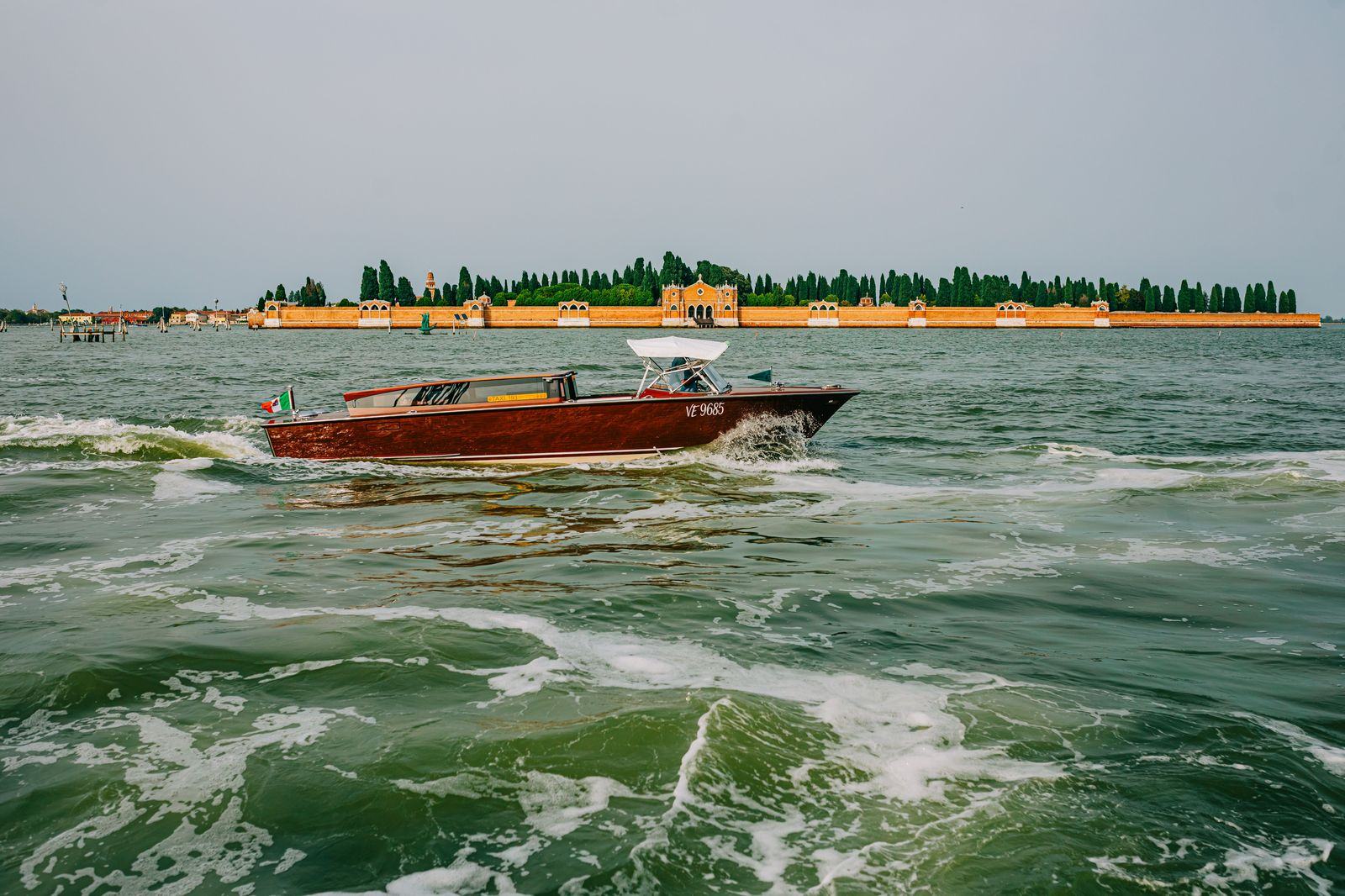
- You board a licensed Venetian water taxi, which runs to your hotel's canal-side door if it has one, or to the closest landing stage.
- If you prefer public transport, the ACTV vaporetto lines run from Piazzale Roma down the Grand Canal; heavy luggage makes this harder at peak times.
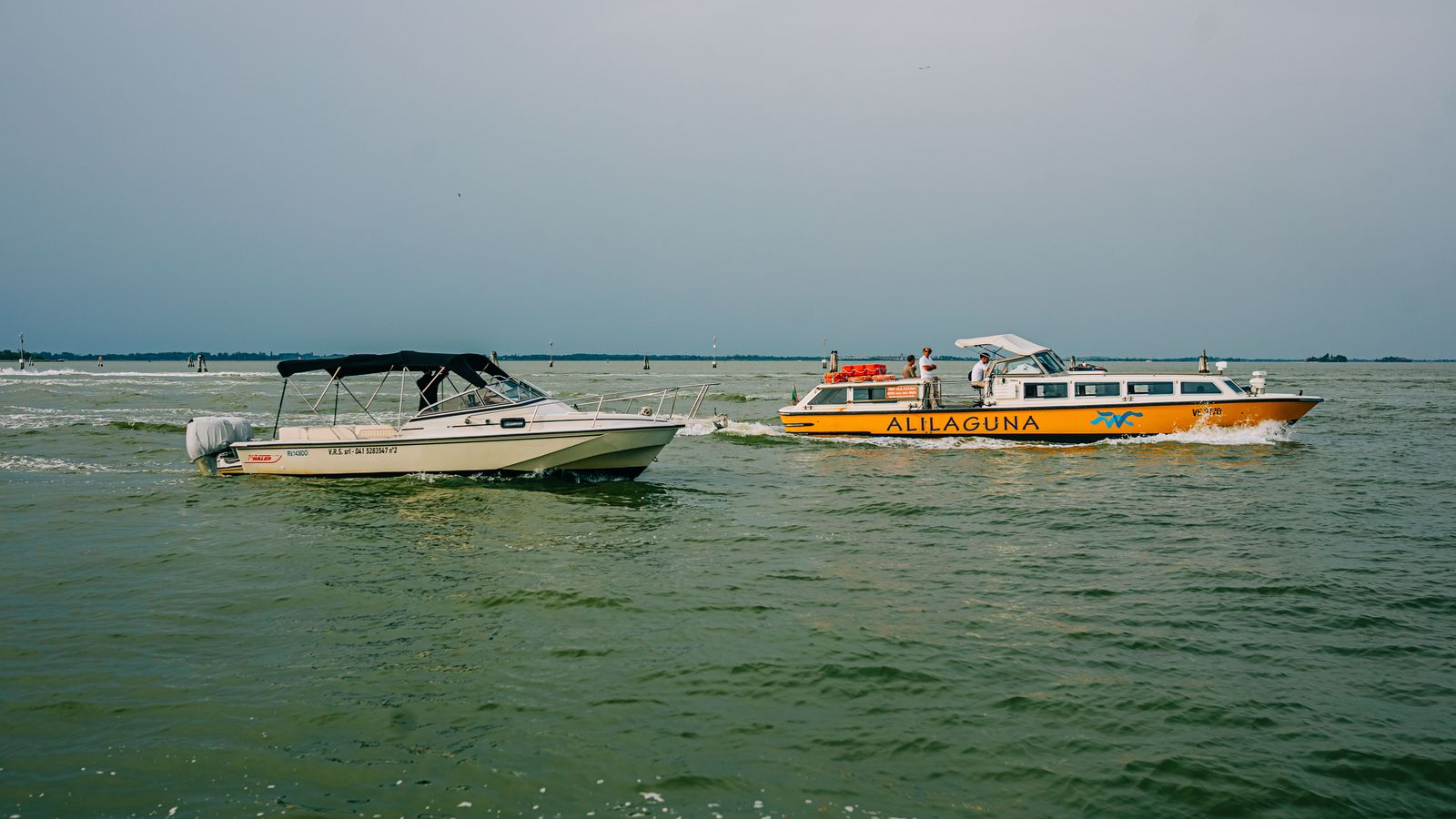
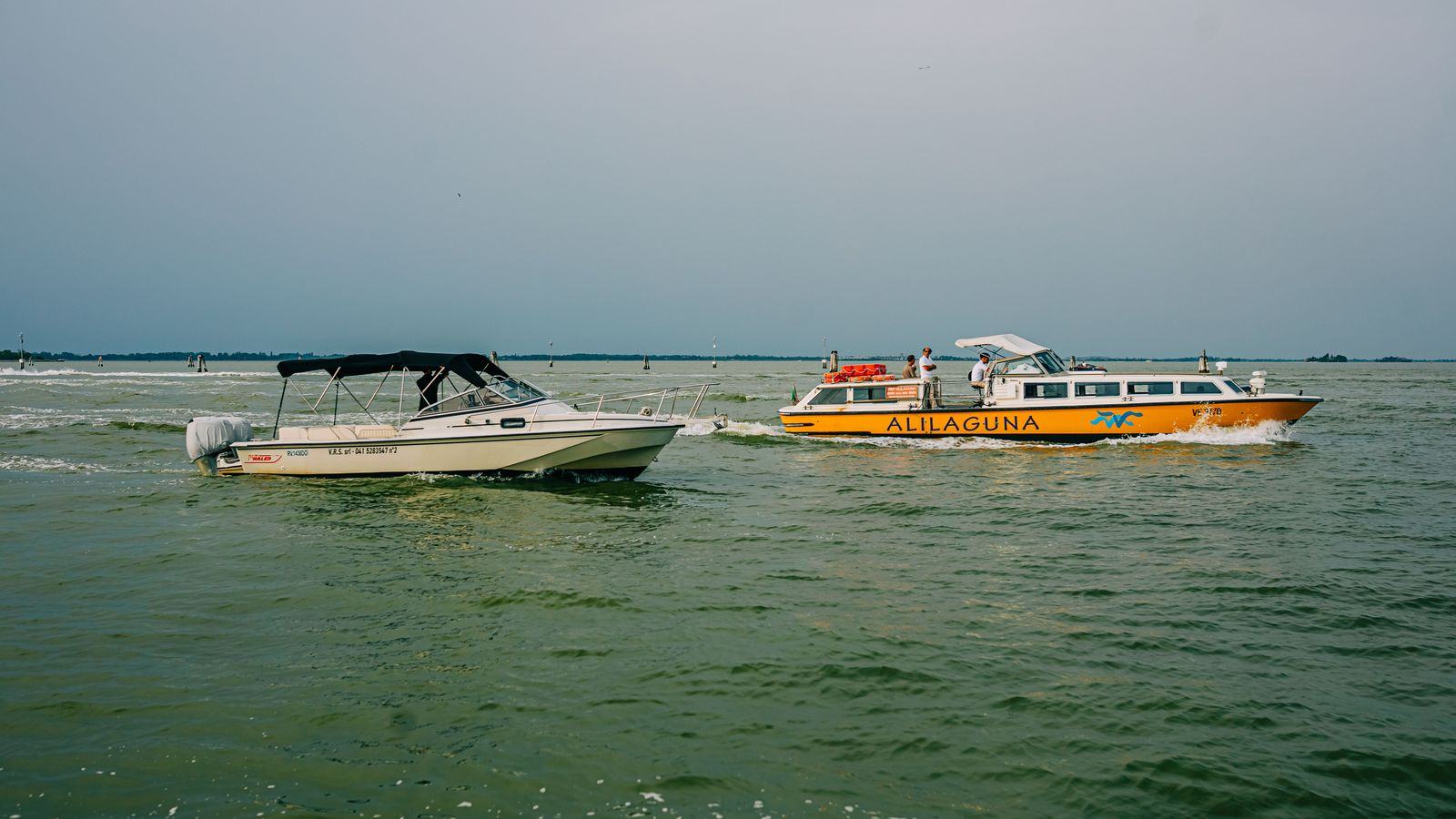
The road fare covers the car. The boat is a separate service run by Venice's licensed water-taxi operators, and hotels will often book it for you. Some travellers skip the car entirely and take a water taxi straight from Marco Polo's own dock; the car makes sense when you are staying on the mainland, travelling with a lot of luggage to a hotel near Piazzale Roma, or going on to Cortina, Verona or a cruise berth.
Marco Polo and Treviso: terminals, pickup and drive times
Venice Marco Polo (VCE)
Venice Marco Polo sits on the lagoon shore at Tessera, about 13 km by road from Piazzale Roma. The drive is typically 20 to 35 minutes, longer on summer Saturdays when cruise and holiday traffic meet on the approach roads. The airport has one main passenger terminal, and curbside pickup at the designated area for pre-arranged cars is standard on every BlaakLane.com booking. A meet and greet in the arrivals hall with a name board is an add-on; add-ons are only available in selected locations, and the booking engine shows whether it can be added for your flight. The airport's water-taxi dock is reached from the terminal by a covered walkway of several hundred metres, which is worth knowing if you are deciding between boat and car. Private and business jets use the airport's general aviation facilities; put the tail number and handler in the booking notes. See private aviation and FBO transfers for how wheels-down timing works.
Treviso (TSF)
Treviso's Antonio Canova airport, used mainly by low-cost and seasonal flights, is about 40 km north of Piazzale Roma. Allow 35 to 55 minutes. It is also the natural airport for the Prosecco hills and for hotels in Treviso itself.
Included waiting is 60 minutes from actual landing on international arrivals and 30 minutes on domestic flights, then billed in 15-minute blocks. Flights from outside the Schengen area can take longer to clear, so the clock starts from the real landing time we track, not the timetable.
What the fixed Venice fare covers
The price you accept on the booking engine is fixed for the road leg:
- The route, whether via the A4, the A27 or the Passante di Mestre bypass.
- Airport access fees for the pickup; parking at Marco Polo or Piazzale Roma is charged at actual cost and added to the booking.
- Included waiting: 60 minutes on international arrivals, 30 on domestic flights, 15 on other pickups, then 15-minute blocks.
- Child seats on request, free, in most cities including Venice.
Planning ranges by vehicle class are on the rates page, and the booking engine gives the exact figure. Cancellation is the same everywhere: more than 72 hours before pickup is free, 72 hours or less is 10%, 48 hours or less is 50%, and 24 hours or less or a no-show is 100%.
Which vehicle suits a Venice trip?
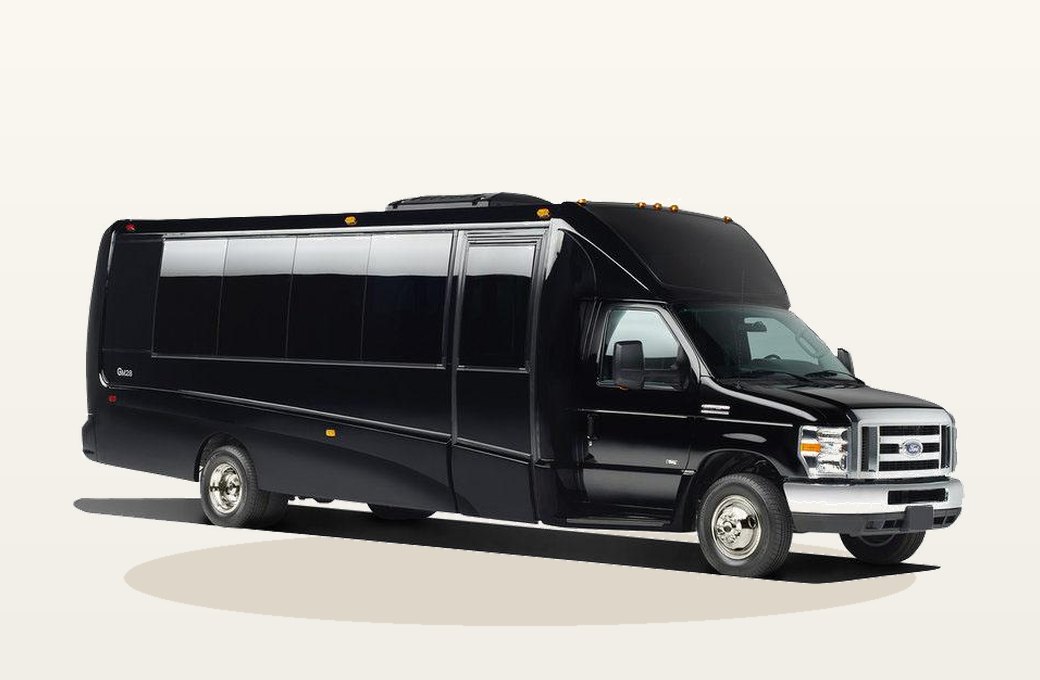
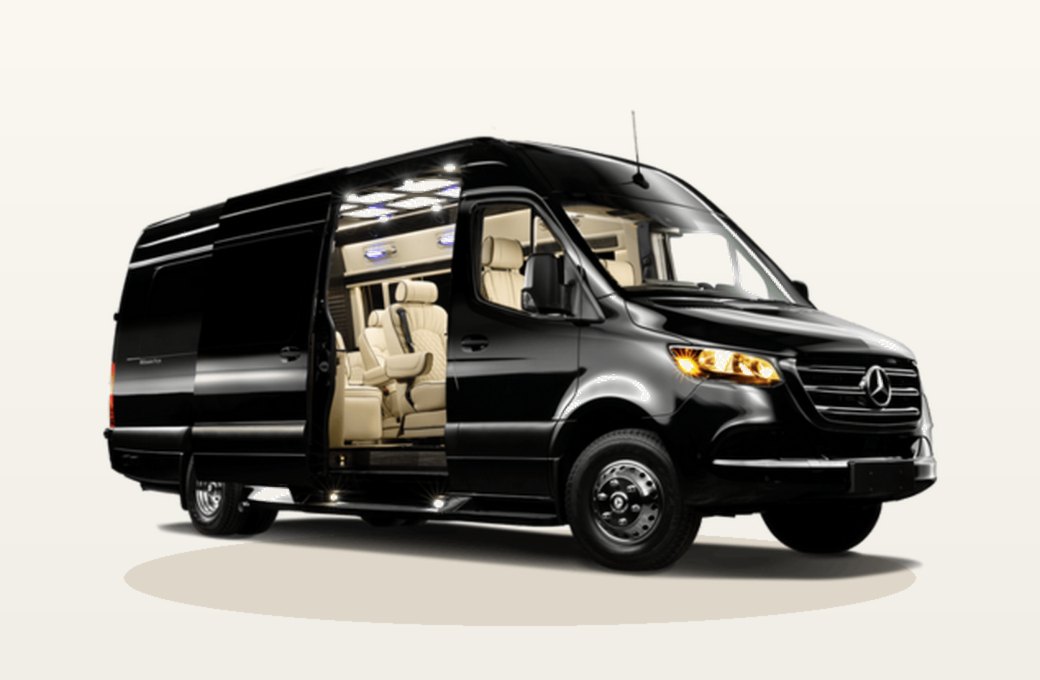
Venice trips skew towards luggage: cruise passengers, wedding parties and long-stay visitors travel heavy. A quick guide from the fleet:
| Trip | Suggested class | Why |
|---|---|---|
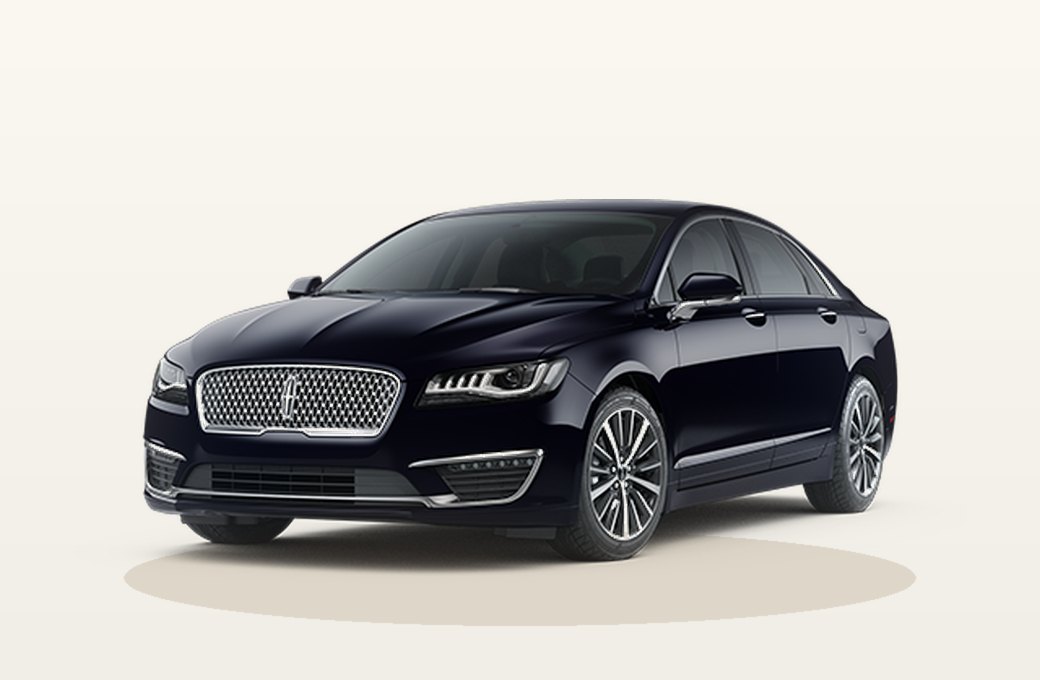
| Couple, Marco Polo to Piazzale Roma | Standard Sedan | Short run, easy curb stop |
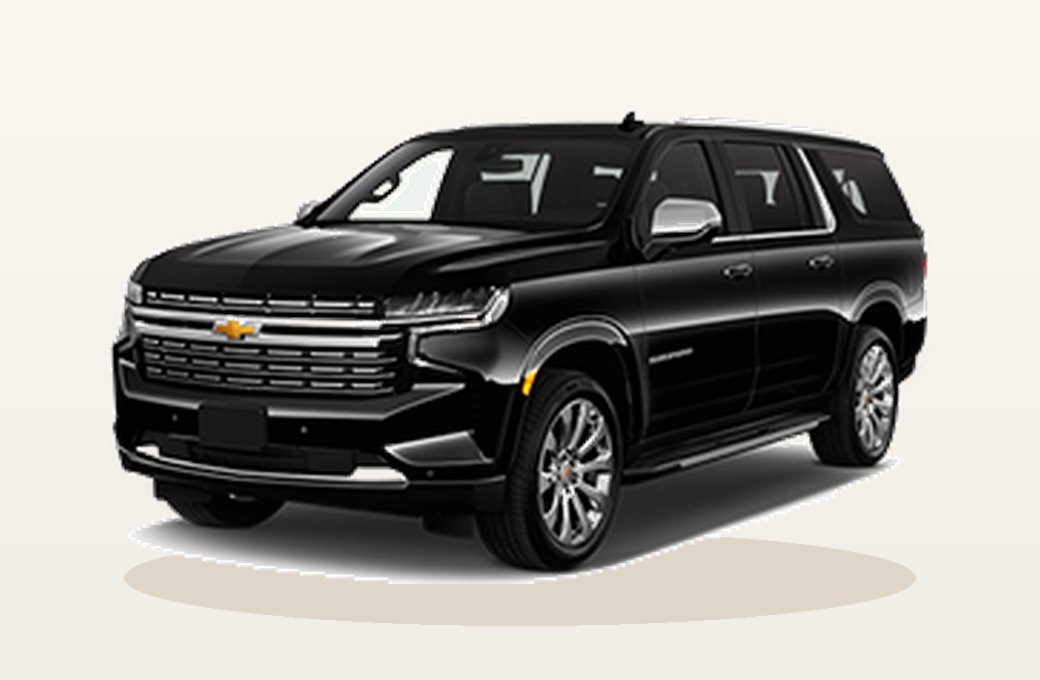
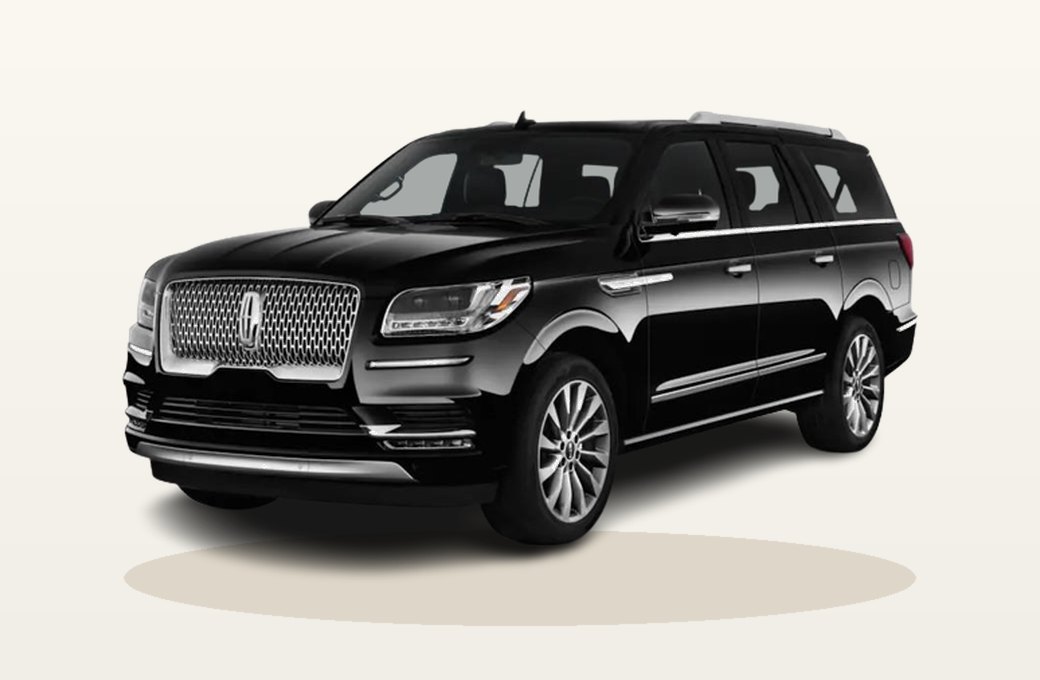
| Family with cruise luggage to Fusina or Marghera | Executive SUV or Standard Black SUV | Cases for a week at sea |
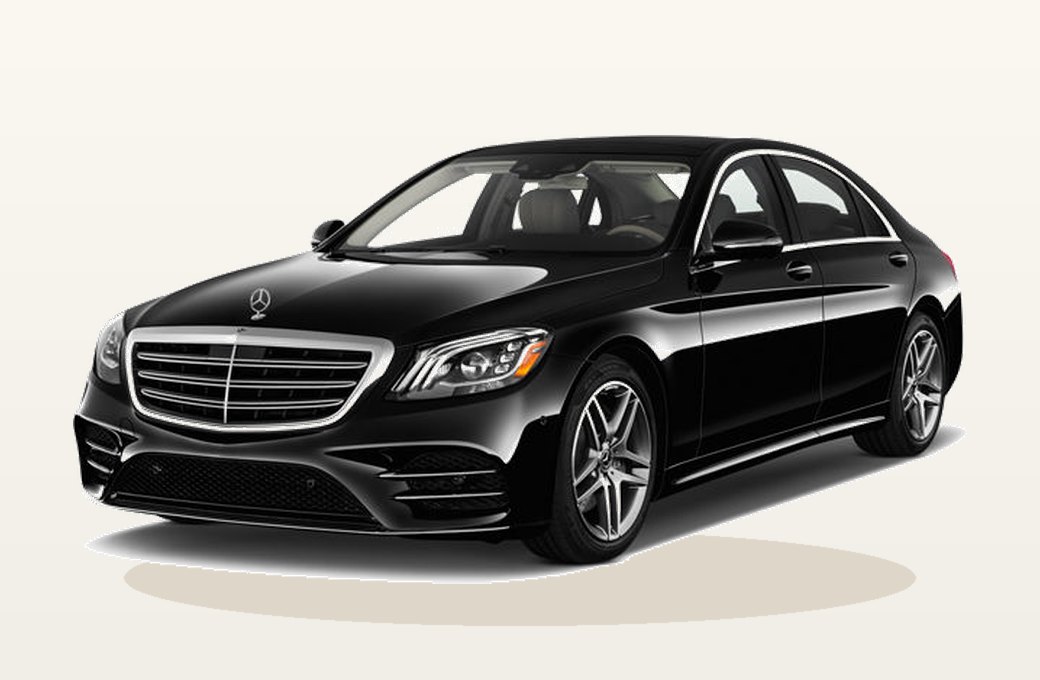
| Executives, VCE to a Mestre or Padua office | Luxury Executive Sedan | Quiet rear cabin for calls |
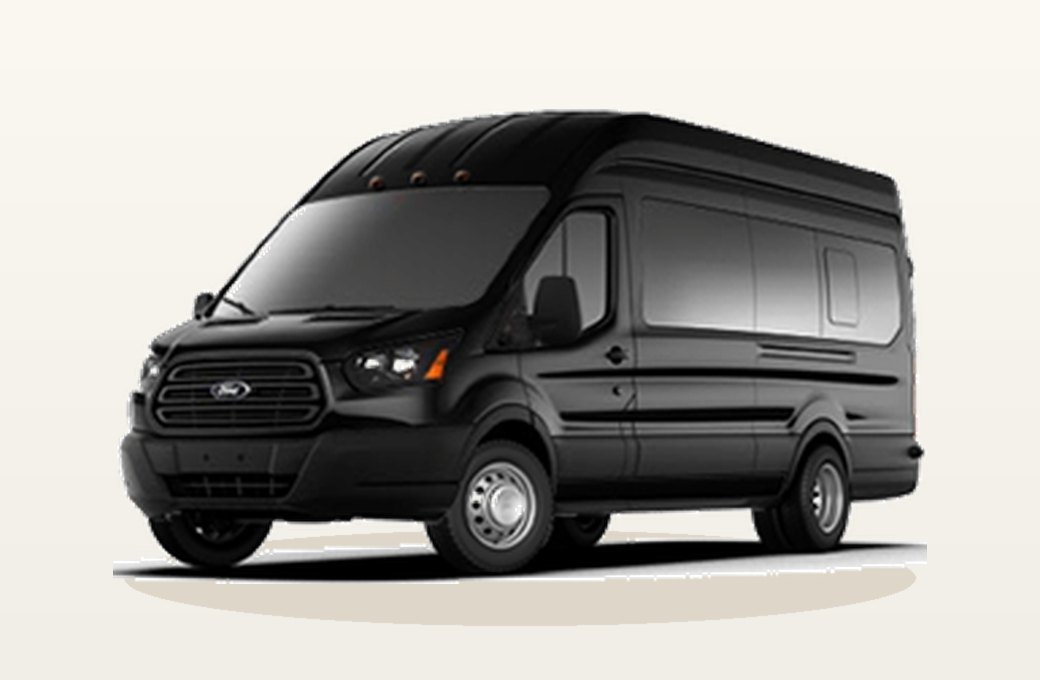
| Wedding guests to a Brenta Riviera villa | Sprinter Van or minicoach | One arrival for the whole group |
| Couple to Cortina for a ski week | Executive SUV | Mountain roads, skis and boots |
| Principal with a security profile | Armoured SUV (partner) | Only after a risk assessment |
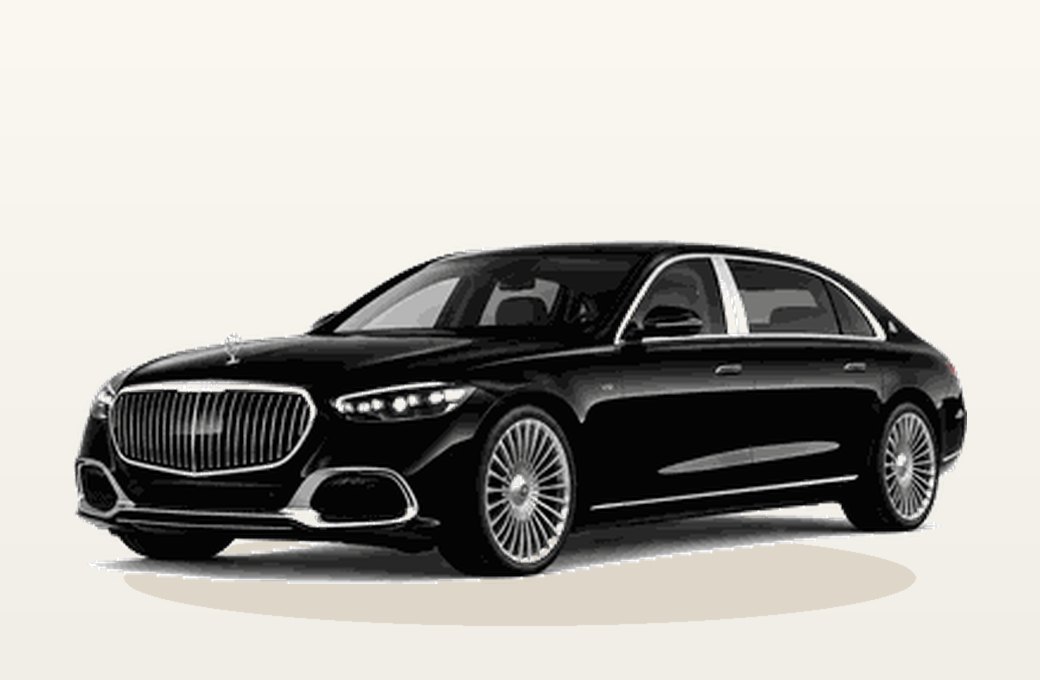
Every affiliate vehicle is four model years old or younger; only Rolls-Royce, Maybach and Bentley are accepted up to seven.
The Venice access fee on peak days
Since 2024 the city has trialled a contributo di accesso, an entry fee for day visitors to the historic centre on designated peak days. In 2026 it applied on 60 days between early April and late July, mostly weekends, holidays and bridge days, between 8:30 and 16:00. The fee was 5 euros when paid at least four days ahead and 10 euros closer to the date. Overnight guests in the municipality are exempt because they already pay the tourist tax, but they still register for a QR code on the official portal. Children under 14 and residents are also exempt.
The fee is a city rule, not part of our fare, and it applies to people entering the centre rather than to cars. If your chauffeur drops you at Piazzale Roma on a fee day, you may be asked for your QR code at the access points. Check the calendar on the official Contributo di Accesso site before you travel, since the city sets the days each season.
Cruise terminals: what changed after the 2021 ban
Venice has been one of Europe's great cruise homeports, but the map moved. Since 1 August 2021, ships over 25,000 gross tonnes may no longer sail past San Marco and through the Giudecca Canal. Large ships now berth on the mainland at Porto Marghera or at the Fusina terminal, which opened in 2024 within the ro-ro port south of Marghera, and some lines homeport in Trieste or Ravenna instead and bus passengers to Venice. Smaller ships and river-style vessels under the limit can still use Marittima and San Basilio near Piazzale Roma, and the port authority's terminal company also lists Chioggia among its berths.
For you, that means the pier on your cruise ticket decides the drive. Marittima is a few minutes from Piazzale Roma. Marghera and Fusina are roughly 15 to 30 minutes from Marco Polo depending on traffic. Our Port of Venice page has the details, and the Port of Venice authority publishes current terminal information. On disembarkation mornings we time the pickup to your deck's release group, and families with a week of luggage should book the Standard Black SUV. Crew transfers are covered on cruise lines and ports and shipping crew change.
Santa Lucia and Mestre: Venice's rail stations
Trains arrive at two stations. Venezia Santa Lucia faces the Grand Canal at the end of the rail causeway, a short walk across the Ponte della Costituzione from Piazzale Roma. A car cannot wait at the station steps, so the usual meeting point is Piazzale Roma. Venezia Mestre is on the mainland and is the easier station for a car pickup, especially for travellers staying in Mestre or heading to the airport or the Dolomites. High-speed Frecciarossa and Italo trains reach Santa Lucia from Milan in roughly two and a half hours and from Florence in about two hours.
Districts, islands and landmark hotels
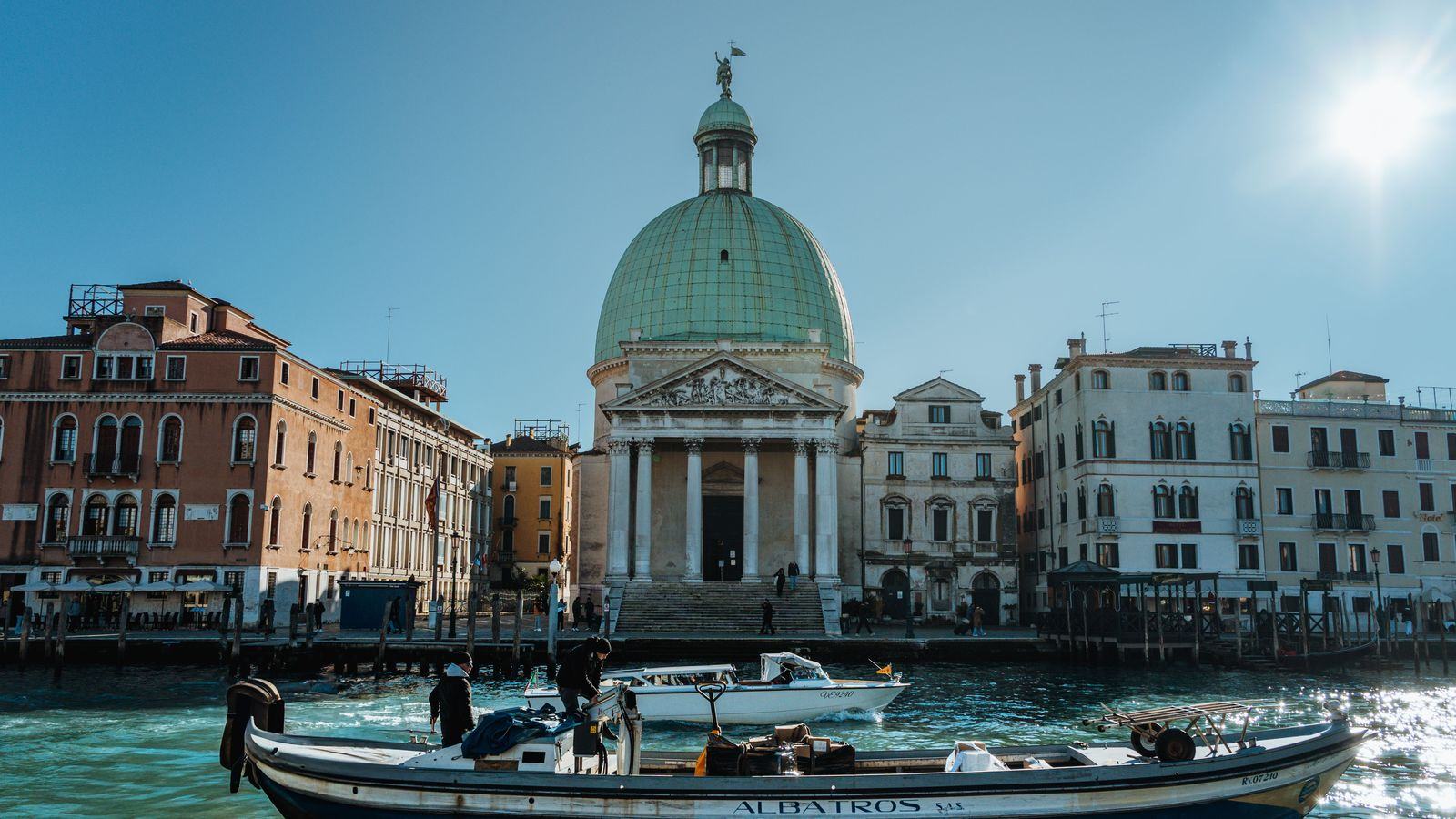
The historic centre is divided into six sestieri: San Marco, Castello, Cannaregio, Dorsoduro, San Polo and Santa Croce, with Giudecca across the canal of the same name. Grand hotels along the water include the Gritti Palace, the Danieli and the Bauer near San Marco, the Aman Venice on the Grand Canal in San Polo, and the Belmond Hotel Cipriani on Giudecca. Most have their own landing stages, so the water taxi from Piazzale Roma delivers you to the door.
The Lido, the long barrier island facing the Adriatic, is where the film festival happens and where cars do run, via the car ferry from Tronchetto. Mestre on the mainland holds business hotels, the Venezia Mestre station and many offices. Murano, Burano and Torcello are reached only by boat. On the mainland, the Riviera del Brenta is lined with Palladian villas that host weddings and corporate dinners, and it is an easy car run from both Padua and Venice.
Venice events by month
| Month | Event | Where |
|---|---|---|
| February | Carnival, in the weeks before Lent | Historic centre, San Marco |
| May to November, even years | Biennale Arte | Giardini, Arsenale |
| May to November, odd years | Biennale Architettura | Giardini, Arsenale |
| May or June | Vogalonga rowing event | Lagoon and Grand Canal |
| Third weekend of July | Festa del Redentore | Giudecca and the Bacino |
| Late August to early September | Venice International Film Festival | Lido |
| First Sunday of September | Regata Storica | Grand Canal |
| October | Venicemarathon, usually late October | From the Brenta Riviera to San Marco |
Car demand during the film festival is concentrated on the Lido and at Marco Polo, and car ferry queues at Tronchetto can grow long. Book early and allow for the crossing. The official tourism portal Venezia Unica lists confirmed dates for each year's events. Groups attending the Biennale or a festival gala should look at event transportation, which is planned by a coordinator and confirmed in writing.
Intercity routes from Venice
Venice is the gateway to the Veneto, the Dolomites and the northern Adriatic. Distances and typical drive times:
| Route | Distance | Typical time |
|---|---|---|
| Venice to Padua | 40 km | 35-50 minutes |
| Venice to Treviso | 30-40 km | 30-45 minutes |
| Venice to Verona | 120 km | 1 h 15 - 1 h 40 |
| Venice to Trieste | 160 km | 1 h 40 - 2 h |
| Venice to Cortina d'Ampezzo | 160 km | 2 h - 2 h 30 |
| Venice to Valdobbiadene (Prosecco hills) | 90 km | 1 h 15 - 1 h 30 |
| Venice to Milan | 270 km | 3 h - 3 h 30 |
| Venice to Lake Como | 320 km | 3 h 30 - 4 h |
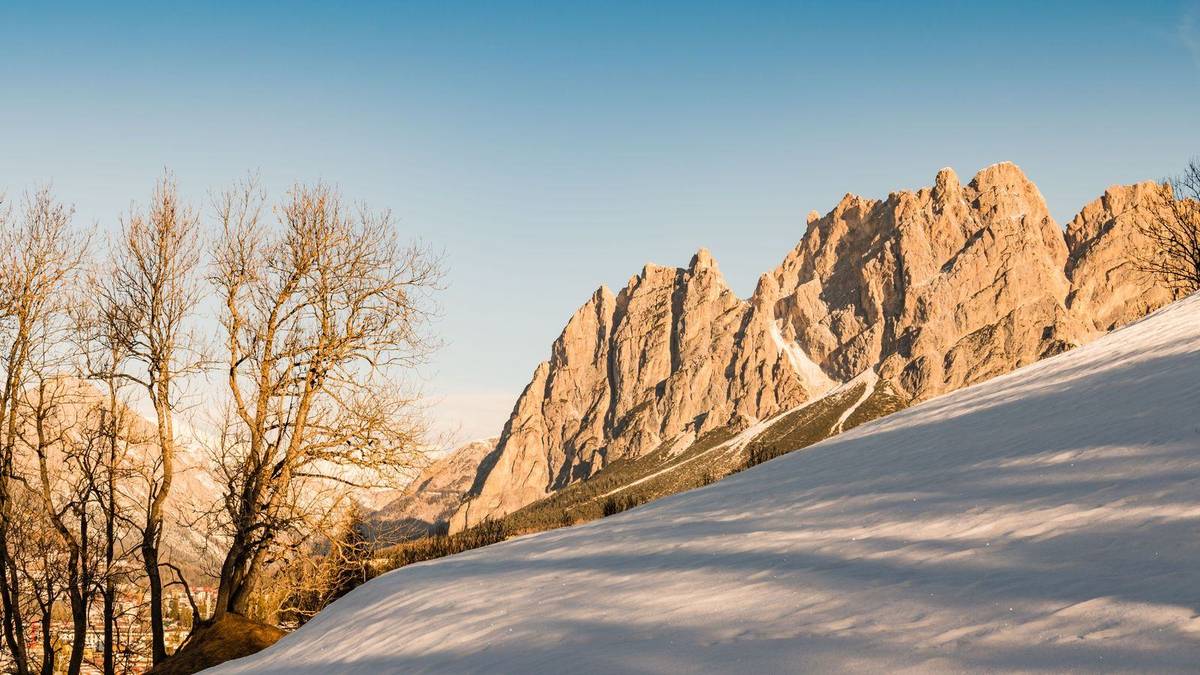
Cortina d'Ampezzo is a popular winter run, and Milan and Lake Como link naturally into a northern Italy itinerary. Book longer runs as intercity transfers; the fare is fixed from door to door.
Driving realities around the lagoon
Italy drives on the right. The approach to Venice funnels through the A4 motorway, the Passante di Mestre bypass and the SR11 onto the Ponte della Liberta, so a breakdown or a busy cruise morning can back traffic up towards Mestre quickly. Parking at Piazzale Roma and Tronchetto fills early in summer, which is one reason a dropped-off transfer is easier than bringing a rental car. Several Veneto towns, including parts of Mestre and Treviso, use camera-enforced limited traffic zones (ZTL); licensed hire vehicles follow the local access rules, and your chauffeur knows which streets are closed. Fog on the lagoon in winter can slow both road and water traffic.
Arriving from abroad: EES, ETIAS and passport checks
Italy is in the Schengen area. Since 10 April 2026 the EU's Entry/Exit System (EES) has been fully in operation at external borders, so non-EU travellers on short stays have their passport scanned, a facial image taken and, for most, fingerprints recorded the first time they enter; later entries are quicker. The European Travel Information and Authorisation System (ETIAS), a pre-travel online authorisation for visa-exempt visitors, was not yet running at the time of writing in September 2026; the EU withdrew its late-2026 target and will announce a start date in advance. Check the official EU travel portal before you fly. Arrivals from the UK, North America and Asia clear passport control at Marco Polo; flights from other Schengen countries do not. For the wider picture see international chauffeur service.
Corporate travel and events in Venice
Venice hosts shareholder retreats, luxury product launches and incentive trips, often with guests arriving on different flights and staying across the lagoon. A corporate account gives monthly invoicing, cost centres and a named coordinator, and multi-vehicle programmes are planned by a coordinator and confirmed in writing. Private clients and family offices use our VIP chauffeur service for villa stays on the Brenta and weekends in the Dolomites. See also Italy and our Europe region page.