










A corporate chauffeur service from BlaakLane.com gives a Fortune 500 travel programme one account for executive ground transportation in 500 cities across about 119 countries. Bookers see a fixed fare before confirming, trips are billed monthly against cost centres, traveller profiles carry preferences, and the Toronto desk answers 24/7. Outside the home dispatch area, a vetted local affiliate drives the trip under our written standard.
What a corporate chauffeur service covers for an enterprise account
Most large companies arrive at a managed chauffeur programme after years of fragmented spend: an executive assistant in New York who uses one local firm, a regional office in Frankfurt with its own supplier, travellers expensing taxis and ride-hail in between. The result is inconsistent safety standards, no single view of spend and no reliable record of where travellers were. A corporate chauffeur service replaces that patchwork with one contract, one booking channel and one invoice format.
For a BlaakLane.com enterprise account, the scope usually includes:
- Airport transfers for executives and project teams, with flight tracking on every pickup. See airport transfers.
- Point-to-point and as-directed hire for meeting days, client visits and site tours, booked through corporate car service or hourly chauffeur hire.
- Board and leadership travel, where the chief of staff or executive assistant books and the traveller simply receives the chauffeur's details.
- Group moves for offsites, sales kick-offs and conferences, using vans, Sprinters and coaches from group transportation and event transportation.
- Intercity road transfers where a car is faster door to door than a short flight, through intercity transfers.
- Higher-risk travel, where a coordinator plans secure transportation after a risk assessment.
Each of these runs on the same account, the same profiles and the same invoice.
How booking works for travel managers, assistants and travellers
There are three ways to book, and most programmes use all three.
- Online, by the booker or traveller. The reservation engine on every page, and at /book/, takes the address, date, time and vehicle class and shows a fixed fare before the booker confirms. There is no meter and no surge pricing. The booking lands on the account with the traveller's profile and cost centre attached.
- Through the 24/7 desk. Assistants who prefer to call or email can do so at any hour; the desk confirms in writing.
- Through the travel management company. Our travel desk, run with BookingWorldwide.net, handles hotels and wider trip arrangements alongside ground transport, so a single itinerary can carry flights, rooms and cars.
Anything that is not a simple transfer, such as a leadership offsite with 12 vehicles, a week of as-directed cars for a deal team or a multi-city programme, is planned by a coordinator and confirmed in writing before it runs.
What the fixed fare includes
Travel managers ask the same question first: what will this cost, and will the invoice match the booking? The fare shown at booking is the fare billed for the trip as booked. It is calculated for the address, date, time and vehicle, and it includes the chauffeur and the vehicle for the journey. Changes made by the traveller, such as an added stop, a longer route or extra waiting, are billed as stated on the booking terms.
Included waiting time is written into every booking:
| Pickup type | Included waiting | After that |
|---|---|---|
| International arrival | 60 minutes from actual landing | 15-minute blocks |
| Domestic arrival | 30 minutes from actual landing | 15-minute blocks |
| Office, hotel, residence or other pickup | 15 minutes | 15-minute blocks |
Planning ranges by city and vehicle are on the rates page. For recurring volumes, the coordinator can agree programme pricing for the account and confirm it in writing.
Monthly invoicing, cost centres and spend data
Finance teams want an invoice they can allocate without chasing assistants for receipts. A corporate account is billed monthly, and each trip line carries the data your expense and allocation rules need:
- traveller name and booker name
- date, time, pickup and drop-off
- vehicle class and fare
- cost centre, project code or purchase order reference
- any waiting or changes billed
Cost centres can be set per traveller profile, so a booker does not have to remember them, or chosen at booking where one traveller charges several projects. Because every trip is booked on the account, the travel manager sees ground transportation spend by city, department and traveller, which is usually the first time the company has had that view.
Traveller profiles and booker permissions
A profile removes repetitive instructions from every booking. It can hold the traveller's mobile number, preferred vehicle class, the name the chauffeur should use, language preference, accessibility needs, the default cost centre and notes such as "prefers a quiet car" or "always travels with a garment bag". Assistants and travel coordinators can be set up as bookers for one executive, a team or the whole company, depending on the permissions the travel manager wants.
Profiles also help with consistency across cities. An executive who uses an executive SUV in Chicago gets the same class requested in London or Singapore, and the chauffeur receives the same notes.
Duty of care: what trip data your travel risk team gets
Employers have a duty of care towards staff who travel for work, and many enterprise programmes now align their travel risk management with the international standard ISO 31030, published by the International Organization for Standardization in 2021. Ground transportation is one of the riskiest parts of a trip and often the least documented.
A corporate account gives the travel risk or security team a record of each trip: who travelled, when, from where to where, in which vehicle class and with which operator. The confirmation names the operator and the chauffeur before the trip, so the traveller knows who to expect and the company knows who is responsible. If an incident happens, a flight diverts or a traveller cannot be reached, the 24/7 desk can see the booking and the operator contact at once.
For higher-risk destinations, the coordinator plans the trip after a risk assessment. Armoured SUVs and sedans are available through partner operators on request, after that assessment, and they are always confirmed in writing rather than booked instantly.
Who drives: the home dispatch area and vetted affiliates
BlaakLane.com runs its reservations and dispatch desk from Toronto, 24/7. Trips in the home dispatch area are dispatched by that desk. In other cities, the trip is driven by a vetted local affiliate operator from the LimousineWorldwide.Directory network, contracted to the BlaakLane.com written standard. We do not claim offices, garages or cars of our own in foreign cities; what we provide is one standard, one booking channel and one point of accountability.
The standard covers licensing and insurance appropriate to the jurisdiction, chauffeur conduct and presentation, vehicle condition and vehicle age. Every vehicle is four model years old or younger; only Rolls-Royce, Maybach and Bentley are accepted up to seven. The confirmation names the operator, and the chauffeur and vehicle details follow before pickup. More detail is on our safety and standards page.
Which vehicle to book for corporate travel
Choosing the right class saves money and avoids problems with luggage or seating. A guide for common corporate trips:
| Trip | Usual class | Why |
|---|---|---|
| One executive, carry-on or one case | Standard Sedan | Comfortable and the most economical class |
| Senior executive or client host | Luxury Executive Sedan | More rear legroom, quieter cabin |
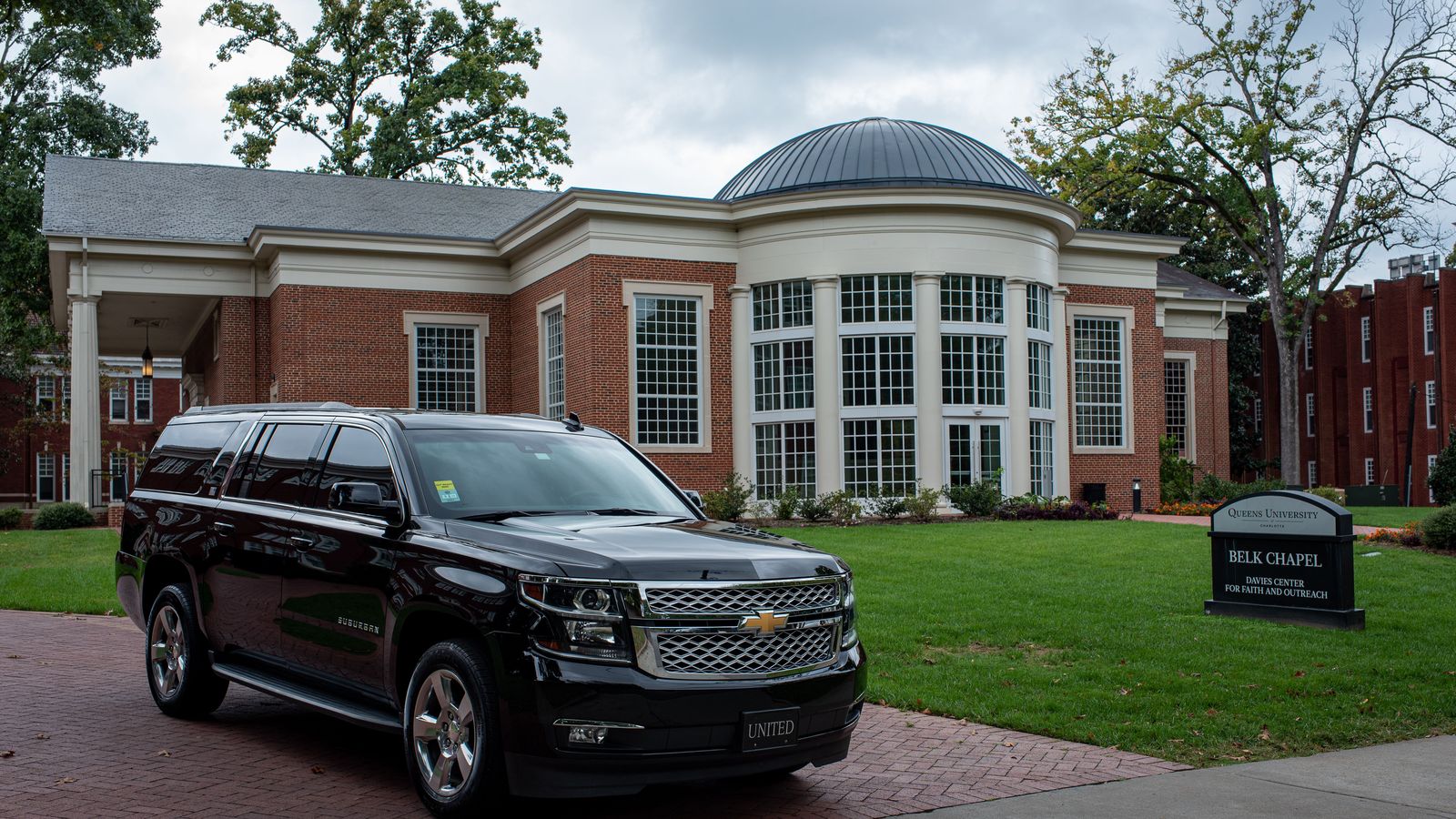
| Two to four travellers with luggage | Executive SUV | Space for cases and three in the rear |
| Team of five to seven | Standard Black SUV | One vehicle keeps the group together |
| Offsite or site visit, eight to fourteen | Sprinter Van | Standing headroom and luggage space |
| Conference or kick-off groups | Minicoach or motorcoach | Planned by a coordinator |
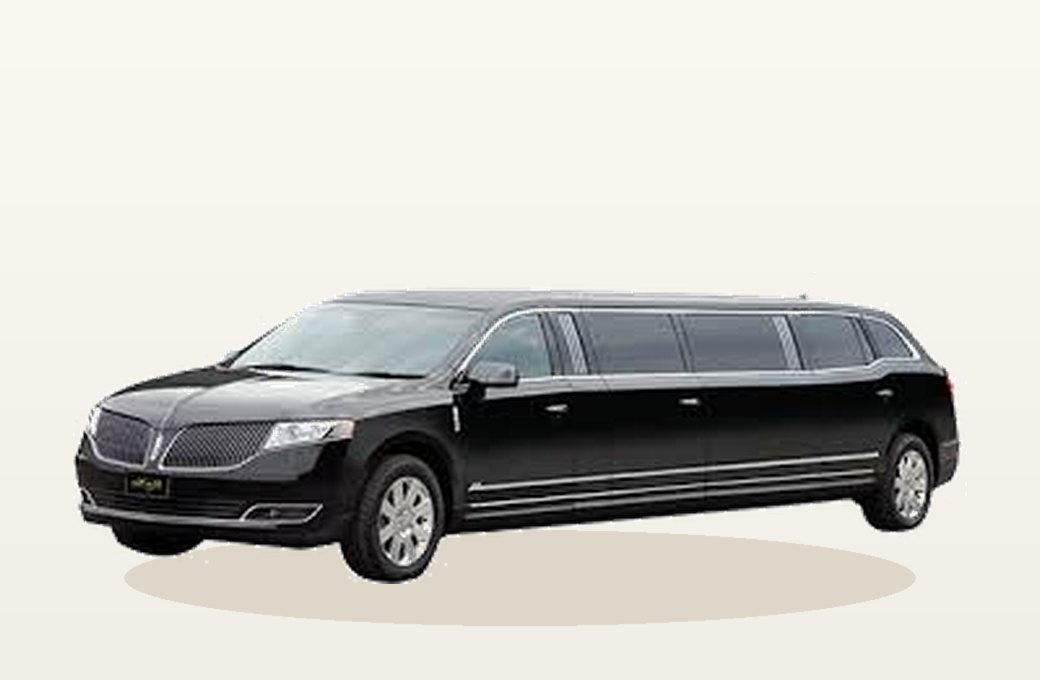
The full range, including stretch limousines and Rolls-Royce, Maybach and Bentley from partners, is on the fleet page.
Scaling one programme across regions
A global company rarely travels evenly. Most programmes have a handful of cities that carry the bulk of trips, such as a headquarters city, two or three regional hubs and the cities where the largest clients sit, and a long tail of places that see a few visits a year. The account is built to handle both ends.
In the high-volume cities, the coordinator learns the patterns: which hotels your travellers use, which offices they visit, which airport terminals they fly into and at what times of day. That knowledge goes into the account notes so every booking benefits. In the long-tail cities, the traveller books the same way and sees the same fixed fare, and the trip is placed with a vetted affiliate that meets the same written standard.
Regional differences are handled as facts about each place rather than as exceptions to the account. Driving is on the left in the United Kingdom, Hong Kong, Singapore, Japan and Australia. Central London has a Congestion Charge zone, and many European cities have low-emission zones. Airport pickup zones and permit rules vary by airport and change over time. The coordinator keeps these notes current for the cities your company uses, so travellers and assistants do not have to research them before each trip.
For companies with offices on several continents, one account can hold regional cost centres and regional bookers, while the global travel manager keeps the consolidated view of spend and trips.
Airport days: flight tracking and where the chauffeur waits
Every airport pickup is flight tracked, so the chauffeur is timed to the actual landing rather than the schedule. The standard pickup is at the airport's designated commercial or pre-arranged pickup area, not inside the terminal. Meet and greet in the arrivals hall with a name board is an add-on; add-ons are only available in selected locations. For an executive landing at JFK, Heathrow or Toronto Pearson after a long flight, the add-on is often worth it; for a frequent traveller who knows the airport, curbside is quicker.
Executives flying privately are collected at the FBO. See private aviation and FBOs for how that handover works.
Meeting days and as-directed hire in major business cities
When an executive has five meetings across a city, point-to-point bookings create gaps: each ride has to be booked, and the traveller waits outside each building. As-directed hire keeps one car and one chauffeur for a block of hours. The chauffeur waits nearby, moves when the traveller calls and adjusts when a meeting runs long.
This matters most where traffic makes timing unpredictable. In New York, a trip from Midtown to the Financial District can take 20 to 40 minutes at midday. In London, moving between Mayfair, the City and Canary Wharf takes longer than the distances suggest. In Chicago, San Francisco and Toronto, the downtown cores are compact but rush hour and events change drive times sharply. A coordinator can set up a standing arrangement for executives who visit the same city often.
Onboarding a travel programme: a typical sequence
- Scoping call. The travel manager shares the top cities, rough annual volumes, the travel policy's rules on vehicle class and any security requirements.
- Account set-up. We create the account, cost centres, bookers and traveller profiles, and agree the invoice format.
- Policy alignment. Vehicle classes allowed per grade, when meet and greet is permitted and approval rules for group bookings are written into the account notes.
- Pilot. Many programmes start with two or three cities for a month and compare the data with their previous suppliers.
- Roll-out and review. The account extends to further cities, and the named coordinator reviews spend, trip data and any service issues with the travel manager on an agreed cadence.
The GBTA, the Global Business Travel Association, publishes guidance on managed travel programmes that many procurement teams use when they add a ground transport supplier.
When something goes wrong: service issues and escalation
No programme runs without problems. A flight diverts, a traveller waits at the wrong door, a road closure adds forty minutes. What matters to a travel manager is how quickly the problem is seen and fixed, and whether it is recorded.
On a live trip, the traveller or the booker calls or messages the 24/7 desk, which can see the booking and reach the operator and chauffeur directly. After the trip, any complaint is logged against the booking reference, investigated with the operator and answered in writing. The named coordinator reviews recurring issues with the travel manager, for example a hotel with a difficult pickup point or an airport where travellers regularly leave by an unexpected exit, and updates the account notes so the same problem does not repeat.
Travellers with specific needs, such as wheelchair users, travellers with limited mobility or executives travelling with young children, should have those needs written into their profiles. Child seats are free on request in most cities, and the coordinator confirms the vehicle class and any equipment in writing for each city where the need applies.
Privacy and data handling
Traveller profiles contain personal data, and enterprise programmes must handle it under the laws that apply to their travellers, such as the GDPR in the European Union, summarised by the European Commission. We use profile and trip data to deliver and bill the service and to give the account the reports it asks for. Procurement teams can review our privacy policy and terms during vendor onboarding.
Changes and cancellations
Corporate travel changes constantly, so the cancellation terms are the same on every trip and printed on every confirmation. More than 72 hours before pickup, cancellation is free. At 72 hours or less, 10% of the fare applies; at 48 hours or less, 50%; at 24 hours or less, or for a no-show, 100%. Flight delays are handled through tracking, so a late landing does not count as a no-show. Coordinator-planned programmes carry the same schedule unless the written plan states otherwise.
Related industry programmes
Enterprise accounts often combine several programmes. Banks and corporate finance teams use financial roadshows for investor meeting days. Airlines and aviation clients use airline crew transportation. Companies hosting government visitors use government and delegations. All of them can sit under one corporate account.