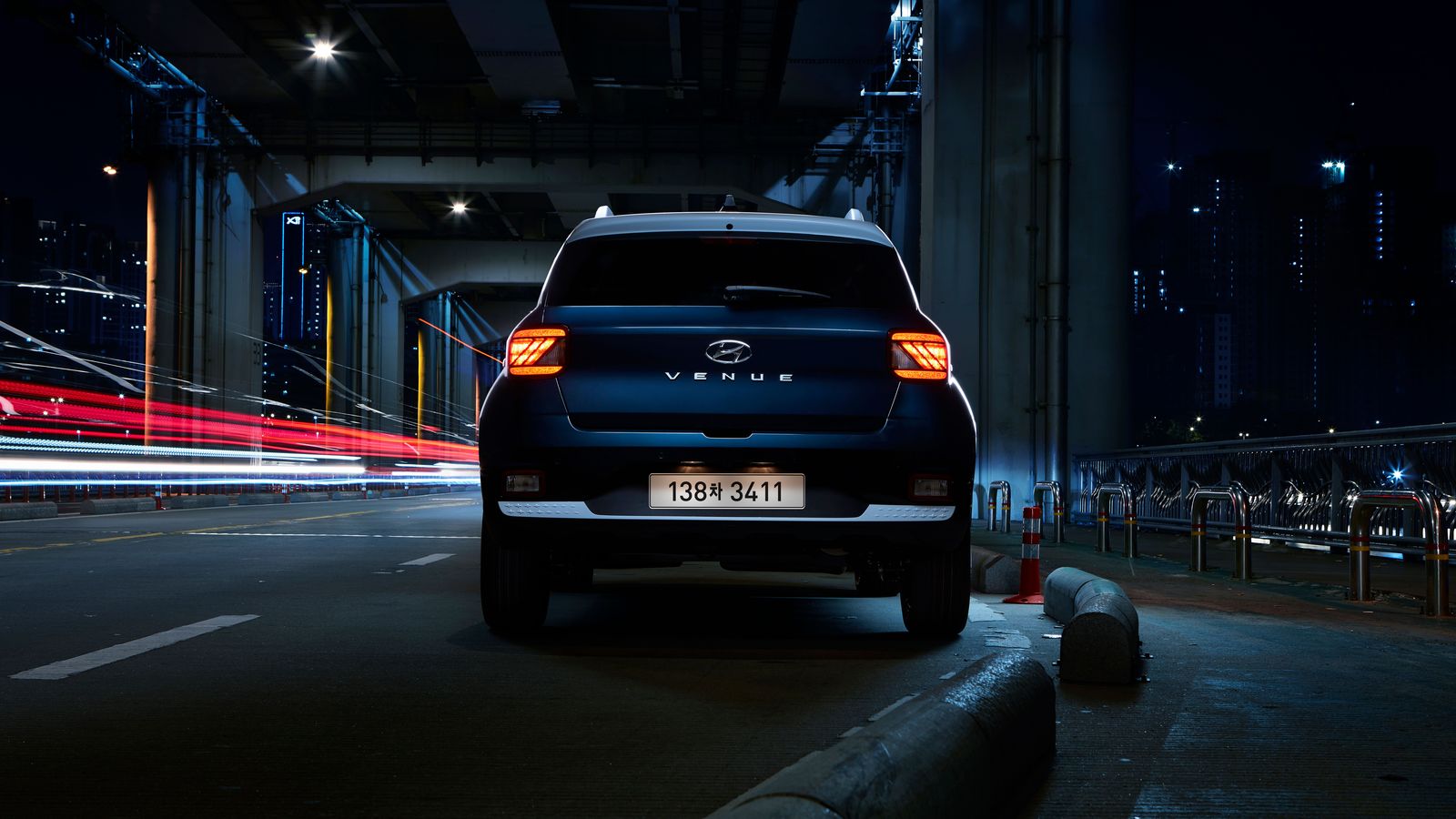
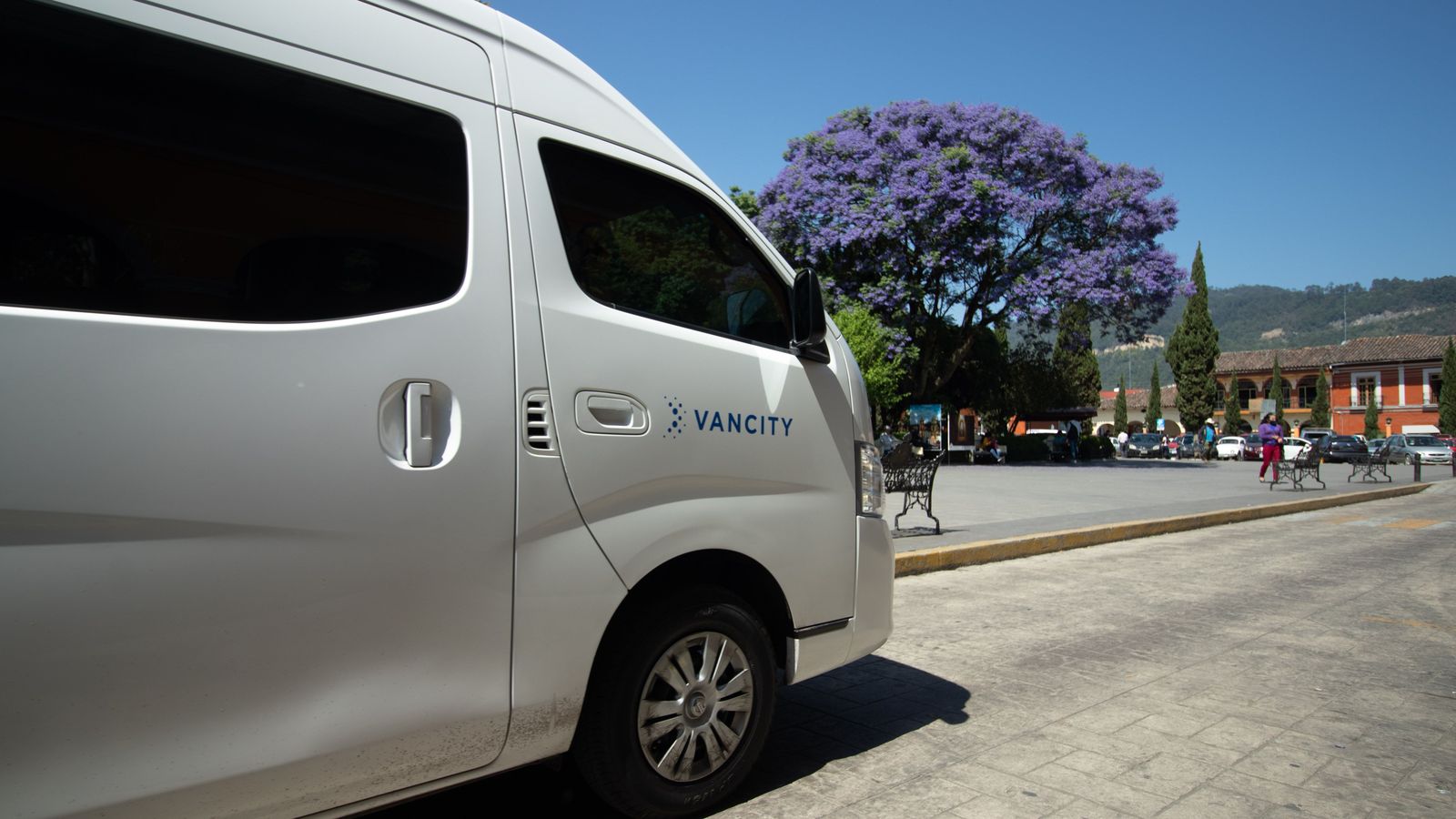









BlaakLane.com arranges armored car service on request: certified armoured SUVs and sedans driven by security-trained drivers, supplied through specialist partners. Every request starts with a risk assessment of the principal, the route and the city. A coordinator then plans the vehicles, drivers and timings and confirms the programme in writing. It is not an instant booking, and availability depends on the city.
What is an armored car service?
An armored car service, in the chauffeur sense, is protected passenger transport: a vehicle built or converted to resist firearms and, at higher levels, blast, driven by a driver trained in defensive and evasive driving. It is different from cash-in-transit, which moves money and valuables in armoured trucks, and different from close protection, which is the work of bodyguards. The purpose is to move a person safely through a place where the risk assessment says a normal car is not enough.
BlaakLane.com provides this through specialist partners. We do not own armoured vehicles in foreign cities; the vehicles and drivers come from security transport operators in the relevant country or region, vetted and contracted for the job, and your confirmation names them. The booking, planning and communication run through the same 24/7 desk in Toronto that handles every BlaakLane.com trip.
How do I request secure transportation?
Armoured vehicles are not shown with instant fares in the reservation engine, because the right answer depends on the risk and on what is actually available. The process is:
- Send the request. Use the contact page or call the desk, with the city, dates, number of passengers, and an outline of the movements.
- Risk assessment. The coordinator and the specialist partner review the principal's profile, the city, the routes, the venues and the current security environment. Public sources such as government travel advice are part of that picture.
- Proposal. You receive a plan: the vehicle type and protection level, the driver, whether a lead or follow car is advised, routes and alternates, pickup points and timings.
- Written confirmation. Once you approve it, the programme is confirmed in writing, including the fare, the operator, the vehicles and the contact on the ground.
- Operation. On the day, the driver and the partner's operations team run the movements, and the desk stays on the file.
Give as much notice as you can. In most cities there are only a handful of certified armoured passenger vehicles for hire, and some requests need a vehicle moved from another city or country, which takes time and paperwork. The coordinator will tell you plainly if a date or city cannot be covered to the standard you need.
What vehicles are available?
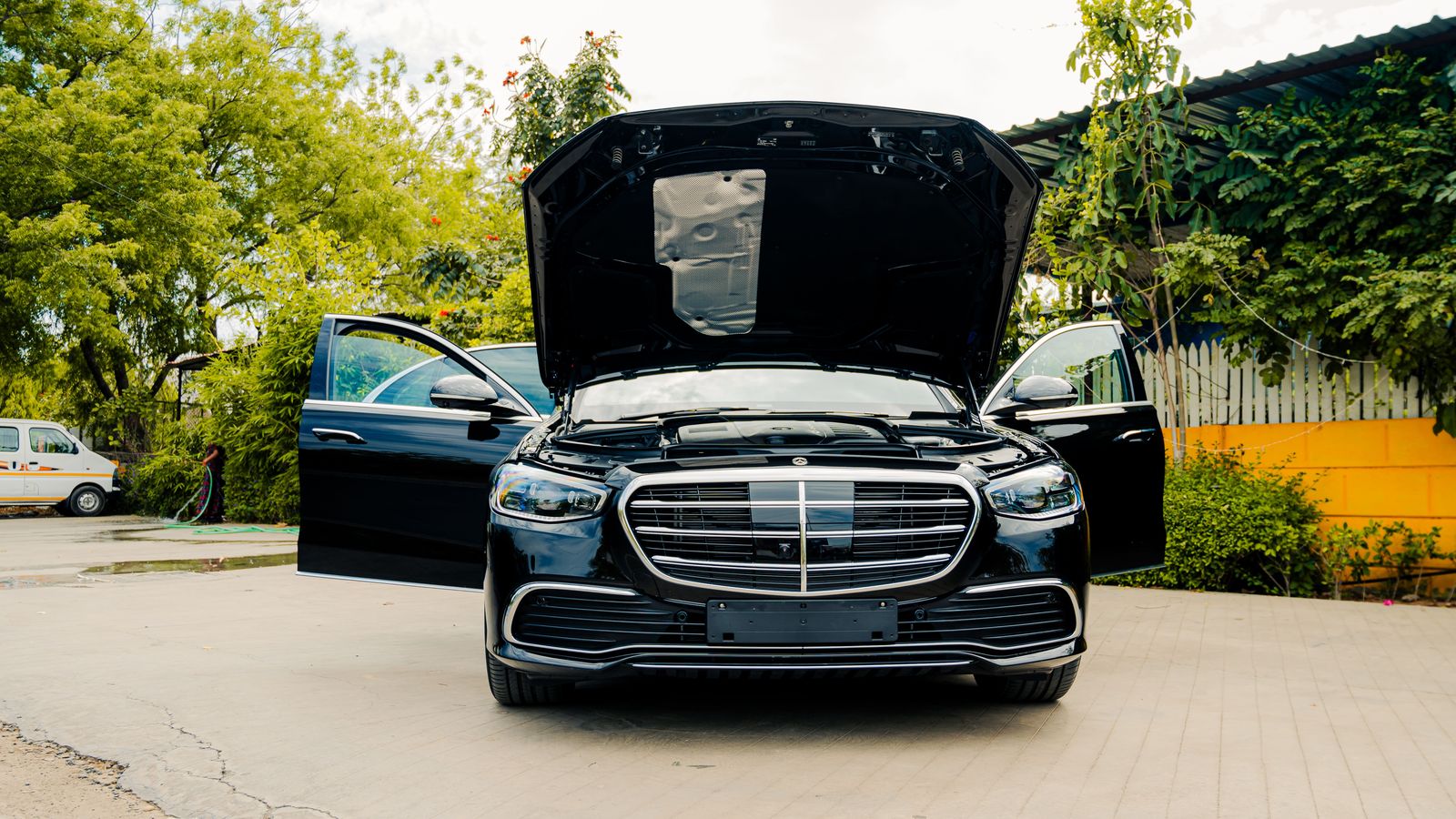
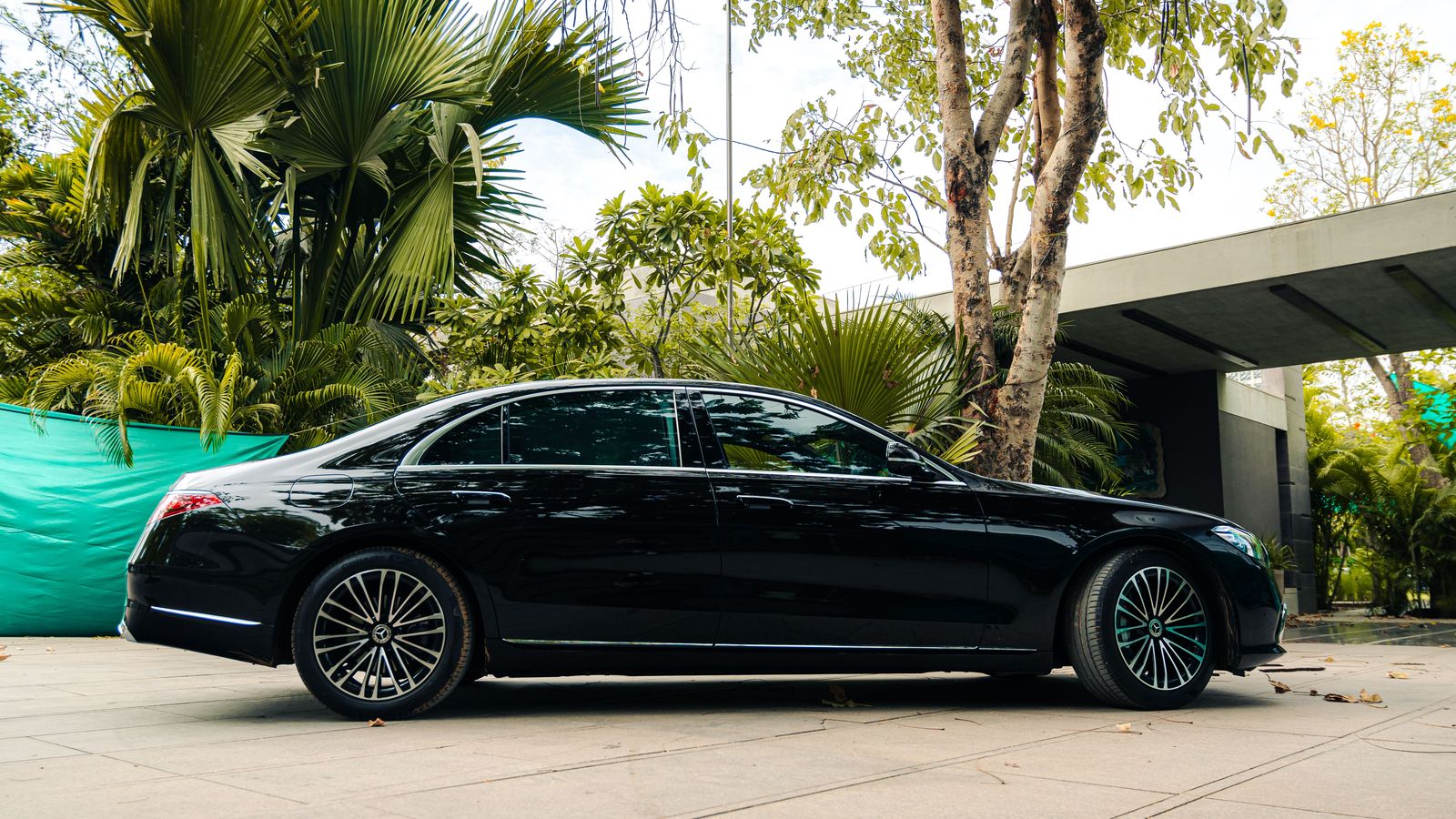
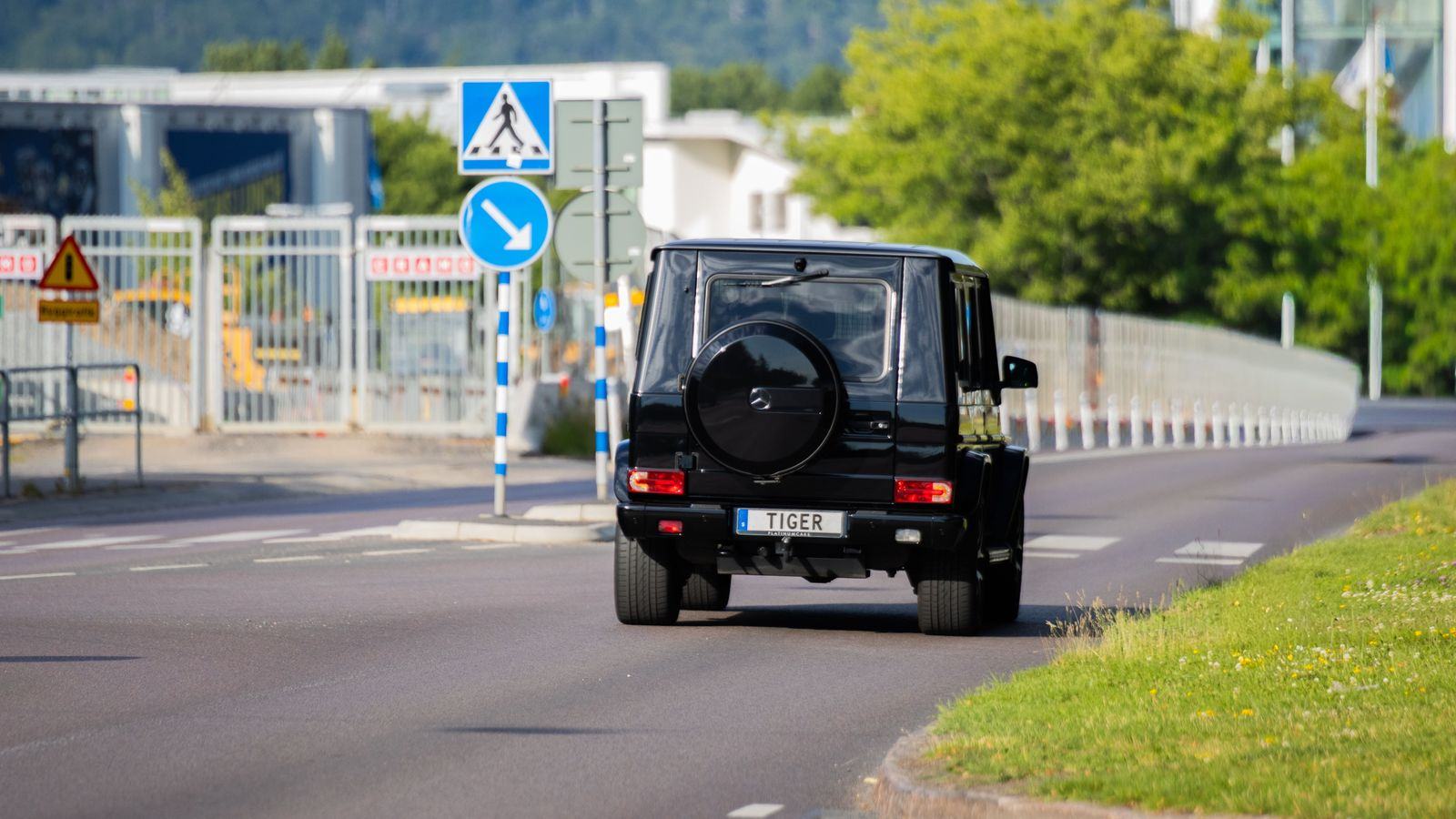
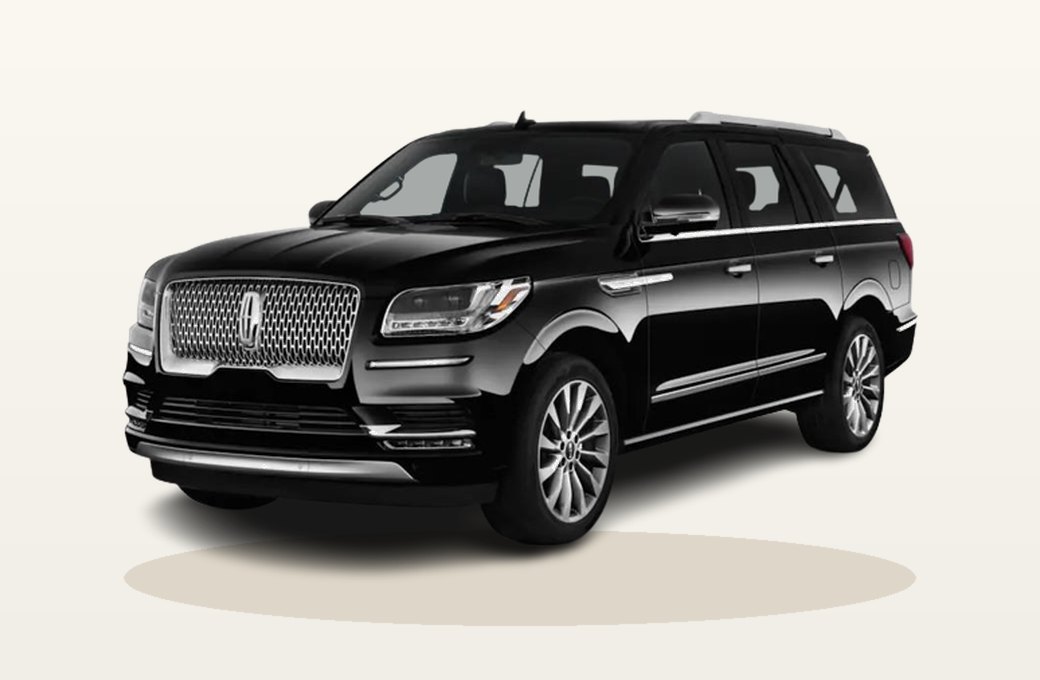
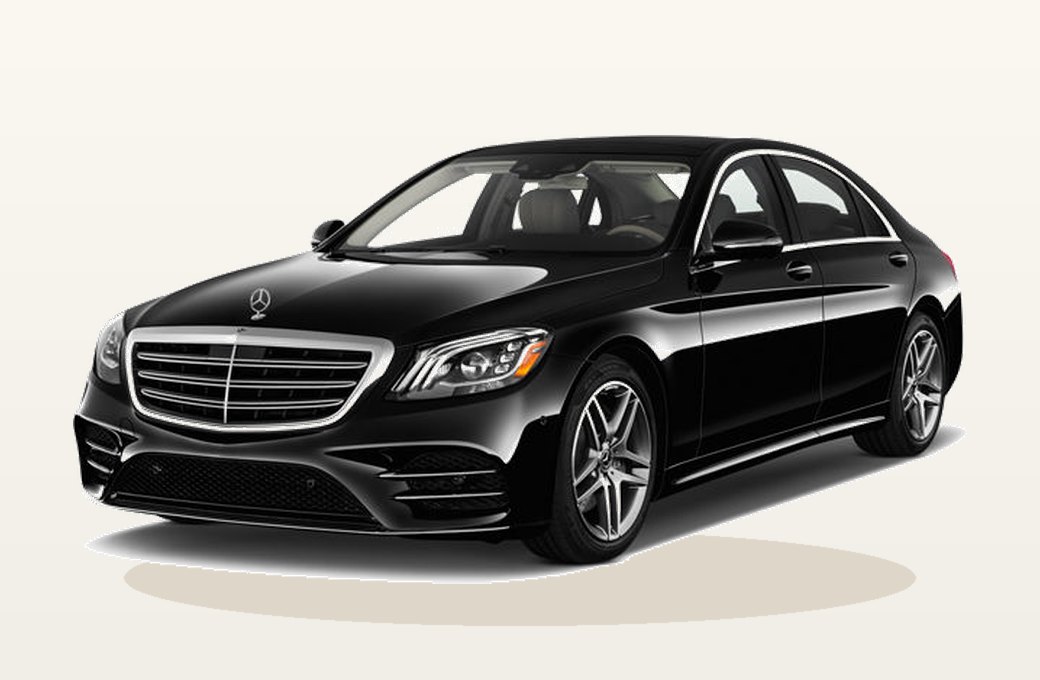
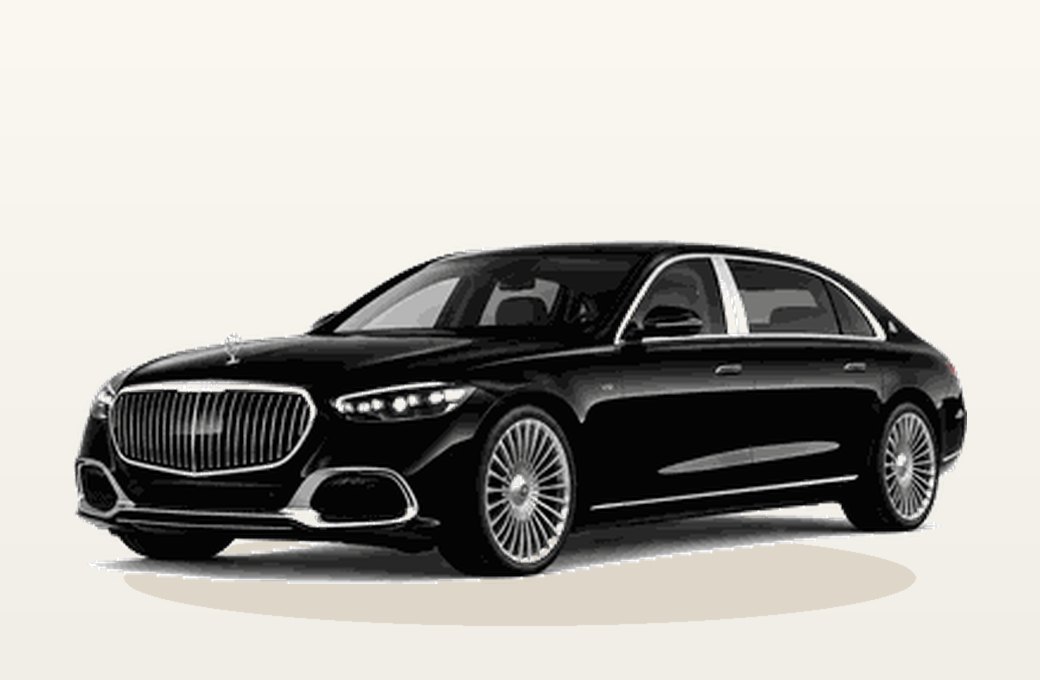
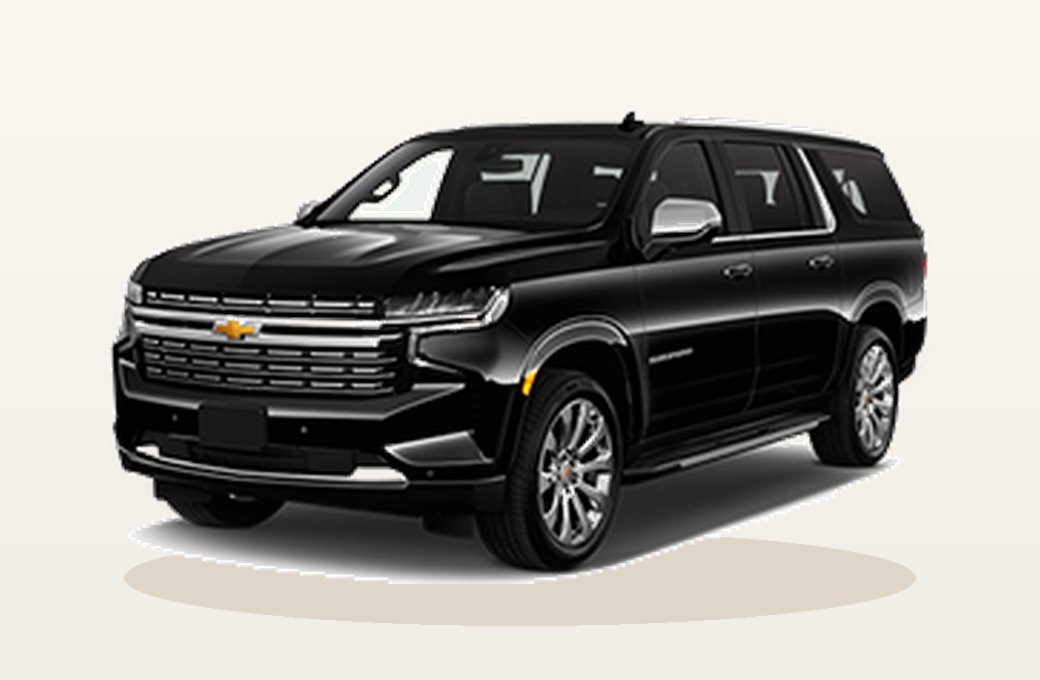
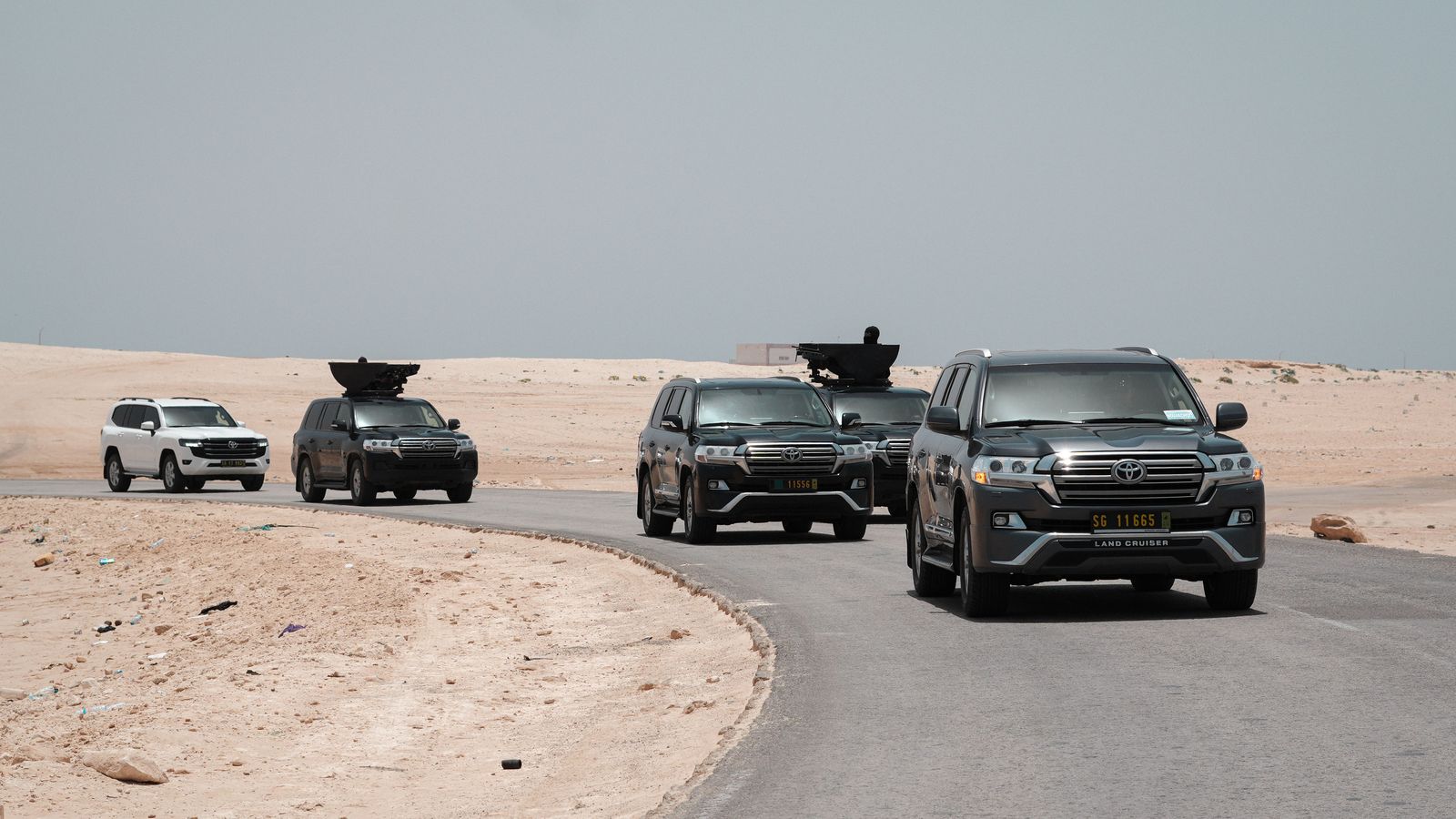
The fleet lists armoured SUVs and sedans as a partner class, available on request. Typical platforms are full-size SUVs such as the Toyota Land Cruiser, Chevrolet Suburban, Cadillac Escalade or Range Rover, and executive sedans such as the Mercedes-Benz S-Class or BMW 7 Series, in armoured versions.
Protection levels are described by standards rather than by marketing terms:
| Standard | Levels commonly used for passenger vehicles | What it tests |
|---|---|---|
| VPAM guidelines (Germany) | VR6, VR7, VR9 | Resistance of the complete vehicle to defined firearm threats |
| European CEN standards (EN 1063, EN 1522) | B6, B7 | Resistance of glazing and body materials to defined firearm threats |
| US standards (NIJ, UL 752) | Levels by ballistic threat | Resistance of armour materials to defined firearm threats |
Many armoured SUVs used for executive transport are built to the B6 or VR7 level, which are designed to stop rifle rounds of common calibres; higher levels exist but add considerable weight. The specific certification of each vehicle, and whether it covers the whole vehicle or only the materials, is stated in the proposal. You can read the testing bodies' own descriptions at VPAM.
Armour adds several hundred kilograms to more than a tonne to a vehicle, which changes braking, cornering and tyre wear. That is one reason the driver matters as much as the car.
Who drives an armoured vehicle?
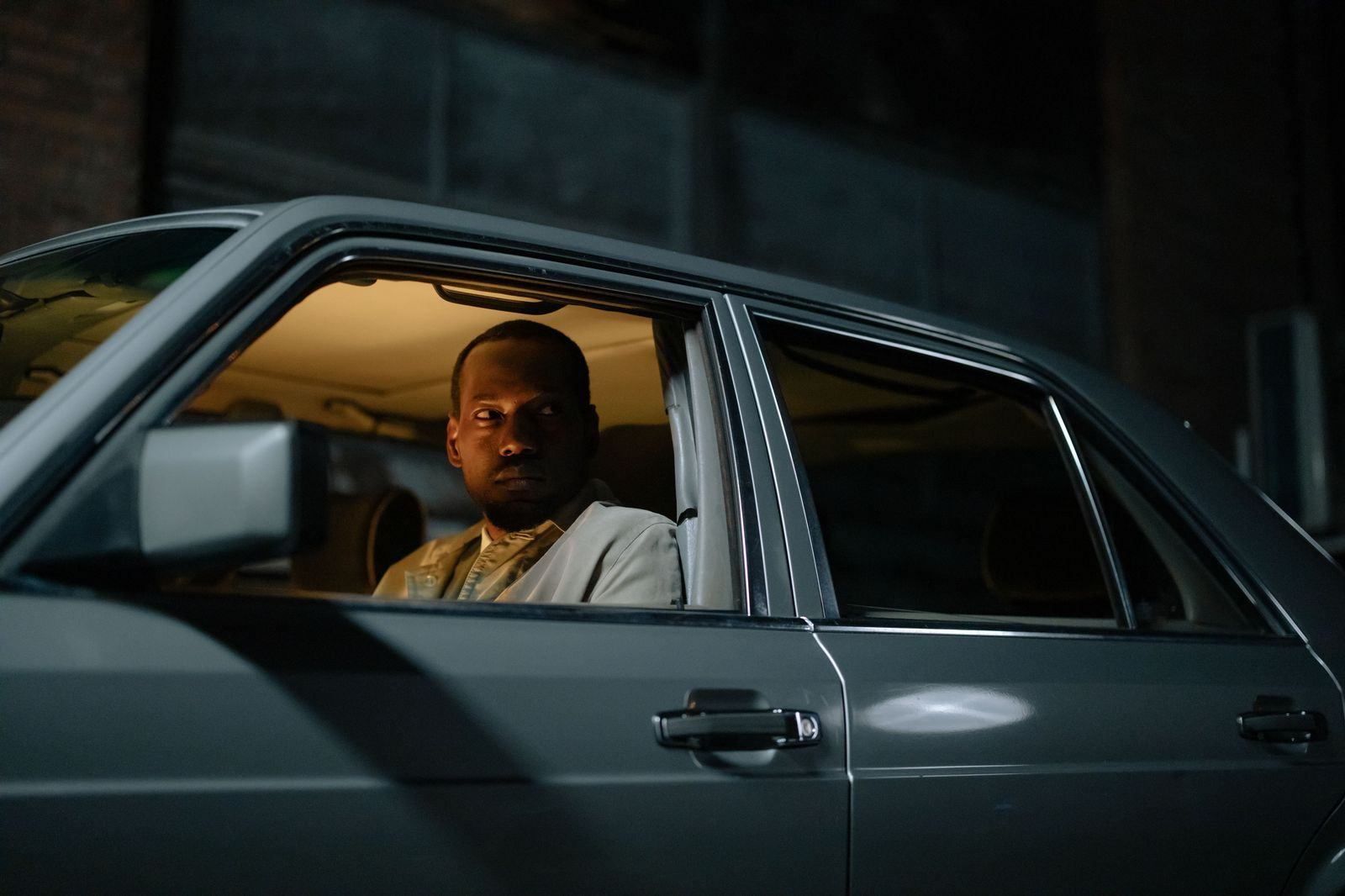
Armoured vehicles are driven by security-trained drivers supplied by the specialist partner. Their training normally covers defensive and evasive driving, handling a heavy vehicle at speed, route planning with alternates, recognising surveillance and hostile activity, and procedures for arrivals, departures and emergencies. They work to the plan agreed in the written confirmation and communicate with your security team if you have one.
Close protection is a separate discipline, and in many countries it is licensed in its own right. In the United Kingdom, for example, anyone working as a close protection officer for hire needs a licence from the Security Industry Authority. If your principal travels with a protection detail, the driver and the vehicle work alongside it. If you need a detail arranged locally, tell the coordinator at the start, so that the proposal can include it through a licensed provider or coordinate with your own.
Who uses secure transportation?
- Family offices and high-net-worth principals travelling to higher-risk destinations or attending high-profile events. See HNWI, family offices and VIPs.
- Corporate security and travel managers with a duty of care for executives visiting sites or markets with higher risk, often through corporate accounts and the Fortune 500 travel programme.
- Government, diplomatic and delegation movements, planned with protocol teams. See government, diplomatic and delegations.
- Entertainment and sport, where a well-known principal draws crowds or attention. See film, music, sport and touring.
- Private aviation arrivals, where the armoured vehicle meets the aircraft at an FBO under the airport's airside rules. See private aviation and FBOs.
How is secure transportation different from a VIP chauffeur?
A VIP chauffeur service is about discretion, comfort and punctuality: a top-class car, a polished chauffeur, and a low profile. For many executives and well-known guests it is the right level. Secure transportation starts from a threat, not a preference. The risk assessment decides whether an unarmoured car with a security-aware chauffeur is enough, whether an armoured vehicle is justified, and whether a second car, route surveys or a protection detail are needed.
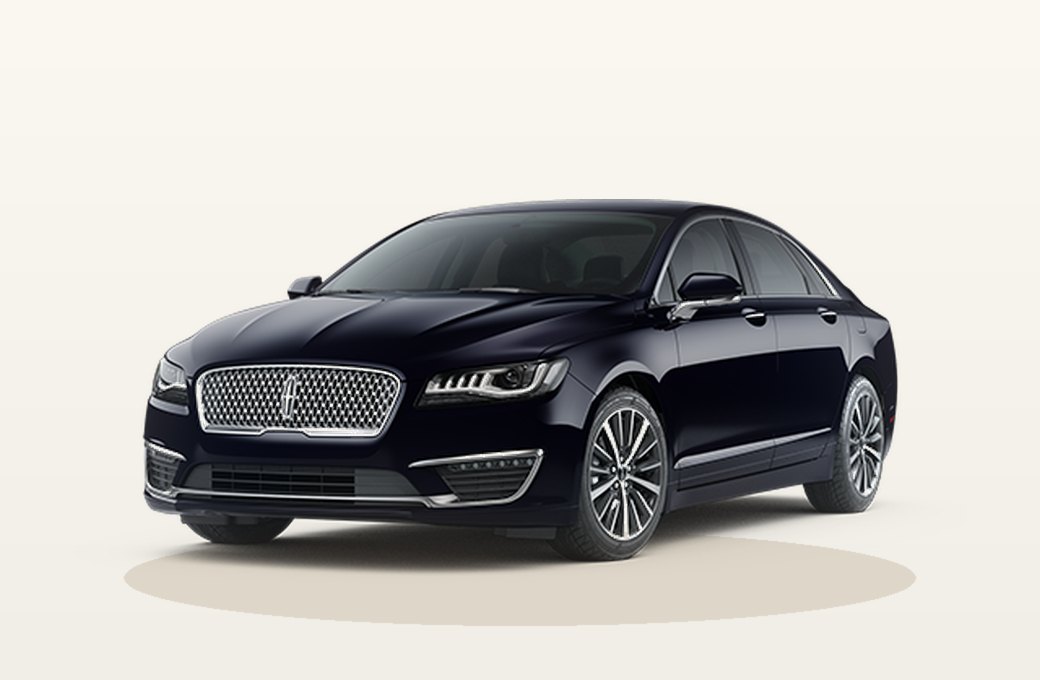
A useful rule of thumb: if your security team would plan the route, the arrival and the alternate, you need secure transportation. If the main concern is privacy and punctuality, a Luxury Executive Sedan or executive SUV with a discreet chauffeur is usually the better fit, and it can be booked instantly in the engine.
Airport and FBO arrivals
Arrivals are one of the most exposed moments of any trip. For commercial flights, the standard pickup is at the airport's designated commercial or pre-arranged area, and the vehicle is timed to the actual landing through flight tracking. Some airports allow closer access for protected movements by prior arrangement with the airport or the authorities, and the partner handles those requests where they exist; others do not, and the plan will say so.
Private jet arrivals are usually easier to protect. At many FBOs, such as Paris Le Bourget, Farnborough or Dubai Al Maktoum, vehicles can be cleared to meet the aircraft subject to the operator's and airport's rules. The proposal lists the access arrangement confirmed for your FBO.
What does the risk assessment look at?
The assessment is proportionate: a short review for a one-day visit to a stable city, a fuller study for a multi-day programme in a volatile one. It typically covers:
- The principal's profile, public visibility and any specific threats you know of.
- The city's security environment, including government advice such as the US State Department travel advisories and the UK FCDO foreign travel advice.
- Routes between each location, chokepoints, and alternate routes.
- Arrival and departure points at hotels, offices and venues.
- Timings that should be varied, and movements that should not be published.
- Medical facilities along the route and the plan if one is needed.
- Communication between the driver, the partner's operations room, your security team and our desk.
The findings drive the plan, and the plan drives the price. You will see the reasoning in the proposal, not just a vehicle and a figure.
What happens on the day of a protected movement?
The day runs to the written plan. Before the first pickup, the driver checks the vehicle, confirms the routes and alternates with the partner's operations team, and makes contact with your security lead or travelling assistant. Pickup times and points are those in the confirmation; the driver does not change them on the say-so of anyone outside the agreed contact list, and arrivals at hotels or venues use the entrances named in the plan.
During the movement, the driver keeps communication with the partner's operations room and, where there is one, your protection detail. If a route is blocked or the driver sees something that does not look right, the alternate is used and the change is reported. Waiting is done where the plan says, which may be close to the door, in a secure car park or at a holding point a few minutes away, depending on the site. At the end of each day the partner confirms the next day's timings with your contact, and any changes go into an updated written confirmation.
How are specialist partners chosen?
Secure transport partners are held to a stricter standard than a standard chauffeur affiliate. Beyond the licensing, commercial passenger insurance and vehicle checks described on the safety and standards page, the coordinator looks for documented vehicle certification, driver training records, an operations room that runs while the principal is moving, and the local permissions that armoured vehicles and security work require in that country. Some countries restrict the import, registration or use of armoured vehicles, or license security companies separately; the partner must hold what the place requires.
Where no partner meets that standard in a city, we say so rather than substitute. The alternative may be a vehicle and driver brought in from a neighbouring country, which the proposal would explain along with the extra time and cost.
How should your team prepare?
A few details at the start make the assessment faster and the plan better:
- The principal's travel dates, flights or aircraft details, and hotels.
- A list of every planned movement with approximate times.
- Who in your team is the single point of contact, with a mobile number that works in the destination.
- Any known threats, prior incidents or sensitivities that should shape the plan.
- Whether a protection detail travels with the principal, and how they want to work with the driver.
- Medical needs the plan should allow for.
Confidentiality and trip data
Principals and their teams expect discretion. Names, flight details and itineraries are shared only with the people who need them for the movement: the coordinator, the specialist partner and the assigned driver. Corporate clients receive the duty-of-care trip data their programme calls for. If you need movements referred to by a code name on documents, ask at the start.
Fares, changes and cancellation
Secure transportation is quoted in the written confirmation after the assessment, because it depends on the vehicles, drivers, hours and any support cars. There are no published prices for it on the rates page, which covers the standard classes. The same cancellation rule applies as to all bookings, counted from the first pickup: more than 72 hours before, no charge; 72 hours or less, 10 %; 48 hours or less, 50 %; 24 hours or less, or a no-show, 100 %.
Security plans change, often at short notice. Tell the coordinator as soon as something moves; the partner will adjust the plan where it can and confirm the change in writing.