




BlaakLane.com arranges chauffeur service in Yokohama for the city's cruise terminals at Osanbashi, Yokohama Hammerhead and Daikoku Pier, transfers to and from Tokyo Haneda and Narita, Shin-Yokohama Shinkansen pickups, and meetings around Minato Mirai. The booking engine shows a fixed fare before you confirm. A vetted local affiliate drives each trip.
Which Yokohama cruise terminal is your ship using?
Yokohama has three main passenger berths, and they are not interchangeable. Check your cruise documents before you book, because the drive times differ.
| Terminal | Where | Notes |
|---|---|---|
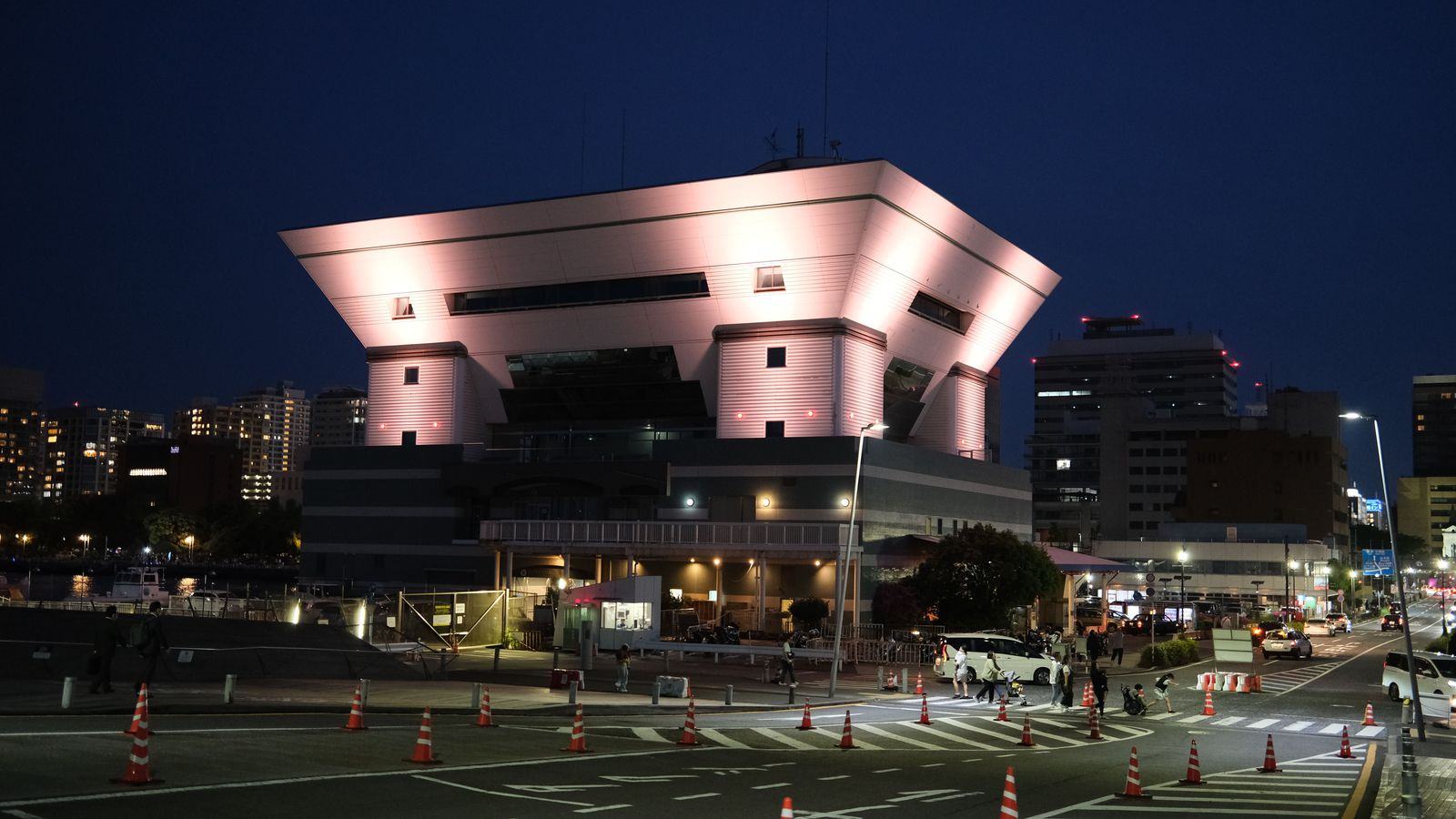
| Osanbashi Yokohama International Passenger Terminal | Osanbashi Pier, by Yamashita Park | The historic main terminal, a short drive from Chinatown and Kannai |
| Yokohama Hammerhead | Shinko Pier, Minato Mirai | Newer terminal with a hotel and shops, beside the Red Brick Warehouse area |
| Daikoku Pier Cruise Terminal | Daikoku Futo, an industrial island | Used by the largest ships that cannot pass under the Yokohama Bay Bridge; no walking access to the city |
At Daikoku Pier in particular, a pre-booked car is the practical option, since the terminal sits on an island reached by expressway. Our Osanbashi Pier page covers the main terminal in detail, and the port authority posts ship schedules at the Port of Yokohama.
How cruise pickups work
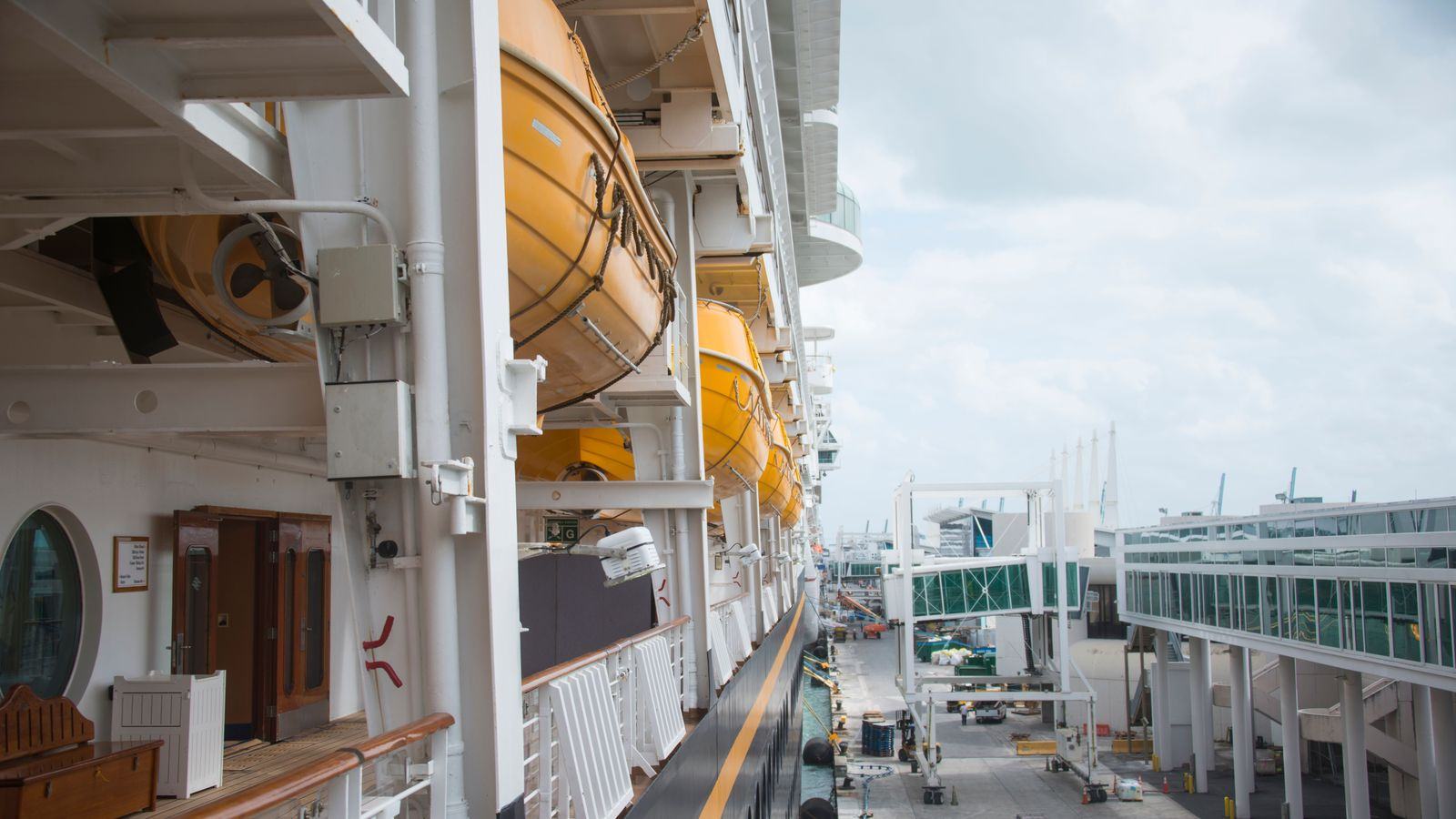
On disembarkation day, give the desk your ship name and the approximate time you expect to leave the terminal; groups are often released in waves by deck or tag colour. The chauffeur waits at the terminal's designated pickup area for pre-arranged vehicles and messages you with the car details. Included waiting on a port pickup is 15 minutes from the booked time, then 15-minute blocks, so a realistic booked time saves money. Having the chauffeur wait inside the cruise hall with a name board is an add-on, and add-ons are only available in selected locations. For embarkation, plan to arrive within your boarding window rather than early; terminals control curbside space tightly.
Cruise passengers heading straight to the airport usually book Yokohama terminal to Haneda. Leave generous time for a noon flight. Our cruise lines and ports page explains how larger transfers are organised.
Haneda and Narita runs
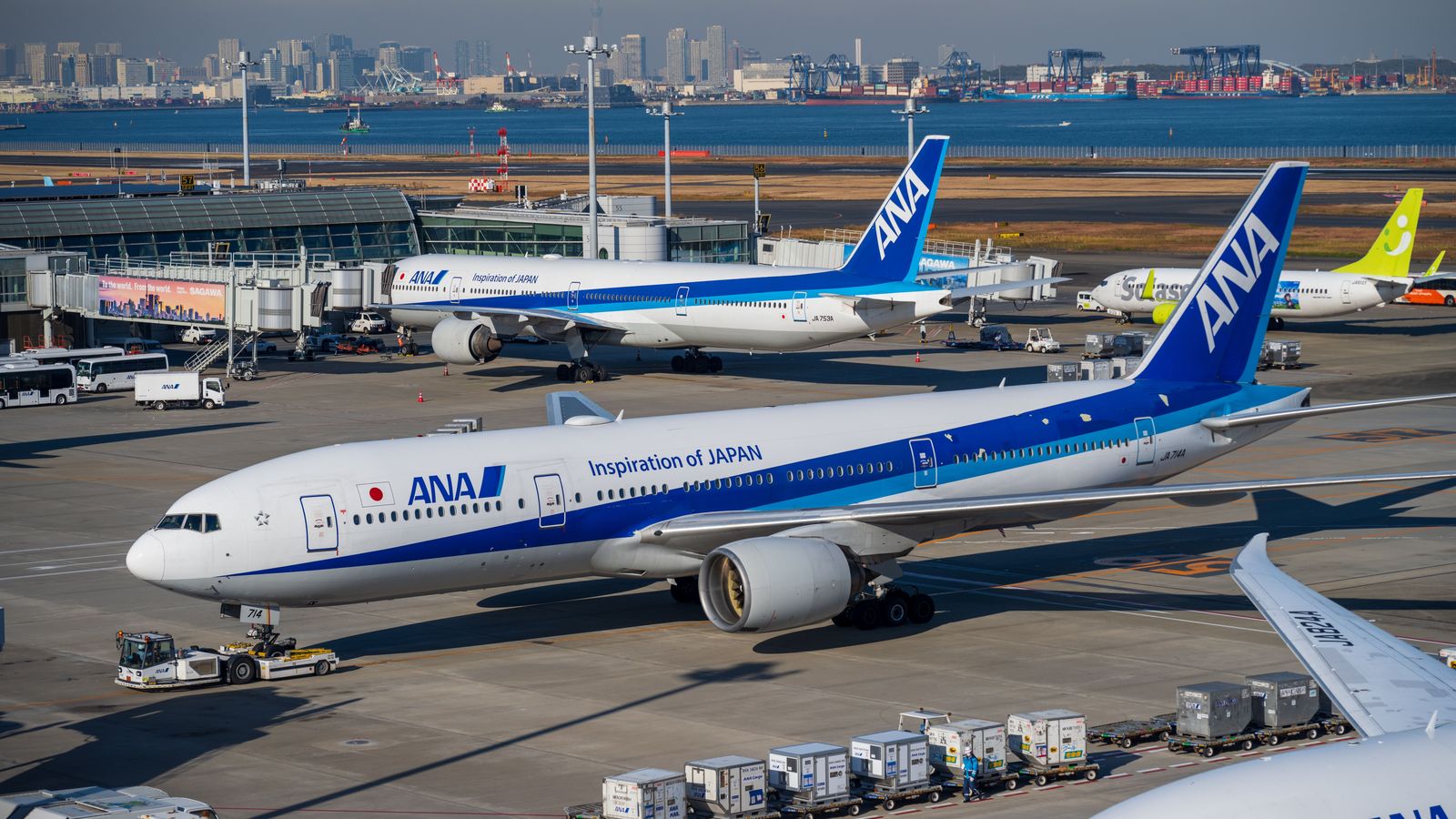
Tokyo Haneda (HND) is the natural airport for Yokohama, about 25 to 30 km from Minato Mirai. International flights use Terminal 3; domestic flights use Terminals 1 and 2, with some international services from Terminal 2. The chauffeur meets you curbside at the designated pickup area for pre-arranged vehicles. Narita (NRT) is much further, roughly 90 km, and in traffic it is a long ride; many Yokohama residents choose Haneda flights for this reason. Every airport pickup is flight-tracked, with 60 minutes of included waiting after an international landing and 30 minutes after a domestic one. See Haneda, Narita and, for private jets, the Haneda FBO page. Haneda's own site is tokyo-haneda.com.
Typical drive times
- Haneda to Minato Mirai or Yokohama Station: 30 to 45 minutes via the Bayshore Route.
- Haneda to Daikoku Pier: 20 to 35 minutes.
- Narita to Yokohama: 80 to 120 minutes, longer on Friday evenings.
- Yokohama to central Tokyo (Marunouchi, Ginza): 40 to 70 minutes.
- Yokohama to Kamakura: 40 to 60 minutes; to Hakone: about 1.5 to 2 hours.
Minato Mirai, Kannai and the waterfront
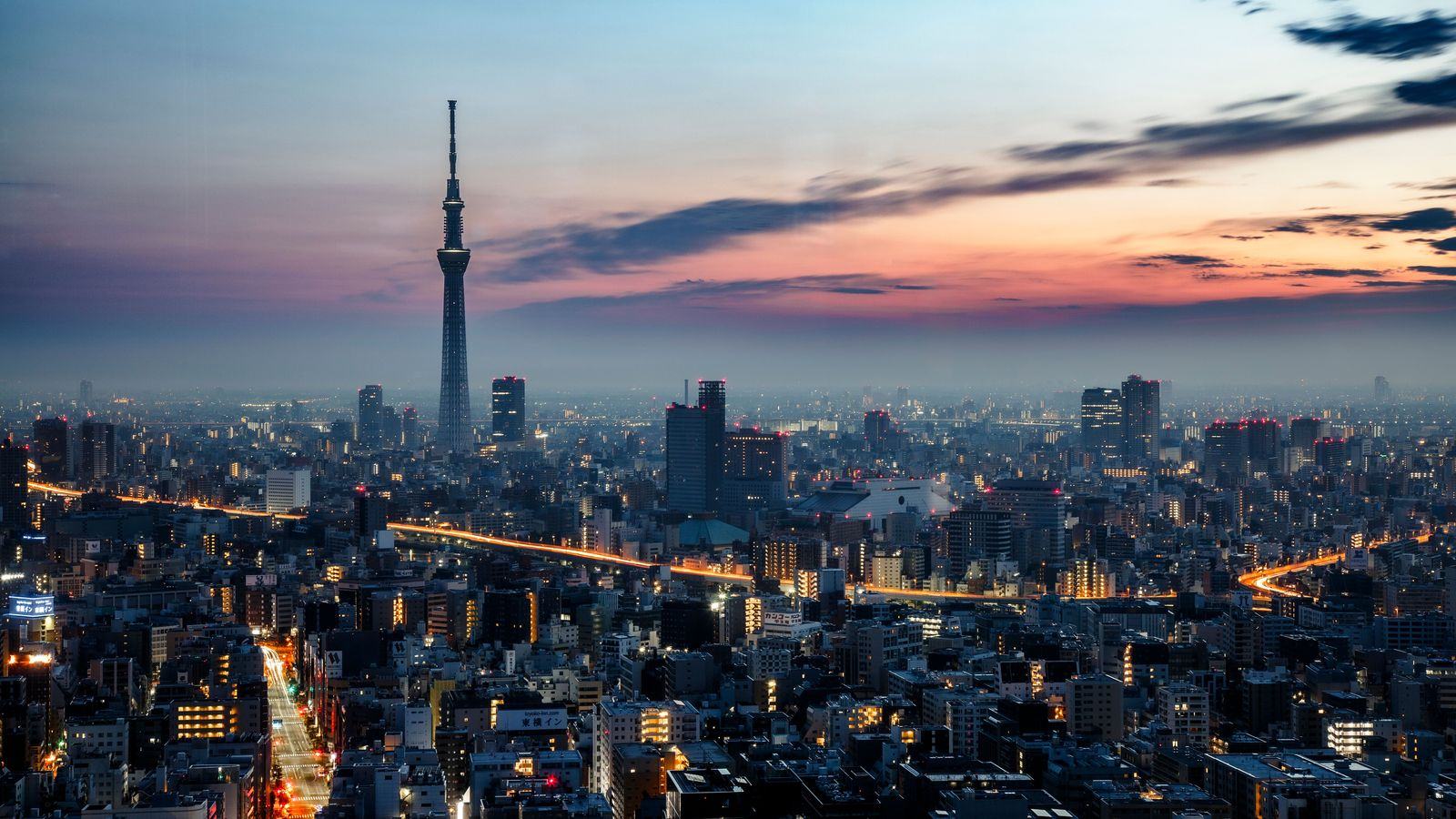
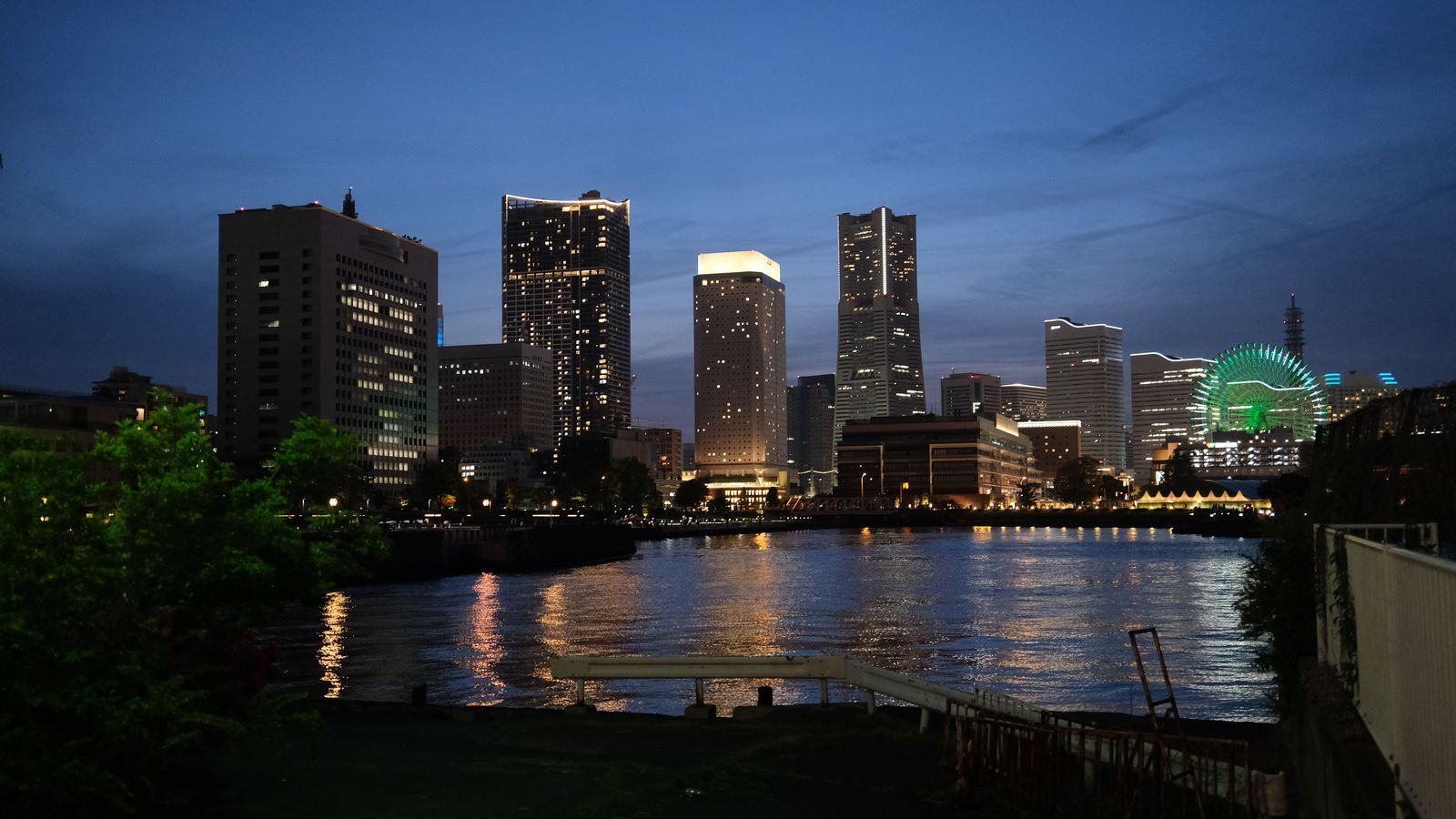
Minato Mirai 21 is Yokohama's planned business and convention district, with the Landmark Tower, Queen's Square and the Pacifico Yokohama convention centre, plus hotels such as the InterContinental Yokohama Grand and The Westin Yokohama. South-east along the water are the Red Brick Warehouses, Yamashita Park, the Hotel New Grand and Chinatown, with Motomachi's shopping streets and the hillside Yamate district behind. Kannai, the older civic centre, holds the city hall and Yokohama Stadium, home of the BayStars. For a day of meetings across these areas, an hourly chauffeur avoids repeated waits at taxi ranks.
Stations: Yokohama and Shin-Yokohama
Yokohama Station is one of Japan's busiest, served by JR, Tokyu, Keikyu, Sotetsu and the Minatomirai Line. Shinkansen trains do not stop there; they use Shin-Yokohama, about 15 to 20 minutes' drive north, on the Tokaido Shinkansen toward Nagoya and Osaka. Shin-Yokohama also has Nissan Stadium and the Yokohama Arena nearby. Give us the train and car number and the pickup is timed to your arrival.
Venues and dates
- Pacifico Yokohama: international conferences and trade fairs year-round.
- K-Arena Yokohama: a large concert arena in Minato Mirai.
- Nissan Stadium: football and major concerts in Shin-Yokohama.
- Summer fireworks over the harbour, usually in July or August.
- Yokohama Marathon, usually in autumn.
For group and event movements, see event transportation. The city's tourism site, Yokohama Japan, lists current dates.
Vehicles for cruise luggage and groups
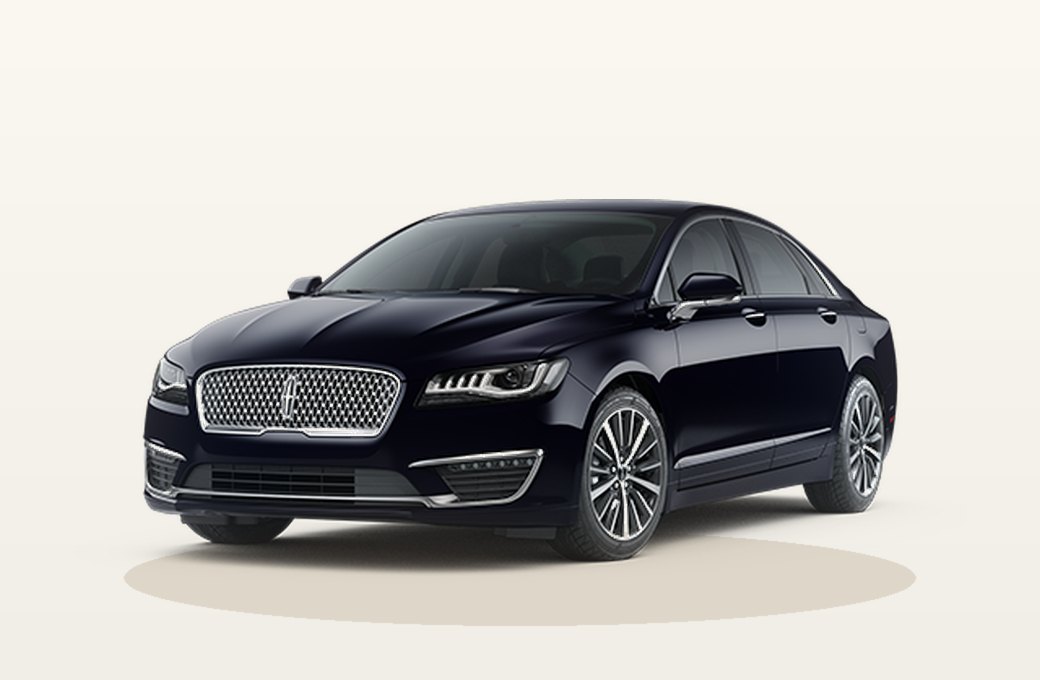
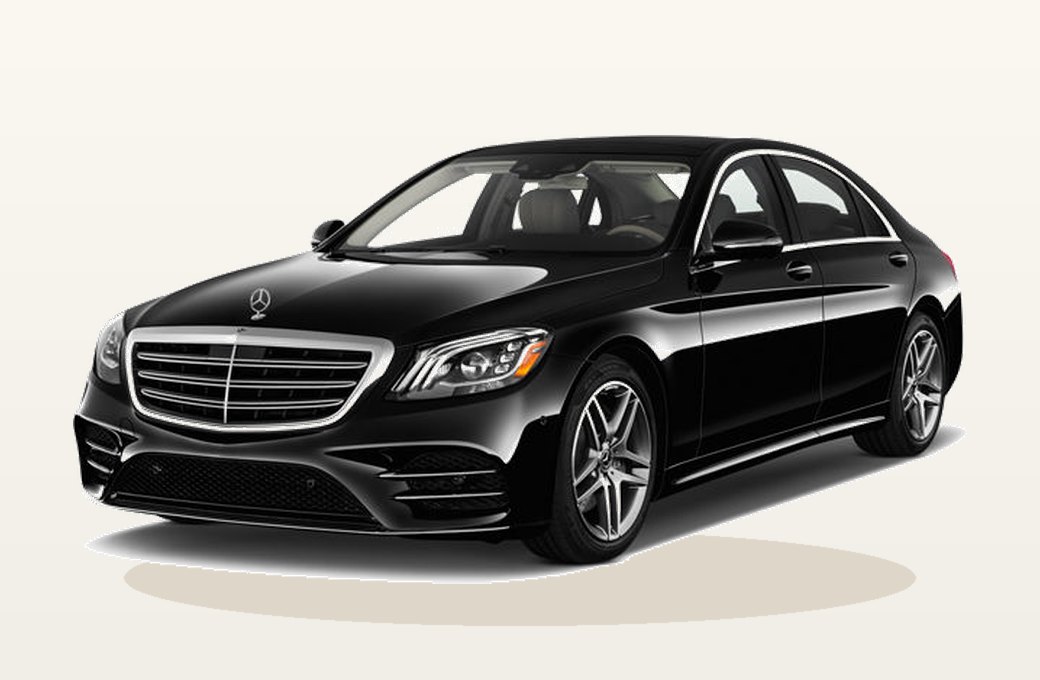
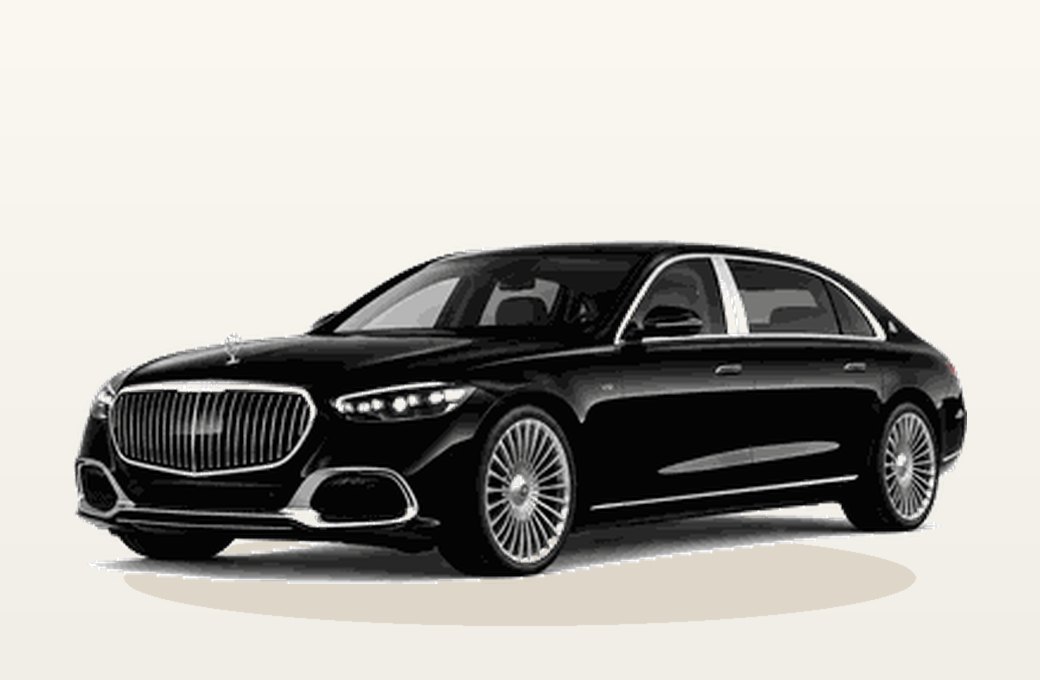
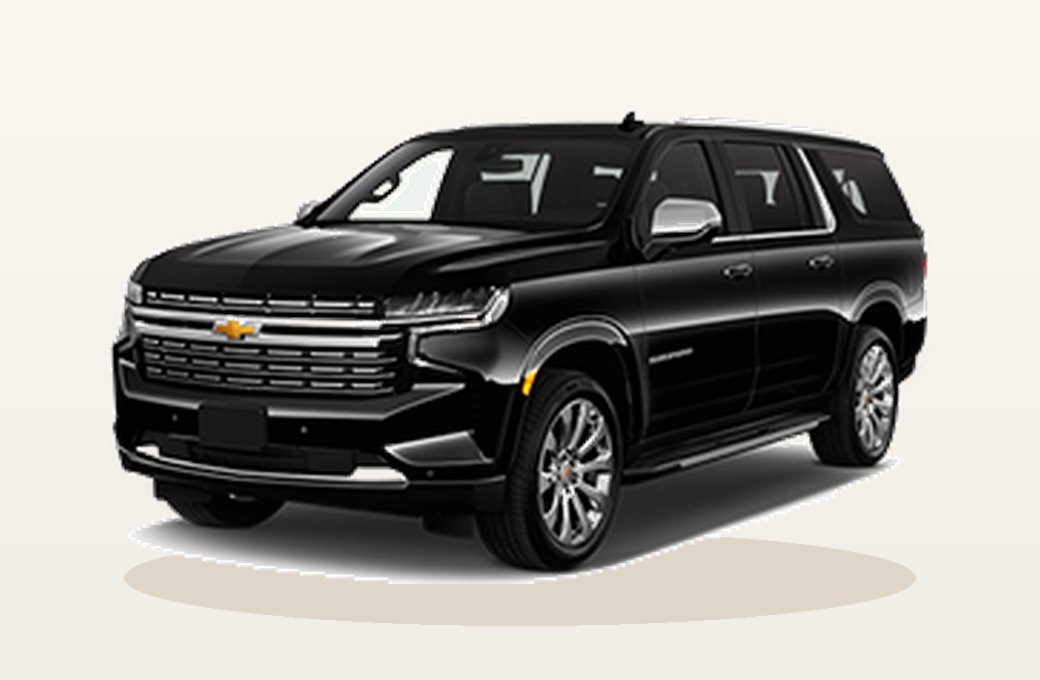
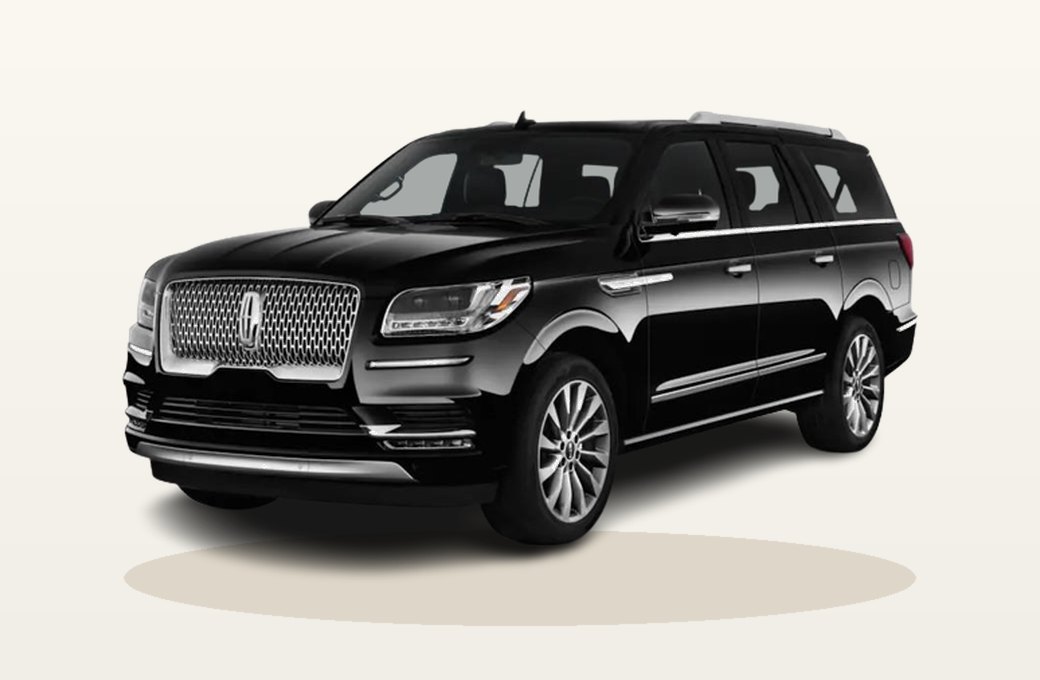
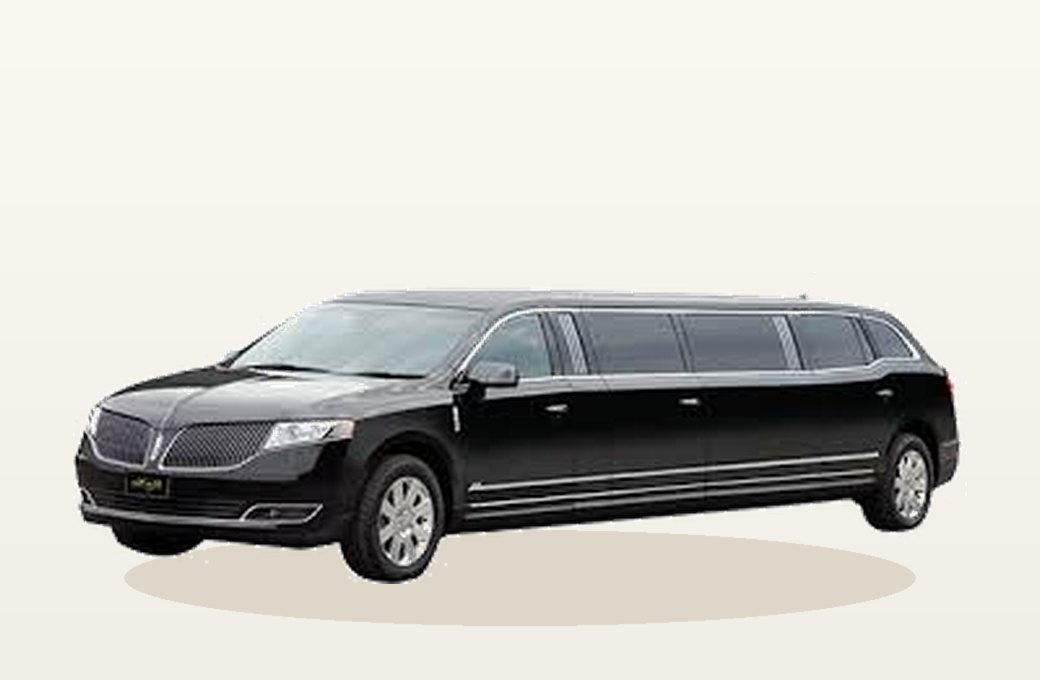
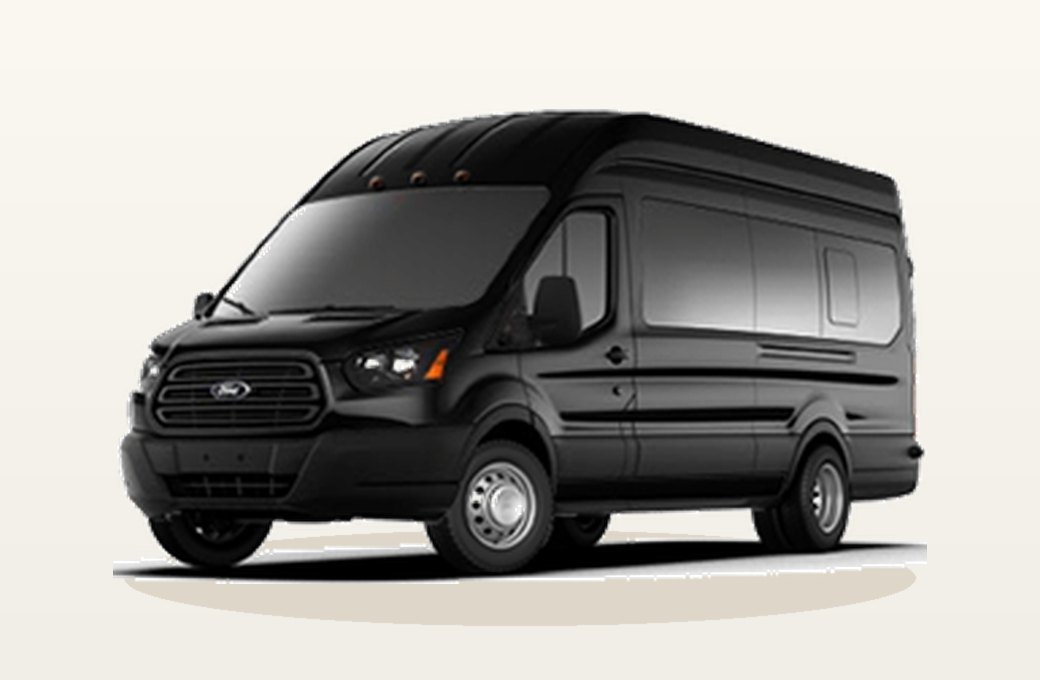
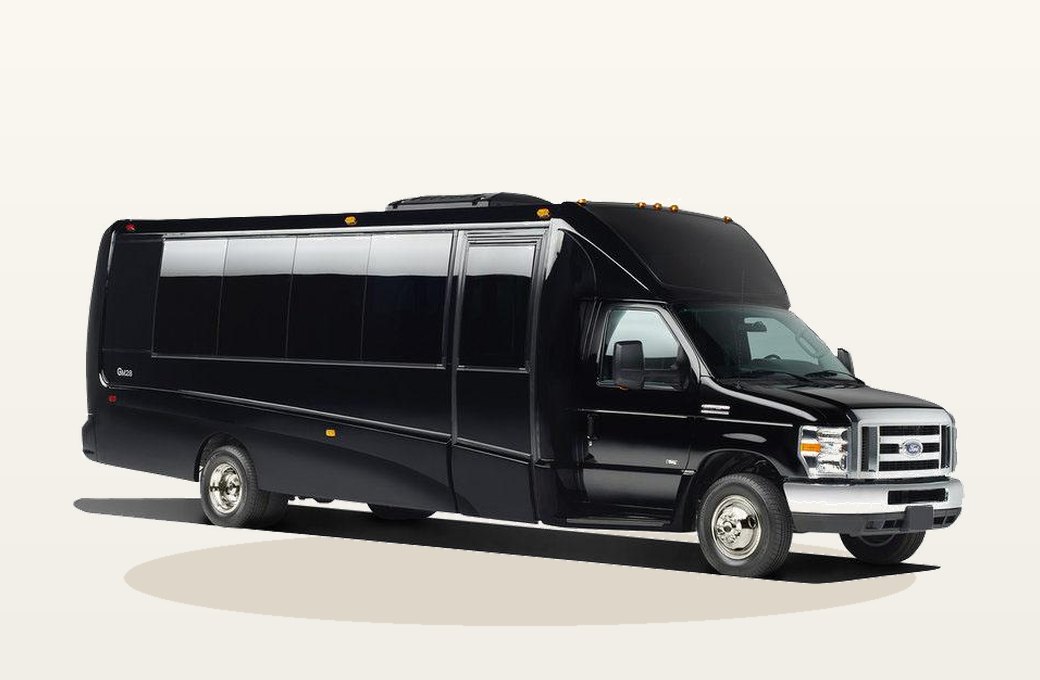
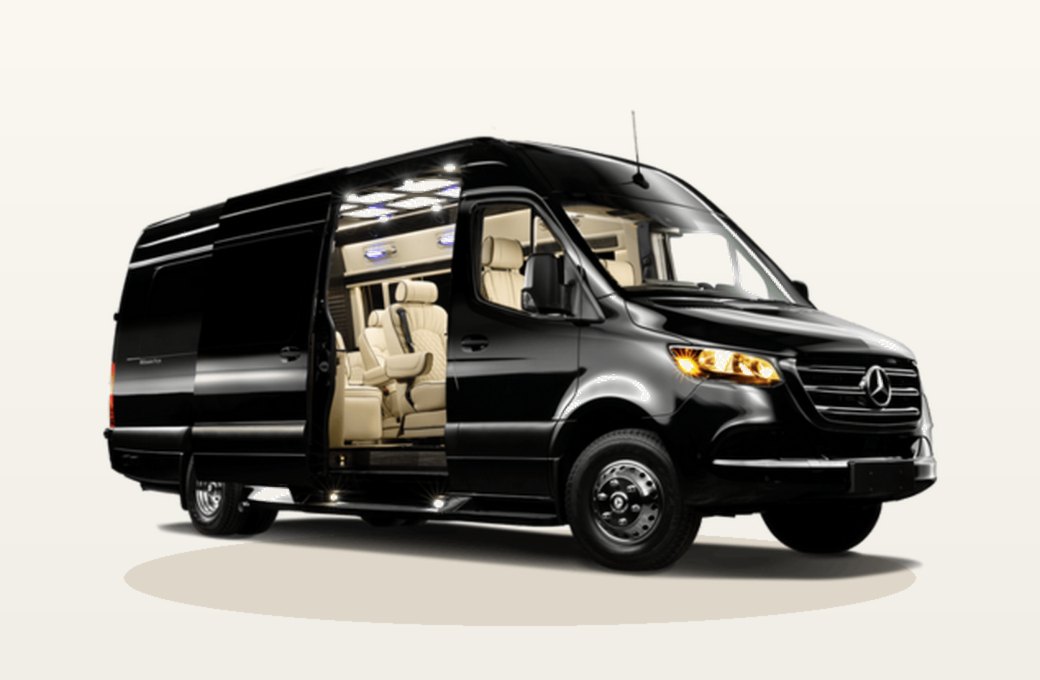
Cruise passengers travel heavy. Two people with two large cases each fit an executive SUV more comfortably than a sedan. A Standard Black SUV suits a family of four with luggage, and a Sprinter Van or minicoach moves a larger party from the ship together. For a special occasion, a Rolls-Royce, Maybach or Bentley comes from a partner. Cruise transfers use cars no more than four model years old. Compare classes on the fleet and check inclusions on rates.
Roads, tolls and driving side
Traffic in Japan keeps left. Yokohama's fastest routes are the Shuto Expressway's Bayshore (Wangan) and Yokohane routes, including the Yokohama Bay Bridge and the Tsurumi Tsubasa Bridge, all tolled. Weekend traffic toward Kamakura and the Shonan coast can be heavy in summer.
Arriving by sea or air: entry notes
Passengers joining a cruise from abroad clear Japanese immigration either at the airport or, on ships arriving from overseas, in the cruise terminal. Visa-free short stays of up to 90 days apply to many nationalities; others need a visa before travel. Visit Japan Web handles immigration and customs declarations online for air arrivals. The departure tax is 3,000 yen from 1 July 2026. Official rules are at japan.travel.
Pre- and post-cruise day trips
Many passengers add a day on land before boarding or after arriving. Three trips work well by car from Yokohama:
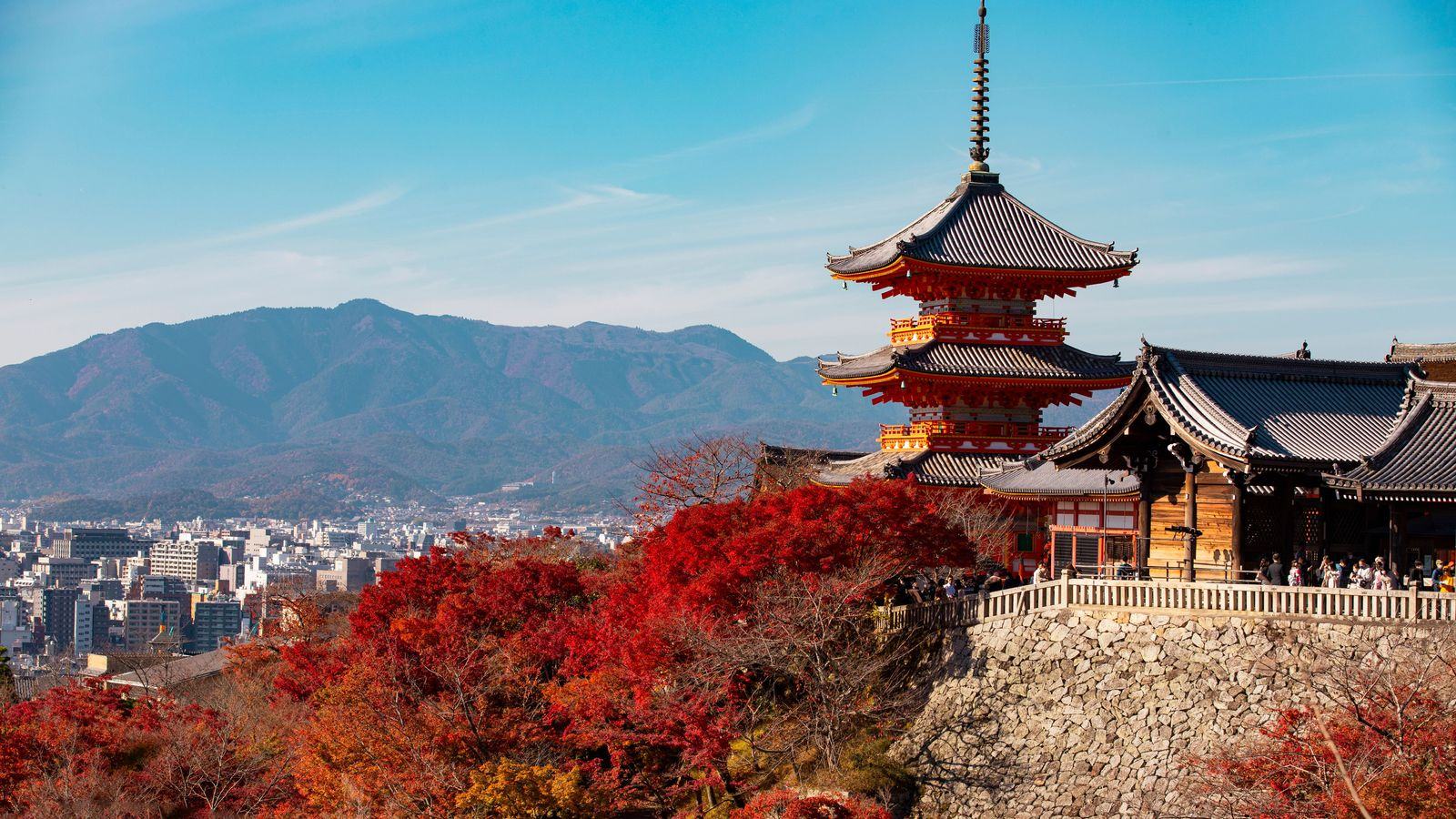
- Kamakura: the Great Buddha at Kotoku-in and the Tsurugaoka Hachimangu shrine, 40 to 60 minutes away. Weekend traffic on the coast road is slow, so start early.
- Hakone: hot springs, Lake Ashi and, on a clear day, views of Mount Fuji. Plan a full day; the mountain roads are winding and busy in autumn leaf season.
- Mount Fuji's Fifth Station and the Fuji Five Lakes: a long day of roughly 2 to 2.5 hours each way, best booked as a day trip so the car waits at each stop.
Luggage can stay in the vehicle during a transfer-plus-sightseeing day between the ship and a Tokyo hotel, which saves a second trip.
Nearby cities
Yokohama is effectively part of greater Tokyo. For longer journeys, Nagoya is about 4 hours by road, usually faster by Shinkansen from Shin-Yokohama. Intercity transfers explains one-way pricing.
If plans change
There is no charge to cancel more than 72 hours before pickup. At 72 hours or less we keep 10% of the fare, at 48 hours or less 50%, and at 24 hours or less, or on a no-show, 100%. Airport pickups are flight-tracked, so a late landing at Haneda is not a no-show; for ships, tell us early if the port call changes.