







A BlaakLane.com chauffeur service in Kyoto is booked online at one fixed price. Because the city has no airport, the usual trips are Kansai International (about 100 km, 75 to 100 minutes) or Osaka Itami (about 45 km, 45 to 70 minutes) to your hotel or ryokan, plus Shinkansen pickups at Kyoto Station. Waiting time is inside the fare, gratuity is charged at actual cost and added to the booking, and a vetted local affiliate drives.
How do you book a chauffeur service in Kyoto?
Use the reservation engine on this page or open book. Enter the pickup (a Kansai terminal, Itami, a Shinkansen arrival at Kyoto Station or a hotel), the exact address of your ryokan, the date, time and vehicle class. The engine shows a fixed fare before you confirm. Nothing changes if the Meishin Expressway slows near Kyoto-Minami or if your Haruka-hour plans slip; there is no meter and no surge.
Kyoto trips are driven by a vetted affiliate operator contracted to the BlaakLane.com written standard. The confirmation names the operator, the chauffeur and the vehicle. Our dispatch desk in Toronto watches every booking around the clock, which matters when you land at 06:00 local time after a transpacific flight and need someone awake to answer.
Add the flight number for any airport pickup. Flights are tracked and the chauffeur is timed to the actual landing. For a Shinkansen arrival, add the train name and car number (for example a Nozomi from Tokyo), so the handover can be planned at the right exit.
What does the Kyoto fare include?
Your fixed Kyoto price covers:
- Included waiting: 60 minutes from actual landing on international arrivals at Kansai, 30 minutes on domestic flights into Itami or Kansai, and 15 minutes on hotel, ryokan, station and temple pickups, then 15-minute blocks.
- Child seats on request, free, in most cities including Kyoto.
- Luggage handling at the car.
Planning ranges by vehicle class are on the rates page. Cancellation terms are the same on every booking: more than 72 hours before pickup costs nothing, 72 hours or less is 10%, 48 hours or less is 50%, and 24 hours or less or a no-show is 100%.
Kansai International (KIX) to Kyoto
Kansai International Airport sits on a man-made island in Osaka Bay and handles almost all long-haul arrivals for Kyoto. Terminal 1 carries full-service international and domestic airlines; Terminal 2 is used mainly by Peach and some other low-cost carriers and is reached by a free shuttle bus. After immigration and customs, the pickup is curbside at the designated area for pre-arranged vehicles outside the arrivals floor; the confirmation gives the exact door and bay. A name-board meet and greet in the arrivals hall is an add-on, and add-ons are only available in selected locations.
The drive to central Kyoto runs over the Sky Gate Bridge, then the Hanshin and Kinki expressways to the Meishin or the Keiji Bypass. Distance is roughly 100 km. Allow 75 to 100 minutes to Kyoto Station, and a little longer to Higashiyama, Arashiyama or the northern hills. The JR Haruka limited express covers the same trip in about 75 to 80 minutes, but it leaves you on a platform with your bags. A car makes most sense for families, for travellers with more than two large cases and for anyone heading straight to a ryokan that is a long walk from any station.
Osaka Itami (ITM) to Kyoto
Osaka Itami is a domestic airport north of Osaka. If you connect in Tokyo, Sapporo, Fukuoka or Okinawa, Itami is often the smarter landing for Kyoto: about 45 km and typically 45 to 70 minutes via the Meishin Expressway. The terminal has north and south wings joined by a central building, and the pre-arranged pickup follows the airport's allocation for your wing. Domestic flights get 30 minutes of included waiting.
Travellers flying into Tokyo (Haneda or Narita) usually take the Tokaido Shinkansen instead of a domestic flight. A Nozomi from Tokyo or Shinagawa reaches Kyoto in roughly 2 hours 10 to 20 minutes, which beats any road trip on the 460 km run. For the Tokyo end, see our Tokyo chauffeur page.
Kyoto Station Shinkansen pickups: which exit?
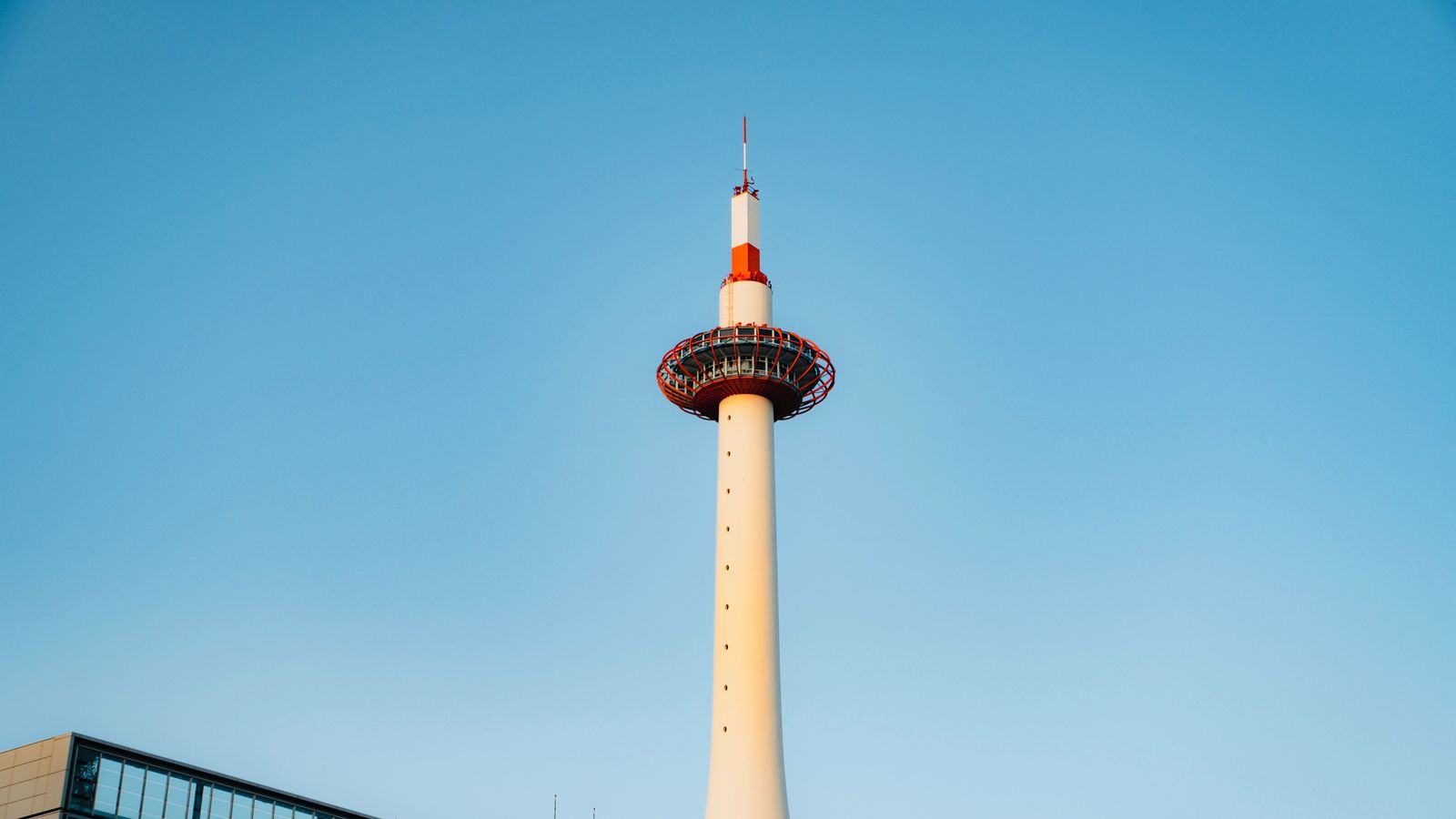
Kyoto Station is a single huge building with two sides that matter for a car. The Shinkansen platforms are on the south side, so the Hachijo exit is the natural meeting point for bullet-train arrivals. The Karasuma exit on the north side faces Kyoto Tower, the main bus terminal and most of the city hotels.
Both sides have large taxi ranks and lanes that are reserved for licensed taxis. A pre-booked chauffeur cannot wait on those taxi-only lanes, so pickups happen at a designated drop-off or parking area that the affiliate uses on that side of the station; your confirmation states which one. If you ride in the front cars of a 16-car Shinkansen, the walk to the Hachijo side is short. If your onward trip is to Osaka, remember that Shin-Osaka Station is only about 15 minutes away by Shinkansen, and a car from there to Kyoto is rarely faster.
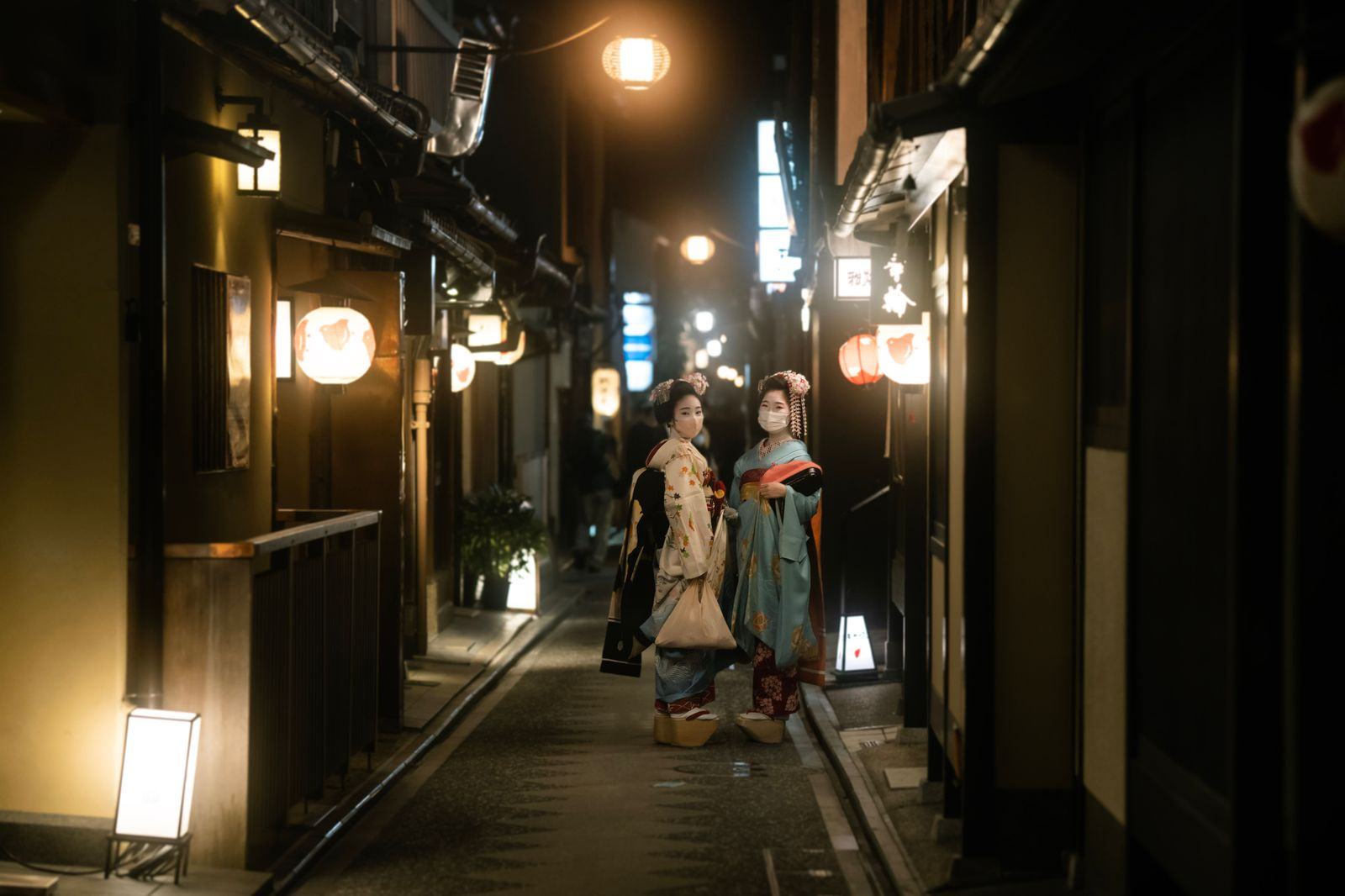
Ryokan arrivals and the temple districts
Kyoto is a city of narrow streets, and many of the best stays sit on lanes where a large vehicle cannot turn. Before you book, check these points:
- Ryokan access. Traditional inns such as Tawaraya and Hiiragiya in the Nakagyo district sit on regular streets, but machiya guesthouses in Higashiyama or Nishijin may be on lanes of barely one car width. Put the ryokan name and its Japanese address in the notes; the affiliate checks the approach and may recommend a sedan over an SUV.
- Gion. Signs in several private lanes off Hanamikoji ask visitors not to enter, and the area around the Shirakawa canal is best reached on foot from a drop-off on Shijo-dori or Higashioji-dori.
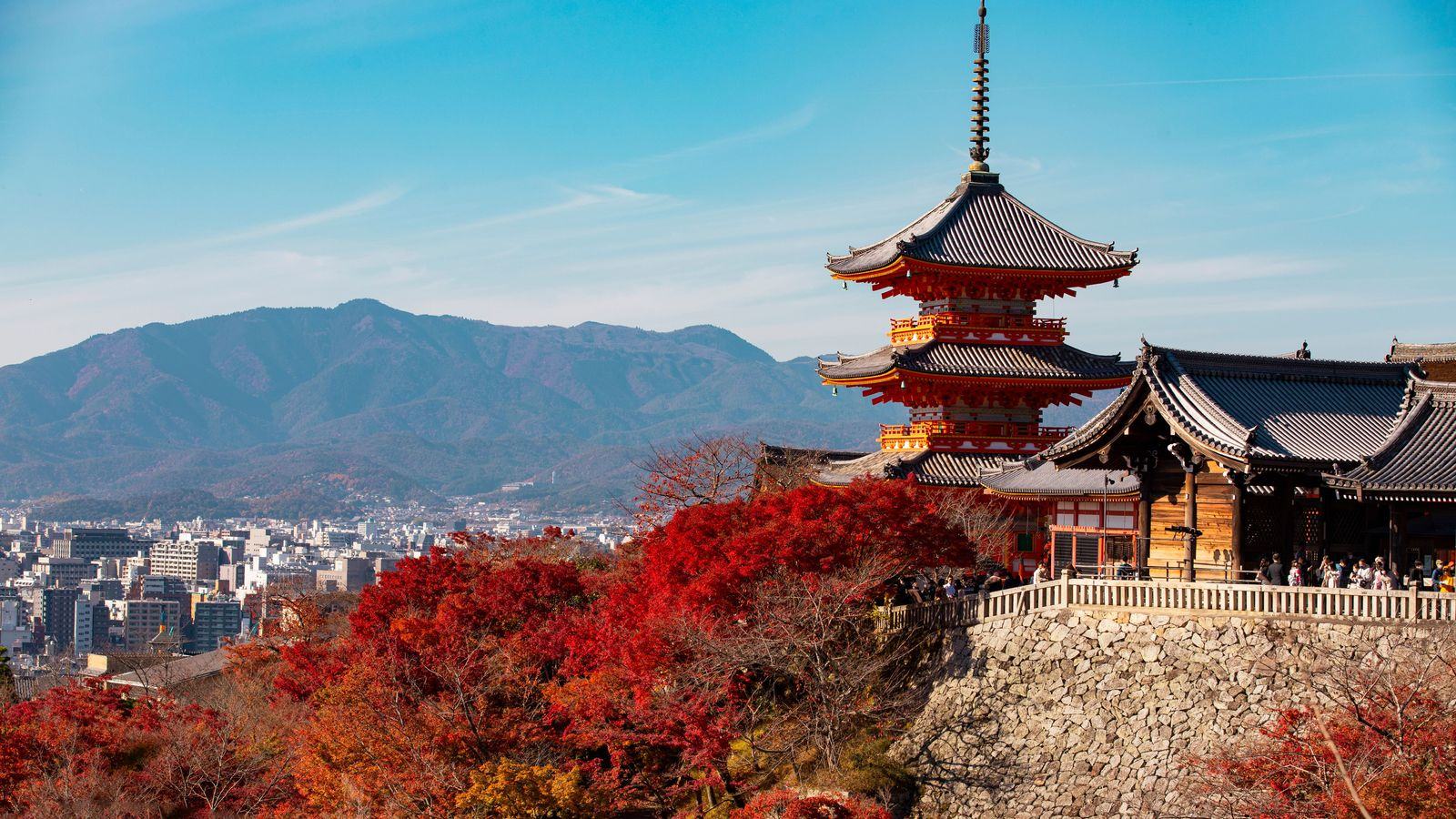
- Kiyomizu-dera and Ninenzaka. The slopes up to the temple are pedestrian streets. Cars stop on Higashioji-dori or at the approach car parks, and on peak autumn weekends the city has restricted turns into the Kiyomizu approaches and the roads around them for part of the day.
- Arashiyama. Togetsukyo Bridge and the bamboo grove area jam badly in cherry-blossom and maple seasons. An early start, before 08:30, changes the day. Hoshinoya Kyoto, upriver, is reached by the hotel's own boat from a landing near the bridge.
- Fushimi Inari. The shrine is best visited early morning; the chauffeur drops at the approach and waits nearby on an hourly booking.
For a full temple day, hourly chauffeur service is simpler than a chain of point-to-point rides. A typical plan is Kinkaku-ji and Ryoan-ji in the north-west, lunch downtown, then Nanzen-ji and the Philosopher's Path in the east. The car moves you between districts that are 20 to 40 minutes apart by road; the walking you do on foot. See city tours and day trips for longer programmes.
Which vehicle suits Kyoto?
| Trip | Suggested class | Why |
|---|---|---|
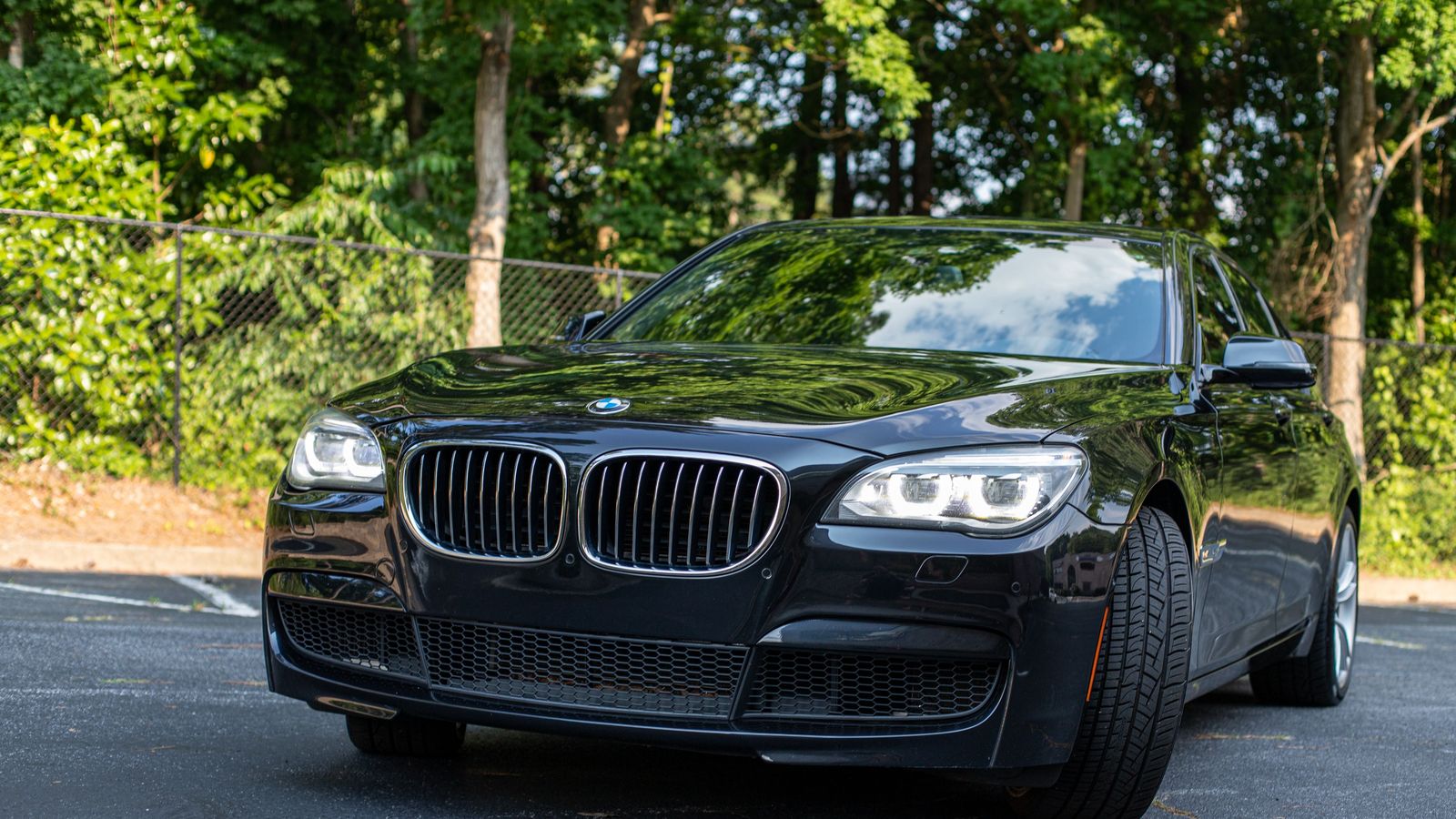
| Couple, two cases, Kansai to a downtown hotel | Business or Luxury Executive Sedan | Narrow streets, easy kerbside stops |
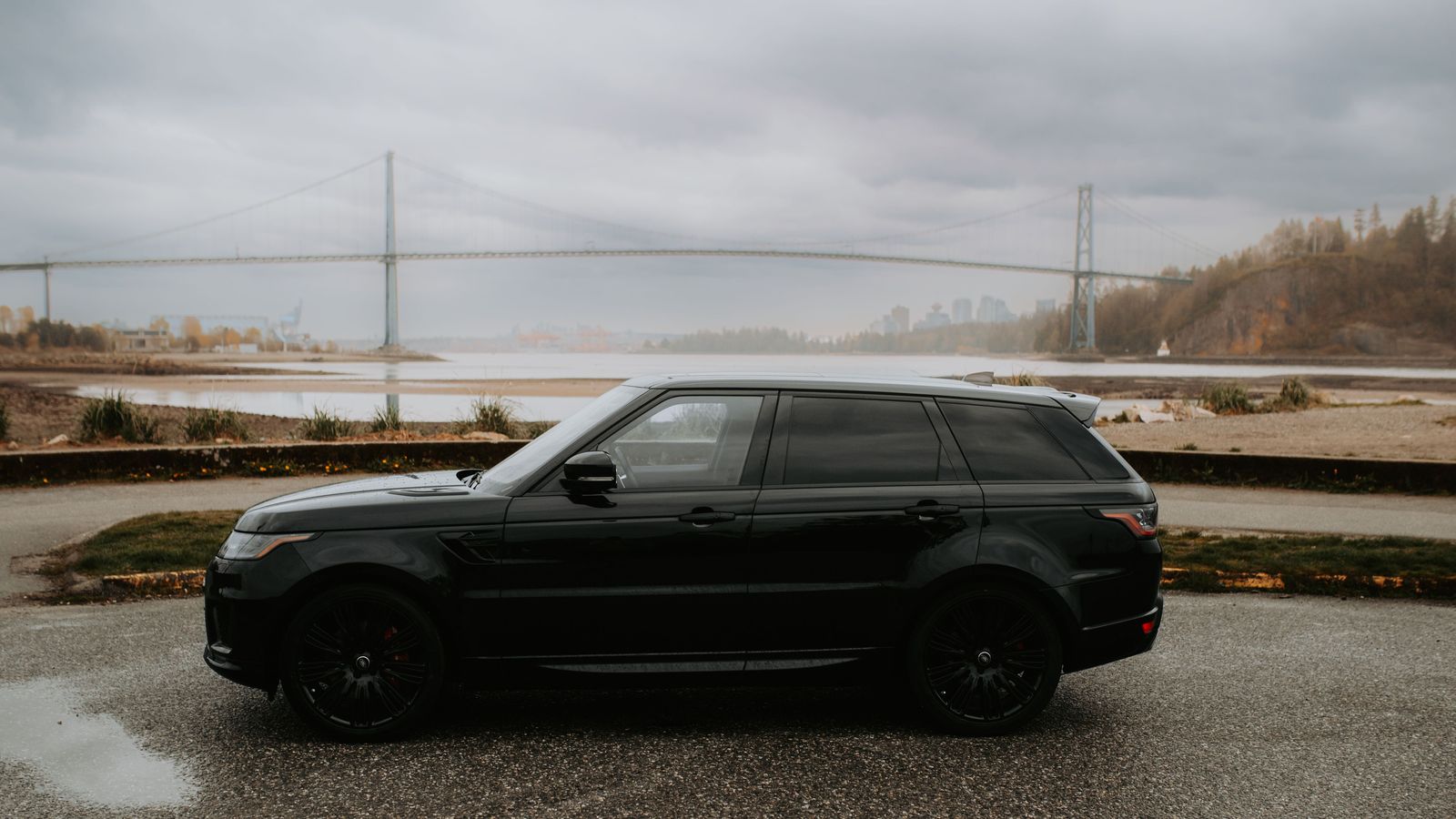
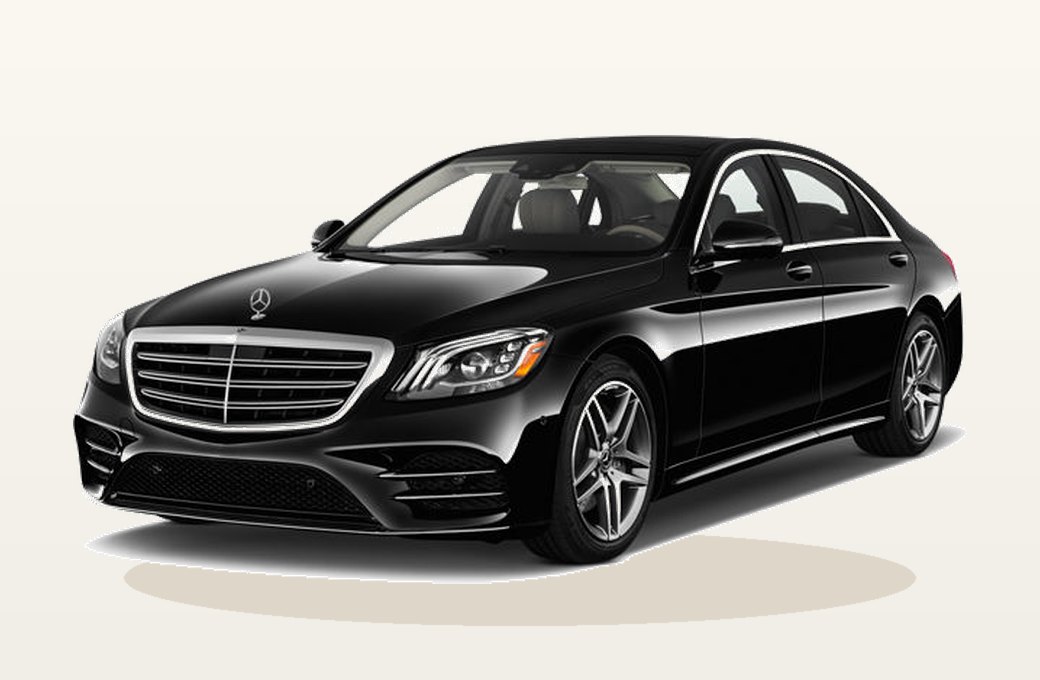
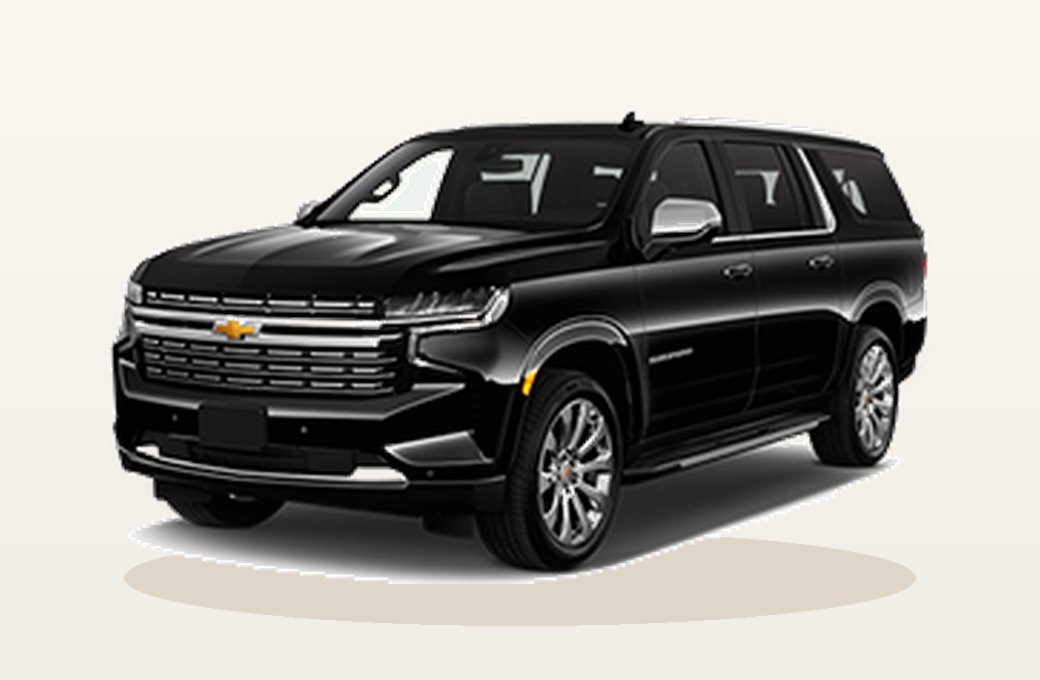
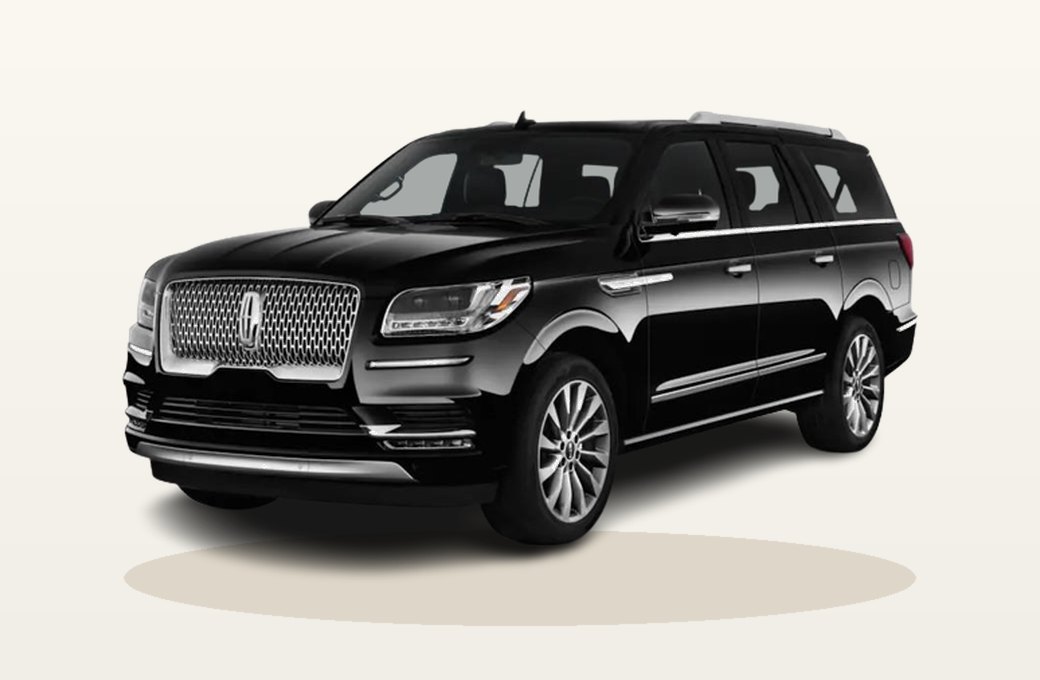
| Family of four, four large cases | Executive SUV or Standard Black SUV | Japanese hotels rarely store oversized bags at the kerb |
| Temple day for six friends | Standard Black SUV | One vehicle, short hops between districts |
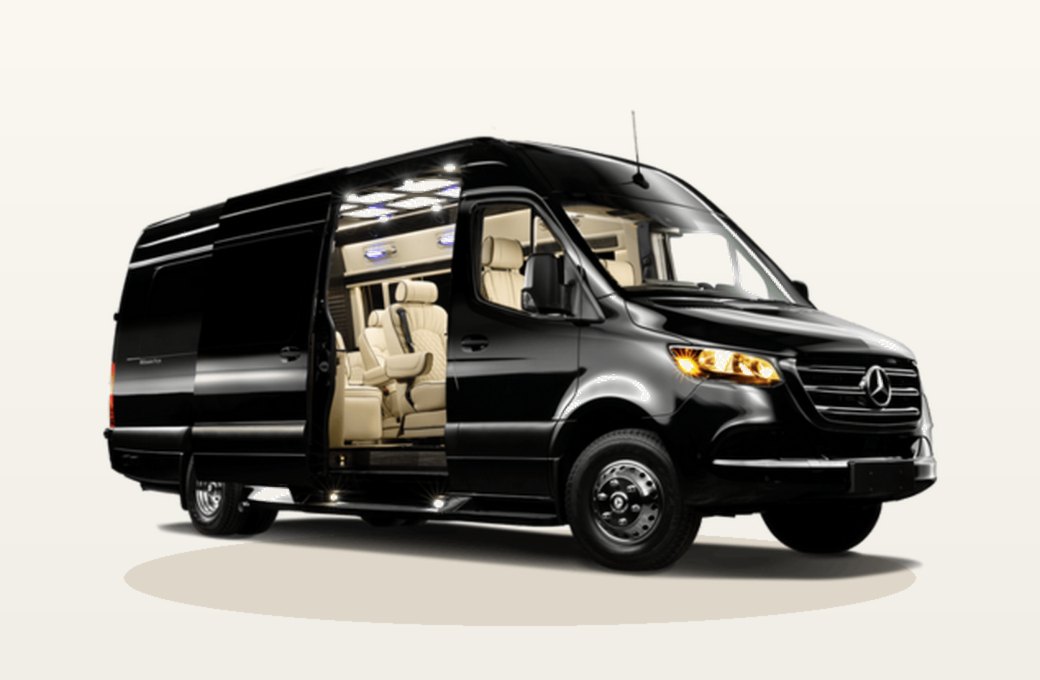
| Corporate group to ICC Kyoto | Sprinter Van or minicoach | Planned by a coordinator |
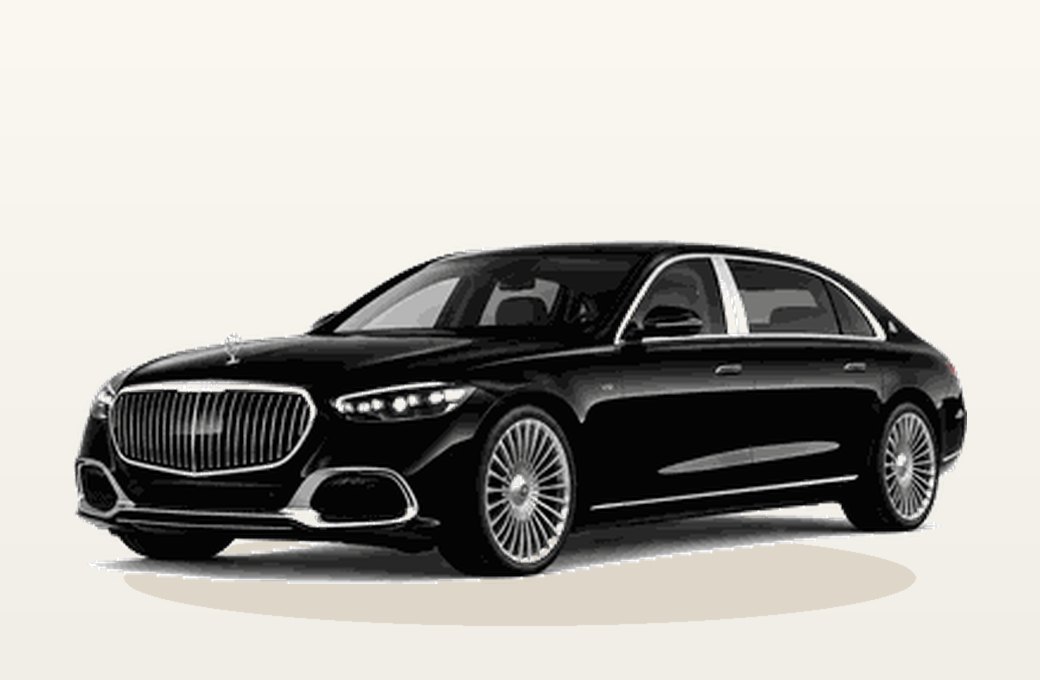
| Wedding at a Higashiyama venue | Rolls-Royce or Maybach (partner) | Subject to street access |
| Principal with a security profile | Armoured sedan (partner) | Only after a risk assessment |
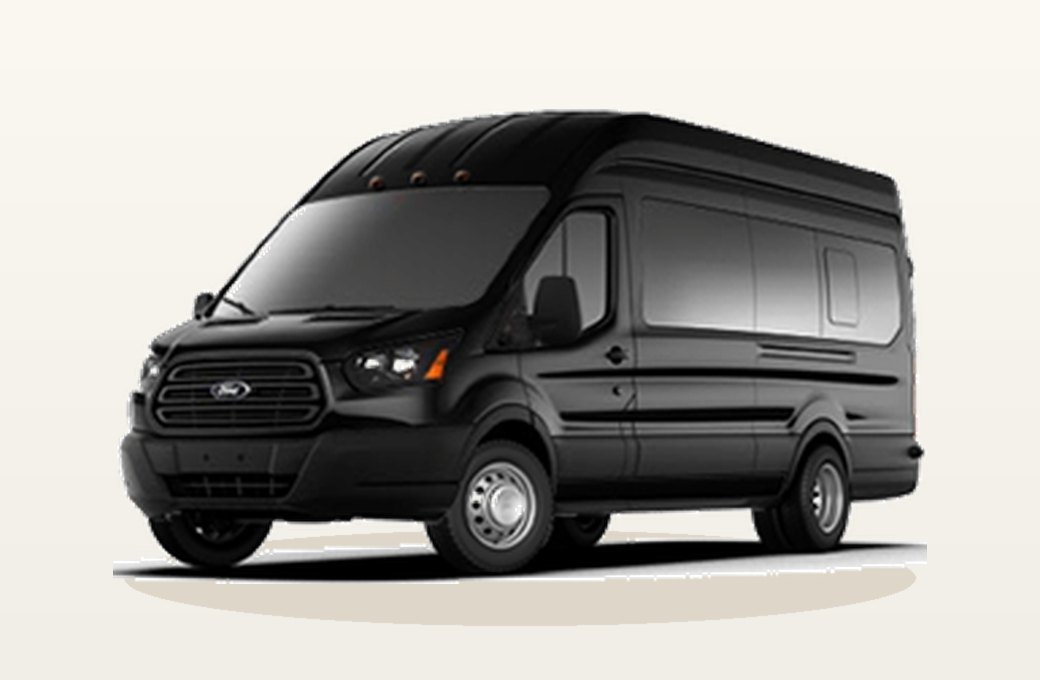
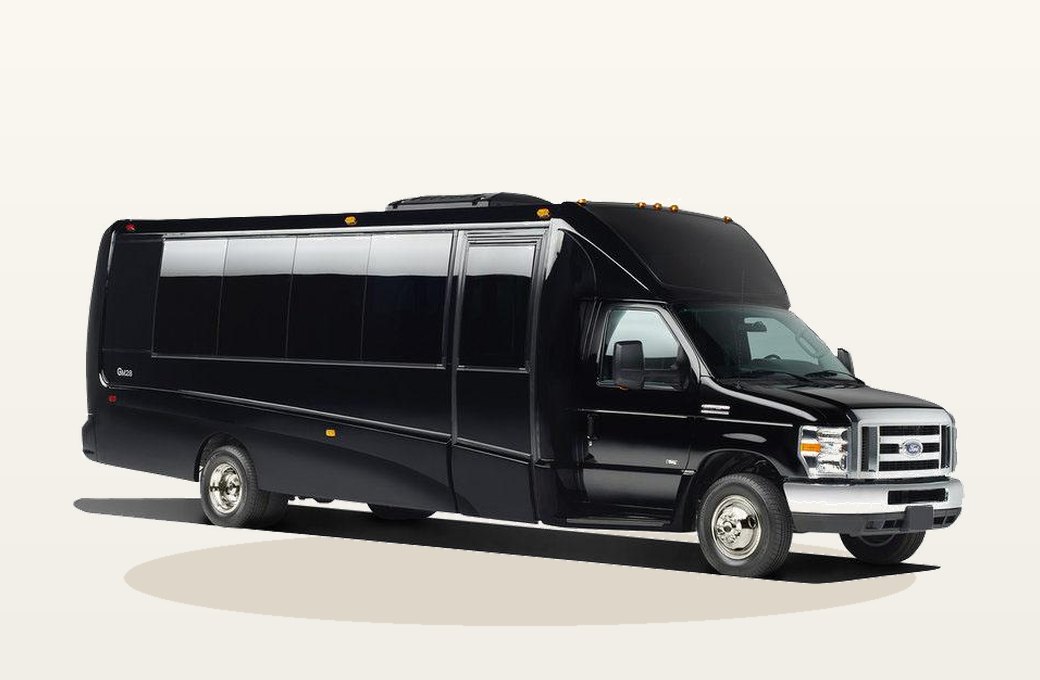
Every affiliate vehicle is four model years old or younger; only Rolls-Royce, Maybach and Bentley are accepted up to seven. The full line-up is on the fleet page.
Hotels, venues and the business side of Kyoto
Kyoto's luxury hotels are spread out. The Ritz-Carlton Kyoto faces the Kamo River at Nijo-ohashi; Hotel The Mitsui Kyoto is beside Nijo Castle; the Four Seasons Hotel Kyoto and Six Senses Kyoto are in Higashiyama; the Park Hyatt Kyoto overlooks Ninenzaka; and Aman Kyoto is hidden in the forest at Takagamine in the north. Travel time between the Aman and Kyoto Station is typically 30 to 45 minutes.
Business travel centres on the Karasuma corridor between Kyoto Station and Karasuma-Oike, where banks, offices and business hotels cluster. Major conferences use the Kyoto International Conference Center (ICC Kyoto) at Takaragaike in the north, about 30 to 40 minutes from the station by road, and Miyako Messe in Okazaki, next to Heian Shrine and the ROHM Theatre. Delegations and incentive groups are event transportation jobs: planned by a coordinator and confirmed in writing. Football fans heading to Sanga Stadium by Kyocera in Kameoka should allow 35 to 50 minutes from central Kyoto.
When is Kyoto busiest?
Traffic in Kyoto follows the calendar more than the rush hour. Book early for these periods:
- Late March to early April: cherry blossom, when Maruyama Park, the Philosopher's Path and Arashiyama fill.
- 15 May: Aoi Matsuri procession from the Imperial Palace to the Shimogamo and Kamigamo shrines.
- July: Gion Matsuri all month, with the great float processions on 17 and 24 July and road closures downtown on those mornings.
- 16 August: Gozan no Okuribi, the bonfires on the mountains, with heavy evening traffic.
- 22 October: Jidai Matsuri, the Festival of the Ages.
- Mid to late November: autumn leaves, the busiest weeks of the year in Higashiyama and Arashiyama.
- 1 to 3 January: New Year visits, when Fushimi Inari and Yasaka Shrine are packed.
Dates for festivals are fixed by tradition, but event programmes change; check the official Kyoto City tourism site before you travel.
Day trips and intercity routes from Kyoto
| Destination | Distance | Typical drive |
|---|---|---|
| Osaka (Umeda or Namba) | 45-55 km | 50-75 min |
| Nara (Todai-ji) | 45 km | 60-75 min |
| Kobe (Sannomiya) | 75 km | 70-100 min |
| Otsu and Lake Biwa | 15 km | 25-40 min |
| Himeji Castle | 130 km | 1 h 45-2 h 15 |
| Amanohashidate | 120 km | 2-2 h 30 |
| Nagoya | 140 km | 1 h 50-2 h 30 |
For the Osaka end see chauffeur service in Osaka, and for the port city see Kobe. Many itineraries continue east to Nagoya by Shinkansen. Longer transfers are booked as intercity transfers.
Driving in Kyoto: rules and realities
Japan drives on the left, and Kyoto's grid of numbered streets (Shijo, Gojo, Nijo) makes navigation easier than it looks. Buses dominate the central streets, and some kerb lanes are for buses at set hours. Expressway tolls are paid electronically by ETC cards in the vehicle. Parking near the temples is scarce, which is why the chauffeur drops you at the approach and repositions to a car park rather than waiting at the gate. Snow is rare in the city but can close the northern mountain roads towards Kurama and Ohara on winter mornings.
Arriving in Japan: entry notes
Many nationalities can enter Japan without a visa for short tourist or business stays; check the rules for your passport with the Ministry of Foreign Affairs. Completing Visit Japan Web before you fly gives you QR codes for immigration and customs at Kansai and speeds up the arrivals process. The government has announced plans for an electronic travel authorisation, JESTA, later in the decade; it is not in force yet. Kyoto City also raised its accommodation tax on 1 March 2026, with a sliding scale by room rate that reaches 10,000 yen per person per night at the top end; hotels collect it at check-out. The Kansai airport operator's site at kansai-airport.or.jp carries live terminal and flight information, and JR West publishes Shinkansen and Haruka timetables.
Corporate travel and groups in Kyoto
Companies that send people to Kyoto for research partnerships, manufacturing visits or incentive trips can move the bookings onto a corporate account: monthly invoicing, cost centres, booker and traveller profiles and duty-of-care trip data, with a named coordinator. Travel managers who also book hotels and flights can use our travel desk. Guests of high profile are covered under VIP chauffeur service. All of Japan's covered cities are listed on the Japan country page.