









BlaakLane.com provides chauffeur service in Niseko, mainly private transfers between New Chitose Airport (CTS) and the ski villages of Grand Hirafu, Hanazono, Niseko Village, Annupuri and Moiwa. You enter the flight, the lodge address and the vehicle, and the booking engine shows one fixed fare. The drive takes about 2 to 3 hours in winter and is run by a vetted Hokkaido affiliate named on your confirmation.
How do you book a Niseko transfer from New Chitose?
Put your flight number in the pickup field of the booking engine on this page or at /book/, then add the chalet, hotel or apartment in Niseko as the drop-off. Pick a vehicle class, and the fixed price you see covers the chauffeur, fuel and the included waiting. It does not rise on a powder day or during Chinese New Year. Our 24/7 desk in Toronto passes the job to a vetted local operator contracted to the BlaakLane.com standard, and the confirmation names that operator, the chauffeur and the car.
Ski groups with several vehicles, a family arriving on staggered flights or a corporate retreat at one of the Hanazono or Higashiyama hotels are planned by a coordinator and confirmed in writing, including where bags and board cases go.
Where does the chauffeur meet you at CTS?
New Chitose has a domestic terminal and an international terminal joined by a connecting building. Standard pickup is curbside at the airport's designated pre-arranged pickup area outside arrivals; the chauffeur messages the exact bay once your flight is on the ground. A meet and greet in the arrivals hall with a name board is an add-on, and add-ons are only available in selected locations. Flight tracking is standard, so the car is timed to the real landing. Waiting included is 60 minutes on international arrivals and 30 minutes on domestic flights such as a connection from Haneda, then 15-minute blocks. More detail is on our New Chitose airport page.
How long is the drive to each Niseko village?
| From | To | Typical distance | Winter time range |
|---|---|---|---|
| CTS | Grand Hirafu | about 110 km | 2 h to 2 h 45 |
| CTS | Hanazono | about 115 km | 2 h 10 to 3 h |
| CTS | Niseko Village (Higashiyama) | about 115 km | 2 h 10 to 3 h |
| CTS | Annupuri or Moiwa | about 120 km | 2 h 15 to 3 h |
| Hirafu | Rusutsu | about 25 km | 35 to 50 min |
| Hirafu | Otaru | about 65 km | 1 h 15 to 1 h 45 |
| Hirafu | Sapporo city centre | about 100 km | 2 h to 2 h 45 |
Summer runs are 20 to 30 minutes quicker. A heavy snowfall or a whiteout on the mountain passes can add an hour; your fare stays the same.
Winter roads: what makes Hokkaido driving different
Japan drives on the left, and every car on this route runs studless winter tyres from late autumn to spring. The usual routes cross the Nakayama Pass on Route 230 via Sapporo, or go by the Shikotsu lake area and Route 276, depending on conditions that morning. Both climb through forest where snow can fall hard, visibility drops quickly and the police sometimes close sections. Chauffeurs on this work know the passes, check road reports before leaving and will choose the safer route over the faster one.
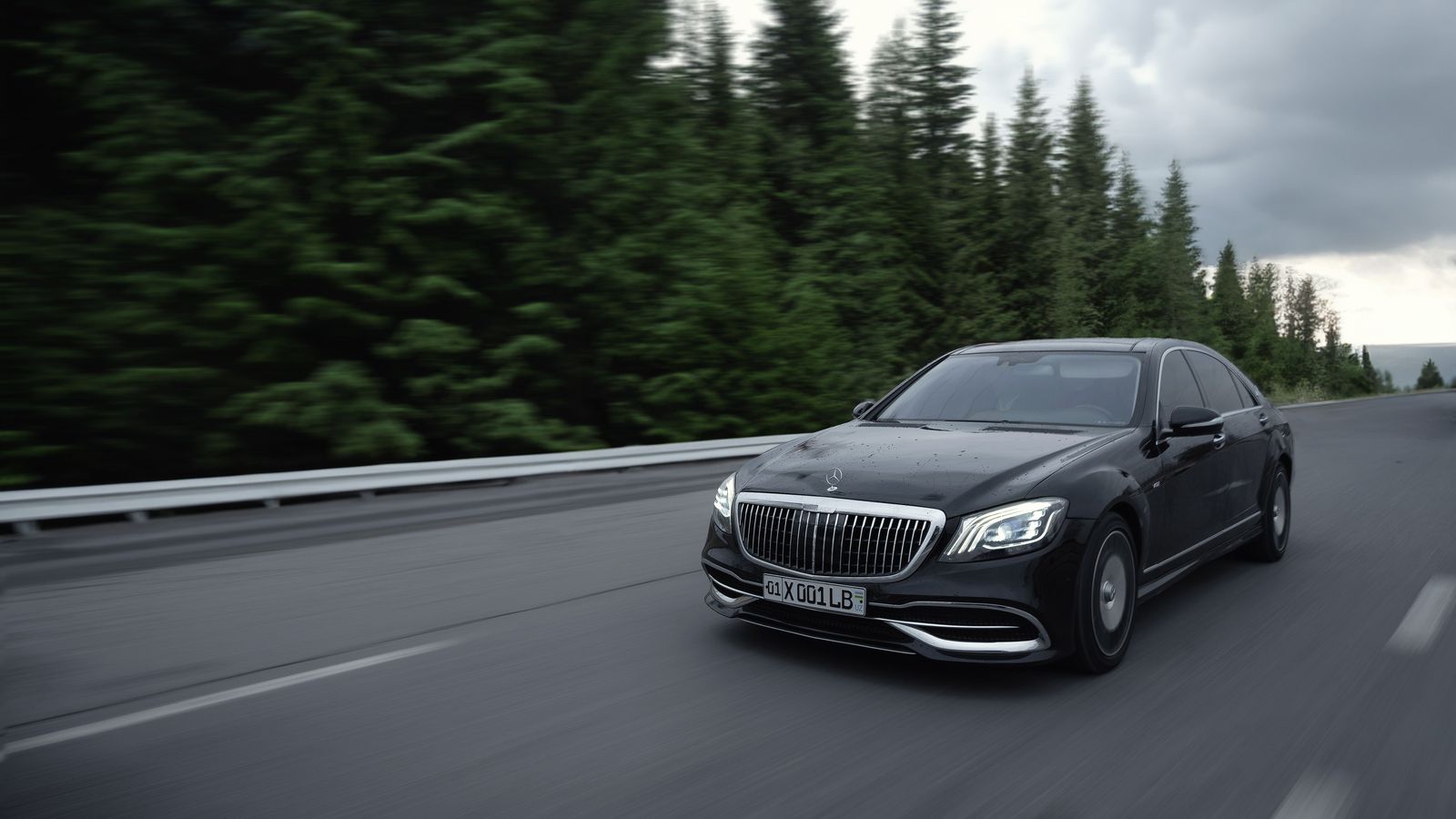
For this reason an executive SUV with four-wheel drive is our usual recommendation in winter, and it takes skis and snowboard bags more easily than a sedan. Groups of five or more with gear fit a Standard Black SUV or Sprinter Van. See the fleet for every class; each vehicle is four model years old or younger.
The villages, the lodges and Kutchan
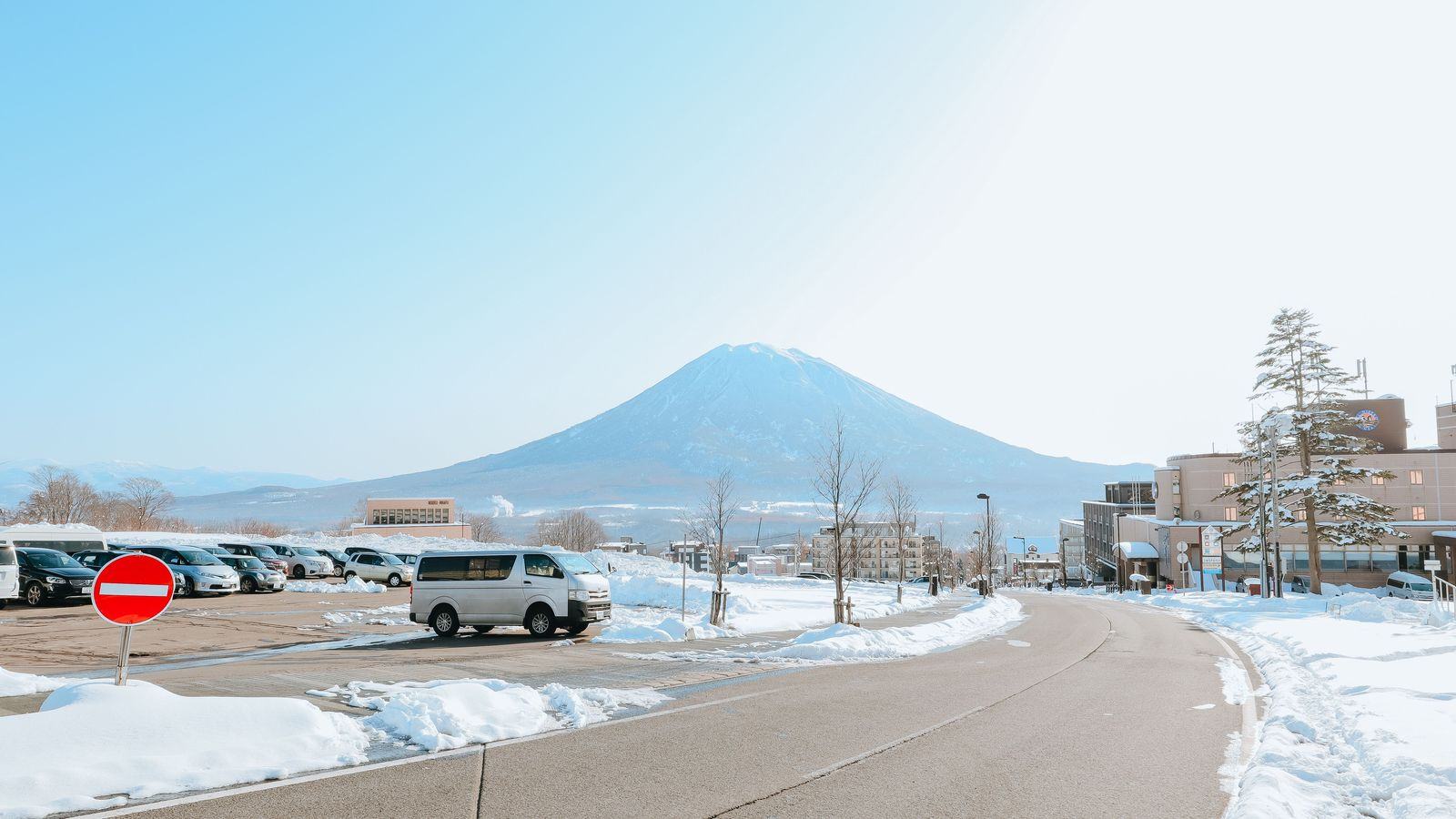
Grand Hirafu is the largest village, with the most restaurants and apartments. Hanazono, on the same mountain, is home to the Park Hyatt Niseko Hanazono. Niseko Village at Higashiyama has the Hilton Niseko Village and the Ritz-Carlton Reserve, and Annupuri and Moiwa are quieter on the western side. Kutchan, the town below Hirafu, has the supermarkets, clinics and the JR station. Mount Yotei, the volcano opposite the ski area, dominates every view. An hourly chauffeur is useful for a dinner crawl between villages, where the lane network between lodges is narrow and snowbanked.
When is the Niseko season?
Lifts usually open in early December and run into early April, with the deepest powder in January and February. The busiest weeks are Christmas to New Year, Chinese New Year (late January or February) and Japanese school holidays. Book those dates early: vehicles and chauffeurs on this long route are committed weeks ahead. Summer brings rafting on the Shiribetsu River, golf, cycling and hikes on Mount Yotei, and the drive becomes a scenic day out. The Hokkaido Tourism Organization lists regional events.
Arriving in Japan through CTS
Many nationalities, including US, Canadian, British and Australian passport holders, can make short visits to Japan without a visa. Registering on Visit Japan Web before the flight gives you QR codes for immigration and customs at CTS. Ski and golf equipment is normally declared only if it exceeds allowances; ask your airline about oversize baggage. The international wait of 60 minutes covers a normal immigration and baggage queue at the international terminal.
Rail and the Shinkansen question
JR Kutchan and JR Niseko stations sit on the Hakodate Main Line. By train from the airport you usually change in Sapporo or Otaru, which with luggage and a connection takes longer than the car. The Hokkaido Shinkansen extension to Sapporo, with a planned Kutchan stop, is under construction and has been delayed beyond its original 2030 target; check JR Hokkaido for current services.
Other trips from Niseko
- Rusutsu Resort for a day on different terrain, and Lake Toya for onsen and views.
- Otaru's canal district and sushi counters, as a stop on the way back to the airport.
- Sapporo for the Snow Festival, usually in early February, or a business meeting.
- Private jets use CTS, and our private aviation desk arranges ramp access where the handling agent allows.
Intercity runs are booked at a fixed fare through intercity transfers; what fares include is on rates. Travellers going on to Tokyo usually fly from CTS to Haneda.
Villa stays, retreats and private groups
Many Niseko visitors rent a whole chalet for a week, and the car becomes part of the plan: an arrival transfer, a supermarket run in Kutchan, dinners in Hirafu and a transfer back to CTS. Book each leg separately or ask for an hourly block on busy evenings. Company retreats and ski clubs moving 10 to 30 people use a mix of vans and minicoaches, with a separate vehicle for bags and equipment when the group is large; a coordinator plans the timings and confirms them in writing. Families with small children can request child seats, free of charge in most cities. Put the lodge's exact name and access notes in the booking, because many chalets sit on unnamed lanes that are hard to find under deep snow at night.