








A New Chitose airport transfer with BlaakLane.com is booked at a fixed fare before you travel. Enter your flight, your Sapporo hotel or ski resort and a vehicle class; a vetted local chauffeur is timed to the actual landing and meets you at CTS's designated pick-up area, with 30 minutes' free waiting on domestic flights and 60 on international arrivals.
How to book a New Chitose airport transfer
Choose New Chitose (CTS) in the reservation engine on this page or on book. Add your flight number, destination and vehicle, then list your luggage, including skis, snowboards and boot bags, so the operator sends a car that fits. The fare shown is fixed for the transfer as booked. Child seats are free on request.
Hokkaido trips are driven by a vetted local affiliate from the LimousineWorldwide.Directory network, held to the BlaakLane.com written standard and dispatched by our 24/7 desk in Toronto. The confirmation names the operator, chauffeur and vehicle.
Hokkaido's main gateway
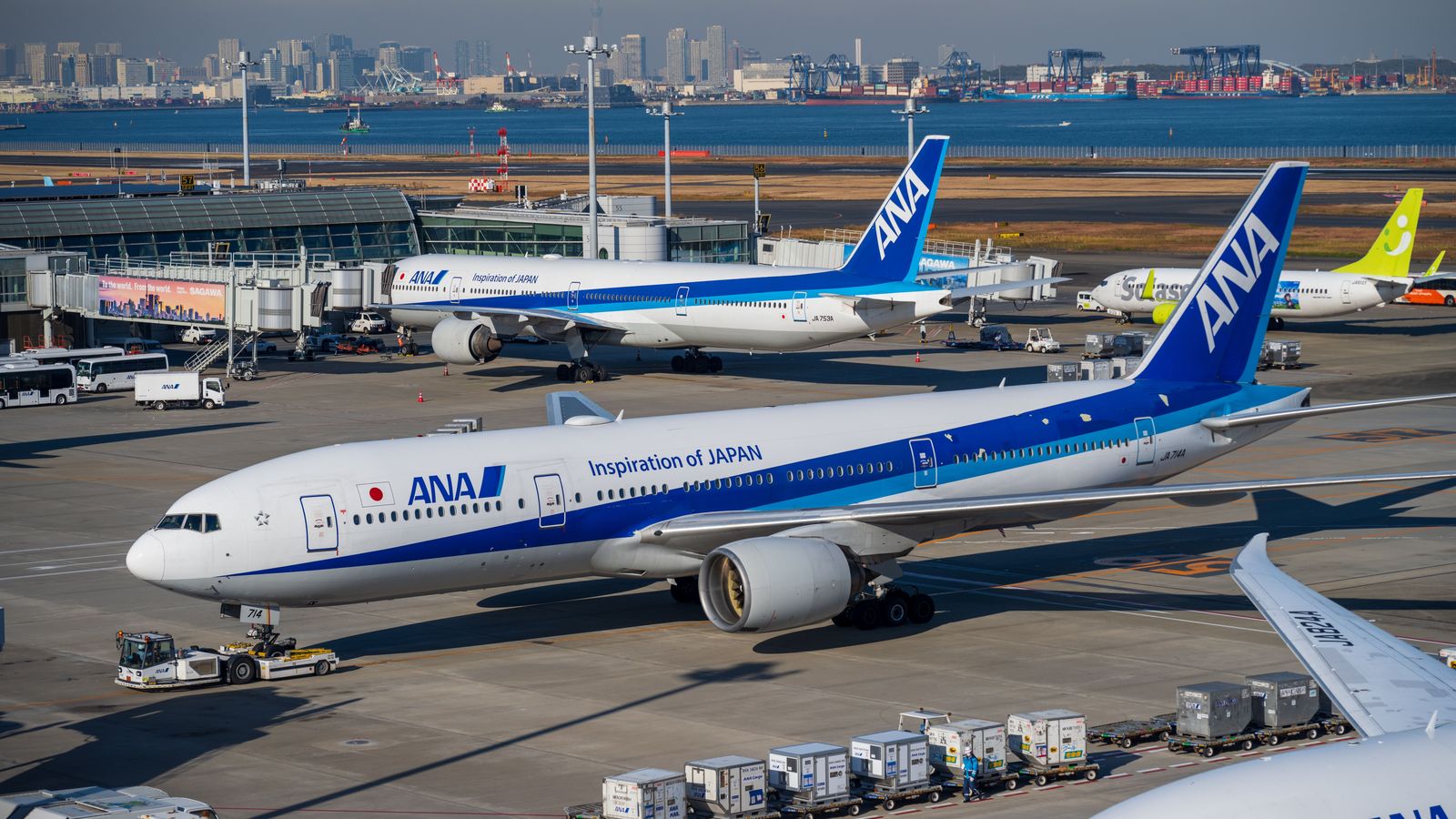
New Chitose Airport lies in Chitose, about 45 km south-east of Sapporo, and is run by Hokkaido Airports. The domestic terminal is one of Japan's busiest, with the Tokyo Haneda route among the most-flown in the world, plus flights to Osaka, Nagoya, Fukuoka and Okinawa. The international terminal, connected by a walkway, handles flights from Korea, Taiwan, China, Hong Kong and South-East Asia. For Osaka's domestic airport, see Itami transfers.
Where you meet the chauffeur
Standard pickup is curbside at the zone New Chitose designates for hired and pre-arranged cars outside your terminal. When you have your bags, and your ski bags from the oversize belt, message the chauffeur for the exact door. The chauffeur stays with the vehicle by default.
A name-board greeting at the arrivals gate is available as a meet and greet add-on. Add-ons are only available in selected locations, and the booking engine shows whether it applies at CTS on your date.
Drive times from New Chitose
Distances in Hokkaido are long, and winter changes everything. Summer times are shown first; in heavy snow allow considerably more.
| Destination | Summer | Winter guide |
|---|---|---|
| Sapporo Station and Susukino | 50-70 minutes | 60-100 minutes |
| Lake Shikotsu | 35-45 minutes | 45-70 minutes |
| Noboribetsu Onsen | 50-70 minutes | 60-90 minutes |
| Otaru | 70-90 minutes | 90-120 minutes |
| Rusutsu | 1.5-2 hours | 2-2.5 hours |
| Niseko (Hirafu) | 2-2.5 hours | 2.5-3.5 hours |
| Hoshino Resorts Tomamu | 1.5-2 hours | 2-2.5 hours |
| Furano | 2-2.5 hours | 2.5-3 hours |
| Asahikawa | 2-2.5 hours | 2.5-3.5 hours |
Japan drives on the left. Most Sapporo runs use the Do-O Expressway; routes to Niseko cross mountain passes where snow and ice are routine from December to March, and studless winter tyres are standard practice across Hokkaido in the cold season.
Rail from the airport
JR Hokkaido's Rapid Airport train leaves from New Chitose Airport Station beneath the domestic terminal and reaches Sapporo Station in about 40 minutes, with some services continuing to Otaru. It is quick and frequent. Where a car helps most is the resort run: getting to Niseko or Rusutsu by rail and bus involves changes and luggage hauling, while a car goes door to door with the ski bags in the back.
Which vehicle for Hokkaido?
- Standard Sedan: two people with two cases, fine for a summer business trip to Sapporo.
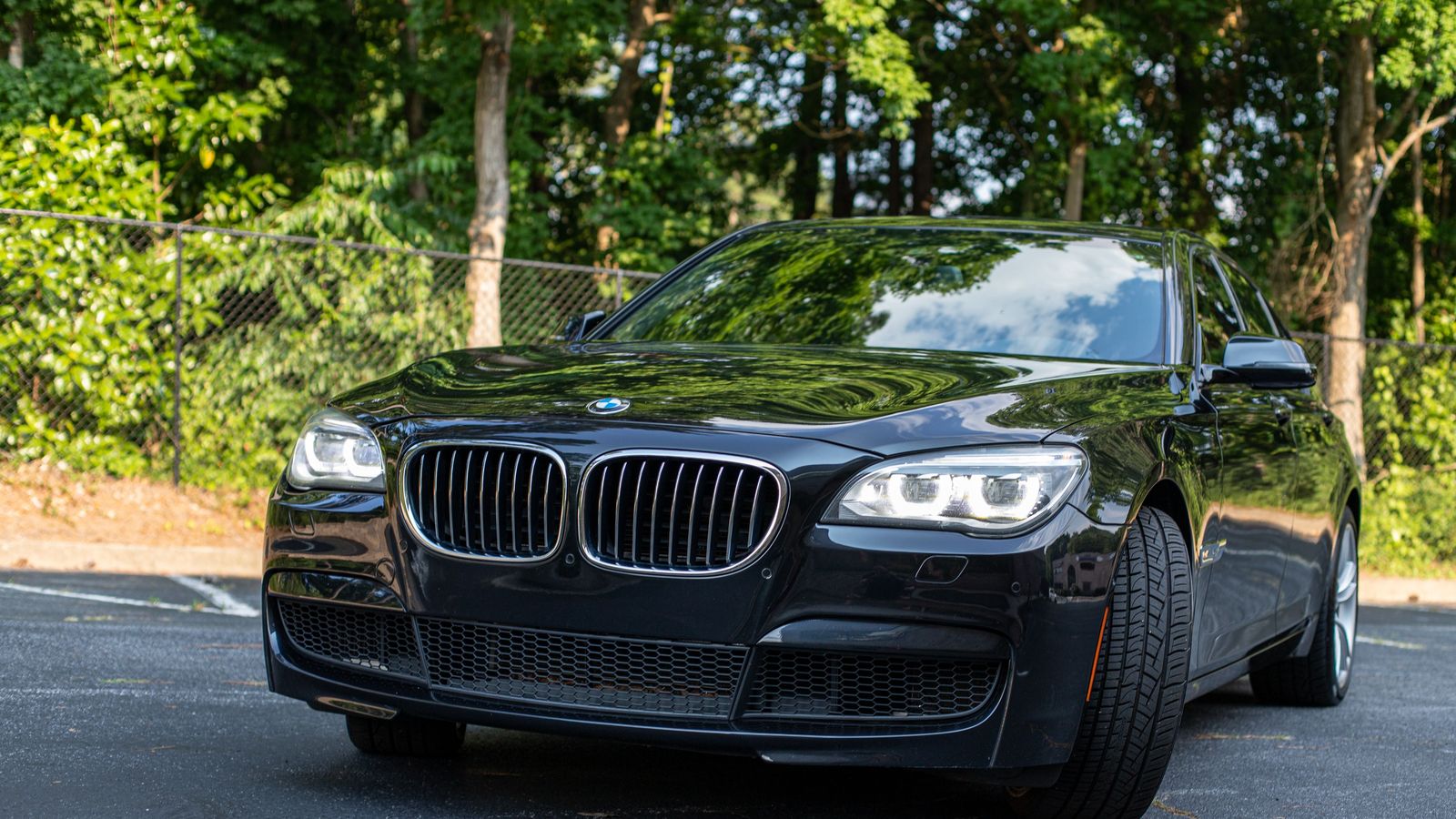
- Luxury Executive Sedan: S-Class class for executives visiting Sapporo's Odori offices.
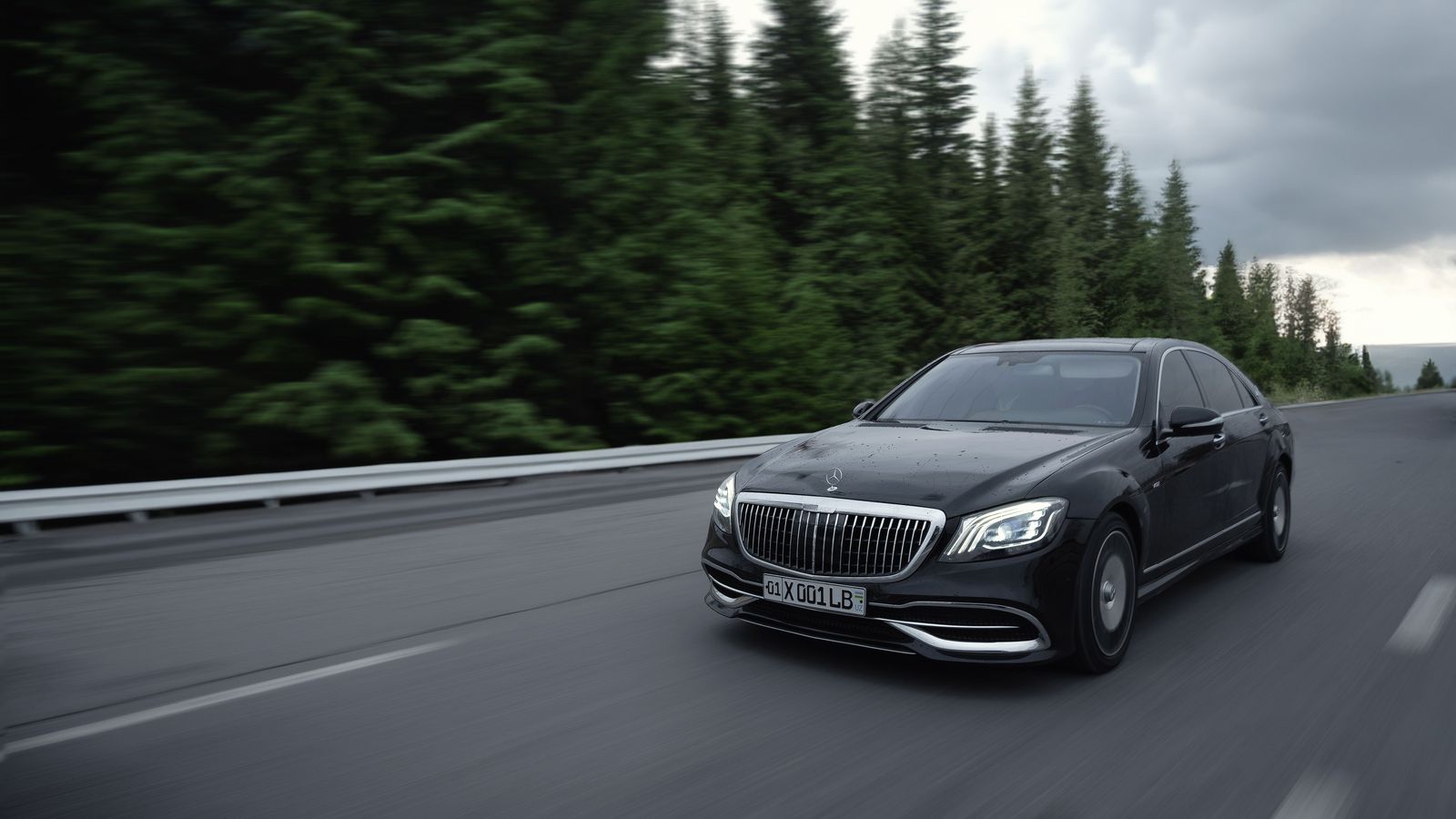
- Executive First Class Sedan (Maybach): VIP guests, subject to local availability.
- Standard Black SUV: six passengers and six bags, the usual choice for a family ski trip.
- Executive Black SUV: the same room with a premium finish.
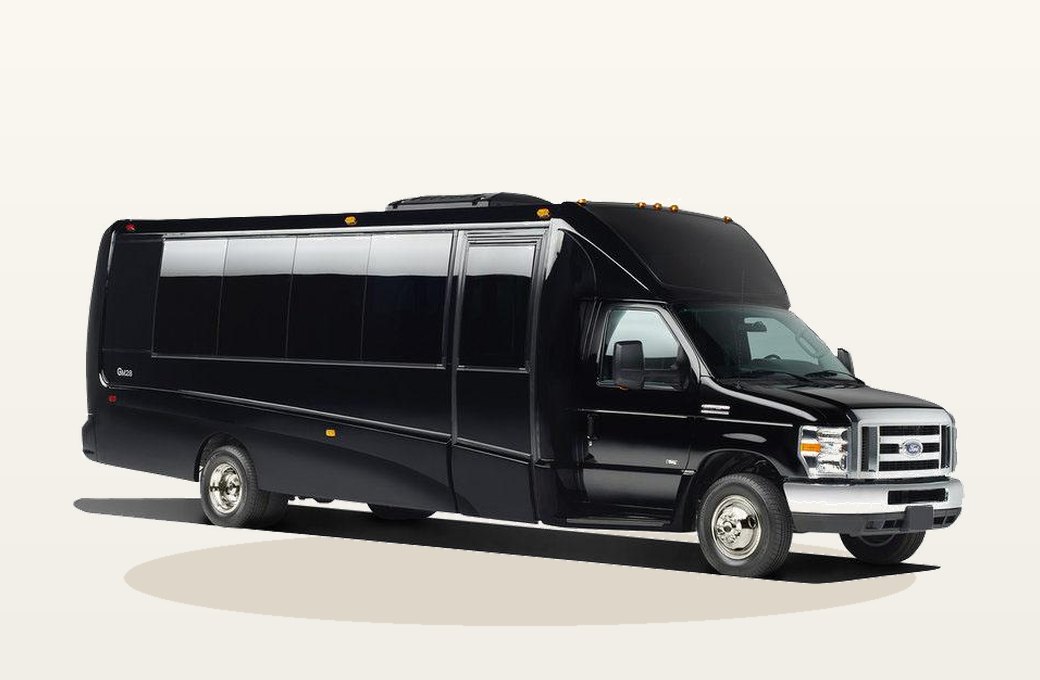
- Sprinter Van: twelve passengers and twelve small bags, for ski groups; say how many board bags you carry.
- Sprinter Luxury Jet Van: seven passengers with carry-on only, so not for ski gear.
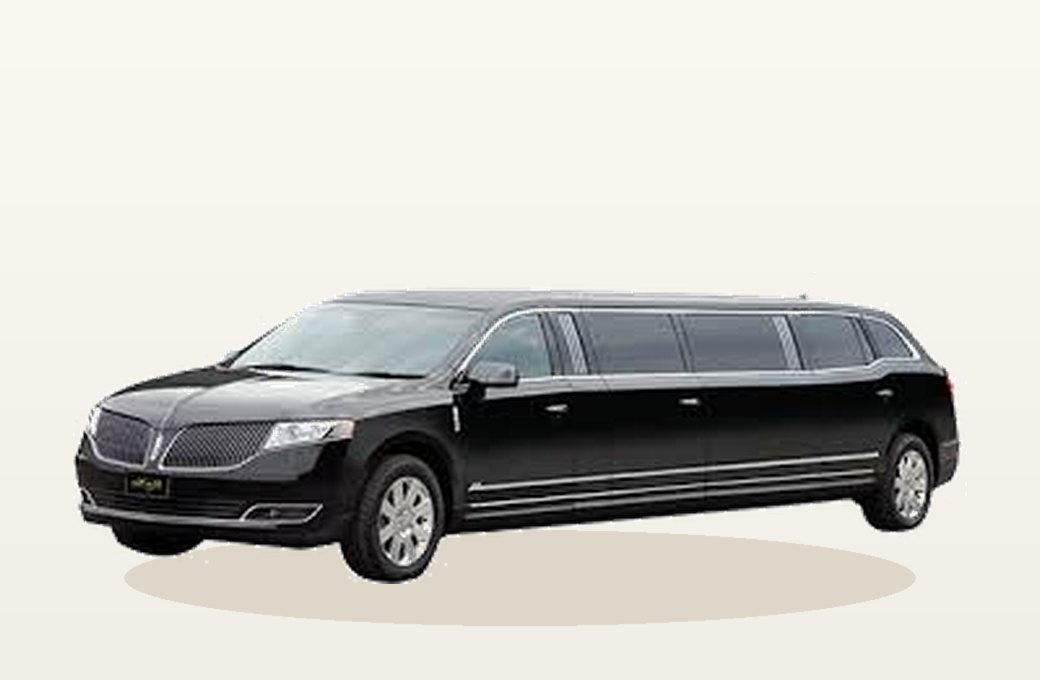
- Luxury Stretch Limo / Party Bus: Sapporo nights out rather than mountain roads.
Compare classes on the fleet and read what fares include on rates.
Onsen, lakes and the south-west coast
Not every New Chitose arrival is heading to Sapporo or the ski fields. Lake Shikotsu, with its lakeside ryokan, is one of the closest resort areas to the airport, and Noboribetsu's hot-spring town is about an hour south-west along the Do-O Expressway. Lake Toya, further along the same coast, is usually around 90 minutes to two hours away. These are easy fixed-fare transfers in any class, and families with several cases usually choose an SUV.
Seasons and events
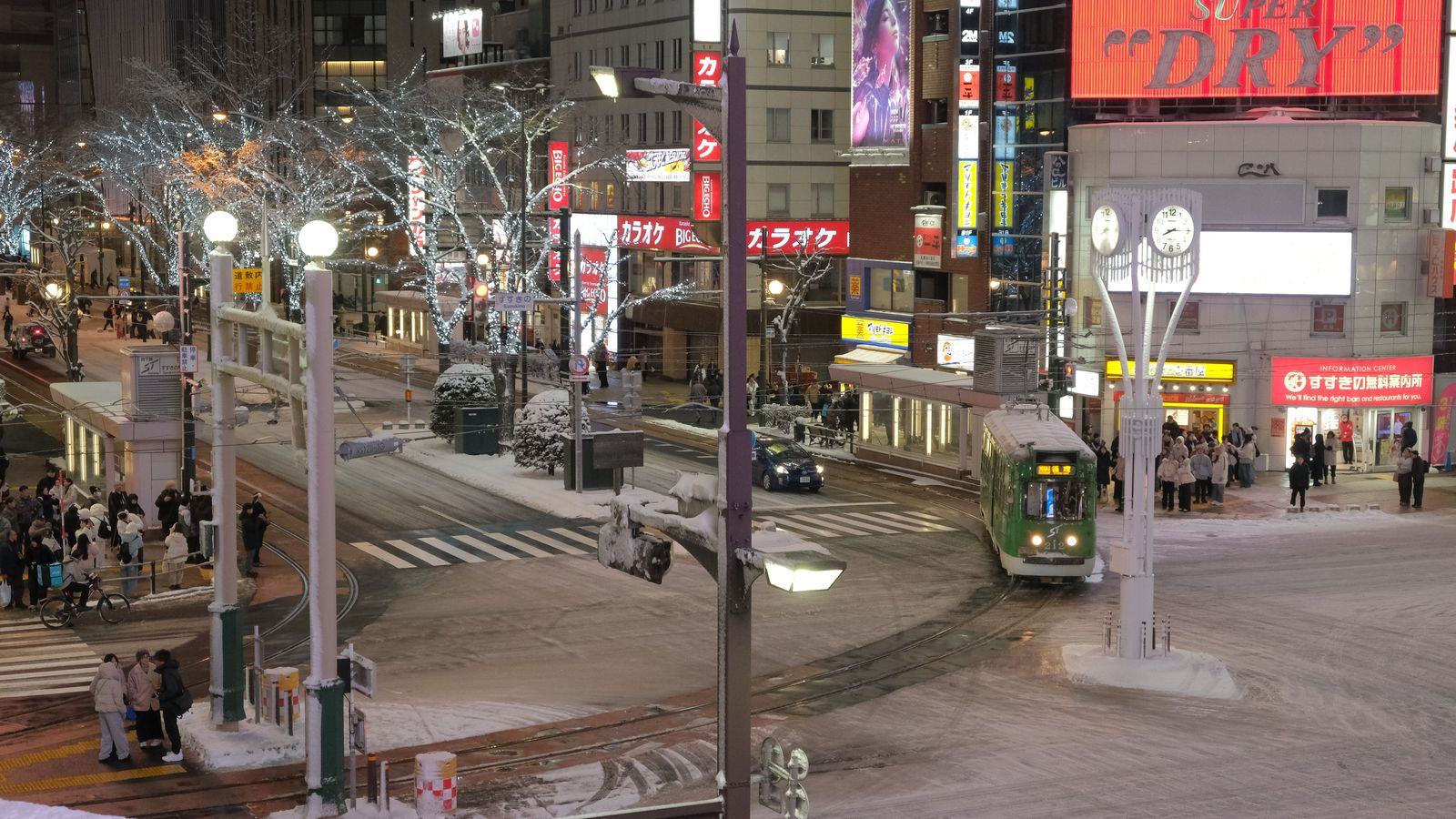
The ski season in Niseko, Rusutsu, Furano and Tomamu usually runs from December to early April, with the heaviest airport demand around the New Year and Lunar New Year holidays. The Sapporo Snow Festival is usually held in early February, when hotels and cars in the city book out early. Summer brings lavender season in Furano, usually in July. Book early for any of these periods.
Business travel to Sapporo
Sapporo is Hokkaido's commercial centre, with regional head offices around Odori Park and Sapporo Station, and a steady calendar of conferences at the Sapporo Convention Center. Executives flying in on the Haneda shuttle often need a car that goes straight from the terminal to a meeting, then on to a hotel in Susukino or Nakajima Park. A Luxury Executive Sedan handles that neatly, and a corporate account adds monthly invoicing, cost centres and traveller profiles. Multi-car movements for incentive groups or trade delegations are planned by a coordinator and confirmed in writing. For the Tokyo end of the trip, see Tokyo Haneda transfers.
Waiting, delays and winter weather
Every CTS flight is tracked, and snowstorms can delay or divert arrivals. Domestic flights include 30 minutes of waiting from actual landing and international arrivals include 60 minutes; after that, waiting is charged in 15-minute blocks. For a trip that becomes a day of touring, an hourly chauffeur (three-hour minimum) is an alternative. For the city itself see Sapporo chauffeur service, and for longer drives see intercity transfers.
Cancellation
Free cancellation more than 72 hours before pickup; 10 % at 72 hours or less; 50 % at 48 hours or less; 100 % at 24 hours or less or for a no-show. Wider Japan travel guidance is on the Japan National Tourism Organization site.