







A Narita airport transfer from BlaakLane.com costs a fixed fare you confirm up front. The chauffeur follows your flight into Terminal 1, 2 or 3, waits 60 minutes free from the actual landing on an international arrival, and meets you at the pickup area Narita assigns to pre-booked vehicles. The drive to central Tokyo usually takes 60 to 90 minutes.
Why book a car from Narita at all?
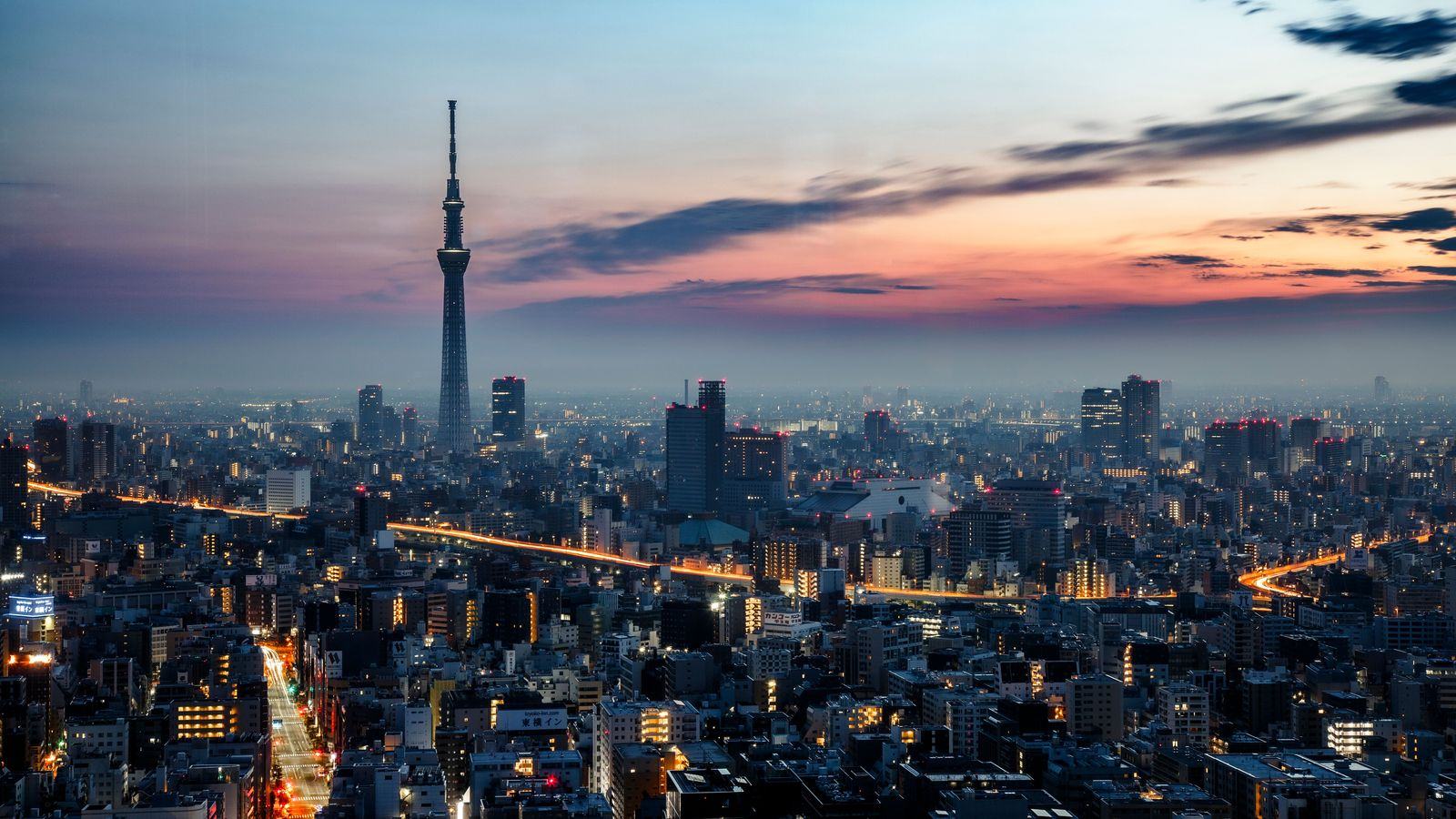
Narita is a long way from Tokyo, roughly 60 to 70 kilometres from Marunouchi, and the city's trains, though excellent, are built around commuters with little luggage space. Families, travellers with golf bags or ski gear, executives who want to work in the back seat, and anyone landing late or staying in the western wards often find a door-to-door car simpler. The price is fixed when you book, so a long queue on the Shuto Expressway does not change it.
How to reserve your Narita transfer
Enter Narita as the pickup in the reservation engine on this page or on book, add your flight number, and choose the hotel or address in Tokyo, Yokohama or Chiba. Select a class and you will see the full price. Add passenger names and a phone number that works in Japan; child seats are free on request. The trip is driven by a vetted local affiliate operator from the LimousineWorldwide.Directory network, contracted to the BlaakLane.com written standard, and your confirmation names the operator and chauffeur. The 24/7 reservations and dispatch desk is in Toronto.
Narita's three terminals
| Terminal | Typical airlines | Tip |
|---|---|---|
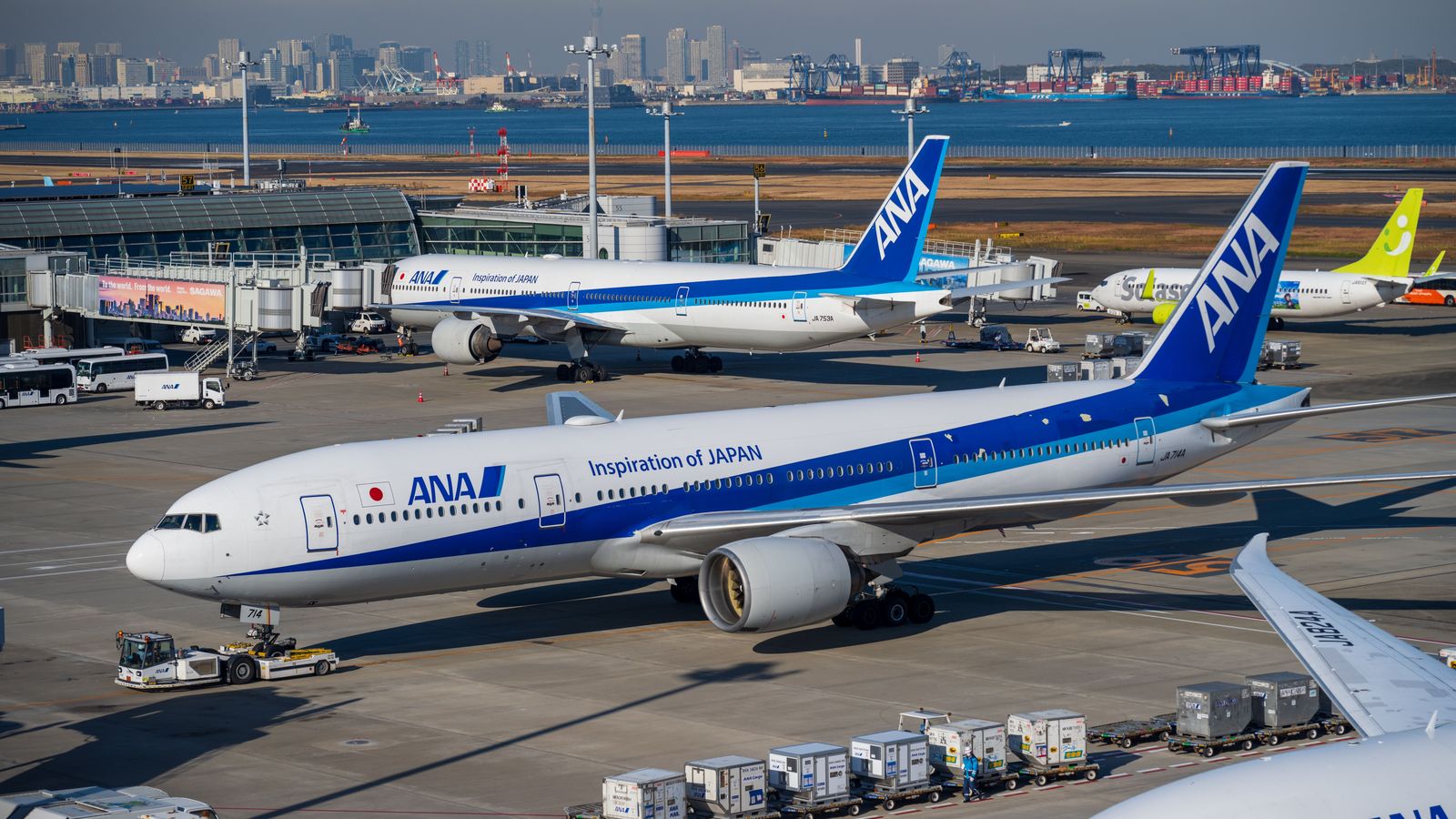
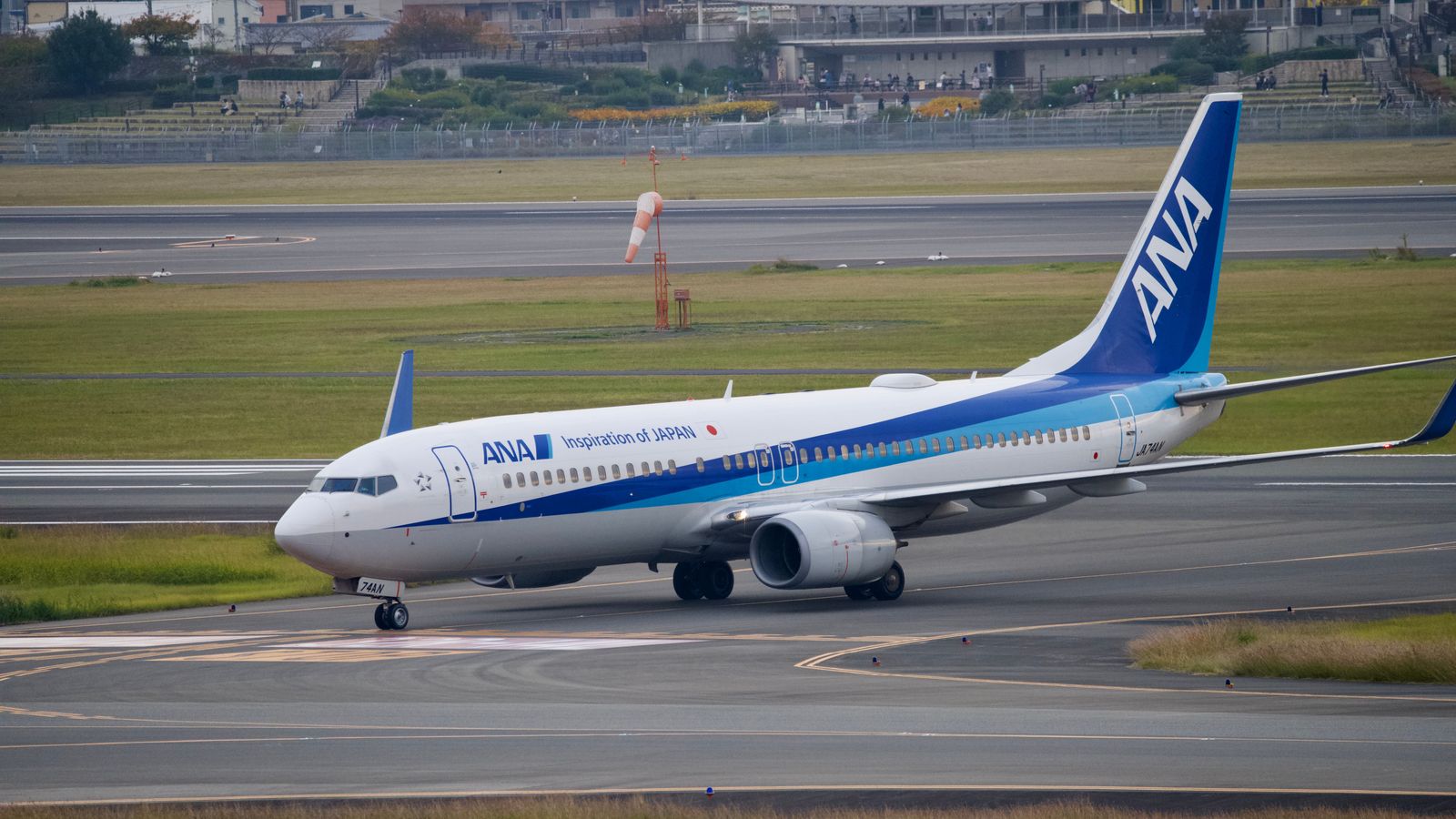
| Terminal 1 | Star Alliance and SkyTeam carriers, including ANA and many foreign airlines | Split into North and South wings |
| Terminal 2 | JAL, oneworld partners and several Asian carriers | Linked to T1 and T3 by free shuttle |
| Terminal 3 | Low-cost carriers | Walkway from T2; allow extra time |
Your flight number tells our system the terminal and, at Terminal 1, the wing. If your airline changes terminals, the booking follows the flight data.
Where will the chauffeur be waiting?
The standard service is curbside pickup at the area Narita designates for pre-arranged and private cars outside the arrivals level of your terminal. When you have your bags and have passed customs, message the chauffeur for the exact bus-stop number or bay. Japanese airports mark pickup points with numbered stops, which makes finding the car simple. The chauffeur does not wait inside the arrivals lobby by default; add meet and greet if you want a name board at the exit. Add-ons are only available in selected locations.
Immigration and customs at Narita
Japan's immigration is orderly but can be slow when several long-haul flights land together in the afternoon. Registering in advance with Visit Japan Web lets you complete immigration and customs declarations by QR code, which often saves time. Allow 30 to 70 minutes from touchdown to the car on most days. Your included waiting is 60 minutes from the actual landing, then 15-minute blocks, and flight tracking means an early arrival never eats into it.
Drive times from Narita
Japan drives on the left. The usual route runs along the Higashi-Kanto Expressway and the Wangan route or the Keiyo road, then onto the Shuto Expressway.
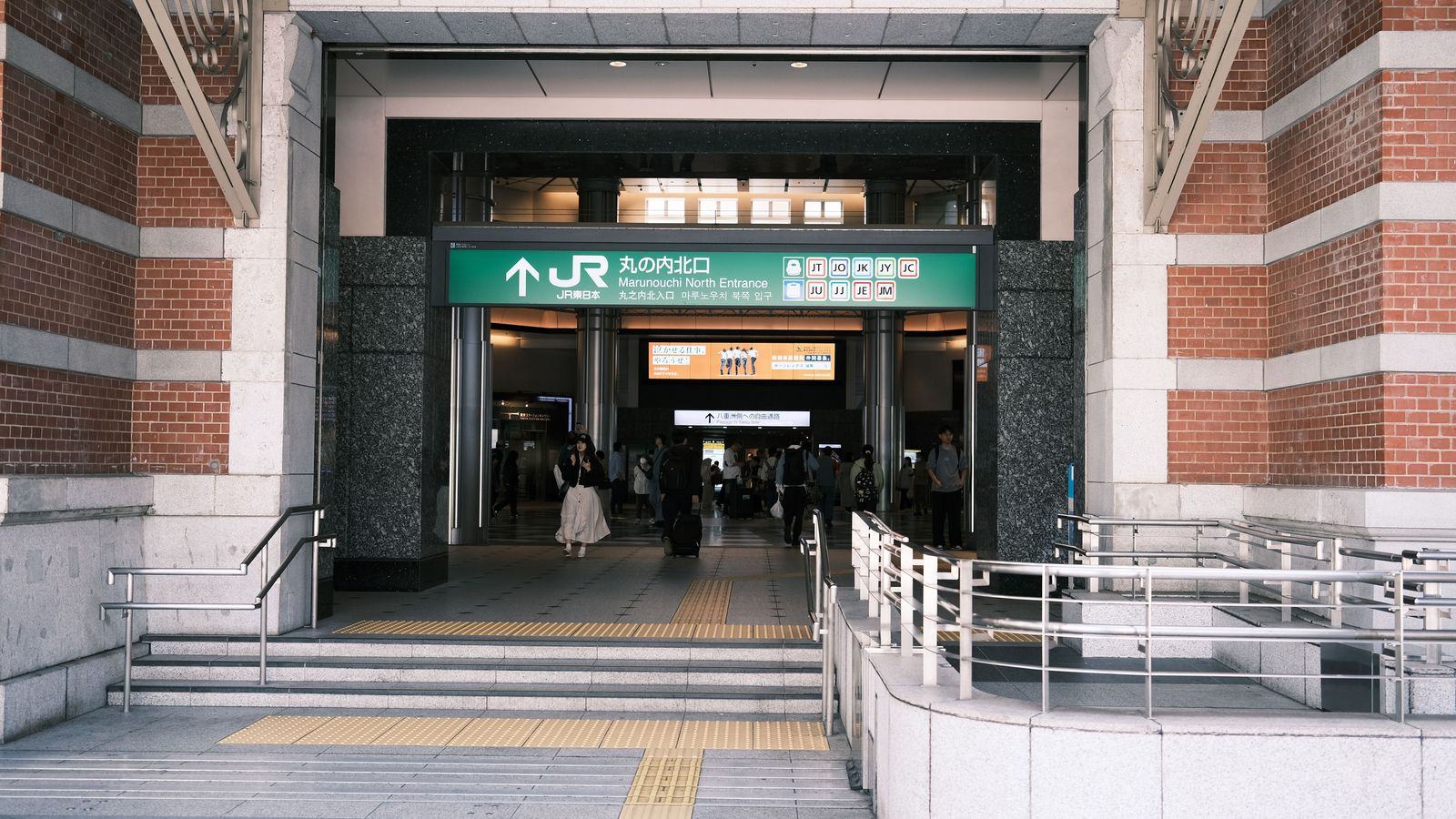
- Tokyo Station, Marunouchi and Otemachi: 60 to 90 minutes
- Ginza and Nihonbashi: 60 to 90 minutes
- Roppongi, Toranomon and Akasaka: 70 to 100 minutes
- Shinjuku and Shibuya: 80 to 110 minutes
- Tokyo Disney Resort and Maihama hotels: 45 to 70 minutes
- Makuhari Messe: 35 to 55 minutes
- Yokohama Minato Mirai: 90 to 120 minutes
Narita Express, Skyliner or a car?
JR East's Narita Express takes about an hour to Tokyo Station and continues to Shinjuku, Shibuya and Yokohama, while Keisei's Skyliner reaches Nippori and Ueno in roughly 40 minutes. For light travellers staying close to those stations, they are fast and good value. With several suitcases, small children, a late-night arrival or a destination in Roppongi, Azabu or Setagaya, a car usually saves a transfer or two and a lot of walking.
Choosing a vehicle for a Tokyo arrival
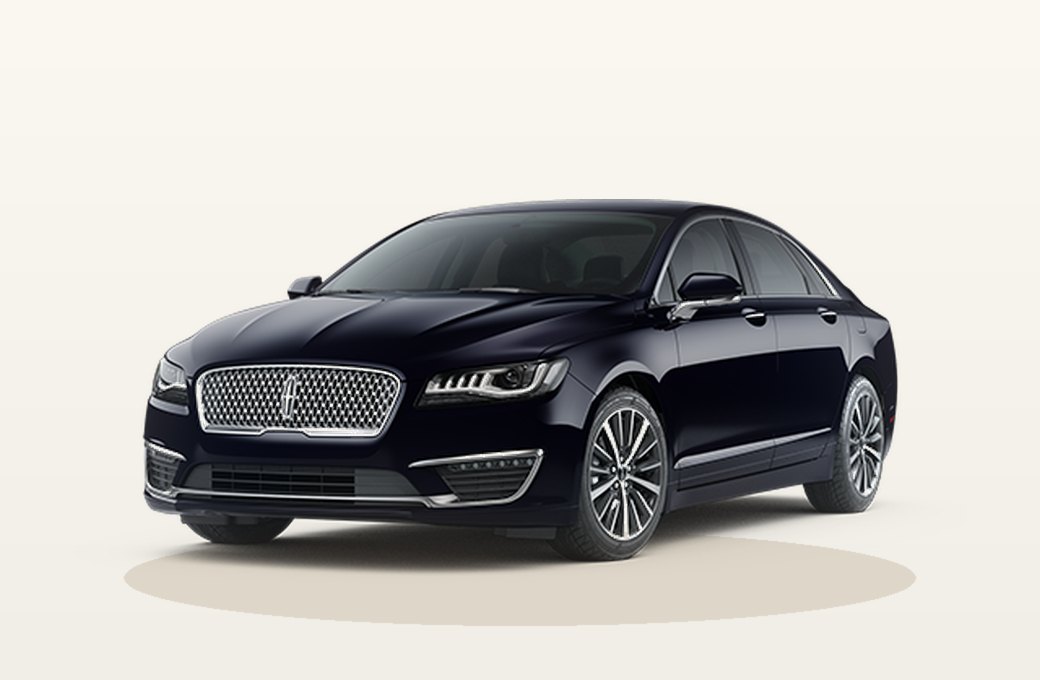
- Standard Sedan (2 passengers, 2 bags): one or two travellers heading to a central hotel.
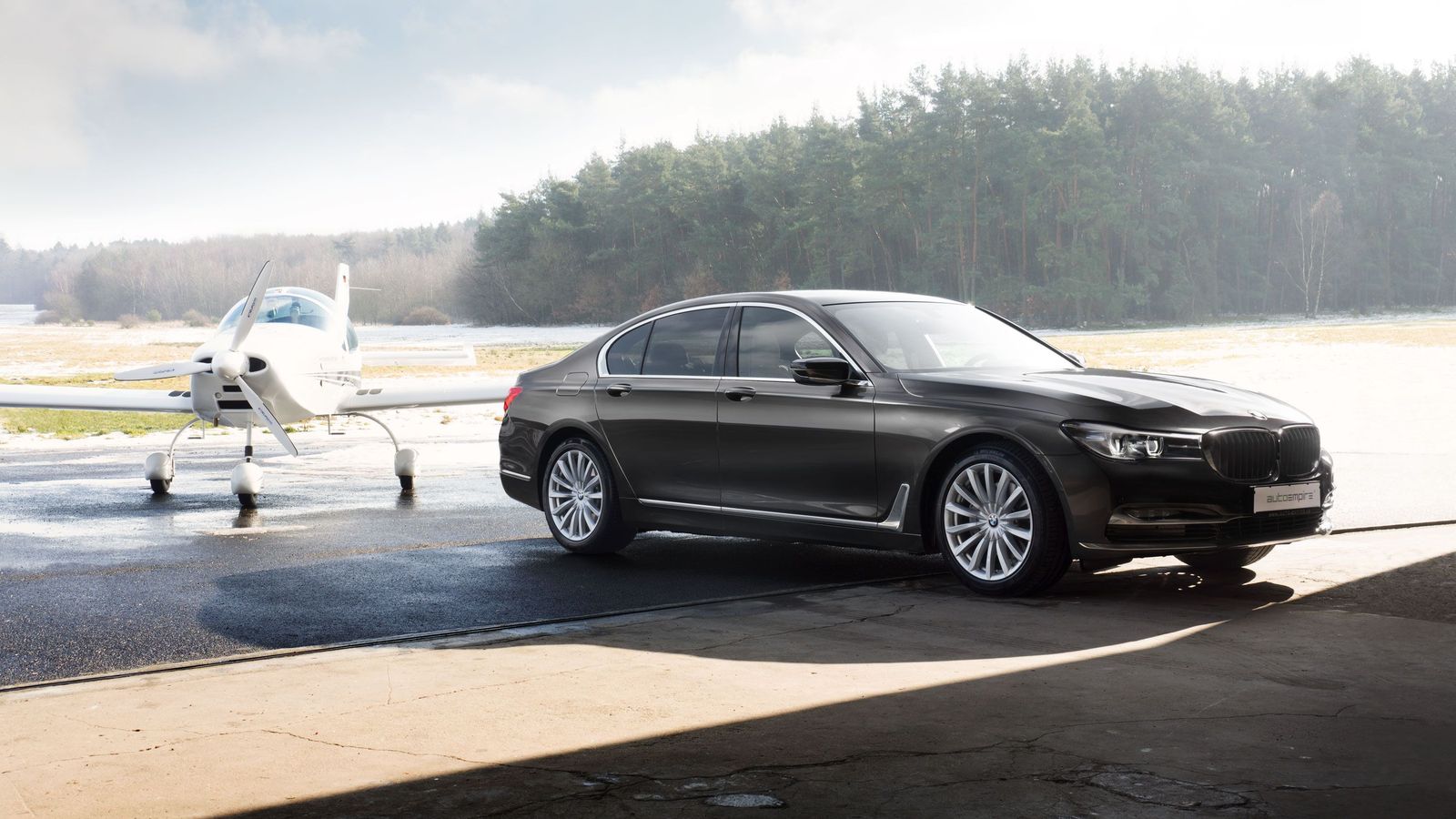
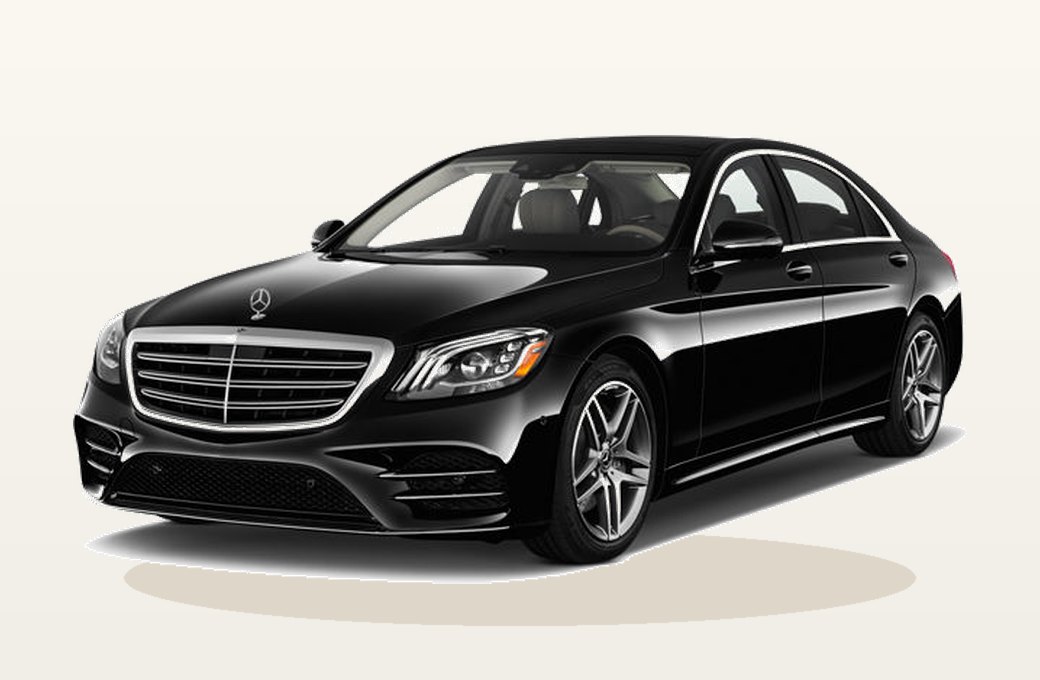
- Luxury Executive Sedan (S-Class class, 2/2): board members and senior clients who want to take calls on the way in.
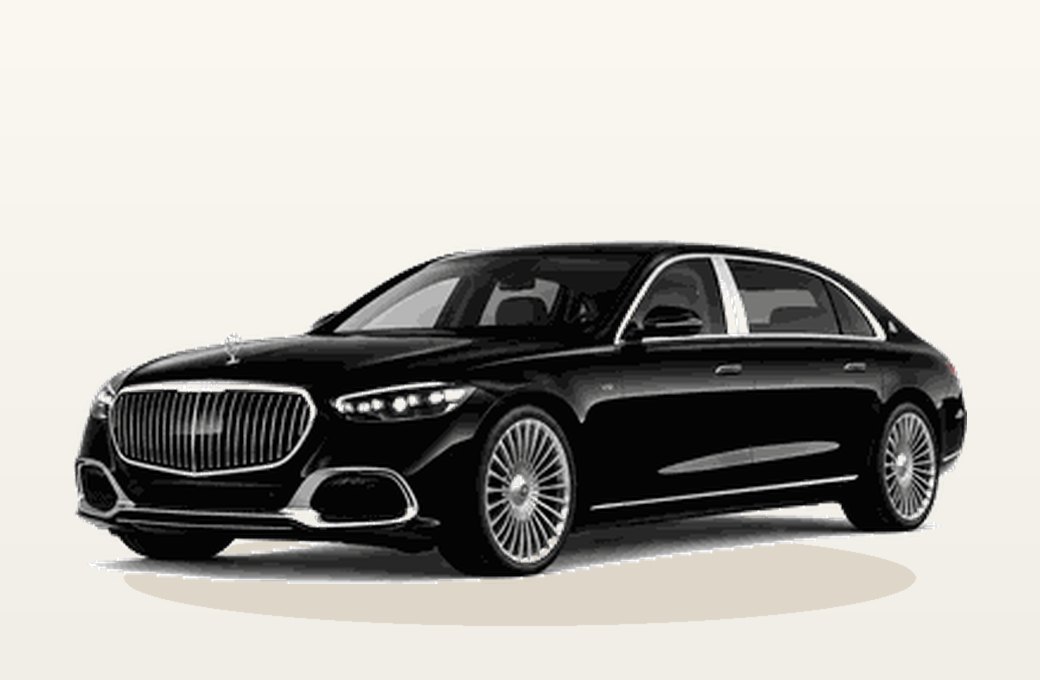
- Executive First Class Sedan (Maybach) (2/2): VIP and family office principals.
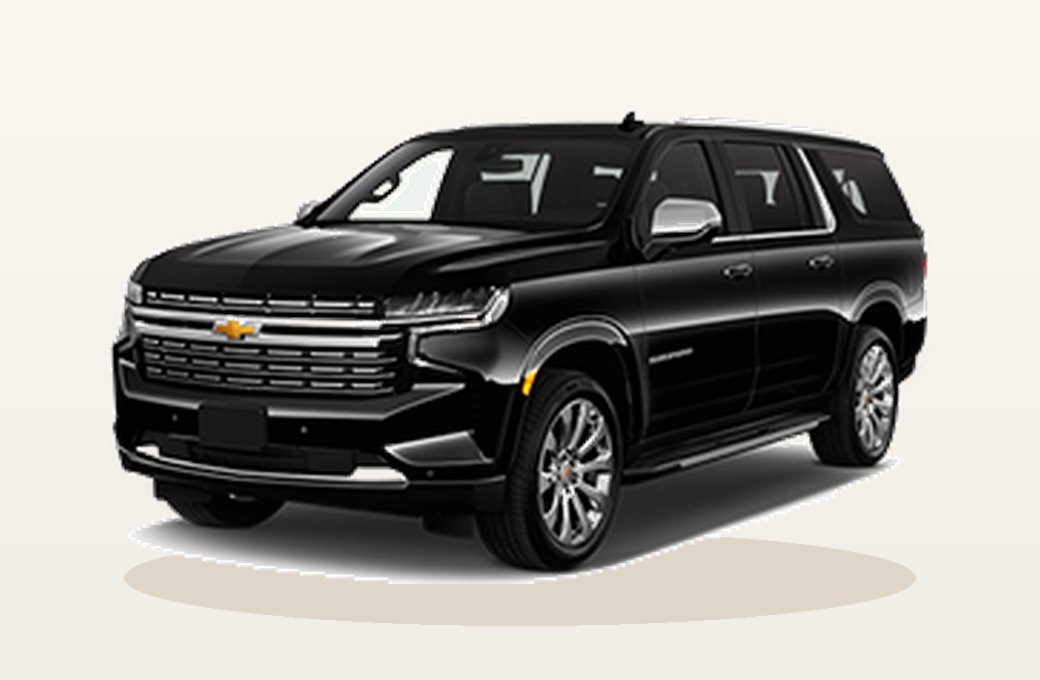
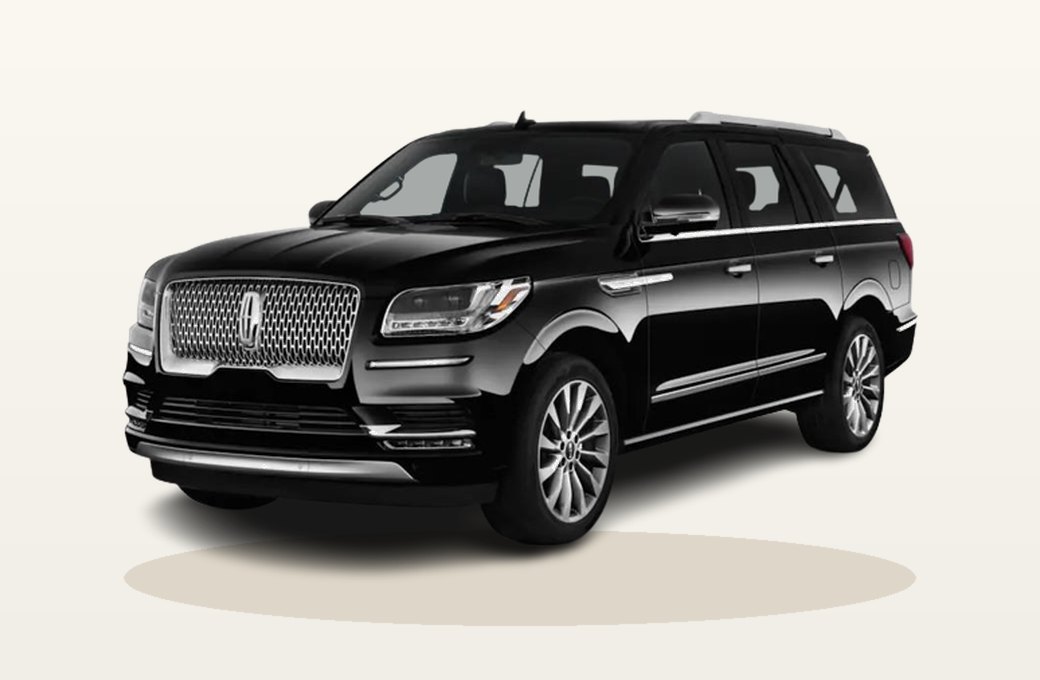
- Standard Black SUV (6/6): families, or two travellers with golf clubs or ski bags.
- Executive Black SUV (6/6): a larger group wanting an executive vehicle.
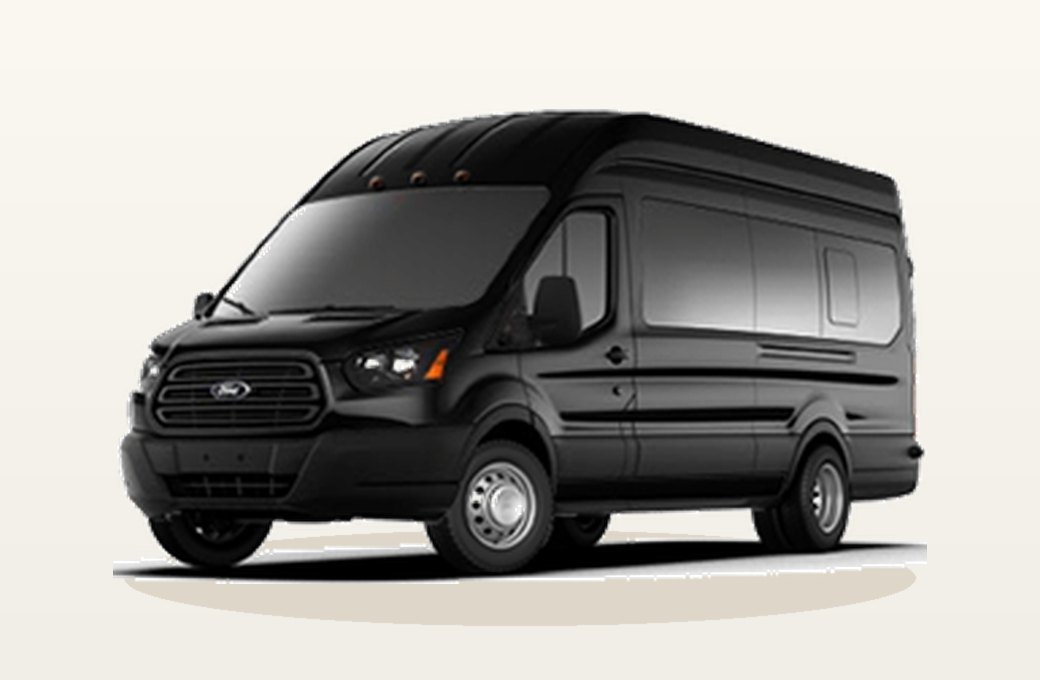
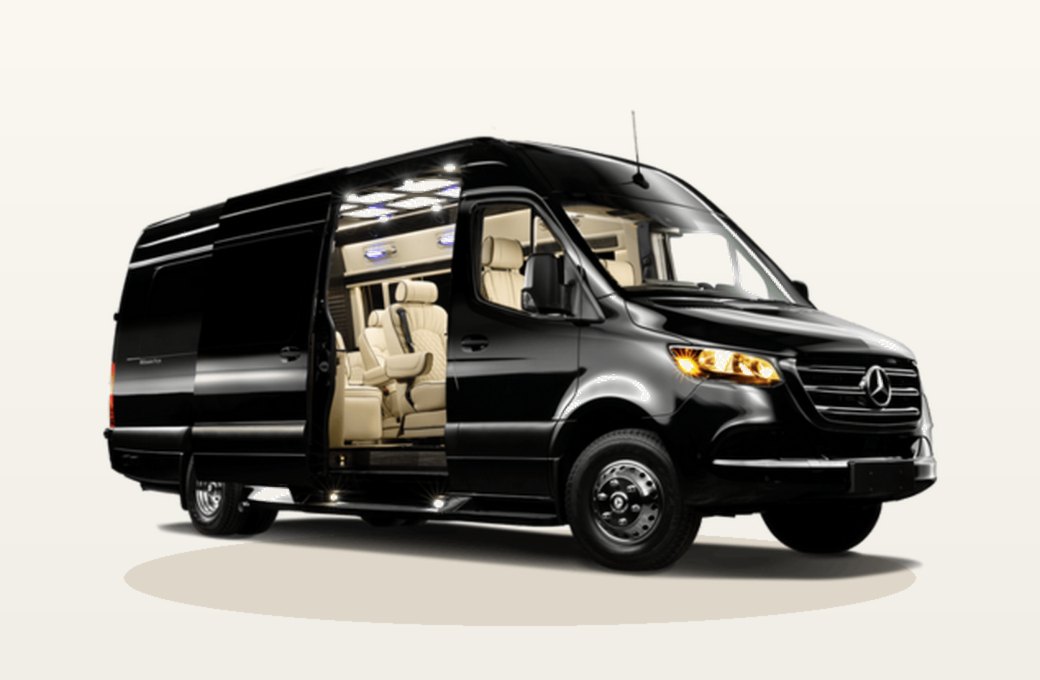
- Sprinter Van (12 passengers, 12 small bags): tour groups, sports teams and film crews.
- Sprinter Luxury Jet Van (7, carry-on only): a light-packing roadshow team.
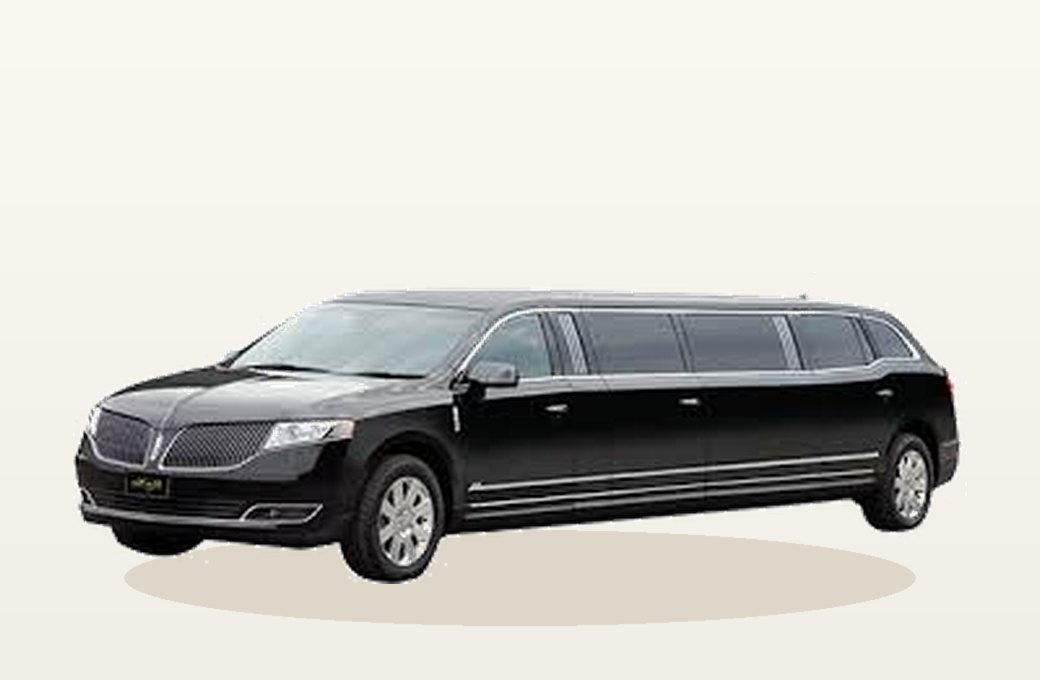
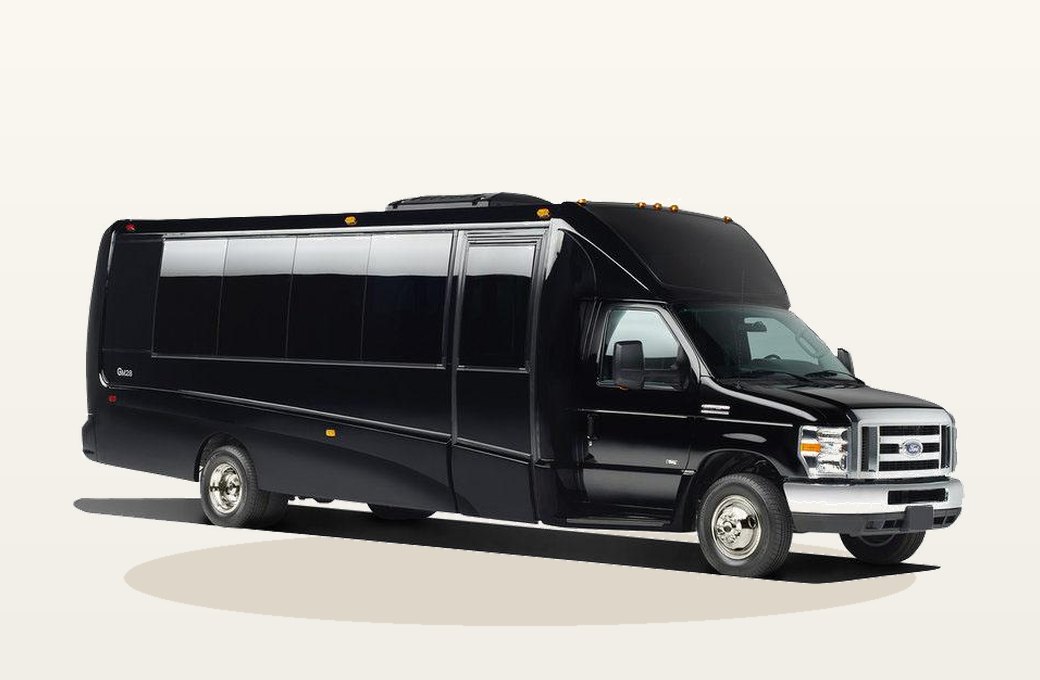
Stretch limousines and party buses are uncommon in Japan and are better suited to events than the Narita run. Compare classes on the fleet page.
Narita or Haneda?
Tokyo's other airport, Haneda, is only 25 to 45 minutes from the centre and now handles many long-haul flights too. If you are connecting between the two airports, allow 70 to 100 minutes by car. Our Haneda page covers its three terminals and the business aviation facilities; Narita is the main hub for low-cost and many Asian carriers.
Corporate, crew and event travel
Tokyo hosts many regional headquarters, and Makuhari Messe near Narita hosts large trade fairs and concerts. Coordinated programmes for event transportation, airline crews or entertainment tours are planned by a coordinator and confirmed in writing. Companies can open corporate accounts with monthly invoicing, cost centres and traveller profiles.
Luggage, golf bags and ski equipment
Japan's trains have limited space for large suitcases, and the Tokaido shinkansen requires a reservation for oversized baggage, so a car makes a real difference for anyone carrying more than a cabin bag. Golfers heading to courses in Chiba, just south of Narita, and skiers connecting to Hakuba or Niseko via a domestic flight often book a Standard Black SUV for the extra space. Tell us the number and type of bags in the booking notes; the chauffeur will not load more than the vehicle's stated limit, because Japanese road safety rules are strictly enforced. Japan's luggage-forwarding services, known as takkyubin, can send heavy bags from Narita straight to your hotel, and some travellers combine that with a sedan.
Early, late and delayed arrivals
Narita operates under a night curfew, so arrivals are concentrated between early morning and late evening. Flights from North America often land in the mid-afternoon, just as Tokyo's evening traffic builds, which pushes the drive towards the upper end of the ranges above. A diverted flight or a long delay is handled by the 24/7 desk: the chauffeur re-times to the new landing, and if a flight is cancelled the booking can be moved to the new date under the cancellation terms below.
What is included, and cancellation
The fare covers the vehicle and chauffeur for the route you booked from Narita, flight tracking and the included waiting. Rates shows planning ranges by class. Cancellation is free more than 72 hours before pickup, 10% at 72 hours or less, 50% at 48 hours or less, and 100% at 24 hours or less or for a no-show.
More on Tokyo and Japan
The Tokyo chauffeur service page covers districts, hotels and events, and the Tokyo Station page explains shinkansen pickups. For travel onward to Kansai, see Kansai International. Official airport information is at Narita International Airport and travel advice from the Japan National Tourism Organization.