







BlaakLane.com runs a chauffeur service in Vienna that you book online at a fixed fare. The price shown for your route from Vienna International Airport at Schwechat, a Ringstrasse hotel or the Hauptbahnhof already includes airport access and waiting time; gratuity is not part of it and is charged at actual cost and added to the booking. Airport pickups are flight-tracked, and a vetted local affiliate named on your confirmation drives every trip.
Chauffeur service in Vienna: how booking works
The reservation engine on this page, also at book, needs four things: pickup, destination, date and time, and vehicle. It then shows one fixed price. Nothing is added for a slow Gürtel at rush hour and there is no surge on the night of a ball. Add a flight or train number and the chauffeur is timed to the real arrival.
When you confirm, our 24/7 dispatch desk in Toronto passes the booking to a vetted Viennese operator from the LimousineWorldwide.Directory network, contracted to the BlaakLane.com written standard. You receive the name of the company, the chauffeur and the vehicle in your confirmation. For a day that moves from a ministry to a lunch in the first district and back to the airport, book chauffeur hire by the hour.
Vienna International Airport (Schwechat): terminals and pickup
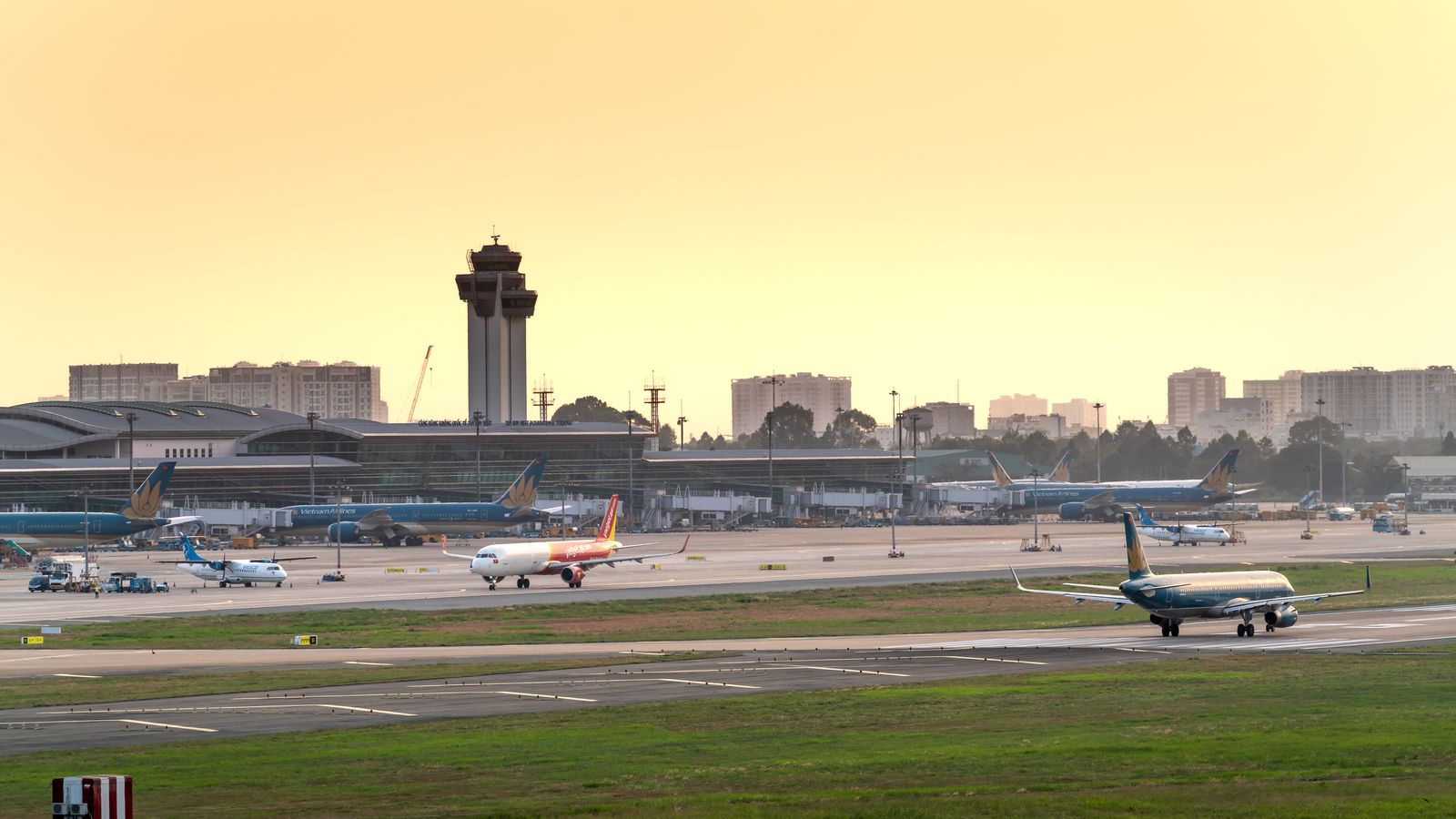
Vienna International Airport sits in Schwechat, about 18 km southeast of the city centre along the A4 East Motorway. Austrian Airlines and its Star Alliance partners use it as a hub, and it is also a busy base for low-cost carriers. Passenger flights use Terminals 1, 2 and 3, all linked on the landside, with Terminal 3 handling most Austrian Airlines and Star Alliance traffic. Arrivals come out at ground level. The airport's official site, viennaairport.com, lists which airline uses which terminal and pier.
Curbside pickup at the airport's designated area for pre-arranged cars is the standard on every booking; your confirmation describes where to walk once you are through baggage claim. A meet and greet with a name board in the arrivals hall is an add-on. Add-ons are only available in selected locations, and the engine shows whether it can be added for your flight.
Drive times from the airport:
| Destination | Distance | Typical time |
|---|---|---|
| Innere Stadt (Stephansplatz, the Ring hotels) | about 18 km | 20 to 35 minutes |
| Vienna Hauptbahnhof | about 17 km | 20 to 30 minutes |
| UNO City / Vienna International Centre | about 20 km | 20 to 35 minutes |
| Messe Wien and the Prater | about 17 km | 20 to 30 minutes |
| Döbling and Grinzing | about 27 km | 30 to 50 minutes |
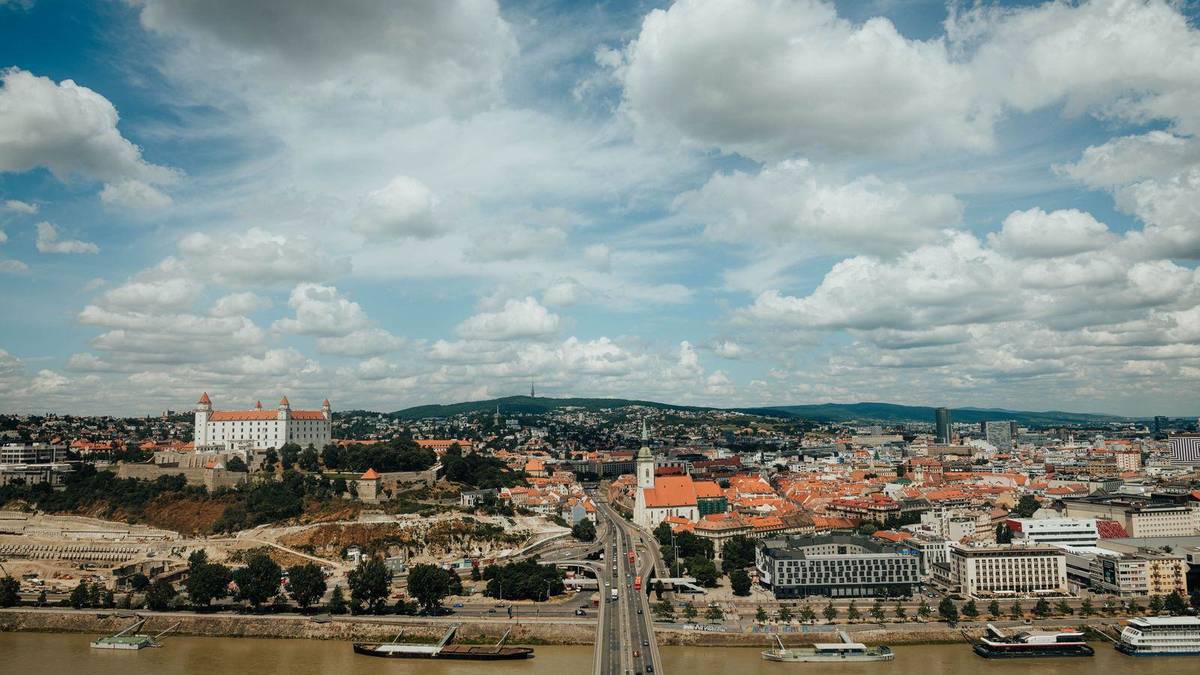
| Bratislava city centre | about 50 km | 40 to 55 minutes |
What the Vienna fare includes
- Airport access charges.
- Included waiting: 60 minutes from actual landing on international flights, 30 minutes on domestic flights such as Innsbruck or Graz to Vienna, and 15 minutes elsewhere. Afterwards, 15-minute blocks.
- Flight tracking, a named chauffeur, and free child seats on request in most cities.
Any parking at Schwechat and gratuity are added to the Vienna booking at actual cost. Planning ranges by class are on the rates page. Cancellation terms: more than 72 hours before pickup, no charge; 72 hours or less, 10%; 48 hours or less, 50%; 24 hours or less or a no-show, 100%.
The Austrian vignette: what visitors should know
Every car on an Austrian motorway or expressway, including the A4 between Schwechat and the city, must carry a valid vignette. In 2026 a 10-day vignette for a car costs €12.80 and an annual one €106.80, sold digitally against the number plate or as a windscreen sticker; from 2027 Austria plans to go digital-only. Some tunnels and Alpine routes, such as the Brenner or Tauern motorways, charge separate section tolls. All of this is handled by the Austrian operator that drives you, so you never deal with it. If you are curious, the official shop is run by ASFINAG. The main reason it matters to passengers: a car from a neighbouring country collecting you in Vienna must also comply, which is one reason we use locally based affiliates.
Entering Austria: Schengen, EES and ETIAS in 2026
Austria is in the Schengen Area. The EU's Entry/Exit System (EES), which records non-EU travellers' fingerprints and a facial image at the external border instead of a passport stamp, began in October 2025 and has been fully in place since April 2026. If you are arriving from outside Schengen, for example from London, Dubai or New York, expect the first EES registration to add some minutes at passport control; later trips are quicker. ETIAS, the travel authorisation for visa-exempt visitors, is not yet in operation as of September 2026, and the EU says it will announce the start date several months ahead. Do not pay any website claiming to issue ETIAS now. Official information is on the EU's Travel to Europe site. Because passport control times vary, the 60-minute included wait starts from actual landing.
Hauptbahnhof, Westbahnhof and rail connections
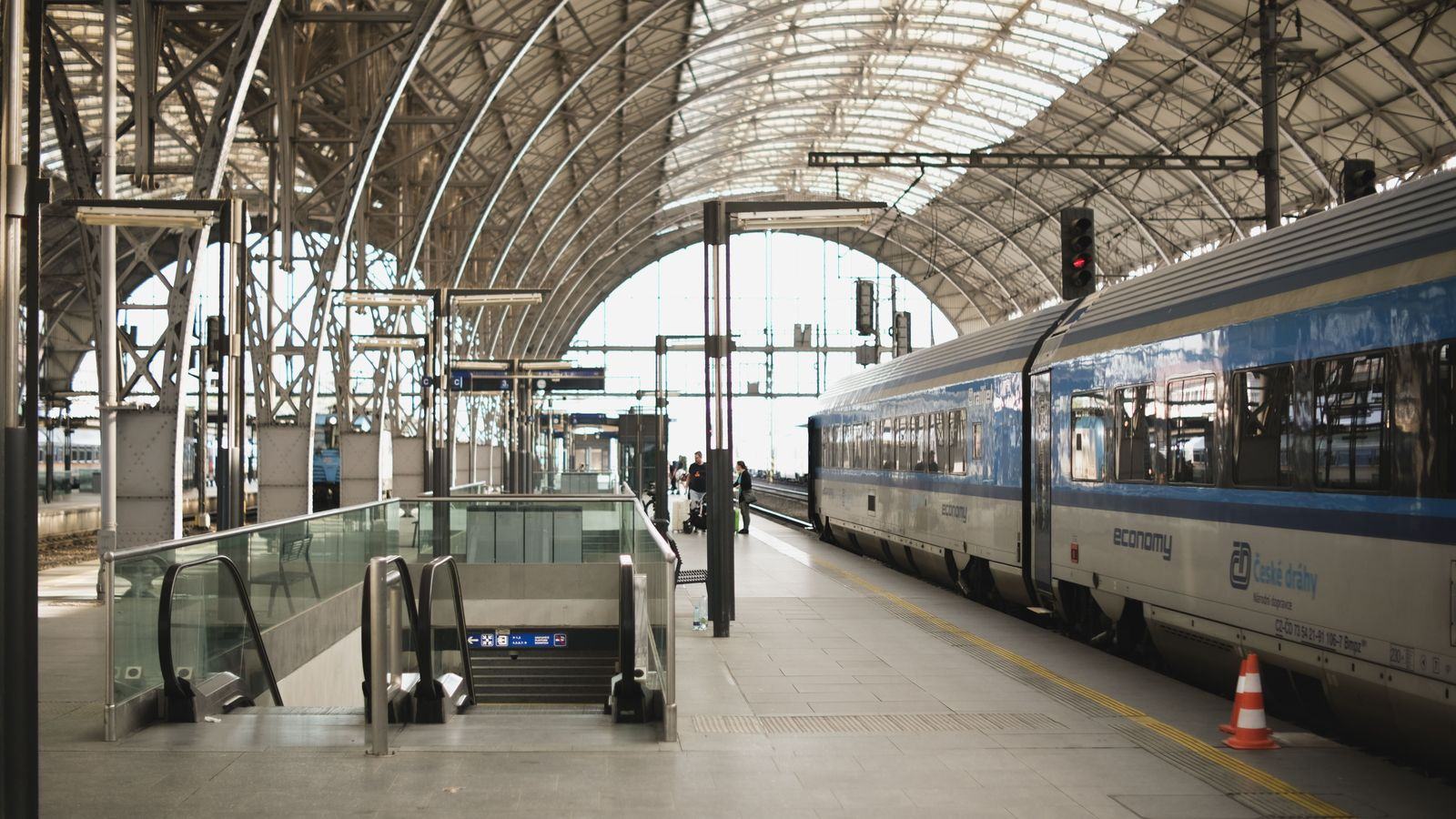
Vienna Hauptbahnhof, south of the Belvedere, is the main station for ÖBB Railjets to Salzburg, Graz, Munich, Budapest, Prague and Venice, and for Nightjet sleepers to western Europe. The Westbahnhof and Wien Meidling handle some regional and western services. The City Airport Train and ÖBB trains link the airport with Wien Mitte and the Hauptbahnhof. For a station pickup, put the train number in the notes; the chauffeur waits at the station pickup area and the 15-minute included wait applies.
Districts, landmark hotels and the diplomatic city
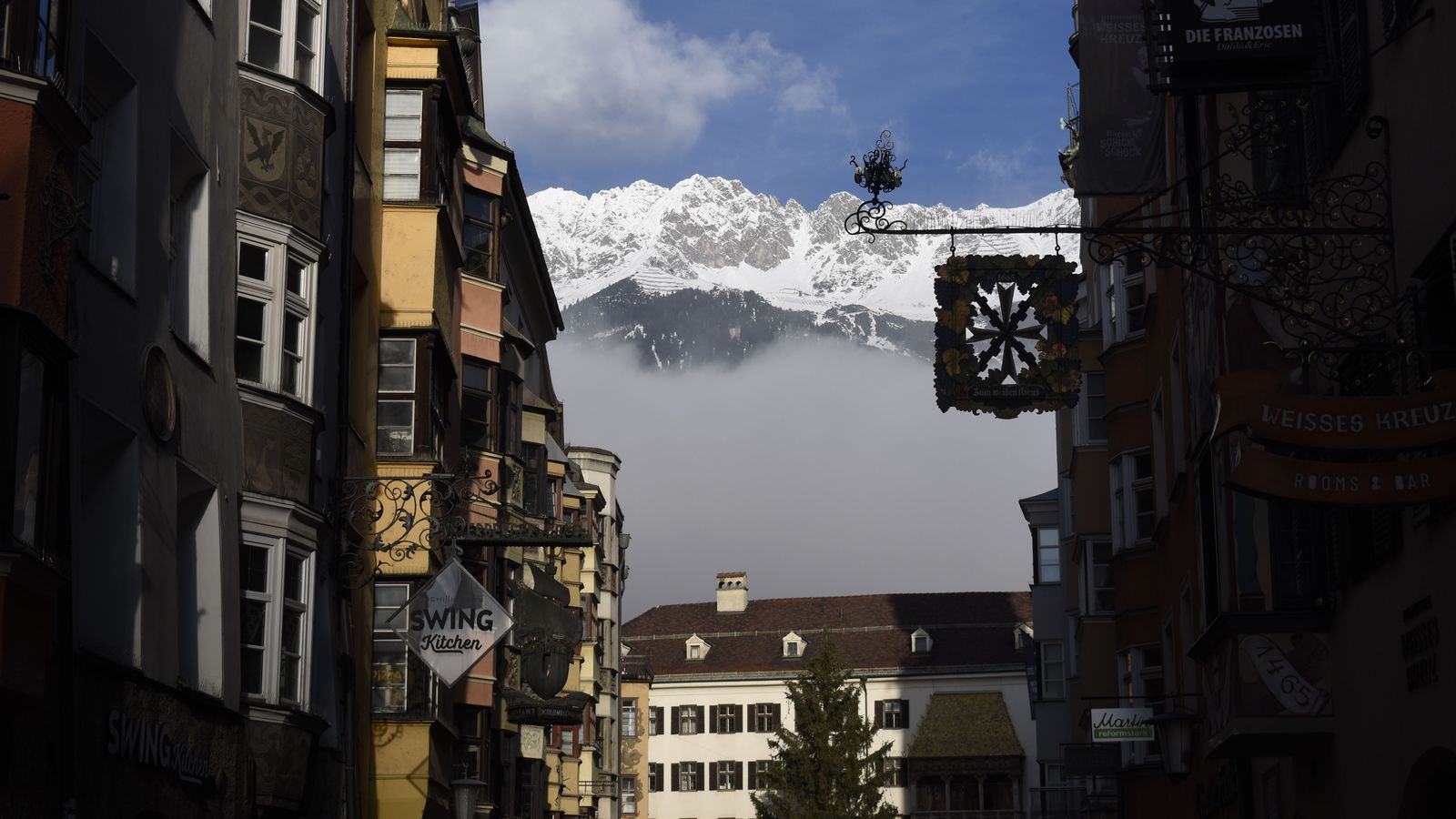
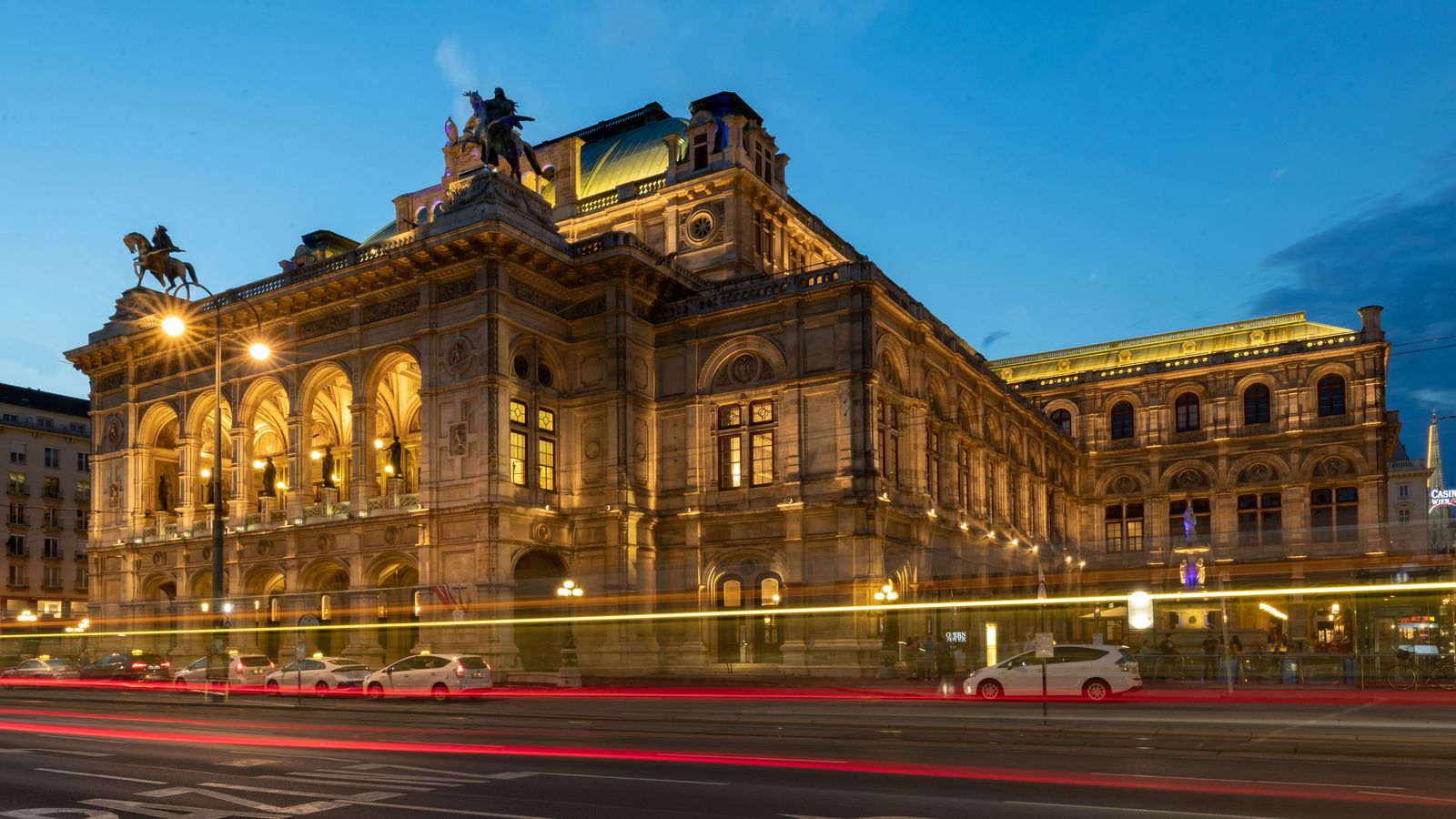
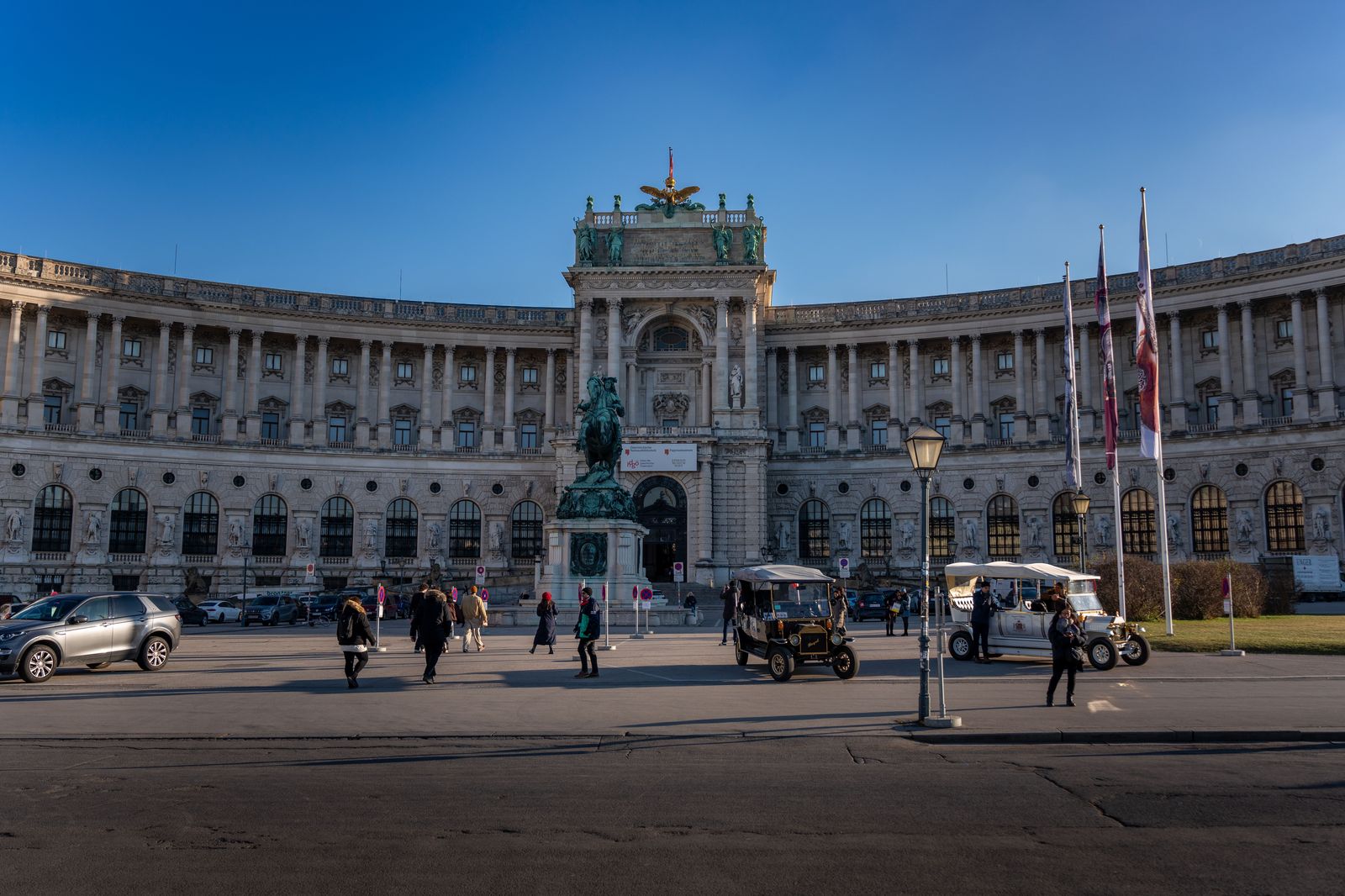
Vienna is divided into 23 numbered districts. The 1st district (Innere Stadt) holds St Stephen's Cathedral, the Hofburg, the State Opera and hotels such as the Hotel Sacher, Hotel Imperial, Hotel Bristol and Park Hyatt Vienna. The Ringstrasse circles it with ministries, the Parliament and the Rathaus. The 3rd district (Landstraße) has the Belvedere, embassies and Wien Mitte. The 2nd district (Leopoldstadt) holds the Prater and Messe Wien. Across the Danube, the 22nd district (Donaustadt) is home to the Vienna International Centre, known as UNO City, which houses the IAEA, UNIDO and the UN Office at Vienna, next to the Austria Center Vienna conference venue. The OPEC Secretariat is in the 1st district. Wealthy residential areas include Döbling in the northwest, near the vineyards of Grinzing, and Hietzing beside Schönbrunn Palace.
Official delegations and conference traffic to UNO City follow our government and diplomatic process, planned by a coordinator and confirmed in writing.
Vienna's calendar: balls, concerts and trade fairs
| Month | Event |
|---|---|
| 1 January | Vienna Philharmonic New Year's Concert at the Musikverein |
| January to February | Ball season, with the Vienna Opera Ball on the Thursday before Ash Wednesday |
| April | Vienna City Marathon, with road closures around the Ring |
| June | Donauinselfest on the Danube Island |
| July to August | Film Festival on the Rathausplatz |
| Mid November to late December | Christmas markets at the Rathaus, Schönbrunn and Spittelberg |
| All year | Congresses at the Austria Center Vienna and fairs at Messe Wien |
Ball nights are the busiest of the year for chauffeured cars in formal dress, and bookings for the Opera Ball go early. For large groups, see event transportation. Visitor information is at wien.info.
Cross-border and intercity trips from Vienna
Vienna sits close to four other countries, so many guests book road transfers instead of short flights:
| Destination | Distance | Typical drive |
|---|---|---|
| Bratislava | about 80 km from the centre | 1 h to 1 h 20 |
| Budapest | about 245 km | 2 h 45 to 3 h 15 |
| Salzburg | about 300 km | 3 to 3 h 30 |
| Prague | about 330 km | 3 h 30 to 4 h |
| Graz | about 200 km | 2 to 2 h 30 |
These are booked as intercity transfers at a fixed price. Note that Slovakia, Hungary and Czechia each have their own motorway vignettes. Related city pages: Salzburg, Bratislava, Budapest, Prague and Munich.
Driving in Vienna: what to expect
Austria drives on the right. Vienna is relatively orderly, but trams have priority on many streets and most of the city is a short-stay parking zone during the day, so chauffeurs stage nearby and return to the door when you are ready. Much of the 1st district is pedestrian or restricted, including the Kärntner Strasse and the Graben, so drop-offs happen at the nearest permitted point. Peaks on the Gürtel, the A23 Südosttangente and the A4 to the airport can add 15 to 30 minutes. There is no general low-emission zone for cars in Vienna.
Choosing a vehicle in Vienna
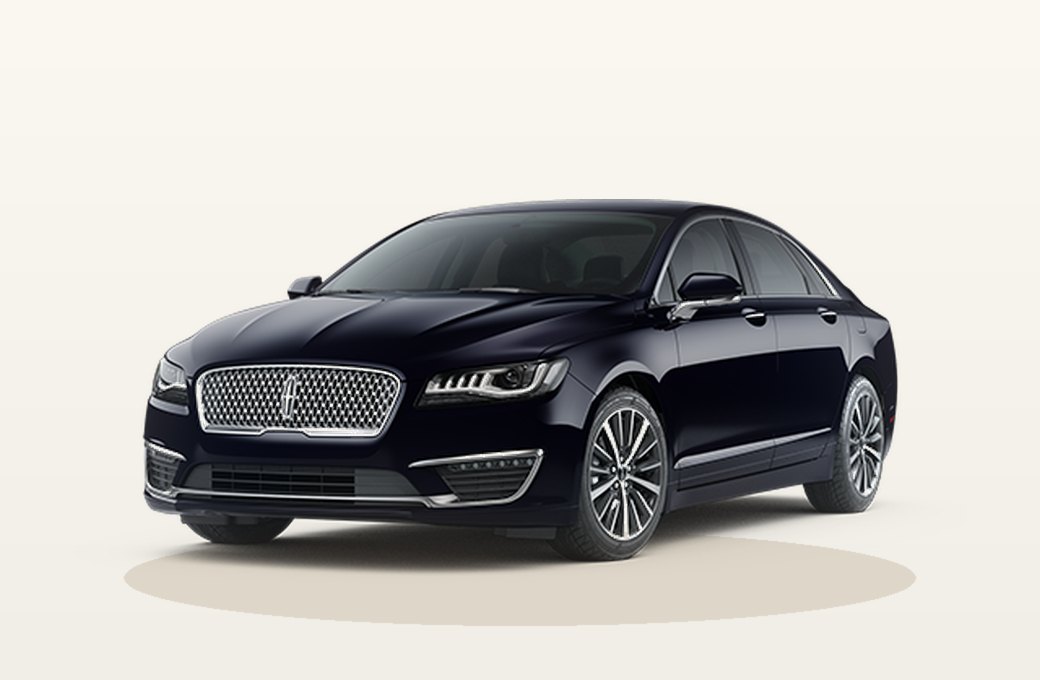
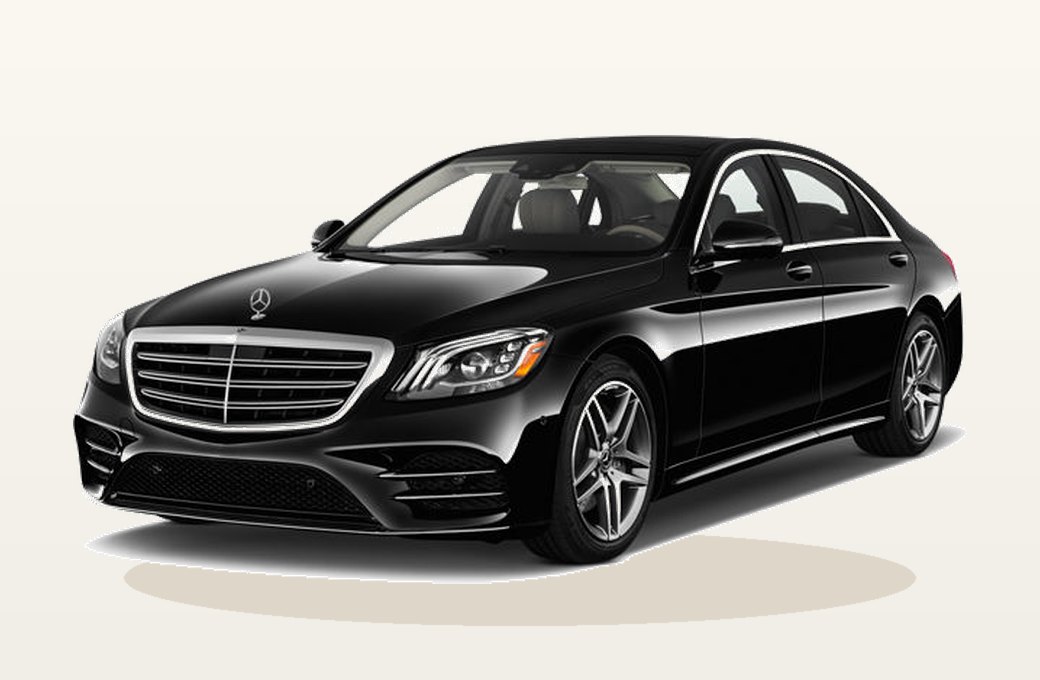
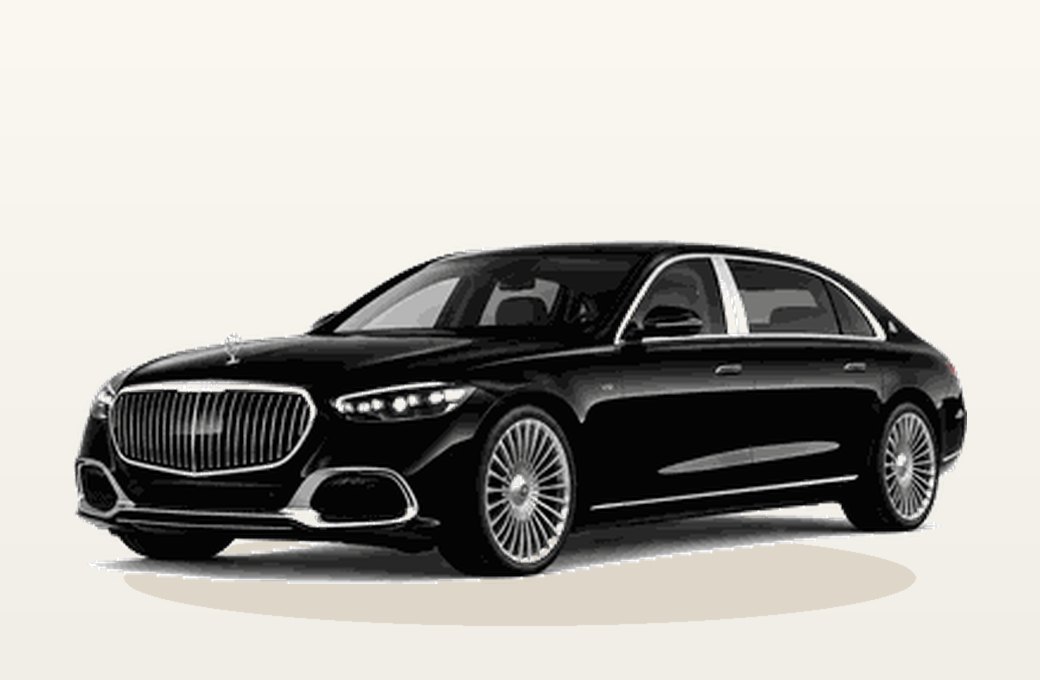
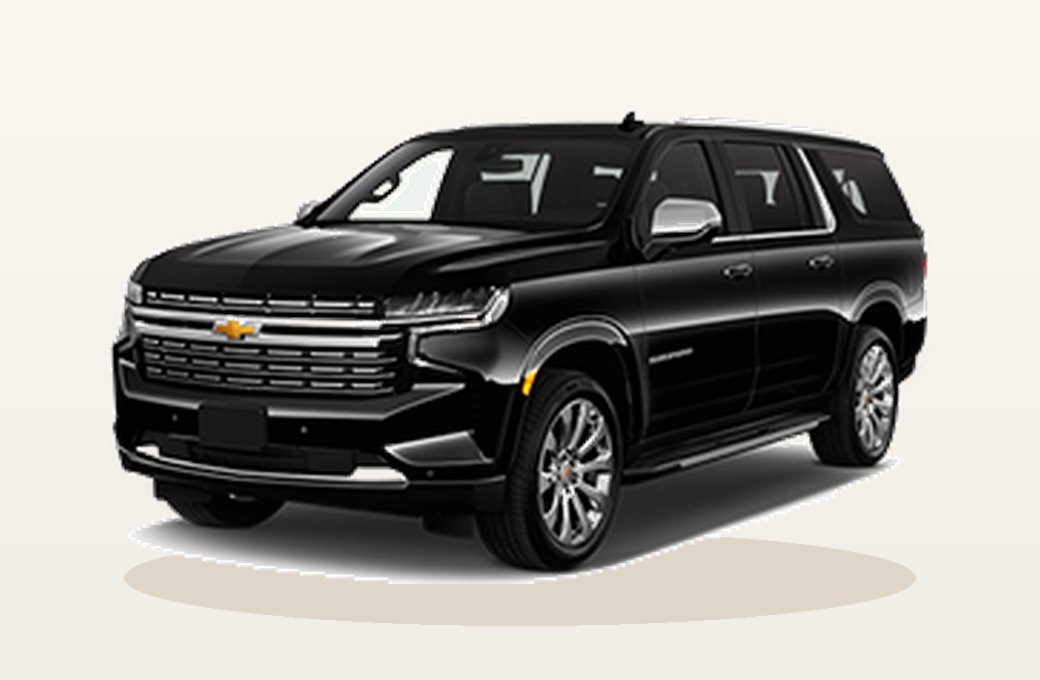
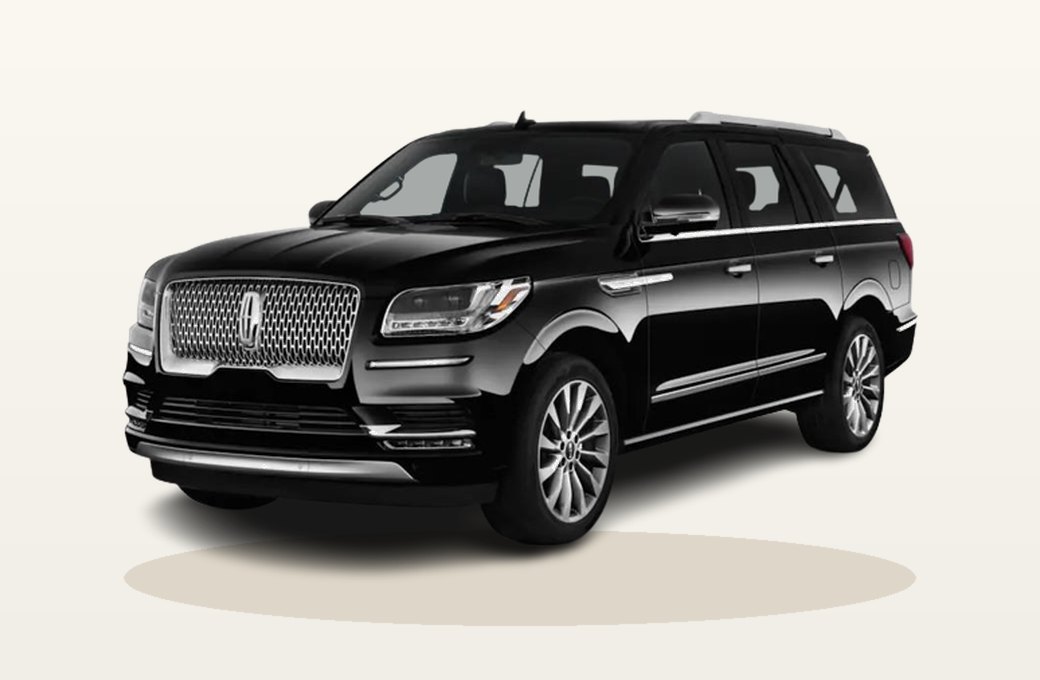
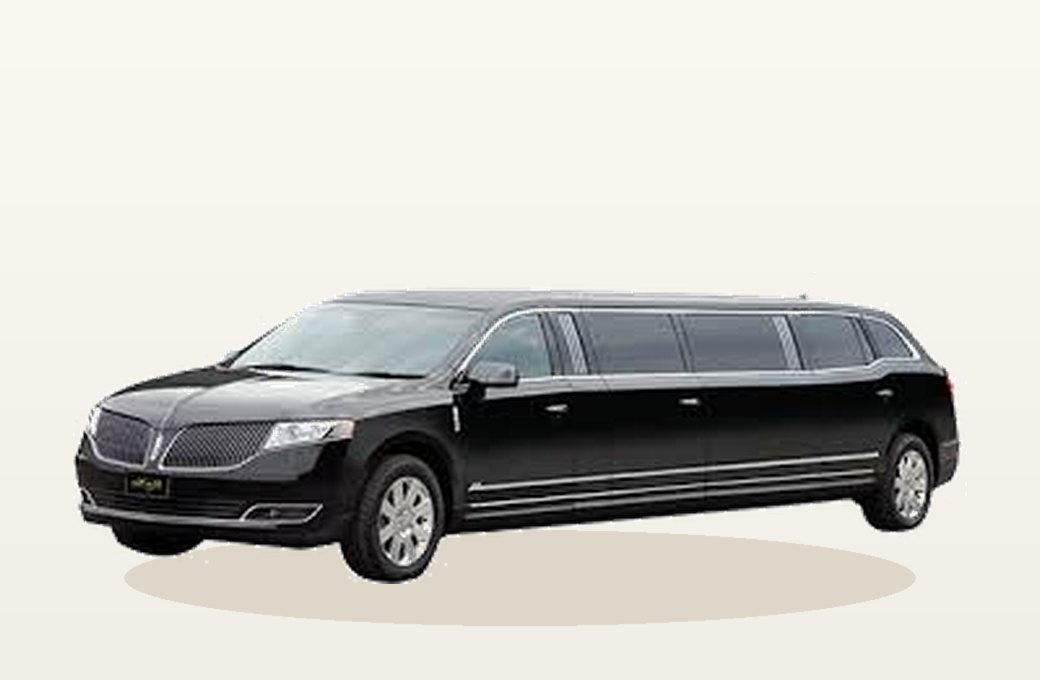
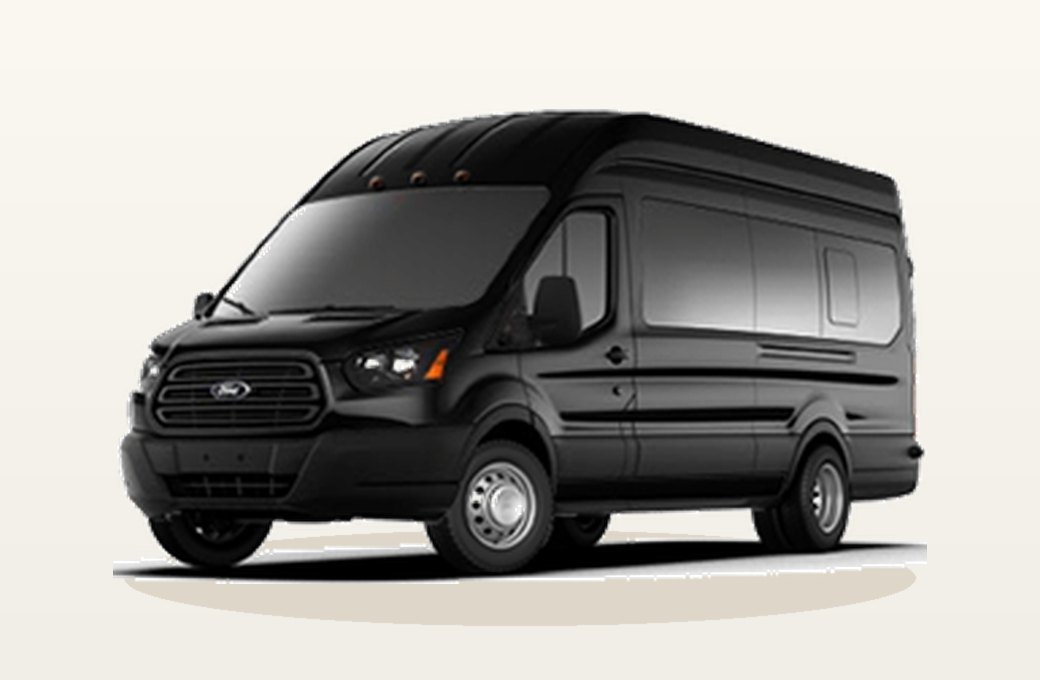
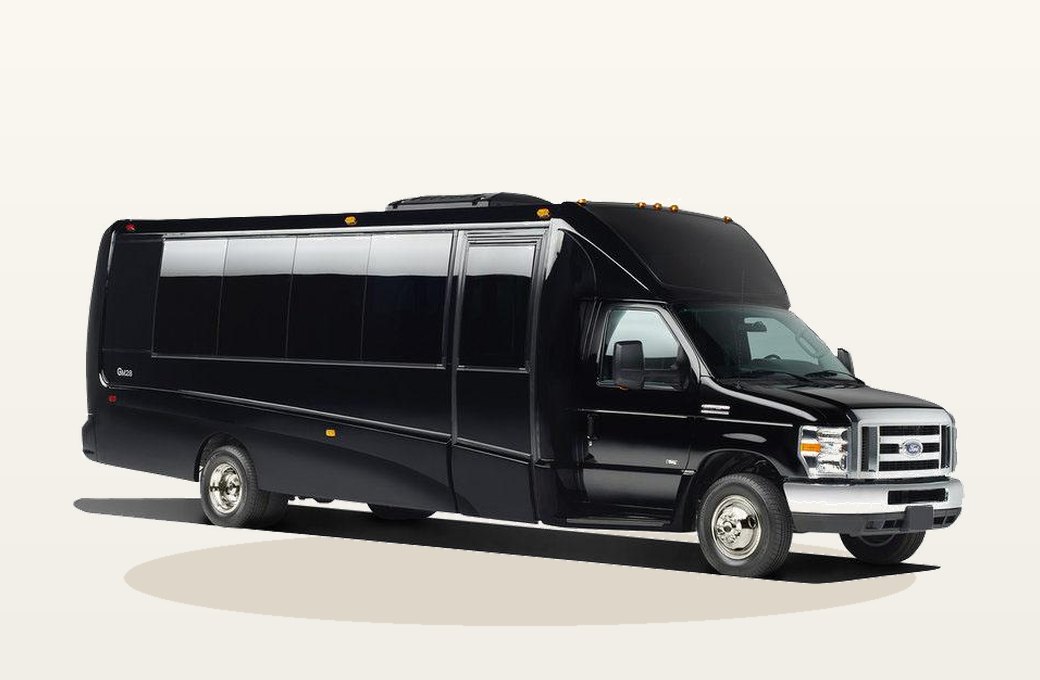
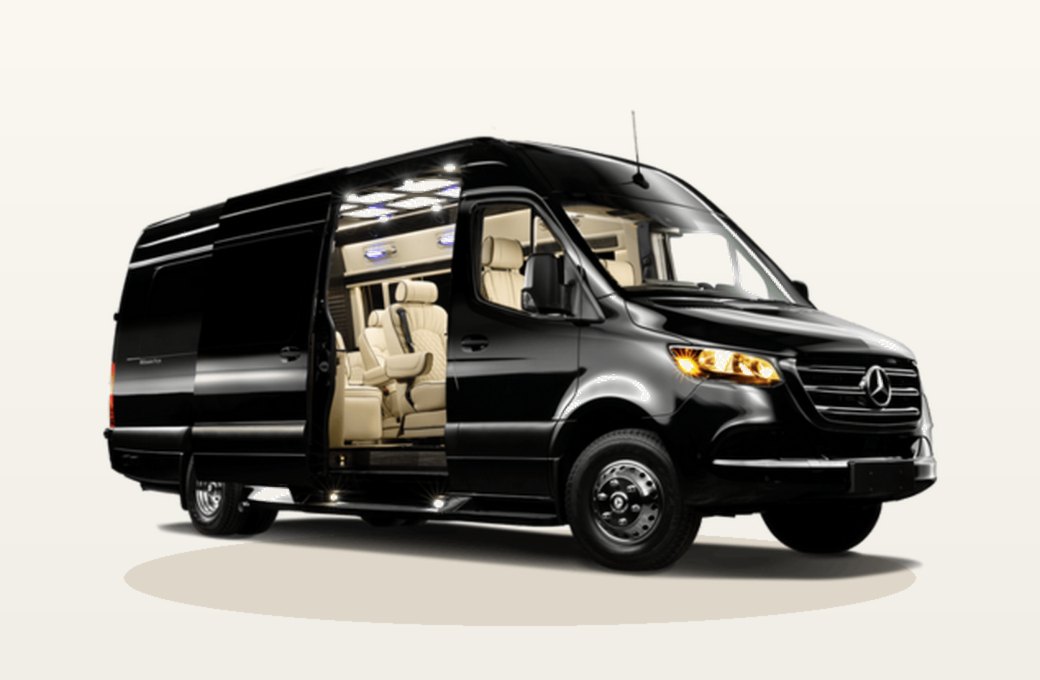
A Standard Sedan suits a single traveller from Schwechat. A Luxury Executive Sedan is the usual choice for a ball night or an evening at the State Opera. An executive SUV takes a family with winter luggage, and a Standard Black SUV or Sprinter Van carries a delegation to UNO City in one move. Minicoaches and motorcoaches serve congresses and incentive groups, including day trips to the Wachau valley through city tours and day trips. Rolls-Royce, Maybach and Bentley cars come from partners. See the fleet for every class. Affiliate vehicles are four model years old or younger, with those three marques accepted up to seven.
Corporate accounts and private aviation
Companies with frequent Vienna travel use corporate accounts for monthly invoices, cost centres, traveller profiles, duty-of-care data and a named coordinator. Business jets use the general aviation facilities at Schwechat; add the tail number and handling agent to the booking and see private aviation and FBO transfers for how the chauffeur is timed to wheels-down.
Getting around the first district and the Ring
Much of Vienna's business happens inside or beside the Ringstrasse, and the streets there have their own rhythm. The Ring itself is one-way for cars, running clockwise, with trams on dedicated tracks in the middle. Inside it, many lanes are narrow and some are closed to general traffic, so a chauffeur picking you up at a law firm on the Kohlmarkt or a lunch near the Graben will usually wait on a side street such as the Herrengasse or at a hotel forecourt, then call you when the car is at the door. The Hofburg complex, where many international conferences and state events take place, has controlled access on event days.
For a ball, a concert at the Musikverein or a night at the State Opera, it helps to agree a pickup point in advance. Hundreds of cars arrive and leave within the same half hour, and police often control the approach roads. Your chauffeur will suggest a meeting point nearby and wait there, and because the fare is fixed, a longer wait after a late encore is covered within the booked time or billed in 15-minute blocks, nothing more.
Day trips from Vienna
The Wachau valley, a UNESCO-listed stretch of the Danube between Melk and Krems, is about 85 to 100 km west and makes a full-day trip with Melk Abbey and the wine villages of Dürnstein and Spitz. The Neusiedler See and the Burgenland wine country lie about an hour southeast. Semmering and the Vienna Woods are closer still. Each can be booked hourly with the same chauffeur, and larger groups can use a Sprinter or minicoach.
Viennese operators: join BlaakLane.com
Licensed Austrian chauffeur companies and owner-operators can apply at register. Membership costs $30 a month for owner-operators and $50 a month for limousine companies and fleet owners.