







BlaakLane.com arranges chauffeur service in Kitzbühel for airport transfers from Salzburg (SZG), Innsbruck (INN) and Munich (MUC), chalet and hotel runs, and planned transport for the Hahnenkamm races each January. You enter the route, time and vehicle, and a fixed fare is shown before you confirm. A vetted local affiliate drives; the confirmation names the operator and chauffeur.
Which airport should you fly into for Kitzbühel?
Kitzbühel has no commercial airport of its own, so the choice is about flights and drive time:
| Airport | Distance to Kitzbühel | Typical drive |
|---|---|---|
| Salzburg (SZG) | 80 km | 1h15-1h30 via Lofer |
| Innsbruck (INN) | 100 km | 1h15-1h30 via the Inntal motorway |
| Munich (MUC) | 180 km | 2-2.5 h via the A8 and Kufstein |
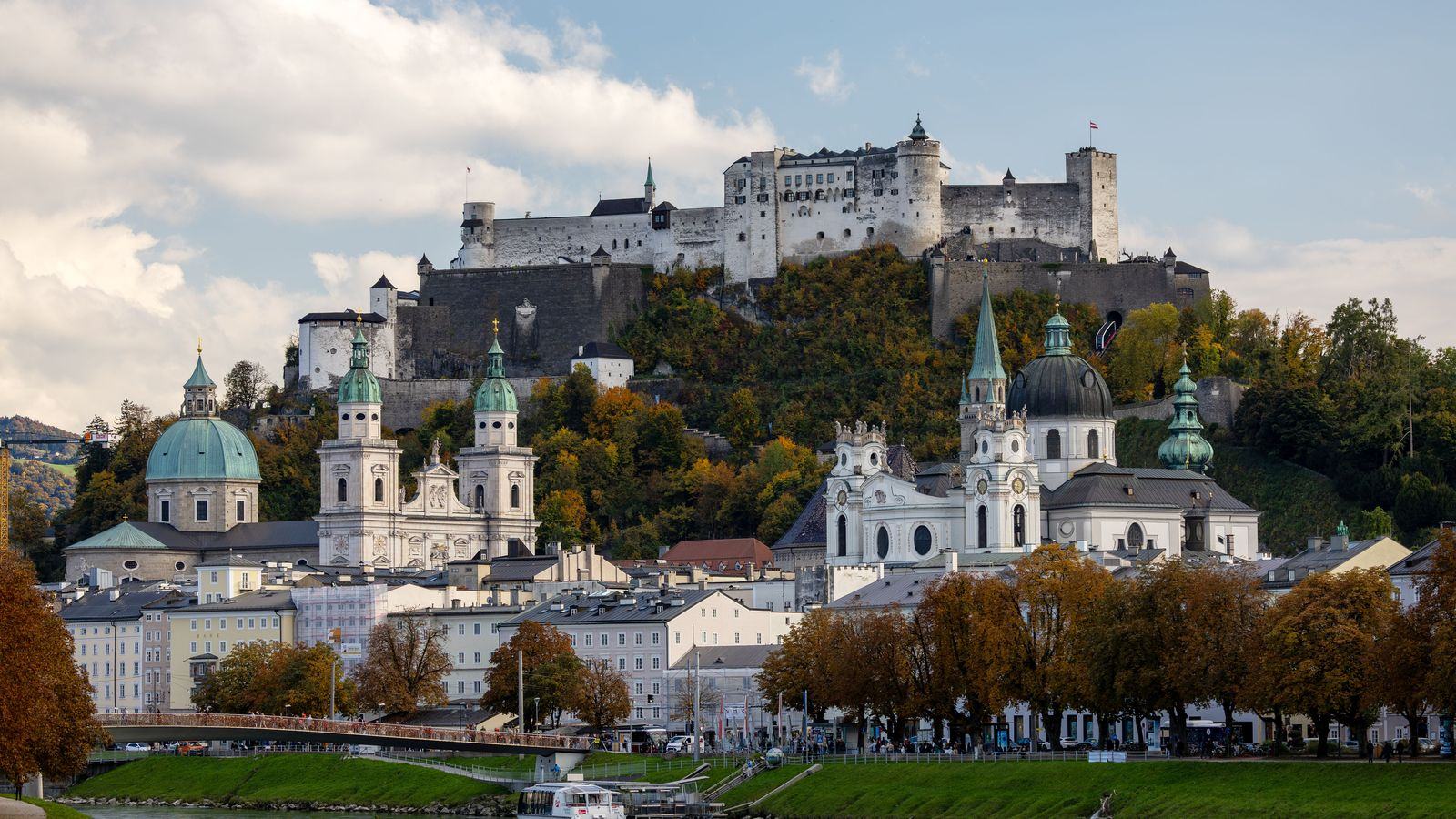
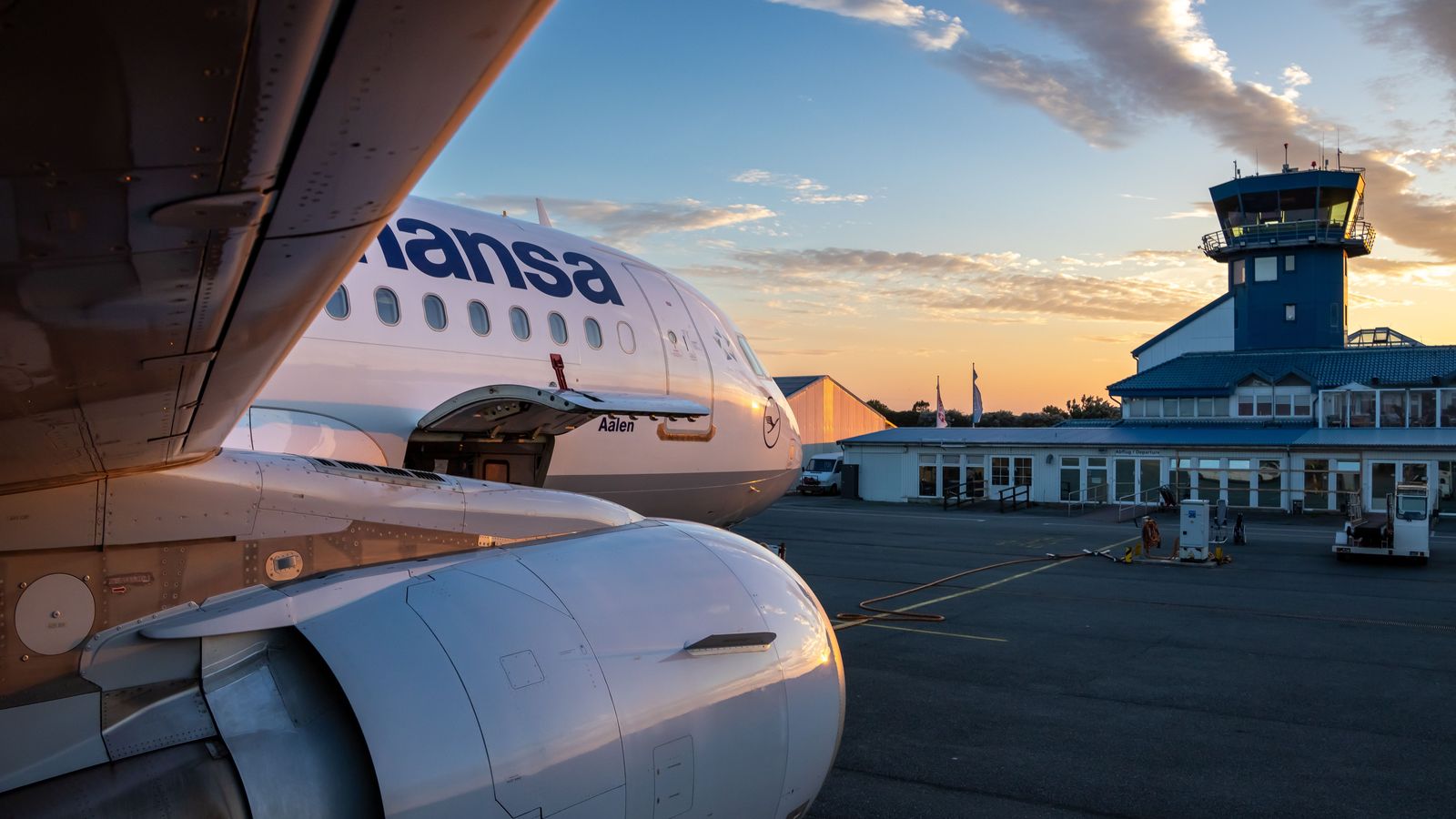
Salzburg is closest and handles many winter charters and business jets. Innsbruck is equally practical and sits on the same motorway as the Munich route. Munich Airport has the best long-haul connections from North America, Asia and the Middle East; private jets there use the Munich FBO. On every airport pickup the chauffeur is timed to the actual landing, with 60 minutes of waiting included on international arrivals, 30 on domestic flights and 15 on other pickups, then 15-minute blocks. Pickup is curbside at each airport's designated pre-arranged area; a name-board greeting inside arrivals is an add-on available only in selected locations.
How to book a Kitzbühel transfer
Open the engine at /book/ and give the flight number, the chalet or hotel address and the number of passengers and ski bags. The fare is fixed, with no meter. The Toronto desk runs 24/7 and passes the job to a vetted Tyrol operator working to the BlaakLane.com written standard. Several cars for a house party, a corporate chalet week or race hospitality guests are planned by a coordinator and confirmed in writing.
Hahnenkamm race week in January
The Hahnenkamm races are the town's defining event. They usually run over the second-to-last or last weekend of January, with training runs midweek, the super-G on Friday, the downhill on the Streif on Saturday and the slalom on the Ganslernhang on Sunday. Tens of thousands of spectators arrive, hotels in the whole Kitzbühel Alps region fill, and the town centre is closed to general traffic for long stretches.
What works in practice:
- Book the moment your dates are known. Vehicles across the region are committed early for race week.
- Expect drop-offs at an agreed point outside the closure area, then a short walk to the finish area or your hospitality tent.
- Set a return pickup time and a fallback point; mobile networks are congested after the downhill.
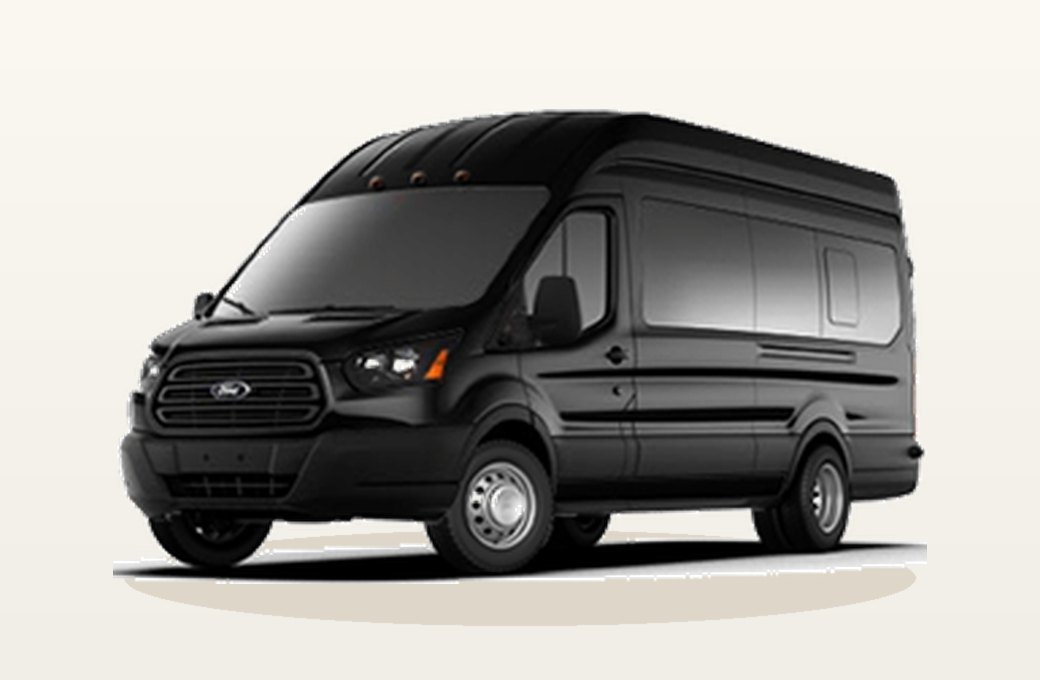
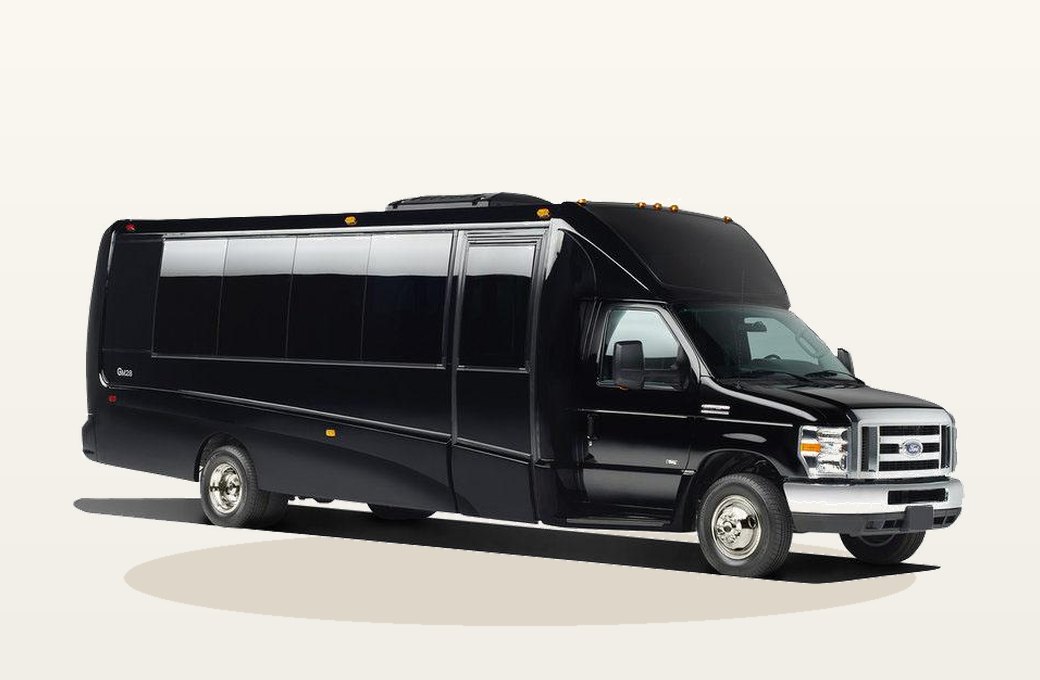
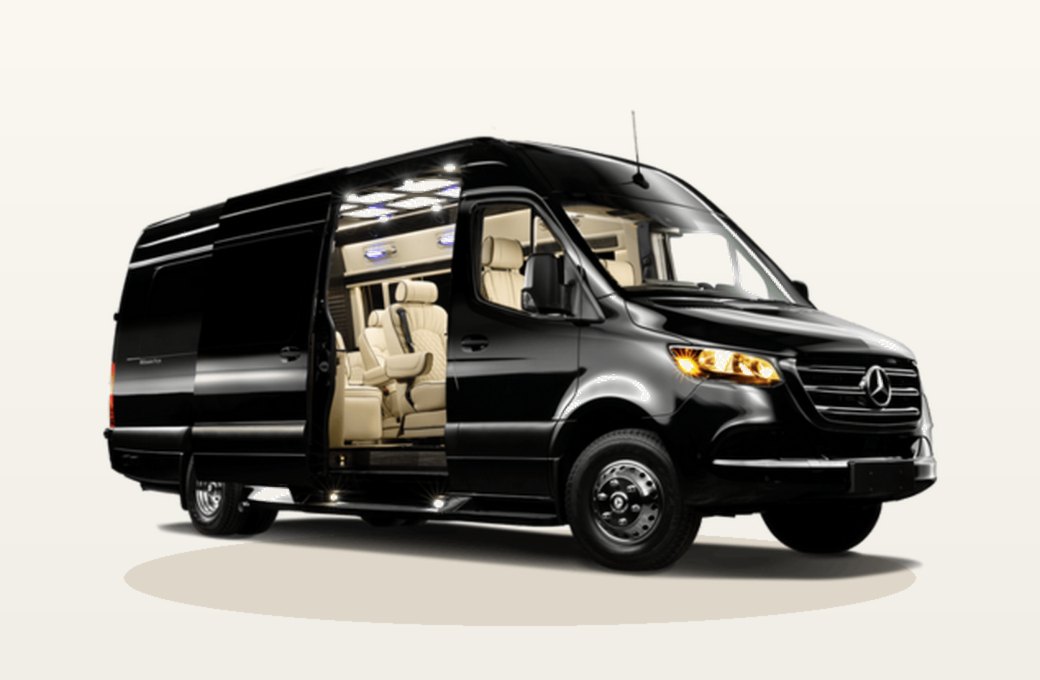
- For guest groups use a Sprinter Van or minicoach so everyone moves together, planned and confirmed in writing by a coordinator.
Race programme and tickets are on the Hahnenkamm site. Our event transportation page explains multi-vehicle planning.
KitzSki and the neighbouring ski areas
The KitzSki area links Kitzbühel with Kirchberg, Jochberg and Pass Thurn, and the Hahnenkamm and Kitzbüheler Horn gondolas start close to the town. Guests staying in Aurach, Jochberg or Reith often want a morning drop at a lift base and an evening pickup. The SkiWelt Wilder Kaiser-Brixental is about 20 to 30 minutes west, and day trips to the Kitzsteinhorn glacier above Kaprun take around an hour. Travellers wanting a car on call for a full ski day, lunch at a mountain hut and dinner in town book chauffeur hire by the hour.
Hotels, chalets and the old town
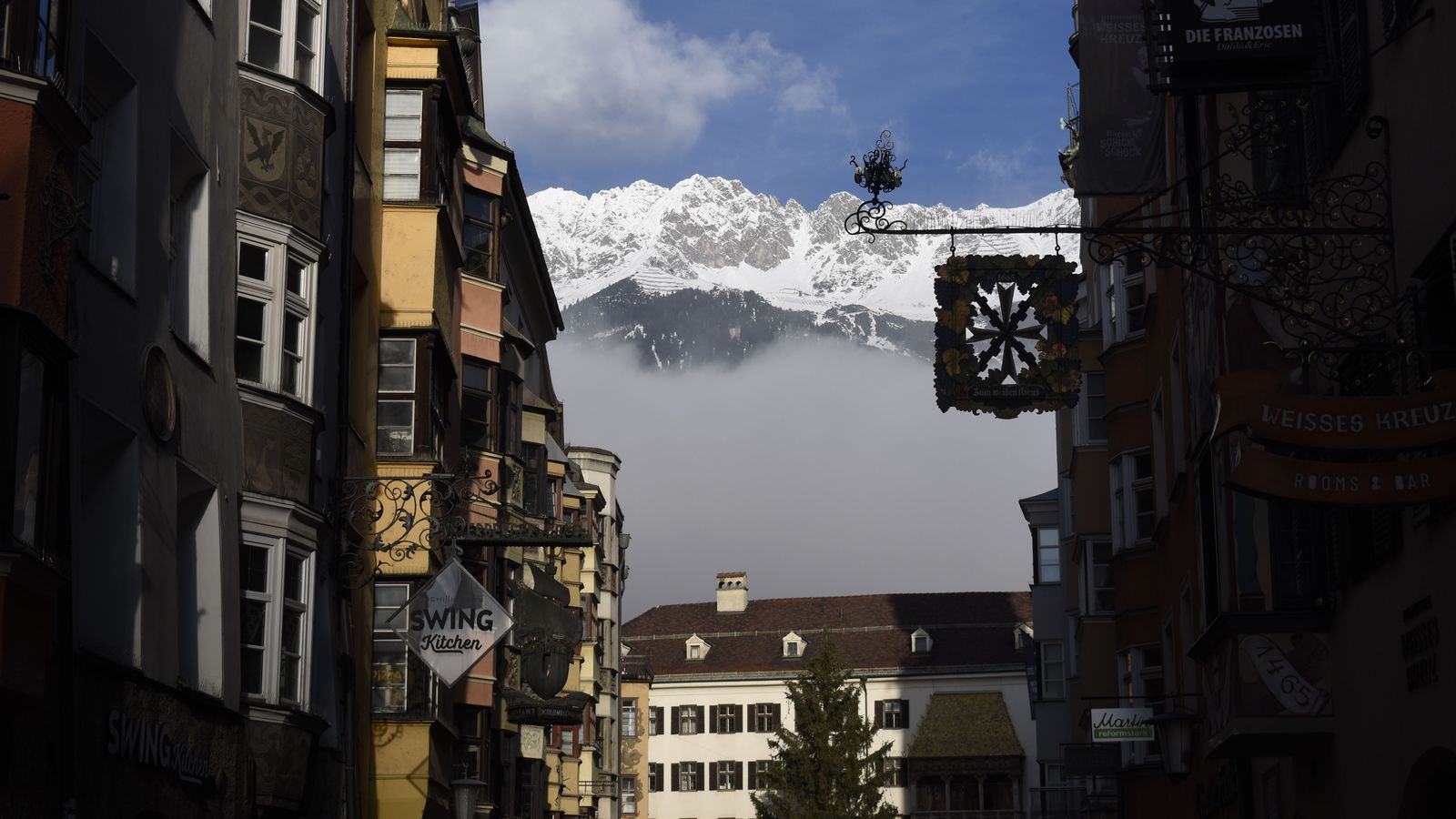
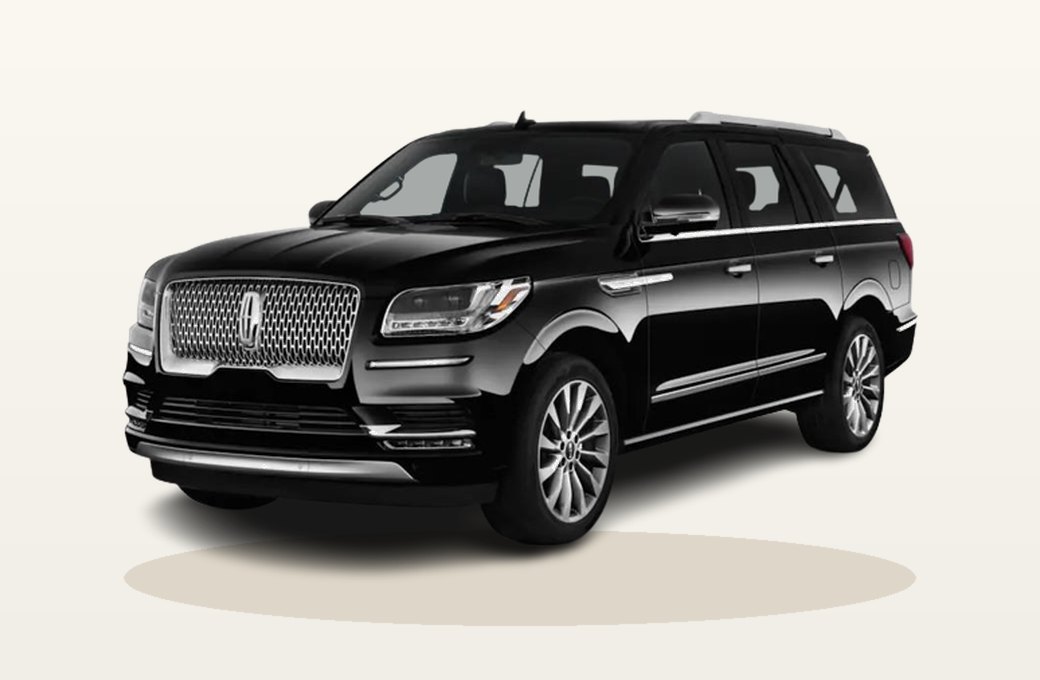
Kitzbühel's walled centre, with Vorderstadt and Hinterstadt, is compact and largely closed to through traffic, so chauffeurs drop at the permitted edge. Hotels regularly used by visitors include Schloss Lebenberg above the town, the A-ROSA Kitzbühel near the golf course and Hotel Zur Tenne in the old town. Many guests stay in private chalets on the hillsides toward the Hahnenkamm or in Reith and Aurach; steep, narrow driveways in snow are the norm, and an SUV with four-wheel drive is the sensible class. Family offices and private clients book through HNWI and family office coordination for recurring seasons.
Summer and autumn in Kitzbühel
The town is busy beyond winter. The Kitzbühel ATP tennis tournament usually takes place in late July or early August, the Kitzbüheler Alpenrallye classic-car event usually in June, and golf season runs from spring to autumn across several courses in the valley. Summer transfers still run from Salzburg, Innsbruck and Munich at fixed fares. The Kitzbühel tourism site lists current dates.
Driving to Kitzbühel: vignette, border and winter rules
Austria drives on the right. The motorway from Munich and Innsbruck requires a vignette; the last stretch from Wörgl or St. Johann is on federal roads. The Salzburg route crosses a short section of Germany or runs via Lofer. Schengen border checks near Kufstein are reintroduced from time to time and can add delays. Winter equipment is required in wintry conditions from 1 November to 15 April. Vignette and toll rules are published by ASFINAG.
Vehicle choice for Kitzbühel
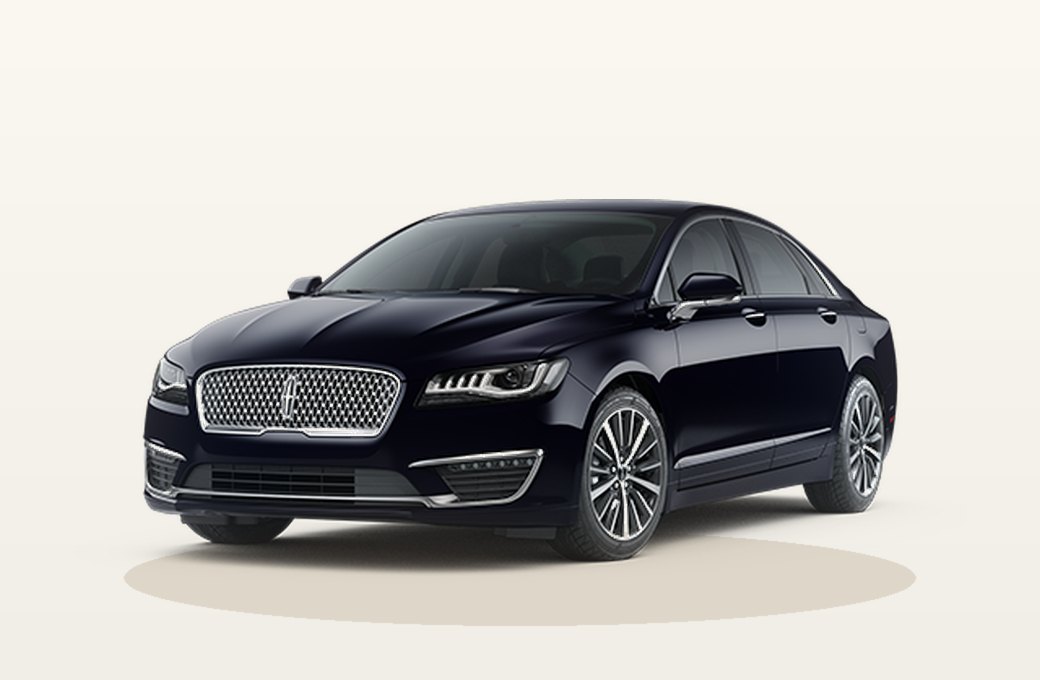
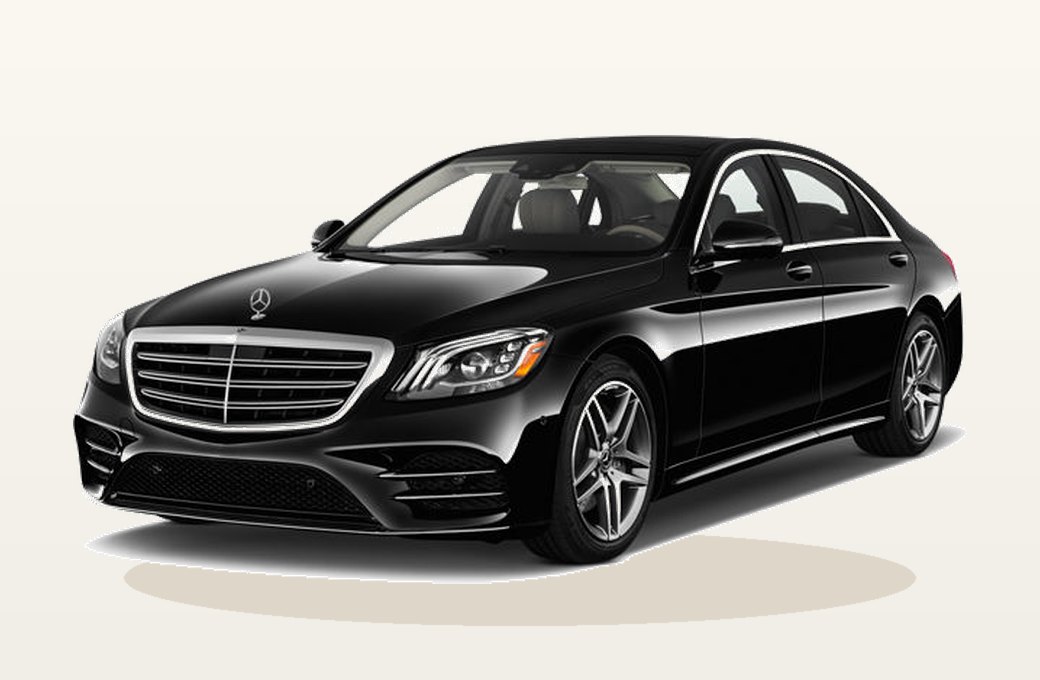
- Business or Luxury Executive Sedan: summer transfers for one or two people with light luggage.
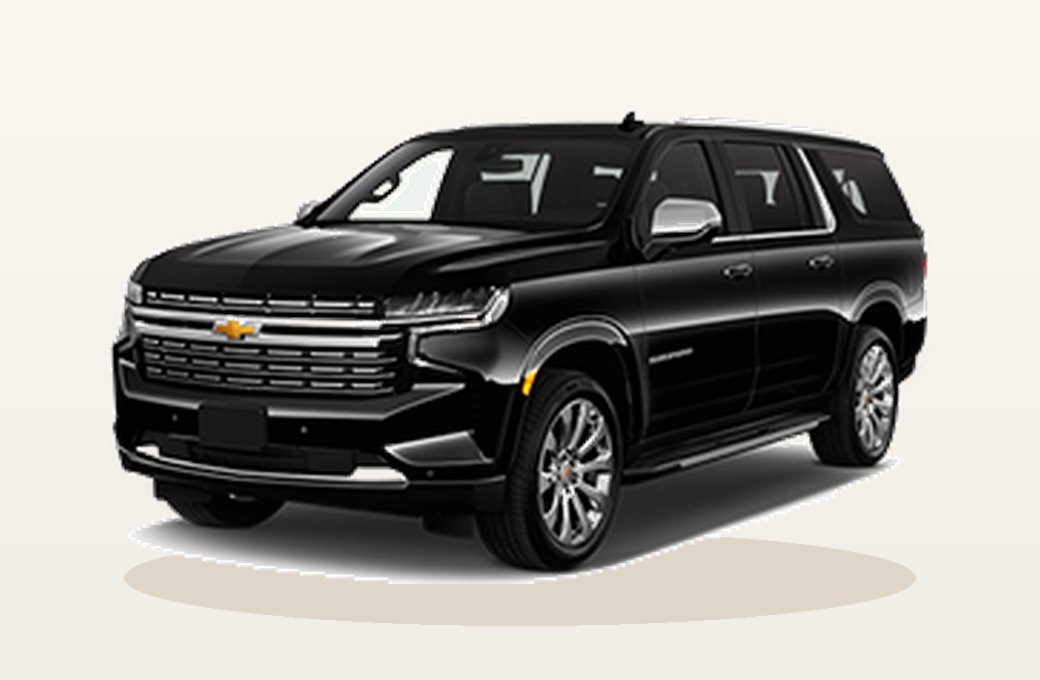
- Executive SUV: the winter default for up to three passengers with skis and boots.
- Standard Black SUV or Sprinter Van: families and chalet groups with full ski equipment.
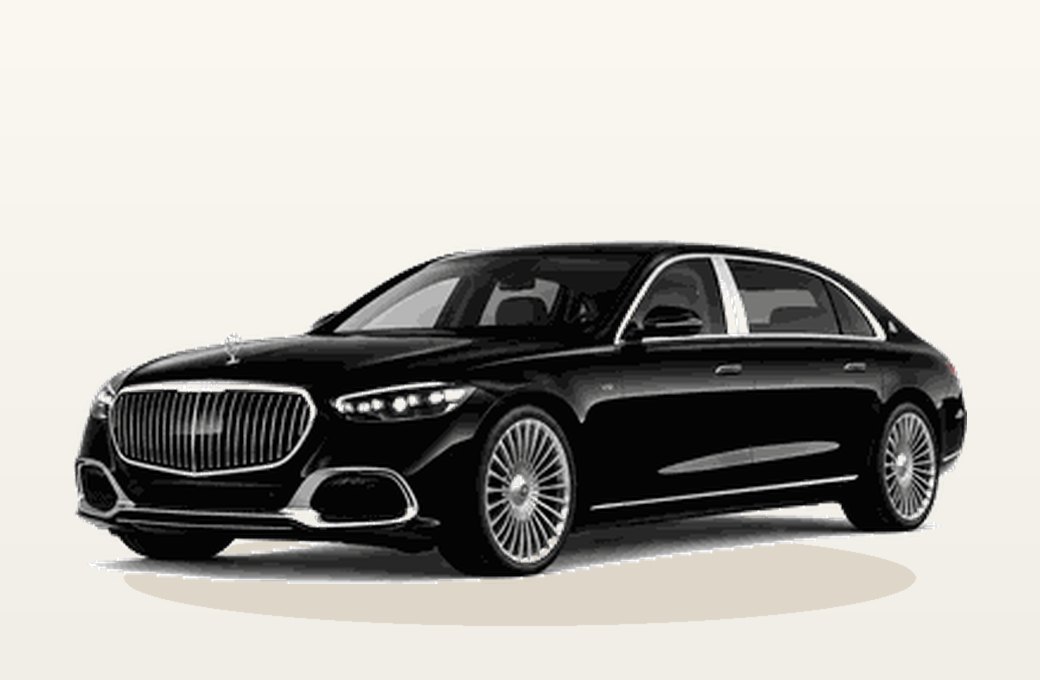
- Rolls-Royce, Maybach or Bentley: evening events and summer arrivals, supplied by a partner.
- Armoured SUV: on request after a risk assessment, through secure transportation.
Classes are described on the fleet; every vehicle is four model years old or younger, with prestige models accepted up to seven.
Kitzbühel station and road links
Kitzbühel station and Kitzbühel Hahnenkamm stop are on the ÖBB line between Wörgl and Salzburg via Zell am See. Chauffeurs meet trains at the forecourt. One-way road trips include Innsbruck (100 km, about 1h15), Salzburg (80 km, about 1h15), Munich (150 km city to city, around 2 hours) and Vienna (380 km, about 4 hours).
Arriving from outside the EU
Austria is a Schengen country. The Entry/Exit System has been fully operational since April 2026, so non-EU visitors are registered with fingerprints and a photo at the first Schengen border. ETIAS is not yet in operation as of September 2026; watch the official EU travel site for its start date.
Fare, waiting and cancellation
Your fixed fare covers the vehicle, the chauffeur and included waiting; rates explains what is included. Child seats are free on request. Cancellation more than 72 hours before pickup is free; 72 hours or less costs 10%, 48 hours or less 50%, and 24 hours or less or a no-show 100%.