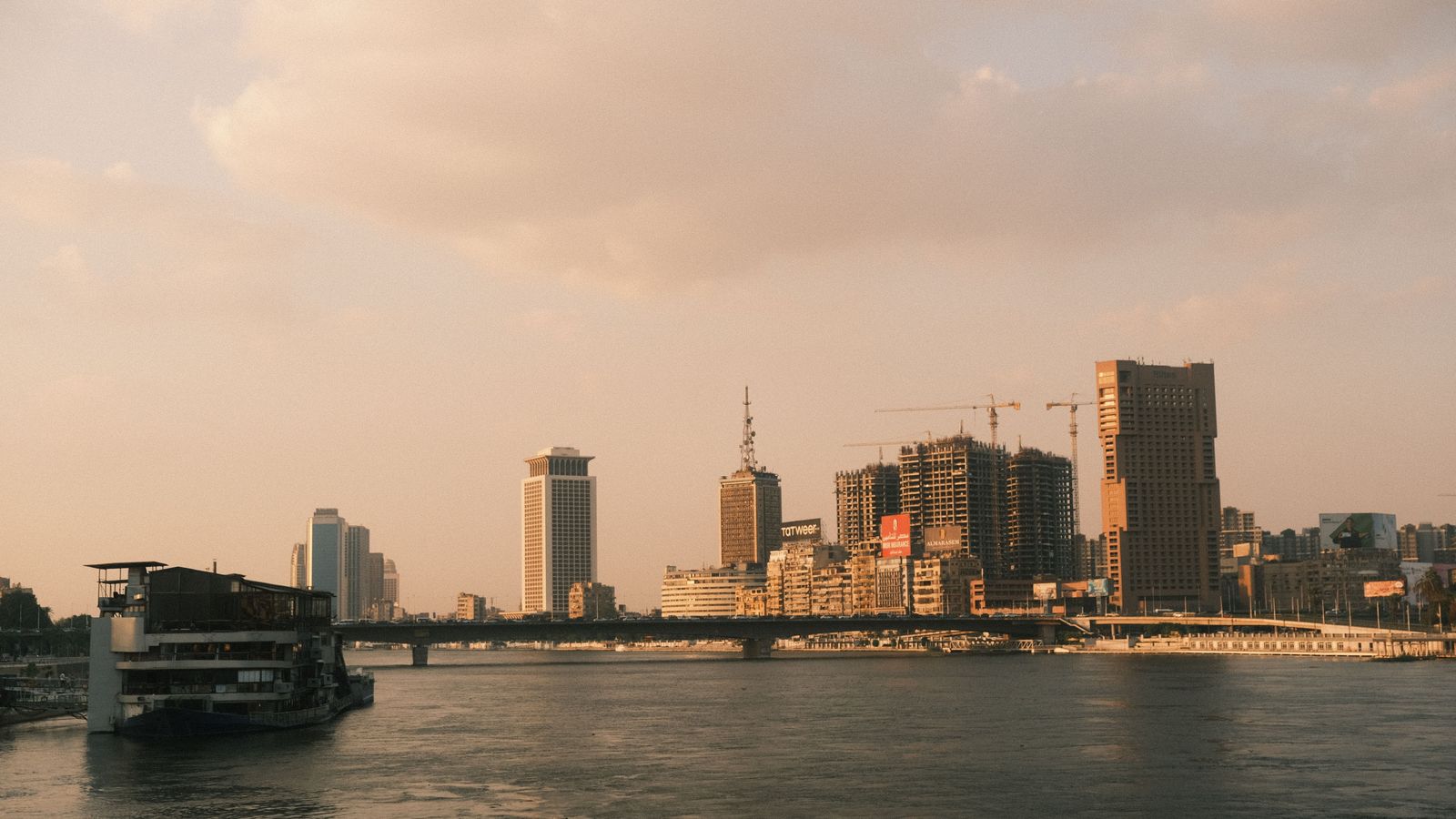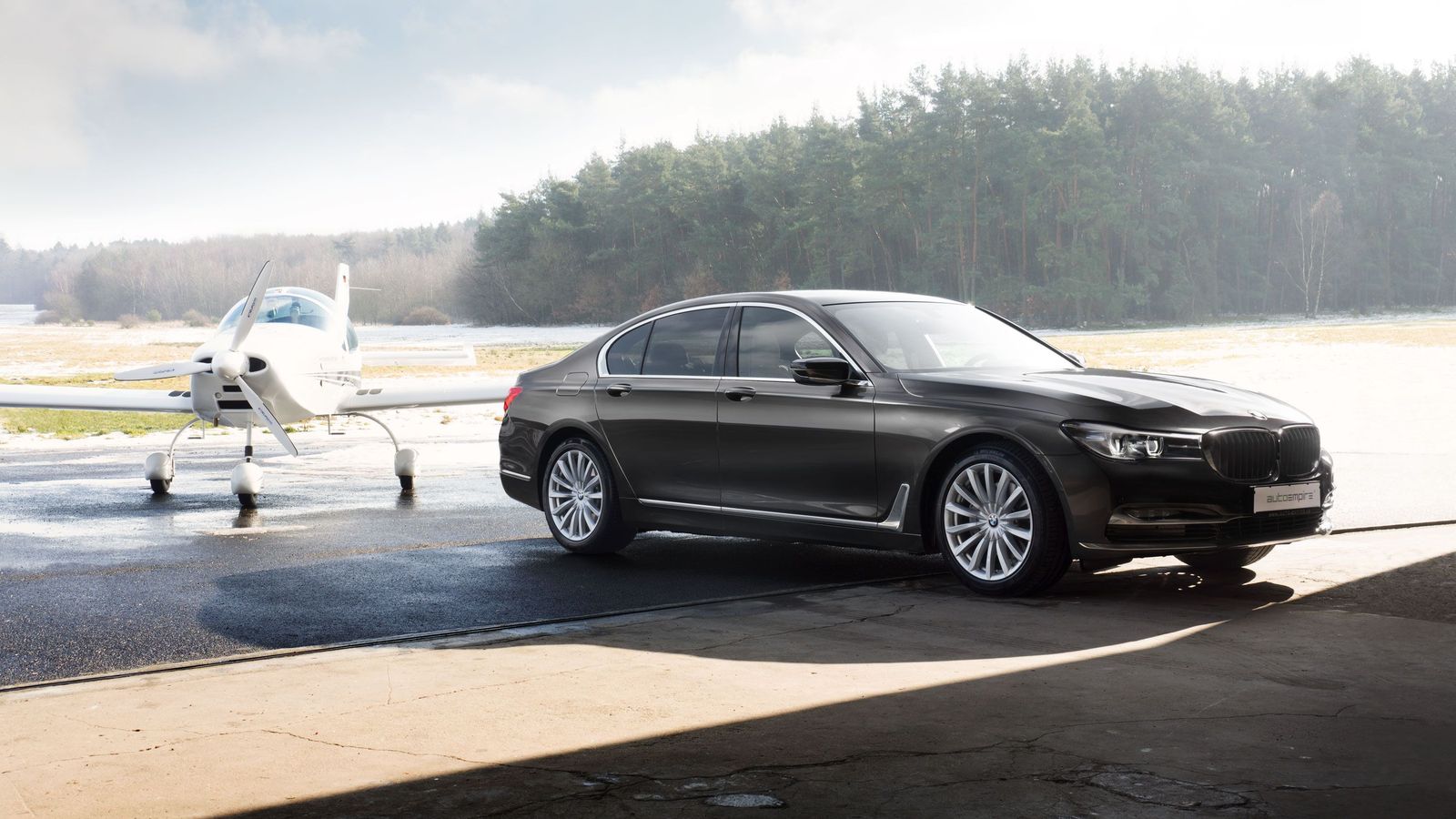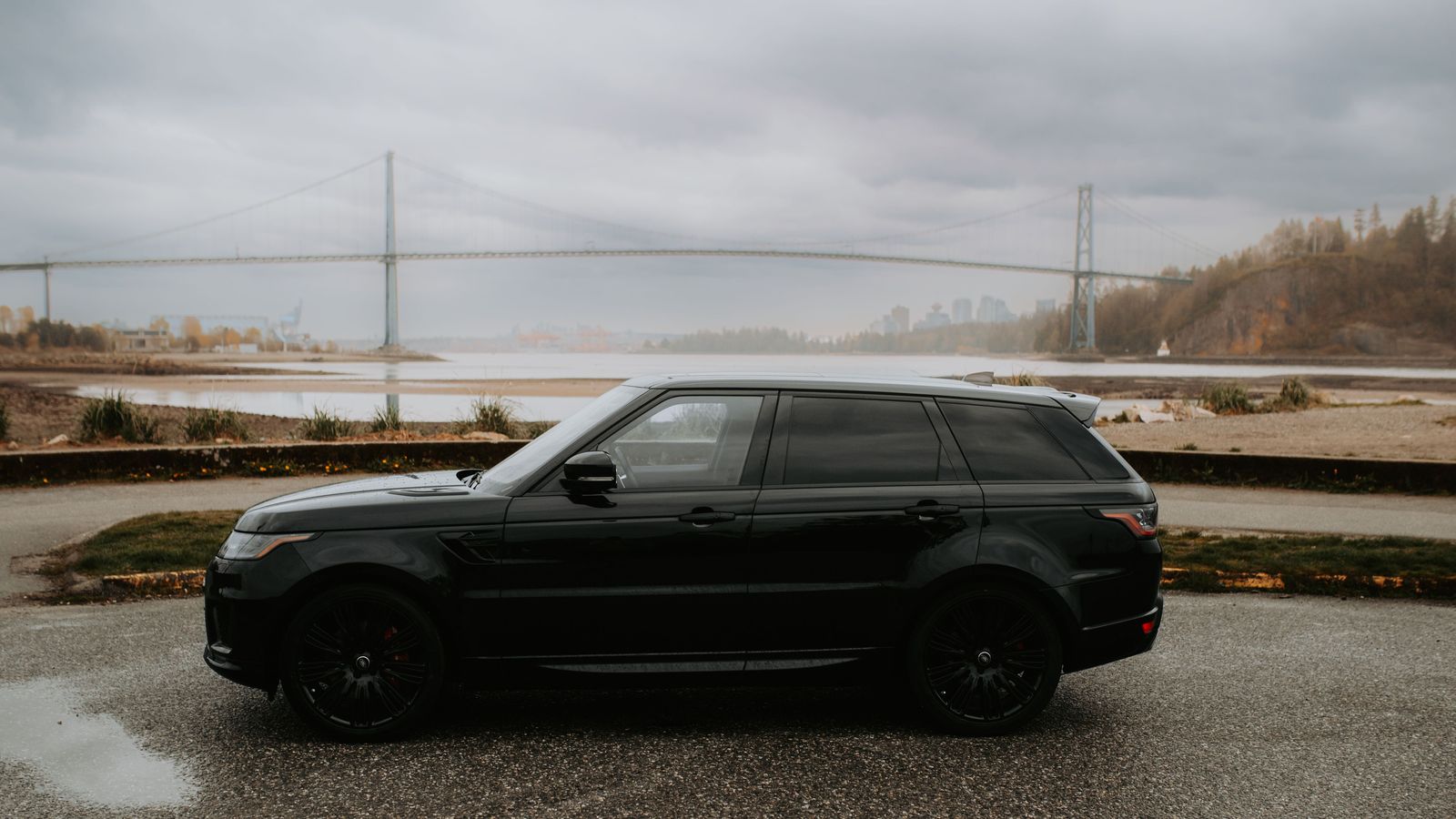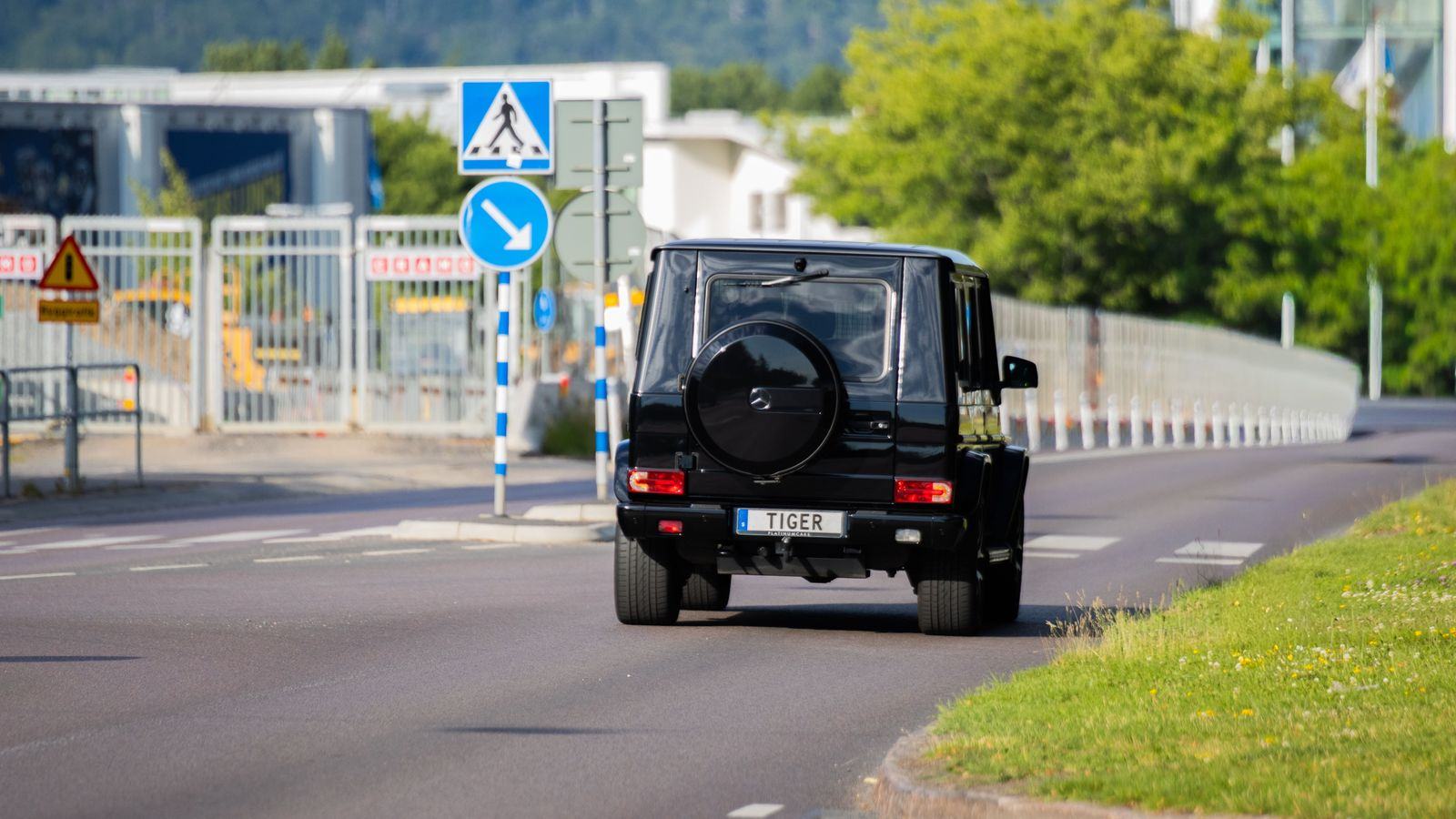










BlaakLane.com provides a chauffeur service in Cairo that you book online at one fixed fare. Enter your flight, the address and a vehicle class, and the fixed price covers the vehicle, the chauffeur and included waiting, with airport charges and gratuity added to the booking at actual cost. Pickups at Cairo International (CAI) and Sphinx International (SPX) are flight-tracked, and a vetted local affiliate named on your confirmation drives every journey.
How do I book a chauffeur service in Cairo?
Start in the Cairo reservation engine above, or open book. Enter the pickup, which can be a terminal at Cairo International, a hotel on the Corniche, an office in New Cairo or a villa in Sheikh Zayed, then the destination, date, time and vehicle. The engine shows a single fixed price for that trip before you confirm. Nothing is metered, and no surge is added when the Ring Road locks up at 4 pm.
After you confirm, the 24/7 reservations and dispatch desk in Toronto assigns the job to a vetted Cairo affiliate from the LimousineWorldwide.Directory network. BlaakLane.com does not keep its own garage or cars in Egypt; the confirmation email names the operator, the chauffeur and the vehicle. For a day that strings together a ministry meeting, a lunch in Zamalek and a late flight, book hourly chauffeur service so one car stays with you.
What does the fixed Cairo fare cover?
The fixed fare is set for the booked route and vehicle. It includes:
- Included waiting: 60 minutes from actual landing on international arrivals, 30 minutes on domestic flights such as those from Luxor, Aswan or Sharm El Sheikh, and 15 minutes at hotels, offices and homes, then 15-minute blocks.
- Child seats on request, free, in most cities including Cairo.
Access and parking charges at Cairo International or Sphinx, and gratuity for the chauffeur, are charged at actual cost and added to the booking. Planning ranges for each vehicle class are on the rates page, and the booking engine gives the exact figure. Cancelling more than 72 hours before pickup costs nothing; within 72 hours the charge is 10%, within 48 hours 50%, and within 24 hours or for a no-show 100%.
Cairo International Airport: terminals and pickup
Cairo International Airport sits in Heliopolis, about 20 km northeast of Downtown. Passenger flights use three main buildings. Terminal 3 is the largest and handles most EgyptAir and Star Alliance flights; Terminal 2 reopened in 2016 after a full rebuild and serves many foreign carriers; Terminal 1 handles a mix of regional and charter flights, with a separate seasonal building used during pilgrimage peaks. An automated people mover links the terminal area. The airport authority has also announced a new Terminal 4, planned for about 40 million passengers a year, so forecourt layouts may change as work starts.
Curbside pickup at the designated area for pre-arranged cars is standard on every booking; the chauffeur is timed to your actual landing and your confirmation states the meeting point for your terminal. Meeting you with a name board inside the Cairo arrivals hall is an add-on. Add-ons are only available in selected locations, and the engine shows whether your flight qualifies. Typical drive times from CAI:
| Destination | Typical distance | Typical drive time |
|---|---|---|
| Downtown, Garden City, Corniche hotels | about 20-25 km | 35-75 minutes |
| Zamalek | about 22 km | 40-80 minutes |
| New Cairo and the Fifth Settlement | about 20-30 km | 30-60 minutes |
| New Administrative Capital | about 45-55 km | 45-80 minutes |
| Giza Pyramids and the Grand Egyptian Museum | about 40-45 km | 60-110 minutes |
| Sheikh Zayed and 6th of October City | about 45-55 km | 60-100 minutes |
Sphinx International Airport for Giza and the west
Sphinx International Airport (SPX) lies on the Cairo-Alexandria Desert Road west of the city, roughly 45 km from the Pyramids. It opened to scheduled passenger flights in the early 2020s and has since expanded its terminal several times, though it still carries far fewer flights than CAI. For travellers staying near Giza, in Sheikh Zayed or at the Smart Village business park, Sphinx can cut an hour of cross-city driving. Pickups follow the same rules: flight tracking, the airport's designated pickup area as standard, and a fixed fare shown before you book. Transfers from Sphinx to the Pyramids area usually take 35 to 60 minutes. Cairo's third field, Capital International Airport, sits east of the New Administrative Capital and serves a limited schedule; the booking engine accepts it as a pickup address.
The Grand Egyptian Museum, the Pyramids and Giza
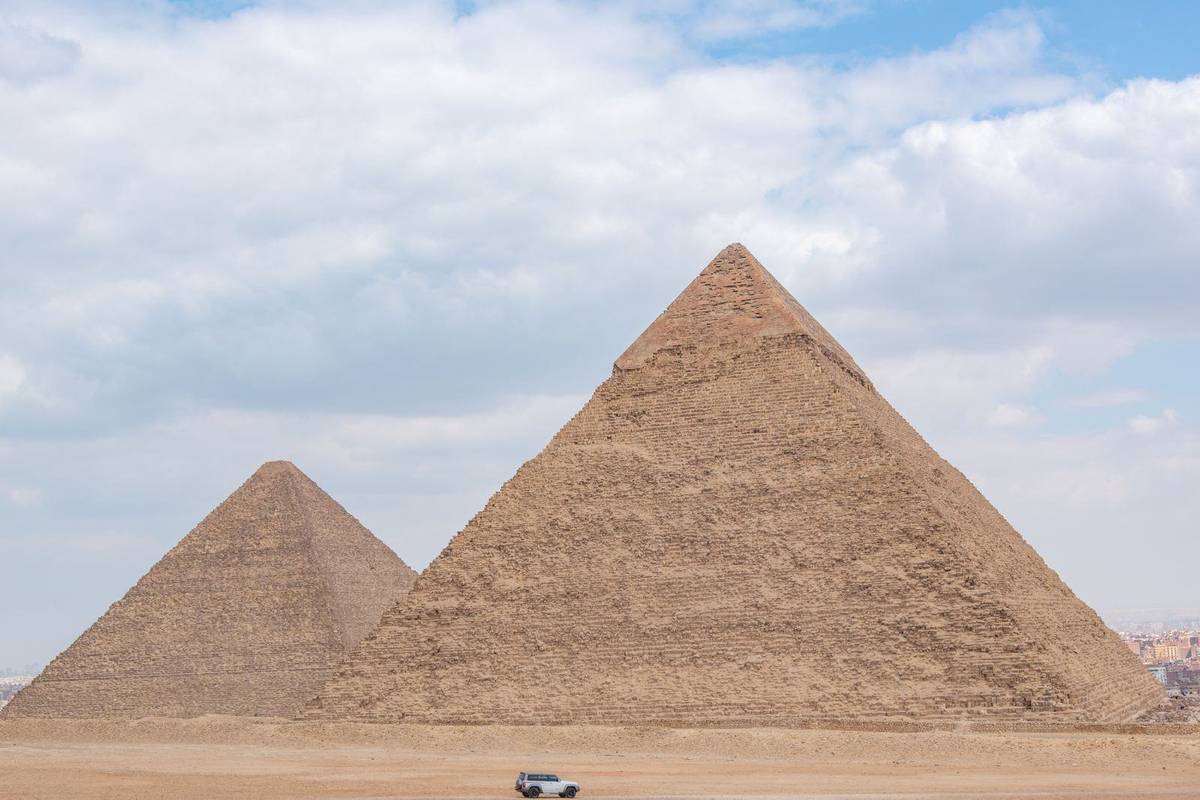
The Grand Egyptian Museum on the edge of the Giza plateau opened fully to the public in November 2025, about 2 km from the Pyramids. It has become the anchor of most first days in Cairo. A common plan is a morning at the museum, lunch nearby, then the Pyramids plateau in the afternoon light, with one car on an hourly booking. From Zamalek or Downtown the drive is typically 40 to 75 minutes via the 26th of July Corridor or the Ring Road. The chauffeur drops you at the visitor entrances and waits in the designated parking.
A note on roles: your chauffeur is a professional driver, not a licensed guide. In Egypt, guided tours inside monuments and museums are the work of licensed Egyptian guides, so book one separately if you want commentary inside, and the chauffeur will meet you both at the entrance. For a full day that also covers Saqqara or Dahshur, see city tours and day trips.
The New Administrative Capital and New Cairo
Much of Egypt's government has moved to the New Administrative Capital, about 45 km east of Downtown, where ministries, the parliament complex, the central business district and the Iconic Tower now sit. For delegations and consultants, that shifts the daily commute: a hotel in New Cairo or the Fifth Settlement is often 25 to 45 minutes from the ministries, compared with 60 to 90 minutes from Zamalek or the Corniche. Routes run via the Suez Road, the Regional Ring Road and Mohamed Bin Zayed Axis. Security screening at government gates is routine, so allow ten extra minutes for arrival and give the chauffeur the exact gate name in the booking notes.
New Cairo itself hosts the Egypt International Exhibition Center, several university campuses and a dense cluster of corporate headquarters along the 90th Street spine. Government and diplomatic transport and multi-car delegation programmes are planned by a coordinator and confirmed in writing.
Which vehicle suits Cairo traffic?
Traffic in Cairo is dense and lane discipline is loose, so a quiet, well-maintained cabin matters more than size. The fleet guide:
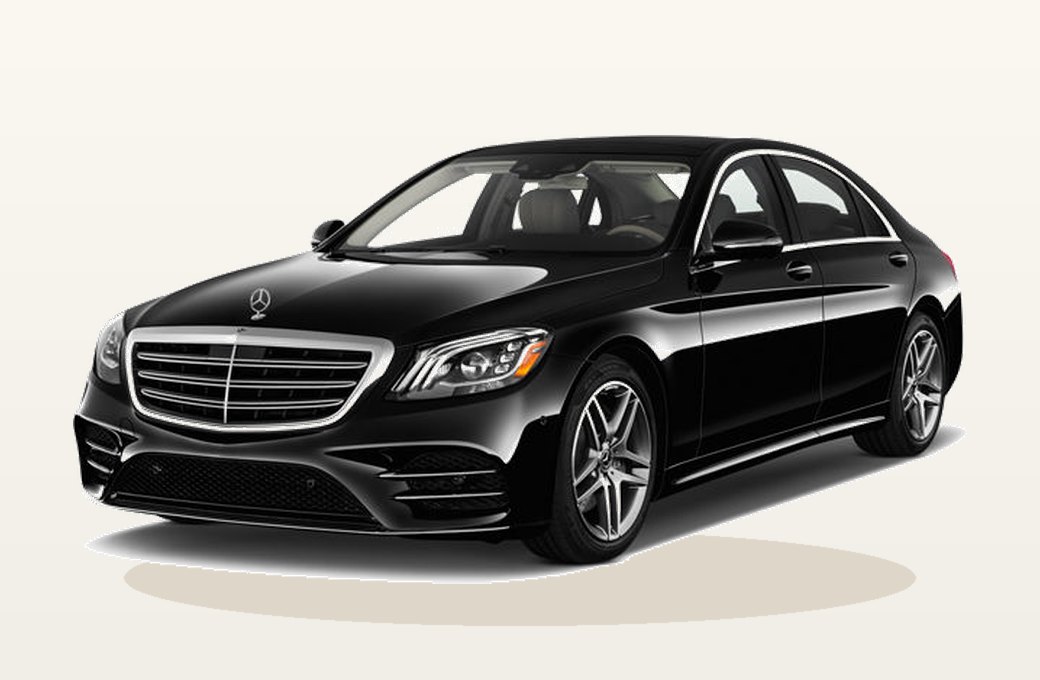
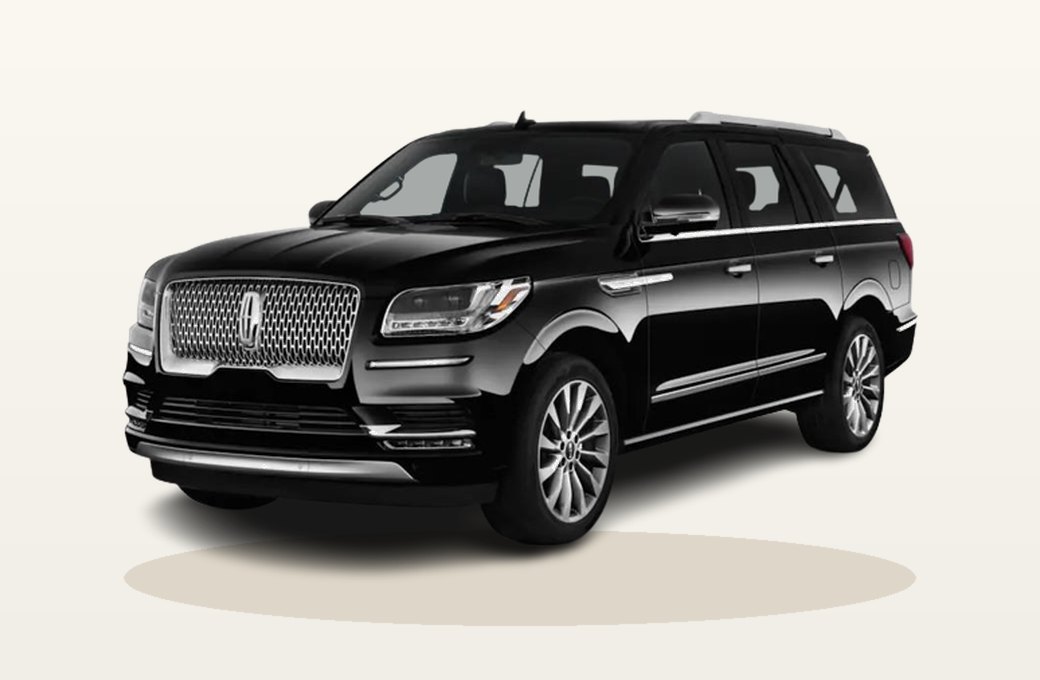
- Standard Sedan: one or two travellers moving between Downtown, Zamalek and Heliopolis.
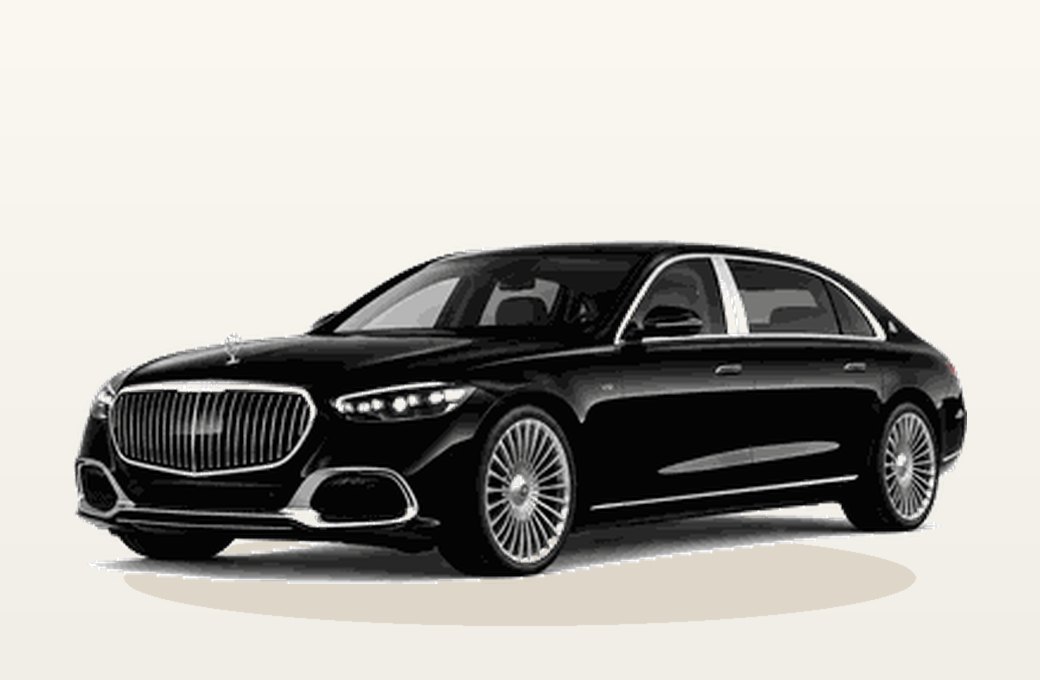
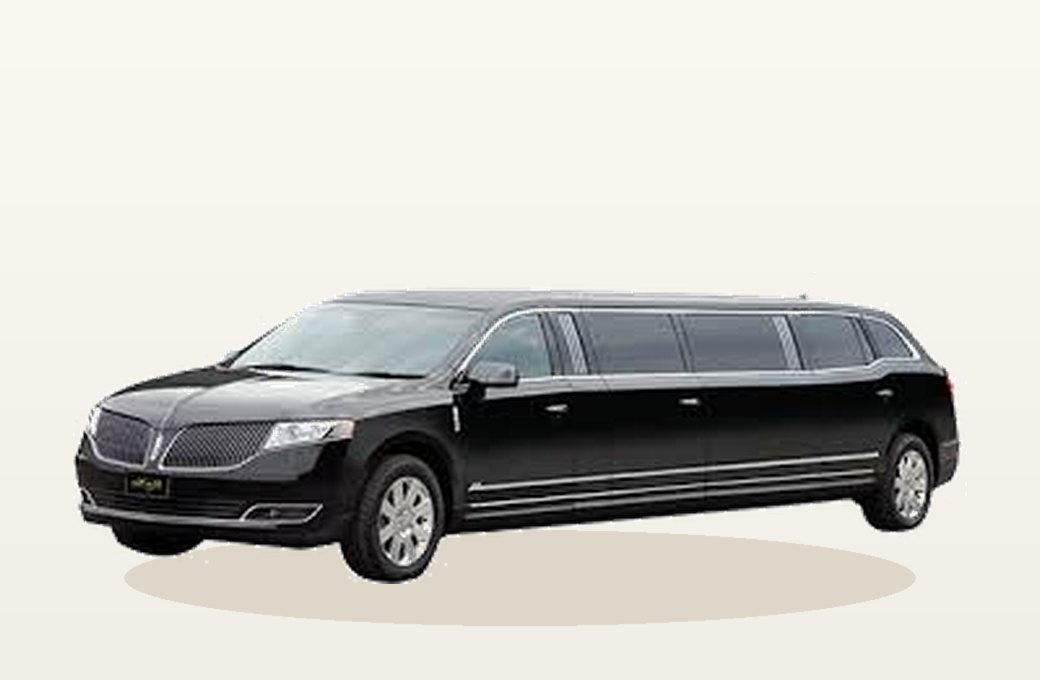
- Luxury Executive Sedan: senior executives and long airport runs to Sheikh Zayed.
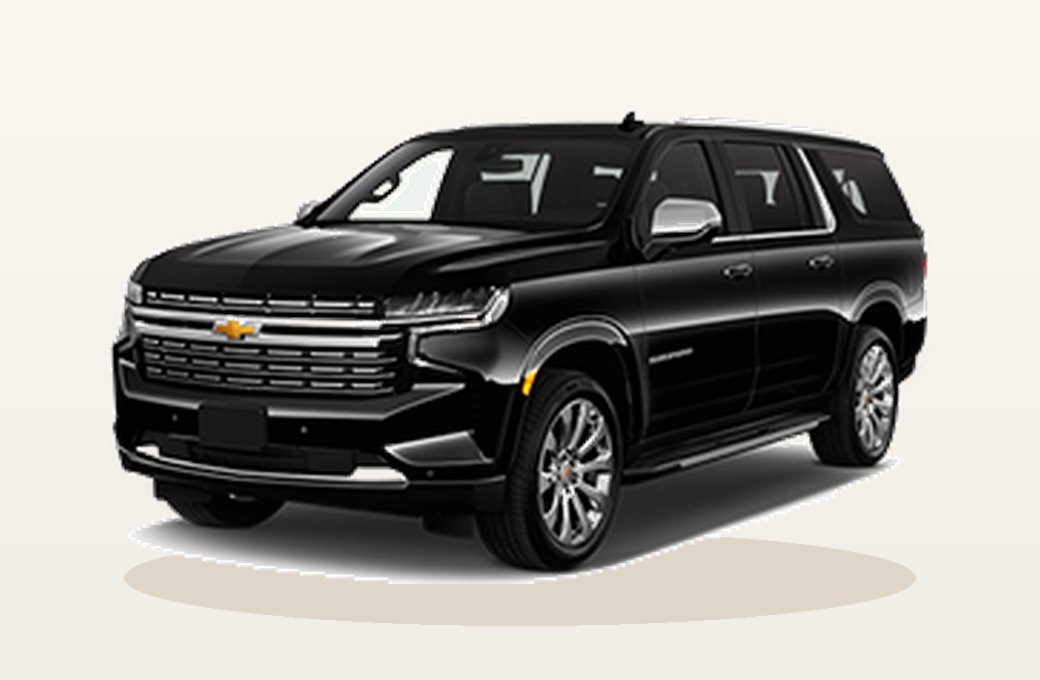
- Executive SUV: families with large cases, or trips on desert highways toward Alexandria or Ain Sokhna.
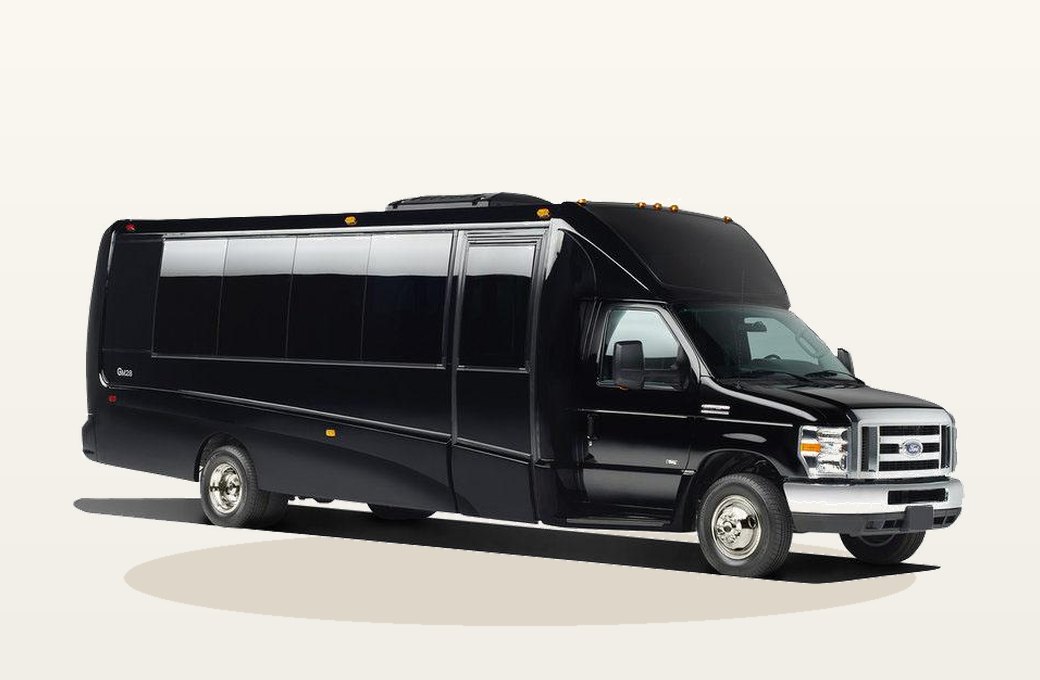
- Standard Black SUV or Sprinter Van: teams of four to twelve heading to the Exhibition Center or the New Capital.
- Minicoach or motorcoach: conference shuttles and group visits to Giza, planned by a coordinator.
- Armoured SUV or sedan (partner): for Cairo principals with a security profile, on request and only after a risk assessment.
Cars sent in Cairo are four model years old or younger, except Rolls-Royce, Maybach and Bentley, which may be up to seven.
Where do visitors stay and do business in Cairo?
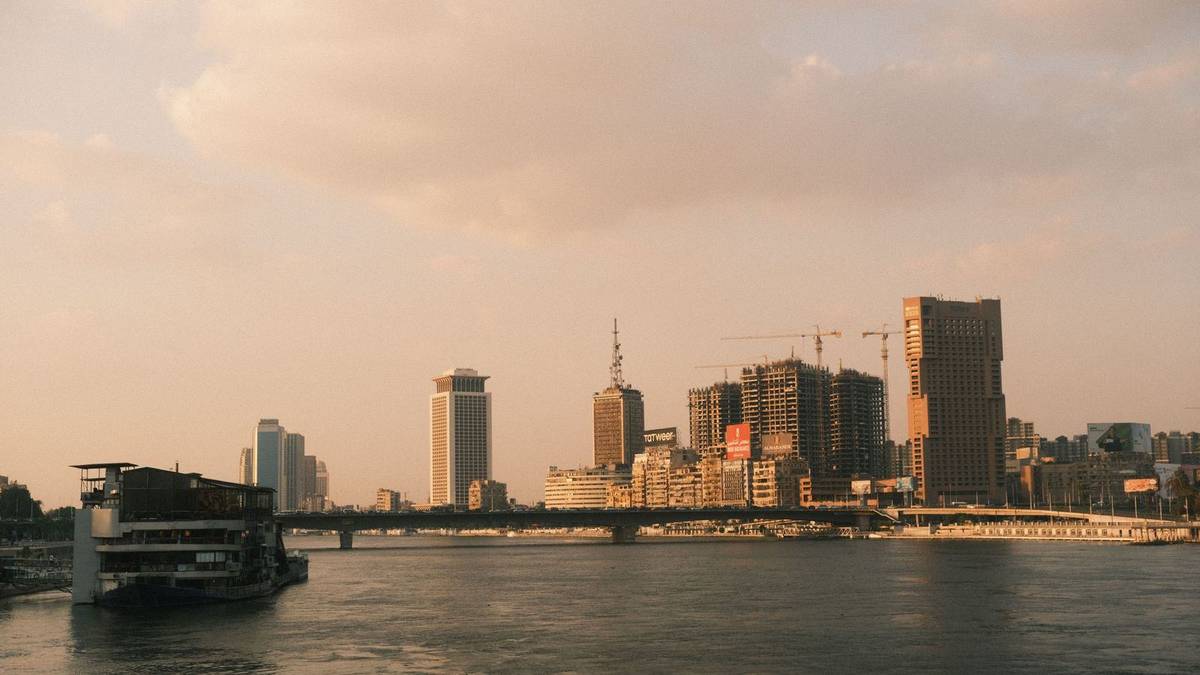
Cairo is really several cities. Downtown and Garden City hold the older ministries, banks, embassies and the hotels along the Nile Corniche, including the Nile Ritz-Carlton and the Four Seasons Nile Plaza. Zamalek, an island in the Nile, is residential and full of embassies, galleries and restaurants. Heliopolis, near the airport, has the Baron Empain Palace and many business hotels. Maadi, south along the Nile, is popular with expatriate families. On the west bank, Dokki and Mohandessin are commercial, and the Marriott Mena House sits at the foot of the Pyramids. Farther west, Sheikh Zayed and 6th of October City are fast-growing suburbs with schools, malls and industrial zones. The Cairo International Convention Center in Nasr City and the Cairo International Stadium are both about 20 to 40 minutes from the airport.
Annual events that shape Cairo traffic
- Cairo International Book Fair: usually late January into February, at the Exhibition Center in New Cairo, with very heavy traffic on the eastern roads.
- EGYPES energy show: usually in the first quarter, drawing oil and gas delegations to New Cairo.
- Ramadan: the month moves about eleven days earlier each year; roads empty just before sunset and fill again late at night.
- Cairo International Film Festival: usually in November, at the Cairo Opera House grounds in Zamalek.
Check official dates each year on the event websites or with the Egyptian tourism authority.
Trains and intercity routes from Cairo
Ramses Station, known as Cairo Station, is the main rail hub, with express trains to Alexandria in about 2.5 to 3 hours and overnight sleepers to Luxor and Aswan. Station pickups are timed to the scheduled arrival, with the usual 15-minute waiting window. By road:
| Route | Distance | Typical time |
|---|---|---|
| Alexandria | about 220 km | 2.5-3.5 hours |
| Ain Sokhna | about 130 km | 1.5-2 hours |
| Hurghada | about 460 km | 5-6.5 hours |
| Sharm El Sheikh | about 500 km | 6-7.5 hours |
| El Alamein and the North Coast | about 250-300 km | 3-4 hours |
Long intercity transfers are booked like any other trip, at a fixed fare. Routes into South Sinai pass several police checkpoints, so passports must be at hand.
Driving realities in Cairo
Cars drive on the right. The busiest windows are roughly 8 to 11 am and 2 to 7 pm, and the Ring Road, the 6th of October Bridge and the airport road slow sharply at those times. Friday mornings are the calmest part of the week. Police checkpoints are normal on the desert highways, around government districts and near major sites; chauffeurs stop, show papers and carry on, and passengers should keep passports with them. Hotel entrances usually have bag screening and vehicle checks. None of this is a reason for concern; it is simply how moving around Cairo works.
Entry rules for arrivals in Egypt
Many nationalities, including citizens of the United States, the United Kingdom, Canada and the European Union, can obtain a tourist visa on arrival at Cairo International or apply in advance for an e-visa on the official Egypt e-visa portal. Rules and fees change, so check them before you fly. The visa-on-arrival counters are in the arrivals hall before passport control, which adds time; that is one reason the 60-minute included wait starts at actual landing. Current terminal notices are published by Cairo Airport.
Connecting to Luxor, Aswan and Nile cruises
Many visitors combine Cairo with a Nile cruise between Luxor and Aswan. The usual pattern is a short domestic flight from Cairo International, or the overnight sleeper train from Ramses Station, rather than a 650 km drive south. A chauffeur can collect you from your hotel at the hour your flight or train requires, and on the way back the 30-minute domestic waiting window applies from actual landing. Keep your passport handy for the trip: identity checks on domestic flights and at station entrances are routine.
Why travellers use BlaakLane.com in Cairo
One fixed price, flight tracking, a 24/7 desk and a written standard on vehicle age and chauffeur conduct, applied by a vetted local affiliate. Airline crews, Fortune 500 travel managers and oil and gas project teams use the same engine, with monthly invoicing through corporate accounts. The same account works for onward trips to Dubai or Riyadh. Licensed Egyptian operators who meet our standard can register as affiliates.