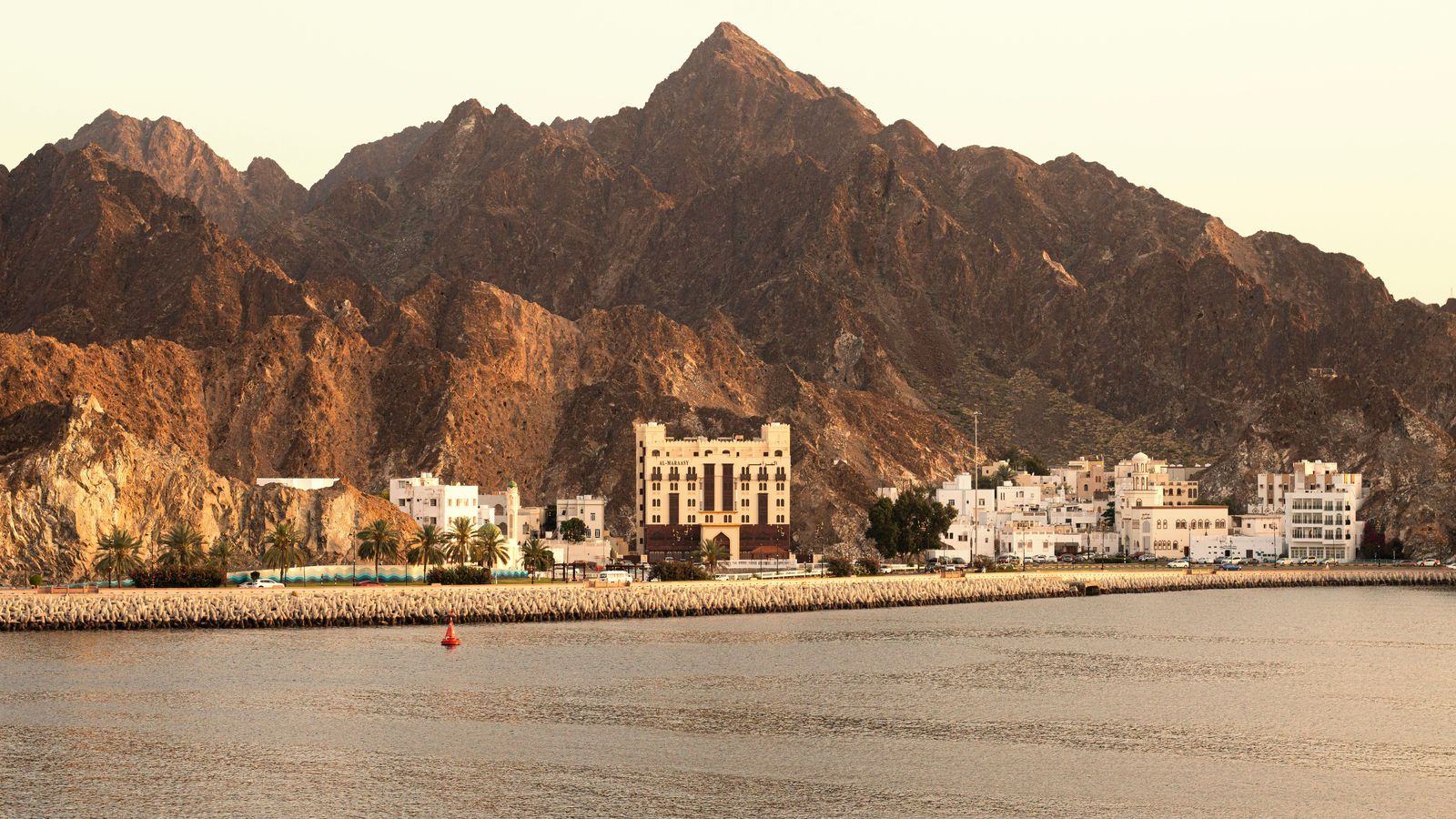










BlaakLane.com provides chauffeur service in Muscat at a fixed price you see before you confirm. Your flight into Muscat International Airport is tracked, the chauffeur is timed to the actual landing, and 60 minutes of waiting is included on international arrivals. Cruise passengers at Port Sultan Qaboos in Muttrah are met at the berth exit. A vetted Omani affiliate, named on the confirmation, drives every trip.
Booking a chauffeur in Muscat, step by step
- Open the engine on this page or go to book.
- Enter the pickup: the airport, a hotel in Qurum, a villa at Al Mouj, the cruise port in Muttrah or a resort on the Barr Al Jissah coast.
- Add the destination, date, time and flight or ship name.
- Choose a vehicle class and review the fixed fare, which already includes waiting allowances; any gratuity is added at actual cost once the trip is done.
- Confirm. Your confirmation names the operator, the chauffeur and the car.
The Toronto reservations desk runs 24 hours a day and hands the trip to a vetted Muscat affiliate from the LimousineWorldwide.Directory network. That affiliate works to the BlaakLane.com written standard; we do not claim our own office or cars in Oman. For a day with several stops, such as a ministry meeting in Al Khuwair, lunch in Qurum and an evening at the Royal Opera House, hourly chauffeur service keeps one car and one chauffeur with you.
Muscat International Airport: arrival and pickup
Muscat International Airport (MCT), run by Oman Airports, is at Seeb, on the coast west of the city. Its single large passenger terminal opened in 2018 and handles all scheduled flights. Standard pickup is curbside at the terminal's designated area for pre-arranged vehicles, with the exact point in your confirmation. A name-board meet and greet in arrivals is an add-on; add-ons are only available in selected locations, and the engine shows if it is offered.
Muscat is a long, narrow city squeezed between the mountains and the Gulf of Oman, so distances are bigger than the map suggests:
| From MCT to | Distance | Typical drive |
|---|---|---|
| Al Mouj (The Wave) | about 8 km | 10 to 15 minutes |
| Madinat Al Irfan and the convention centre | about 5 km | 5 to 10 minutes |
| Al Khuwair and the ministries | about 15 km | 15 to 25 minutes |
| Qurum and Shatti Al Qurum | about 20 km | 20 to 30 minutes |
| Muttrah Corniche and Port Sultan Qaboos | about 35 km | 30 to 45 minutes |
| Old Muscat and Al Alam Palace | about 40 km | 35 to 50 minutes |
| Barr Al Jissah resorts | about 50 km | 45 to 60 minutes |
Times stretch at the afternoon rush on Sultan Qaboos Street, roughly 2 to 4 pm when government offices close.
Entry rules for Oman in 2026
GCC citizens enter Oman freely. A long list of other nationalities can enter visa-free for up to 14 days, and some visitors qualify through a valid residence permit or visa from countries such as the United States, the United Kingdom, Canada, Schengen states, Australia or Japan. Longer stays and other passports use the eVisa. Oman adjusted its tourist visa arrangements again in August 2026, so check the Royal Oman Police eVisa service or your embassy before you fly. Expect passport control and baggage to take 20 to 40 minutes; the 60-minute included wait covers a normal queue. Passports should be valid for at least six months.
What your fixed Muscat fare covers
- The vehicle, chauffeur and fuel for the route shown.
- Airport access or port-gate charges at pickup.
- Waiting: 60 minutes from actual landing on international flights, 30 minutes on domestic flights such as those from Salalah, and 15 minutes on hotel and home pickups. After that, 15-minute blocks.
- Child seats on request, free.
Planning ranges by class are on rates. Cancellation: free more than 72 hours out, 10% at 72 hours or less, 50% at 48 hours or less, and 100% at 24 hours or less or for a no-show.
Port Sultan Qaboos: cruise transfers in Muttrah
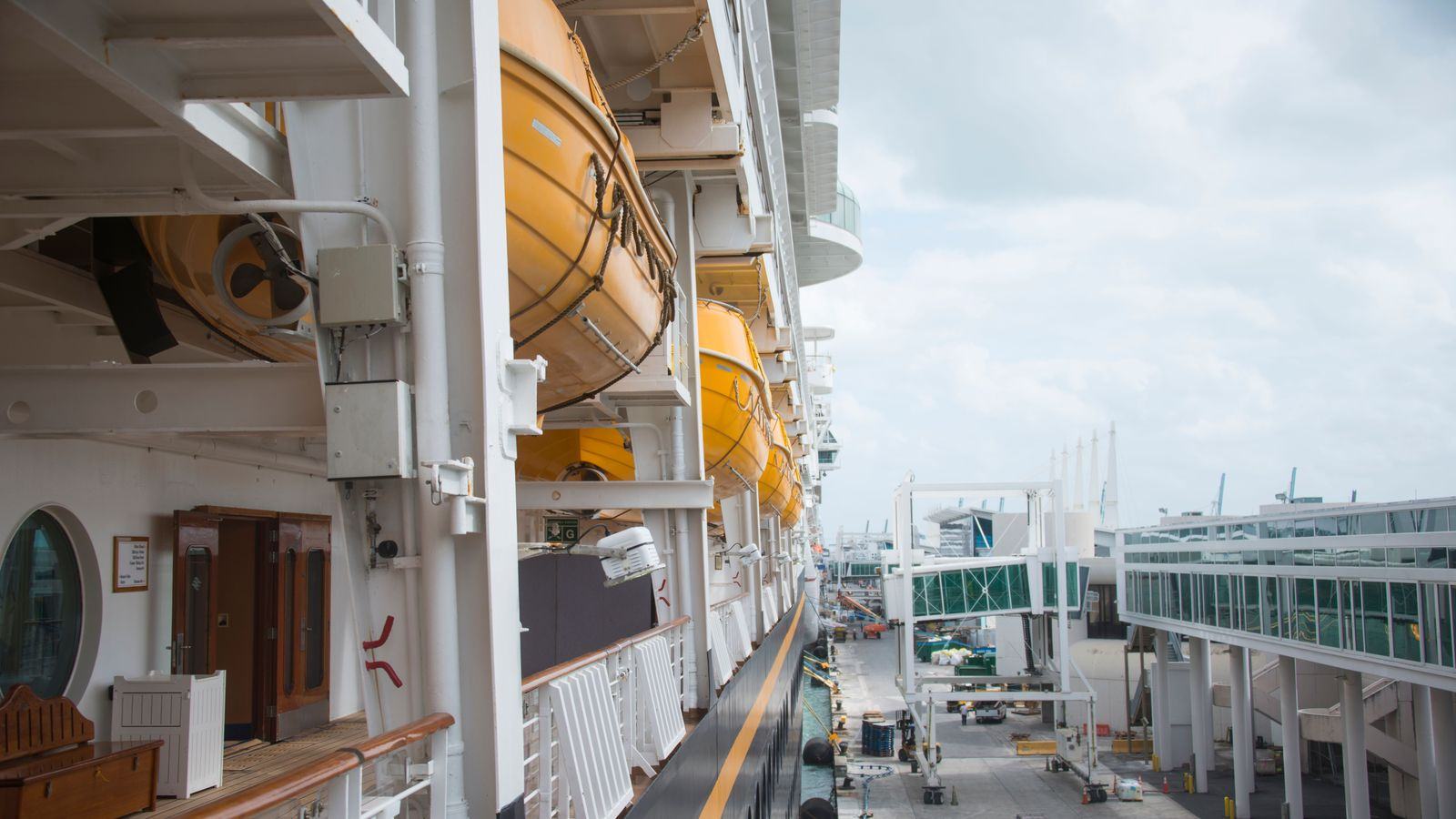
Port Sultan Qaboos, at the eastern end of the Muttrah Corniche, stopped handling commercial cargo after freight moved to Sohar and Duqm, and it now serves cruise ships, naval visits and tourism. The Omani cruise season generally runs from about October or November to April, when temperatures are milder. Ships berth alongside, and passengers leave through the port terminal to the landside pickup area.
For a turnaround or a port call, add the ship name and the date in the booking notes; the affiliate times the car to disembarkation rather than to the scheduled arrival. Common cruise-day plans are a transfer to the airport (30 to 45 minutes), a hotel stay before embarkation, or a half-day tour covering the Sultan Qaboos Grand Mosque, the Royal Opera House, Old Muscat and the Muttrah Souq. See cruise lines and ports for how we handle ships' schedules and crew movements.
Which car for which Muscat trip?
Sedans handle city and airport runs easily. For day trips into the Hajar Mountains or towards the desert, pick a larger vehicle from the fleet:
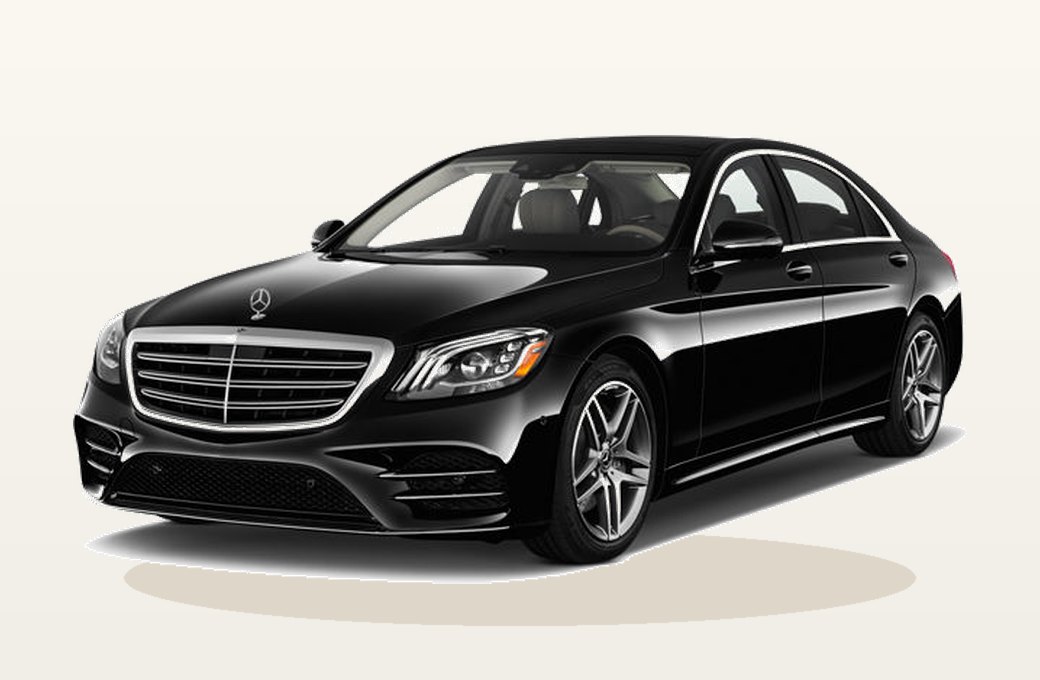
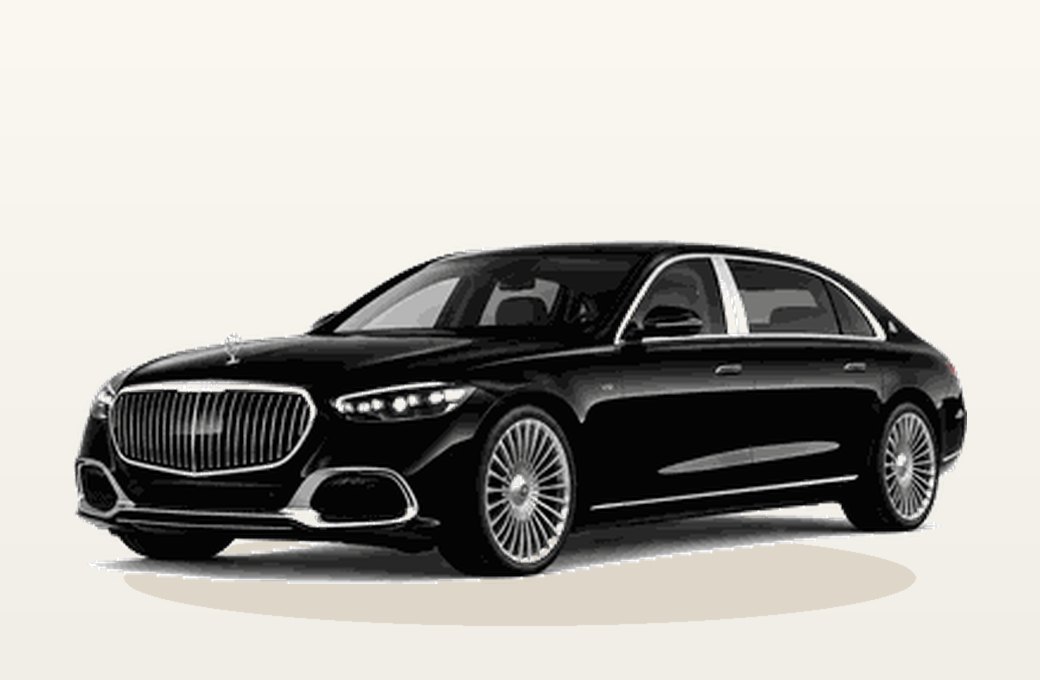
- Business or Luxury Executive Sedan: airport transfers, hotel to meeting, dinner in Qurum.
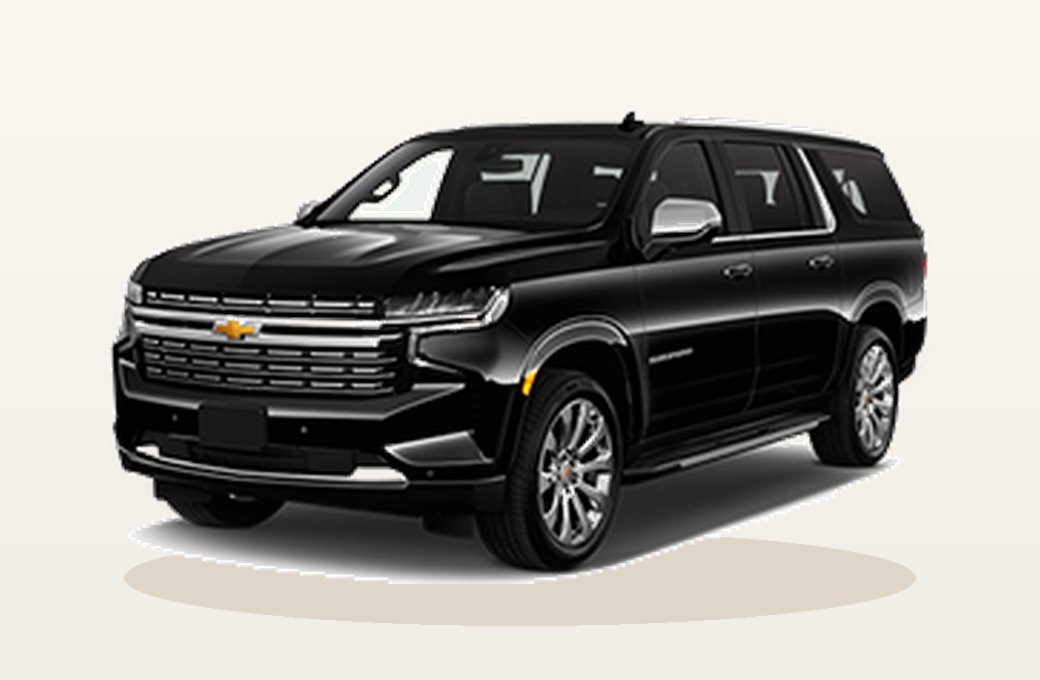
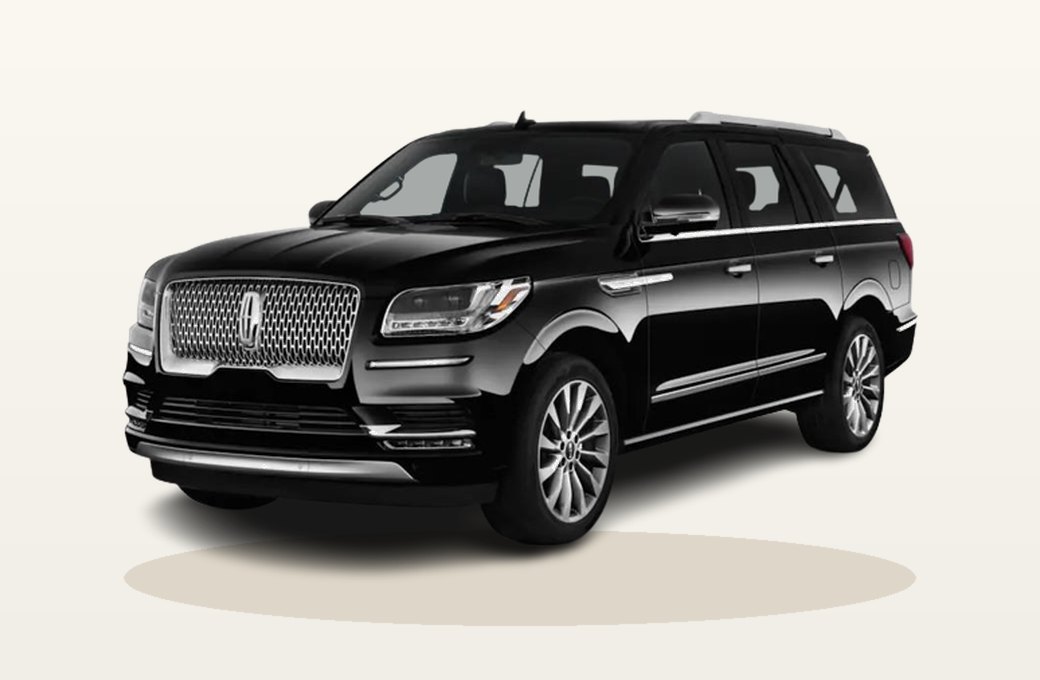
- Executive SUV: families with luggage, the coastal road to Sur, and paved mountain routes.
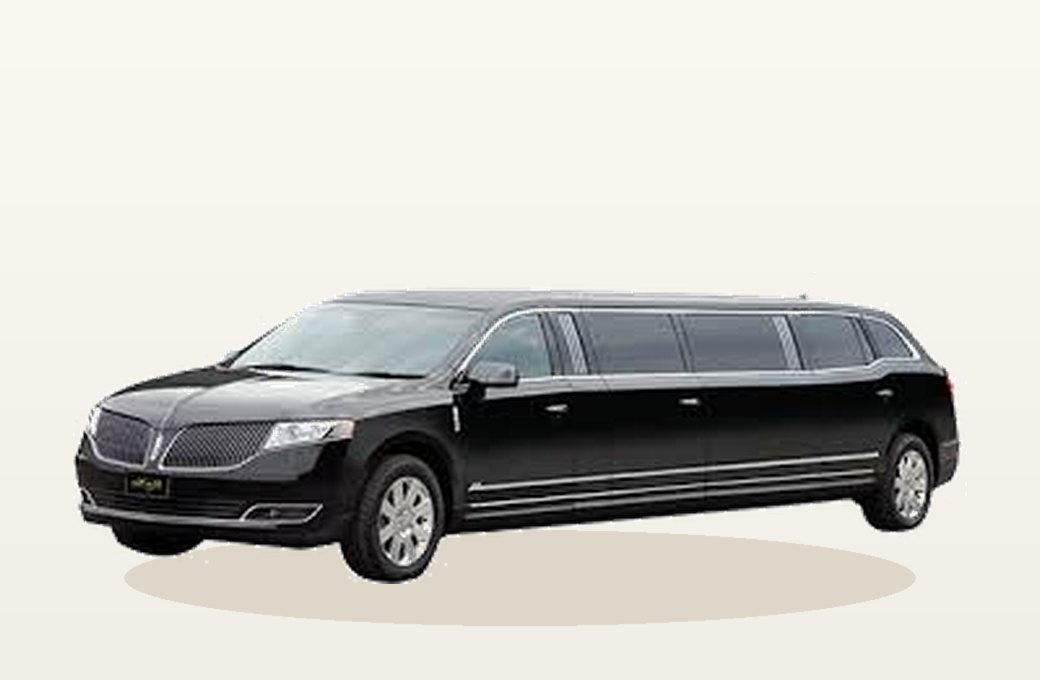
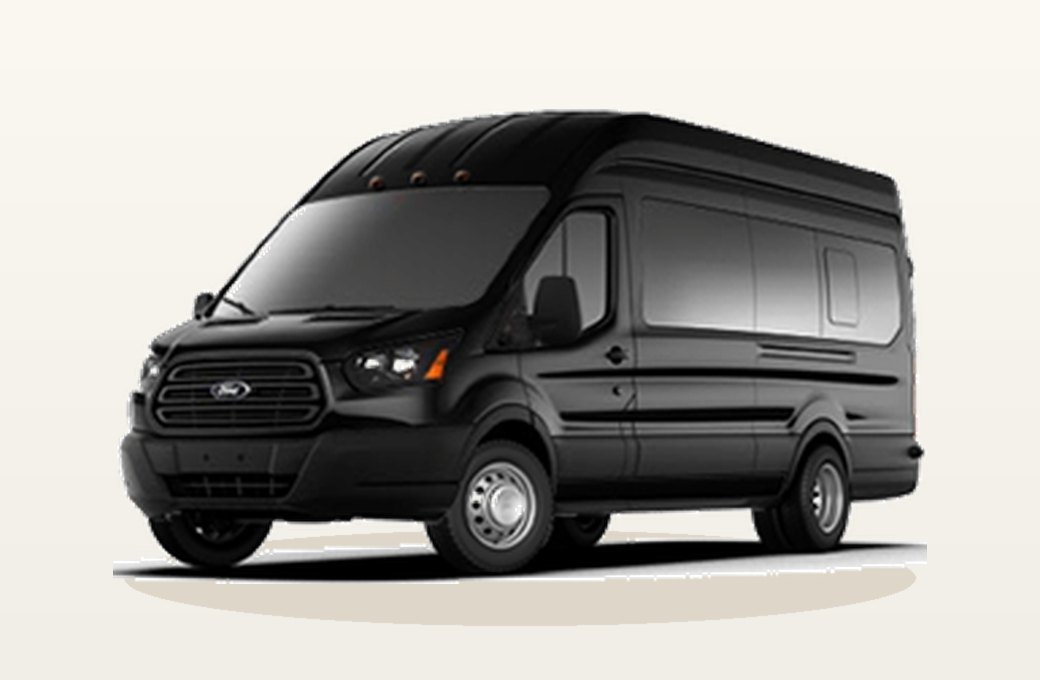
- Standard Black SUV or Sprinter Van: groups of five to twelve, cruise passengers travelling together.
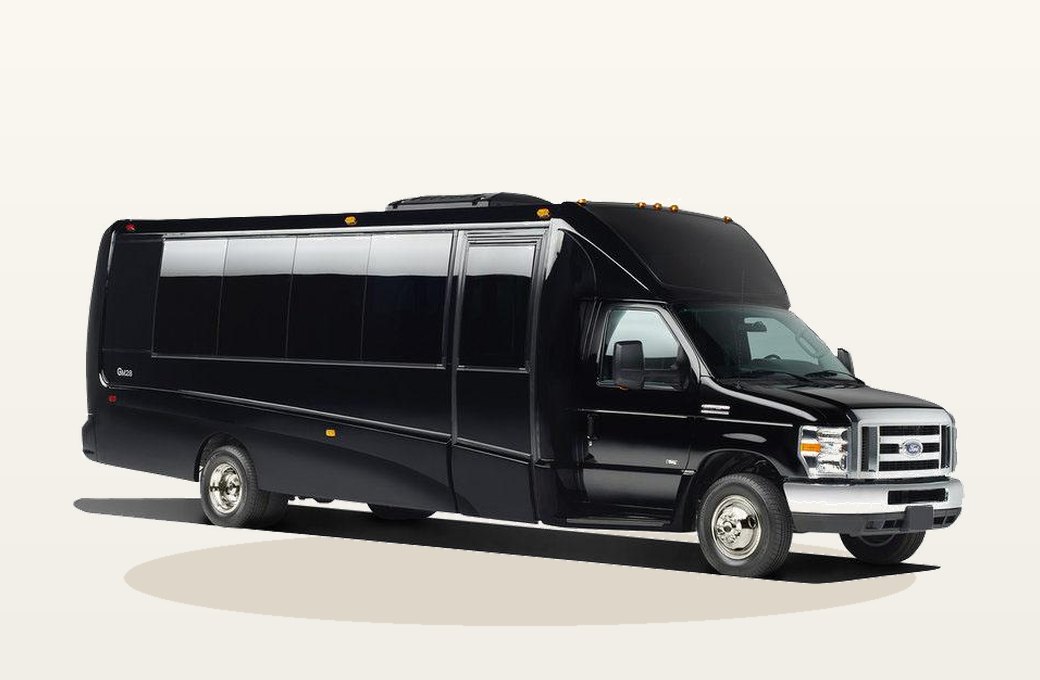
- Minicoach or motorcoach: conference delegations at the Oman Convention and Exhibition Centre, planned by a coordinator.
- Armoured SUV (partner): only on request and after a risk assessment.
Every vehicle in the affiliate network is no more than four model years old; Rolls-Royce, Maybach and Bentley are accepted up to seven.
Day trips from Muscat by chauffeur
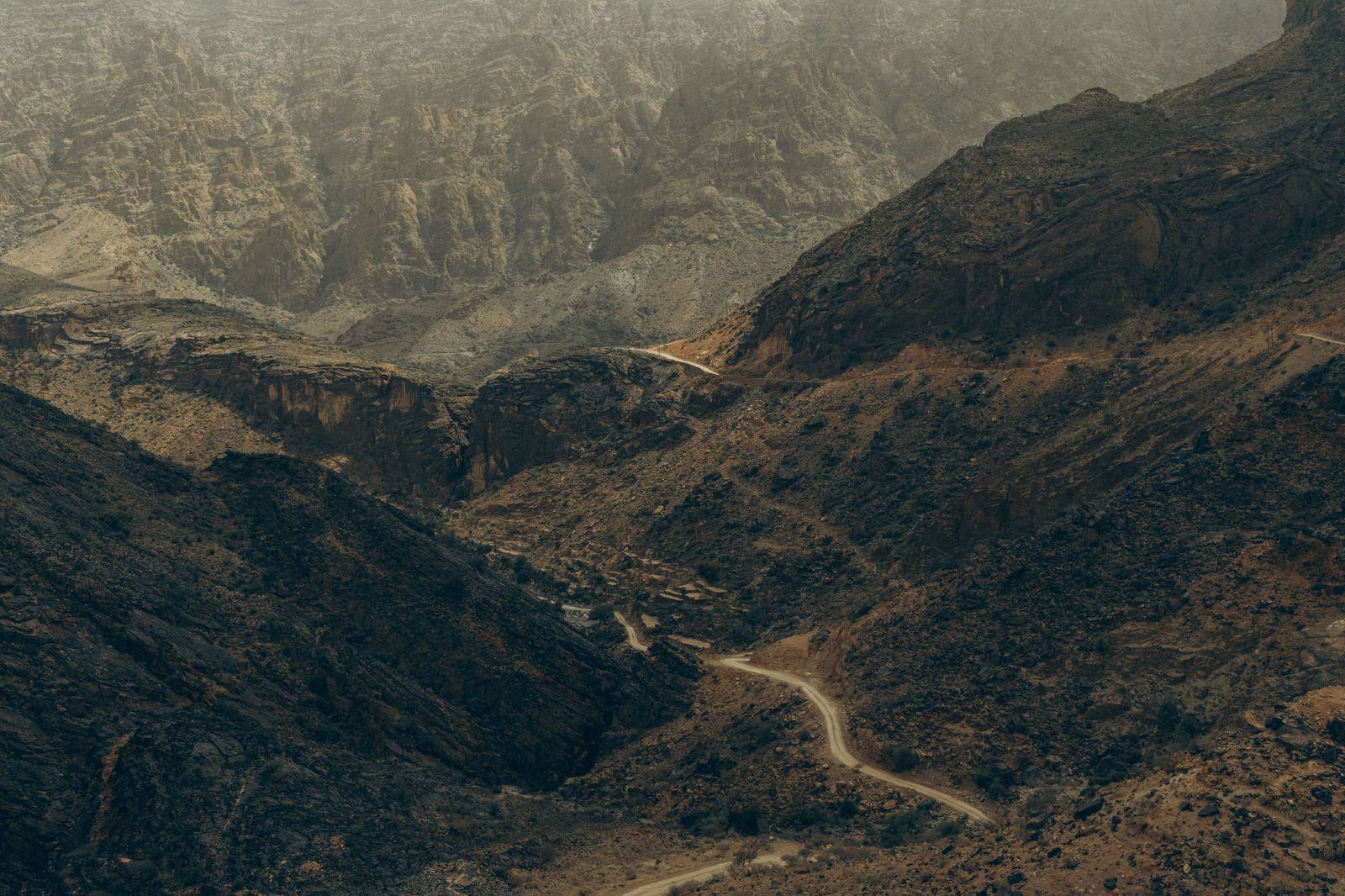
Oman's best-known sights are a drive away, and a chauffeur removes the question of navigating unfamiliar highways. Typical distances and times from Qurum:
- Nizwa (fort and souq): about 160 km, 1 hour 45 minutes to 2 hours via the Muscat Expressway and Route 15.
- Jebel Akhdar: about 170 km; the last climb requires a four-wheel-drive vehicle and a checkpoint confirms this on the way up.
- Wadi Shab and Bimmah Sinkhole: about 130 to 150 km along the coastal highway, 1 hour 30 minutes to 2 hours.
- Sur: about 200 km, 2 hours 15 minutes to 2 hours 45 minutes.
- Wahiba Sands: roughly 200 to 250 km to the camps; the dunes themselves need a desert 4x4 and an experienced driver, so we plan these trips with a coordinator.
For these routes, book a full-day city tours and day trips service, which keeps the car with you and includes the return.
Muscat districts, venues and hotels
Most visitors split their time between a few areas. Qurum and Shatti Al Qurum hold beachfront hotels, the Royal Opera House Muscat and embassies. Al Khuwair is the government district with ministries and banks. Madinat Al Irfan, next to the airport, is home to the Oman Convention and Exhibition Centre, the main venue for conferences and trade fairs. Al Mouj, often still called The Wave, is a marina development with residences, a golf course and hotels. Muttrah has the corniche, the souq and the port, while Old Muscat is where the Al Alam Palace and the Al Jalali and Al Mirani forts stand. East of the city, the Barr Al Jissah coast has resort hotels in coves reached by a winding road.
Places we are often asked to reach include the Sultan Qaboos Grand Mosque in Bawshar (visiting hours are limited, typically mornings except Fridays, and modest dress is required), the National Museum and the Bait Al Zubair museum.
Events in Muscat through the year
- January to February: the Muscat Nights festival in city parks, with heavy evening traffic around the venues.
- February: the Tour of Oman cycling race, with rolling road closures on stage days.
- October to April: the cruise season and the busiest months for conferences.
- Year-round: the Royal Opera House season, with most performances running from autumn to spring.
- Ramadan and the Eid holidays: working hours shorten and evening traffic peaks after iftar; dates follow the lunar calendar.
Check Experience Oman, the national tourism site, for current listings.
Local driving realities
Oman drives on the right. The Sultan Qaboos Street corridor and the Muscat Expressway carry most cross-city traffic. There are no road tolls. Speed cameras are widespread and enforcement is strict. The weekend is Friday and Saturday. Summer temperatures from May to September regularly exceed 40 C, which makes air-conditioned pickups and short outdoor waits worth planning. Heavy rain is rare but can flood wadis and low roads quickly, and chauffeurs will not cross a flowing wadi; routes are adjusted instead.
Private and business aviation in Muscat
Business jets use Muscat International Airport, where general aviation traffic is handled separately from the main terminal. Add the tail number, the expected arrival time and the handling agent to the booking, and the chauffeur meets you at the point the handler designates, within the airport's airside rules. The same flight tracking applies, so an early wheels-down does not leave you waiting. For families and executives flying on to Salalah or into the interior, one coordinator can plan the ground legs at each end. See private aviation and FBO transfers for the details.
Crossing into the UAE by road
Muscat to Dubai is about 450 kilometres, roughly 5 to 6 hours including the border at Al Wajajah or Hatta. Oman-registered vehicles need UAE insurance and permits, and passengers need entry documents for both countries, so cross-border trips are planned by a coordinator and confirmed in writing. Many travellers prefer the one-hour flight. For southern Oman, see our Salalah page, and the Oman overview for the rest of the country.
Muscat hotels and pickup tips
Several of Muscat's large hotels sit on long private driveways or behind security gates, and resort check-in points at Barr Al Jissah or along Shatti Al Qurum can be some distance from the road. Put the hotel name and, where relevant, the building or wing in the booking notes so the chauffeur goes straight to the right entrance. For a villa or apartment at Al Mouj, add the block or street name; the development is large and signage is mainly for residents.
Ramadan changes the rhythm of the city. Offices work shorter hours, many restaurants open only after sunset, and the roads become very busy in the hour after iftar. If your stay overlaps with it, allow extra time for evening transfers and keep in mind that eating, drinking and smoking in public during daylight are not permitted.
Corporate and crew travel in Oman
Energy companies, ministries and shipping firms account for much of Muscat's business travel. Corporate accounts add monthly invoicing, cost centres and duty-of-care trip data, and airline crew transportation is planned around rosters rather than single bookings. Omani limousine companies and owner-operators can join the network from $30 a month at drive with us.