









With BlaakLane.com, chauffeur service in Tel Aviv is booked at a fixed fare before you confirm. Pick Ben Gurion Airport or a hotel on HaYarkon Street, add the destination, date and vehicle, and the price covers the route and waiting within the included time. Arrivals are flight-tracked, and a vetted local affiliate, named on your confirmation, drives the trip.
How booking a Tel Aviv chauffeur works
Use the reservation engine on this page, or go to book. Choose the pickup (Ben Gurion, a Rothschild Boulevard office, a Herzliya Pituah hotel, a Jerusalem address), the drop-off, the time and the vehicle class. The engine shows one fixed price for that trip. There is no meter, no surge on a rainy Thursday evening and no extra charge if the Ayalon Highway stalls.
After you confirm, the reservations and dispatch desk in Toronto, open 24/7, assigns a vetted Tel Aviv affiliate from the LimousineWorldwide.Directory network, and the confirmation names the operator, chauffeur and vehicle. Put the flight number in every airport booking so the pickup follows your real landing time. A day that mixes meetings in Ramat Gan and Herzliya with a dinner in Jaffa is often better as hourly chauffeur service.
Fare, waiting time and cancellation
The fixed fare includes the vehicle, the chauffeur, fuel, airport access charges and child seats on request. Gratuity in Tel Aviv is not part of it; it is charged at actual cost and added to the booking.
Waiting is built in: 60 minutes from actual landing for international arrivals, 30 minutes for domestic flights such as those from Eilat, and 15 minutes for other pickups, with 15-minute blocks after that. Planning ranges are on the rates page. Cancelling more than 72 hours before pickup is free; 72 hours or less costs 10%, 48 hours or less 50%, and 24 hours or less or a no-show 100%.
Ben Gurion Airport: terminals, security and pickup
Ben Gurion Airport is about 20 km south-east of central Tel Aviv, near Lod, and is run by the Israel Airports Authority. Two terminals handle passengers:
- Terminal 3 is the main international terminal. All international arrivals currently land here, including those of airlines that depart from Terminal 1.
- Terminal 1 returned to international operations in July 2026, mainly for departures of some carriers, alongside domestic flights to Eilat's Ramon Airport. Some airlines split flights between Terminal 1 and Terminal 3, so check your departure terminal on the day.
Security shapes every airport trip in Israel. Vehicles pass a checkpoint on the airport access road, and departing passengers go through questioning and screening before check-in, which is why airlines ask you to arrive about three hours before an international departure. We time outbound pickups to that advice, not to a shorter guess. On arrival, pickup is curbside at the designated area for pre-arranged vehicles outside Terminal 3. A name-board meet and greet inside the arrivals hall is an add-on; add-ons are only available in selected locations, and the engine shows whether yours qualifies.
Drive times from Ben Gurion: 20 to 35 minutes to central Tel Aviv or Ramat Gan outside peaks, 45 to 70 minutes in the morning inbound or evening outbound rush; 25 to 45 minutes to Herzliya Pituah; 40 to 60 minutes to central Jerusalem via Route 1.
Entry to Israel: the ETA-IL
Since 1 January 2025, visitors from visa-exempt countries, including the United States, Canada, the United Kingdom and EU states, must hold an approved ETA-IL electronic travel authorisation before flying. It costs 25 shekels, is usually valid for two years or until the passport expires, and covers visits of up to 90 days for tourism or business. Apply at least 72 hours before travel on the official Population and Immigration Authority portal. Travellers who need a visa must obtain it in advance. Entry stamps are issued as a separate slip rather than in the passport. Queues at passport control vary with the arrival bank, and the included 60-minute wait starts at landing to cover that.
Shabbat: how it changes traffic and transport
Shabbat runs from Friday before sunset to Saturday after dark, and it changes how Tel Aviv moves more than any rush hour.
- Friday morning to early afternoon: heavy traffic as people shop, lunch and leave the city for the weekend. Allow extra time on the Ayalon and Route 2.
- Friday evening to Saturday evening: Israel Railways does not run, the Red Line light rail does not run, and most intercity and city buses stop. Roads become much quieter, and taxis and private cars carry most travellers.
- Saturday night: traffic returns as the weekend ends, and trains restart after Shabbat.
In Jerusalem, some neighbourhoods close their streets to traffic on Shabbat, so drop-off points there may be at the edge of an area. If you arrive on a Friday night or Saturday flight, book early and say so in the notes; the confirmation names the operator once assigned. Once a year, on Yom Kippur, the country almost stops: Ben Gurion typically closes, and road traffic nearly disappears for about 25 hours. Plan international travel around that date.
Where do business travellers go in Tel Aviv?
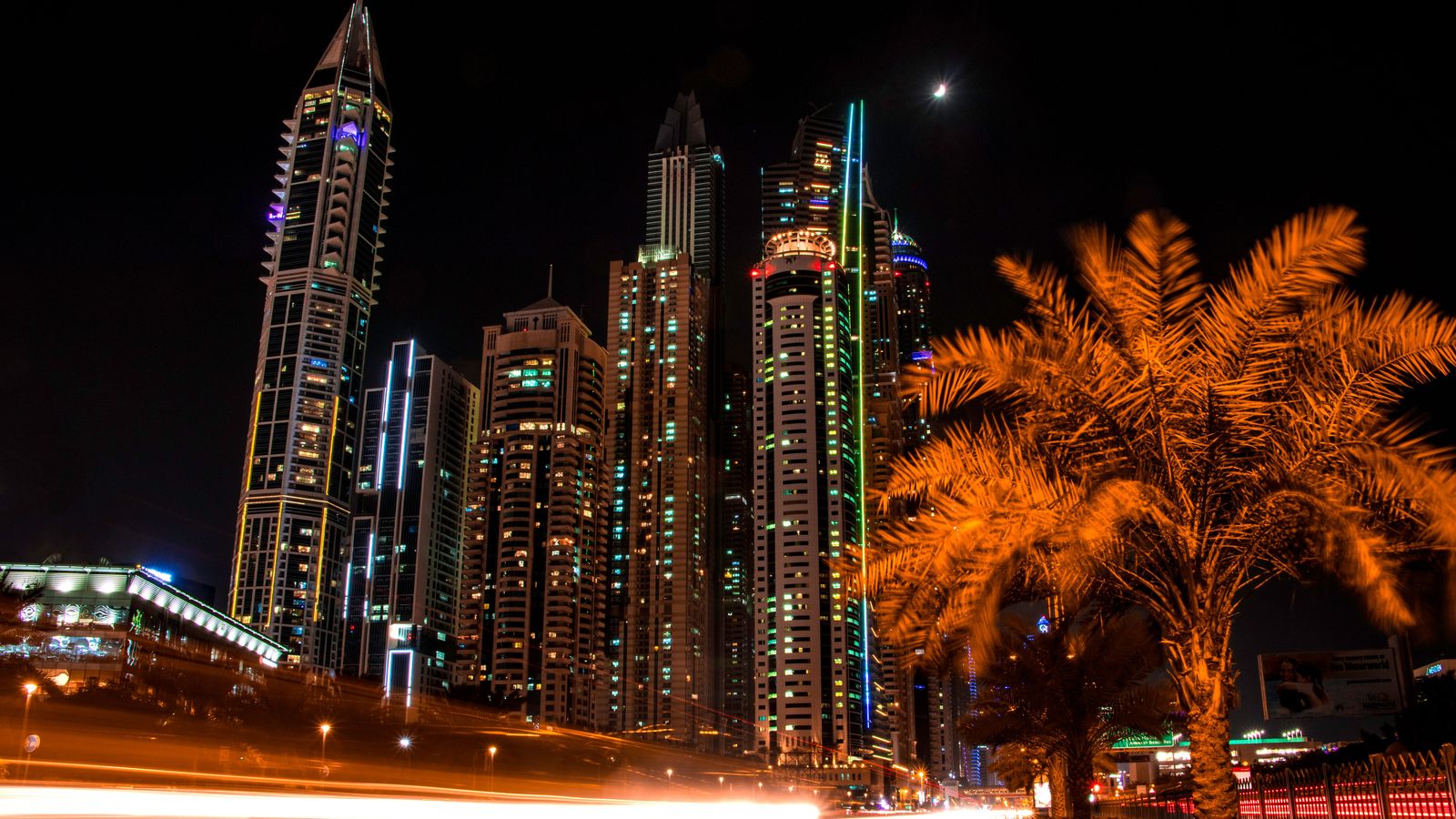
Tel Aviv and its neighbours form one continuous business area, often called Gush Dan:
- Rothschild Boulevard and Neve Tzedek: banks, law firms, start-ups and boutique hotels in the White City, a UNESCO World Heritage area of Bauhaus-era buildings.
- Azrieli and Sarona: the tower cluster by the Ayalon, with the Azrieli Center and the Sarona complex, close to HaShalom station.
- Ramat Gan and the Diamond Exchange district: high-rise offices across the Ayalon, including the Israel Diamond Exchange.
- Herzliya Pituah: the technology and venture-capital district about 15 km north, with beach hotels.
- Ramat HaHayal and Bnei Brak's edge: more technology offices in the north-east.
- Jaffa: the old port city to the south, now a hotel, gallery and restaurant destination.
Crossing between these districts takes 15 to 40 minutes at midday and longer at rush hour. For teams running a week of investor meetings, see financial roadshows.
Picking a vehicle for Tel Aviv
| Trip | Suggested class | Why |
|---|---|---|
| One traveller, Ben Gurion to Rothschild | Standard Sedan | Easy in narrow central streets |
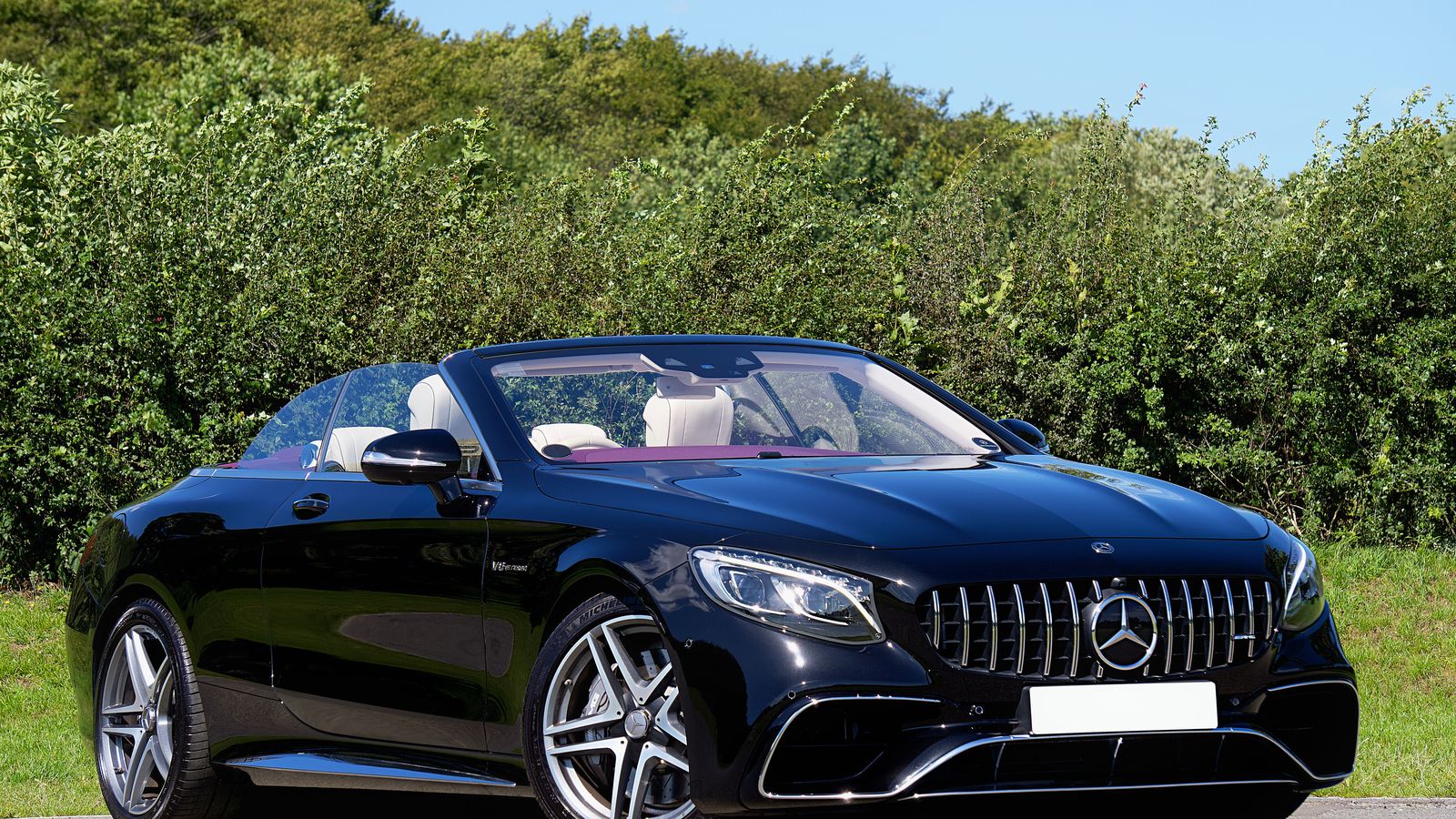
| Investor meetings, Ramat Gan to Herzliya | Luxury Executive Sedan | Rear-seat workspace between meetings |
| Family with luggage to Jerusalem | Executive SUV or Standard Black SUV | Bags and hills on Route 1 |
| Delegation of eight | Sprinter Van | One vehicle, one schedule |
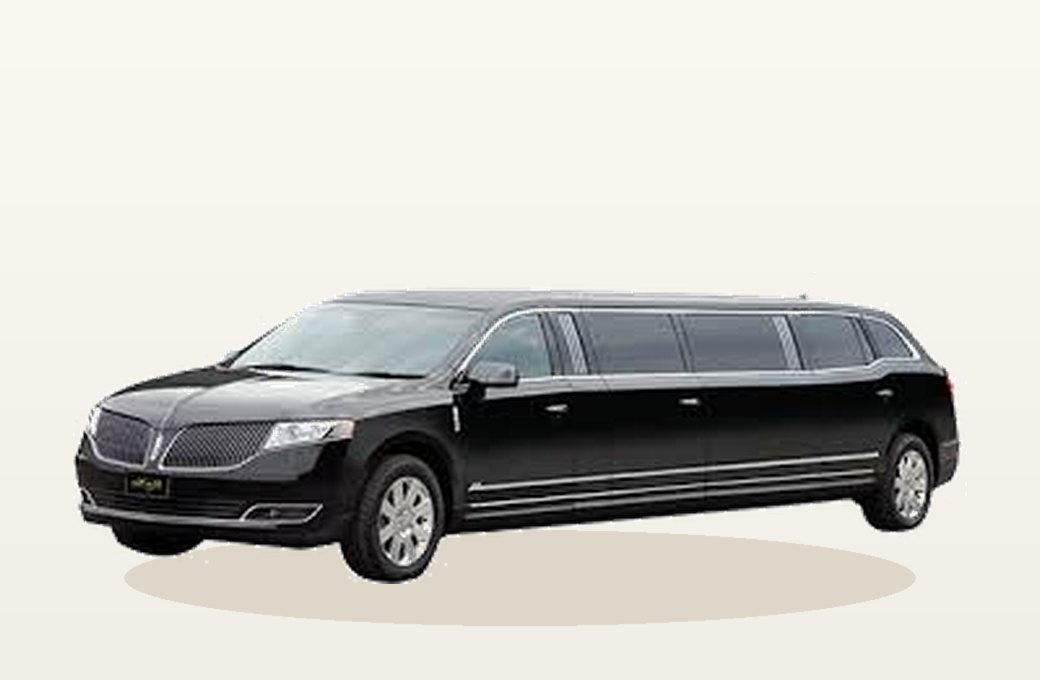
| Wedding in Jaffa | Stretch limousine or Rolls-Royce (partner) | Formal arrival |
| Principal with a security profile | Armoured SUV or sedan (partner) | Only after a risk assessment |
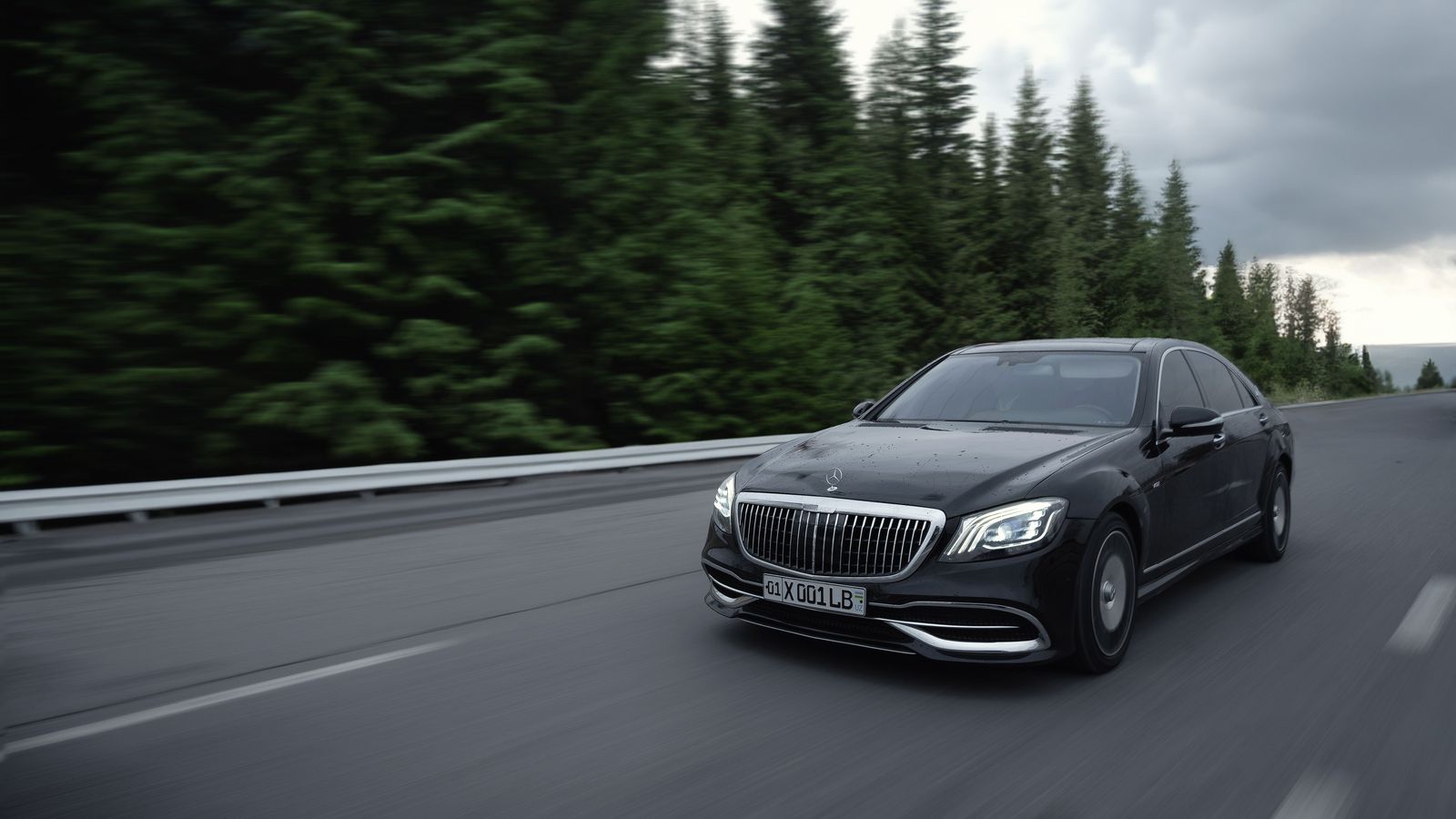
See the fleet for each class. Every affiliate vehicle is four model years old or younger; Rolls-Royce, Maybach and Bentley are accepted up to seven.
Hotels, venues and the events calendar
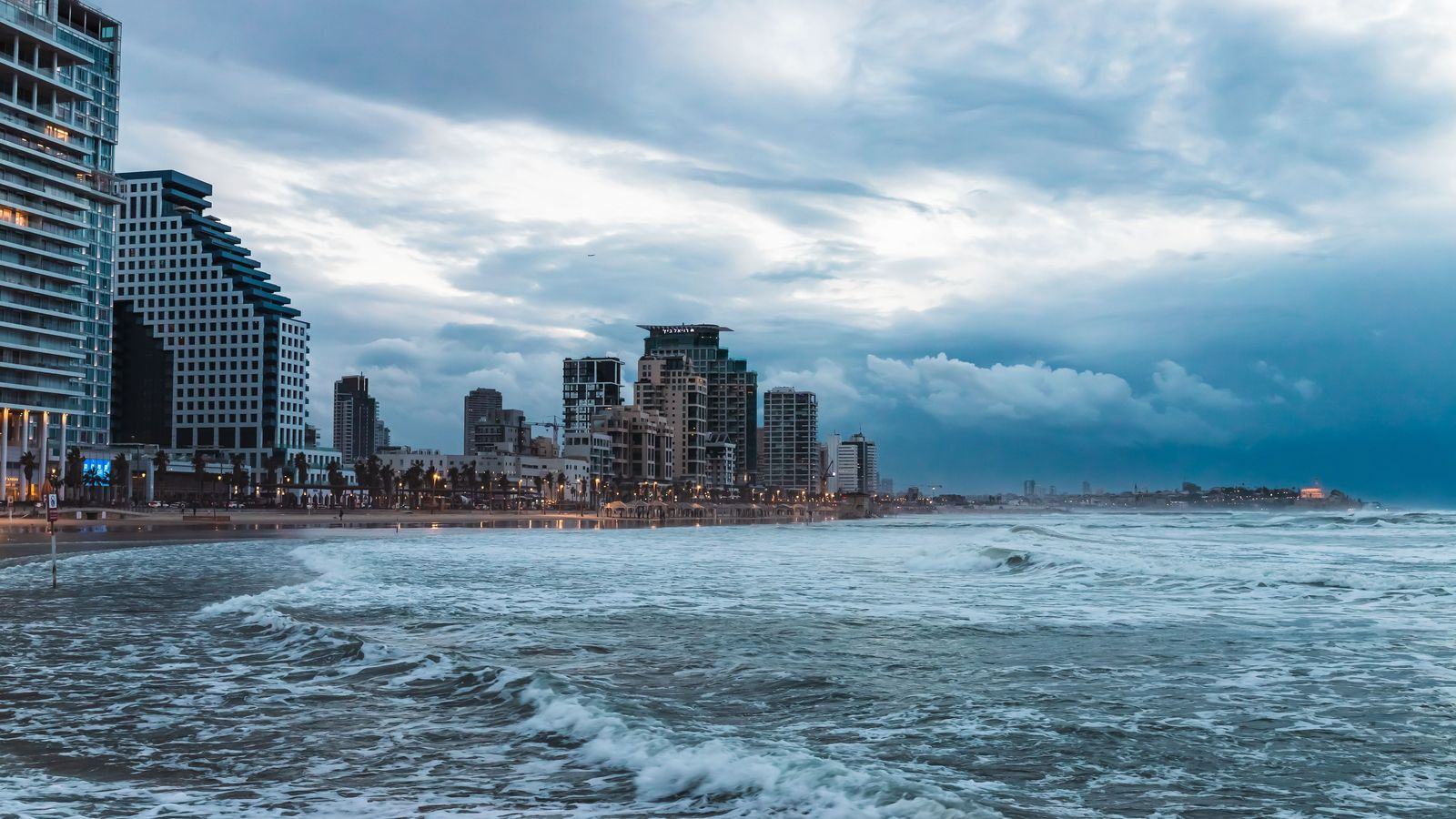
Hotels on the seafront along HaYarkon Street and in the city include the David InterContinental, the Hilton Tel Aviv, the Carlton, The Norman, The Jaffa and The Setai. Events use Expo Tel Aviv (the Israel Trade Fairs Centre) in the north, Menora Mivtachim Arena, Bloomfield Stadium in Jaffa and the Tel Aviv Port area.
The calendar is fairly steady through the year, with these reference points:
- Late winter (usually February or March): the Tel Aviv Marathon closes central and coastal roads for a morning.
- Around January or February: technology and cyber conferences fill Expo Tel Aviv and nearby hotels.
- June: Pride week and White Night bring large crowds, closures and late-night traffic.
- September or October: the High Holidays, including Rosh Hashanah and Yom Kippur, followed by Sukkot, reshape traffic and airport schedules.
Tel Aviv to Jerusalem, Haifa and beyond
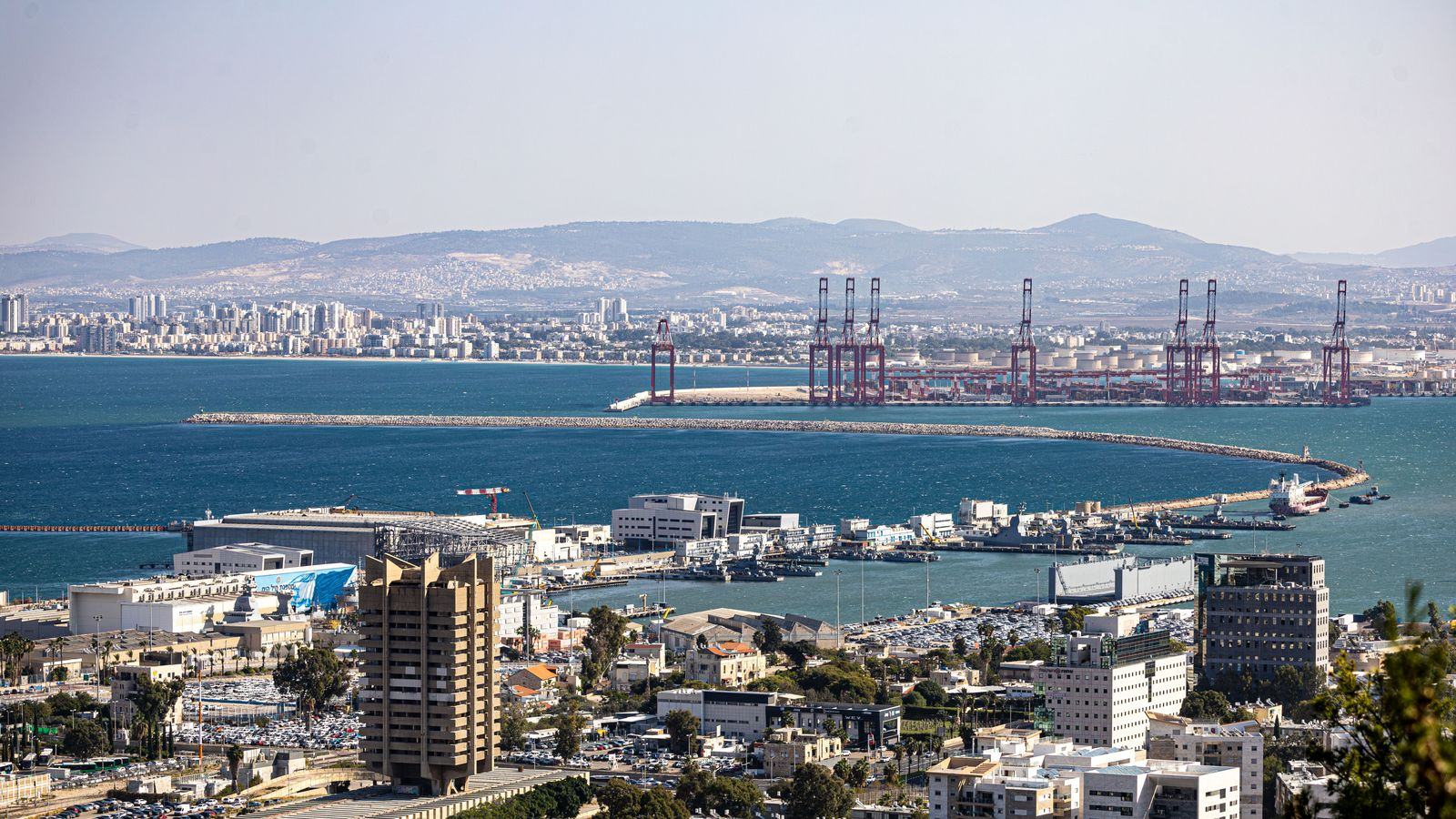
Jerusalem is about 65 km from central Tel Aviv, usually 50 to 80 minutes by car depending on traffic, and 40 to 60 minutes from Ben Gurion. Israel Railways runs a fast electric line from the airport and Tel Aviv to Jerusalem Yitzhak Navon station; see Israel Railways. Haifa is about 95 km north, typically 1 hour 15 minutes to 1 hour 45 minutes via Route 2, and has the country's main cruise port; see our Haifa chauffeur page. The Dead Sea is roughly 2 hours from Tel Aviv. Each is bookable as a fixed-fare intercity transfer.
Driving realities in Gush Dan
Israel drives on the right. The Ayalon Highway (Route 20) is the spine of the metropolitan area and is congested from roughly 7:00 to 9:30 and 16:00 to 19:00, Sunday to Thursday, since the working week starts on Sunday. Route 6 is tolled electronically, and the Route 1 Fast Lane charges a variable toll. Construction for new light-rail lines narrows several central streets, and parking in the centre is scarce, which is why a chauffeur drops at the door and waits nearby rather than parking. The Red Line light rail, opened in 2023, links Petah Tikva, central Tel Aviv and Bat Yam on weekdays.
Private aviation and secure movements
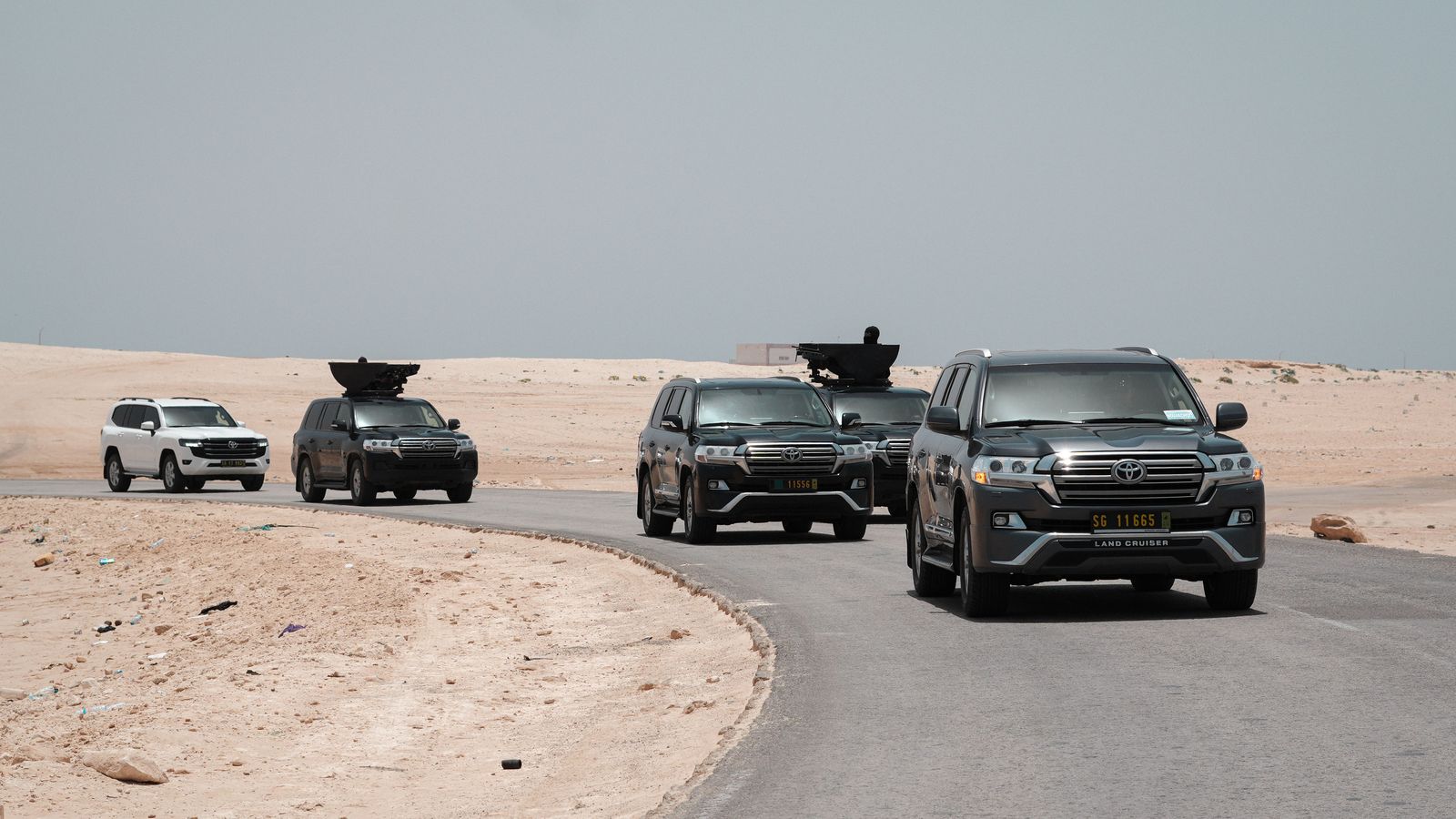
Business jets use Ben Gurion's general aviation facilities, and handling is arranged through a local agent. Add the tail number and handler to the booking notes. For security-sensitive trips, secure transportation and the armoured partner classes are planned only after a risk assessment and are confirmed in writing by a coordinator. Before travel, check your government's travel advisory and your airline's latest schedule, as flight programmes into Israel have changed at short notice in recent years.
Airline crews and business groups
Tel Aviv sees a steady flow of airline crews, conference groups and corporate teams. Crew rosters, delegation schedules and multi-vehicle programmes are planned by a coordinator and confirmed in writing, with vehicles staged by terminal and group size. Teams visiting several technology companies in one day often combine a Sprinter Van for the group with a sedan for a senior visitor who has to leave early; see group transportation and event transportation.
Tips for a smooth Tel Aviv pickup
- Give the street, the building number and, for towers, the entrance. Towers around Azrieli and Sarona have separate lobbies and drop-off lanes.
- For hotels on HaYarkon Street, the chauffeur uses the hotel forecourt where there is one; otherwise the drop is at the curb on the street side.
- For Jaffa and Neve Tzedek, narrow one-way streets mean the car may stop at the nearest open corner. Say if you have heavy luggage.
- Friday afternoon trips out of the city take longer than the map suggests, so leave extra time for any Friday departure.
- Hebrew and English are both widely used, and street signs are usually in Hebrew, Arabic and English, which makes addresses easy to share.
Corporate travel and other cities nearby
Companies sending staff to Tel Aviv regularly can use corporate accounts for monthly invoicing, cost centres and duty-of-care trip data. Neighbouring pages include Haifa and Amman; country notes are on the Israel page. For more on the airport itself, see Wikipedia.